Engineer Seal Stamps embosser desk. Updated 6 November 2026.
Discover Book Embosser Basics
If you love marking your books in a personal and eye-catching way, a book embosser for thick paper might be just what you need. It creates a raised impression on your page that looks elegant and feels professional. Plus, if you’ve ever tried stamping thick pages and found your design lacking clarity, you’ll be thrilled at how a sturdy embosser handles heavier stock.
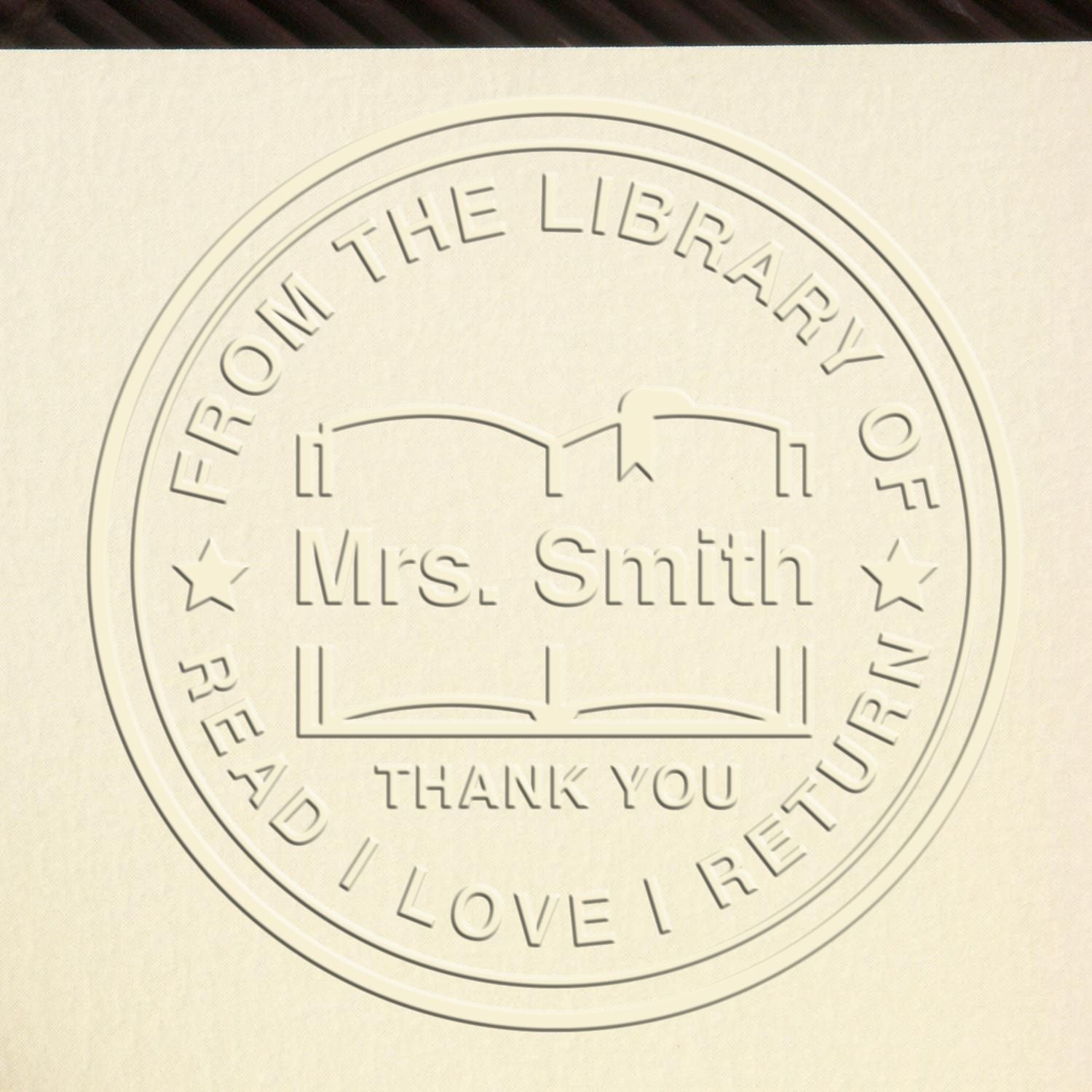
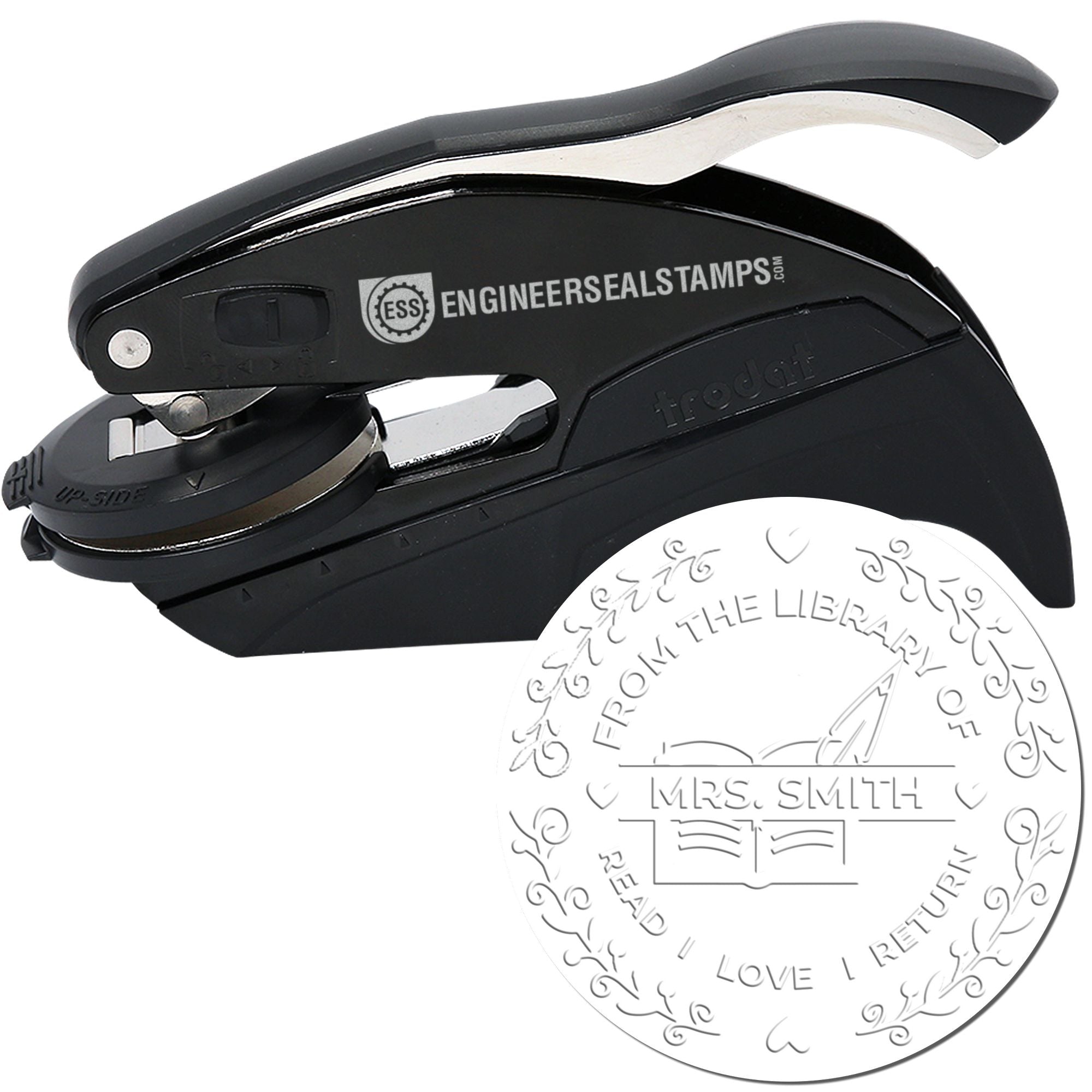
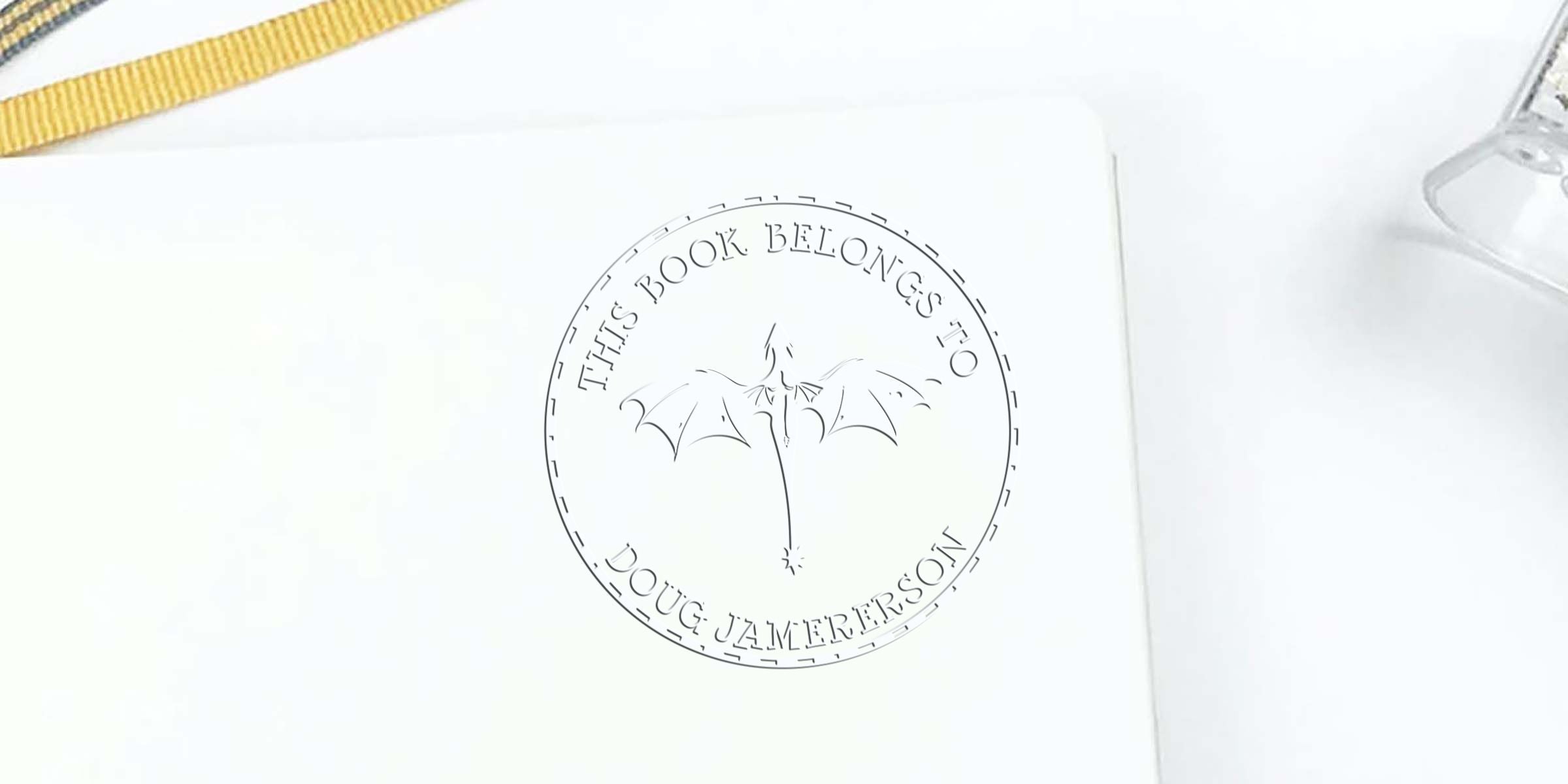
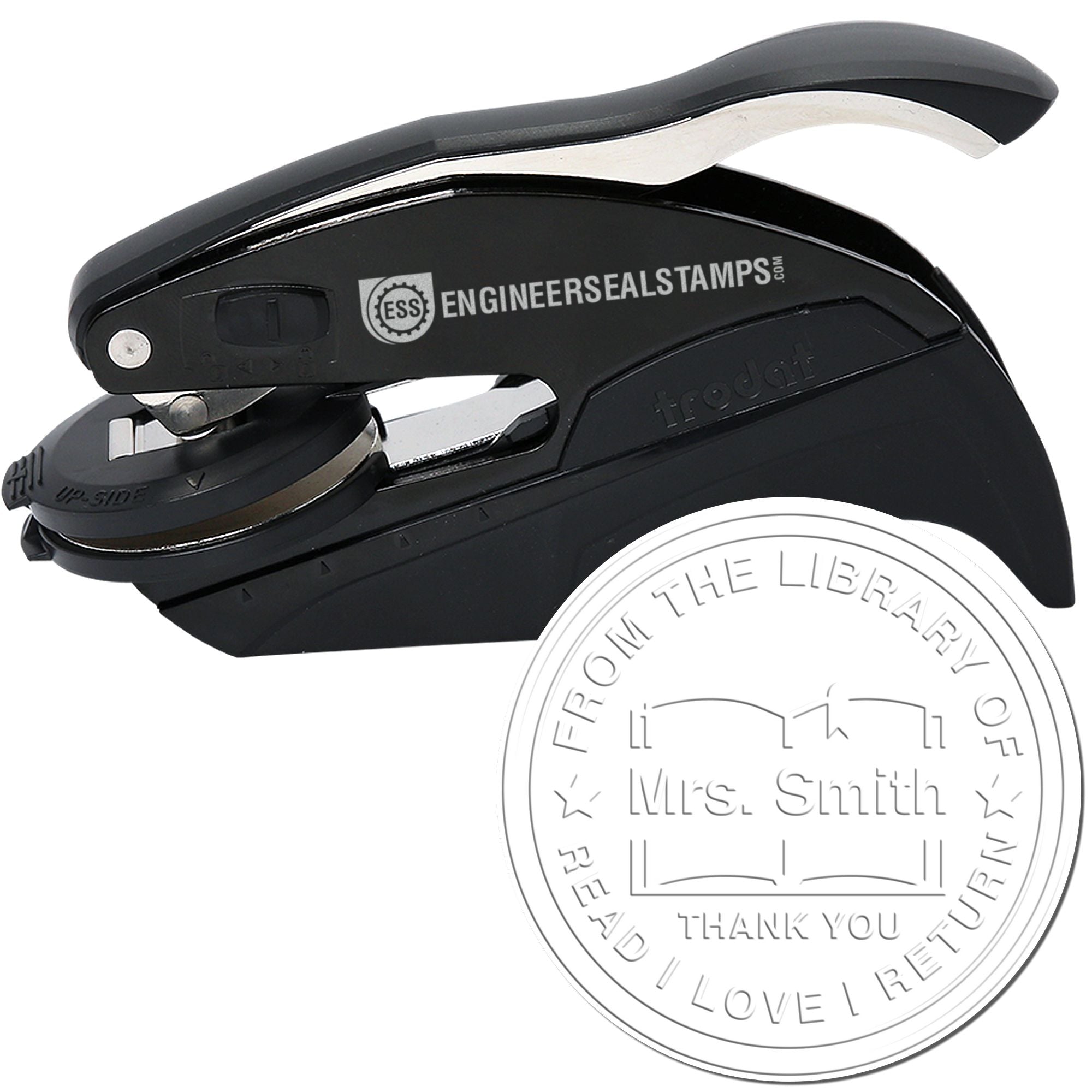
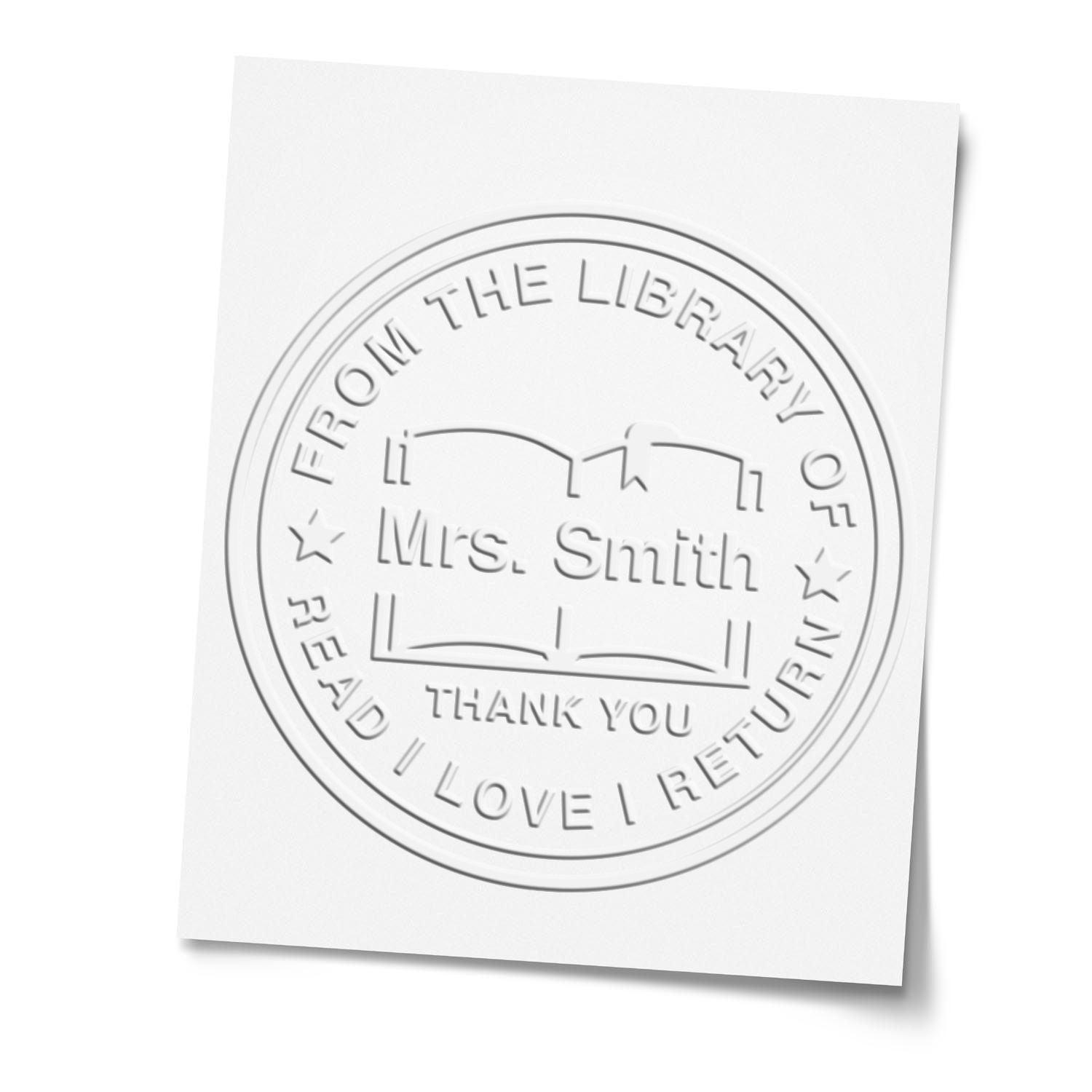
A book embosser is a handheld or desktop tool that presses your custom design into paper, leaving a clean, tactile imprint. Regardless of the style, embossers help you add a memorable touch to personal libraries, gifts, or professional documents.
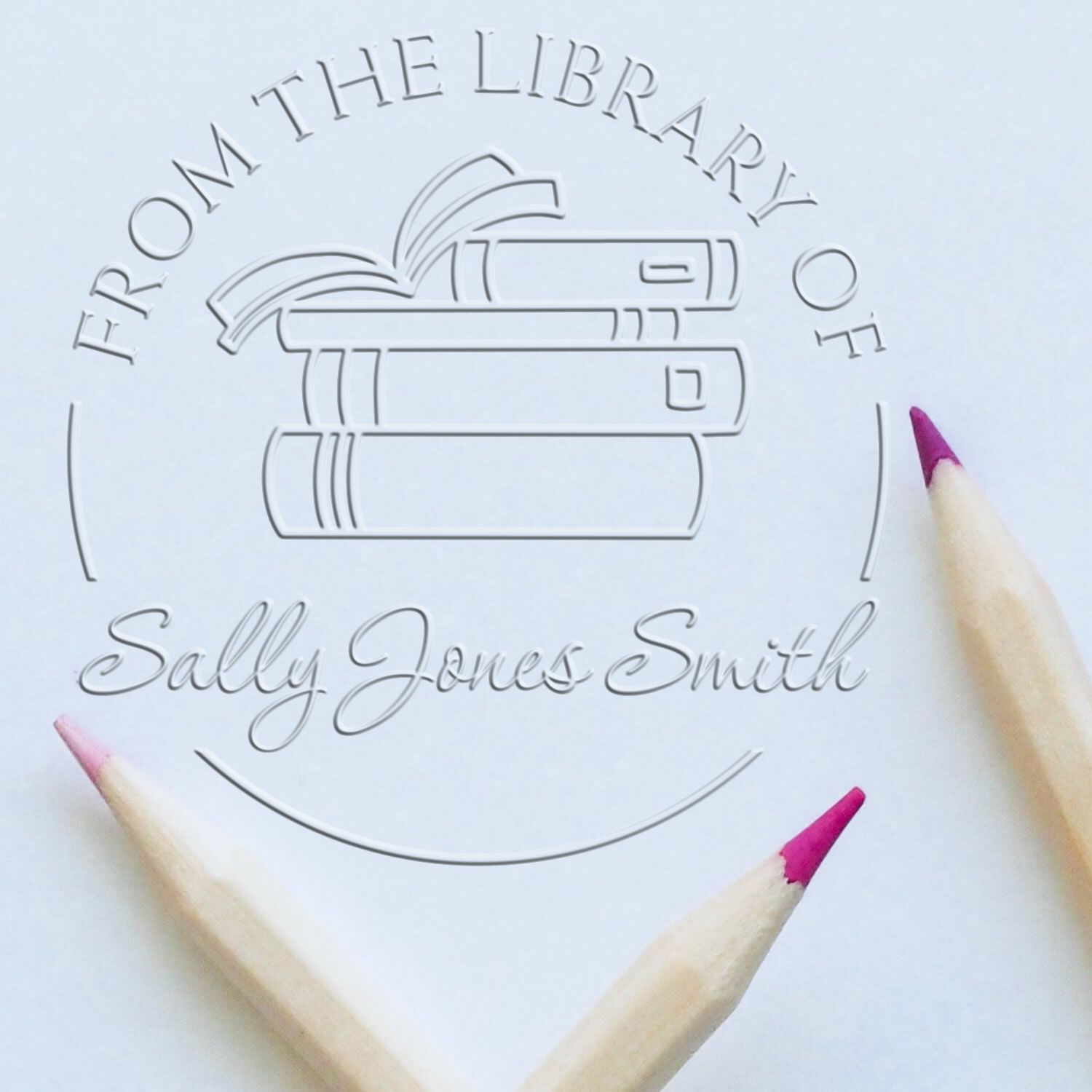
But maybe you’re wondering why this tiny contraption is so special. After all, a simple sticker or rubber stamp could label your books just fine, right? The difference is texture: an embossed mark can be felt as well as seen. When you press that handle and lift the paper to reveal a crisp design, it immediately shows the care you put into your book collection.
Why Consider an Embosser
You could rely on a pen, but there’s a certain satisfaction in leaving a raised mark that says, “This book is truly mine.” In addition, many people use embossers to highlight heirloom-quality editions, make unique gifts for bibliophiles, or even create professional-looking official seals. If you’re building a personal library you’ll pass down to future generations, an embosser can help you establish a consistent, timeless look.
Which embosser for books makes the clearest impression on heavy pages?
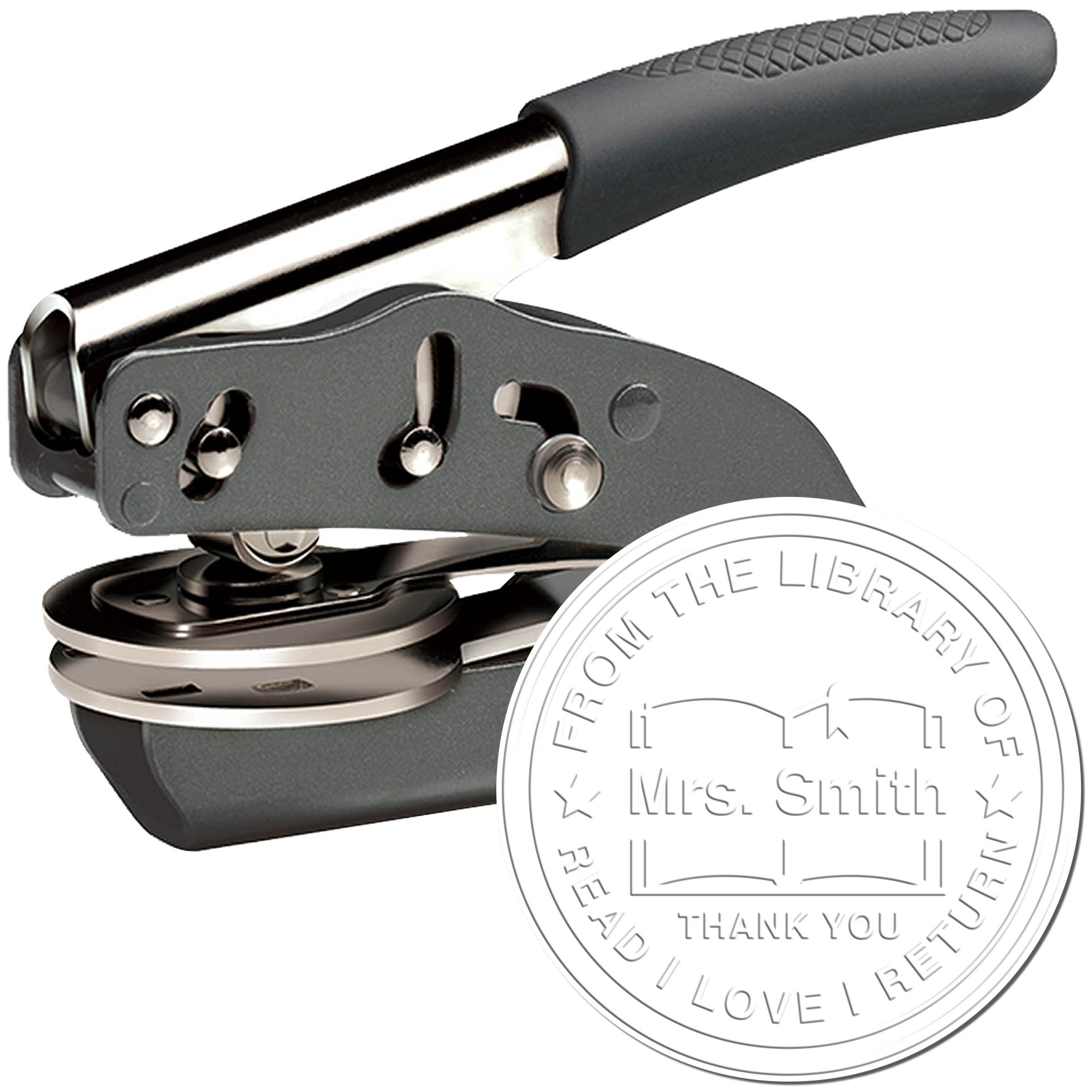
For thick pages, choose the Engineer Seal Stamps desk book embosser at $44.95, built for anything from thin book pages to cardstock, while the handheld and soft seal designs are rated for paper up to 24 lb.
- Know the weight. 24 lb bond is about 90 gsm, a heavy office sheet; endpapers in art books and keepsake editions often run heavier.
- One leaf only. Two leaves together double the thickness the die has to form, so the edge of the seal goes soft.
- Use the lever. On the desk frame you press down with your palm against the table instead of squeezing two handles, which forms stiff stock with less effort.
- Skip the board. The jaws take paper, not a hardcover board, so mark the endpaper inside the cover.
- Test a scrap. A crisp edge all around the 1-5/8 in. circle on a sample of the same paper means that frame suits it.
Consider Paper Thickness
Not all embosser tools are built the same. A thin piece of stationery demands less pressure than a dedicated book embosser for thick paper. That’s why paper thickness is a critical factor when choosing the right tool. If your embosser isn’t robust enough, you might end up with faint or partial impressions, which is frustrating when you were hoping for a stunning personal seal on your treasured hardcovers.
How to Gauge Thickness
Paper thickness is commonly measured in grams per square meter (gsm) or by a point scale (pt). For most hardcover or thicker heirloom pages, you’ll see stock well above 100 gsm, sometimes even 180 gsm or more. In some cases, you may not know the exact gsm. That’s okay. Give a quick feel test: if the page is noticeably heavier and stiffer than standard printer paper, you know you’re dealing with a thicker stock.
Heavy-Duty or Standard?
If your collection primarily includes delicate pages, a standard embosser might be enough. But if your library includes thick watercolor paper or premium photo-book pages, you’ll want something that can handle the job without straining. One option to check out is a heavy-duty book embosser, designed for sturdier materials. This specialized tool ensures you get a clean, raised seal in one squeeze, and it can reduce the wear and tear on your hands.
Can you adjust the pressure of a book embosser for different paper or glossy pages?
The depth of an Engineer Seal Stamps book embosser's 1-5/8 in. mark is set by its matched pair of dies rather than a dial, so you control the result with the frame you choose and a firm, even press.
- Thin paper. Press gently and release; text-weight pages form with little force.
- Heavy paper. Move up to the desk frame instead of forcing a handheld.
- Glossy or coated pages. Coating can crack or show white along a raised edge, so test a blank coated scrap before you mark an art book or photo album.
- Lopsided marks. Seat the whole circle inside the jaws and press straight down; tilting the embosser lightens one side of the seal.
Select Your Embosser Style
As soon as you’ve thought about paper weight, your next step is deciding on the ideal tool style. Generally, you’ll find handheld and desktop embossers. You might even spot long-reach designs for capturing the middle of pages with ease.
Handheld vs. Desktop
- Handheld Embosser: Compact, portable, and simple to store. Great if you want to move around, label multiple items, or share the embosser during a group crafting session. Be sure to test the handle’s grip, so you find it comfortable over repeated use.
- Desktop Embosser: Often larger, heavier, and built for stability on a flat surface. If you regularly emboss thick paper or need consistent, professional-level impressions, a desktop model offers better leverage and less strain on your wrist. They also tend to be more durable, which suits big personal libraries or small businesses.
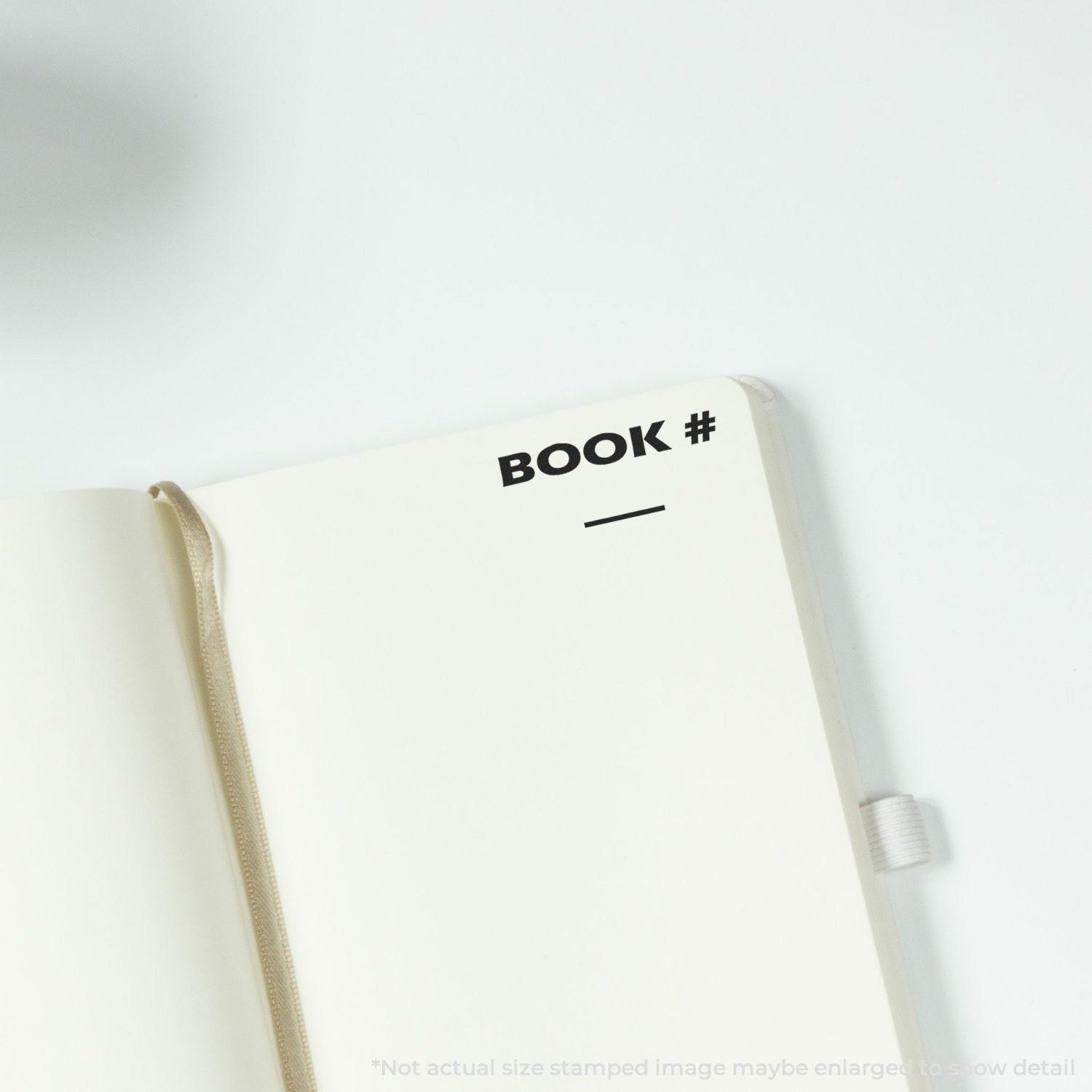
Long-Reach Options
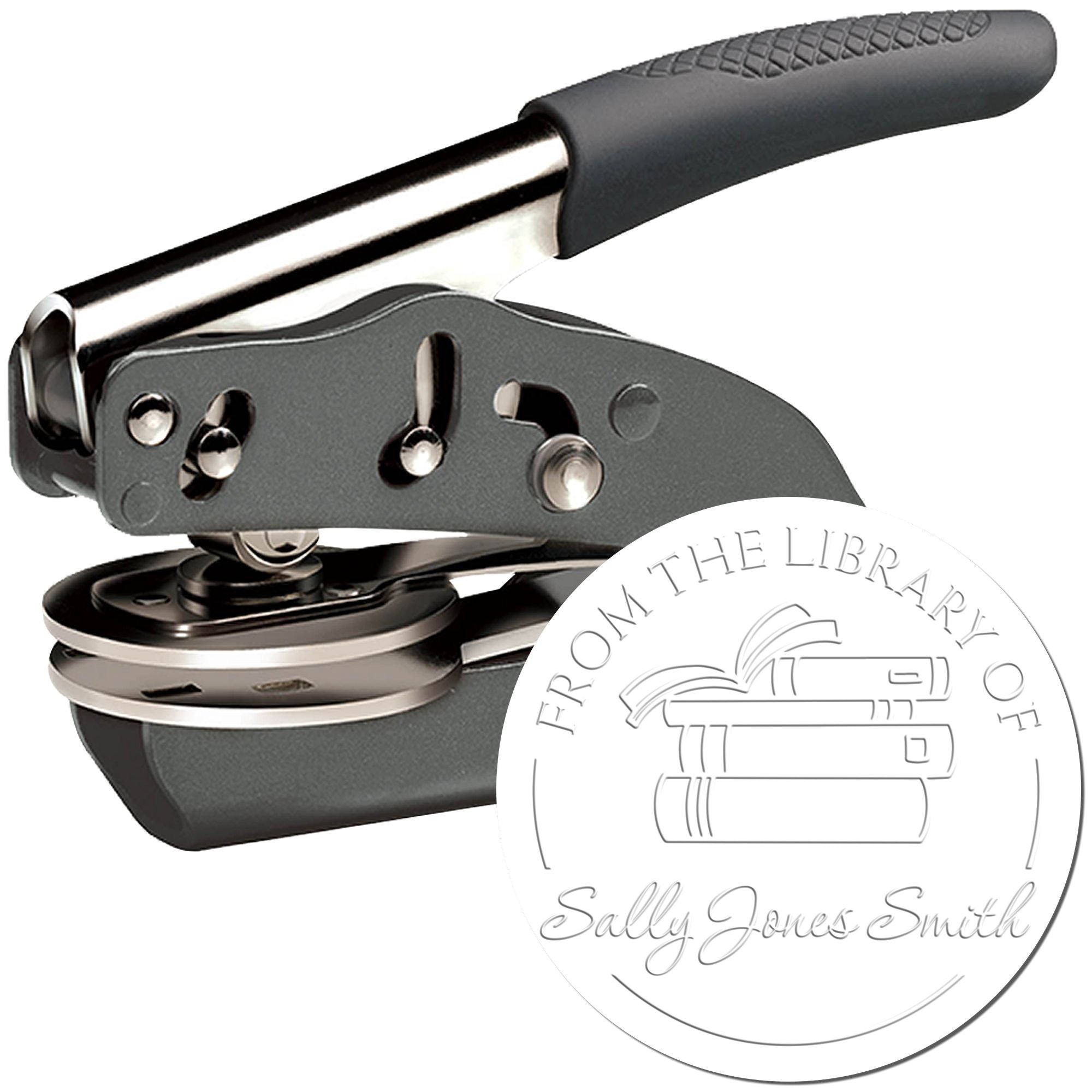
ESS book designs come in handheld, soft seal, hybrid and desk frames, and each one places the seal near the edge you feed, which is where an ownership mark usually goes.
How do you choose the right size book embosser for books, journals and planners?
Engineer Seal Stamps book designs all press a 1-5/8 in. round seal, so choosing a size means choosing a frame: a $34.95 handheld for journals and planners on the go, a $39.95 soft seal or hybrid for regular use, or a $44.95 desk model for heavy pages and long sessions.
- Journals and planners. A handheld fits in a bag and marks the first page of a notebook in seconds.
- Photo albums. Album leaves are often heavy or coated, so use the desk frame and test first.
- Books and documents on a desk. The desk model stays beside your shelf and also marks letters and certificates.
- Grip. Soft seal handles have a rubber grip in four colors; hybrid handles come in black or pink.
Personalize With Creative Designs
One of the biggest joys of using an embosser is showing off your personality. From classic monograms to playful shapes, you can turn your mark into a signature style. Whether you’re embossing your personal library, adding flair to wedding invitations, or gifting an embosser to a bookish friend, design flexibility is everything.
Name or Monogram Styles
A popular choice is embossing your name or initials. If you enjoy a modern vibe, you might grab a modern minimalist embosser that features a sleek, clean layout. If you want a more traditional look, a classic monogram embosser can give your books that timeless old-world library feel. Once you’ve chosen a style, you can add first, middle, and last initials.
Illustrations and Themes
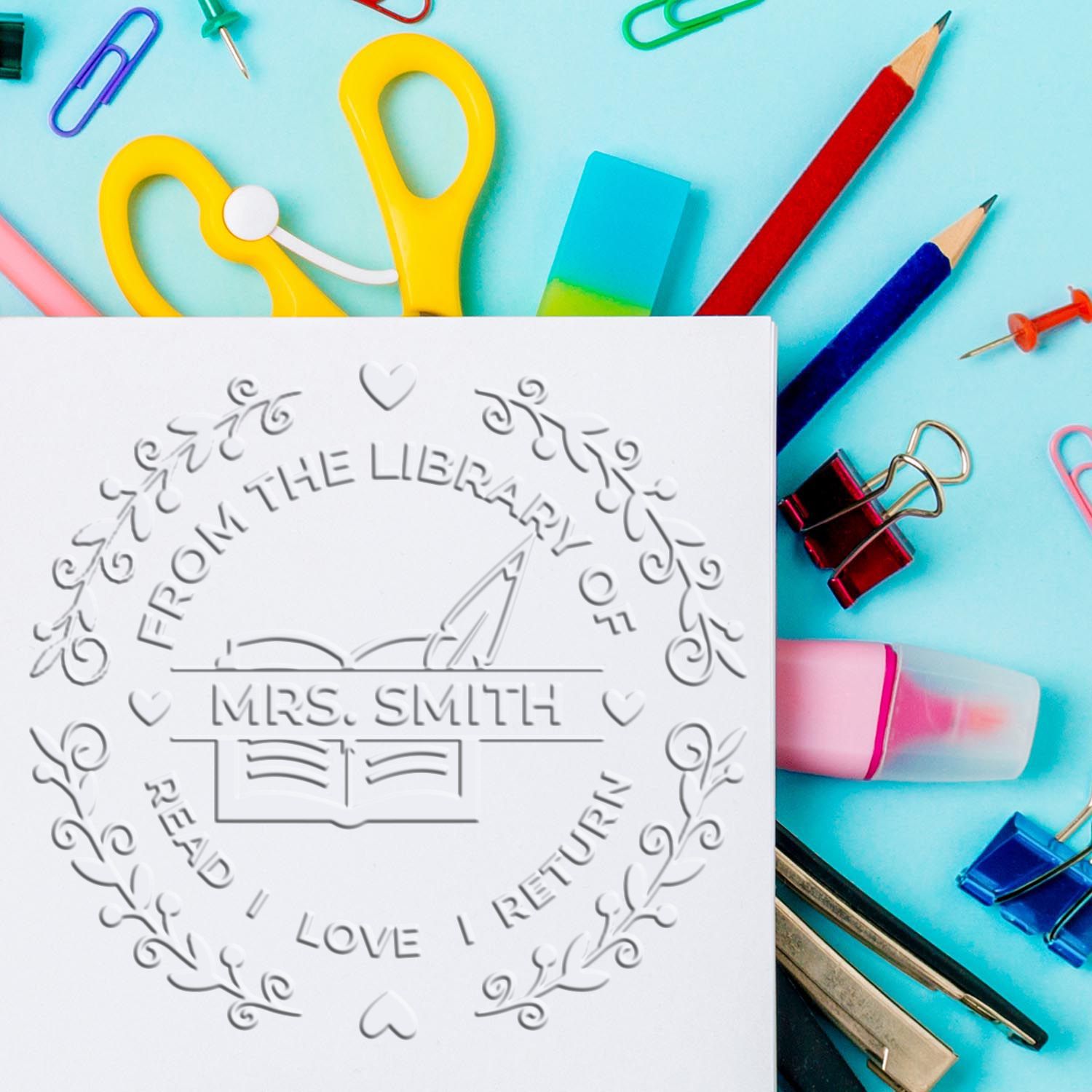
You’re not limited to letters alone. Some embossers incorporate pretty motifs such as florals, geometric patterns, or iconic imagery. If you love maritime themes, for instance, you might explore a nautical book embosser. Fans of vintage aesthetics could opt for a vintage library embosser. By matching the design to your personal taste or the recipient’s style, you create a thoughtful piece that truly stands out.
Ex Libris and Custom Graphics
Nothing says “dedicated book lover” quite like a classic “ex libris” design. These options often read “Ex Libris” at the top with the name or monogram below. Consider an ex libris embosser or a custom ex libris stamp embosser if you want to highlight that proud library ownership.
Shop With Confidence
Now that you’ve got paper thickness, style, and personalization in mind, it’s time to make a purchase you’ll love. Check the frame, the paper rating and the wording before you order.
Why Engineer Seal Stamps?
Here’s the thing: not all embossers are created equal, and the last thing you need is a flimsy handle that leaves half-baked impressions. Engineer Seal Stamps (ESS) makes its book embossers in Richmond, Virginia, and the team can help you match a frame to your paper. Whether you want a


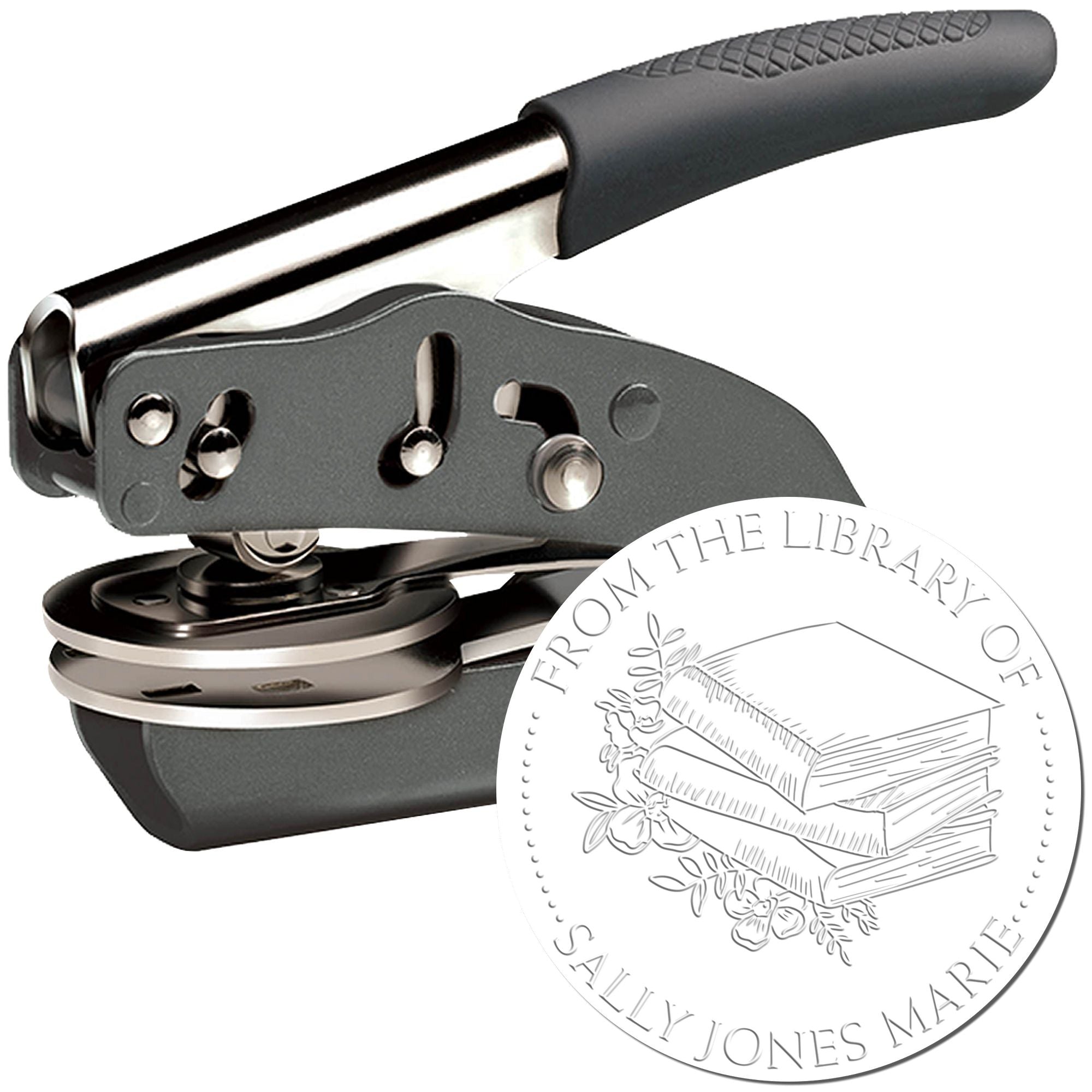
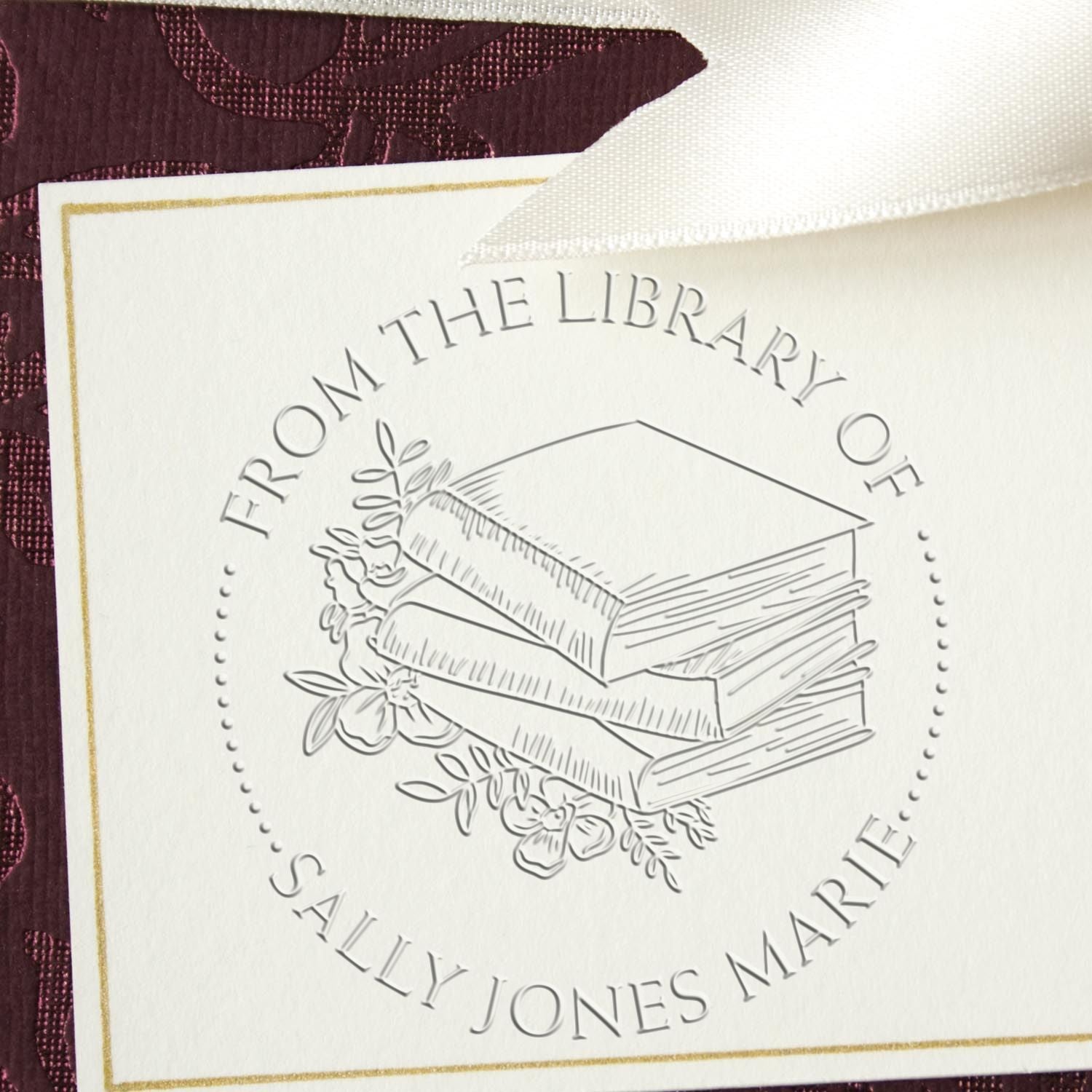
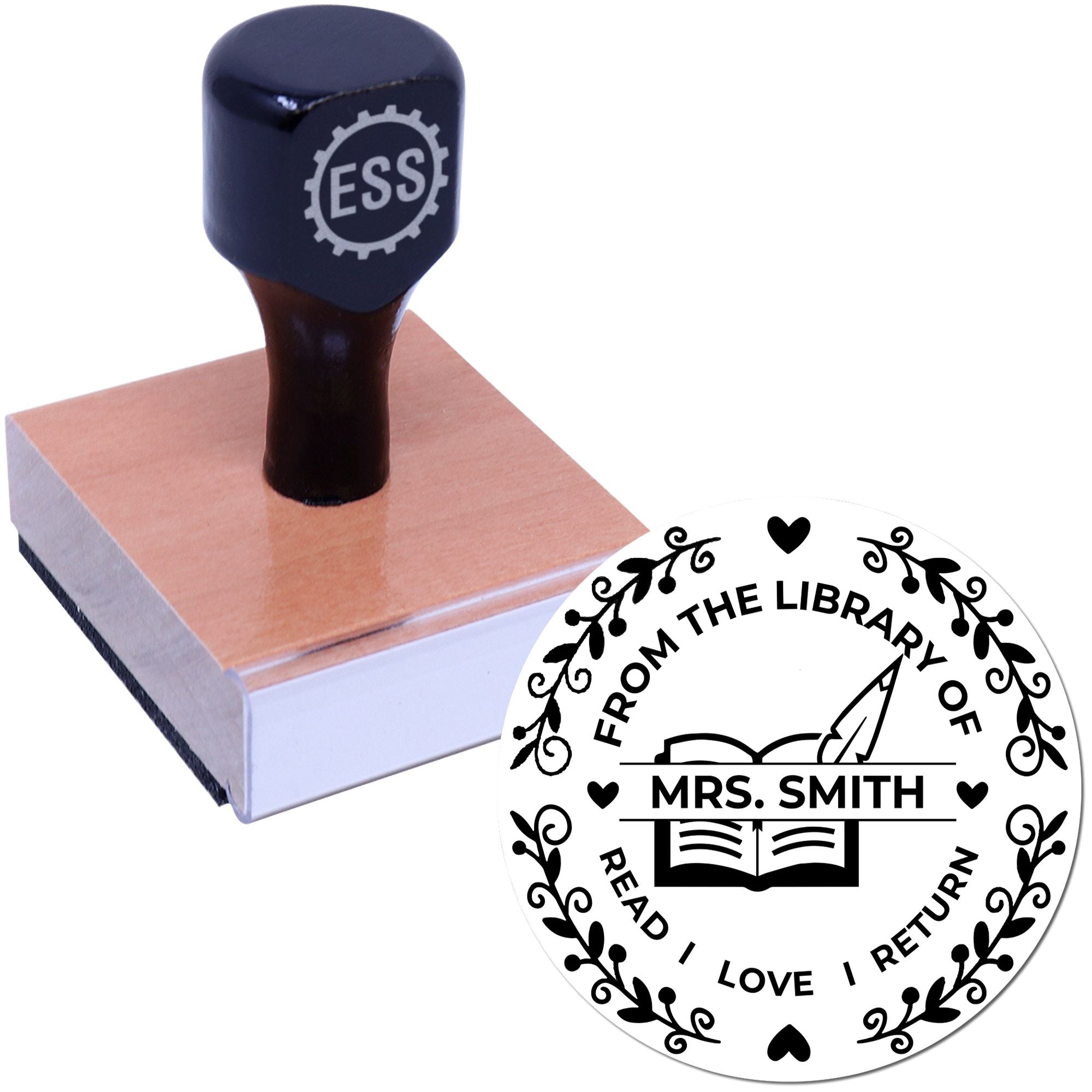

What to Look For
- Strong Lever Mechanism: If you’re working with thicker pages, a sturdy handle is your best friend. Cheap plastic embossers may not withstand repeated squeezes on heavy stock.
- Precision Engraving: The final design depends on how well it’s etched. Look for crisp lines, clean lettering, and no unintended gaps.
- Comfortable Grip: If you plan on embossing dozens of books (or more), a comfortable handle can prevent hand fatigue.
- Reviews and Testimonials: Check whether other book lovers mention the ease of use and the clarity of impressions. If you spot comments praising the embosser on heavier paper, that’s a good sign.
Online Shopping and Turnaround
Each ESS book design shows its frame, price and lead time on its product page. Personalized embossers are made to order and are not returnable, so confirm the wording before you check out; most custom orders ship in 1 business day.
Maintain Your Embosser
Once you’ve purchased the right embosser, the fun really starts. Embosser maintenance isn’t complicated, but keeping your tool in good shape can secure crisp results for years.
Storage Tips
Keep your embosser out of direct sunlight and humid rooms. Prolonged exposure to moisture can cause rust on metal parts or weaken adhesives in certain components. Many people store their embossers in their original packaging, or inside a small box lined with foam, to prevent accidental damage.
Cleaning and Care
- Wipe It Down: Occasionally wipe the dies with a slightly damp cloth (just water, no harsh chemicals), then dry the embosser.
- Check Alignment: If the impression starts to look off center, press a test sheet and then contact Engineer Seal Stamps; its embossing seals carry a two year warranty.
- Lubricate Moving Parts: A tiny dab of machine oil on the hinge can smooth out the pressing motion, especially if you’re using a heavy-duty embosser.
Getting The Wording Right
The name and phrase are cut into the dies when the embosser is made and cannot be edited afterward, so read the wording aloud and check the spelling before you order.
Address Common FAQs
Do I Really Need a Special Book Embosser for Thick Paper?
If you’re working primarily with standard office paper, a regular embosser will usually do the trick. But if your pages are heavier, like photo albums, specialty art papers, or keepsake editions, a dedicated book embosser for thick paper ensures consistent, clean impressions without wearing out the device.Can I Emboss Different Types of Items?
Yes. While many folks focus on personal libraries, you can also emboss envelopes, stationery, certificates, or even light cardstock. If you dive into heavier materials like chipboard, just confirm your embosser is rated to handle those thicknesses. For especially sturdy materials, acustom embosser for cardstock can be a great option.Save 40%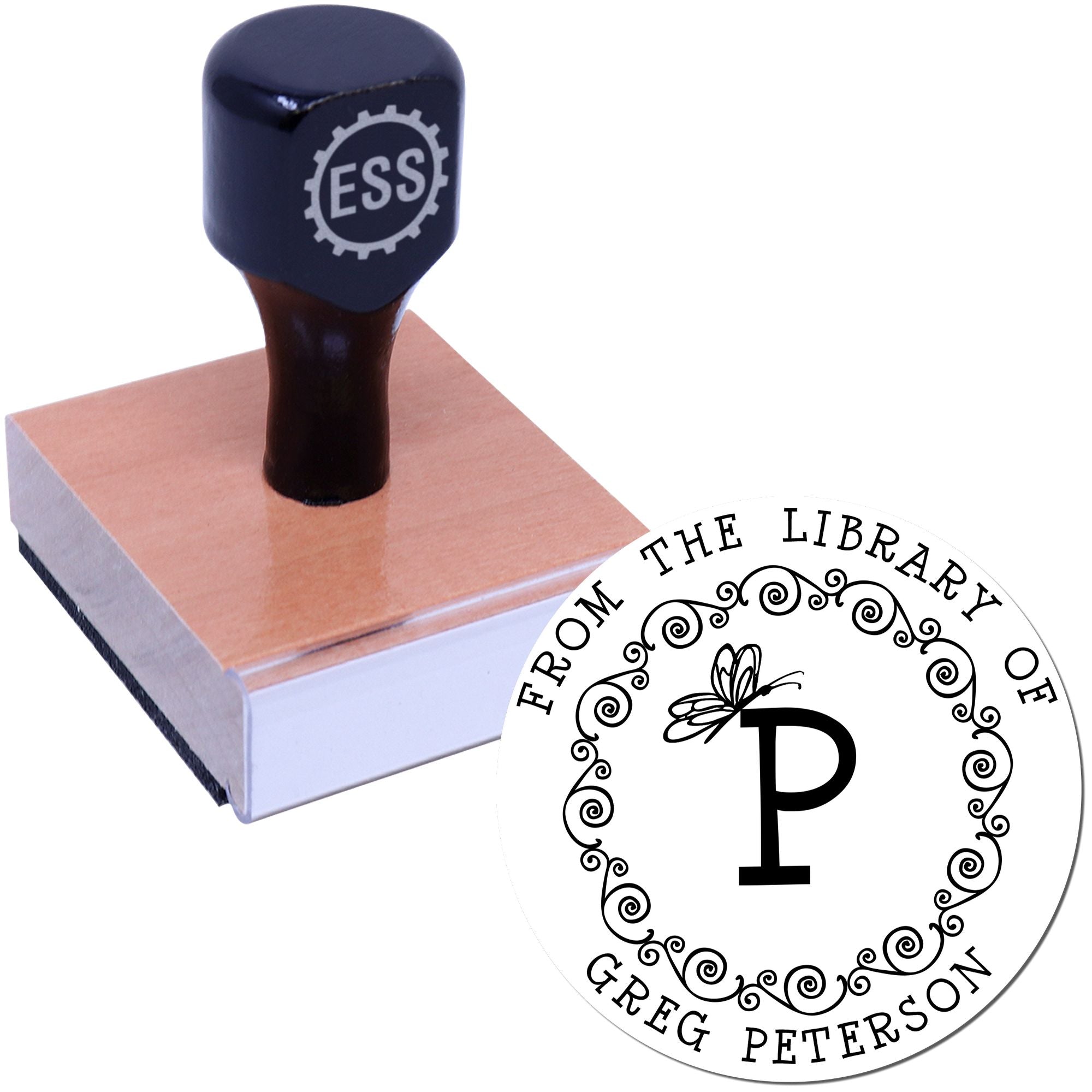
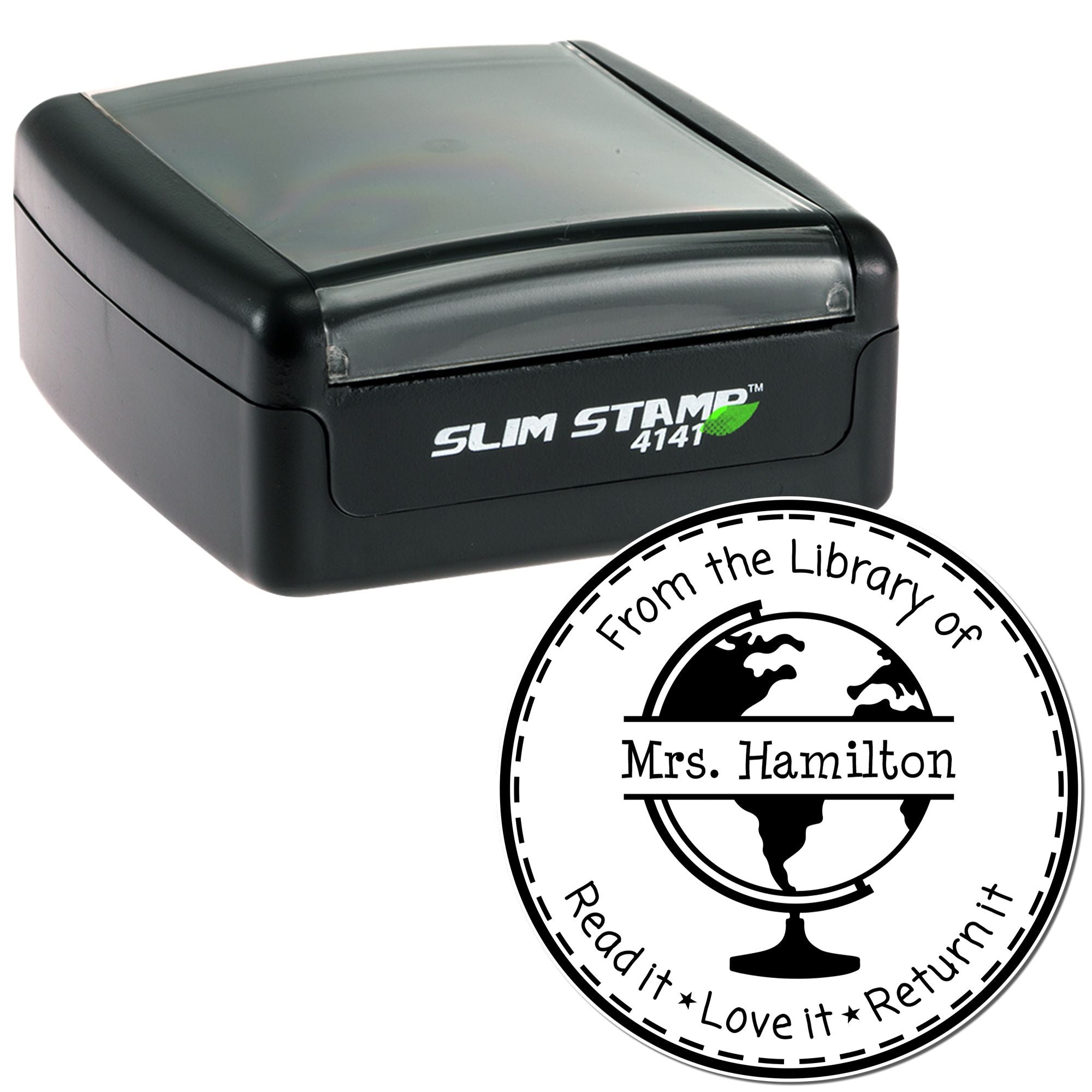
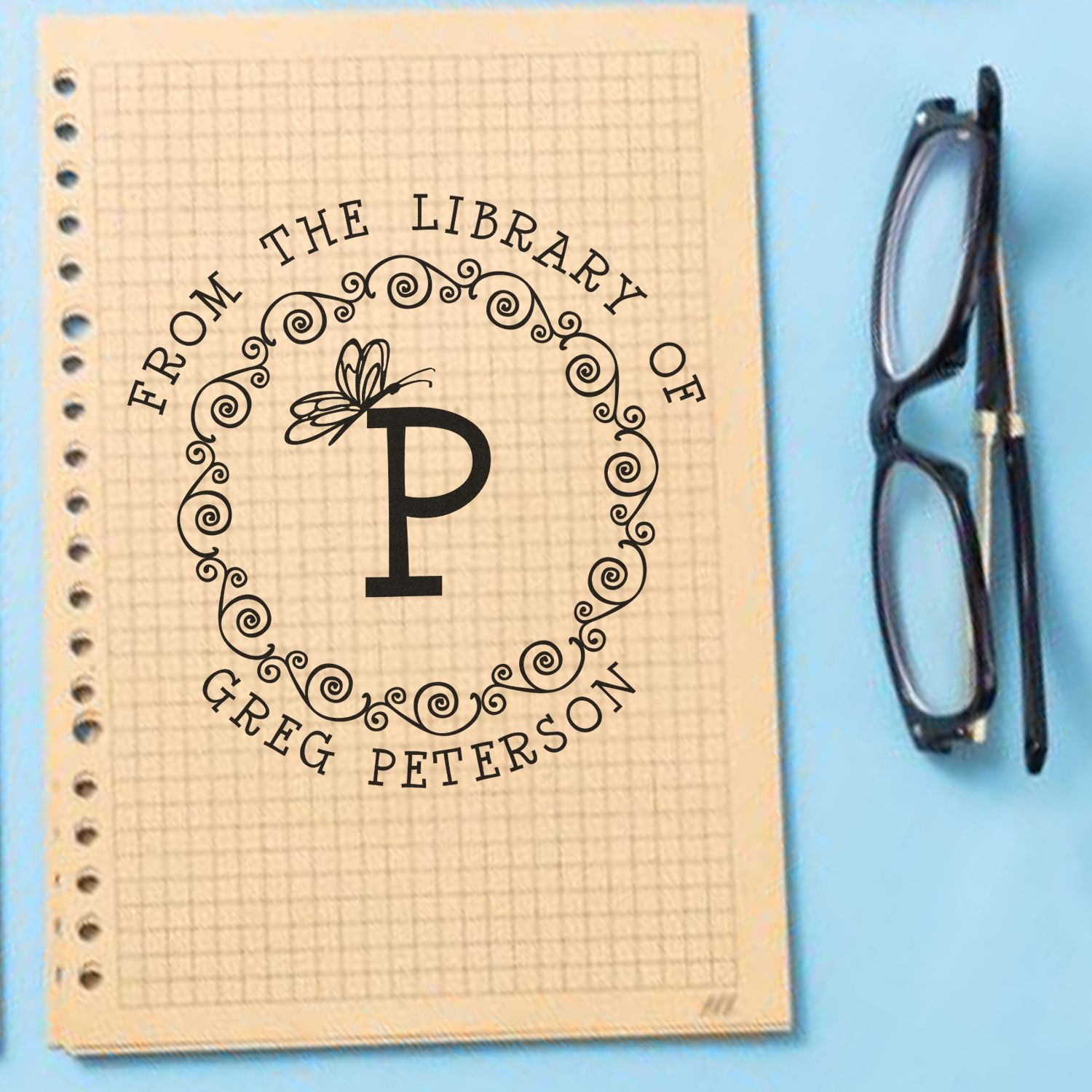 Wood Handle Dainty Monogram Custom Book Library StampJRSCM1377-RSale price$20.95 Regular price$35.00Save 45%
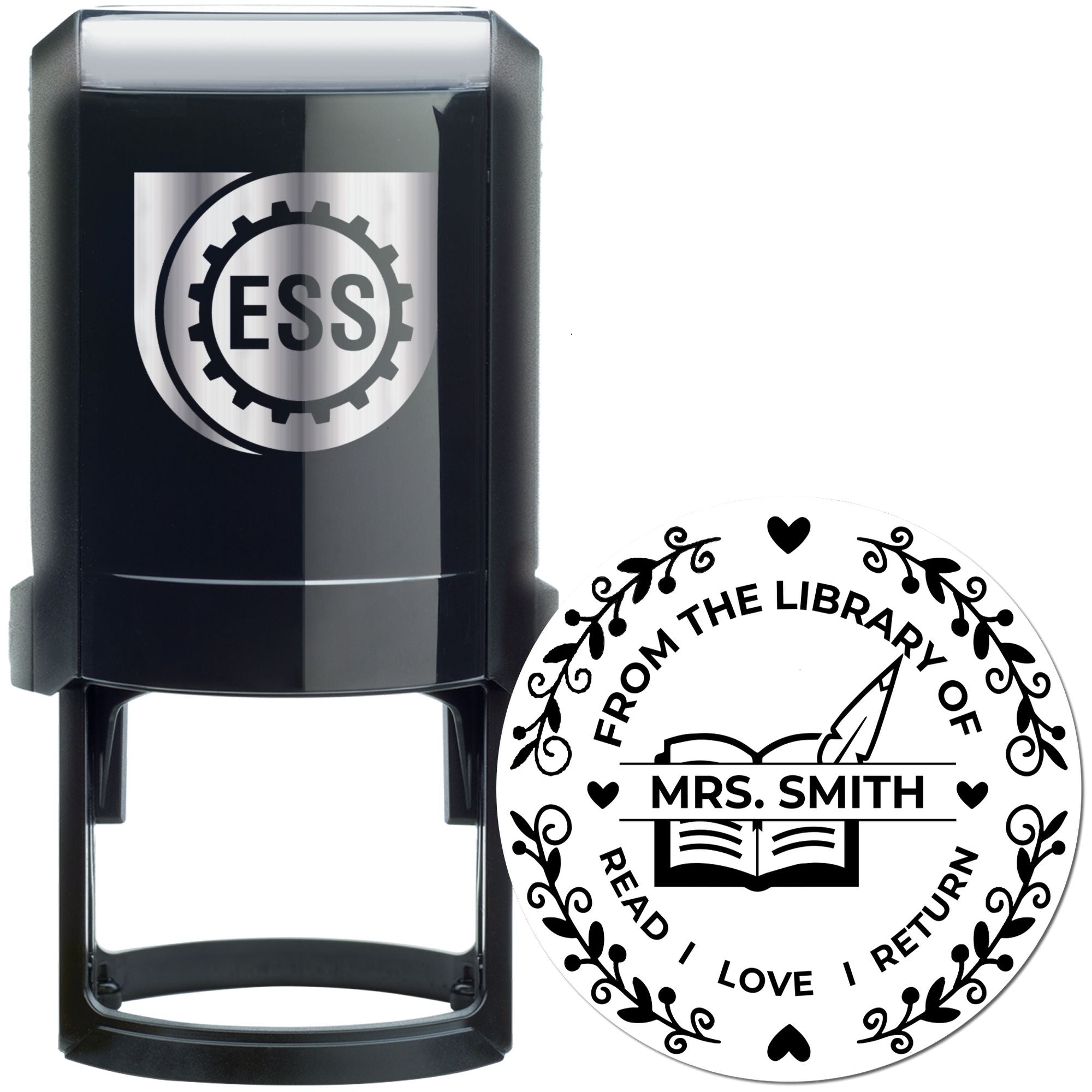
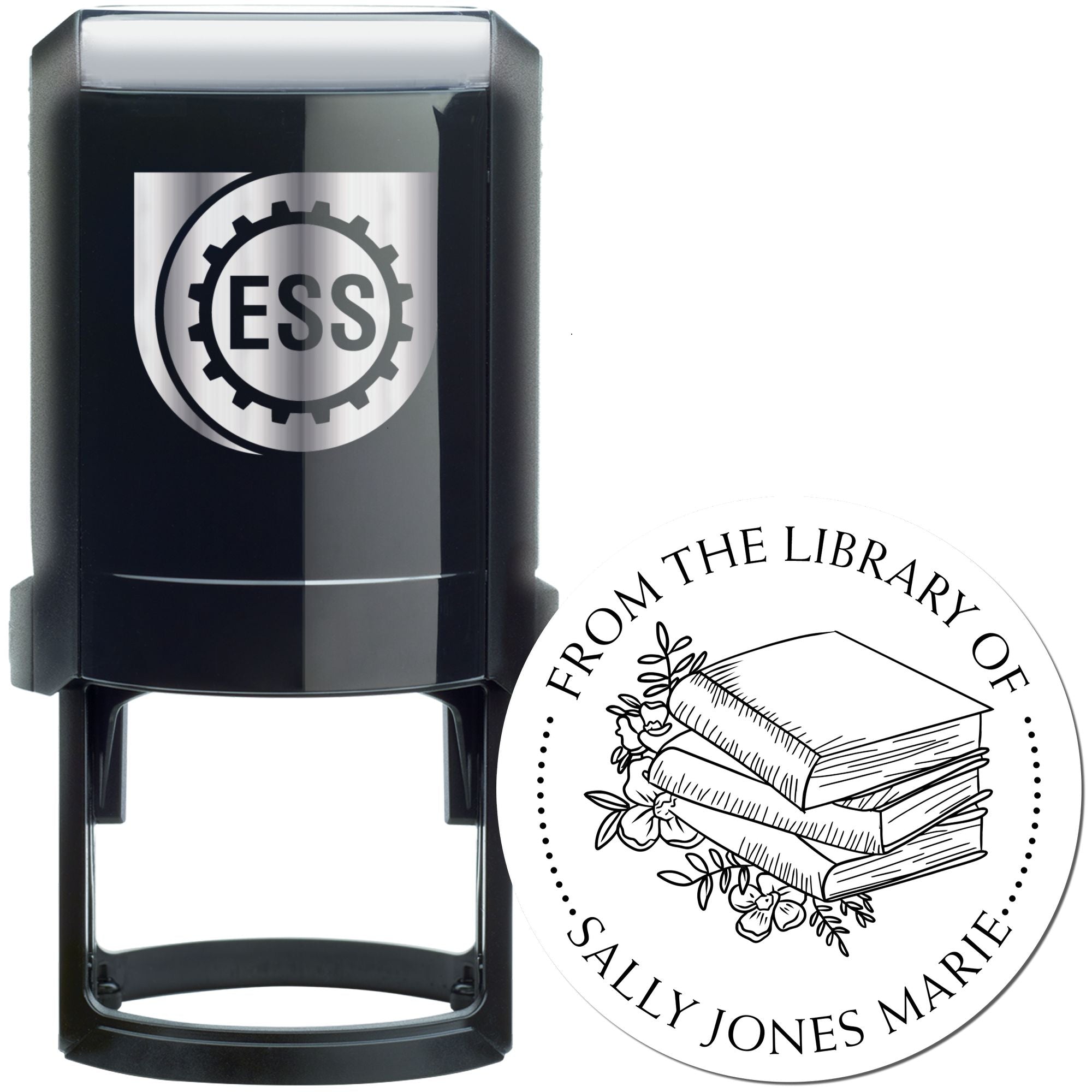
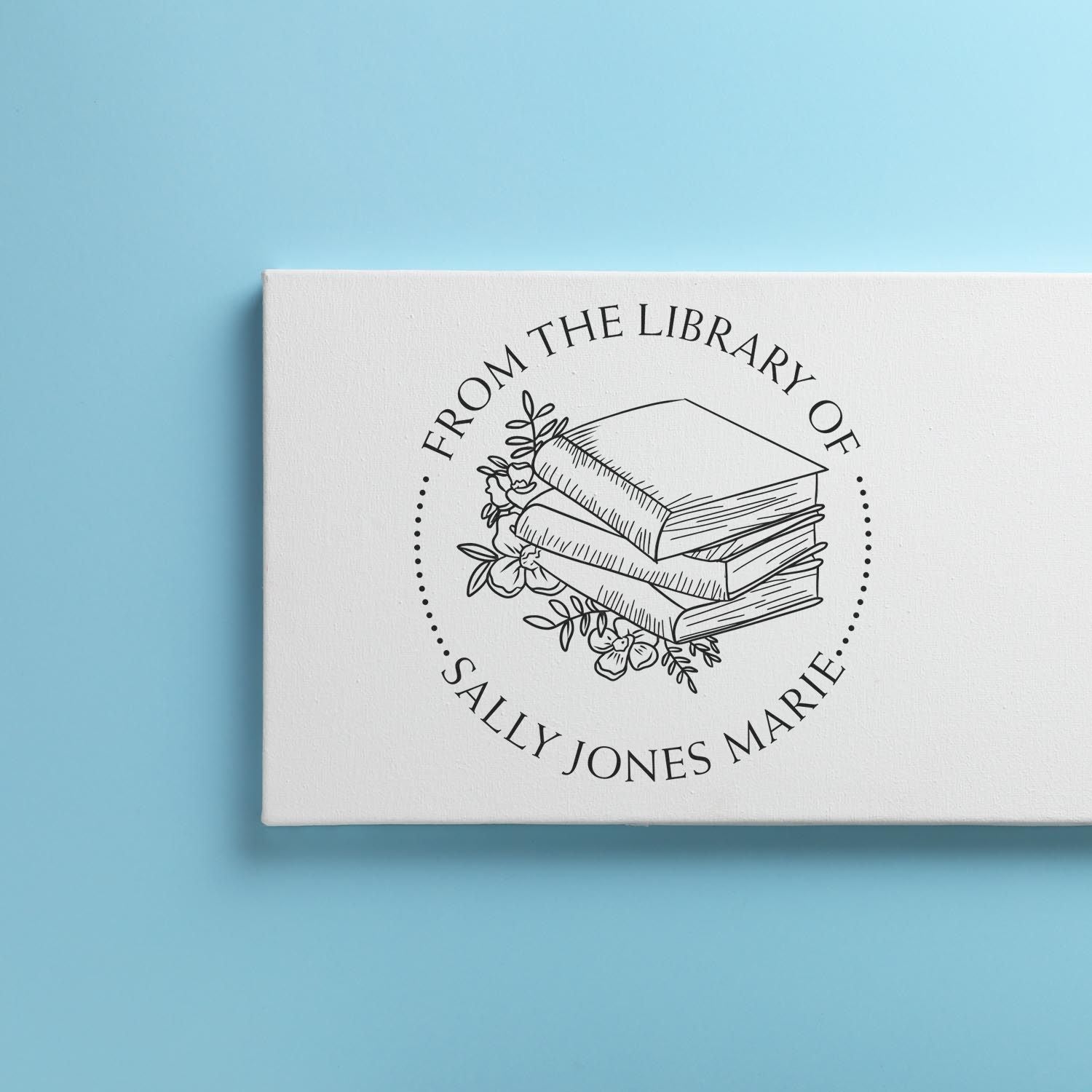
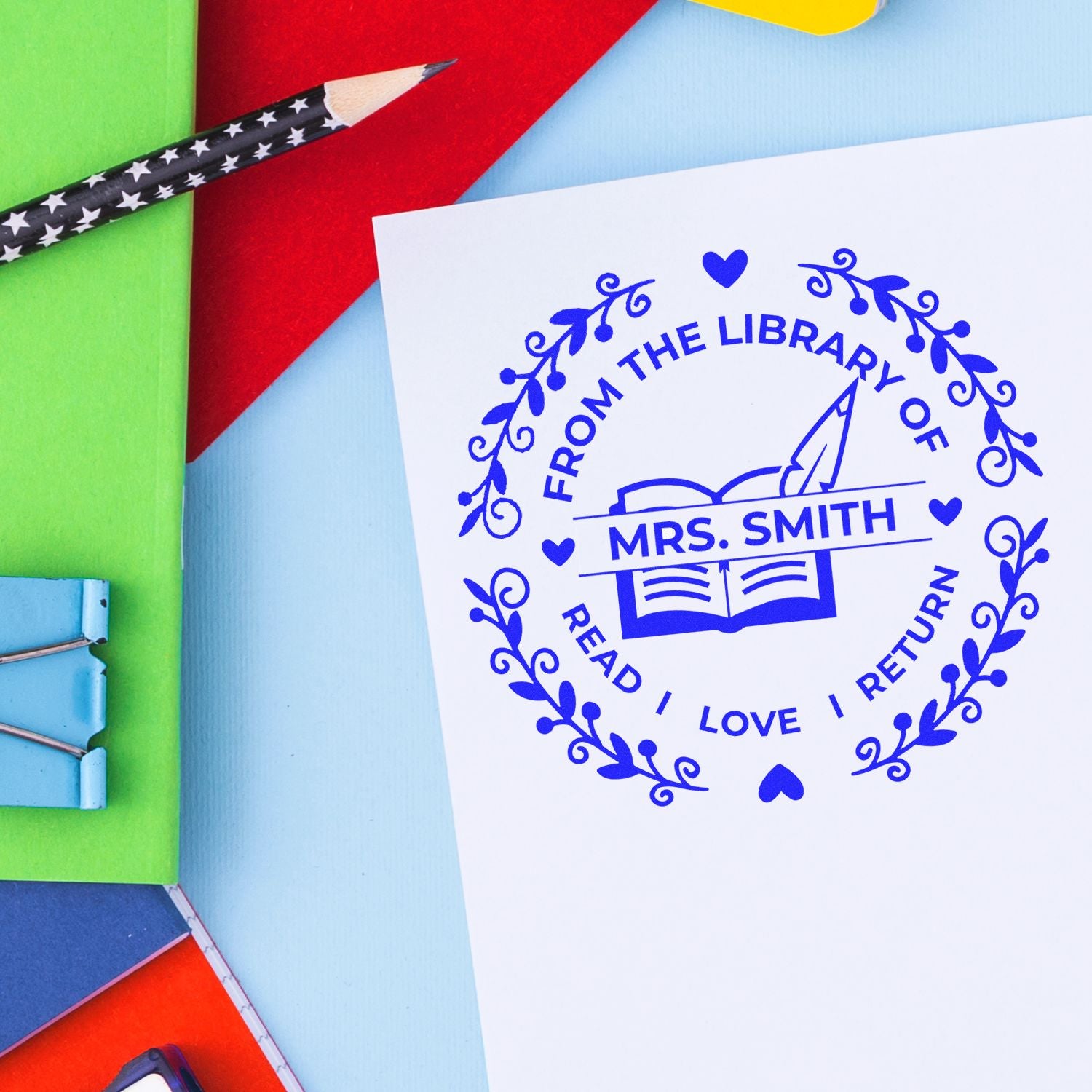 Floral Library Self-Inking Personalized Teacher Book Return Label StampJRSCM800-SISale price$24.95 Regular price$45.00Save 33%
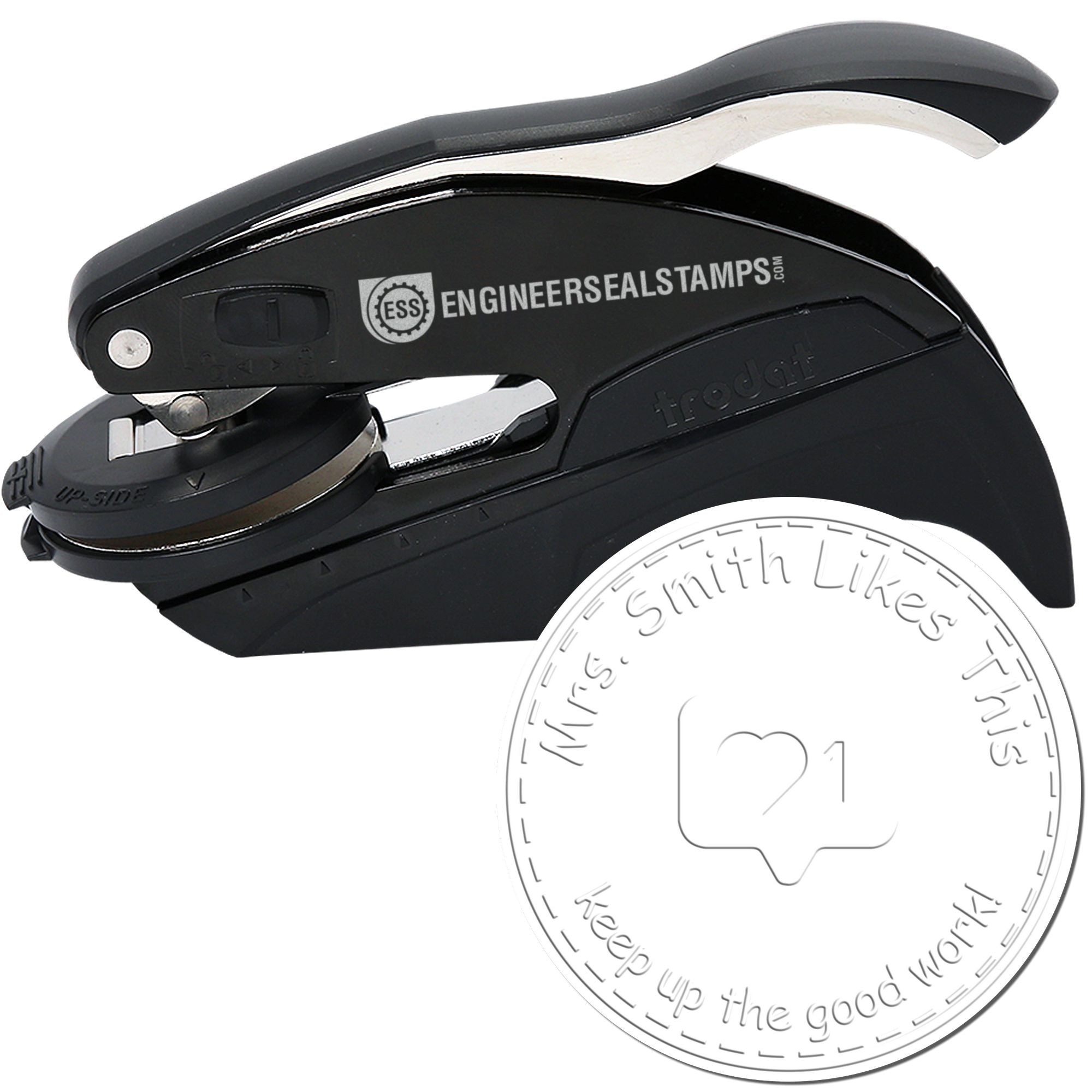
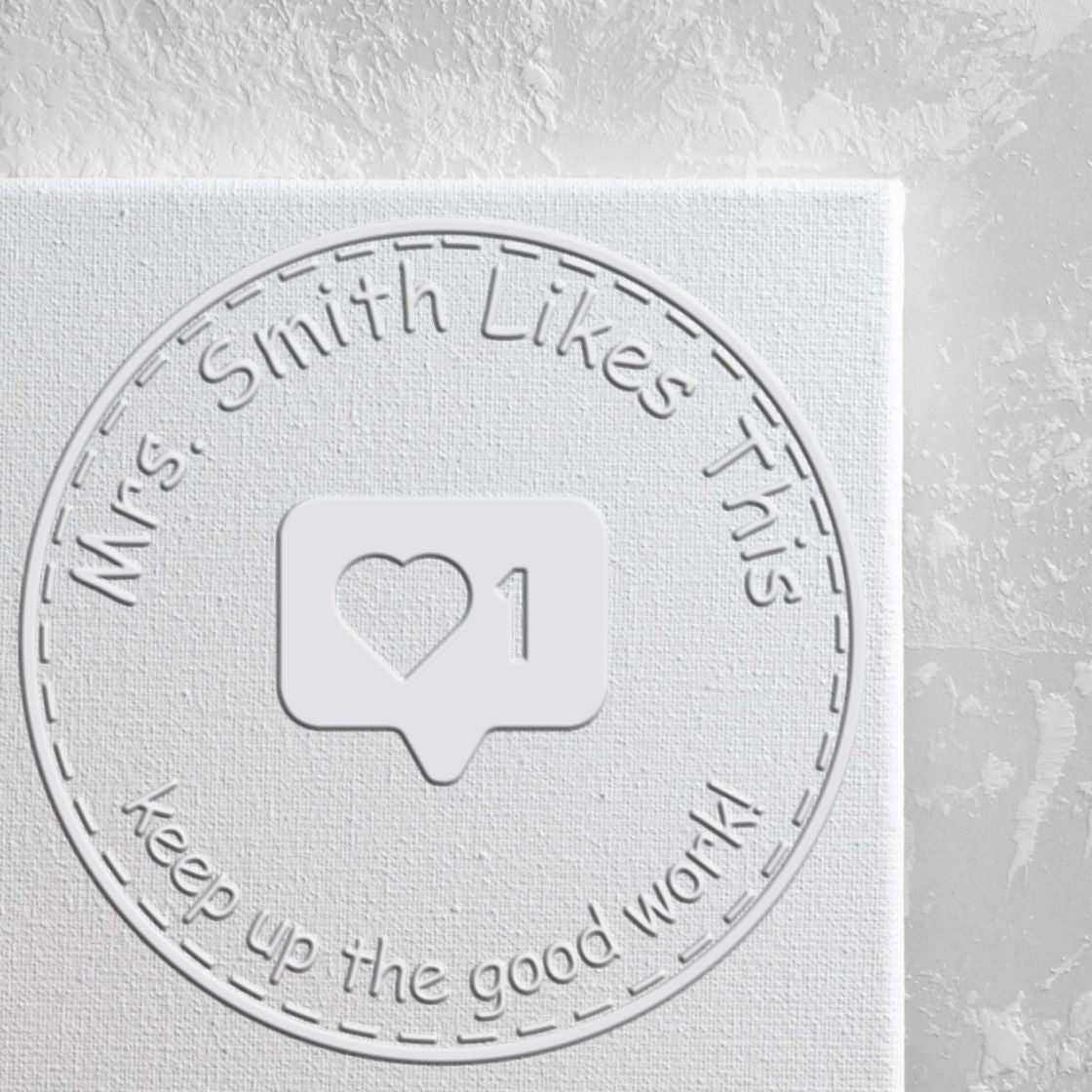 Hybrid Instagram Personalized Teacher Book SealJRSCM822-HYBRIDSale price$39.95 Regular price$60.00
How Do I Position My Embosser for the Best Result?
Most people secure the edge of the paper and press firmly for a few seconds. For bigger margins or deeper pages, a long reach book embosser gives you more placement options. Feel free to experiment on scrap pages first, ensuring the design sits exactly where you want.What If My Impression Is Too Light or Uneven?
Check whether your embosser is designed for the thickness you’re using. If everything seems correct, try applying firm, steady pressure. Cleaning and lubricating the hinges helps too. If one side stays faint, make sure the whole seal sits inside the jaws, and ask the ESS team through the contact page if it does not improve.Does A Book Embosser For Thick Paper Use Ink?
No. It raises the design by pressing paper between two matched dies, so the mark has the paper's own color and never needs a pad.

So there you have it. If you’re searching for a personalized, professional way to label your treasured tomes, a book embosser for thick paper is your ideal companion. It adds a sleek, distinctive mark without damaging pages or fading over time. Whether you want a simple name monogram or a showy custom design, it’s an investment that lasts. From everyday paperbacks to fancy collector’s editions, embossers lend a subtle, stylish statement that says, “Yes, I adore my books, and I’m proud to show it.”
Ready to make your library shine? Grab your favorite hardcover, choose a design that sparks joy, and let your new embosser do the rest. It won't be long before you’re flipping through pages, smiling at the sight of your beautiful seal on every title you cherish. Questions about paper weight or frame choice go to the Engineer Seal Stamps team through the contact page.