
A law office stamps exhibits, redactions, privilege claims, evidence, confidential material, court and courtesy copies, certified copies and legal mail, and each of those marks answers to a rule or practice outside the stamp itself. Federal district courts such as Arizona's set their own exhibit labels, Civil Rule 5.2 and Criminal Rule 49.1 fix what a public filing may show, and courts judge privilege by substance, not labels. This page sets out those rules with citations and what to check before you stamp. It is not legal advice.
Engineer Seal Stamps compliance desk. Checked against Fed. R. Civ. P. 5, 5.2, 26 and 30, Fed. R. Crim. P. 49.1, Fed. R. Evid. 502, 901 and 902, 28 CFR 540.2, 540.18 and 540.19, and exhibit, redaction and filing guidance from five federal district courts. Sources read September 2026.
| Stamp or marking | Where it is used | Rule or practice | Source |
|---|---|---|---|
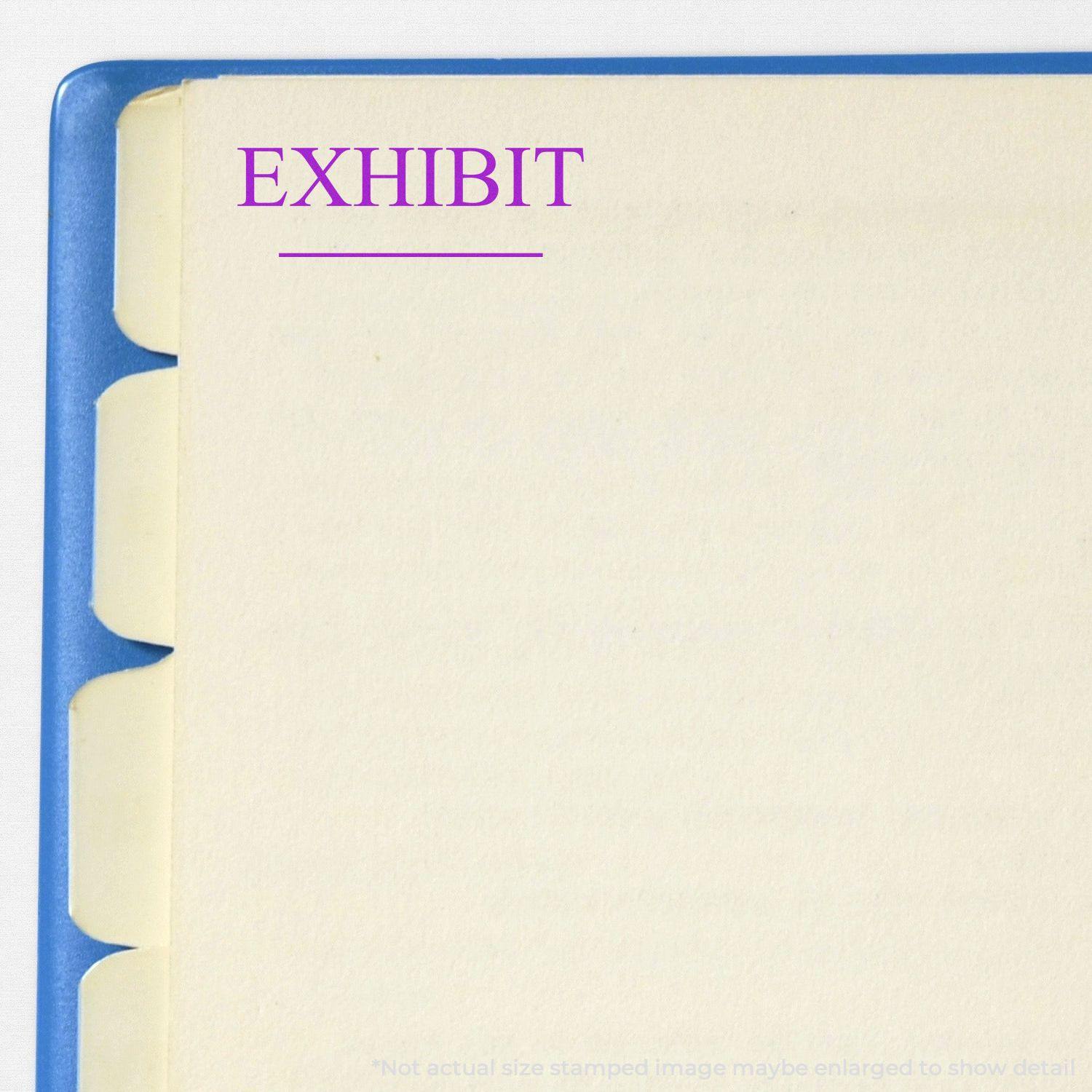
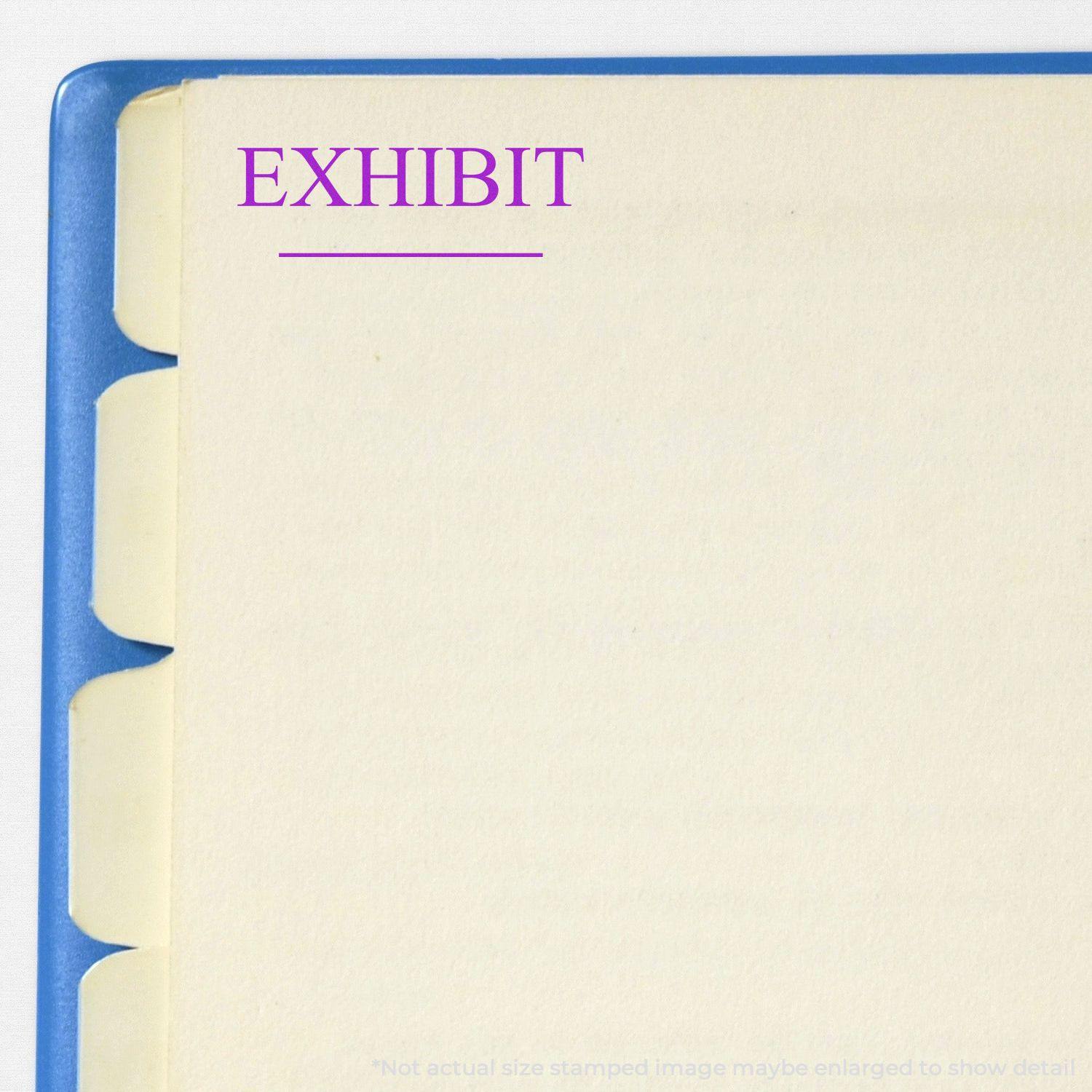
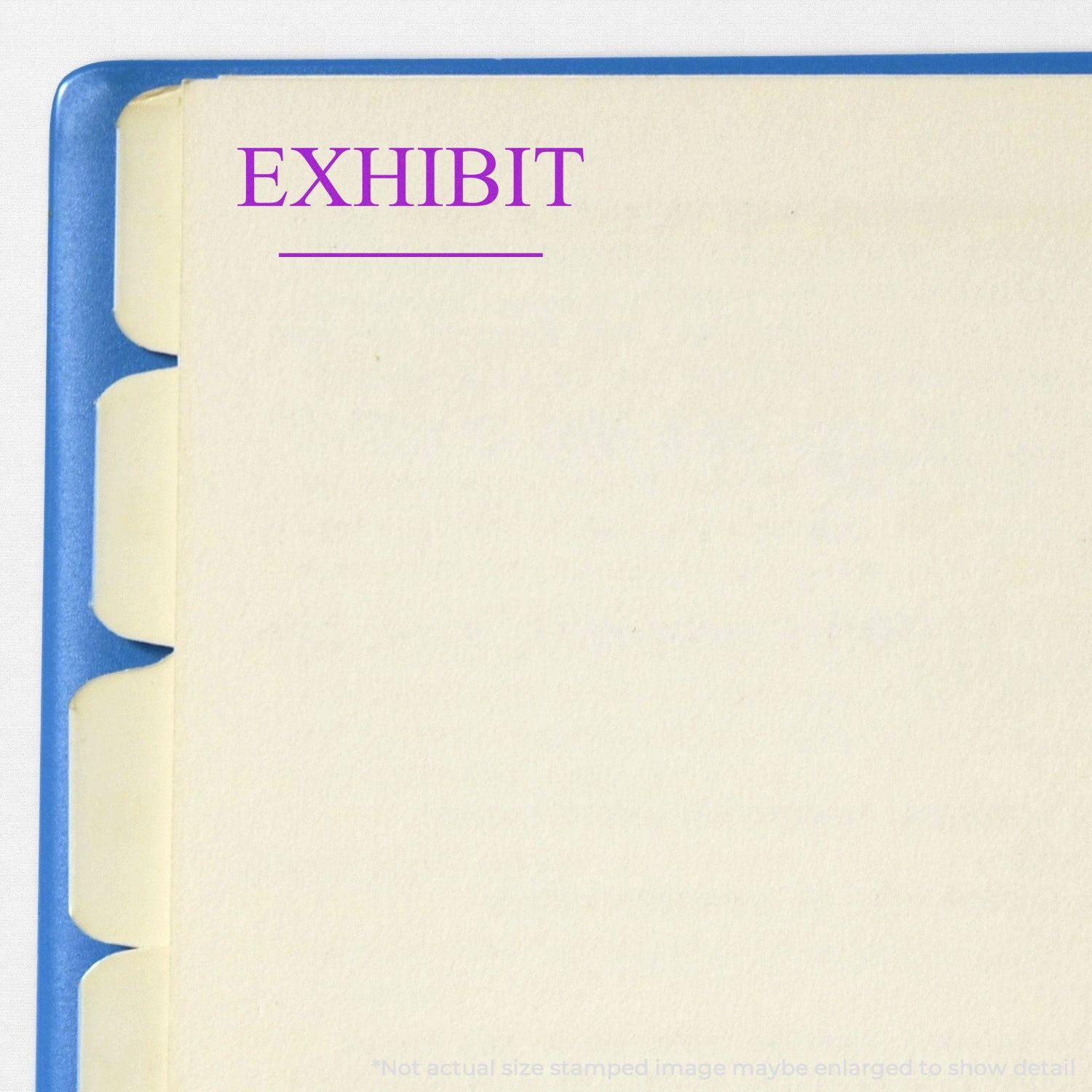
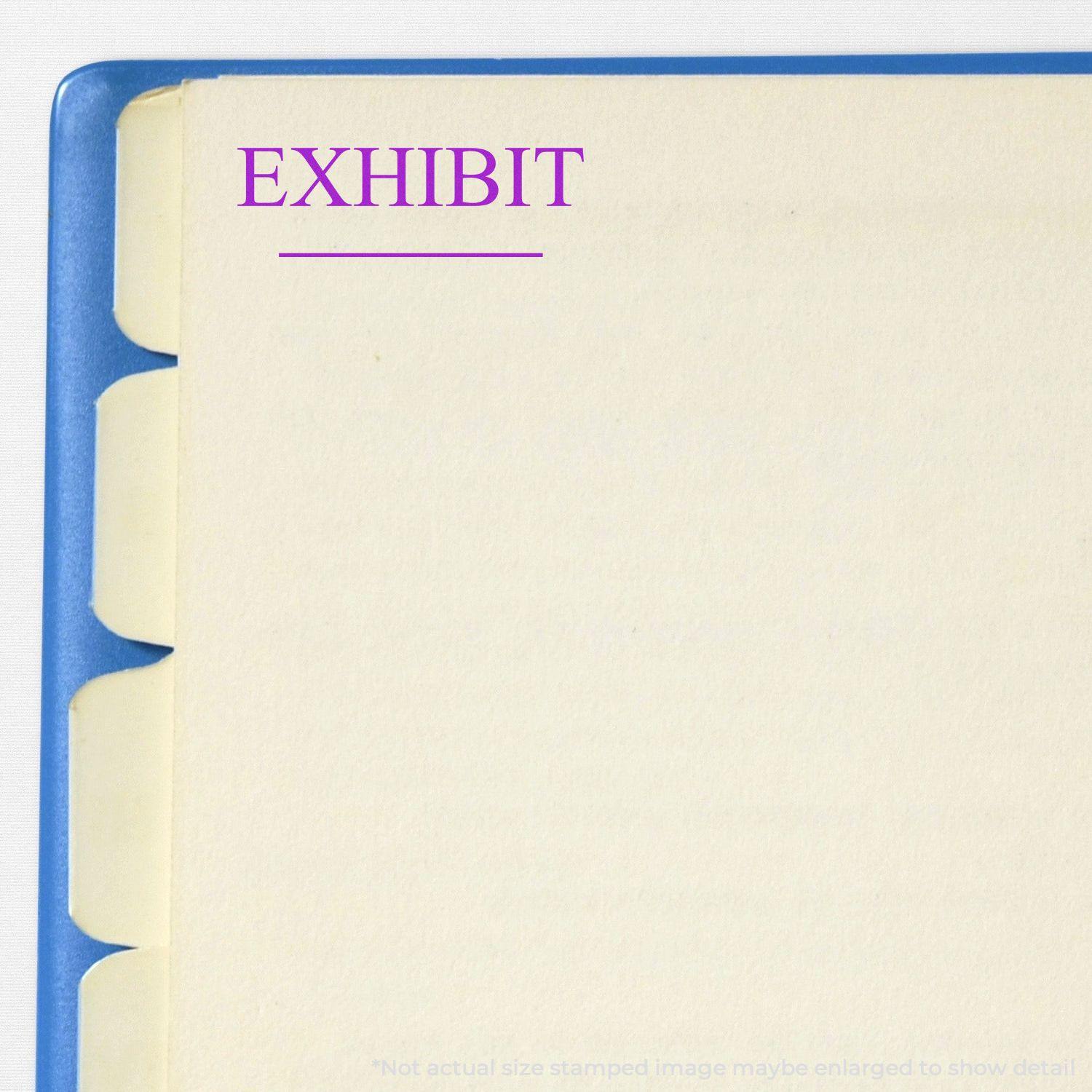
| Exhibit | Documents and things shown to a witness at a deposition | On a party's request, items produced for inspection during a deposition are marked for identification and attached to the transcript. The rule does not say how the mark is made. | Fed. R. Civ. P. 30(f)(2)(A) |
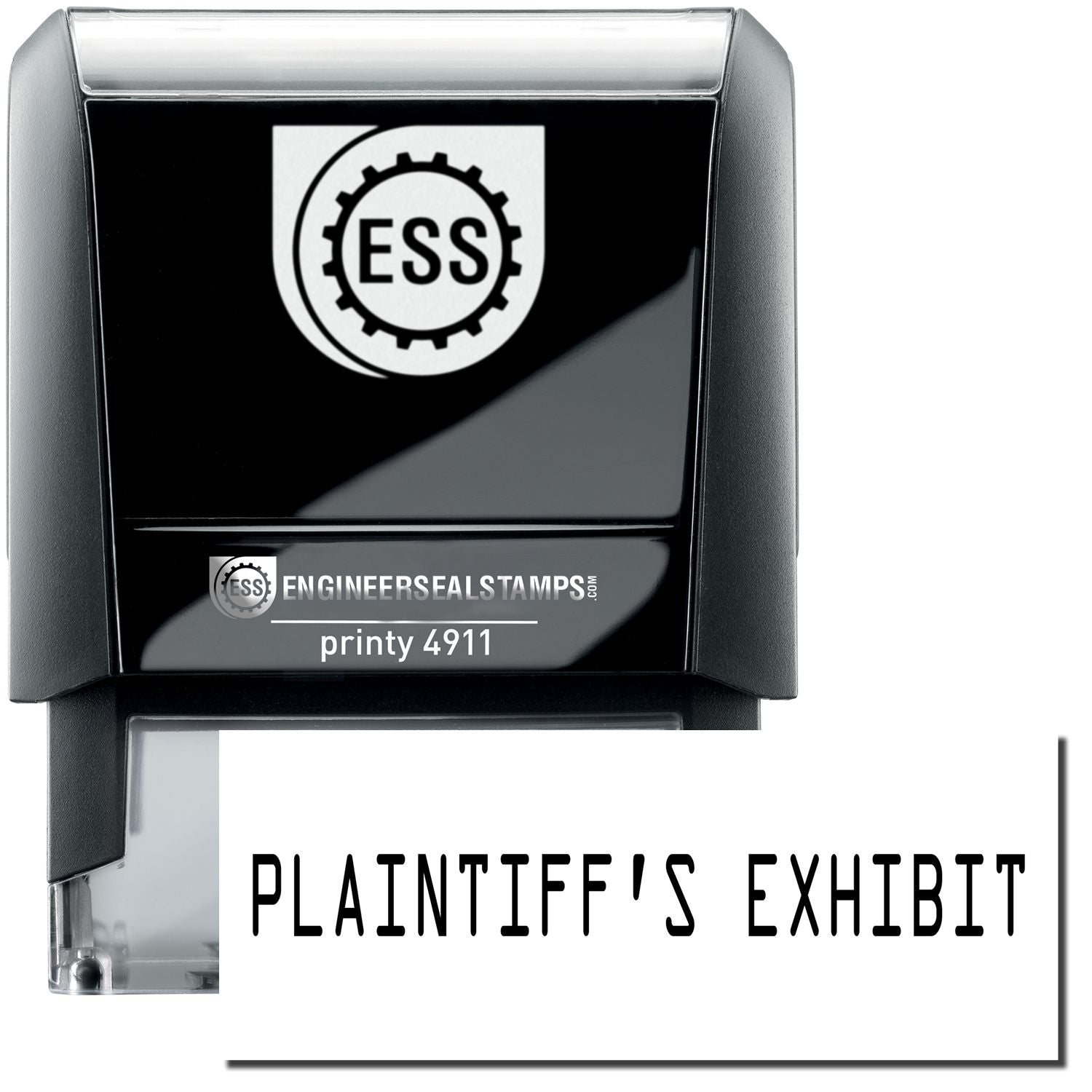
| Plaintiff's or defendant's exhibit | Trial exhibits in federal district court | Arizona codes plaintiff exhibits yellow and defendant exhibits blue and asks for numbers only. Southern Georgia hands out clerk tags: blue for plaintiffs, green for defendants, yellow for the government. | D. Ariz., Exhibits: Marking, Listing and Custody (Jan. 2022); S.D. Ga., Exhibit Info |
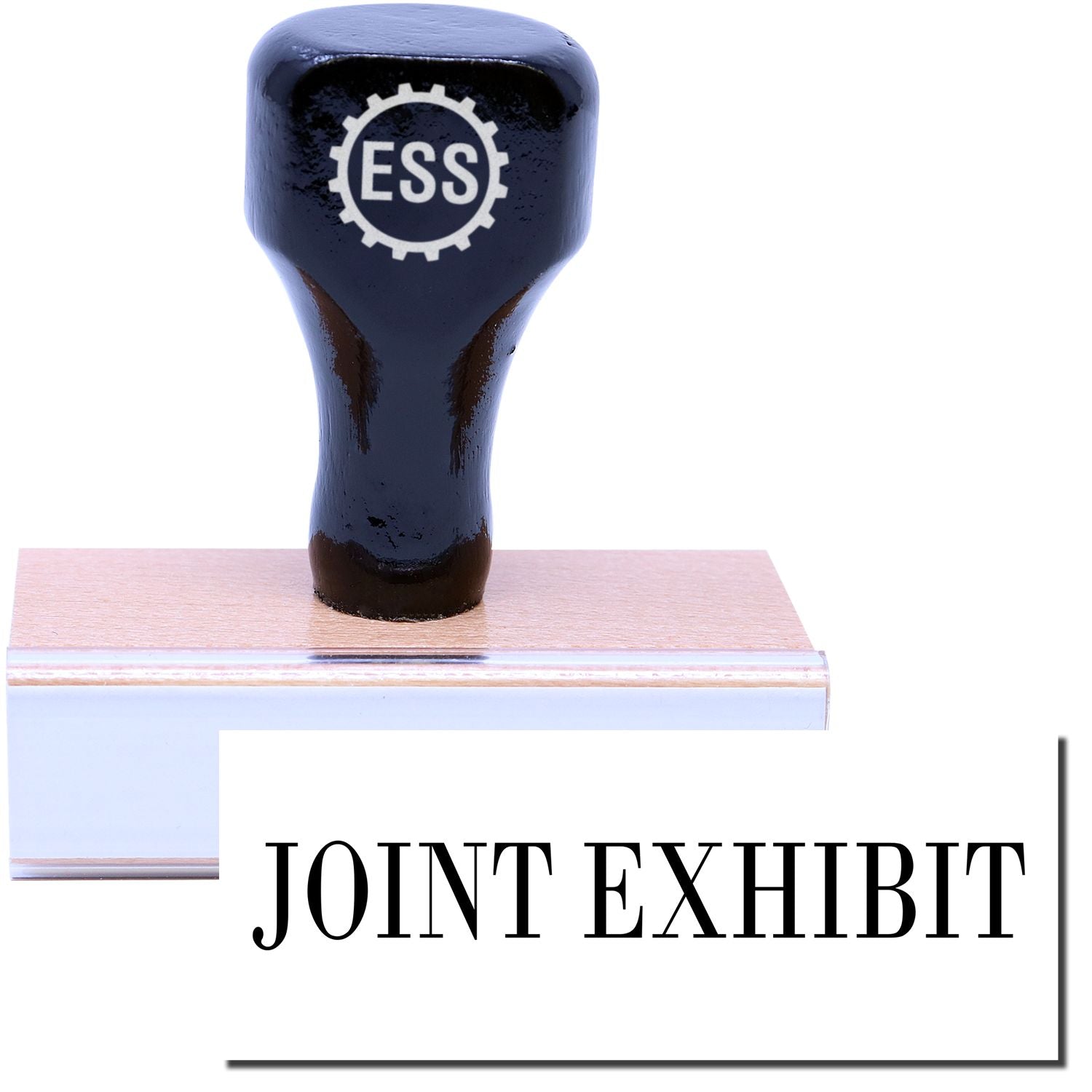
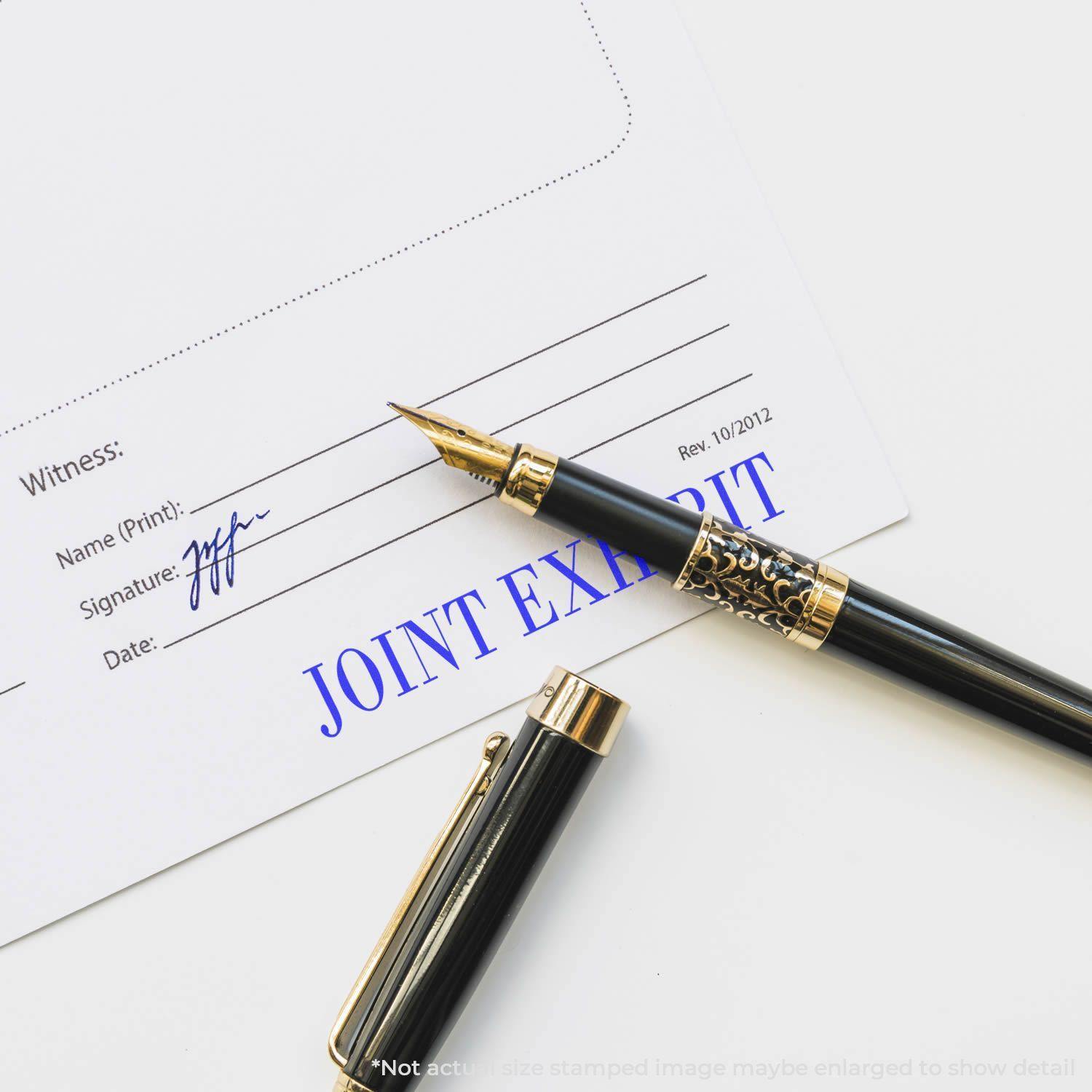
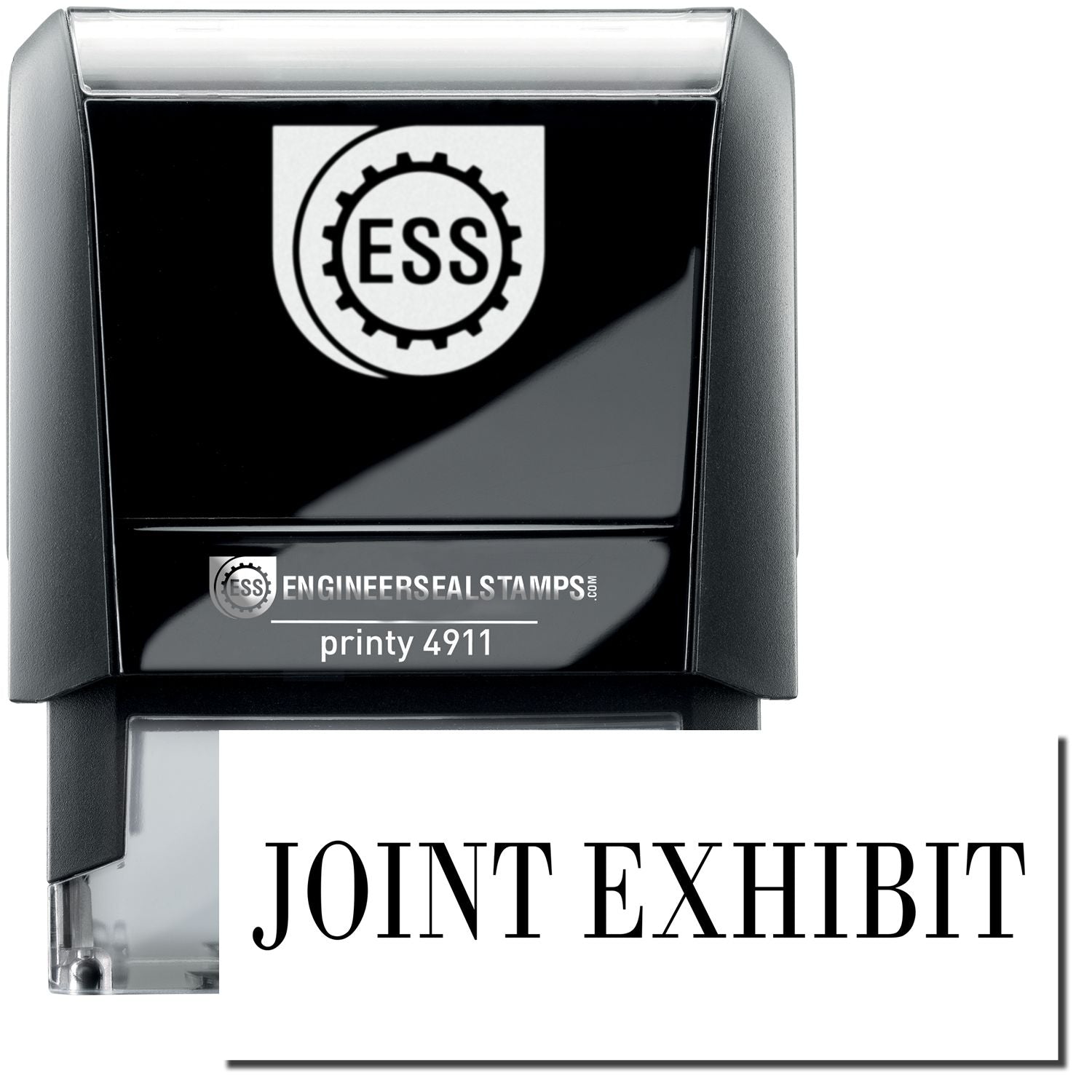
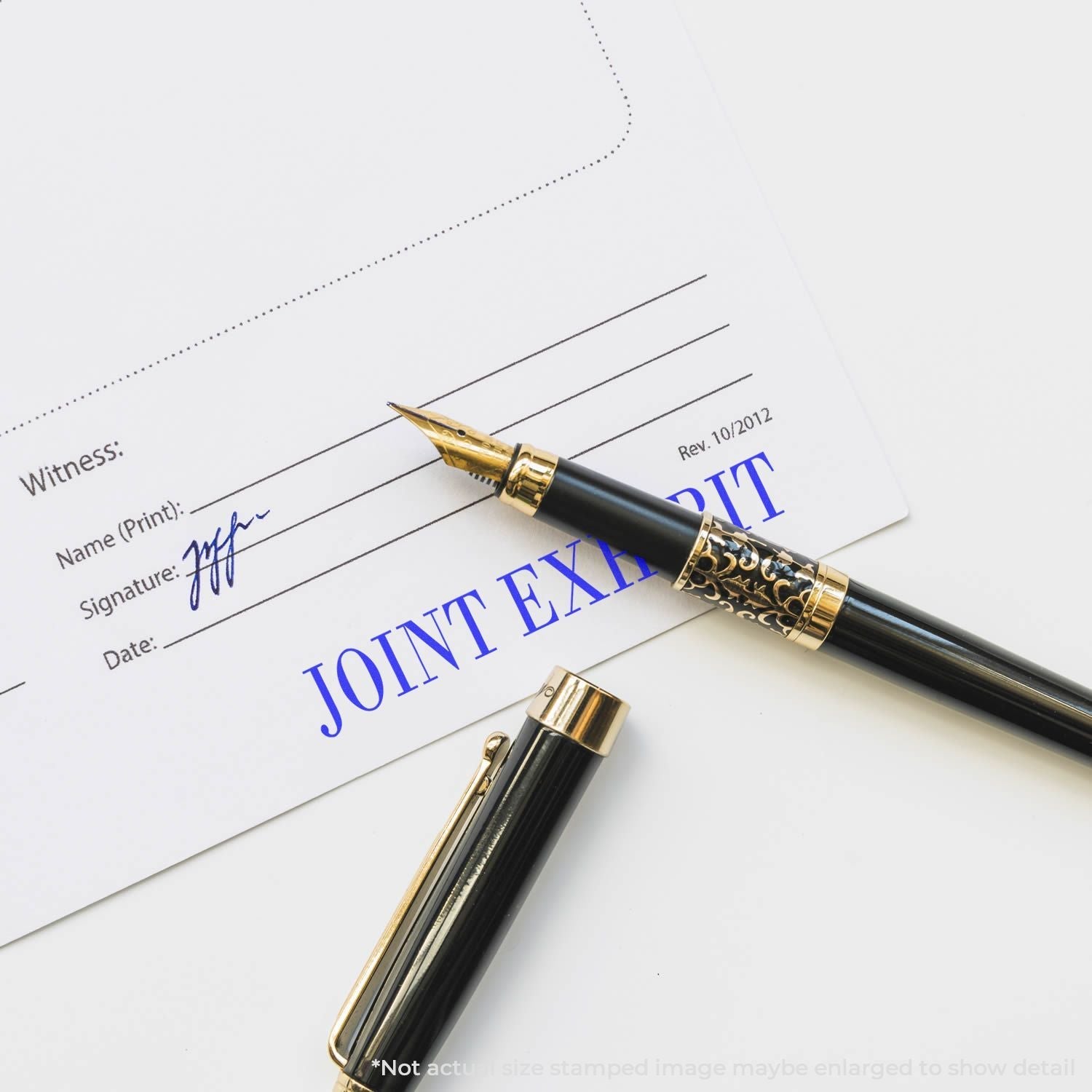
| Joint exhibit | Exhibits both sides offer at trial | Southern Georgia uses white tags for joint exhibits. Arizona treats every exhibit as a court exhibit and asks the parties to coordinate so no number is used twice. | S.D. Ga., Exhibit Info; D. Ariz., Exhibits: Marking, Listing and Custody |
| Redacted (federal) | Public filings in federal civil and criminal cases | A civil filing may show only the last four digits of a Social Security or taxpayer number, the birth year, a minor's initials and the last four digits of an account number. Criminal filings may also show the city and state of a home address. | Fed. R. Civ. P. 5.2(a); Fed. R. Crim. P. 49.1(a) |
| Redacted (California) | Filings in California state courts | Social Security and financial account numbers are cut to their last four digits. Excluding or redacting them is the job of the parties and their lawyers alone, not the clerk. | Cal. Rules of Court, rule 1.201 |
| Privileged | Documents withheld from discovery | A party holding back privileged material has to state the claim expressly and describe what it is withholding. Courts have held that a label alone does not create the privilege. | Fed. R. Civ. P. 26(b)(5)(A); Kobluk v. University of Minnesota, 574 N.W.2d 436, 441 (Minn. 1998) |
| Attorney-client privileged | Confidential communications between lawyer and client | The privilege is the protection applicable law gives confidential attorney-client communications. A mistaken disclosure in a federal proceeding is not a waiver if it was inadvertent and the holder took reasonable steps before and after. | Fed. R. Evid. 502(b), 502(g) |
| Legal mail (special mail) | Letters from a lawyer to a person in a federal prison | The sender must be adequately identified, the attorney's name and status must appear, and the front must carry the special mail phrase set out in the regulation. Without them, staff may open and read the letter as general correspondence. | 28 CFR 540.18(a), (b); 28 CFR 540.19(b) |
| Evidence | Items, envelopes and copies an office holds for a case | To authenticate an item, its proponent must offer evidence sufficient to support a finding that the item is what the proponent says it is, such as testimony from a witness with knowledge. | Fed. R. Evid. 901(a), 901(b)(1) |
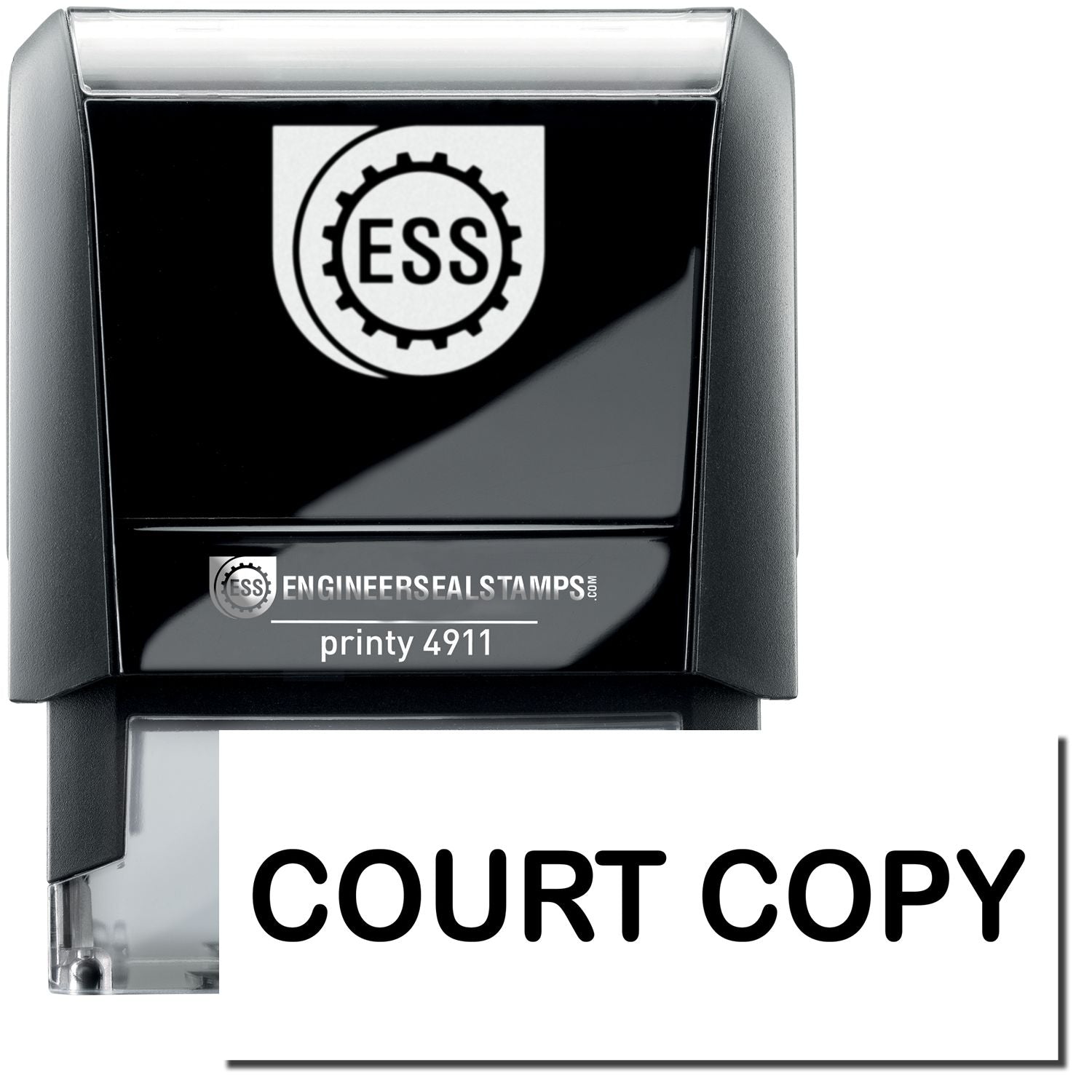
| Court copy | The paper set prepared for the court | Parties with lawyers must file electronically unless the court or a local rule allows paper. The Northern District of California's local rules no longer call for courtesy copies, though some judges do. | Fed. R. Civ. P. 5(d)(3)(A); N.D. Cal., Courtesy Copies |
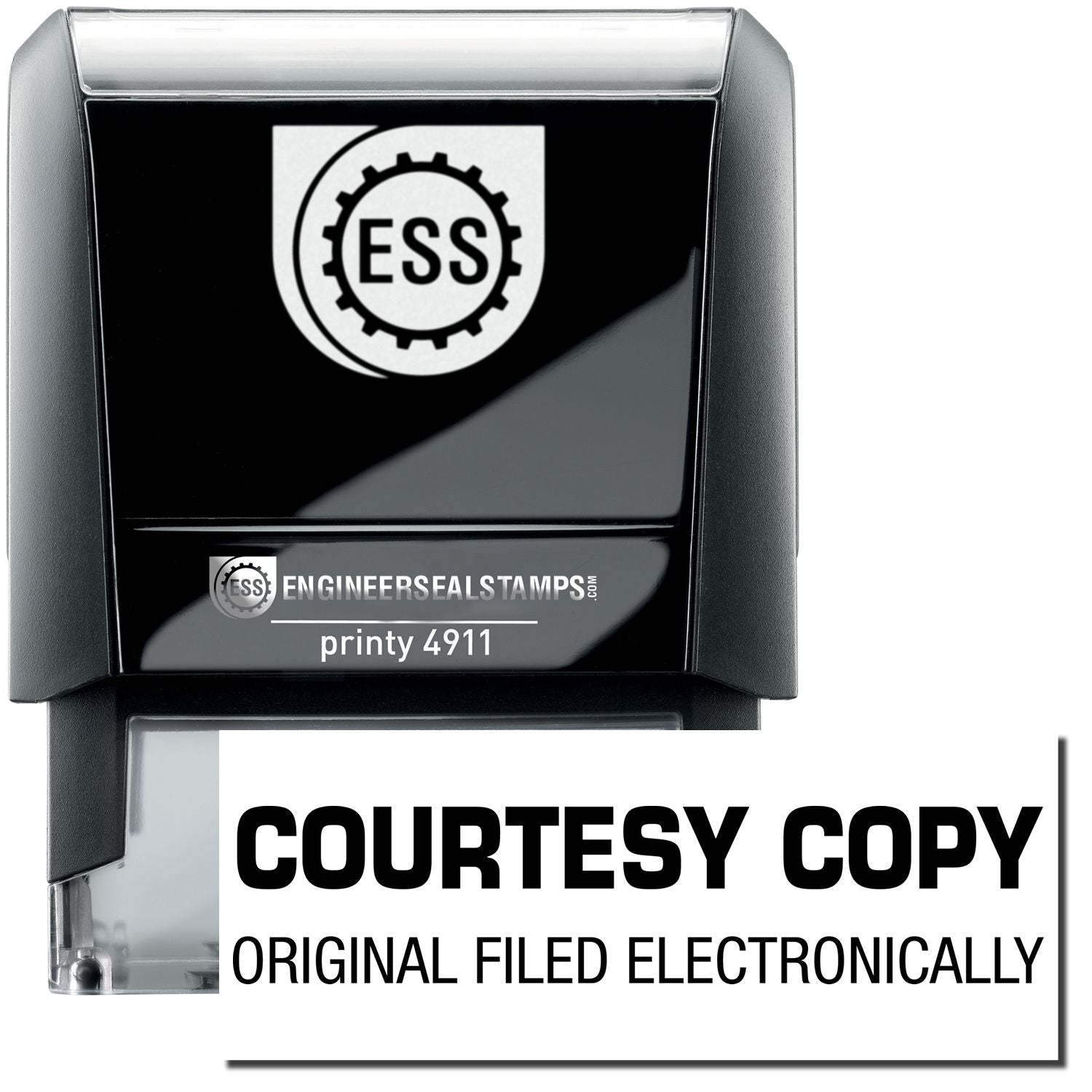
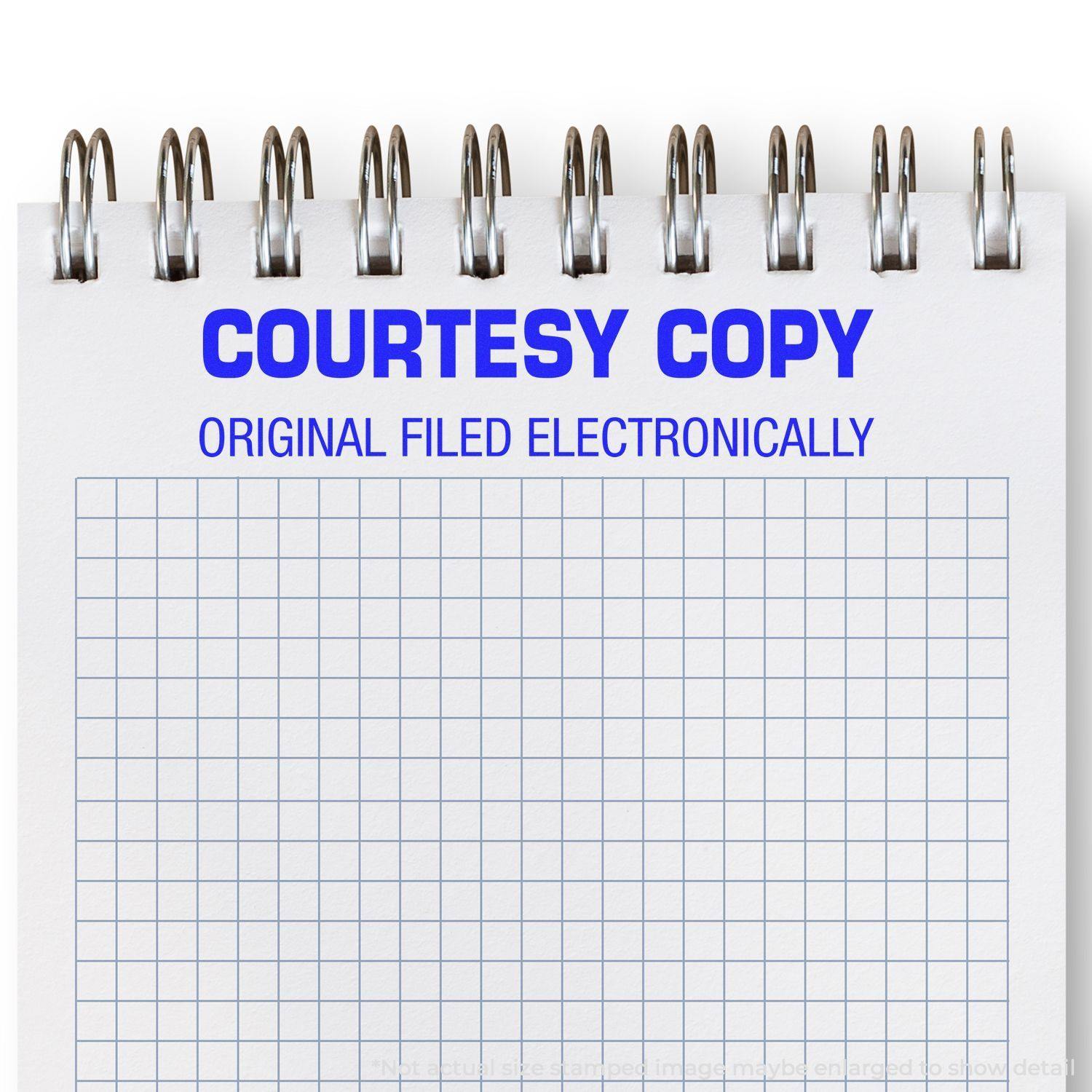
| Courtesy copy, original filed electronically | A paper copy of an e-filed document sent to chambers | In Arizona, certain document types need a paper courtesy copy with the Notice of Electronic Filing attached to its last page, mailed or delivered to the judge by the next business day. Email does not count. | D. Ariz., ECF Frequently Asked Questions |
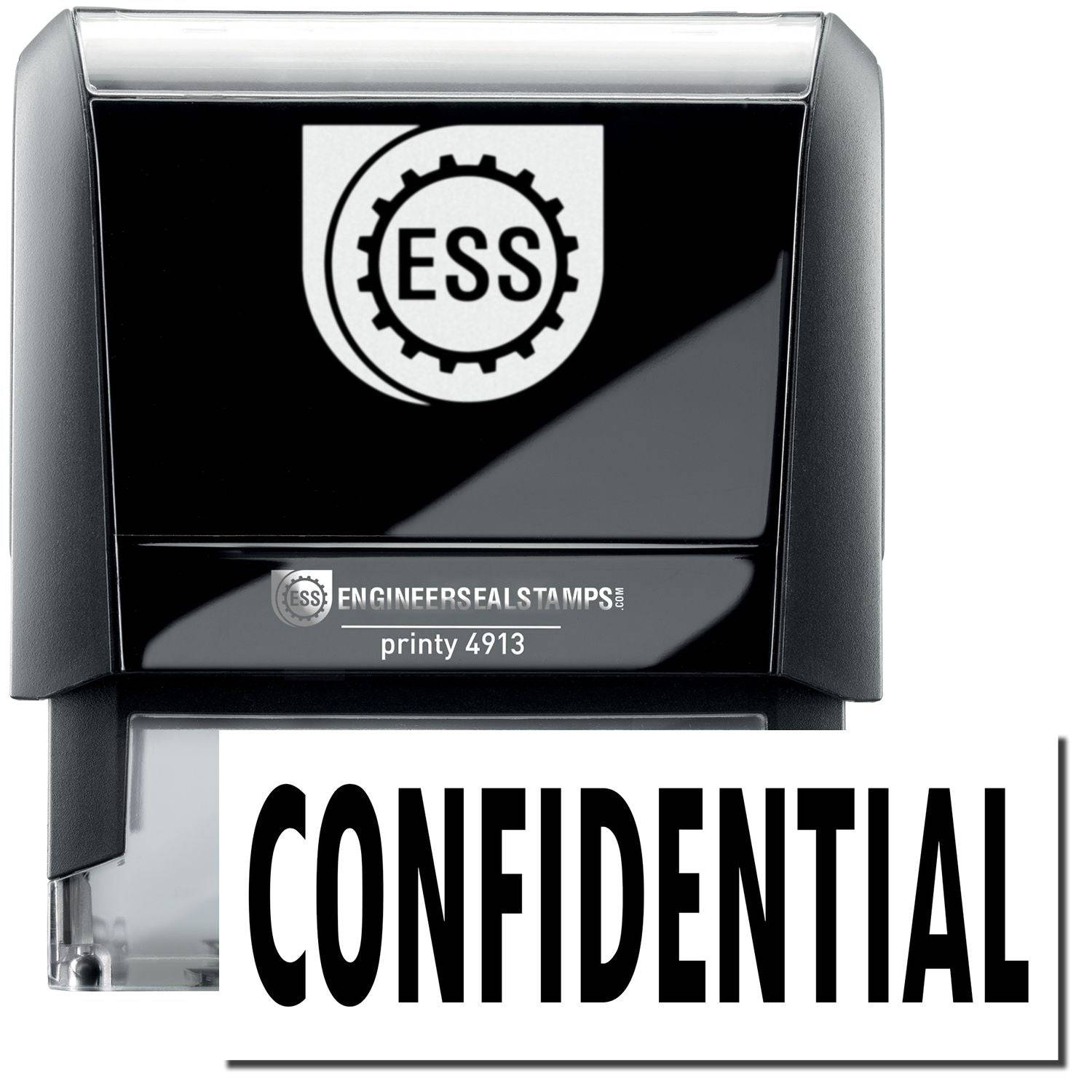
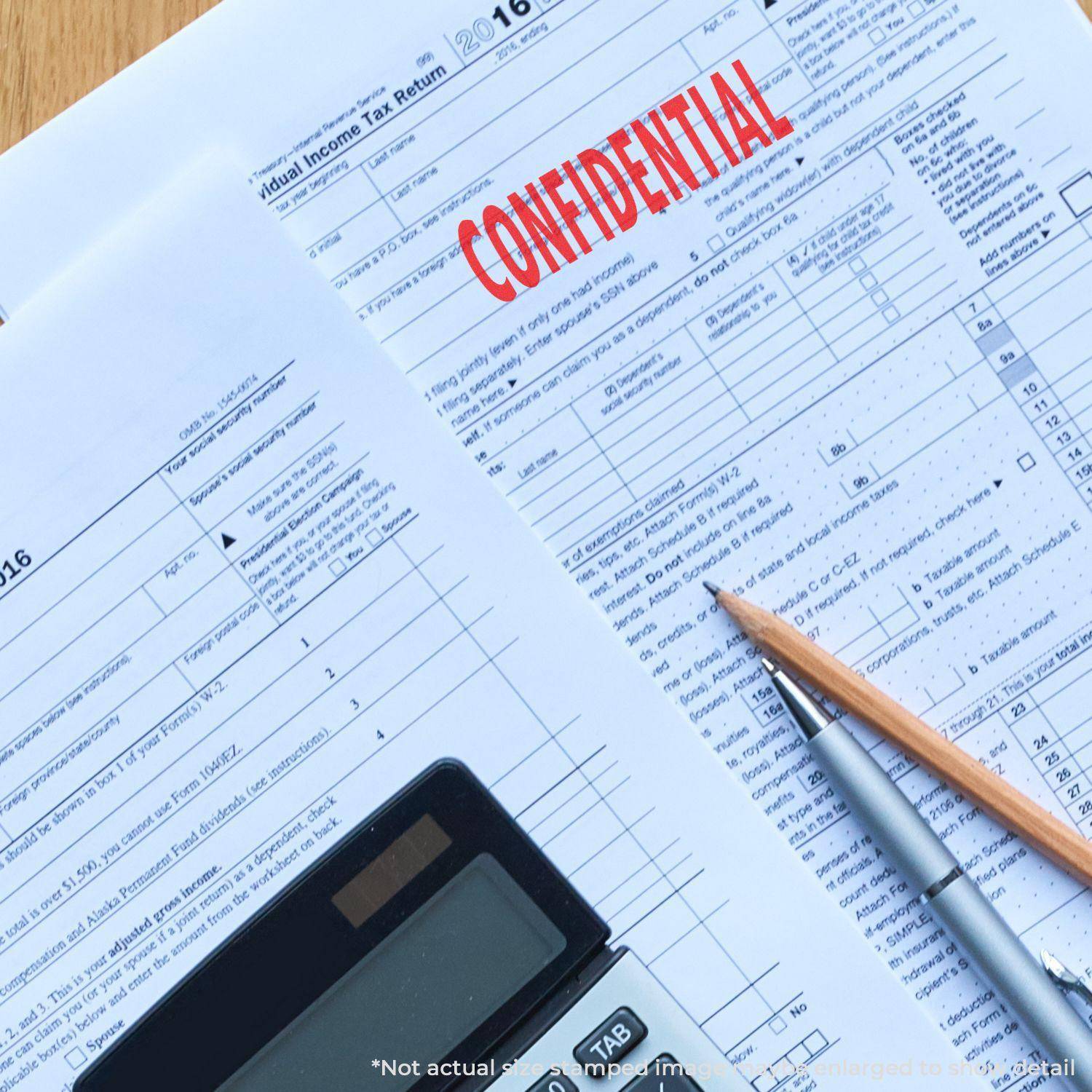
| Confidential | Discovery material covered by a protective order | For good cause a court may order confidential commercial information revealed only in a specified way. The Northern District of California's model order puts a CONFIDENTIAL legend on each page holding protected material. | Fed. R. Civ. P. 26(c)(1)(G); N.D. Cal. Model Stipulated Protective Order § 5.2(a) |
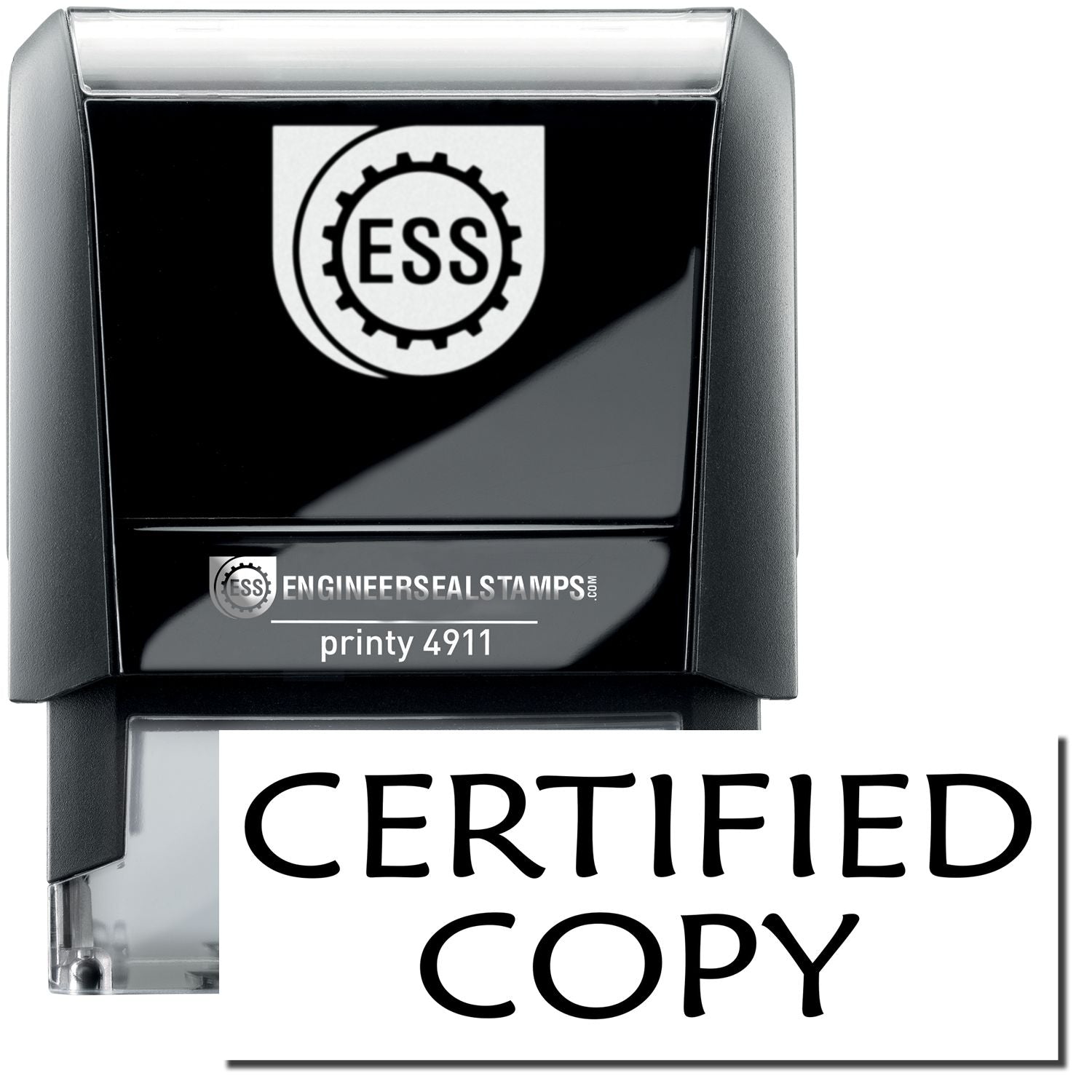
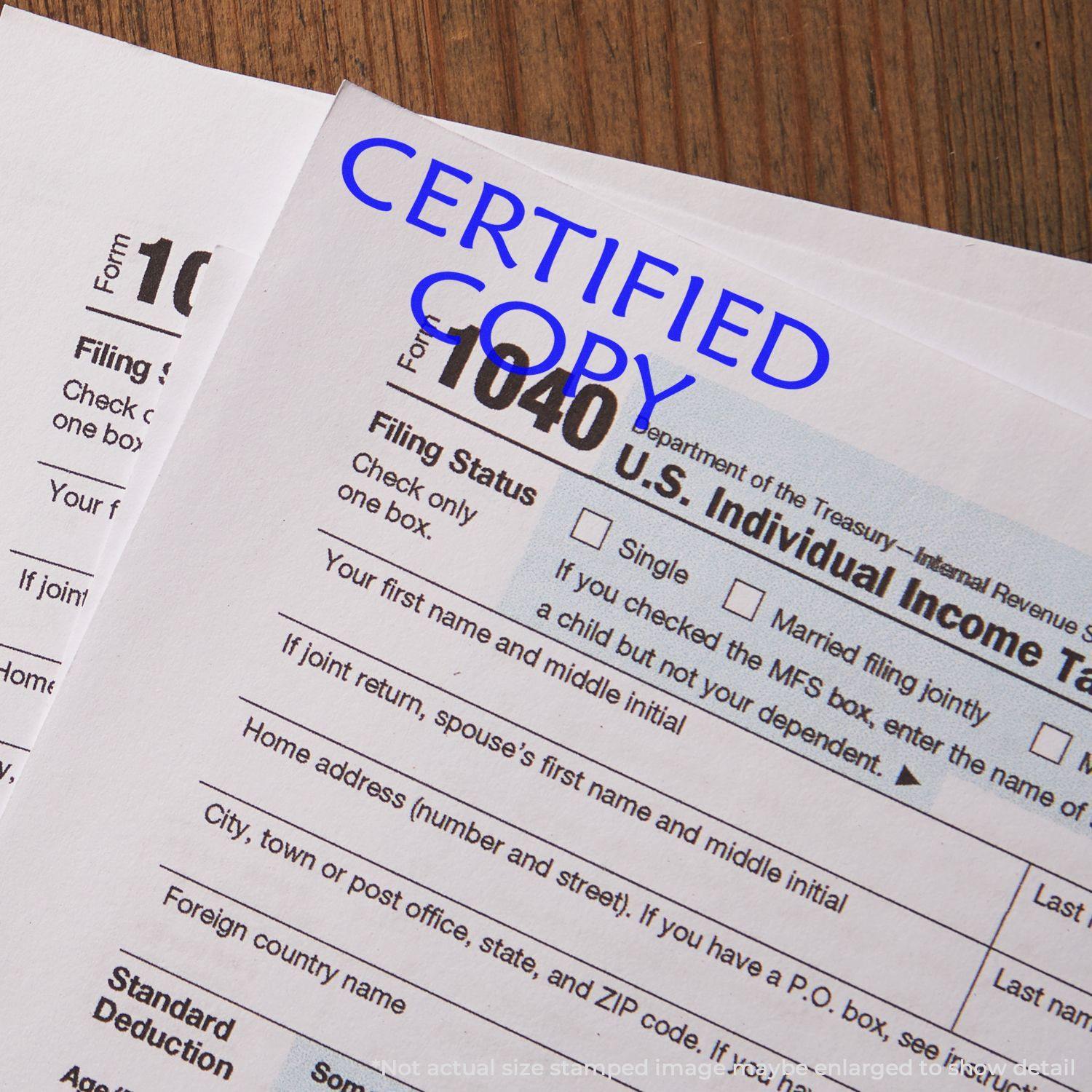
| Certified copy | Copies of public records offered in court | A copy of an official record authenticates itself when the custodian or another authorized person certifies it as correct, or when a qualifying certificate accompanies it. | Fed. R. Evid. 902(4) |
Whether a stamped signature is accepted on a check, a tax return or a court filing is covered in are signature stamps legal.
How do federal courts want trial exhibits marked?
Each court sets its own method, and the colors do not match from one court to the next. The District of Arizona's standard instructions put plaintiff exhibits on yellow and defendant exhibits on blue. The Southern District of Georgia issues tags from the clerk: blue for plaintiffs, green for defendants.
Arizona's instructions, Exhibits: Marking, Listing and Custody (updated January 2022), have counsel prepare exhibits and deliver them to the courtroom deputy clerk at least 48 hours before trial. For marking:
- Number blocks. Each side gets its own range with room for additions during trial. The example given is plaintiff 1 through 80 and defendant 100 through 180.
- Numbers only. Letters appear only for sub-parts, such as 3a, 3b and 3c.
- Every page. Multiple page exhibits have each page marked. Bulky documents may carry Bates stamp numbers at the bottom right corner of each page, numbered continuously.
- Photos and charts. Photos take adhesive labels on the back. Charts are identified in the lower right corner.
- Court exhibits. Exhibits count as court exhibits, not either side's, so the parties coordinate to avoid duplicate numbers.
Southern Georgia asks counsel to pre-mark exhibits before trial, number the tags consecutively and staple each tag to the upper left corner of the exhibit. Its colors run pink for court exhibits, yellow for the government, green for defendants, blue for plaintiffs and white for joint exhibits. The court's page says these instructions supplement its local rules and any instructions from the trial judge. Note the clash: blue marks a defendant's exhibit in Arizona and a plaintiff's exhibit in southern Georgia.
How are deposition exhibits marked?
Federal Rule of Civil Procedure 30(f)(2)(A) says that when a party asks, documents and tangible things produced for inspection at a deposition are marked for identification and attached to the deposition. The rule does not prescribe how the mark is made.
That open method is where an exhibit stamp earns its place. The same rule, at 30(f)(1), has the officer certify that the witness was sworn and that the deposition accurately records the testimony, then seal the deposition in an envelope or package bearing the title of the action and marked "Deposition of [witness's name]."
What should you check before using an exhibit stamp?
Check whether the court hands out its own tags or cover sheets, which color it assigns to your side, where the mark goes and how numbers are written. Both district courts read for this page describe court-supplied labels, tags or cover sheets for trial exhibits.
- Who supplies the label. Southern Georgia's tags come from the clerk. Arizona posts cover sheets on its website and keeps labels for pictures and diagrams with the courtroom deputy clerk.
- Color. Both courts identify the offering party by the color of the tag or sheet. A stamp prints in its ink color, so ask the courtroom deputy whether a stamped mark is acceptable alongside or in place of the court's own label.
- Position. Upper left corner in southern Georgia. In Arizona, a cover sheet stapled on top for paper exhibits, the back of a photo and the lower right corner of a chart.
- Numbering. Numbers only, with letters for sub-parts, in Arizona. Consecutive numbers in southern Georgia.
- Every page or first page. Arizona wants each page of a multiple page exhibit marked.
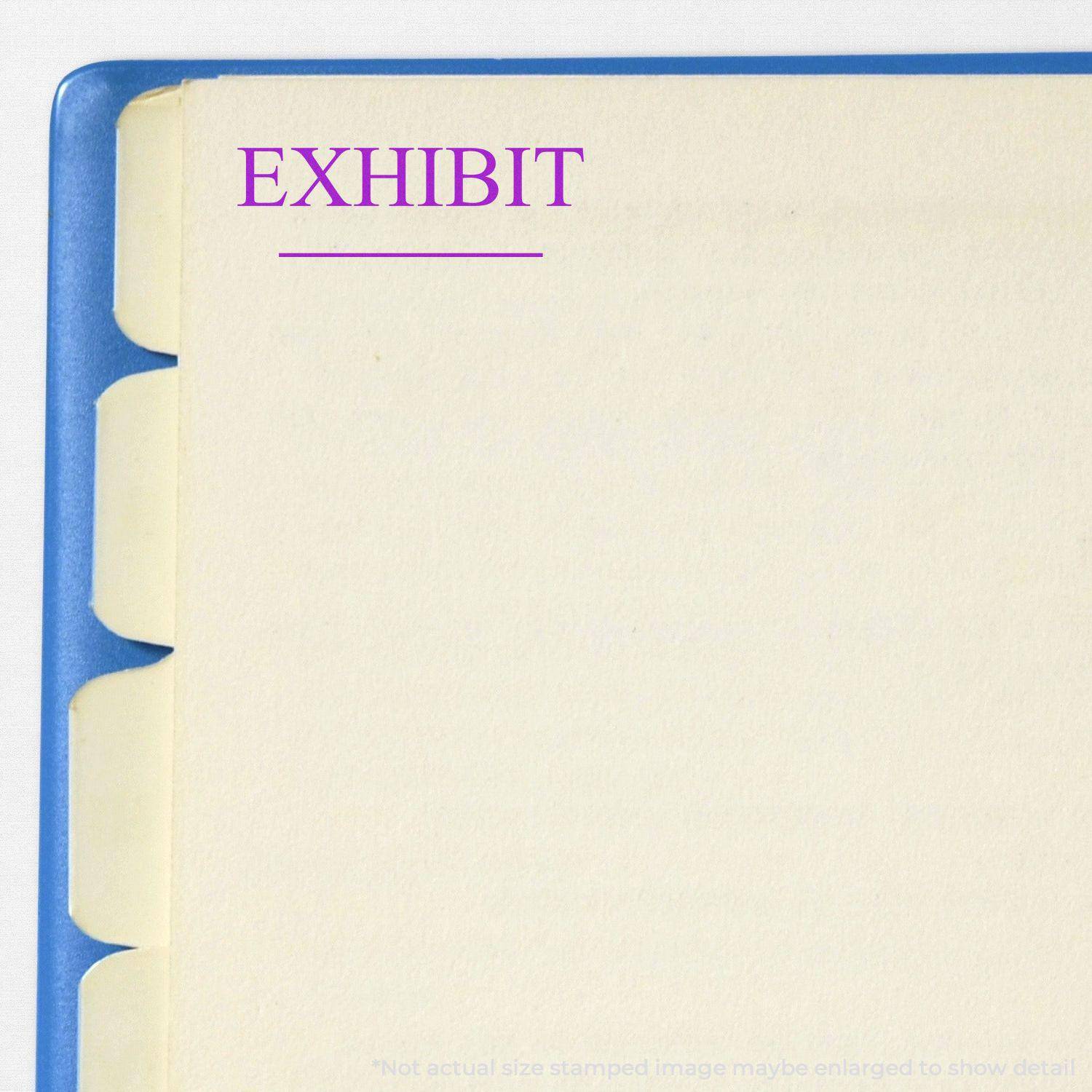
Where a rule leaves the method open, as Rule 30(f)(2)(A) does for deposition exhibits, a self-inking stamp puts the legend on the page in one press. ESS stocks a standard exhibit stamp, a plaintiff's exhibit version, a joint exhibit version for items both sides offer, and a larger exhibit stamp when the legend needs more room.



What must be redacted from a federal court filing?
A federal civil filing may show only the last four digits of a Social Security or taxpayer number, the birth year, a minor's initials and the last four digits of a financial account number. Criminal filings under Rule 49.1(a) also allow the city and state of a home address.
Rule 5.2(b) lists six exemptions to the civil rule, including a financial account number that identifies property alleged to be subject to forfeiture, the record of an administrative or agency proceeding, the official record of a state court proceeding, and a pro se filing in a habeas action under 28 U.S.C. §§ 2241, 2254 or 2255.
The court can go further or offer alternatives:
- More redaction. For good cause, Rule 5.2(e) lets the court require redaction of additional information or limit a nonparty's remote electronic access to a filing.
- Filing under seal. Under Rule 5.2(d) the court may order a filing made under seal without redaction, and may later unseal it or order a redacted public version.
- Unredacted copy. Rule 5.2(f) lets a person who files a redacted document also file an unredacted copy under seal, which the court keeps as part of the record.
State courts write their own privacy rules. In California, rule 1.201 of the California Rules of Court limits Social Security numbers and financial account numbers to their last four digits, and places the whole responsibility for excluding or redacting them on the parties and their attorneys. The clerk does not review filings for compliance.
Does a redacted stamp hide the information?
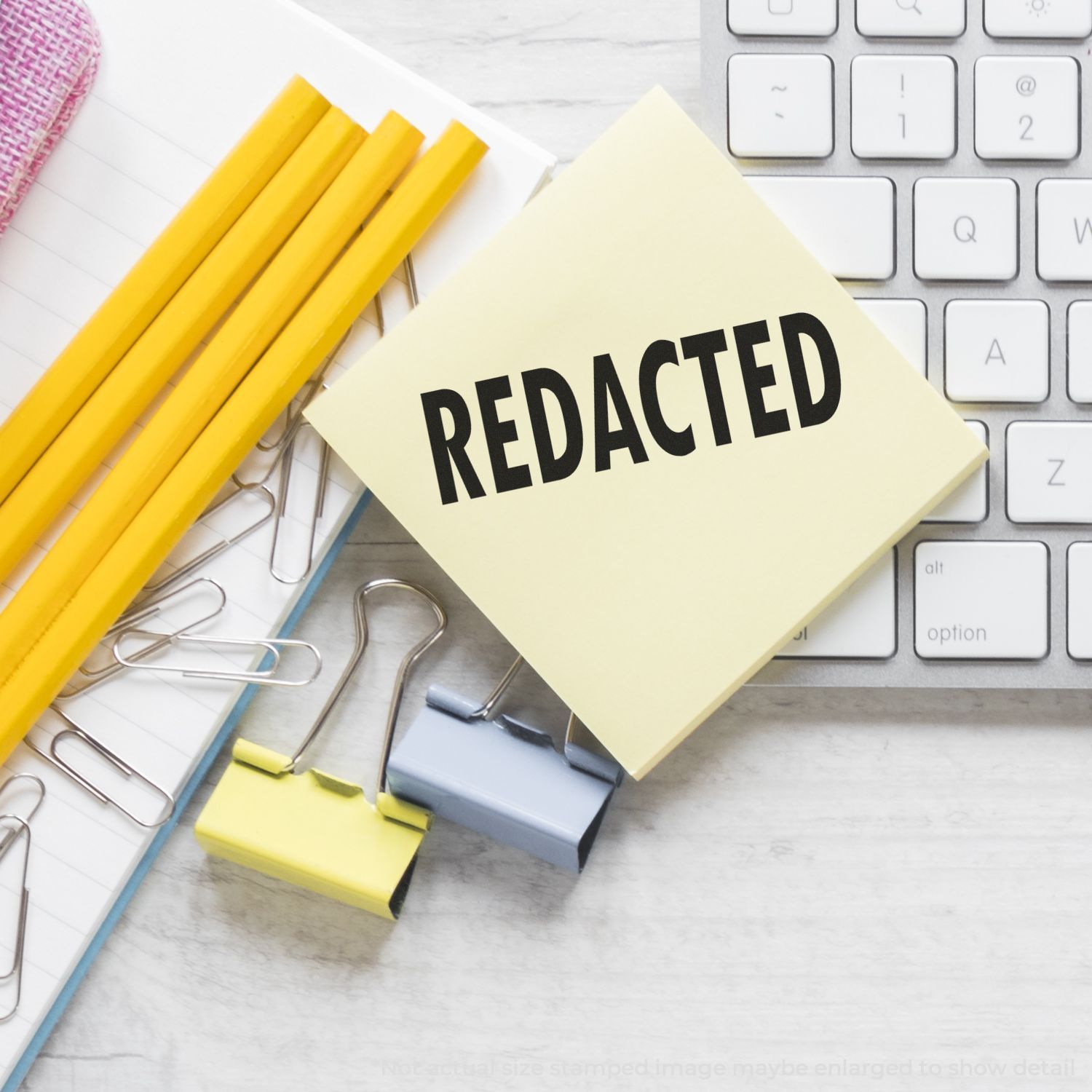
No. A stamp labels the spot where material was withheld; it does not take away what lies underneath. Federal court guidance warns that ink, see-through tape, white text and cover-up graphics can all leave the original text readable, so remove the information first and label the gap second.
The Northern District of Alabama lists the failures. White text only seems to disappear. Comment and graphic tools that black out text can be removed by anyone. Word processors keep revision history in hidden metadata. A page covered with black marker, tape or paper and then scanned may still be readable. Its sure method for paper is to cut the text out and shred the clippings, which it calls 100% effective.
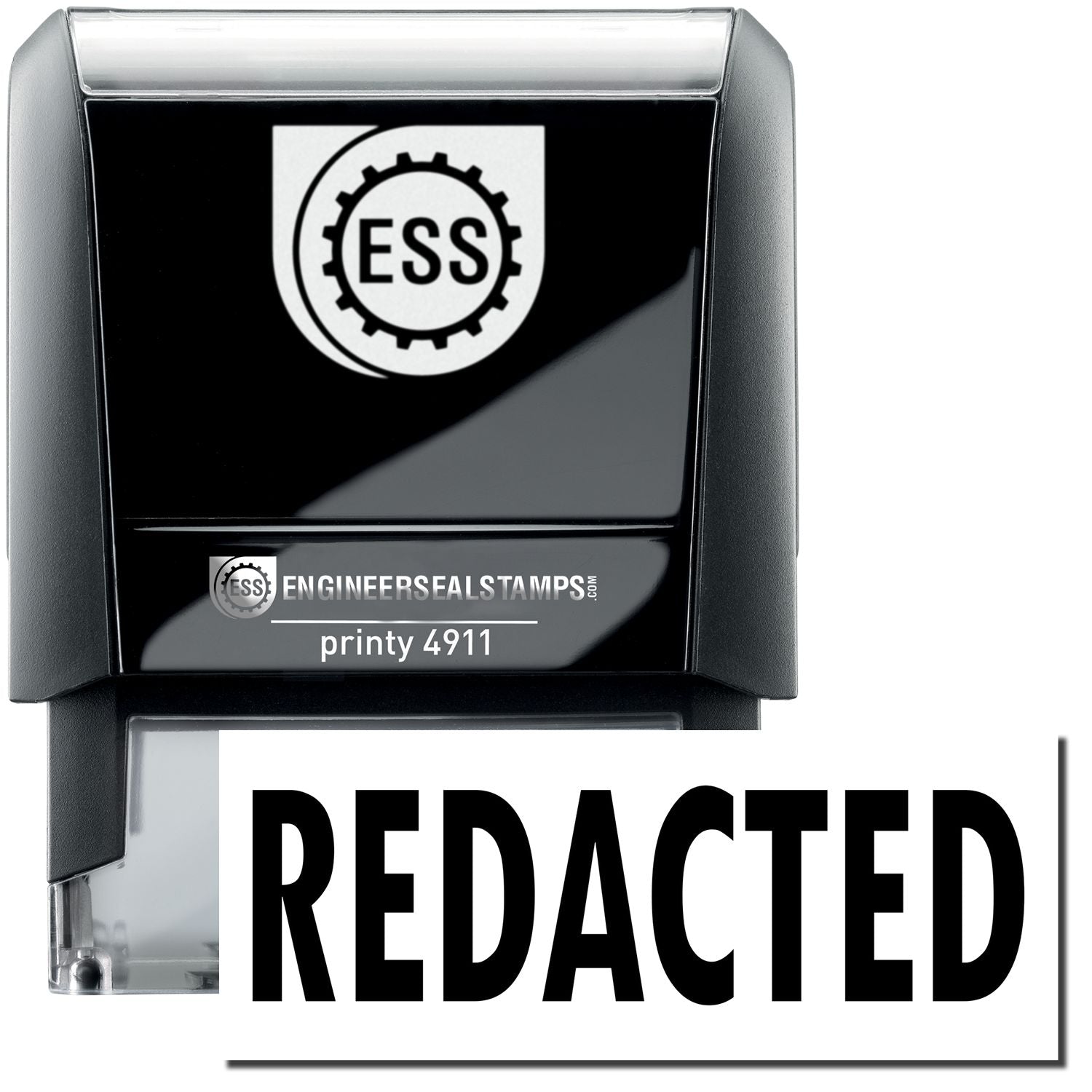
The Northern District of Georgia gives the same warning about ink and semi-translucent tape and suggests replacing the removed words with a placeholder such as "[NAME REDACTED]" before the document becomes a PDF. On paper, the equivalent is a redacted stamp printed in the blank space, so a reader knows the omission was deliberate. ESS stocks a self-inking redacted stamp for that job.
Does a privileged or attorney-client stamp make a document privileged?
No. Courts look at what a document is, not what it is stamped. Federal Rule of Evidence 502(g) defines attorney-client privilege as the protection applicable law gives confidential attorney-client communications, and work product as material prepared in anticipation of litigation or for trial.
A February 2023 Boston Bar Journal article by Philip A. O'Connell Jr. and Tony K. Lu collects state court decisions on labels:
- Kobluk v. University of Minnesota, 574 N.W.2d 436, 441 (Minn. 1998): a "priv" or "confidential" label does not by itself cloak a document with the privilege.
- Spectrum Systems International Corp. v. Chemical Bank, 78 N.Y.2d 371, 381 (1991): a party's own labels do not decide whether material is work product.
- Henderson v. Newport County Regional YMCA, 966 A.2d 1242, 1248 (R.I. 2009): the title given to a document cannot by itself create work product.
- Blumenthal v. Kimber Mfg., Inc., 265 Conn. 1, 15 (2003): a "confidential" marking is not dispositive.
The same authors argue that labels still help: a label guides later handlers, helps reviewers find documents to withhold, and counts as some evidence for the claim. When you withhold material in federal discovery, Rule 26(b)(5)(A) requires you to make the claim expressly and describe what you are withholding well enough for others to assess it without seeing it.
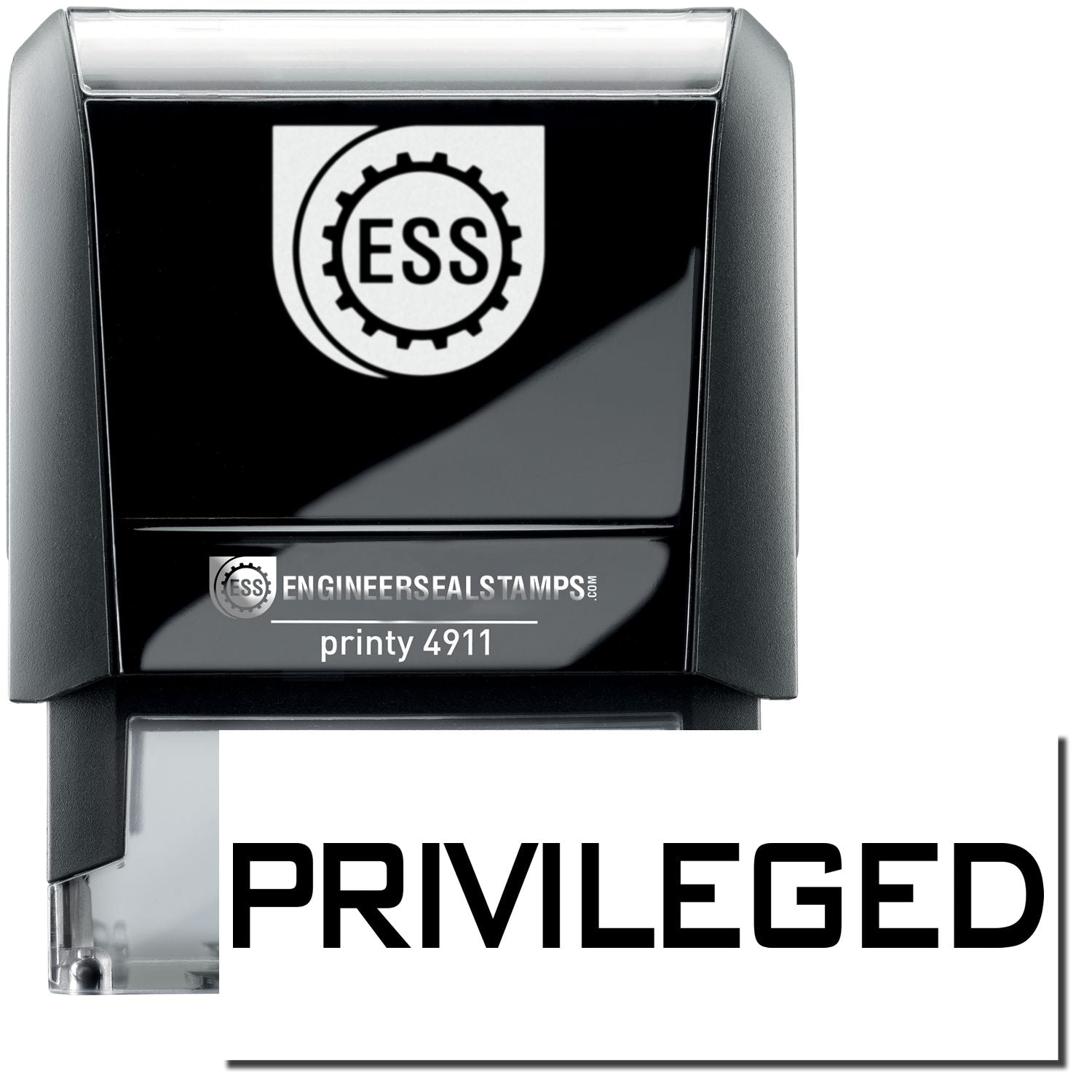
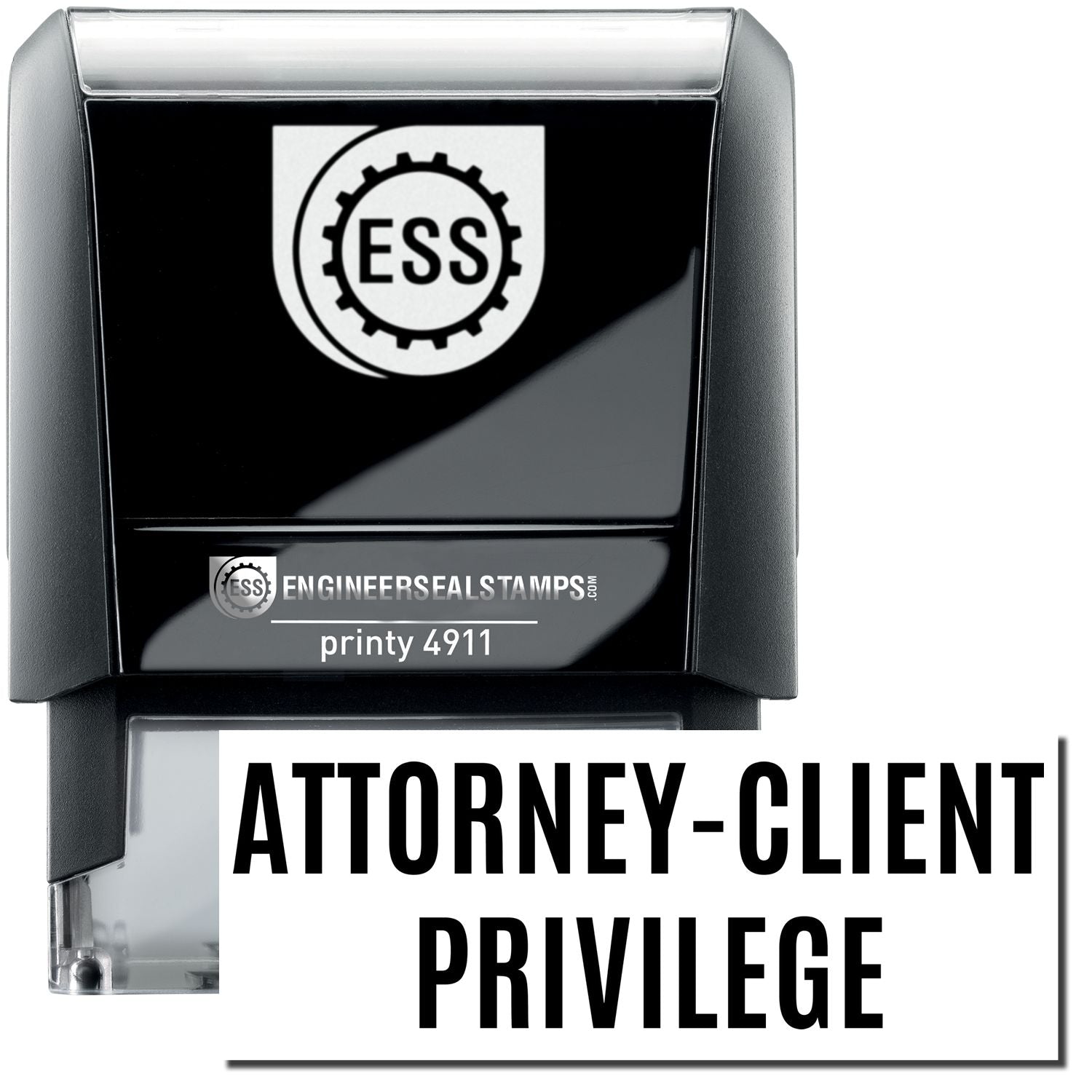
A privileged stamp names no particular protection. An attorney-client privilege stamp names one. Choose the wording that matches the claim you would make on a privilege log.
When does a law office use an evidence stamp?
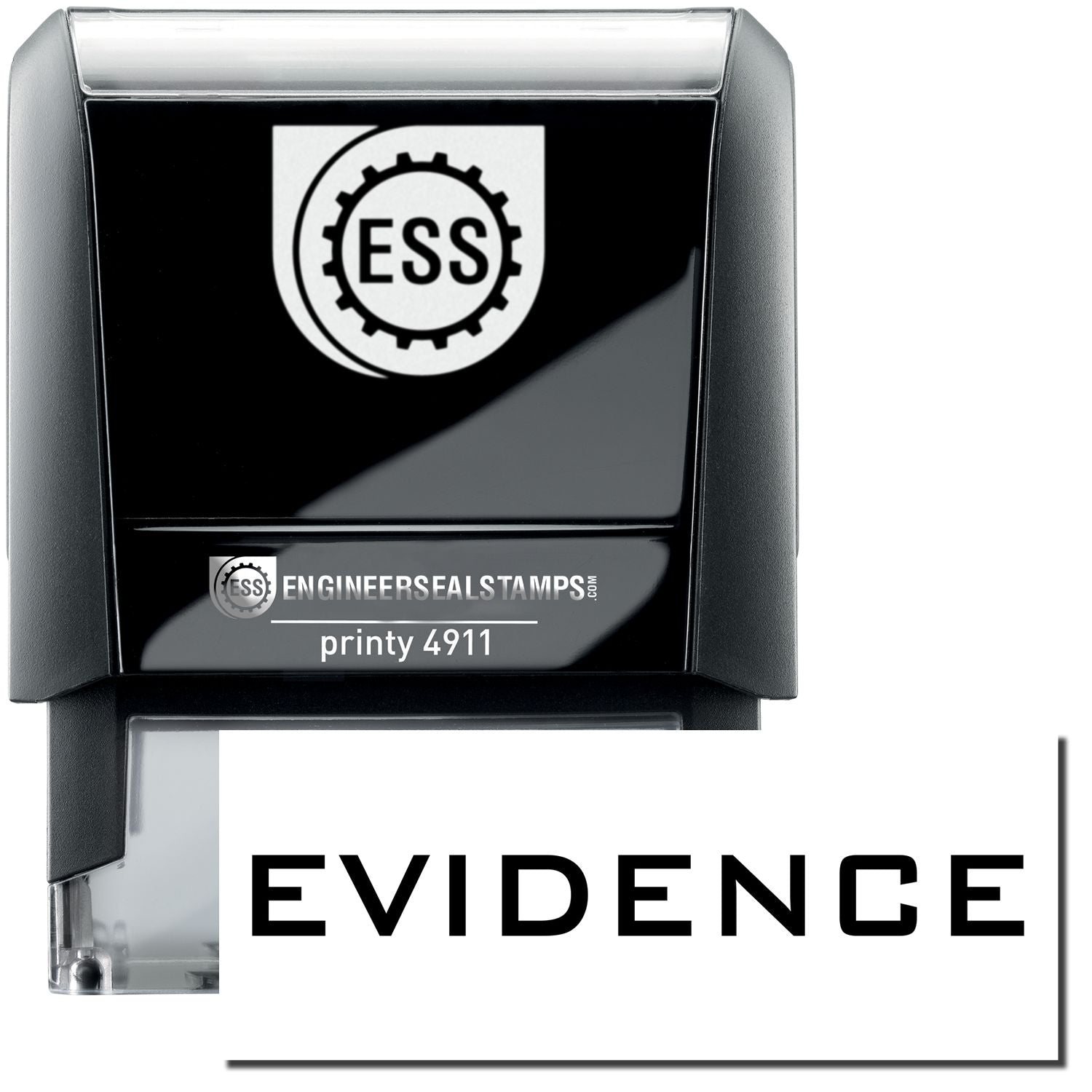
An evidence stamp identifies an item, envelope or copy that the office is holding for a case. It does not authenticate anything. Under Rule 901(a), the party offering an item must produce evidence sufficient to support a finding that it is what that party claims.
The examples in Rule 901(b) rest on proof, not marks: testimony from a witness with knowledge (901(b)(1)), or an item's appearance, contents and other distinctive characteristics taken together with all the circumstances (901(b)(4)). So the stamp's work is internal. A self-inking evidence stamp separates items the office is preserving from working copies that staff can mark up.



How must legal mail to a federal prisoner be marked?
For Bureau of Prisons special mail handling, the envelope must adequately identify the sender, show the attorney's name and that the sender is an attorney, and bear on its front the phrase "Special Mail" joined to "Open only in the presence of the inmate."
The rules sit in Title 28, Part 540 of the Code of Federal Regulations:
- 28 CFR 540.2(c) counts correspondence received from attorneys, U.S. courts and state courts, among other senders, as special mail.
- 28 CFR 540.18(a) has the warden open incoming special mail only in the inmate's presence, to check for physical contraband and whether enclosures qualify. When the sender is identified and the envelope is marked, the letter may not be read or copied.
- 28 CFR 540.18(b) says that without the identification or the marking, staff may treat the letter as general correspondence and open, inspect and read it.
- 28 CFR 540.19(b) makes the inmate responsible for telling the attorney about these envelope requirements.
- 28 CFR 540.19(a) has staff record on a properly marked envelope when it arrived, when it was delivered and opened in the inmate's presence, and who handled it.
The regulation says the envelope is "marked" and does not say whether by print, stamp or hand. ESS does not stock a legal mail stamp. An office that sends special mail often can order a custom self-inking stamp with the regulation's wording and should proof it against 540.18(a) word for word.
State prisons follow state rules. California's Title 15, section 3141, lists attorneys licensed with state bar associations, judges and courts among confidential correspondents, and says incoming mail from an attorney or legal service organization shall include the attorney's name, title and the return address of the attorney's office.
Do courts still want paper court copies and courtesy copies?
Less often than they once did. Rule 5(d)(3)(A) requires parties with lawyers to file electronically unless the court, for good cause, or a local rule allows paper. The Northern District of California's local rules no longer require courtesy copies, though some judges require them in specific instances.
Under Rule 5(d)(3)(D), a paper filed electronically is a written paper for purposes of the rules. Courts that still want paper copies spell out how. The District of Arizona's ECF answers require paper courtesy copies for certain document types listed in its procedures manual, with the Notice of Electronic Filing attached to the last page, mailed to the judge or hand-delivered to the judge's courthouse mailbox by the next business day. Paper only, never email.
None of the rules read for this page defines a "court copy" label. A court copy stamp works as an internal marker for the set bound for the court. A courtesy copy, original filed electronically stamp tells chambers staff that the paper in hand is not the filed original. ESS stocks both.
What does a confidential stamp do under a protective order?
It applies a designation the order creates. For good cause, Rule 26(c)(1)(G) lets a court order confidential research, development or commercial information revealed only in a specified way. The Northern District of California's model order puts a CONFIDENTIAL legend on each page containing protected material.
That duty sits in section 5.2(a) of the court's Model Stipulated Protective Order for standard litigation. Section 1 of the same form says the order does not entitle the parties to file confidential information under seal; Civil Local Rule 79-5 sets that procedure. So the stamp carries out the designation in discovery but does not seal anything in the court file. ESS stocks a large self-inking confidential stamp for a bigger legend on each sheet.
Who can certify a copy of a court record?
Under Federal Rule of Evidence 902(4), a copy of an official record authenticates itself when certified as correct by the custodian or another person authorized to make the certification, or by a certificate that complies with Rule 902(1), (2) or (3), a federal statute or a Supreme Court rule.
The rule ties the certification to a person with authority, not to the wording on the page. A certified copy stamp prints the legend; the signature and the authority behind it have to come from someone the governing rule allows to certify.
Notarial copy certification is a matter of state law. In Florida, section 117.05(12)(a) of the Florida Statutes lets a notary attest to a copy only when the document is neither a vital record nor a public record that its custodian can copy.

Frequently asked questions
What happens if privileged documents are produced by mistake?
In a federal proceeding, Rule 502(b) says the disclosure is not a waiver when it was inadvertent, the holder took reasonable steps to prevent it, and the holder promptly took reasonable steps to fix it. Under Rule 26(b)(5)(B), once notified, recipients must promptly return, sequester or destroy the material and not use it until the claim is resolved.
Does the lawyer who receives an inadvertently sent document have to tell me?
ABA Model Rule of Professional Conduct 4.4(b) says a lawyer who receives a document or electronically stored information relating to the representation of the lawyer's client, and knows or reasonably should know it was sent by mistake, shall promptly notify the sender.
Can a court order protect privilege beyond the current case?
Yes. Under Rule 502(d), a federal court may order that disclosure connected with the pending litigation does not waive privilege or work product protection, and the disclosure is then not a waiver in any other federal or state proceeding either. An agreement between parties under Rule 502(e) binds only the parties to it unless a court order incorporates it.
What if I file my own Social Security number without redacting it?
You waive the protection for your own information. Rule 5.2(h) and Criminal Rule 49.1(h) both say that a person who files their own information without redaction and not under seal gives up the rule's protection for it.
Can the court still see the full identifiers I redacted?
Yes, through a sealed filing. Rule 5.2(f) lets you file an unredacted copy under seal, and Rule 5.2(g) lets you file a sealed reference list that pairs each redacted item with a unique identifier used in its place. Criminal Rule 49.1(g) adds that the list may be amended as of right.
Is outgoing mail from a federal inmate to a lawyer inspected?
Generally not. Under 28 CFR 540.18(c)(1), outgoing special mail may be sealed by the inmate and is not subject to inspection, except as paragraph (c)(2) provides.
Once you know which rule or order governs a document, match the stamp's wording to it: browse ESS's stock self-inking office stamps for exhibit, redacted, privileged, evidence, copy and confidential legends, and put any wording no stock legend carries, such as special mail, on a custom stamp.