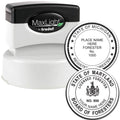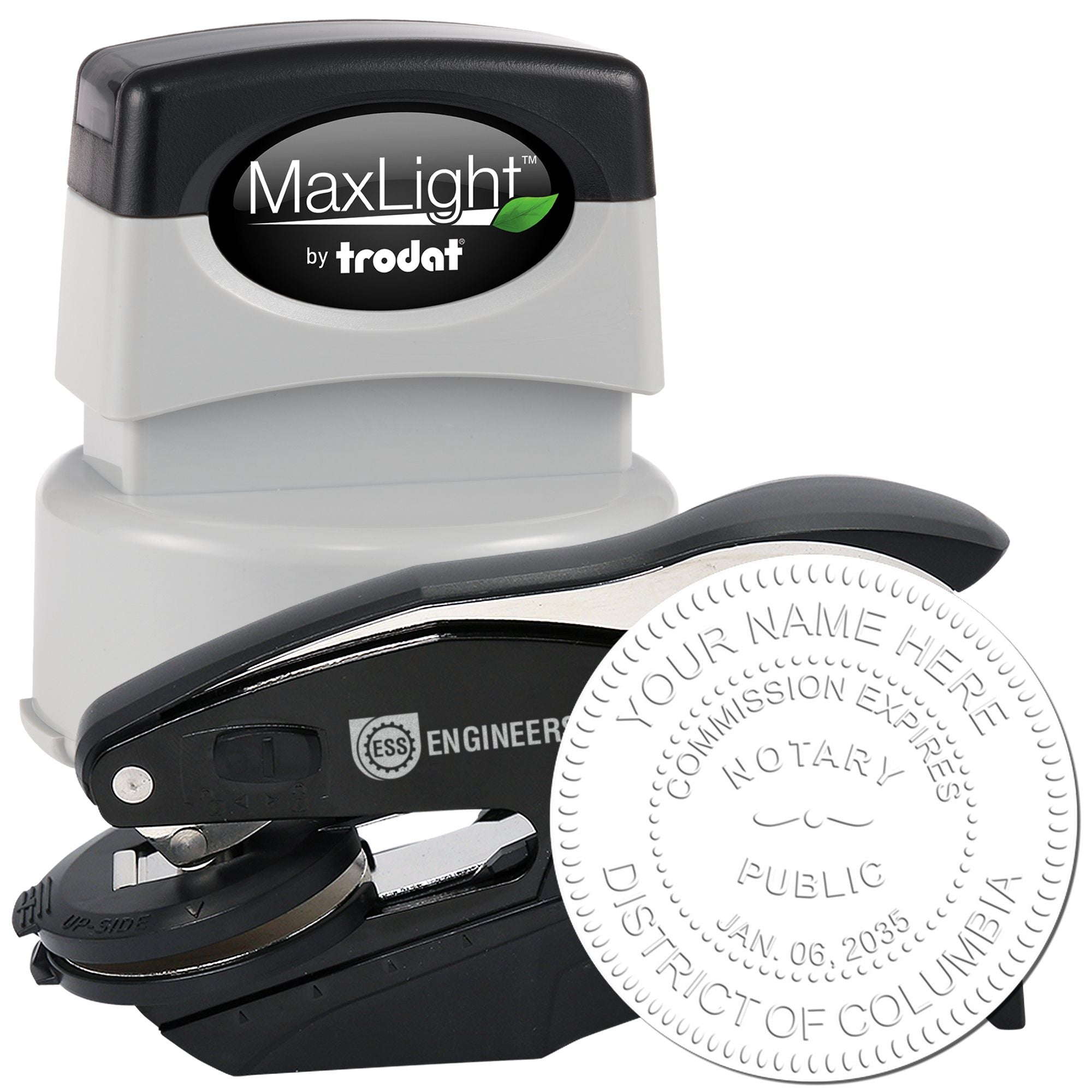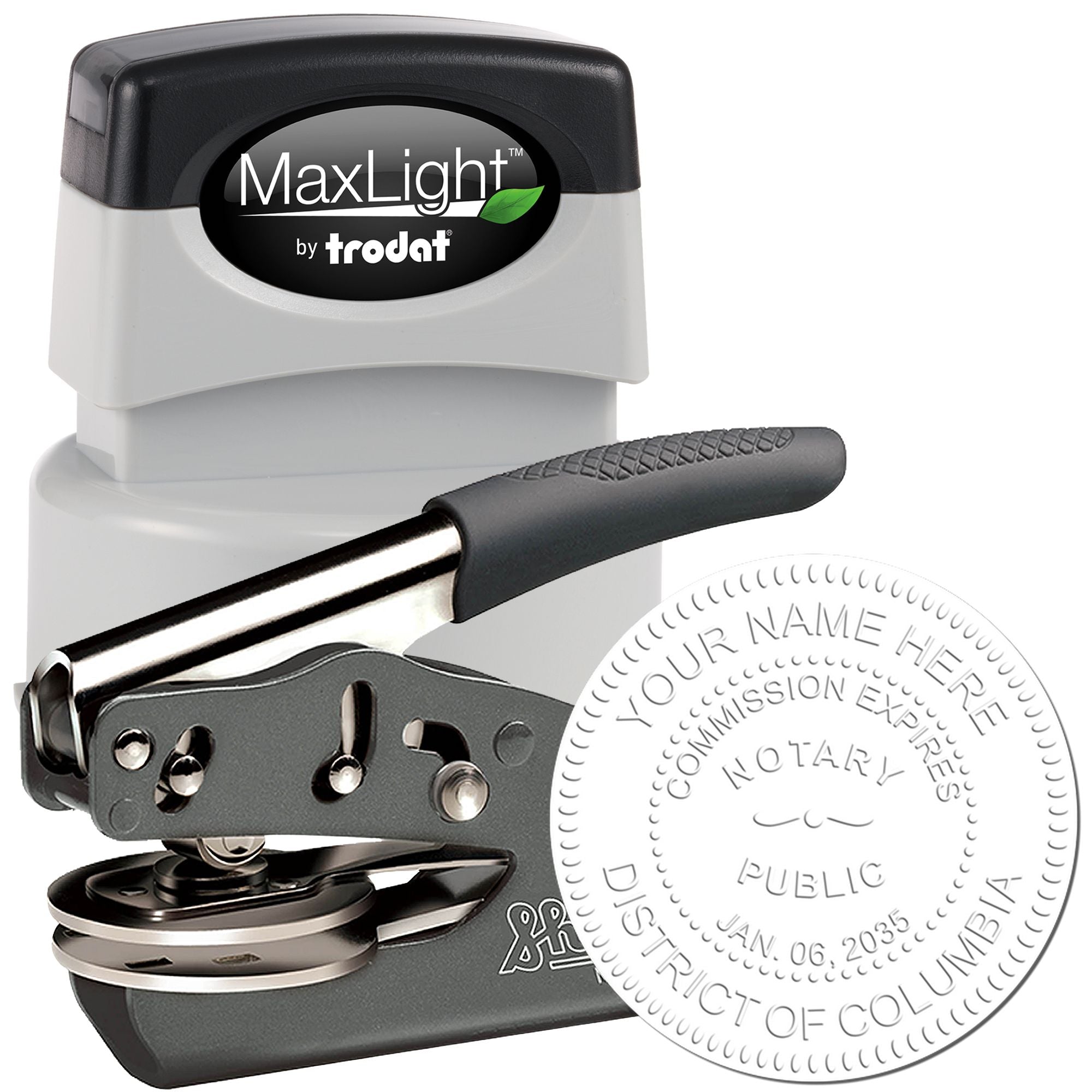

A District of Columbia notary seal is circular, sits inside a border of 1.75 inches or less, and carries your name as commissioned, the date it expires, the words "District of Columbia", and "Notary Public" across the center. The District builds the seal around an embosser rather than an optional extra. Commissions run five years on a $2,000 bond. This page covers the face, the device and the deadlines.
Engineer Seal Stamps compliance desk. Checked against D.C. Code § 1-1231.16(a)(1) and the Office of Notary Commissions and Authentications. Sources read September 2026.
| Requirement | What the rule says | Source |
|---|---|---|
| Seal required | Yes | Office of Notary Commissions and Authentications |
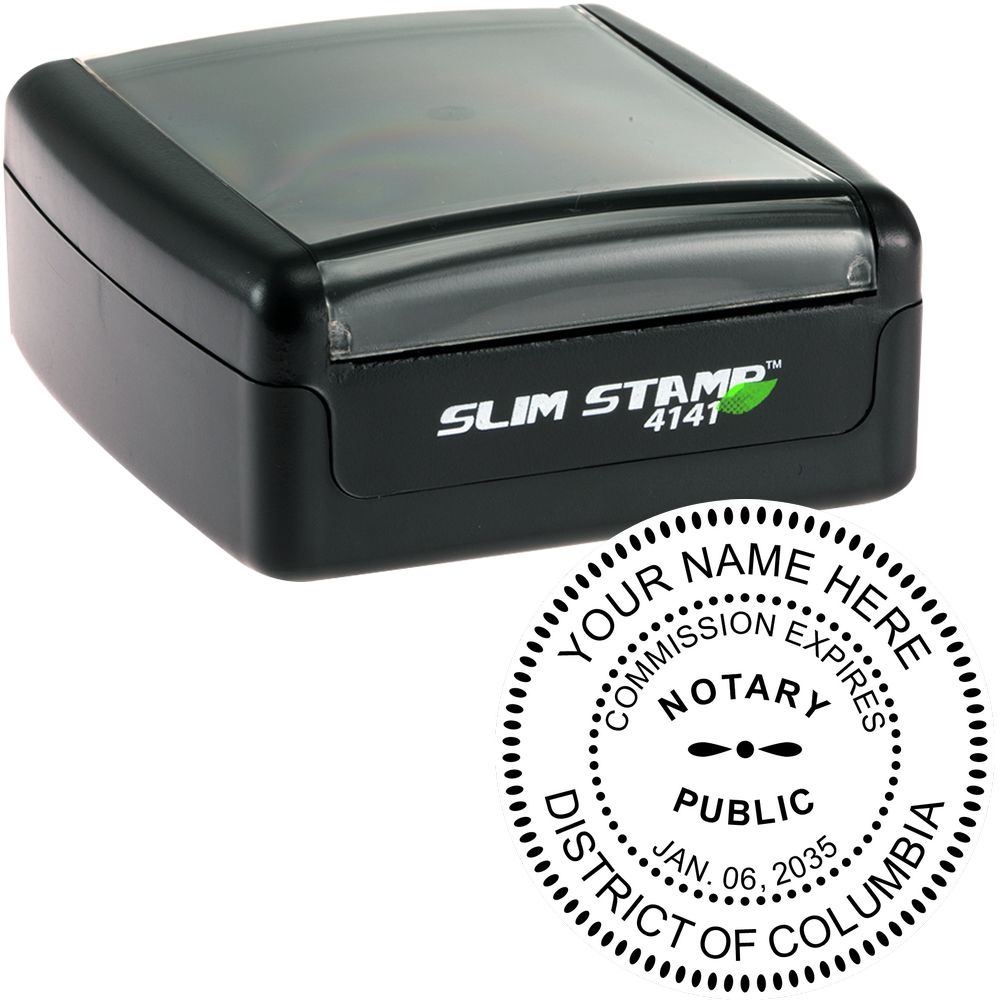
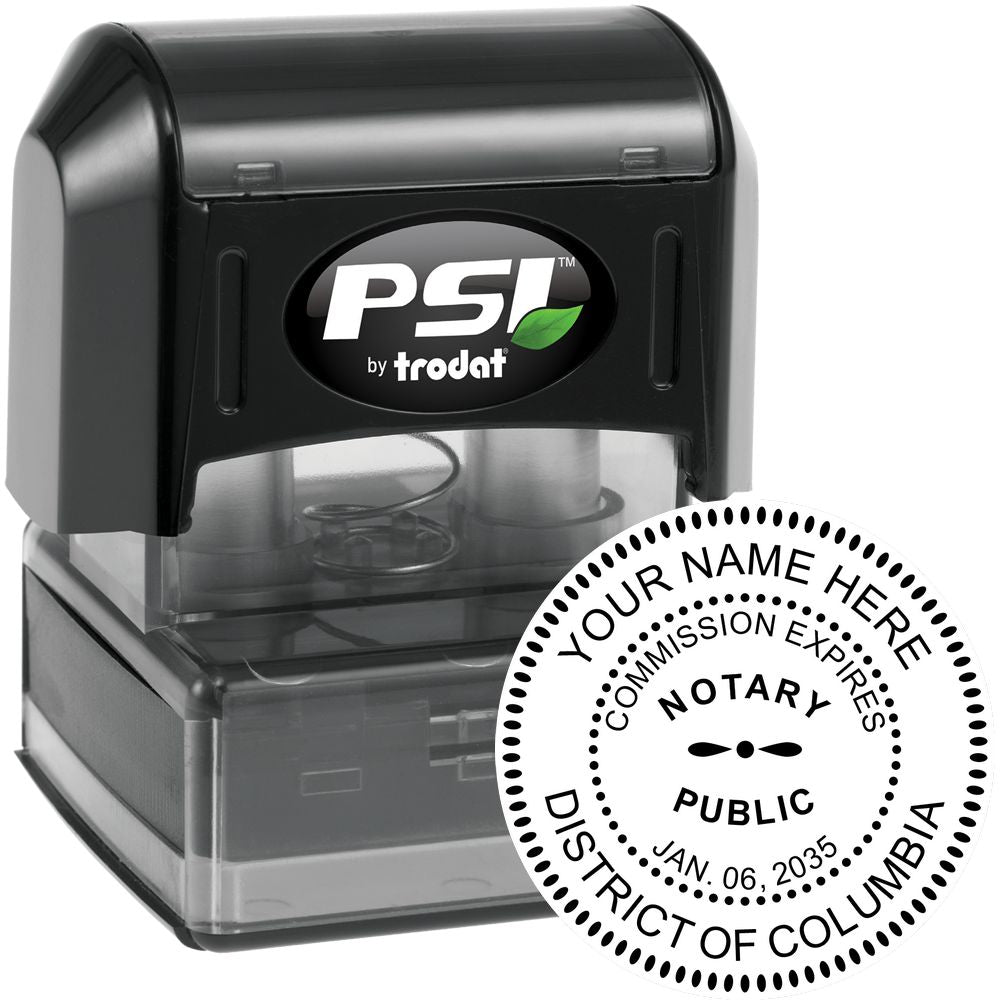
| Wording on the face | Your name exactly as the commission states it, the words "Notary Public" set in the center, the words "District of Columbia", and the date your commission expires | D.C. Code § 1-1231.16(a)(1) |
| Shape and size | Circular; the border may not exceed 1.75 inches | Office of Notary Commissions and Authentications |
| Ink color | No color is specified anywhere | Not addressed in the cited rules |
| Device | The District builds the seal around an embosser rather than treating one as an optional addition | Office of Notary Commissions and Authentications |
| Commission term | Five years | Office of Notary Commissions and Authentications |
| Bond | $2,000 | Office of Notary Commissions and Authentications |
| Seal at renewal | A new one each term, because the expiration date is a required element on the face | Office of Notary Commissions and Authentications |
| Name or address change | Notice within 15 calendar days. The deadline sits in the rules rather than in the statute | Office of Notary Commissions and Authentications |
| Lost, stolen or damaged device | Tell the Mayor promptly when the sealer or the signature is lost, stolen, damaged, or no longer able to make a legible image | Office of Notary Commissions and Authentications |
The District of Columbia is one row in our notary seal requirements by state table, which sets each jurisdiction's rule side by side.
Does a District of Columbia notary need a seal?
Yes. A commissioned notary in the District works with a seal, and the face of that seal is fixed by rule rather than left to the maker. The four items below are what it has to say.
That makes the seal the last step of the commissioning process rather than a side purchase. The details on it come off the commission itself, so the order waits on the paperwork.
What has to appear on a District of Columbia notary seal?
Four items, set by D.C. Code § 1-1231.16(a)(1). One of them is a placement instruction rather than a line of text.
- The words "District of Columbia"
- Your name, exactly as the commission states it
- The words "Notary Public", set in the center
- The date your commission expires
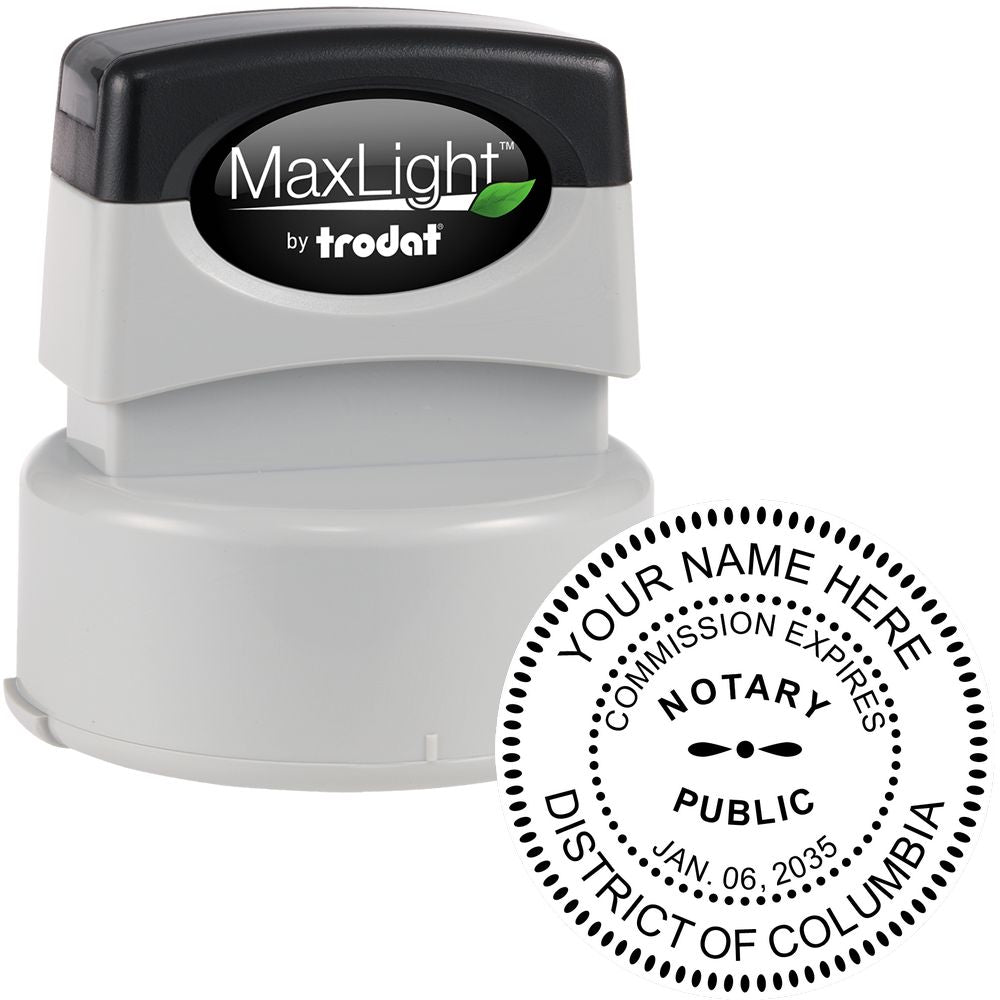
The centering of "Notary Public" is part of the requirement, not a design choice, which is one reason a District seal cannot be built from a generic round template. Our District of Columbia notary stamp format sample shows the arrangement, and the District of Columbia notary stamp requirements take the four items one at a time.



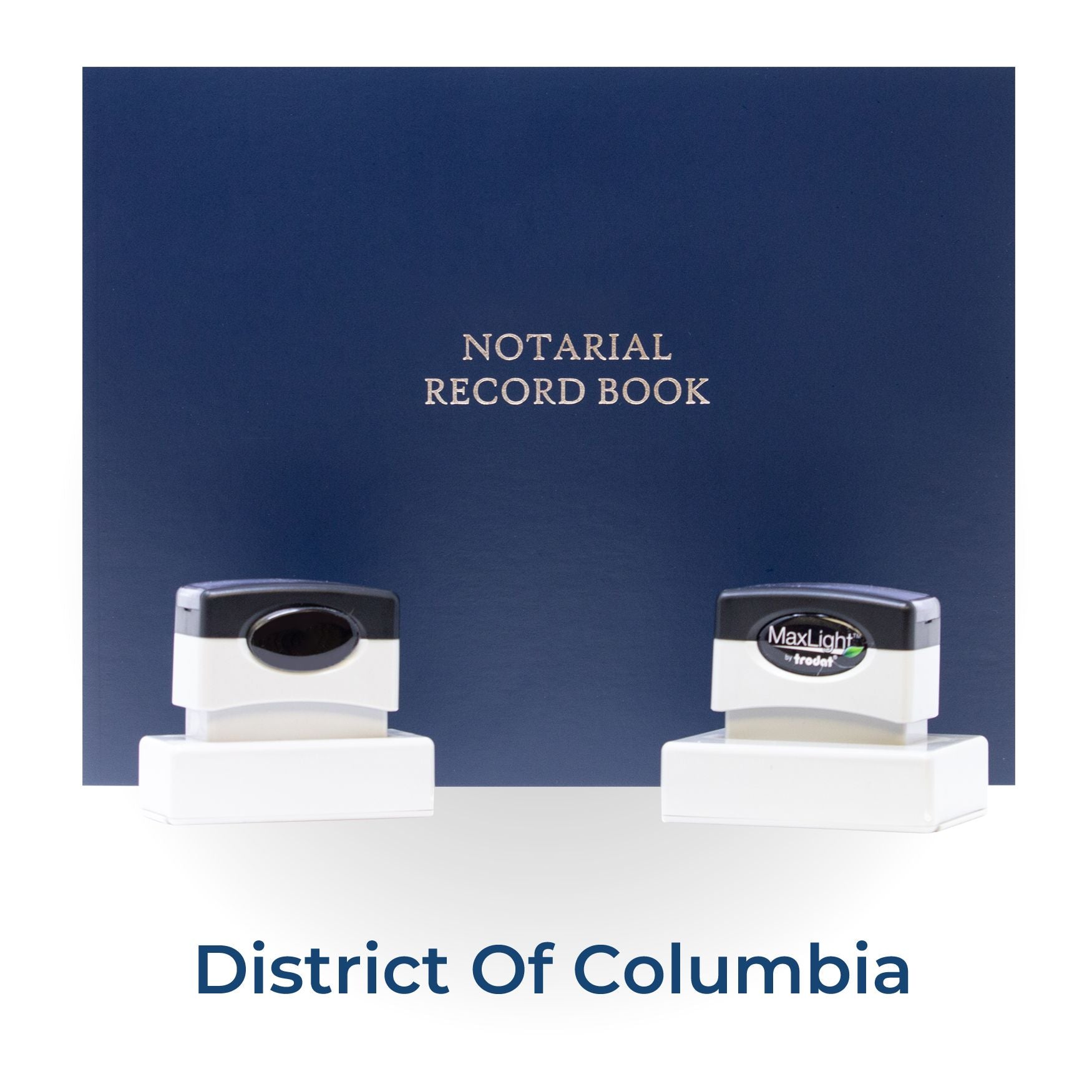
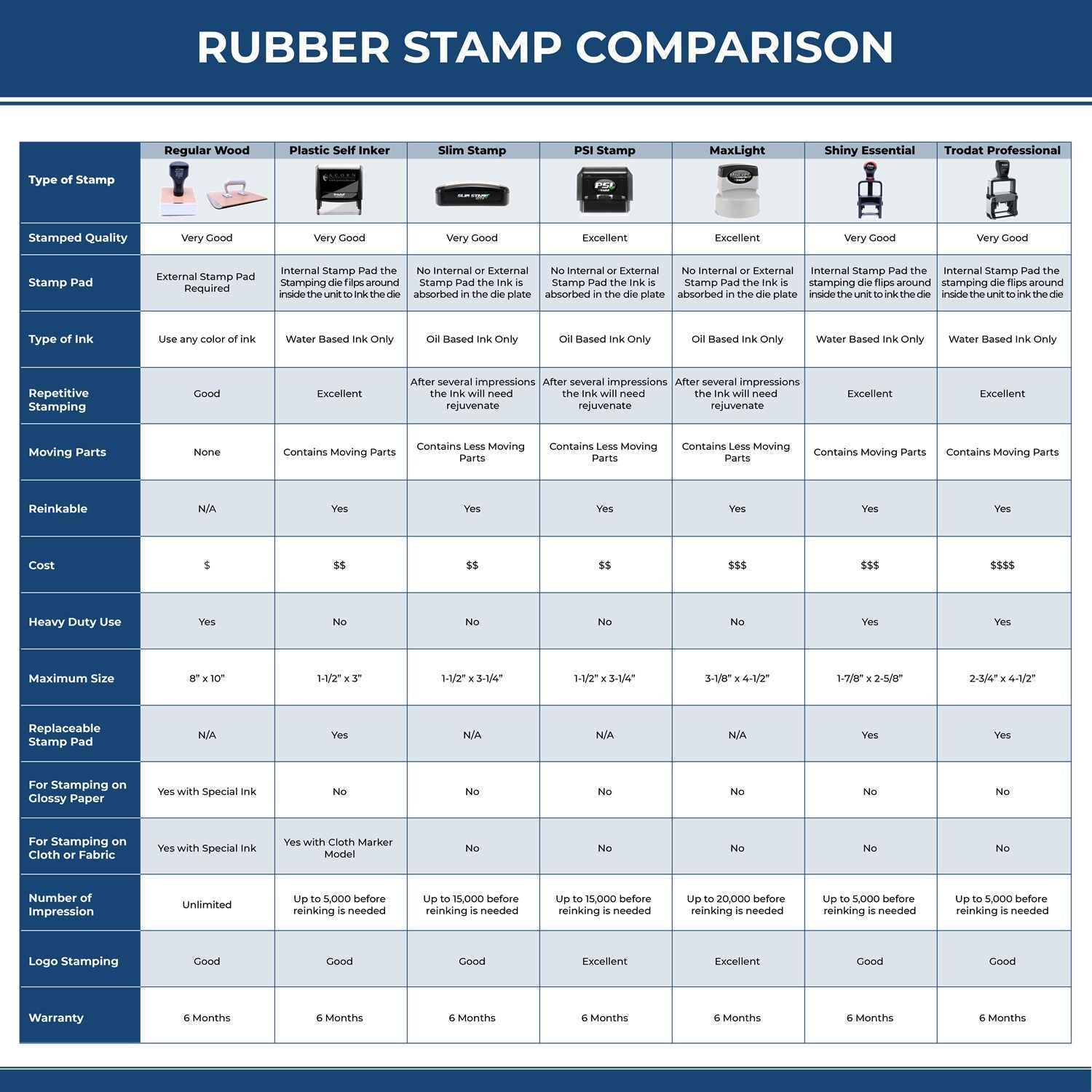
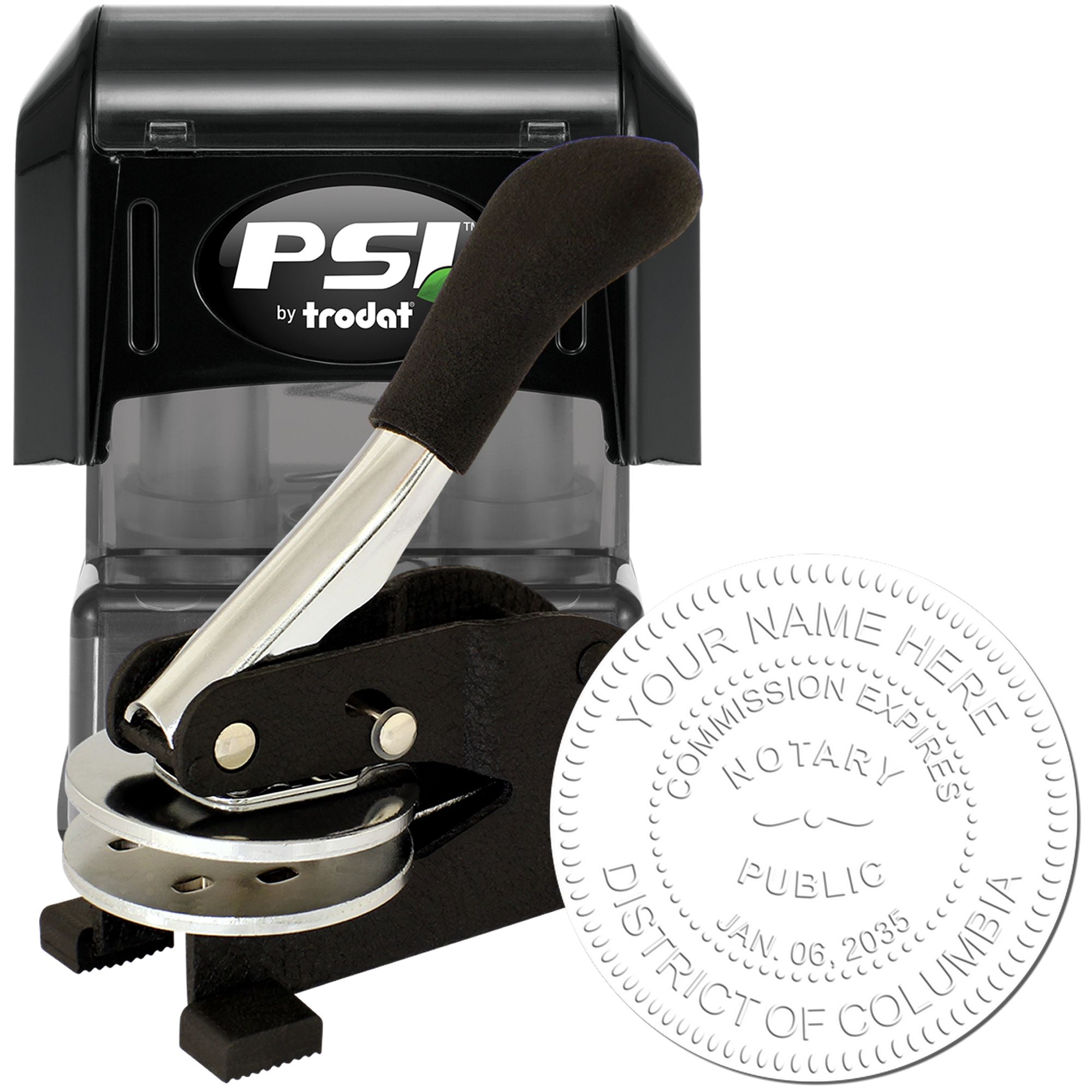

What shape and size is a District seal?
Circular, with a border no larger than 1.75 inches. That figure is a ceiling rather than a specification, so a smaller circle is still within the rule as long as every item stays readable.
Four items inside a circle under 1.75 inches is a tight layout, and the expiration date is usually the line that suffers first when the type is set too small. More on the geometry is in the seal guidelines for District notaries.
Is the embosser the main device in the District?
Yes. The District builds its seal around an embossing device rather than offering one as an optional addition, which sets it apart from states where the embosser is a decorative second instrument.
If you have notarized in a neighboring state, this is the detail most likely to send you back for a second order. Buy for the District format first, and read the law behind the District of Columbia notary stamp before you settle on a device.
What ink color does the District require?
None is named. No color is specified anywhere in the sources read here, so the choice is yours. Pick one that stays legible once the page is copied, since a document that will not reproduce is a practical problem even where no color rule exists.
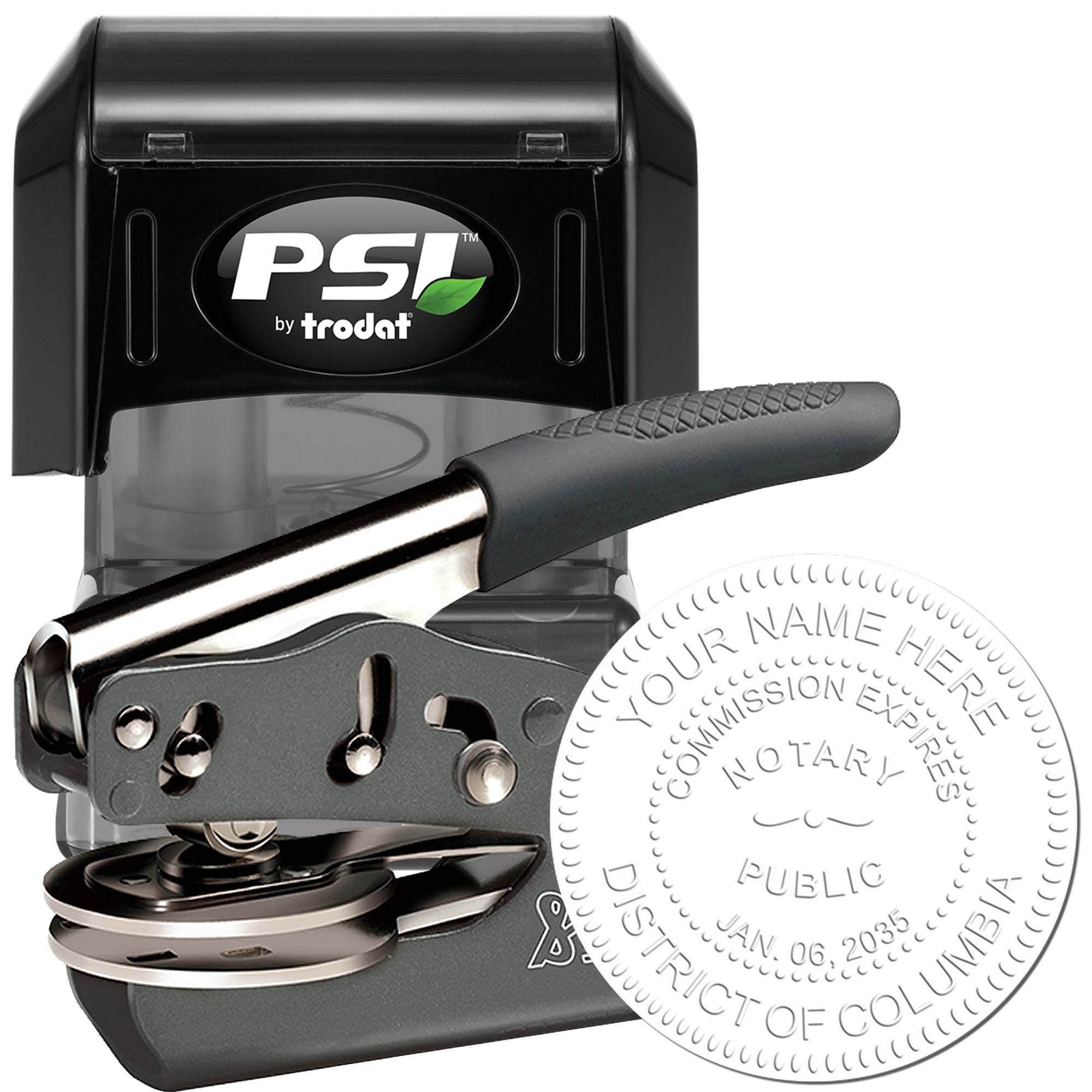







How long does a commission run, and what bond goes with it?
Five years, with a $2,000 bond. The term sets the replacement cycle for the seal, because the expiration date printed on the face belongs to that specific commission.
Does a renewal mean a new seal?
Yes, every time. The expiration date is a required element, so a renewed commission carries a date the old seal cannot show. Plan the new seal into the renewal rather than after it. Renewal requirements for a District of Columbia notary stamp covers the sequence.
What has to happen after a name or address change?
Notice within 15 calendar days. That deadline lives in the rules rather than in the statute, which is why it is easy to miss if you read only the code sections on notarial acts.
A name change also reaches the seal itself, since the face has to carry your name exactly as the commission states it. Once the name on the commission moves, the old die no longer matches it.
What do I do if the seal is lost, stolen or damaged?
Tell the Mayor promptly. The duty is triggered when the sealer or the signature is lost, stolen, damaged, or no longer able to leave a legible image, so a worn device that prints an unreadable impression counts alongside a missing one.
Who commissions notaries in the District?
Notaries are commissioned by the Mayor, through the Office of Notary Commissions and Authentications, which sits inside the Office of the Secretary. Every variable on your seal traces back to the commission that office issues.
What should I have ready when I order?
Your commission document, and a decision about the device. Reading the details off a renewal reminder or an email is where errors start.
- Your name exactly as commissioned
- The expiration date of that commission
- Circular format, sized within the 1.75 inch border limit
- The device you want cut, with the District's embossing format in mind
Our walk through of the District's notary seal rules pairs each field with the source behind it.
How do I check the impression before I use it?
Make a test impression, then copy and scan that sheet. All four items have to survive reproduction, because the version that ends up in a file is usually the copy rather than the original page.
Read the date digits first, then the name, then the centered line. If the embossed impression is faint, check the paper weight as well as the device, since heavy stock takes a deeper strike than a test slip does.






Frequently asked questions
Can one seal carry me through two commissions?
No. The expiration date belongs to a single commission, and it is a required element, so each new term needs a seal cut with the new date.
Does the 15 day notice apply to an address change as well as a name change?
Yes. Both changes carry the same 15 calendar day notice, and that deadline is set by the rules rather than by the statute.
Can I order a seal larger than 1.75 inches if my name is long?
No. The 1.75 inch figure caps the border. A long name is handled by setting the type rather than by widening the circle.
Is black ink required?
No color is specified anywhere in the sources read here. Choose one that photocopies and scans cleanly.
My commission has issued but the seal has not arrived. Can I start?
The seal is part of the work in the District, so the sensible sequence is to order as soon as the commission details are final rather than after the first signing request comes in.
The impression is legible on the original but faint on a copy. Is that a problem?
Treat it as one. Every item on the face needs to read after reproduction, so re-strike on the same stock or adjust the device before the document leaves your hands.
Take your name and expiration date straight from the commission, then order from the District of Columbia stamps and seals collection so the face is set from the document rather than from memory.