
Engineer Seal Stamps compliance desk. Updated 8 November 2026.
Are you newly commissioned as a notary in Kansas, or about to renew? Then you probably want to know which Kansas notary stamp requirements keep your documents official and legally valid. This guide lists the required details, explains how to maintain your stamp, and answers the questions notaries in the Sunflower State ask most. Afterward you will understand what makes a seal compliant and how to keep your notarial acts running smoothly.
Know The Basics
Being a Kansas notary means you serve as an impartial witness to important legal and financial transactions. Your duty is to confirm identities and ensure that documents are signed willingly, without coercion or misunderstanding. One of the most visible aspects of your role, of course, is your notary stamp.
The concept sounds simple: you press your stamp on a document, and it becomes official. However, the state of Kansas has specific guidelines surrounding notary stamps and seals. It’s worth getting familiar with these basics early on, because a small oversight (such as including outdated information) could trigger unnecessary headaches. And who wants that when you’re just trying to help people get their paperwork in order?
At its core, your notary stamp validates that your signature is genuine and that you’re an active, legally commissioned notary. If your stamp misses key elements or includes outdated details, you could jeopardize the legality of those documents you notarize.
Required Elements On Your Stamp
First things first, let’s break down the mandatory elements that Kansas requires on every notary stamp:
- Your Name As Commissioned
- This should appear exactly as it is listed on your notary commission certificate. If your name is “Susan M. Jones,” you shouldn’t shorten it to “Sue” on your seal. Consistency is key for legal authenticity.
- The Words “Notary Public”
- Your stamp also has to state that you’re a notary public. This wording helps ensure that recipients immediately see your official capacity.
- “State Of Kansas”
- Clearly indicate “State of Kansas” so anyone reading the document knows where you’re commissioned. This is essential for validating your authority.
- Expiration Date (Optional But Widely Used)
- Although Kansas law does not always require you to include the expiration date in your seal, most notaries include it because it helps recipients spot if the commission is current. The state strongly recommends you keep your stamp updated whenever your commission is renewed.
The layout may vary, depending on your stamp manufacturer. Circular and rectangular notary stamps are both popular, but what matters most is that all mandated information is visible, legible, and durable. If the letters are so small they’re hard to read, that can create problems down the road.
Understanding Kansas Notary Commission Expiration Date
A notary’s commission generally spans four years in Kansas. Over that period, you’re responsible for keeping track of your renewal date and ensuring that your stamp remains valid.
Renewing On Time
Renewing your commission before it expires keeps you out of legal hot water. If your legal authority lapses even briefly, you must not perform any notarial acts until that commission is reinstated.Updating Your Stamp
If your stamp includes your commission expiration date, you’ll need a new stamp when you renew. Many suppliers offer discounted reorders to streamline this process.Record-Keeping
Keep a clear file of your renewal paperwork in case anyone questions the date on your stamp. Store both digital and paper copies of every official confirmation tied to your commission. Proof that everything is in order can be needed at any time.
Best Practices For Using Your Stamp
Once you’ve met the Kansas notary stamp requirements, it’s time to put that stamp to good use. But how do you ensure your stamping process is both efficient and crystal clear?


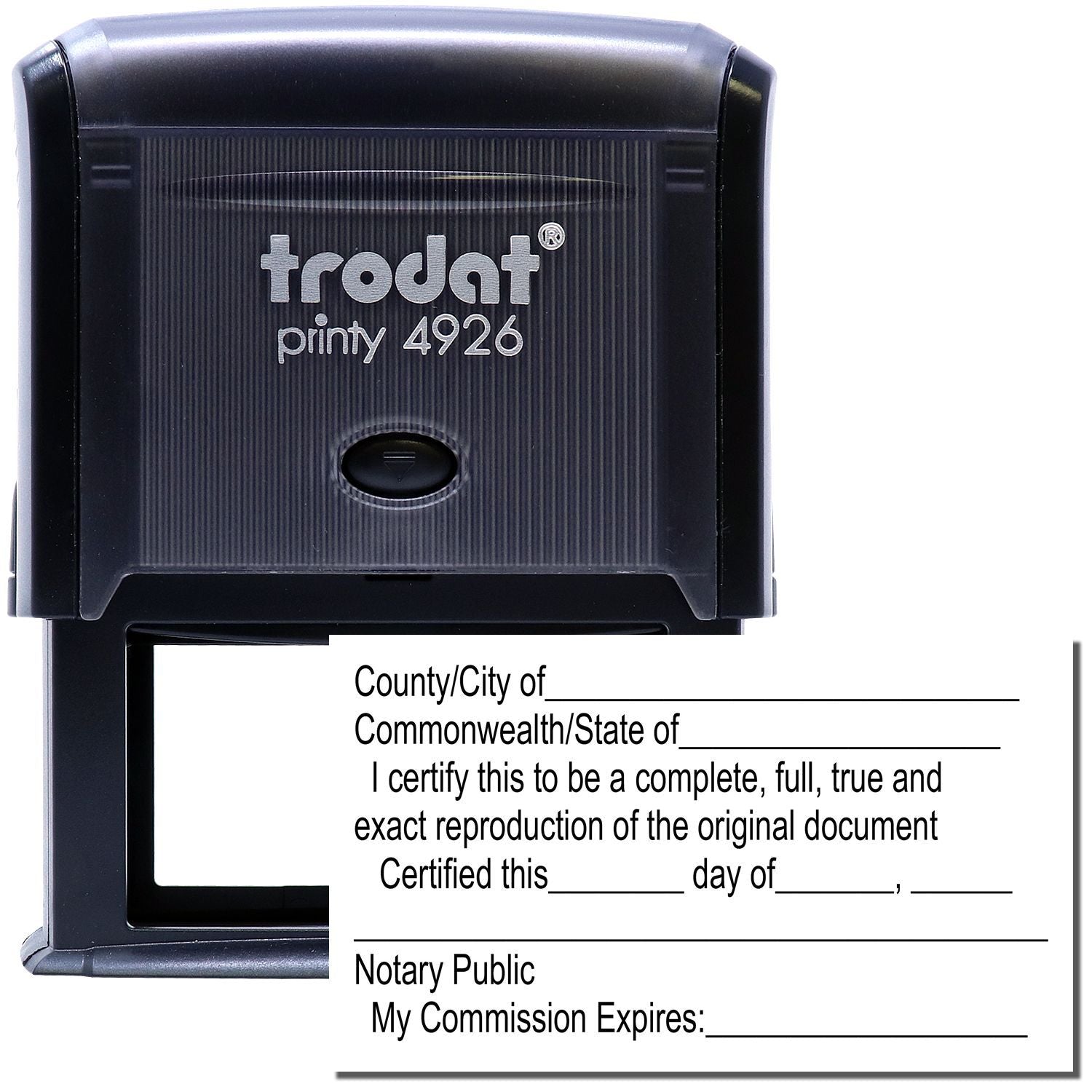


- Press Firmly, But Not Excessively
- Apply enough pressure to produce a sharp, readable imprint, but don’t overdo it. Too much pressure can smear the text. Get comfortable with the right balance by stamping on test sheets.
- Position The Stamp Correctly
- Aim for a location on the document where the entire seal is clearly visible, usually near your signature line. Avoid stamping over any wording or signatures. If you’re dealing with tight margins, consider adjusting your stamp’s angle or orientation for maximum clarity.
- Check Legibility Immediately
- Any time you apply your stamp, glance at it to be sure all details (name, state, date) appear sharply. A smudged or illegible stamp could lead to document rejections.
These best practices reduce the chance of mistakes. With each notarial act, you protect your clients and maintain the integrity of important transactions.
Where To Find Quality Supplies
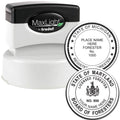
Finding top-notch supplies is essential for meeting notary stamp requirements. That’s why many Kansas notaries turn to trusted, experienced vendors like ESS. They offer:
- A variety of Kansas notary supplies, including high-quality stamps, seals, and inks.
- A free digital seal comes with each purchase, which makes electronic notarizations and digital documents easier to handle.
- Fast turnaround times, which are a lifesaver if you’re close to your commission date but still waiting on a new stamp.
- Over 60 years of experience in serving notaries nationwide, which means they’ve likely encountered every notarial scenario.
Want to explore more? You can check out kansas notary supplies for additional tools or accessories that match your workflow. With the right supplier, you won’t face any last-minute panic about your seal.
Maintaining Records And Security
In addition to having a compliant stamp, Kansas law requires you to maintain thorough records of your notarial acts. Although Kansas doesn’t mandate a specific record-keeping format, a well-organized notary journal can protect both you and your clients. You can jot down the date, type of document, and identification details for each act in a consistent, chronological order.
-
Why Maintain A Notary Journal?
If someone challenges a notarial act (for instance, claiming they never signed a document), your journal entries can verify facts like signature dates or identification methods. It’s your best defense against legal disputes.Save 18%
 Save 14%

 Save 19%

 Soft Kansas Notary Stamp and Notary Seal Embosser Bundle1100-RND-SOFT-MAX-KSSale price$64.95 Regular price$80.00
Securing Your Tools
Keep your notary stamp, embossing seal (if you elect to use one), and journal in a secure location. Consider a locking drawer or fireproof safe for added protection. Only you should have access to these tools. Lending them out, even briefly, can pose serious legal risks if they’re misused.Digital Considerations
With electronic and remote notarizations gaining popularity, some notaries store digital logs. If you do this, choose reputable software that aligns with Kansas guidelines for online notarial acts. Also, keep strong passwords and robust encryption in place to deter hackers.


Common Pitfalls To Avoid
What if you’ve double-checked your stamp and you still face issues? Here are a few common pitfalls that new (and even experienced) Kansas notaries sometimes stumble upon:
Using An Outdated Stamp
Perhaps you forgot to replace your stamp after renewing. If it doesn’t reflect your current name or commission status, that stamp is no longer valid. This can lead to document rejections or fines.Failing To Inspect IDs Properly
Even if you have the perfect stamp, you also need to verify each signer’s identity thoroughly. Otherwise, you risk enabling fraudulent activity.Skipping The Notarial Certificate
Simply stamping a document doesn’t always suffice. Some documents require a separate notarial certificate that spells out the type of notarization performed (acknowledgment, jurat, etc.). Neglecting to attach or include this can invalidate your notarial act.Stamping Over Other Text
A partial or illegible seal often happens when you accidentally stamp over a signature or typewritten text. It’s easy to forget that official seals need blank space to be clearly visible.
Avoid these missteps, and you’ll keep your commissions running smoothly.
How To Choose The Right Supplier
The lowest-priced stamp can look attractive. Think about what a poor-quality stamp that misprints does to your professional image, though. Appointments run less smoothly when the seal is sloppy or wearing out.
When choosing your supplier, keep these criteria in mind:
- Expertise In Notarial Stamps
- Look for companies that specialize in notary supplies, not just general office products. They’ll understand the specifics of state regulations, including Kansas notary stamp requirements.
- Longevity
- Providers with decades of experience bring a proven track record. ESS, for instance, has over 60 years of experience, which often translates to reliable craftsmanship and stellar customer service.
- Quick Turnaround
- If you need your stamp now rather than later, search for a supplier that prioritizes prompt fulfillment. Notaries can’t risk missing deadlines when clients need immediate notarizations.
- Digital Options
- As technology evolves, so do notarial acts. Some suppliers bundle free digital seals with your physical stamp purchase, allowing you to offer eNotary services without extra hassle.
- Guarantee Or Warranty
- A supplier’s willingness to guarantee their products is a strong sign of quality. It shows they have confidence in their stamps, seals, and accessories.
Taking these factors into account helps you pick a partner who won’t leave you hanging at a crucial moment.
Kansas Notary FAQs
Below are answers to common questions about notarial practice in Kansas. They’re designed to help you navigate typical challenges and stay in full compliance with state requirements.
“Do I Need To Include My Commission Expiration Date On The Stamp?”
Kansas law doesn’t strictly mandate it. However, most notaries add the expiration date for convenience and clarity. Doing so ensures that signers see your notarial status at a glance.“Can I Update My Stamp If I Change My Legal Name?”
Absolutely. If your legal name changes (due to marriage or any other reason), you must update your commission information and get a new stamp reflecting that name. Using a stamp with your old name could invalidate notarizations.“Is An Embossing Seal Required Along With My Ink Stamp?”
Kansas only requires a clearly visible notary stamp or seal with the essential details. An embossing seal can be an optional extra layer of authenticity but is not compulsory unless specified by the signer or receiving institution.“What’s The Difference Between A Jurat And An Acknowledgment?”
A jurat involves the signer taking an oath in your presence that the information is true. An acknowledgment, however, verifies the signer’s identity and confirms they signed the document willingly. Both require your stamp, but the wording on the notarial certificate differs.“Where Can I Buy Quality Kansas Notary Stamps And Supplies?”
A trusted supplier such as ESS offers a full array of Kansas notary supplies and seals to keep you compliant. They have over 60 years of experience, fast service, and even give you a free digital seal with each purchase.


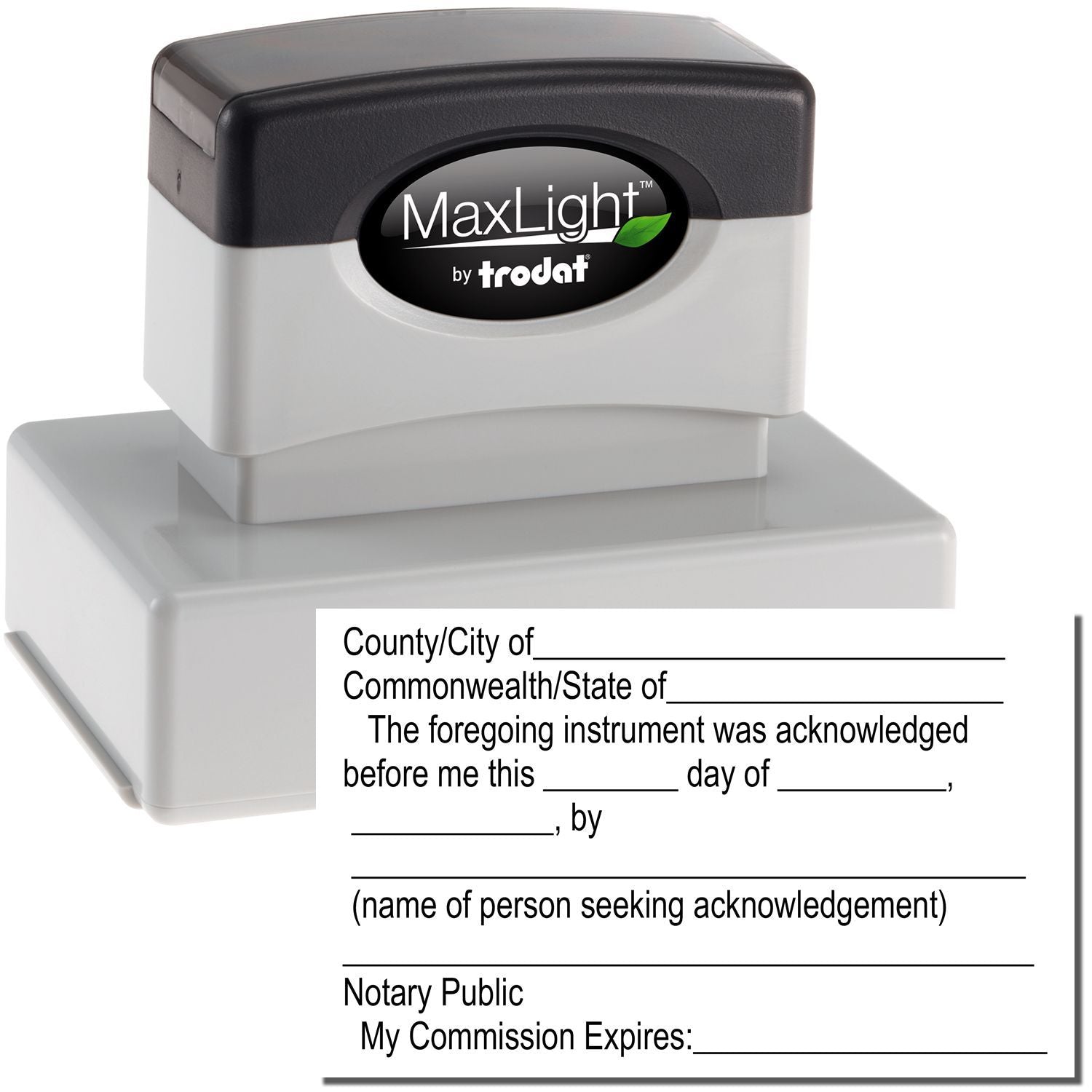


Summary And Next Steps
Kansas has relatively straightforward notary stamp requirements, but there’s plenty to keep track of if you want to stay fully compliant. Your stamp must include your name (exactly as on your commission), “Notary Public,” and “State of Kansas.” Including your commission expiration date, while optional, is highly recommended. Just as important is making sure the impression you leave is crisp, properly placed, and legible.
Once you have the right stamp, you’ll want to maintain a quality notary journal, secure your tools, and renew your commission before it expires. Don’t forget to replace your stamp as needed. If you’re looking for supplies or support, remember to check out kansas notary supplies for top-tier products. ESS’s long-standing expertise, free digital seal offer, and quick turnaround make it a go-to choice for many Kansas notaries.
For further questions, check with the office of the Kansas Secretary of State for current regulations, or ask an experienced notary for guidance. Many notaries share the same concerns, and helping one another keeps documentation valid and secure. Share your own experiences and tips. A prepared, informed notary serves the public better and stays protected from legal and financial mistakes.
Other Kansas notary pages
Kansas notary seal requirements is the main Kansas reference on this site. Kansas notary stamp and seal options and Kansas notary stamp rules answer what usually comes up next.