Understand The Basic Guidelines
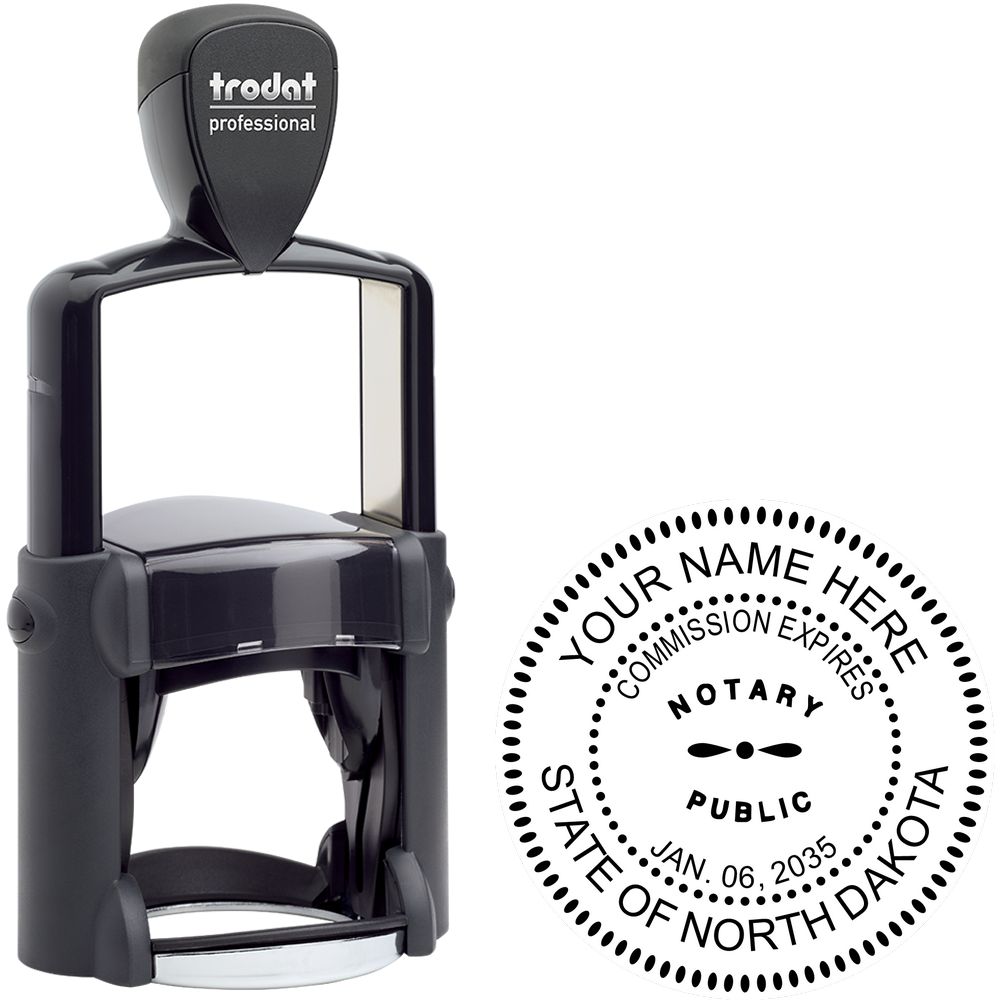
When you first become a notary in North Dakota, you might be surprised by how much detail goes into creating and using your official seal. Whether you call it a stamp or an embosser, this tool certifies that your notarial act is legitimate. If you are looking into North Dakota notary seal requirements, you’ll quickly notice there are specific regulations on the required text, shape, and even the size of this important device.
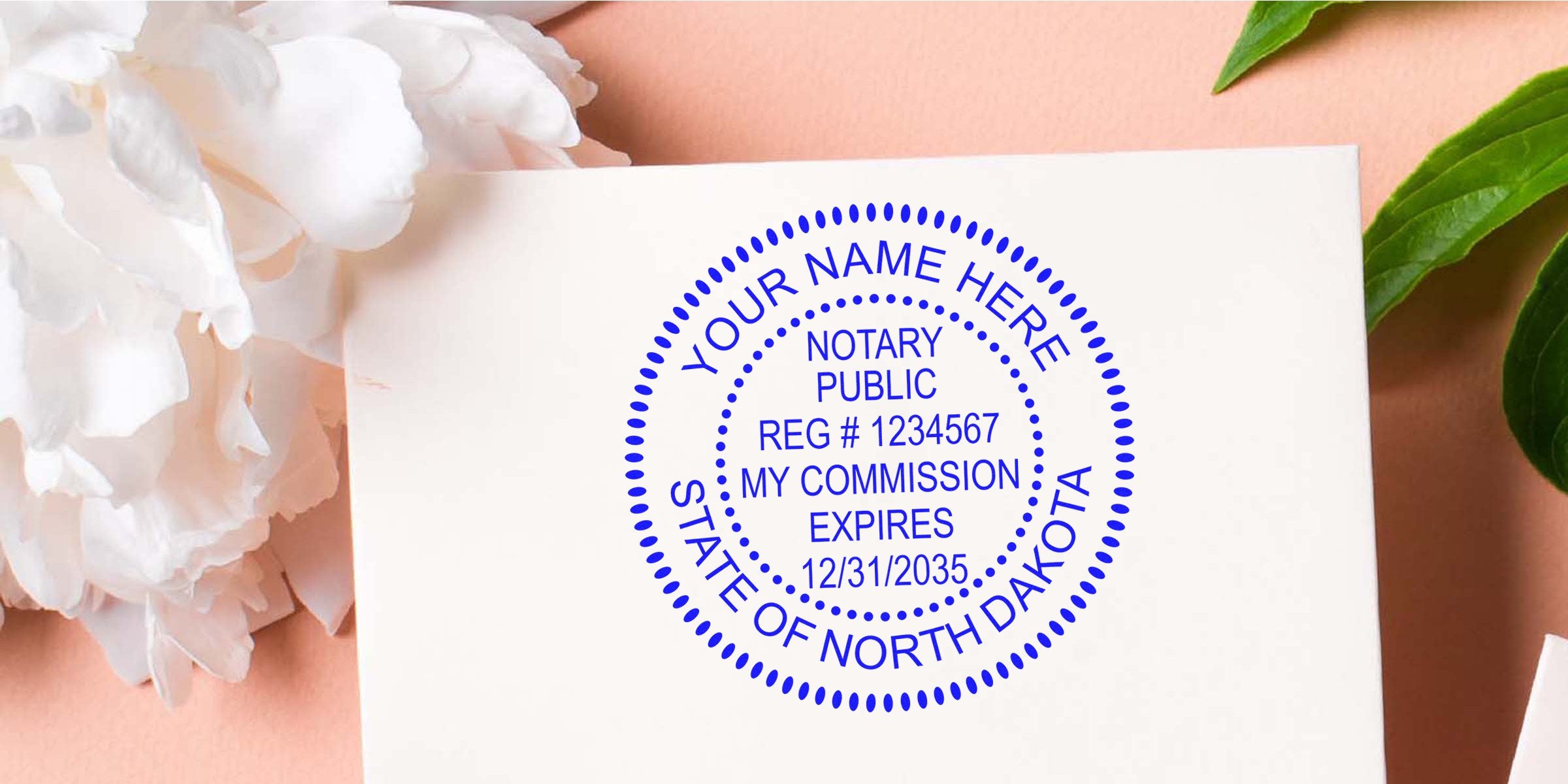
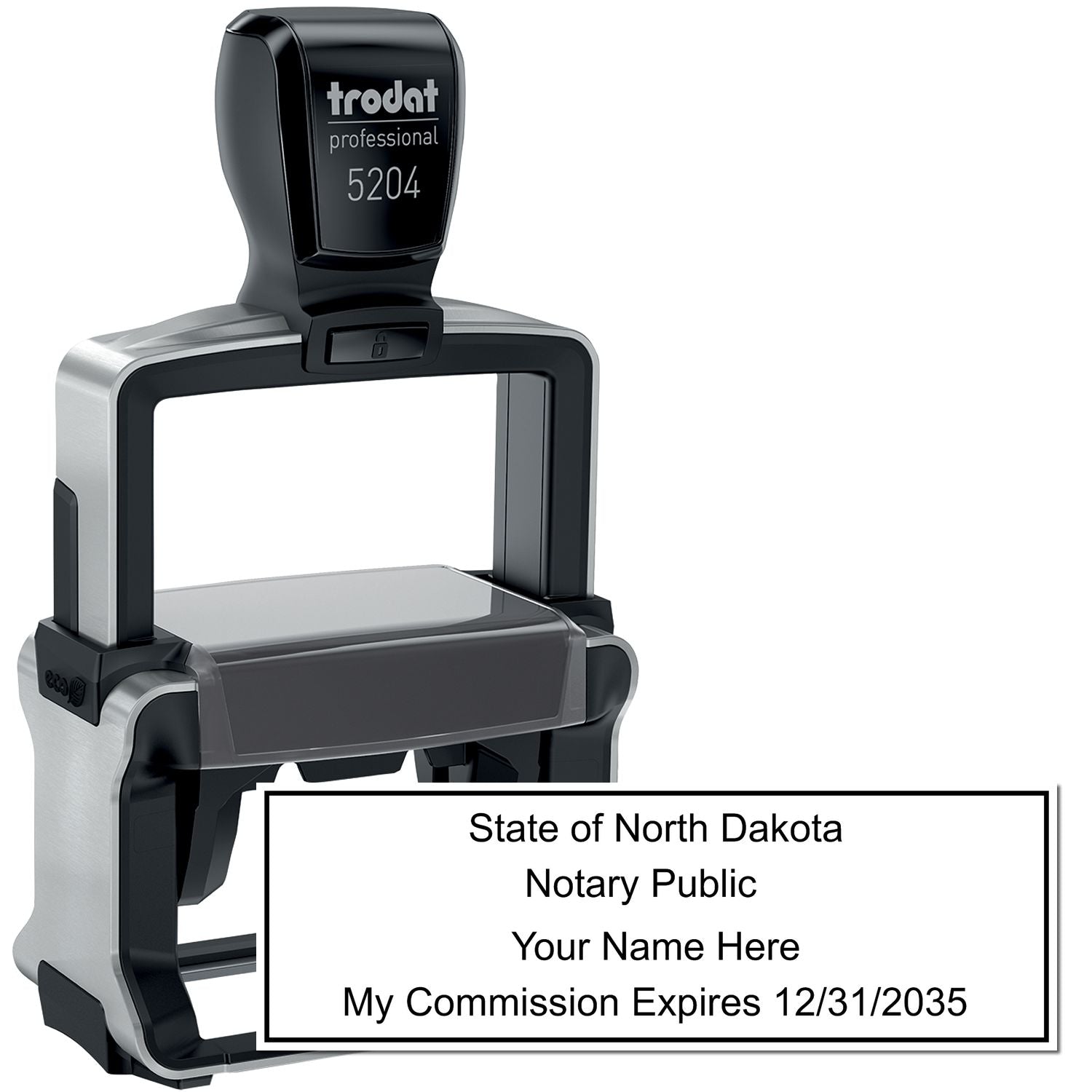
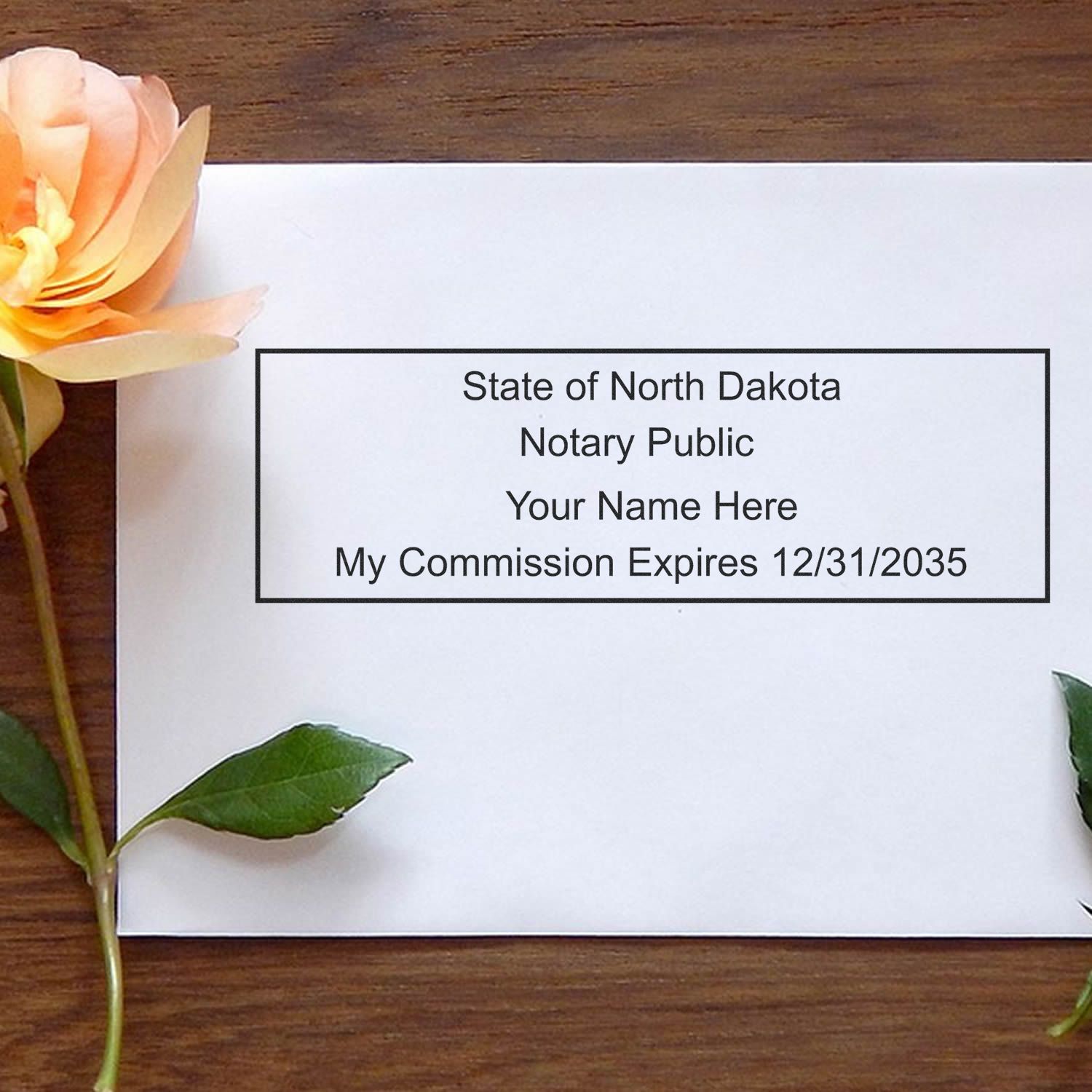
At the most basic level, the state needs your seal to include your official notary name and the words “Notary Public” somewhere in the layout. You also need to reference the state of North Dakota. This ensures anyone who sees the seal immediately knows you’re authorized in this jurisdiction. In other words, your stamp or embosser is your notary’s badge of honor. If certain elements are missing, your notarized documents could be called into question.
To make sure you’re on the right track, consider checking the guidelines from the North Dakota Secretary of State or other official sources. And if you’re feeling overwhelmed, you’re not alone. Let’s walk through the core elements to help you stay compliant and confident.
Table: Common North Dakota Notary Seal Elements
| Element | Purpose |
|---|---|
| Your Legal Name | Identifies you as an officially recognized notary. |
| “Notary Public” | Clarifies your authority to perform notarial acts. |
| “State of North Dakota” | Confirms your commission is valid under state jurisdiction. |
Choose A Compliant Device
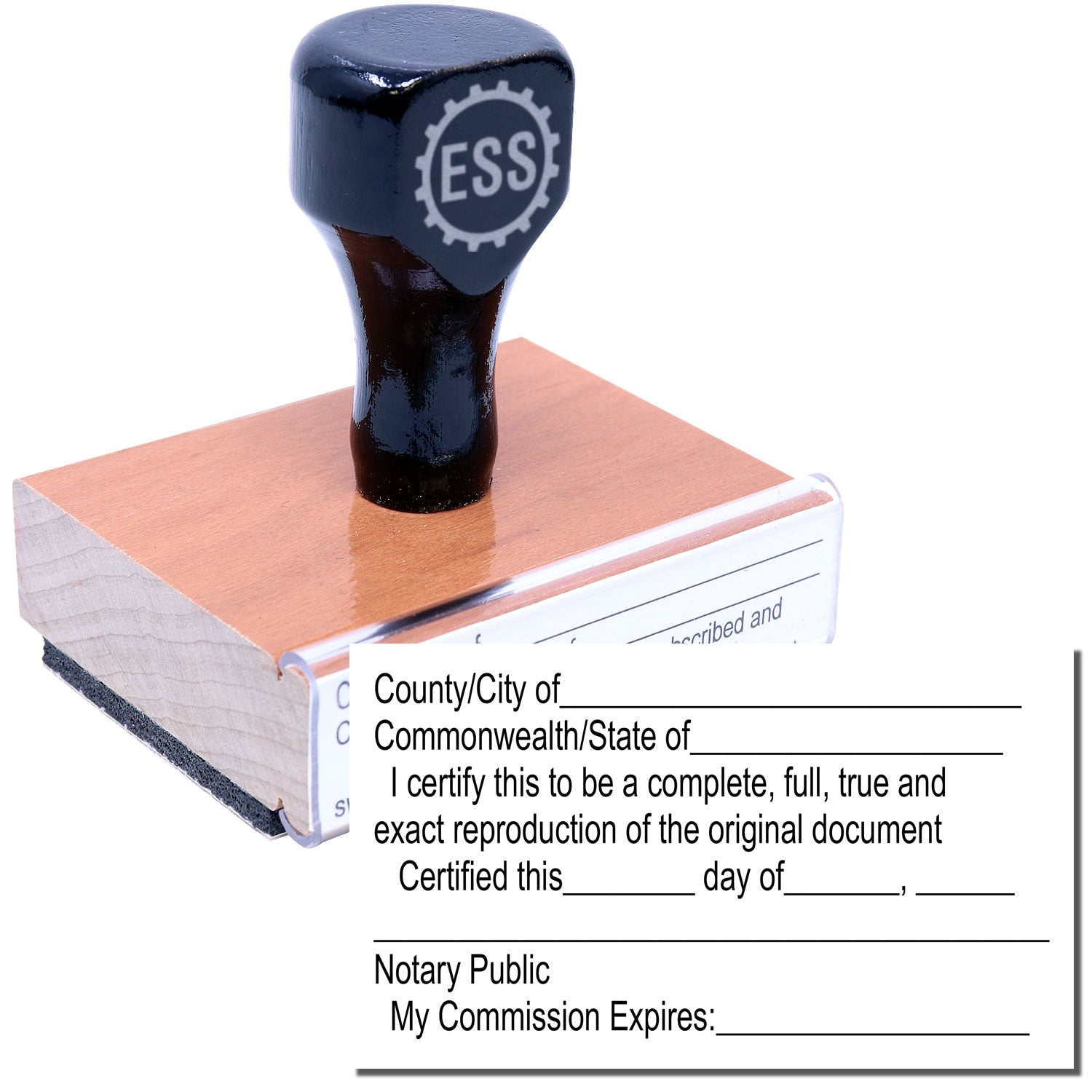
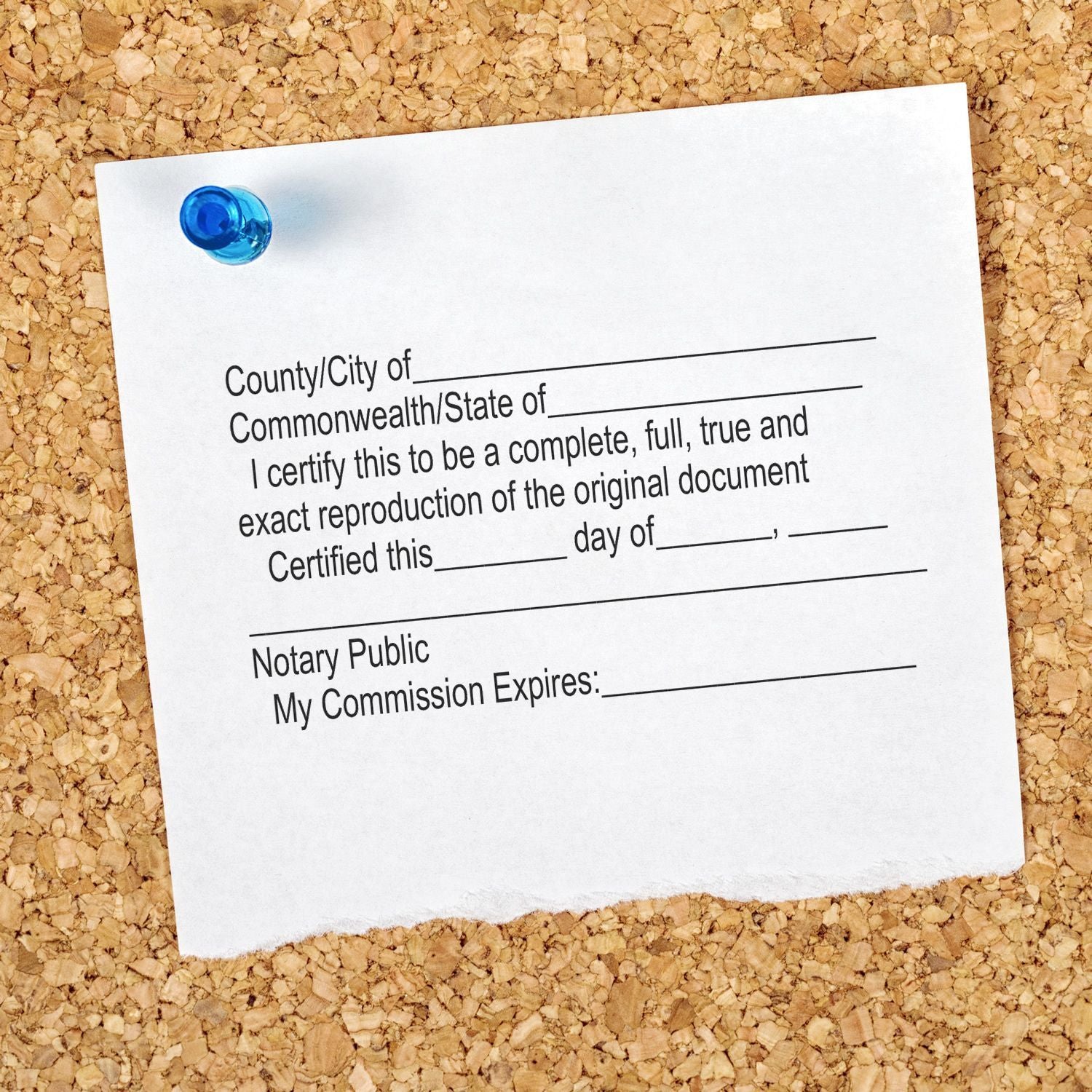
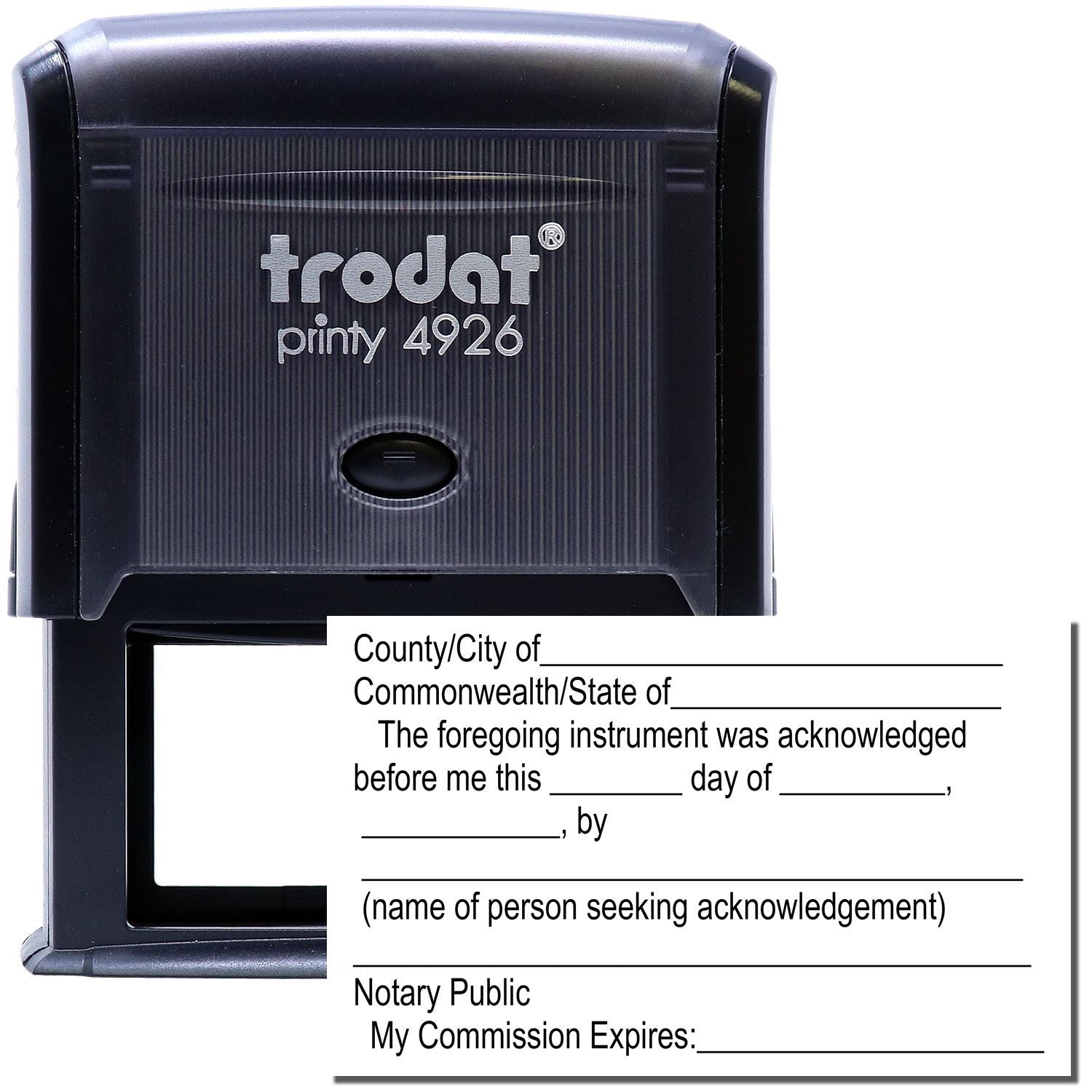
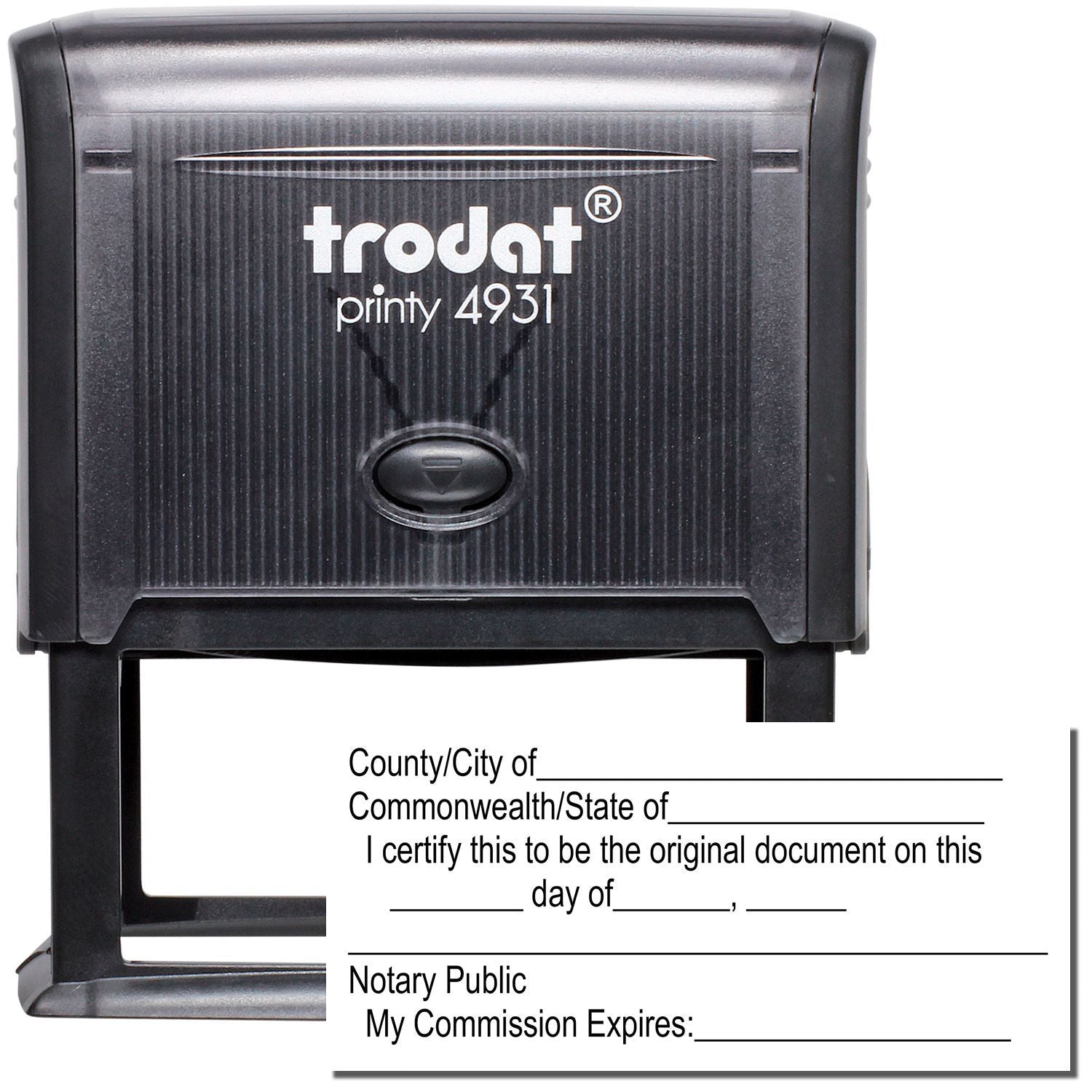
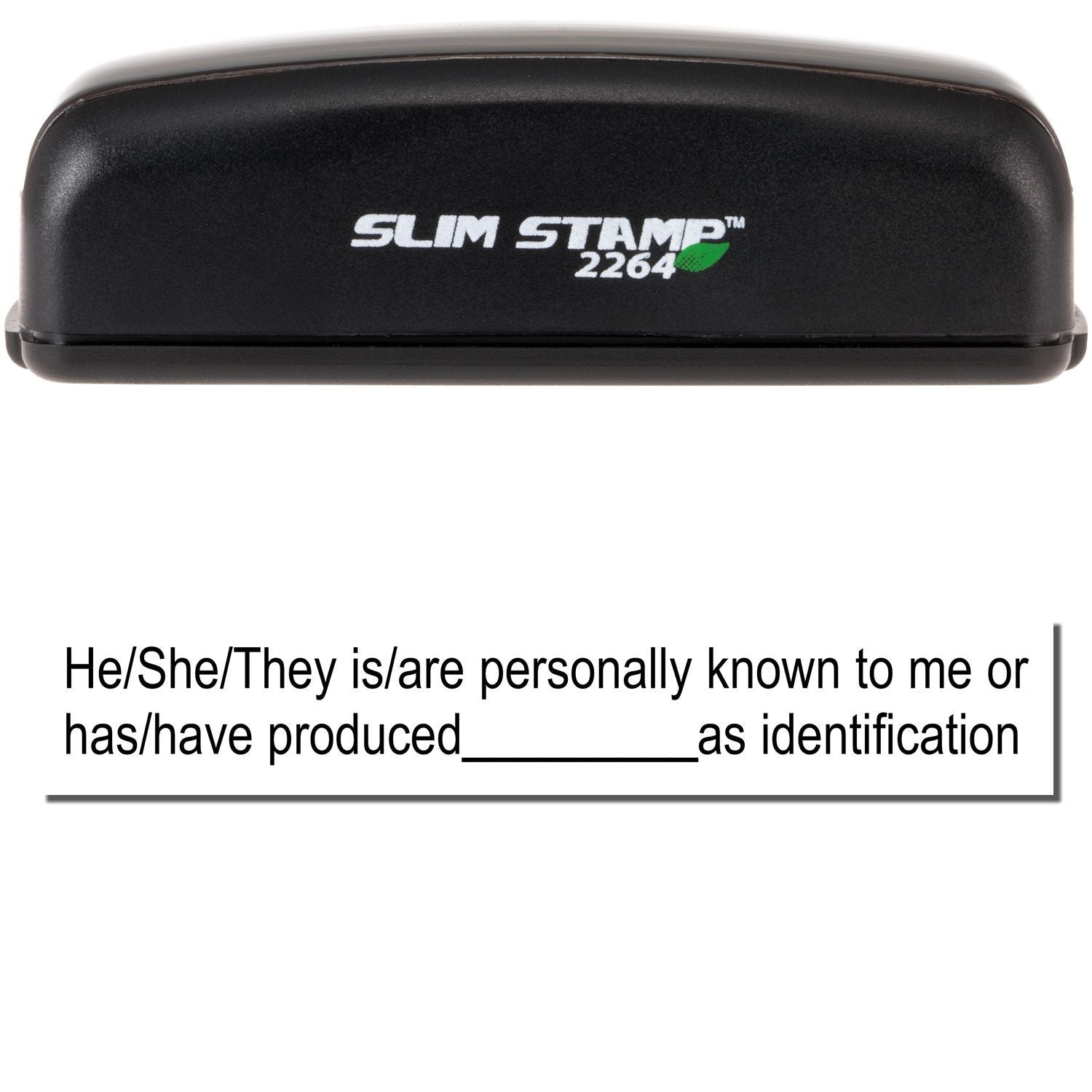
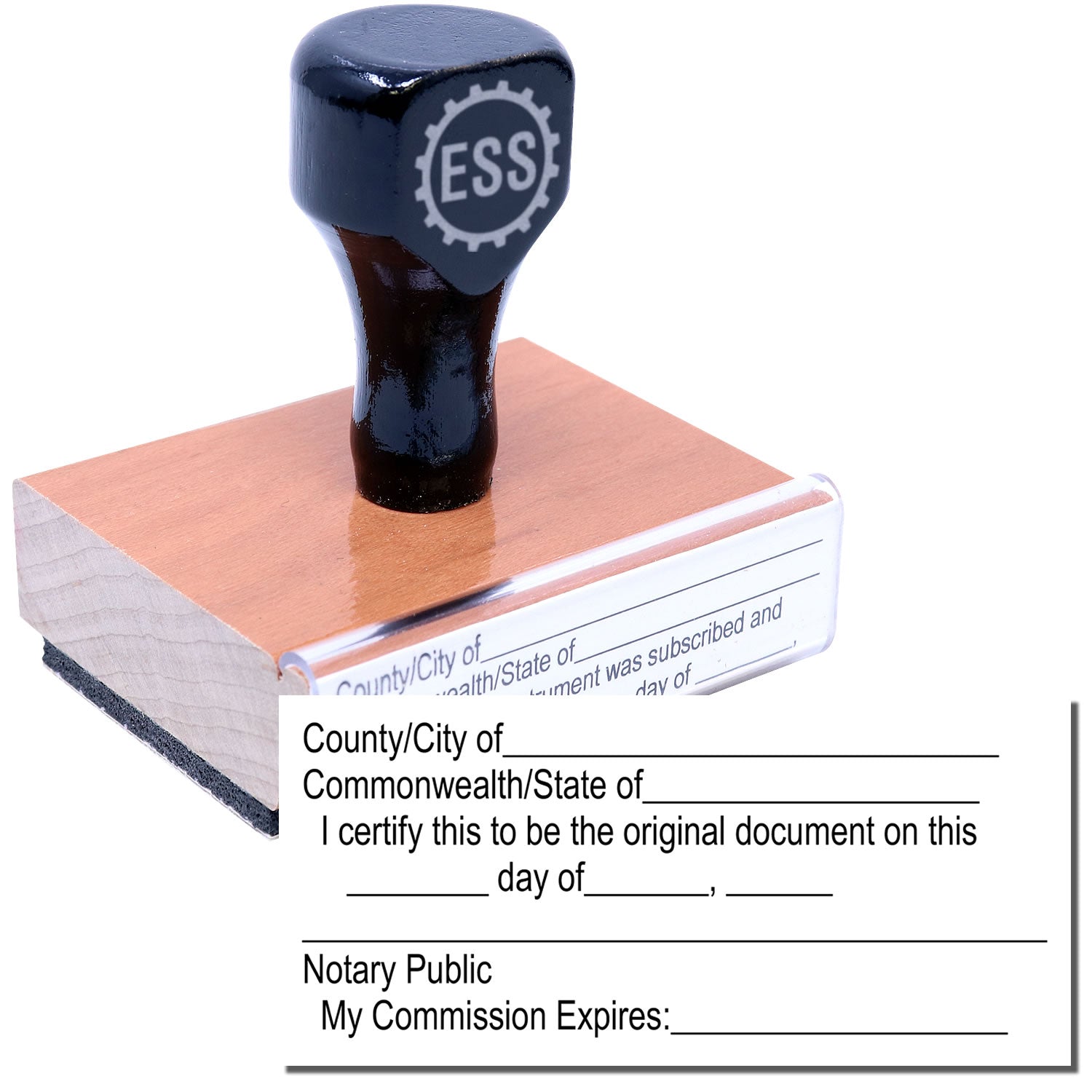
Selecting the actual seal device might be the next step on your to-do list if you’re newly commissioned or simply shopping for a replacement. Some notaries prefer a self-inking stamp because it’s quick and convenient. Others like an embosser for its classic, raised imprint that’s sometimes easier to spot as a unique mark. Either way, it’s important that your chosen device can fit all the mandatory text in a clearly legible format.
When you pick a stamp, aim for a design sized around 1 to 2 inches in diameter or rectangular shape. Oversized stamps can look messy on a document, while very small ones can be tough to read. Plus, if your seal is illegible, the document may be questioned. Double-check with your vendor’s sizing guidelines, and look for labels indicating it meets North Dakota standards.
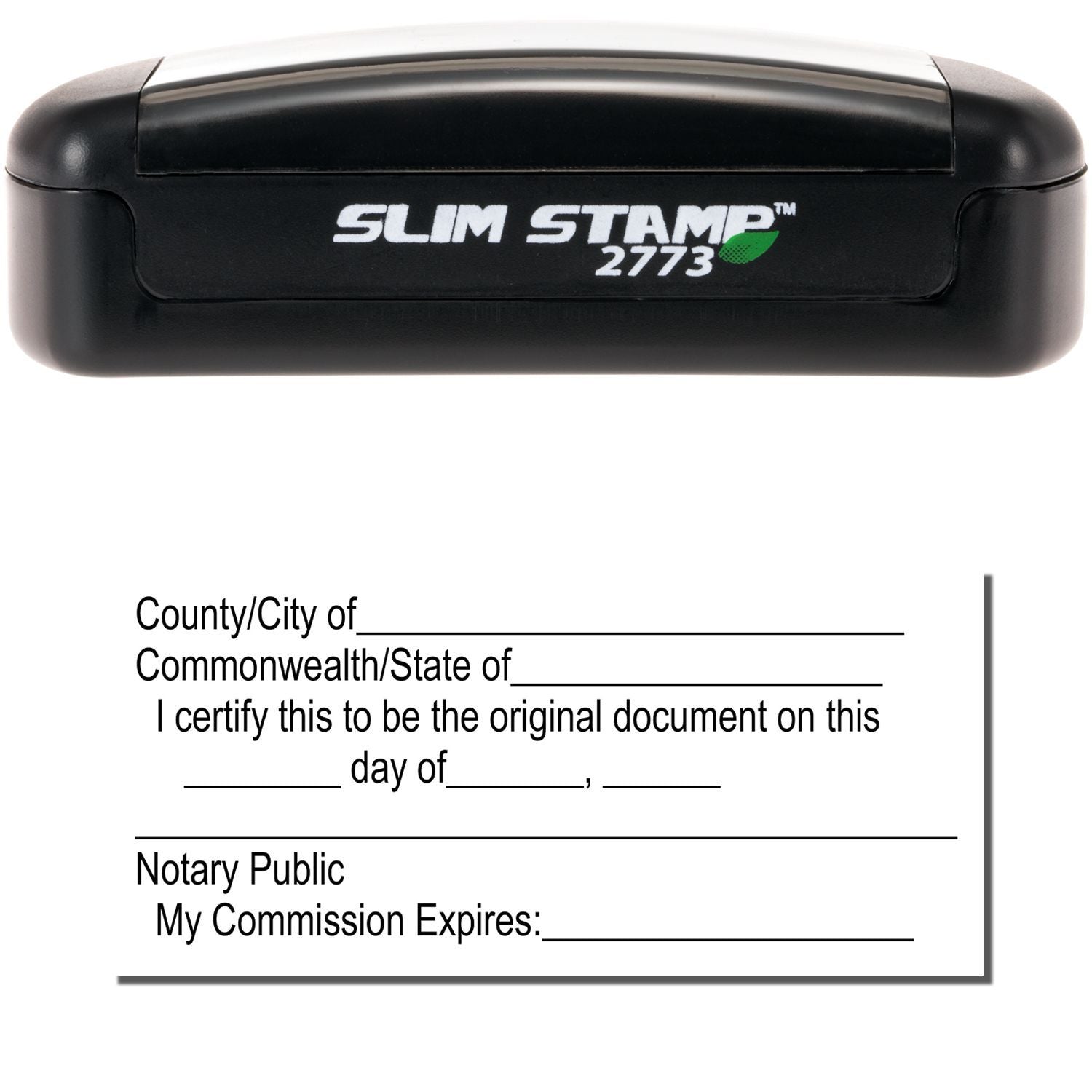
- Self-inking stamps: Preloaded with ink, requiring only a quick press on the paper.
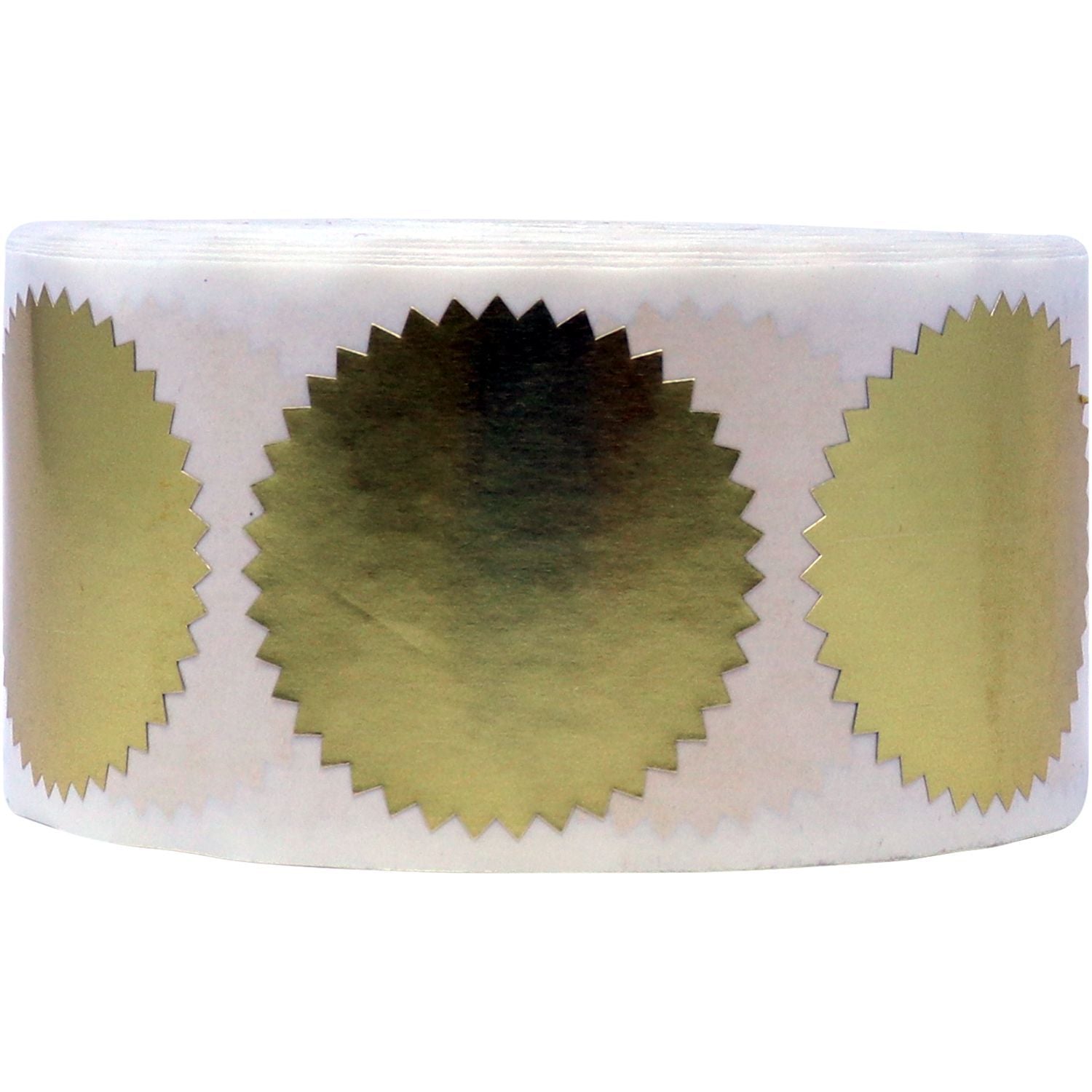
- Embossers: Create a raised impression by pressing the paper between two engraved plates.
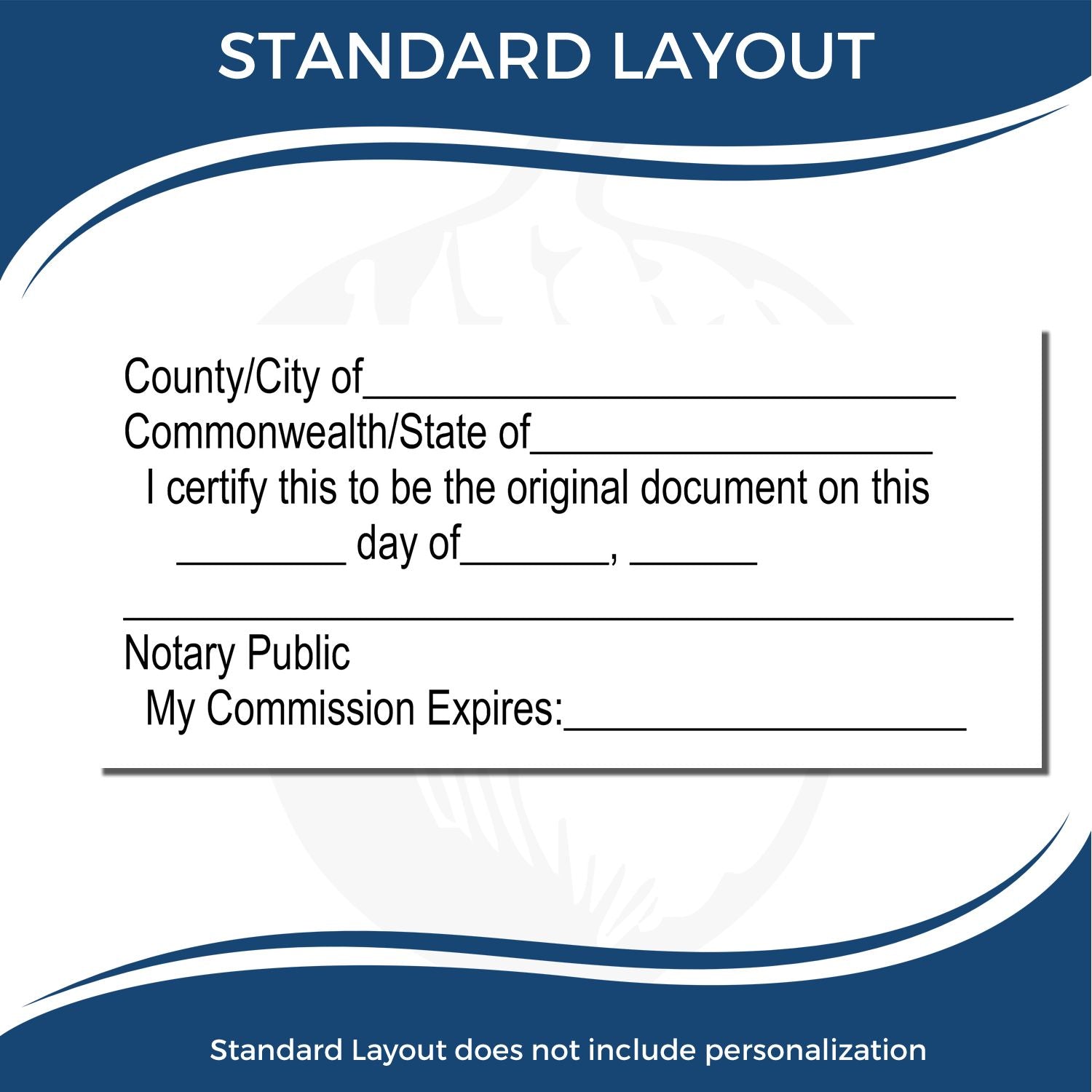
If you’re purchasing online, consider ordering from a reputable provider experienced with notary products. Some companies might simply give you a generic seal layout, but others focus on state-specific compliance, saving you time and headache down the road.
Follow Proper Seal Usage
Owning a top-notch seal is only half the story. You also need to know when and how to use it. In North Dakota, you typically apply your seal during a notarial act, such as when you witness a signature or administer an oath. You’ll often place your seal near your official signature on a document. The seal confirms the authenticity of that signature and announces that you acted in the capacity of a notary.
Keep these quick tips in mind:
- Always include clear impressions: If the seal doesn’t show your name or the state’s name properly, apply it again.
- Use ink that’s easy to read: Dark blue or black helps your seal stand out on paper.
- Don’t pre-stamp: You’re not supposed to create a stack of notarized forms before meeting with signers.

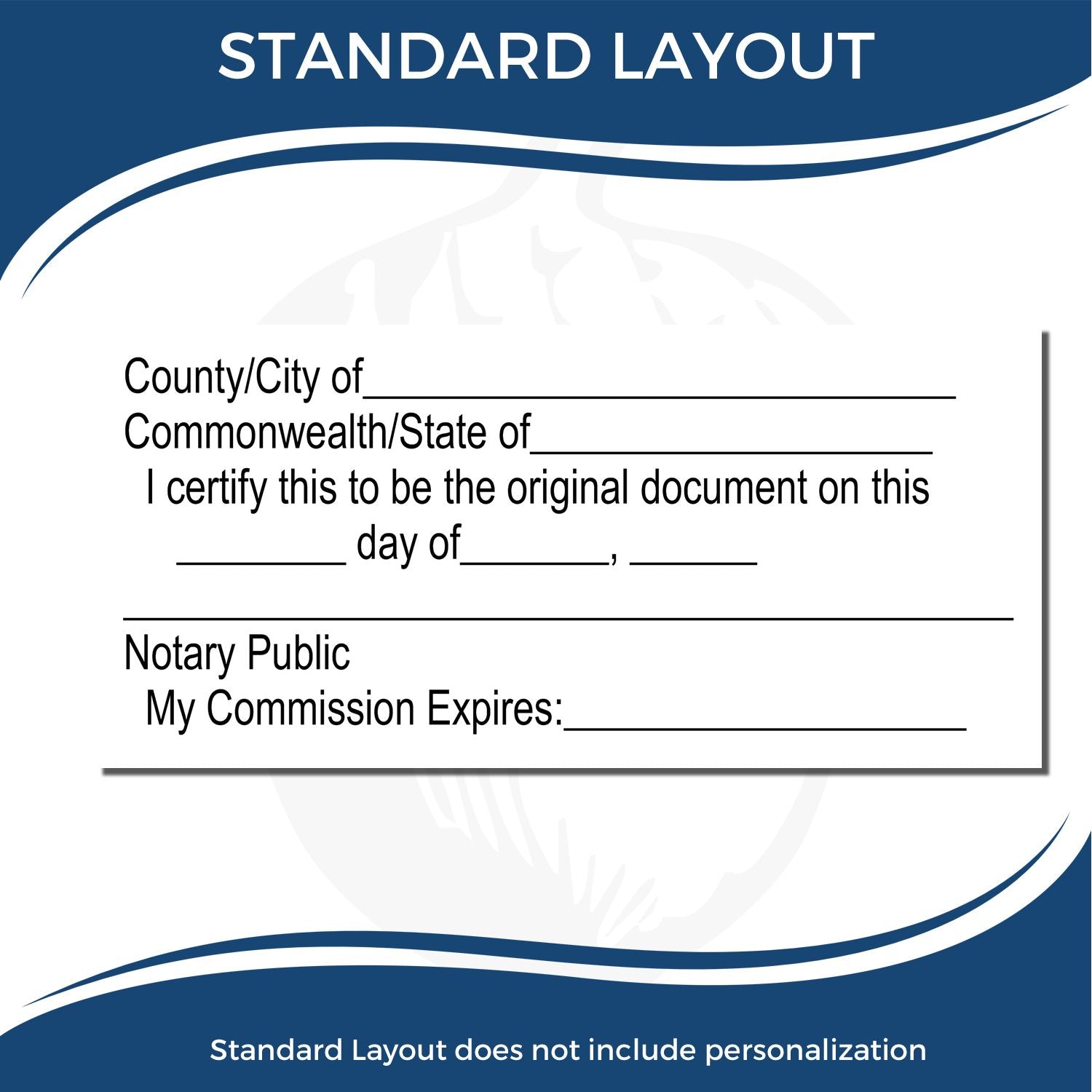
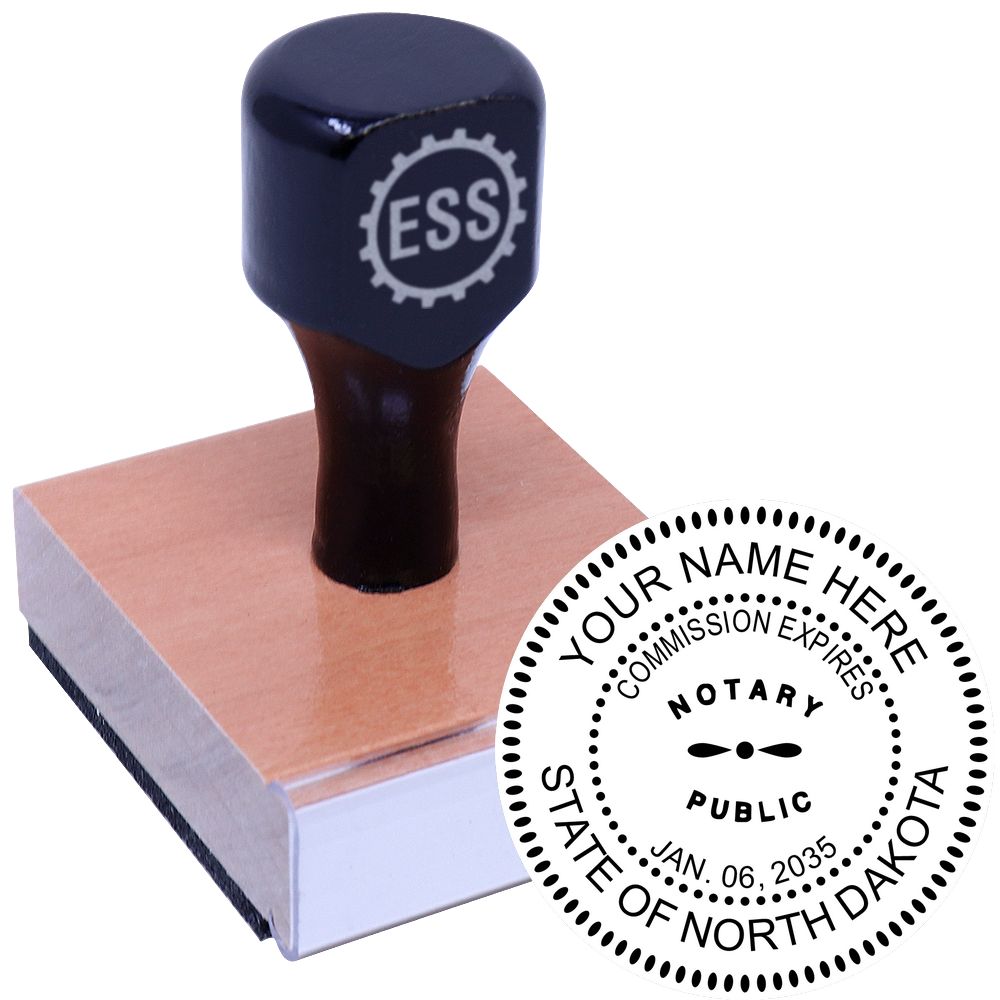

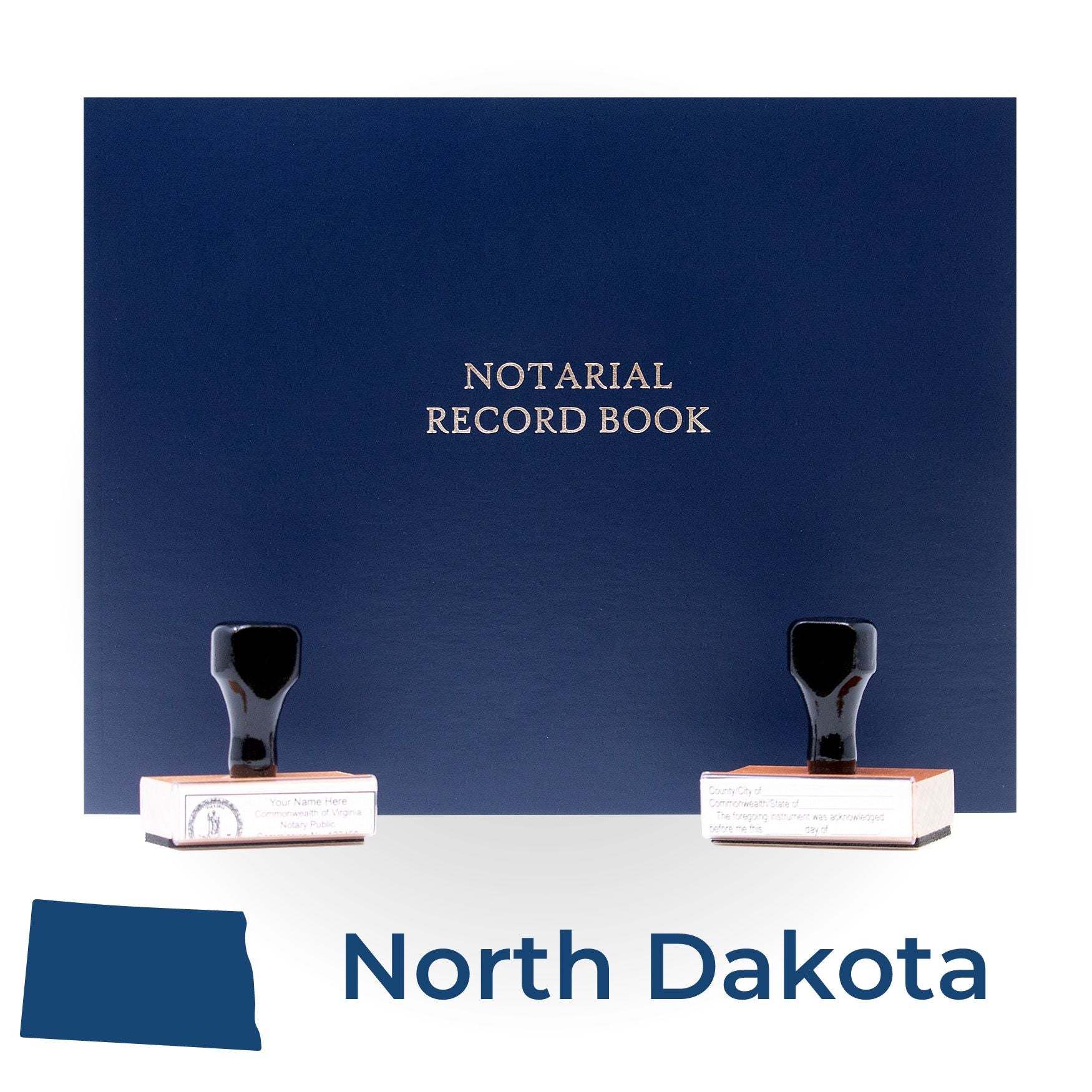
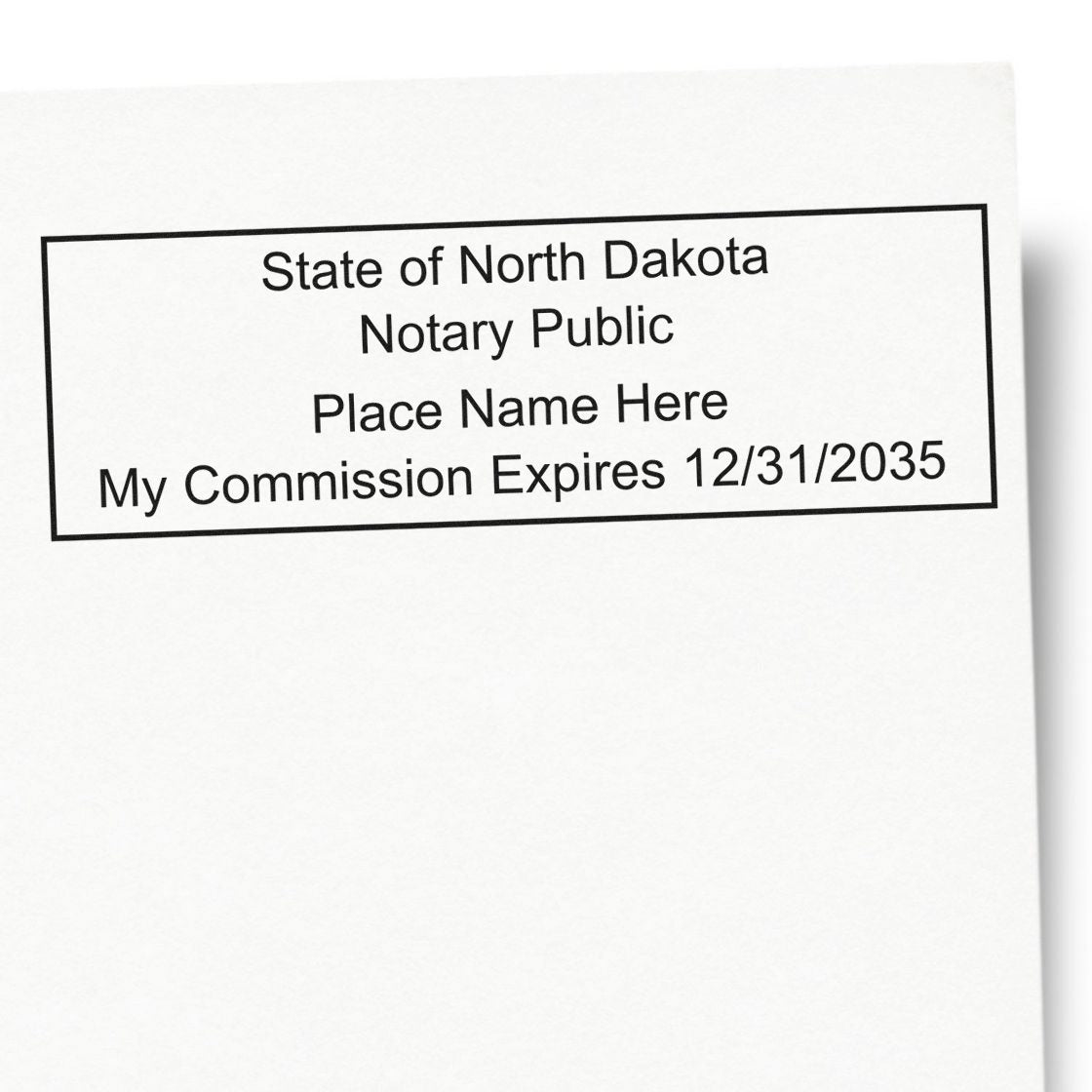
Remember, the seal is only legally relevant if you personally witnessed the signing or performed the notarial duty outlined by the state. You also should not lend your seal to a coworker or friend, even if they’re a notary themselves.
Maintain Thorough Records
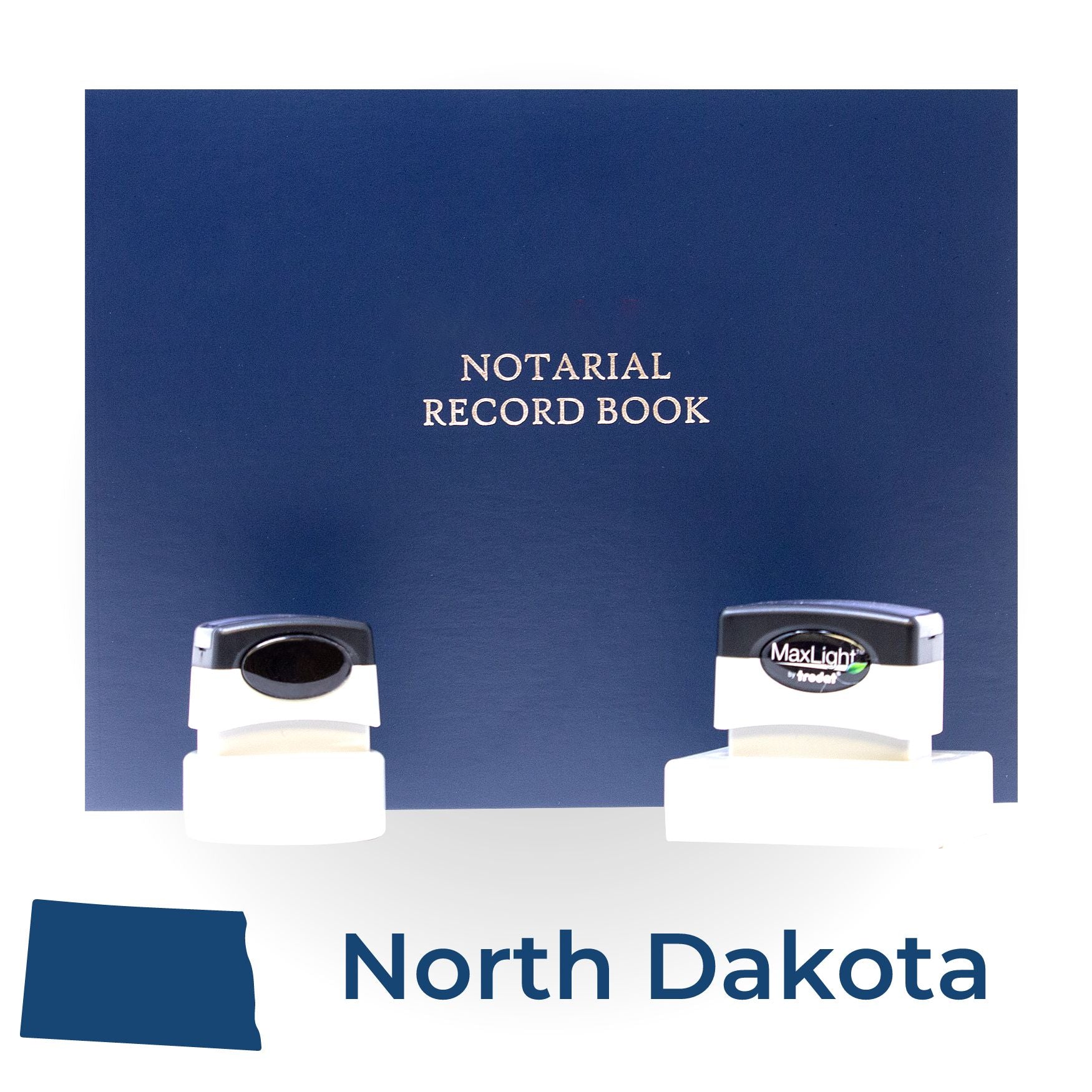
New notaries sometimes think that once you have a seal, all you need is a pen and a friendly smile. But documenting your acts matters just as much as stamping the page. Proper recordkeeping can protect you if anyone questions a notarization you performed. A well-maintained log or journal shows who you notarized for, what document they signed, and when.
While North Dakota law may not mandate a notarial journal with the same strictness as some other states, it’s widely recommended. If you decide to keep one, be consistent about logging:
- Date and time of notarization.
- Type of document (e.g., affidavit, power of attorney).
- Signer’s identification method (like a driver’s license).
- Seal impression or at least a note confirming the seal was applied.
Should a legal dispute arise, you’ll have a clear paper trail. And if you move or decide to retire your commission, maintain those records in a secure place. Typically, that’s at least a few years from your last notarial act, but confirm the exact timeline by reviewing updated state guidelines.
Avoid Common Mistakes
You might be surprised how often notaries—and especially new ones—experience simple slip-ups that cause big hassles. Here are a few pitfalls to watch out for:
- Illegible Seals: If parts of your seal can’t be read, your document may get rejected.
- Ink Color Issues: Certain counties or offices might insist on black ink for scanning clarity.
- Missing Text: Failing to include “State of North Dakota” or your name on your seal can invalidate it.
- Using an Expired Commission: Once your notary commission ends, you must stop notarizing until you renew.

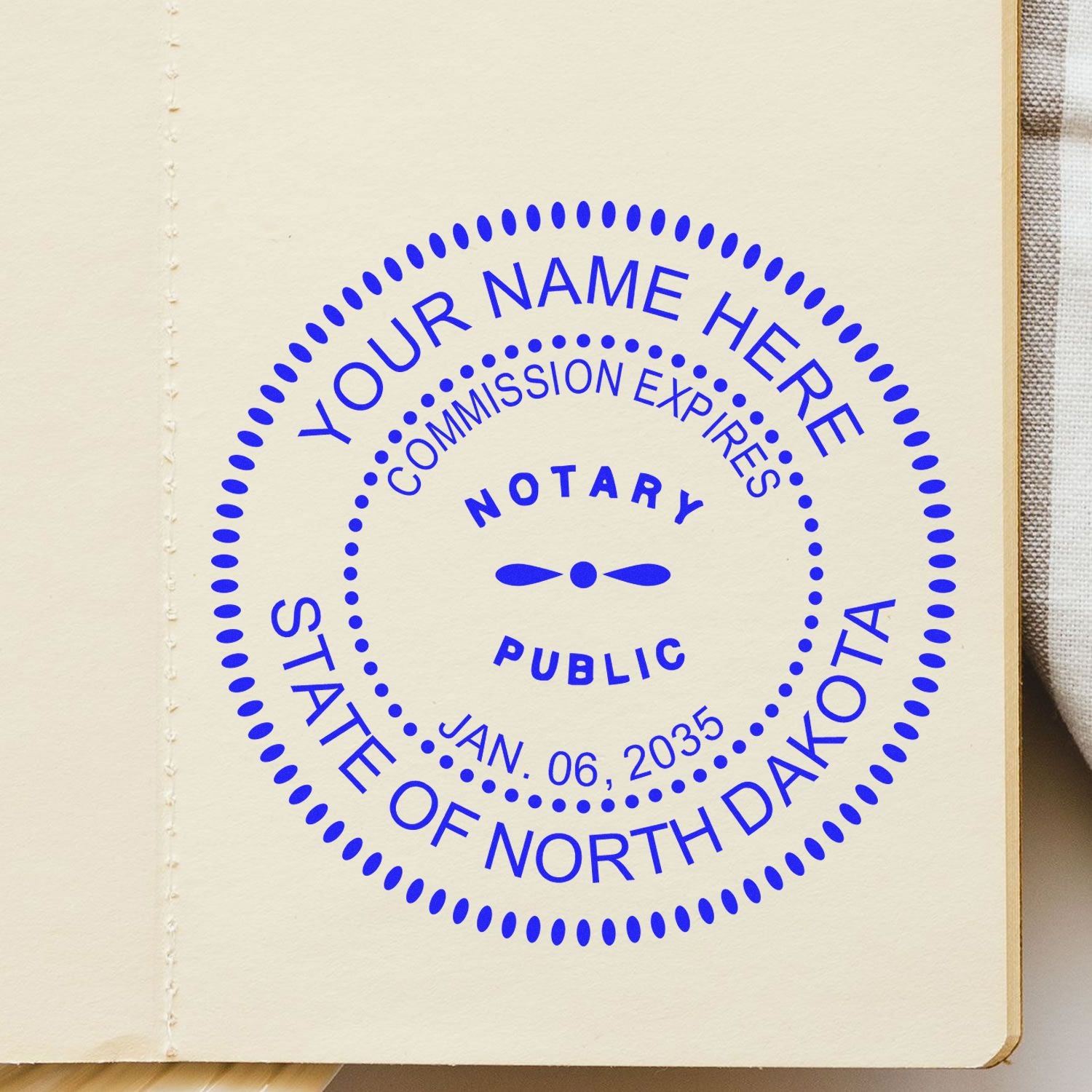
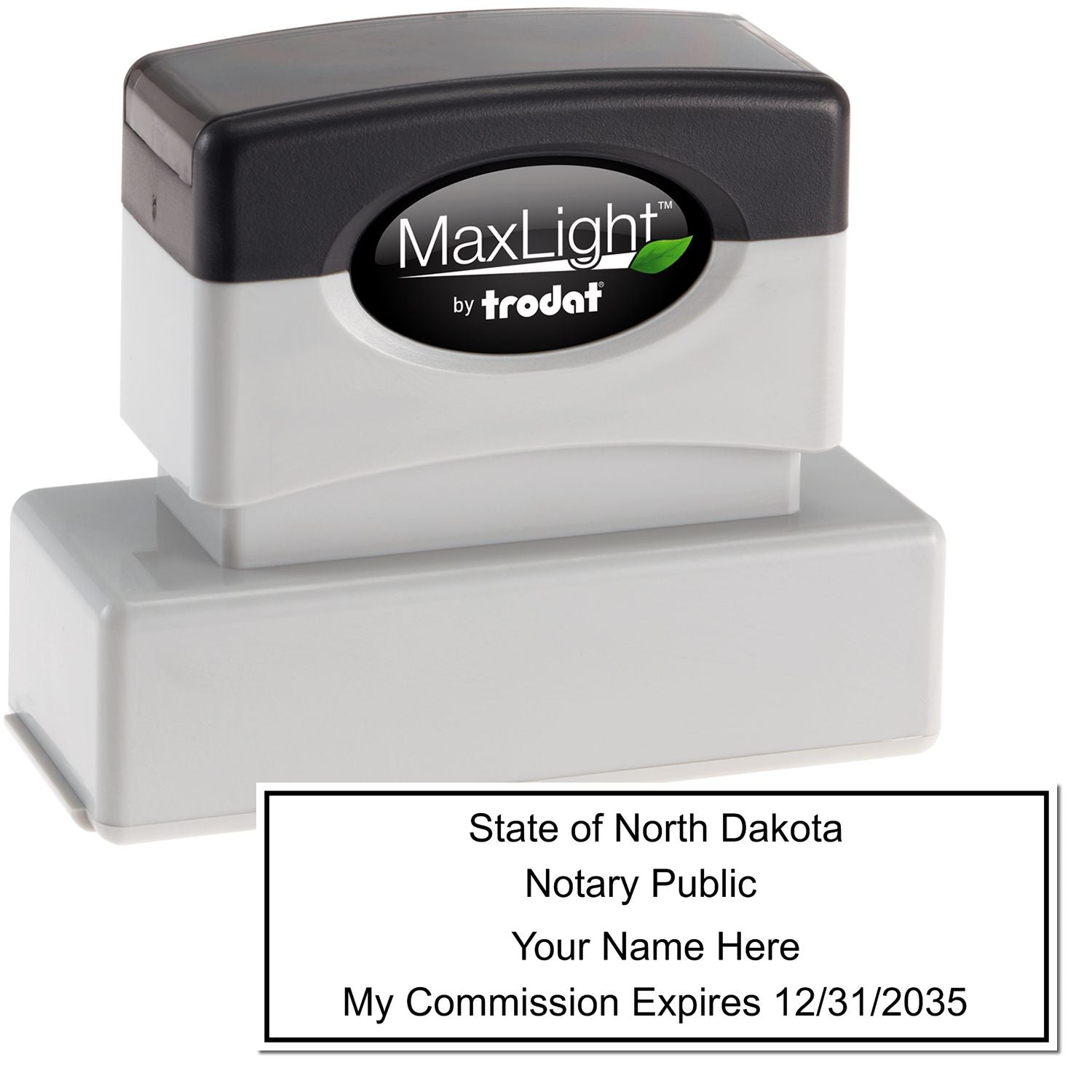
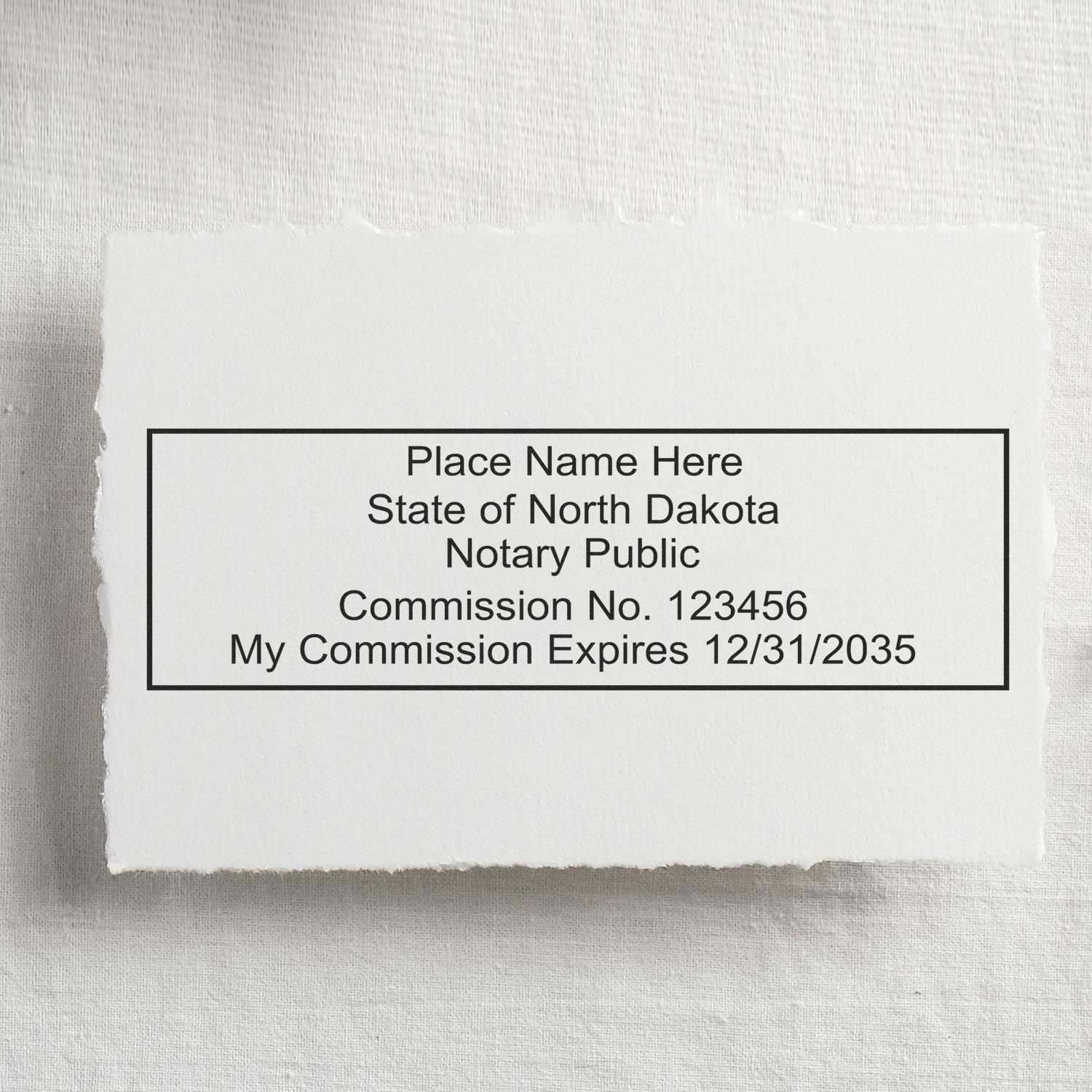
Whenever you’re not sure whether you’re following the right process, double-check official materials or consult with experienced notaries in your area. It’s always better to ask for clarification than to inadvertently violate a rule that leads to a rejected document.
Shop Quality North Dakota Supplies
When you’re ready to buy, it’s wise to invest in high-caliber products specifically designed for notaries in your state. That’s where we recommend taking a moment to explore these north dakota notary supplies. Choosing state-specific items ensures your seal meets every requirement spelled out in the North Dakota code.
You’ll also want to consider working with a supplier known for accuracy and reliability. Engineer Seal Stamps is a trusted name in the notary supply world, offering:
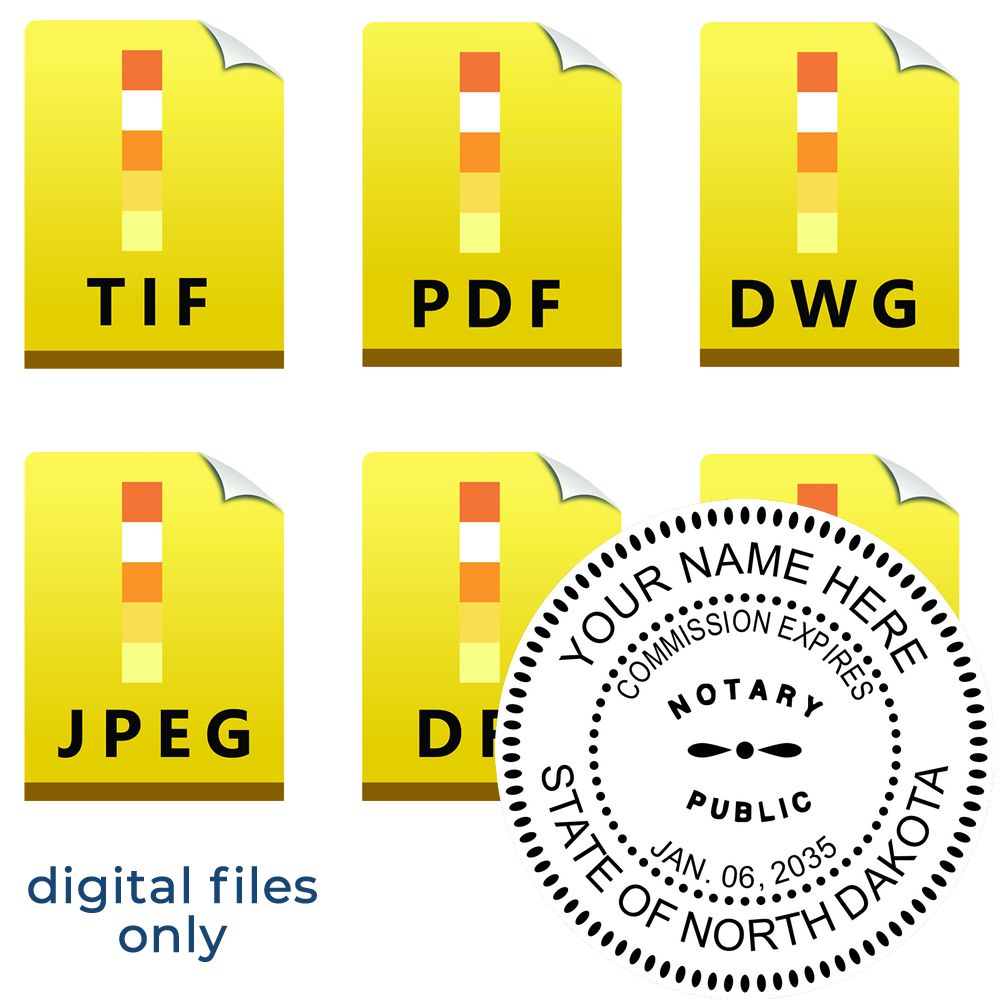
- Free digital seal with purchase: Handy for sending electronic documents or storing a ready-to-use version on your computer.
- Super fast turnaround: Ideal if your current stamp cracks unexpectedly or you need a new seal ASAP.
- Over 60 years of experience: This track record can give you extra peace of mind that your order will be correct.
Opting for high-quality materials can also extend the life of your notary seal. Self-inking stamps usually last for thousands of impressions. That means fewer worries about blotchy stamps or incomplete seals that invite unwelcome scrutiny.
Renew And Update As Needed
Don’t forget, your notary commission isn’t a one-and-done situation. Most notaries in North Dakota hold active commissions for a set term. After that period, you’ll need to renew your commission to keep performing notarial acts. If you let your commission expire, you’ll likely have to go through another application or pay additional fees to get reinstated.
When you renew, you may also need a fresh seal that reflects any changes in state law or personal information. For instance, if you changed your name during your term, you might need a brand-new seal to show the updated details. If you delay updating your seal, you risk having your acts questioned by signers or receiving offices.
If your notary responsibilities evolve (maybe you start notarizing mostly for real estate closings or get additional certifications), make sure your seal and records can handle the extra volume. In most cases, that just means having multiple seals on hand in case one breaks.
Wrap Up And Next Steps
Navigating all the details behind North Dakota notary seal requirements may sound complicated at first. But once you understand the basics—such as what text must appear on your seal, how to place your stamp on documents, and why you need thorough records—it becomes second nature. A well-designed seal is your best ally in presenting yourself as a competent, professional notary.
Try to stay up-to-date on changing laws or guidelines, particularly around renewal deadlines or notation specifics. If you ever have doubts, connect with your Secretary of State’s office or a notary community forum for direct answers. Remember to keep your seal in a safe place, and avoid using it for anything outside official notarial acts.
Most importantly, choose a quality supplier and pay attention to design details. By doing so, you protect yourself, your signers, and the legal standing of important documents. And if you’re looking for a hassle-free way to order a compliant, professional seal, you can check out reliable providers like Engineer Seal Stamps who have decades of experience serving notaries. With the right tools and knowledge at your fingertips, you’ll be well on your way to fulfilling your notary duties smoothly and confidently.
Frequently Asked Questions
1. Do I Need A Raised Seal Or Ink Stamp?
Either type is acceptable in many situations, but confirm your latest state requirements. An embosser leaves a raised impression that’s harder to forge, while a self-inking stamp is fast and clear. If you’re unsure, ask your document recipients which they prefer or purchase one of each.
2. Can I Design My Own Notary Seal?
Generally speaking, you can’t just freestyle your seal layout, because North Dakota mandates specific wording that must appear. Make sure to include your name, the words “Notary Public,” and “State of North Dakota.” Look for a trusted vendor who already understands these legal guidelines.
3. When Should I Replace My Notary Seal?
Replace your notary seal if the ink runs out, parts break, your details change (like a name change), or if your impression becomes difficult to read. Regularly check your stamp to ensure all elements are crisp and clear.
4. Can I Use My Personal Address On The Seal?
Your seal typically needs only your name, your notary title, and the state. Personal addresses or phone numbers are unnecessary and could clutter the design. Always confirm with official resources if any additional text is explicitly required.
5. What Happens If My Commission Expires?
Once it expires, you cannot perform notarial acts until it’s renewed. If you keep notarizing documents after your commission ends, those notarizations may not be valid. Be sure to renew on time to avoid unnecessary gaps in your service.
6. Where Can I Buy A North Dakota Notary Seal?
You can order your seal from a reliable provider such as Engineer Seal Stamps. They specialize in North Dakota notary supplies, offer a free digital seal with every purchase, and provide super fast turnaround. Plus, with over 60 years of experience, they’re well-versed in state requirements to guarantee you get a seal that complies fully.
Feel free to explore these options, ask questions, and review official guidelines. By taking a little time to research your notary seal requirements, you’ll streamline your day-to-day duties and prevent potential legal mishaps. Happy notarizing!
Other North Dakota notary pages
North Dakota notary seal requirements sets out the North Dakota rules in full. Two related pages go further on North Dakota notary stamp and seal options and North Dakota notary stamp rules.