
Engineer Seal Stamps compliance desk. Updated 7 November 2026.
Choosing a Kansas notary public stamp matters, especially when official duties and a steady flow of paperwork already fill your day. The stamp has to satisfy state rules, produce a professional impression and keep you working efficiently. This guide covers what a Kansas commission requires and how to select, compare and buy a stamp that meets it. It also lists other supplies that help you stay organized through each notarial act.
Accuracy and reliability sit at the center of every notarial act. When you notarize a property deed or witness a legal signature, the stamp carries the details that identify you as a commissioned Kansas notary. If you are new to notary supplies or reviewing what you already use, the sections below explain how to narrow the choices, from layout preferences to how long a stamp holds up.
This post explains which stamp style fits your routine, how to confirm a stamp follows Kansas guidelines and where to buy dependable supplies. The requirements come first, followed by the stamp features.
Understand Kansas Notary Requirements
Before you order anything, it helps to confirm Kansas guidelines regarding your notary credentials. You’ve probably heard some of these rules, but let’s spell out the basics just in case:
- You must be 18 years of age or older.
- You must live in Kansas, or if you’re an out-of-state resident, be regularly employed in Kansas.
- You must not have any felony convictions on your record (with limited exceptions).
- You receive your notary commission from the Kansas Secretary of State’s office after completing the required application.
After your commission is issued, Kansas requires an official notary seal that plainly shows your notary name together with “Notary Public” and “State of Kansas.” The seal can be a stamp or an embosser, and many notaries choose a stamp because the impression is quick and clear. A “notary seal” simply means the official impression carrying the required details, inked or embossed. What counts is that the seal is legible and follows state guidelines.
It’s also wise to keep an eye on your commission’s expiration date. The date should be visible on your seal—this is another reason many Kansas notary professionals lean toward stamps: these automatically include your commission expiration in the same easy-to-read spot. And if you’re seeking flexibility, you can consider investing in both a stamp and an embosser for special occasions, provided you meet all the guidelines in place.
Compare Different Stamp Styles
Which notary stamp fits a daily workload? Stamp types differ, so compare the core options first. Notaries most often choose among three styles: pre-inked, self-inking and traditional rubber stamps. Each has traits that make it suit some workloads better than others.
Below is a quick side-by-side to help you decide:
| Stamp Type | Pros | Considerations |
|---|---|---|
| Pre-Inked Stamps | Crisp impressions, up to thousands of uses | Slightly higher cost |
| Self-Inking Stamps | Built-in ink pad, fast stamping | Slightly bulkier |
| Traditional Rubber Stamps | Very budget-friendly, simple to replace | Needs its own ink pad and can be slower or messier in use |
Pre-Inked Stamps


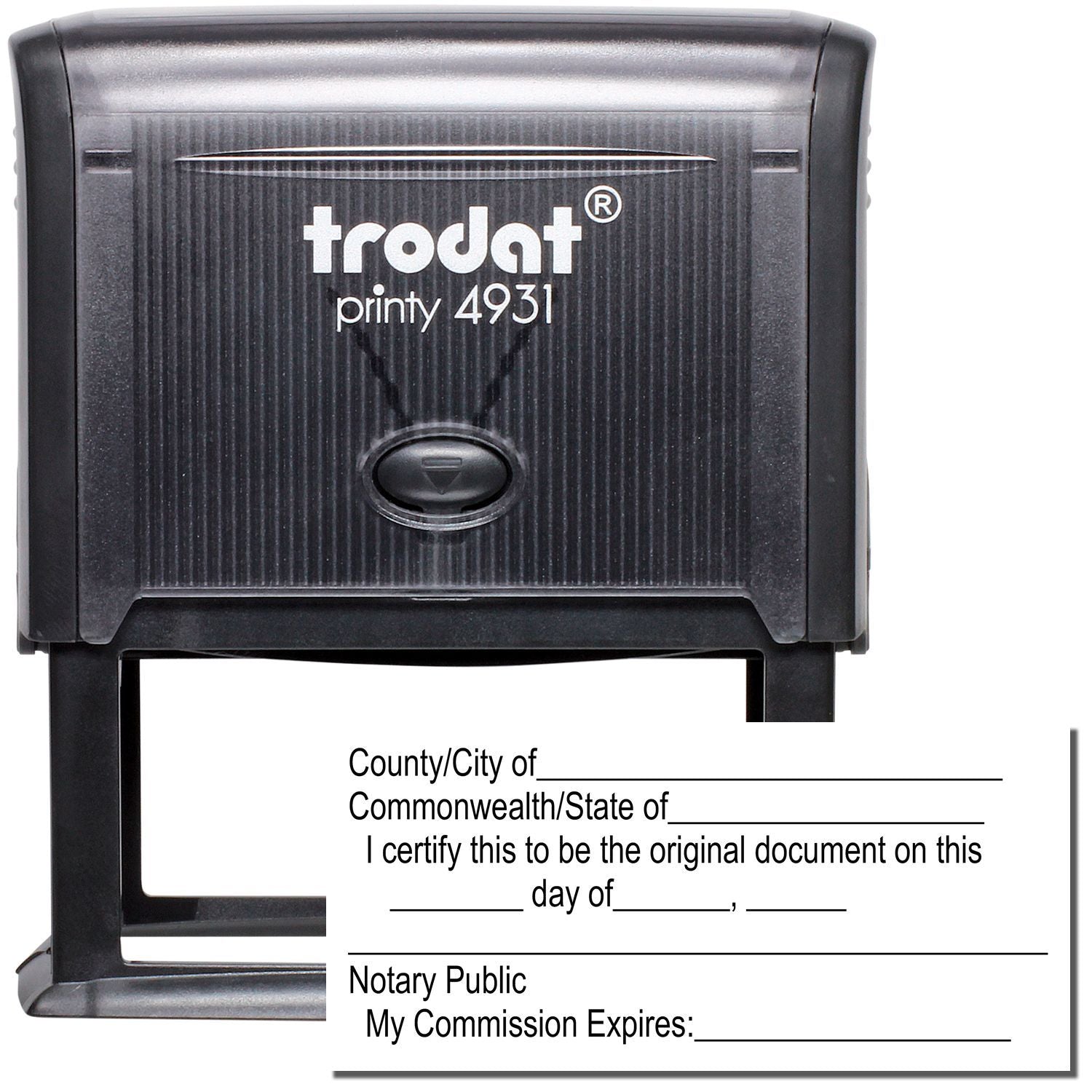


Pre-inked stamps hold ink within the stamp’s structure, so you get a sharp impression with little pressure. They’re fairly low maintenance, and you can get thousands of clear stamps. They also tend to produce a slightly more saturated color, which comes in handy if you’re notarizing documents that must be crystal clear for scanning or microfilming.
Self-Inking Stamps
A self-inking stamp has an ink pad inside that the die rolls against on every press, so you never handle a loose pad. Notaries who stamp dozens of documents back to back often pick this style because it keeps the pace up.
Traditional Rubber Stamps
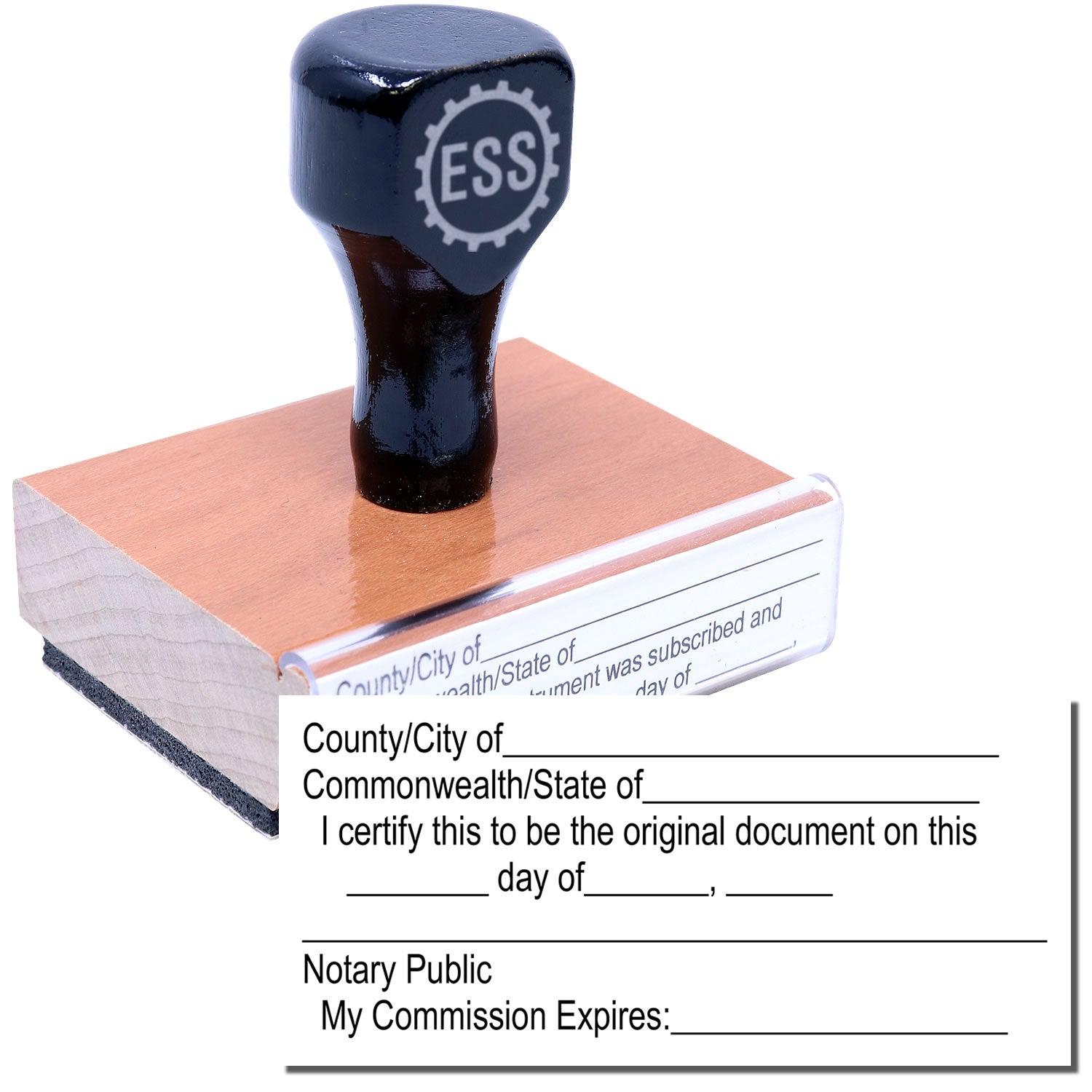
Rubber stamps have been around for ages. They’re cost-effective, and the stamps themselves are quick to replace if you ever change your name or your commission details. The catch is that you’ll have a separate ink pad to carry around. That can be a little messy if you’re traveling from client to client, but some notaries keep a rubber stamp at home or in the office as a backup.
Choose a Reliable Supplier
Once you’ve decided on your stamp type, the next step is choosing where to buy. You’ll see a range of suppliers out there, both online and locally. In an ideal world, you want a provider that knows Kansas regulations, offers consistent quality, and gets your order out the door fast.
Why Experience Matters
A notary stamp is more than just a piece of office gear. If it’s not made correctly, you could end up with smudgy impressions or missing details, which means redoing important documents. Worse, you might fall out of compliance if the vendor doesn’t understand the specific wording and layout Kansas requires. That’s where a seasoned supplier comes in handy. Over the decades, they’ve probably seen every request under the sun, so they’re equipped to handle specialized orders without batting an eye.
The Perks of Buying From ESS
Looking for a tried-and-true place to snag your stamp? Consider ESS, which has been working with Kansas notaries for over 60 years. That’s six decades of refining the process, double-checking state standards, and helping notaries like you find the perfect fit. When you order your stamp from ESS, you can count on:
- Every purchase includes a free digital seal, letting you place your notary information on electronic documents right away.
- Processing in 24 to 48 hours, which helps when a deadline is close or a commission renewal is pending.
- Knowledgeable staff who understand the ins and outs of Kansas notary rules and can answer your questions.


ESS also checks that each stamp includes every detail the Kansas Secretary of State’s office requires, so your time goes to clients rather than to compliance worries.
Explore Additional Tools
The Kansas notary public stamp comes first, though a complete notarial kit is worth having too. Extra supplies keep your work organized and show clients and colleagues that you treat the role seriously. Consider the items below.
Seals and Embossers
If you like the traditional look of an embossed seal, you can pair your stamp with a metal embosser. Embossers leave a raised impression on the paper, giving documents a formal flair. Some notaries use them for special occasions or to add a security feature that’s harder to replicate or alter. Although Kansas doesn’t strictly require an embosser, it can add a distinctive finish. If you choose to go that route, make sure your name, the phrase “Notary Public,” and “State of Kansas” are clearly etched onto the embosser’s die.
Record-Keeping Supplies
Keeping a notary record book (sometimes called a journal) is a good idea, even though Kansas law doesn’t always demand it for every notarial act. A well-maintained journal provides a paper trail that could help protect you if any notarized document is ever challenged. You’ll typically note each signer’s name, the date, type of document, and any ID details. Then, if a question pops up later, you’ll have proof of what happened and when.
It might also be worth storing your stamps, embossers, and other small tools in a locked bag or case—especially if your job involves traveling. Security is key. No one else should have access to your notary seal. Leaving it around the office or house could open the door to potential misuse.
For the complete selection of notarial supplies, browse kansas notary supplies. The range of items there makes the process simpler, whether the job involves a tall stack of documents or only a handful.
Ordering Tips And Turnaround
When you’re ready to purchase your notary stamp, you’ll want to organize a few details:
- Double-check your commission information: Confirm your name is spelled exactly as it appears on your notary paperwork. Getting that wrong delays your order.
- Decide on a stamp layout: If you’re adding extra text like “My Commission Expires” or your county of registration, be sure it matches the format your vendor requires.
- Ask about shipping times: At ESS, fast turnaround is standard, but it’s always good to get an estimated arrival date so you can plan ahead.
- Consider a backup stamp: If you notarize documents all the time, having a second stamp could be a lifesaver if the first one is misplaced or quits working.
- Take advantage of any current promotions: For instance, ESS includes a free digital seal with purchase, which means you can start using your notarial credential in digital format right away.
After ordering, watch your email for shipping notices; online orders usually come with a confirmation and tracking details. Inspect the stamp as soon as it arrives and confirm that a pre-inked or self-inking model leaves a clear, legible impression. If anything looks wrong, contact the supplier right away to ask for a replacement or a layout correction.
Frequently Asked Questions
Below are six common concerns that pop up when people shop for a Kansas notary public stamp, along with straightforward answers you can rely on.
1. Do I Need To Get A New Stamp When My Commission Renews?
Yes, you typically need a stamp that reflects your current commission information, including your new expiration date. Once your commission is renewed, consider ordering a fresh stamp to ensure accuracy.
2. How Soon Will My Stamp Arrive After I Order?
Delivery depends on the supplier. At ESS, orders are processed in 24 to 48 hours and then ship within the U.S. When a date is tight, a quick call or email to confirm timing is worthwhile.
3. Can I Change My Stamp Design Mid-Commission?
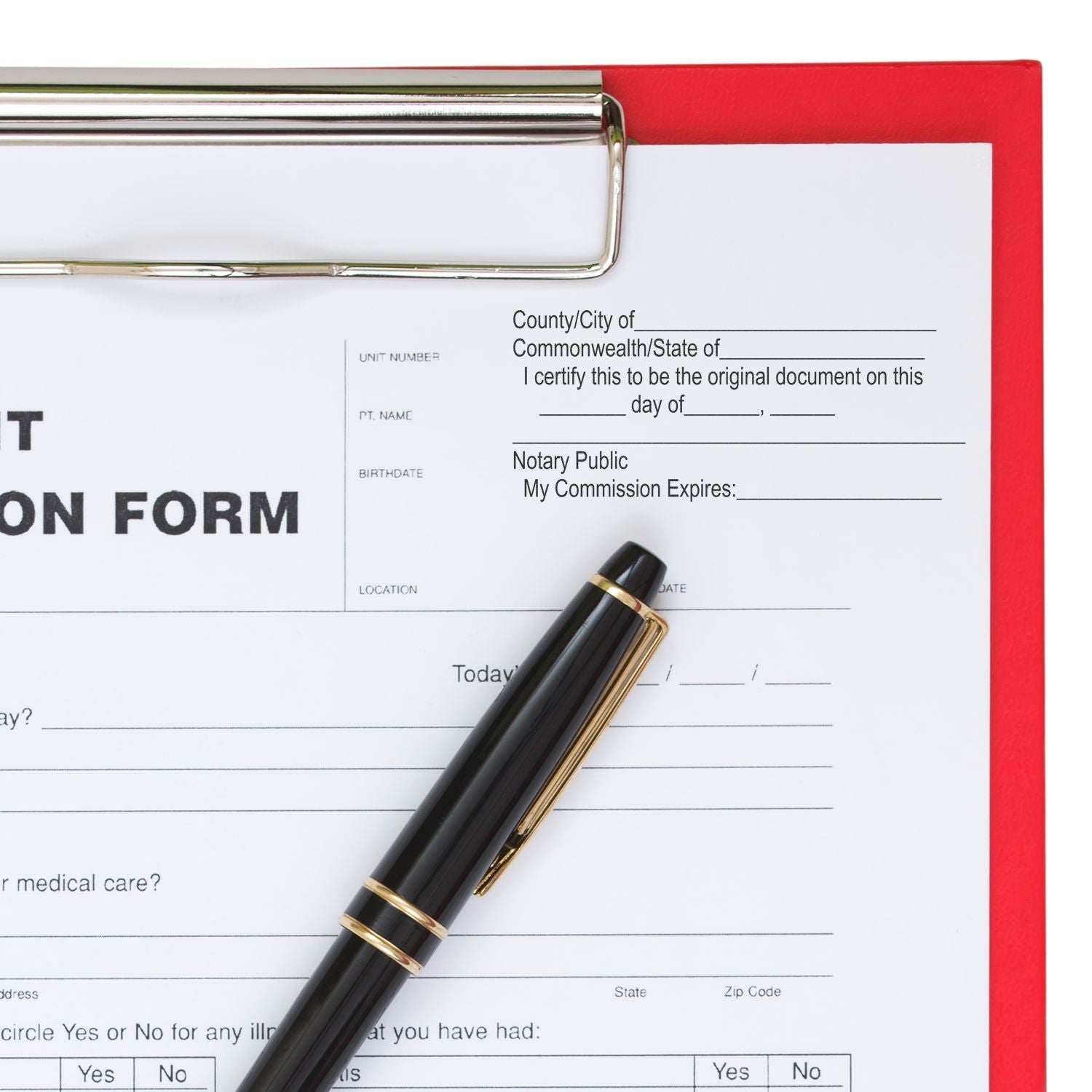
If you want a different look or decide to switch from self-inking to pre-inked, that’s fine. Just verify that your new stamp still includes all mandatory Kansas details. Some notaries keep multiple stamps on hand to accommodate different preferences or office aesthetics.
4. Is An Embosser Required For Kansas Notaries?
No, Kansas does not require an embosser. You do need a legible notary seal that meets the design standards, but it can be inked or embossed. Still, an embosser can add a formal touch, so it’s up to you whether to include it in your toolkit.
5. What If My Stamp Doesn’t Work Properly?
If the impressions aren’t crisp or the ink is bleeding, contact your supplier right away. Most reputable vendors, including ESS, will replace or repair defective products so you can keep notarizing documents without skipping a beat.
6. Does Kansas Require A Notary Record Book?
A record book is not always required under Kansas law, yet keeping one is strongly advised. A log of your notarial acts helps head off disputes and gives a clear timeline if a notarized document is later challenged.
Wrap It All Up
Selecting the perfect stamp boils down to knowing Kansas rules, choosing a style you’re comfortable with, and trusting your vendor to craft a top-quality seal. Whether you value the convenience of a self-inking model or crave the crisp impressions of a pre-inked stamp, there’s an option out there with your name on it, literally. Just remember to keep your seal secure, jot down notarial acts in a record book (optional but wise), and stay up to date on your commission details.
ESS is available whenever you need guidance. With more than 60 years of experience, processing in 24 to 48 hours and a no-cost digital seal on every order, the goal is a simpler process for new and veteran Kansas notaries alike. Your focus belongs on clients and on verifying important documents, not on whether your seal satisfies state requirements.
Ready to choose your Kansas notary public stamp? Review your workflow, decide which features matter most to you and then pick the stamp style that covers every one of them. Keep your practice running smoothly, and pass your tips and experience along to others looking for the same dependable options. Equipped with the right tools, you can handle any notarial request you receive.
More on Kansas notary seals
Read Kansas notary seal requirements first, then Kansas notary stamp rules and Kansas notary stamp and seal options for the specifics.