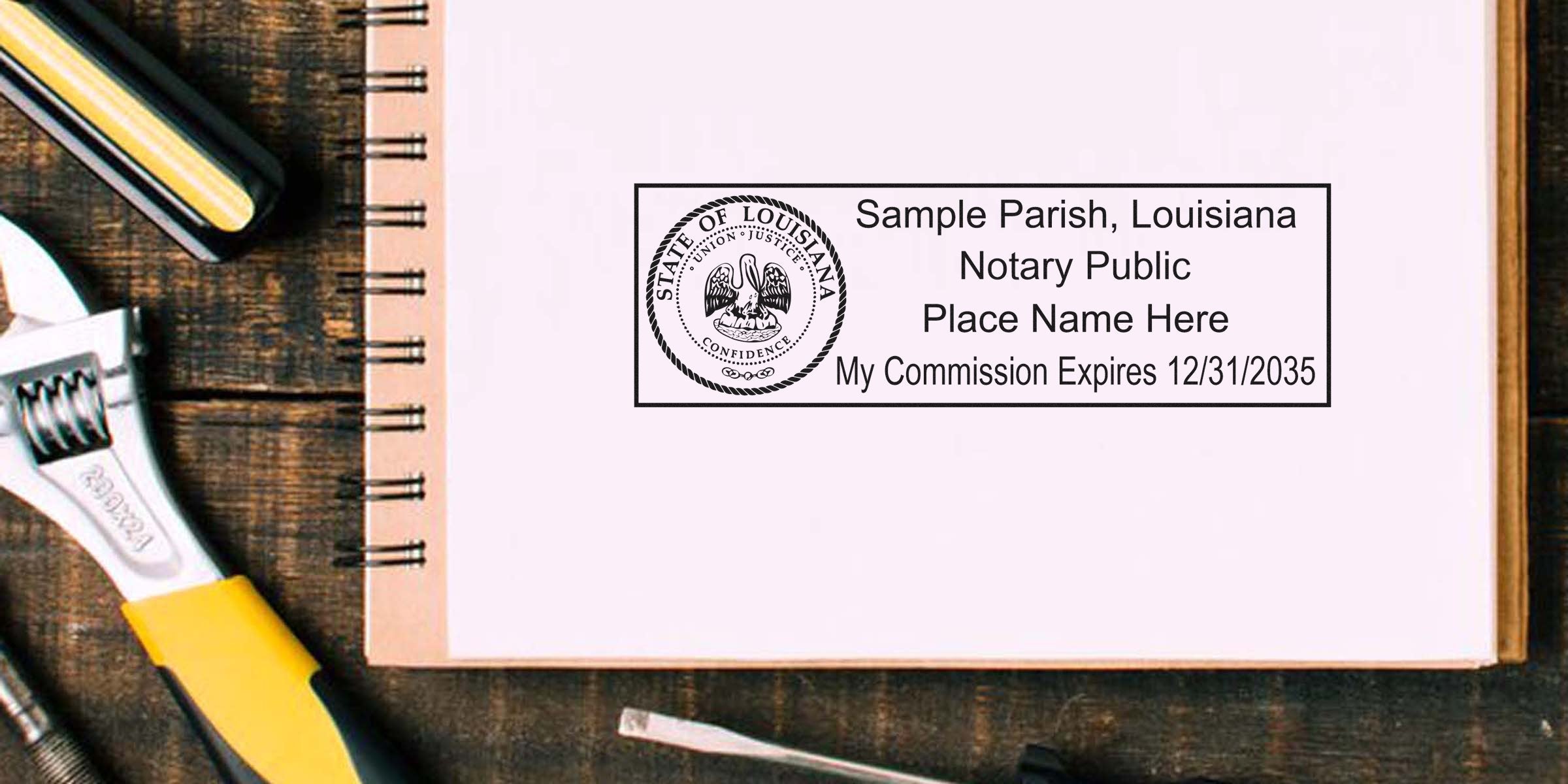
If you’ve been looking to get a notary seal for Louisiana paperwork, you already know how critical it is to authenticate your documents. Yet the process of actually choosing and purchasing that seal can feel like a hassle. Here’s the good news: it doesn’t have to drive you crazy. In fact, with the right approach, you can get everything set up quickly and confidently. This guide walks you through Louisiana’s notary seal requirements, the best ways to pick your supplies, and insider tips to streamline the entire process.
By the end, you’ll know exactly what you need, where to find it at a fair price, and how to use your new seal without a hitch. Ready to dive in?
Understand The Louisiana Requirements
If you’re new to notary work, you might be wondering: Does Louisiana have specific standards for a notarial seal? Indeed, it does. Because a notary in Louisiana can handle quite a few responsibilities—everything from drafting acknowledgments to authenticating signatures—your seal has to meet the basic statewide criteria.
- It should clearly display your name as it appears on your notarial commission.
- It often must indicate that you’re a commissioned notary in the state of Louisiana.
- The imprint from your seal (if it’s a stamp) needs to be legible on official documents.
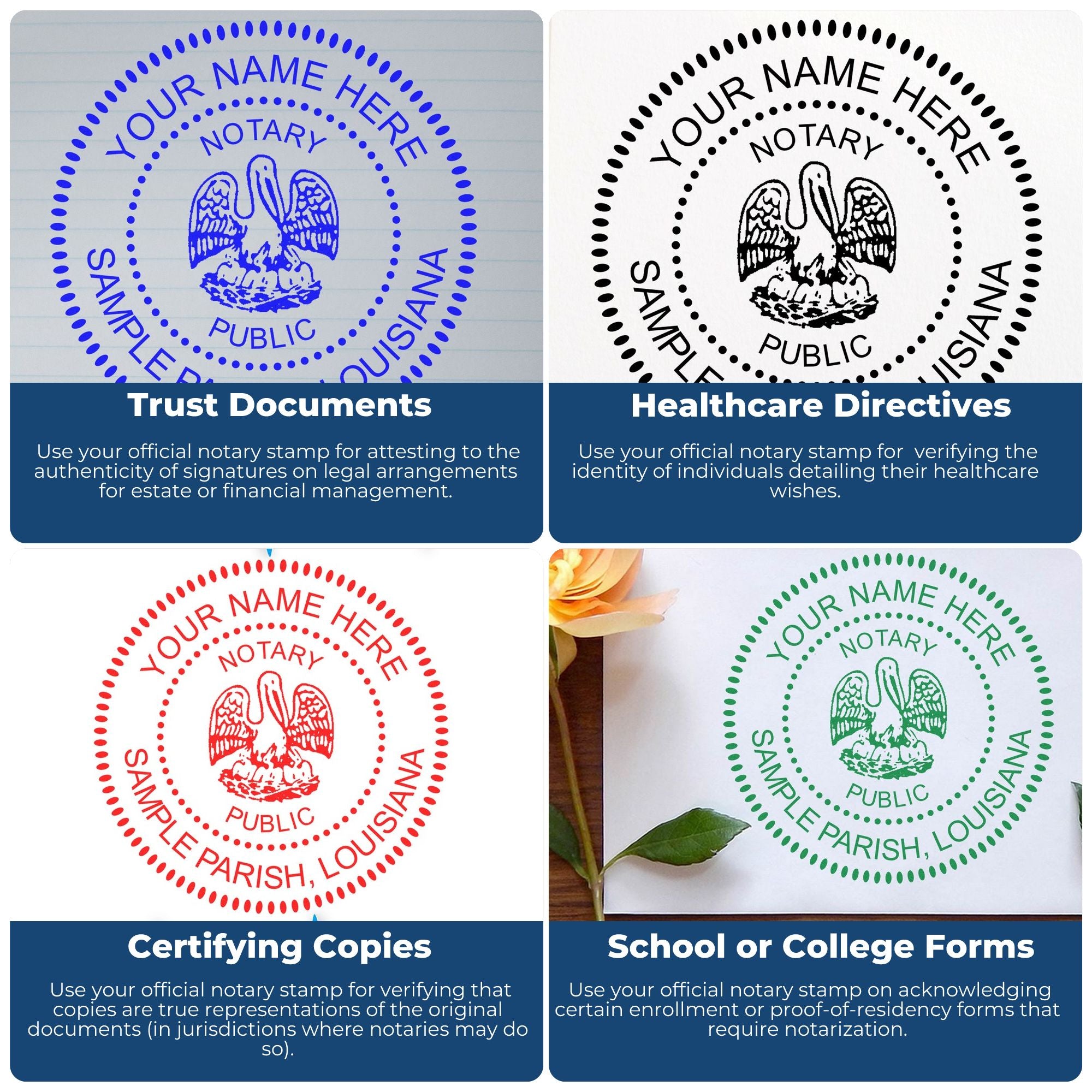
Louisiana, unlike some states, doesn’t mandate a particular design for your seal. That said, many local notary veterans recommend a clean, straightforward look. A circle or rectangular stamp featuring your full name, commission number, and the words “Notary Public, State of Louisiana” will generally cover your bases. If you’re in doubt, it’s wise to confirm any new guidelines with the Louisiana Secretary of State’s office.
Why Compliance Matters
Compliance is more than a technicality. When you apply your seal to contracts or property deeds, you’re effectively vouching for the authenticity of those documents. A clear, compliant seal ensures the paperwork can withstand scrutiny later. Any sign of a low-quality imprint or a missing detail might raise red flags. So it’s worth double-checking that the design meets official requirements before buying.
Gather The Essential Supplies
Your notary stamp or seal is, of course, the central tool in your kit. But to save time and frustration down the line, it’s smart to pick up a few other supplies at the same time.
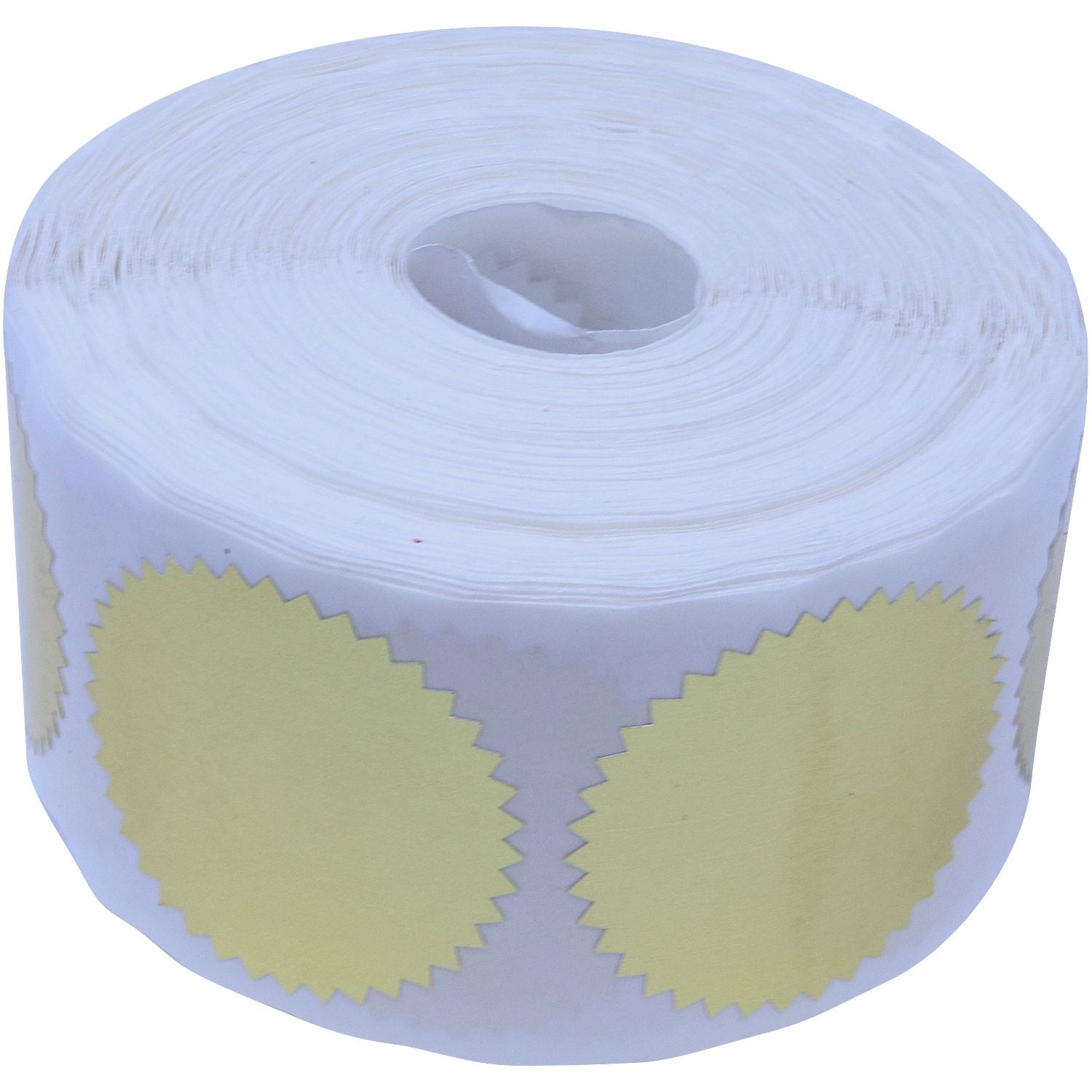
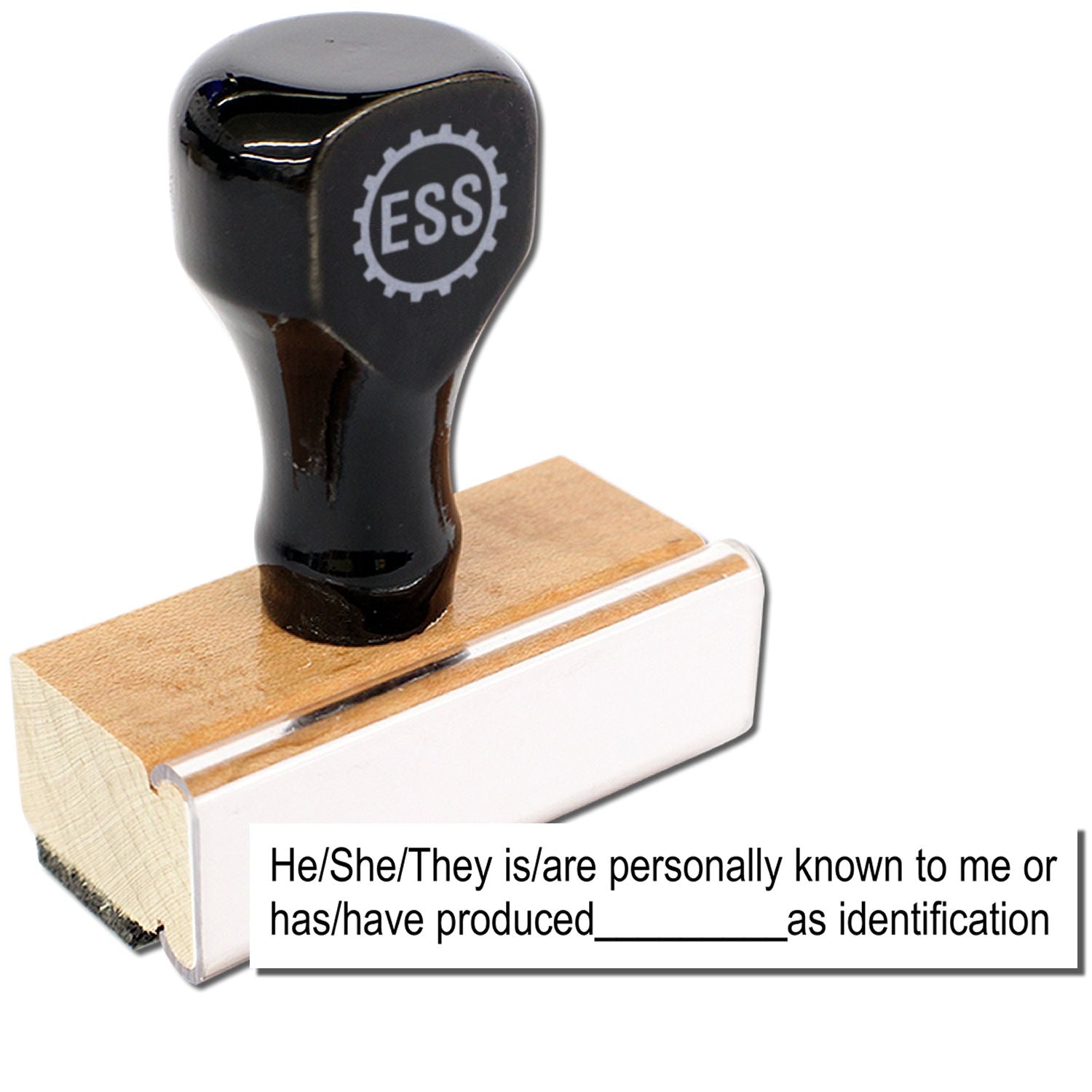
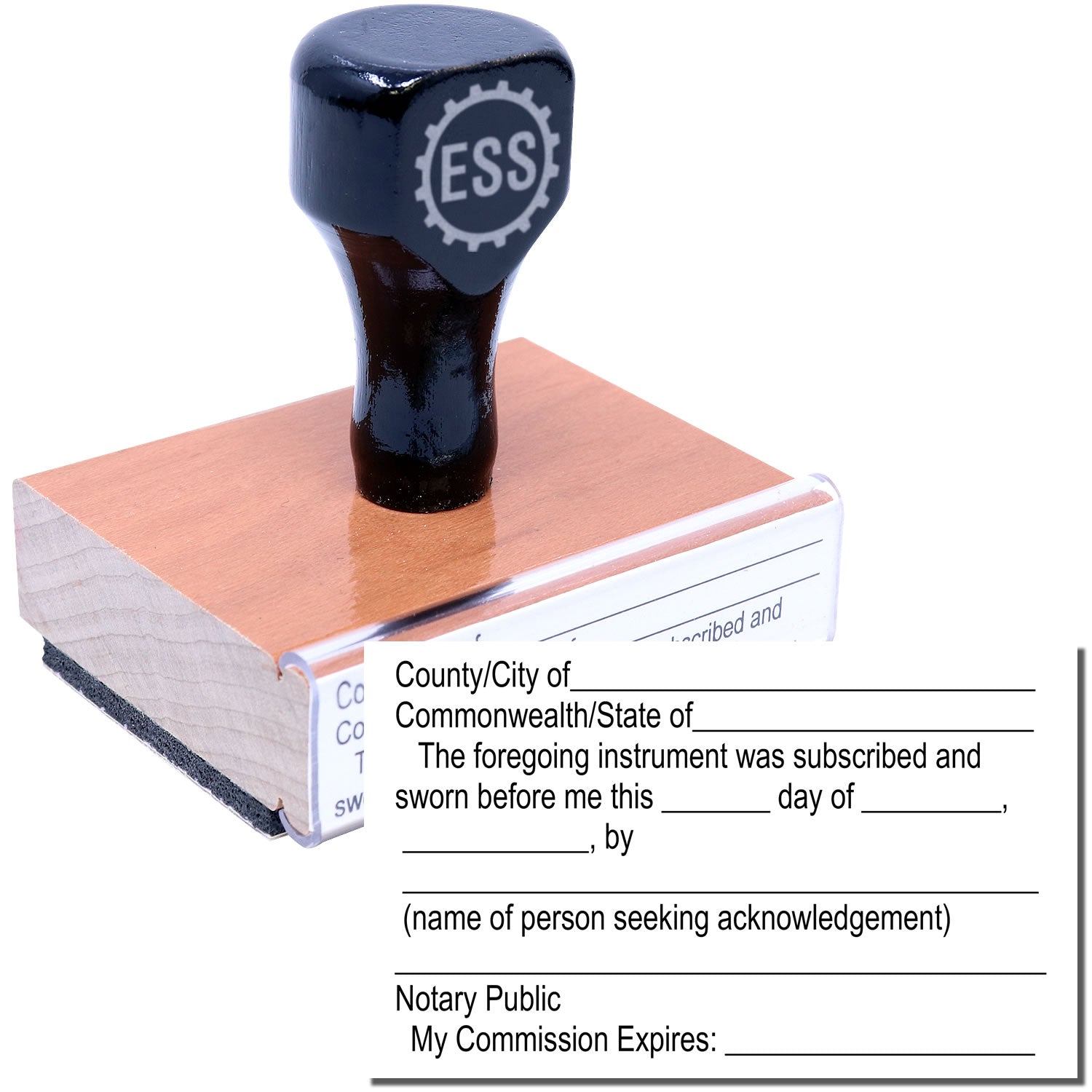
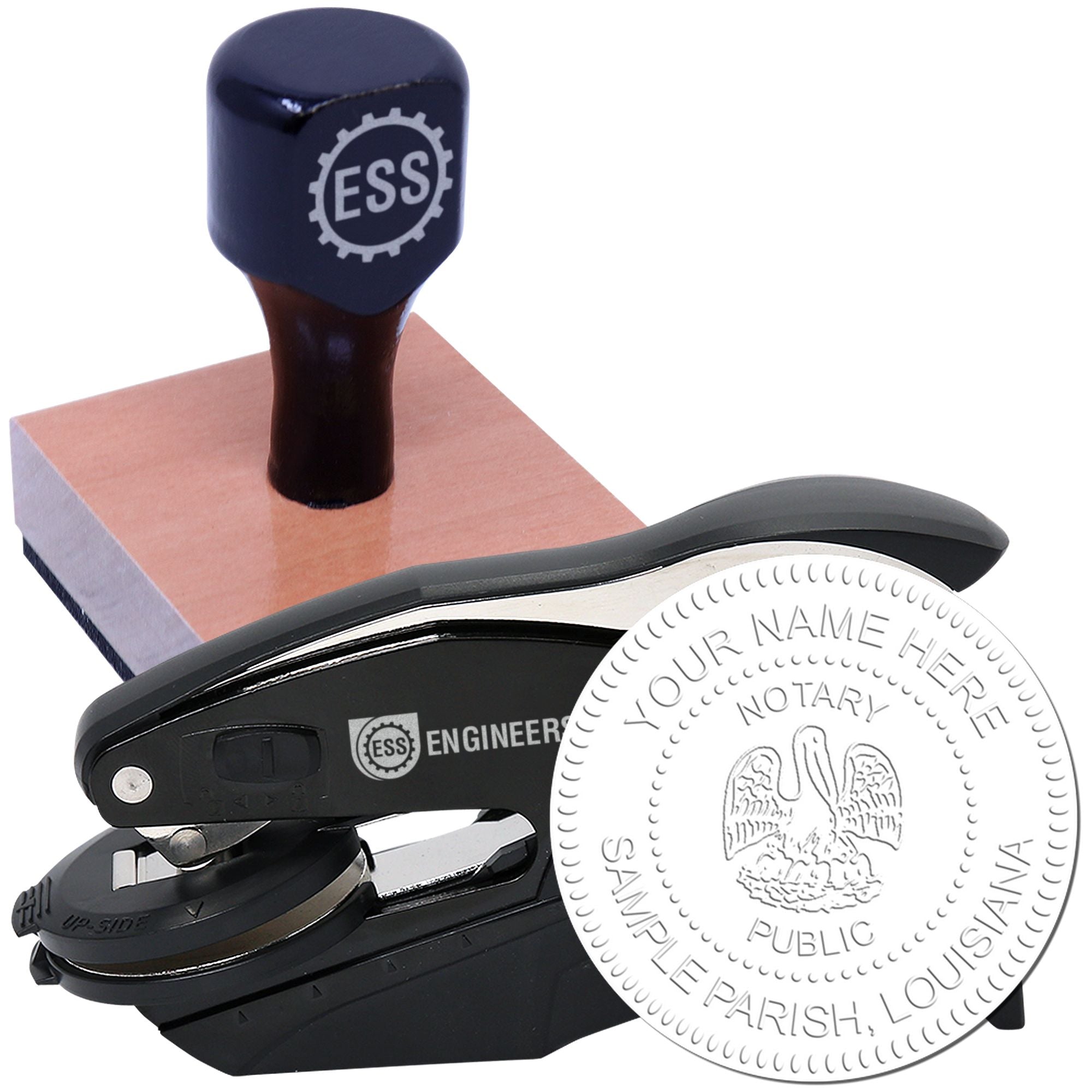
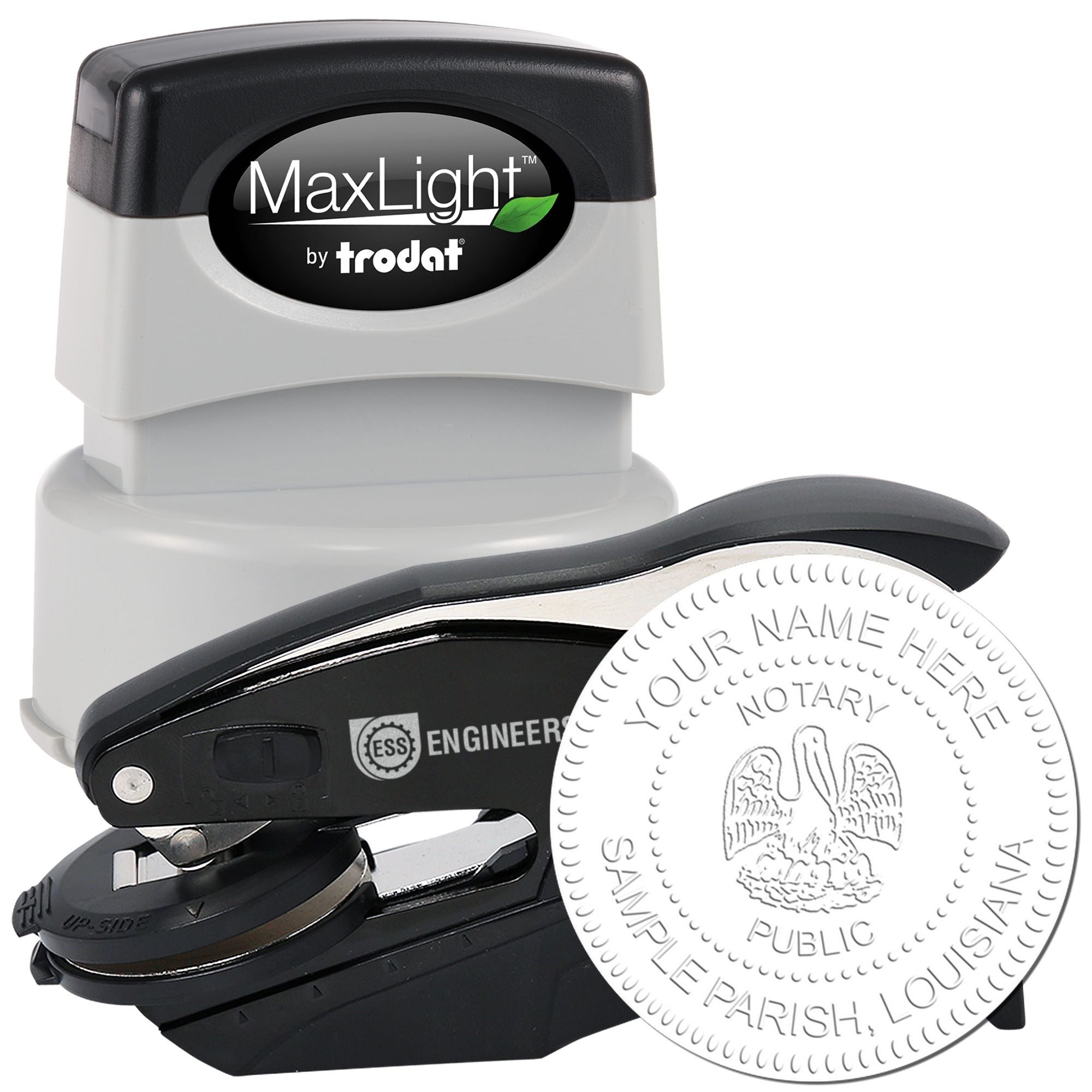
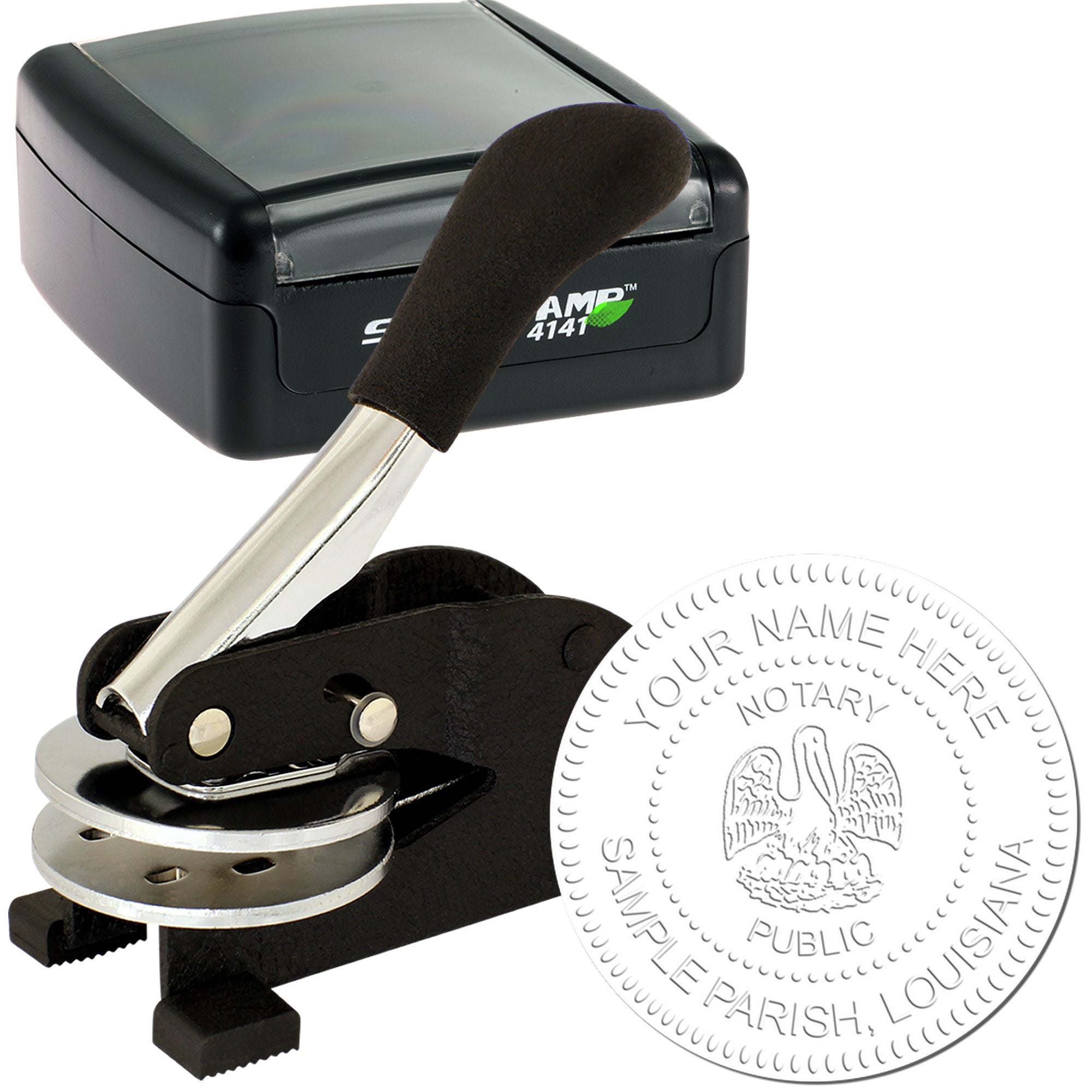
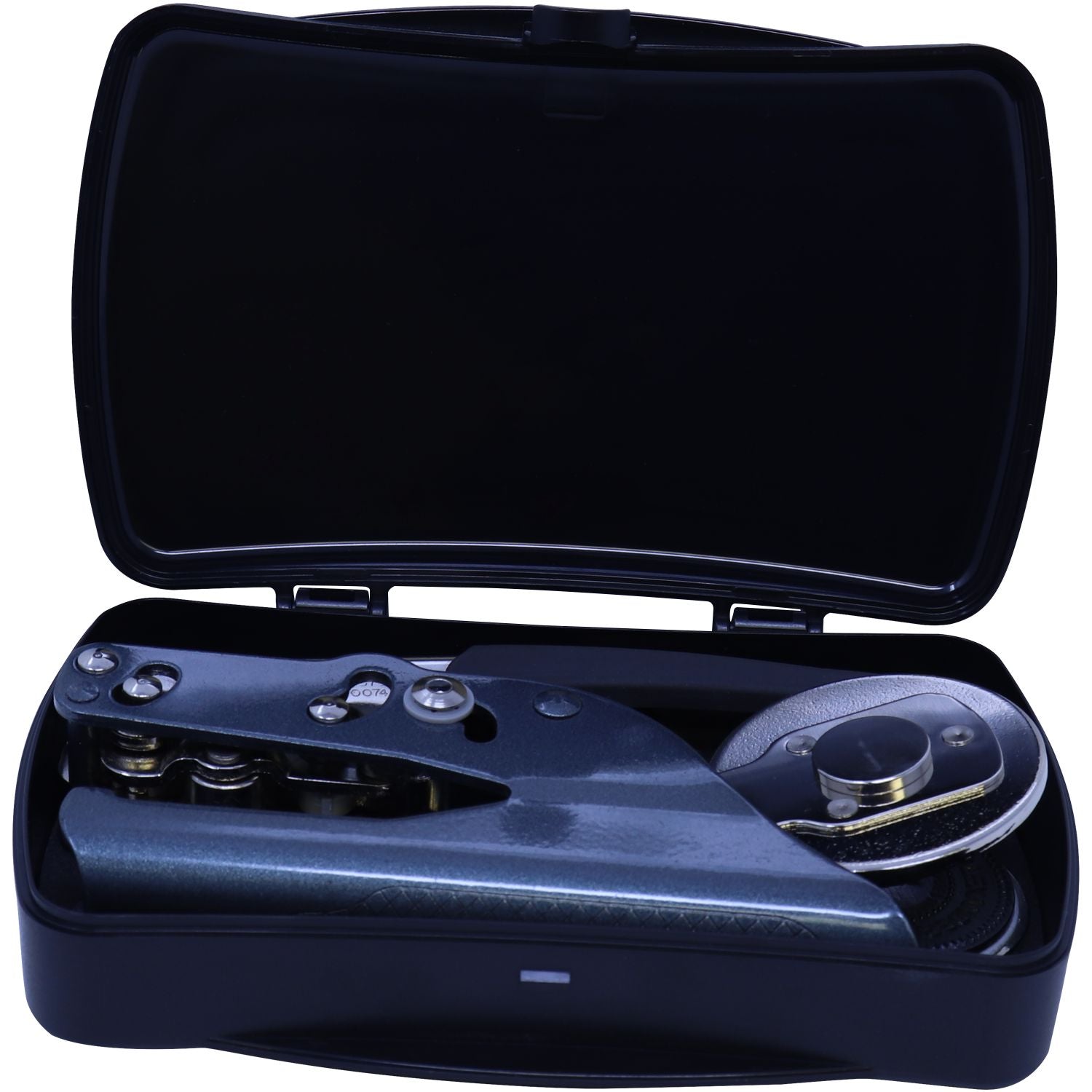
- An embosser or ink-based stamp (or both). Each has its advantages.
- A notary record book, where you log every notarized document.
- An ink pad, if you choose a traditional hand stamp.
- A secure storage box for your seal, to keep it safe from misuse.
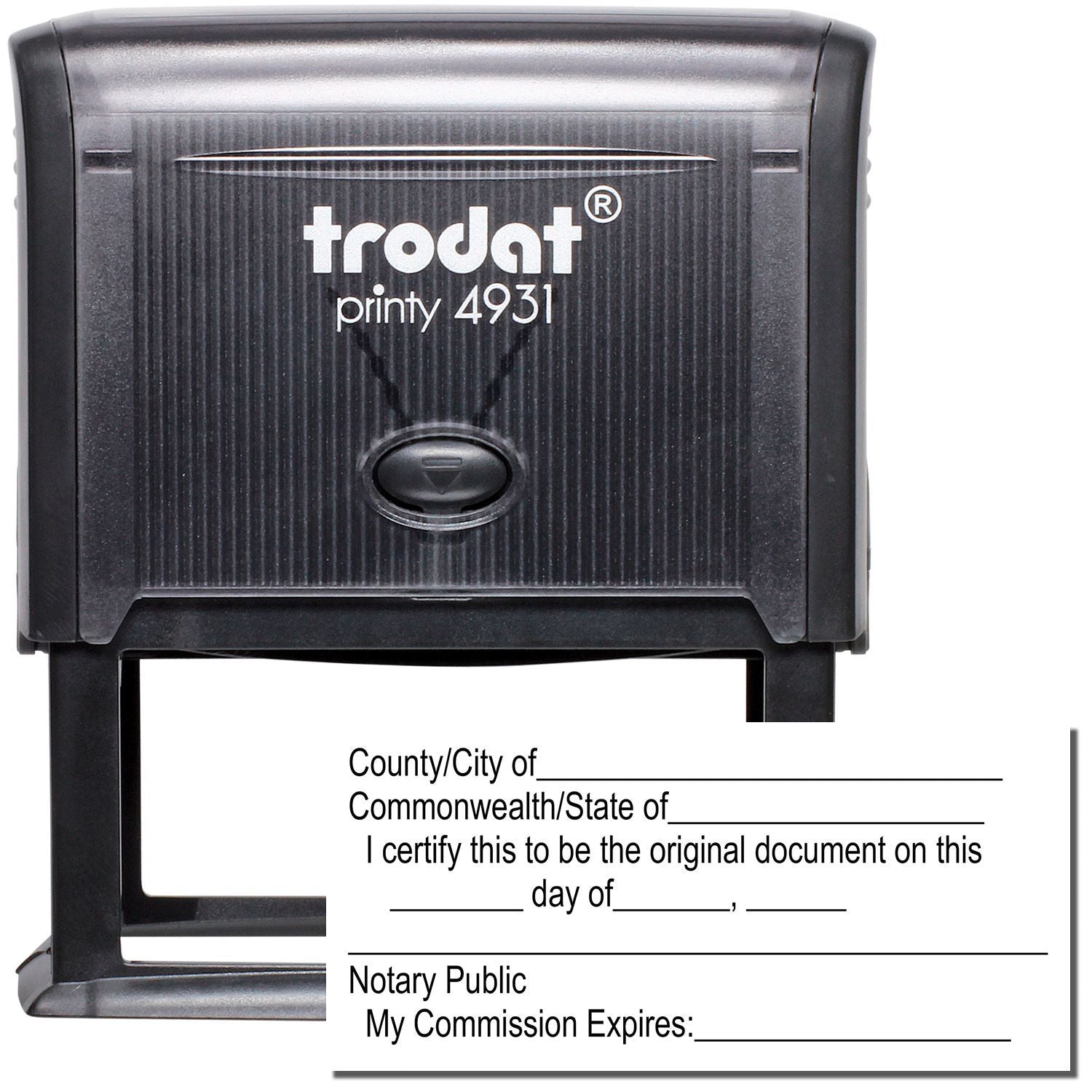
If you anticipate a higher volume of notarial acts, it’s wise to invest in a durable, self-inking or pre-inked stamp. You’ll often hear notary pros mention that self-inking stamps can handle hundreds of impressions before needing a refill. Meanwhile, embossers physically crimp the paper, creating a raised impression that’s tough to fraudulently reproduce.
Looking for more gear to handle various notarization tasks? Check out these louisiana notary supplies for anything else you might need—from replacement ink to updated journals.
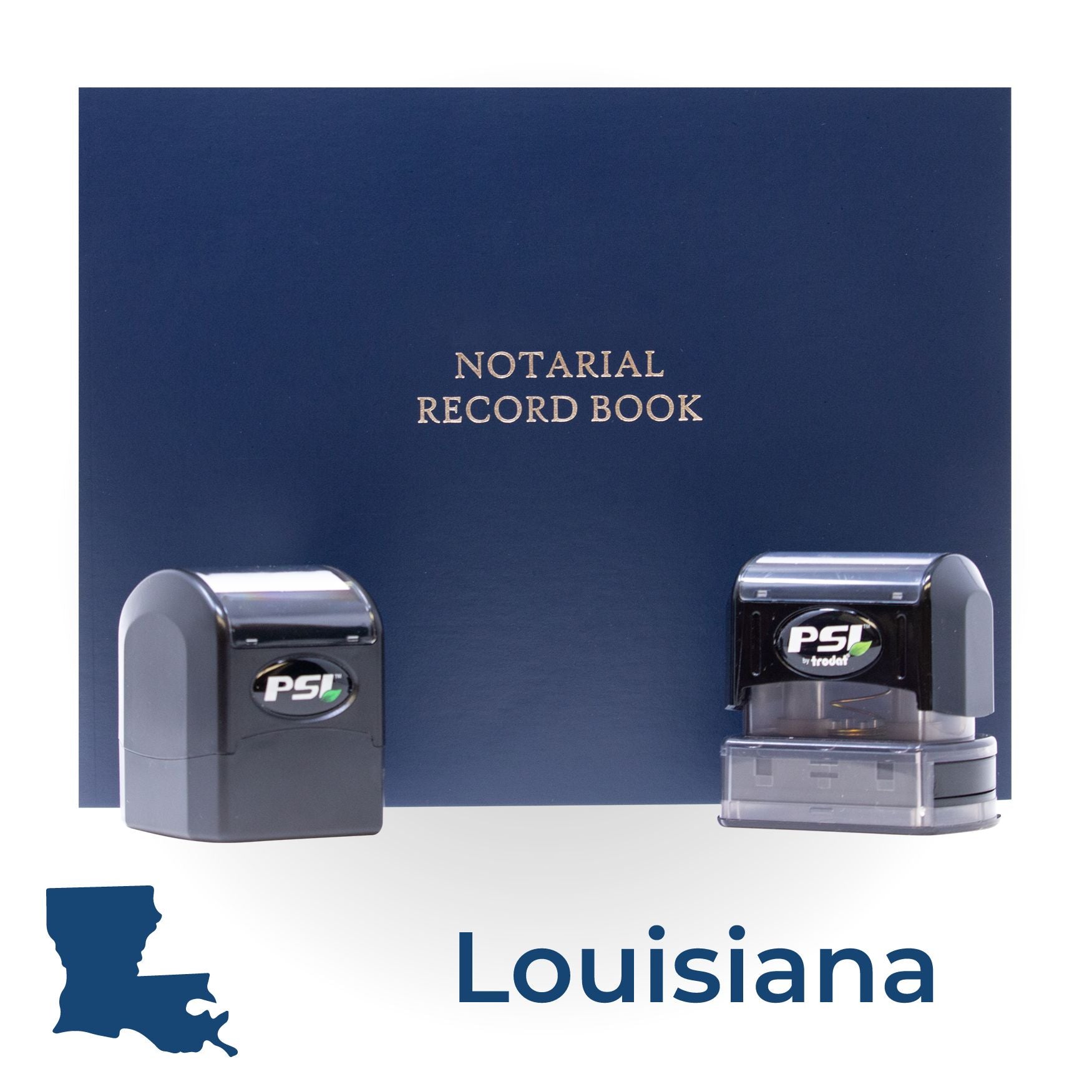

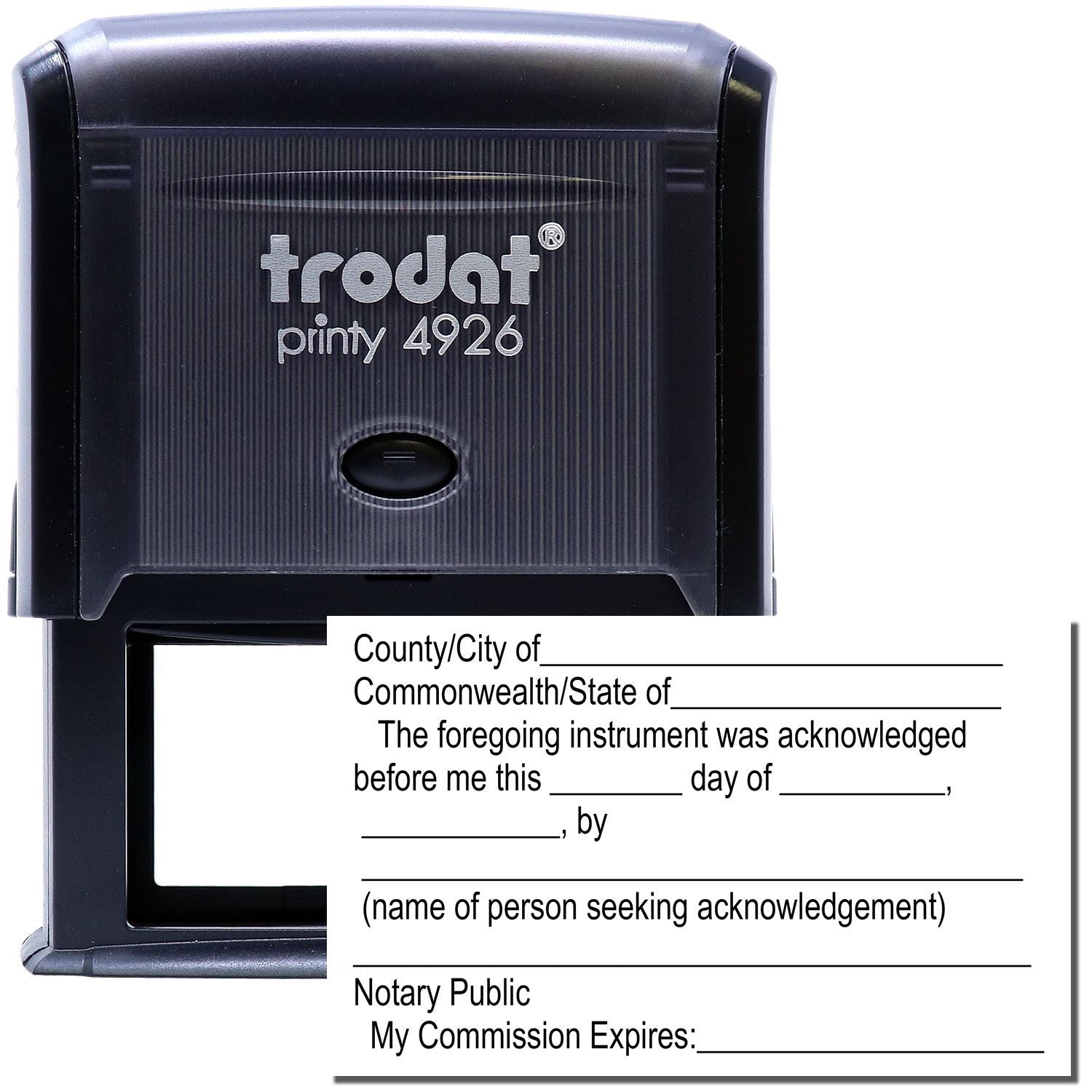
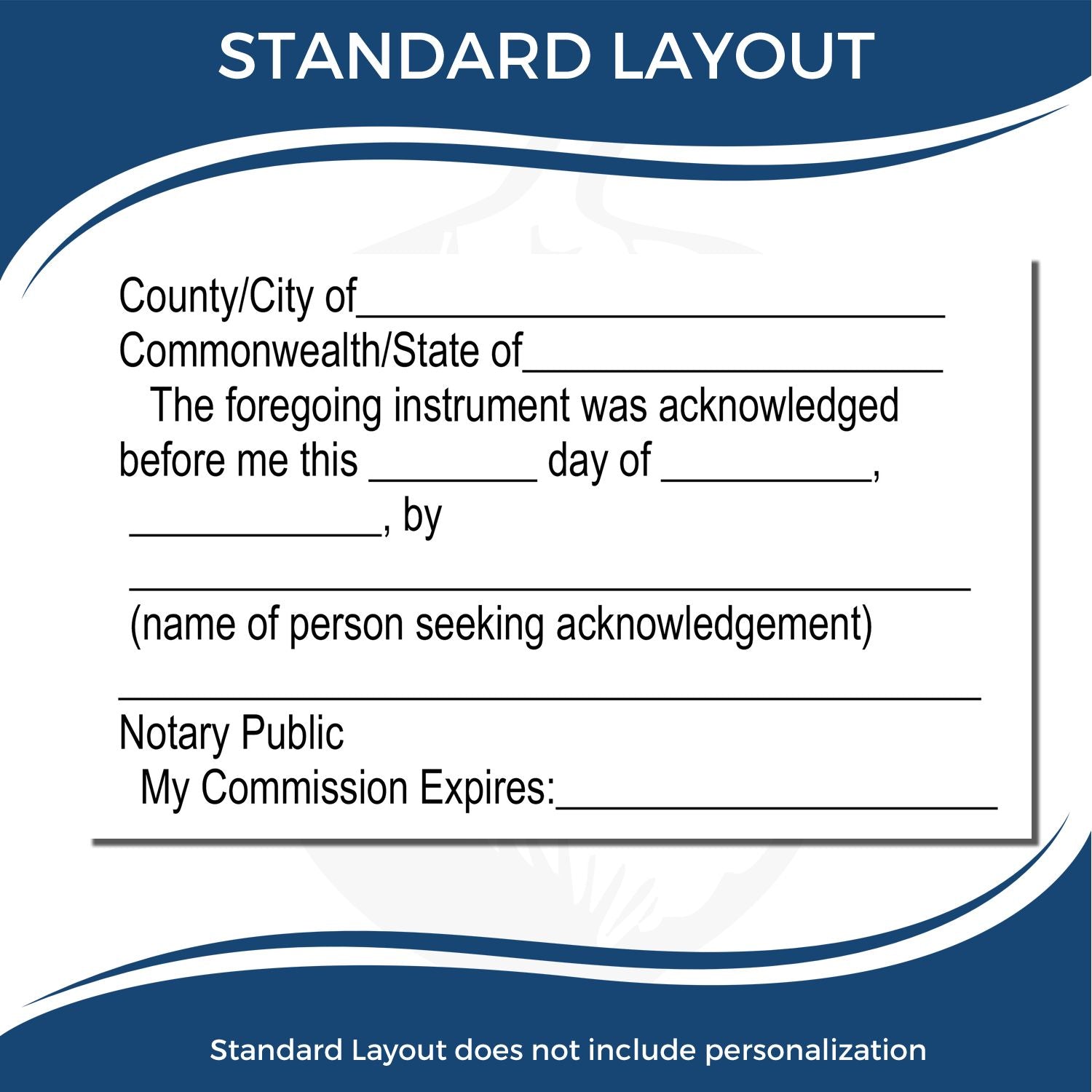
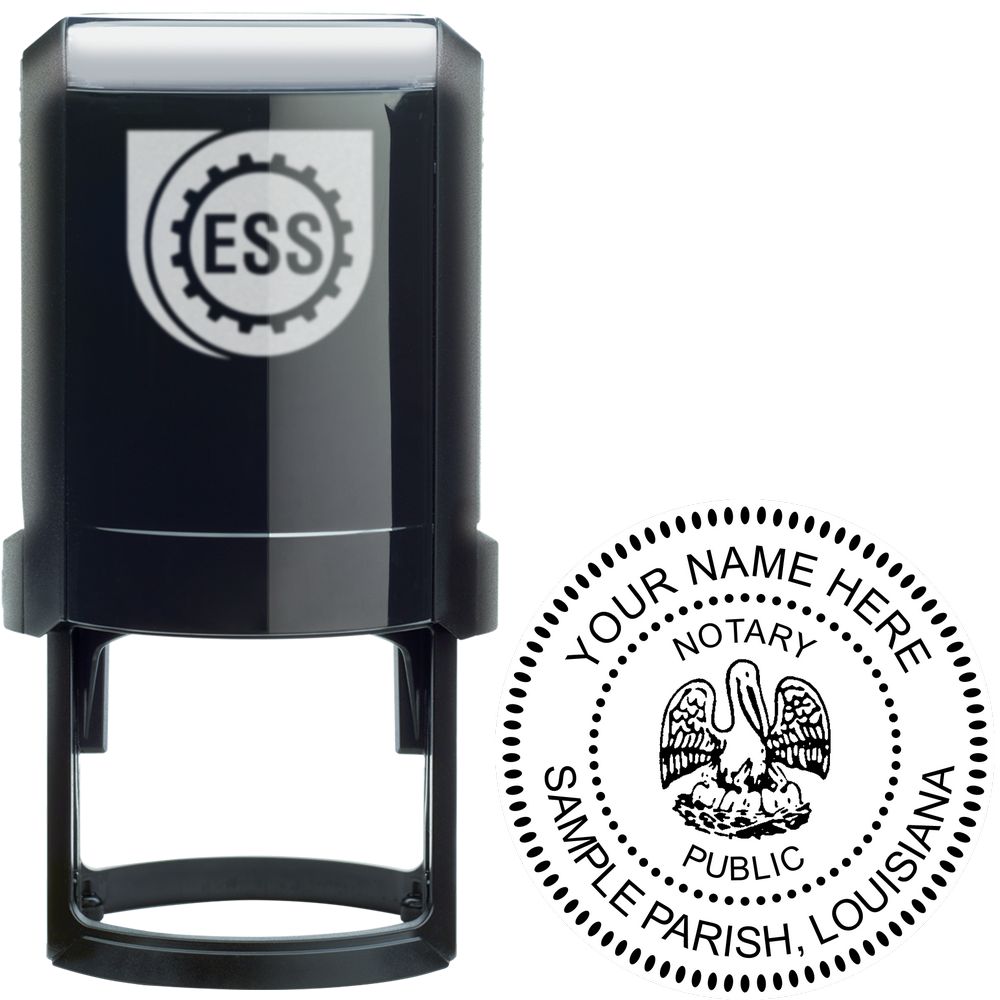
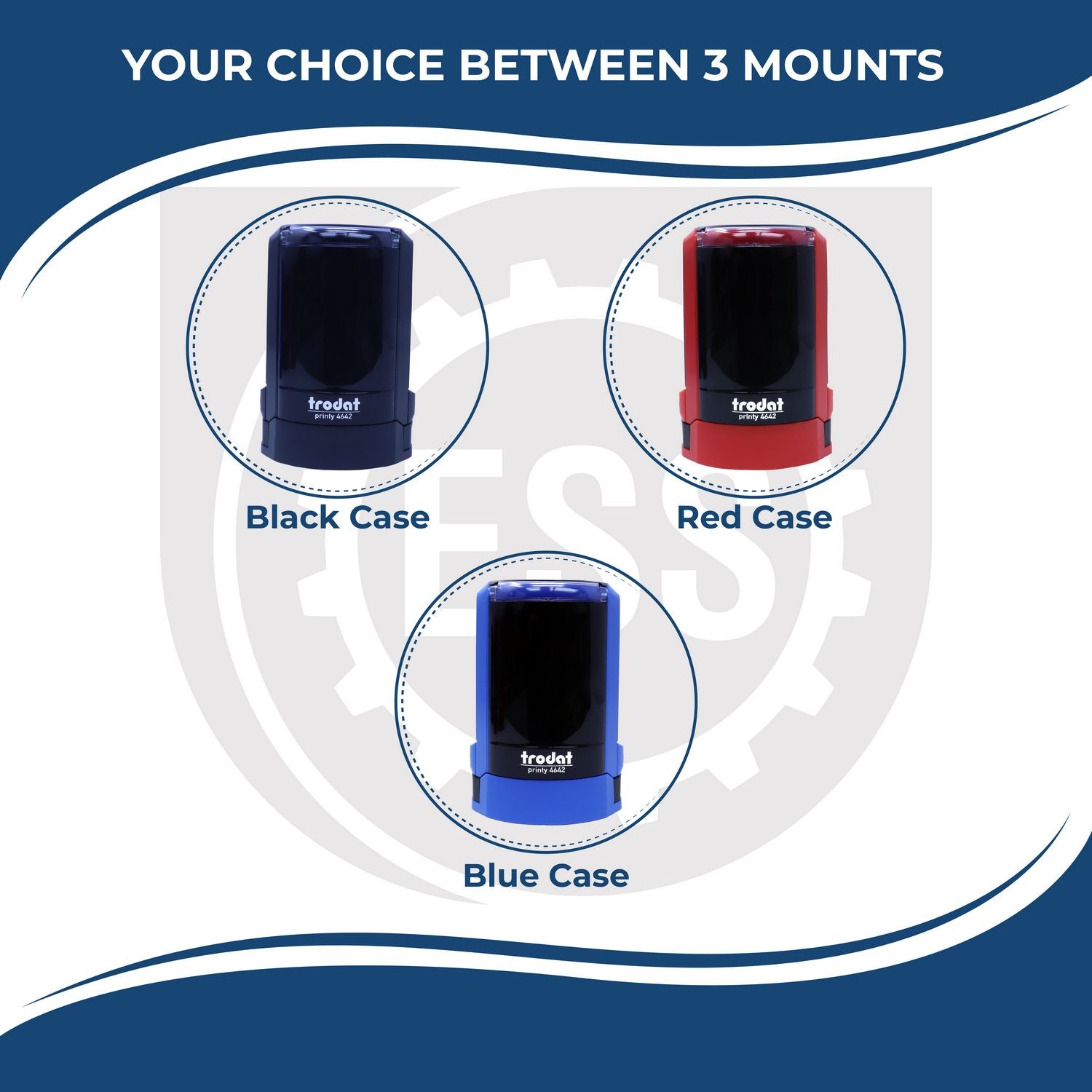
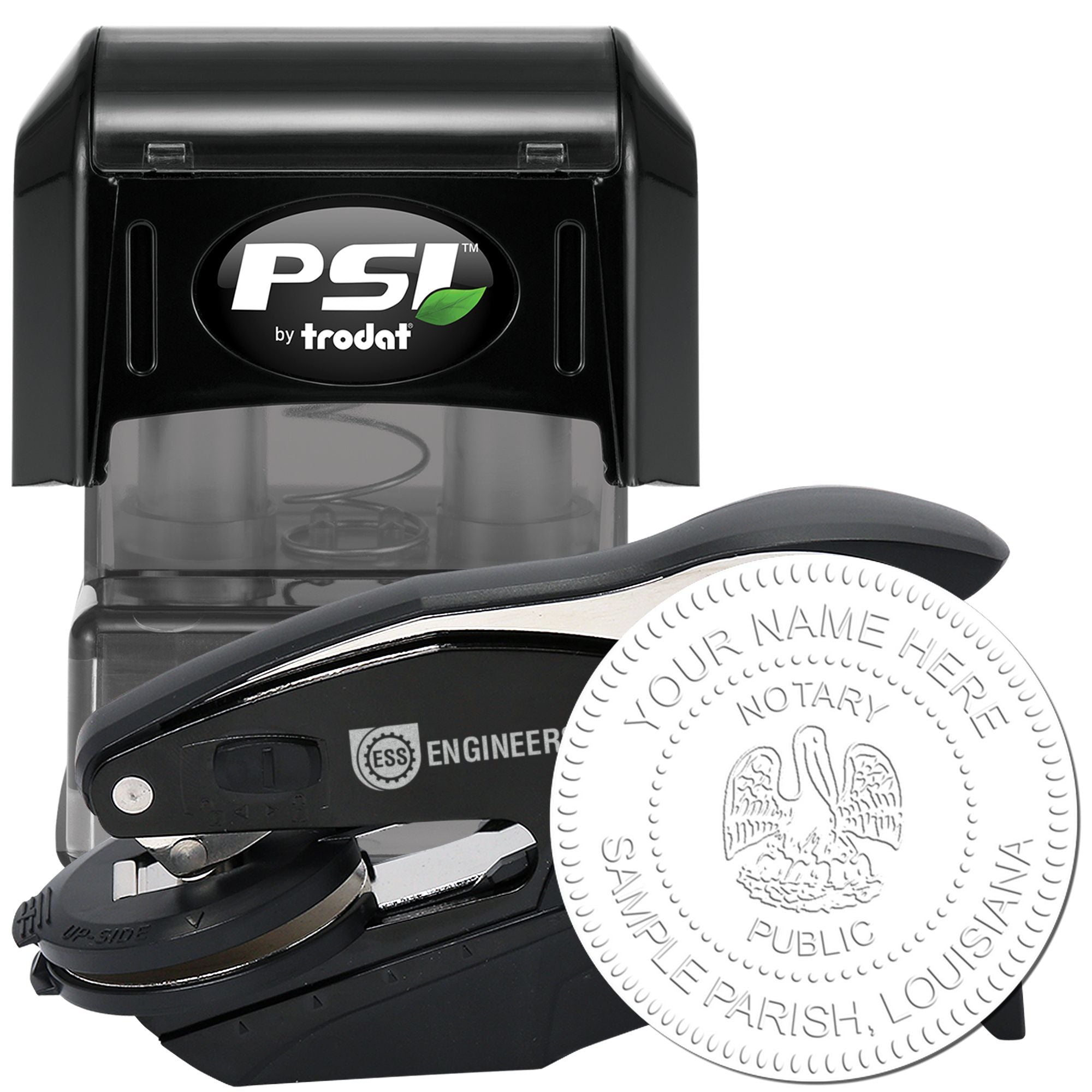

Table: Types Of Notary Seals
| Type Of Seal | Pros | Cons |
|---|---|---|
| Self-Inking Stamp | Fast, convenient impressions. | Ink eventually runs low and needs refilling. |
| Pre-Inked Stamp | Crisp, clear, and clean impressions. | Often more expensive up front. |
| Hand Stamp + Ink Pad | Economical and easy to replace the ink pad. | Can be slightly messy or slower to apply. |
| Embosser | Gives a raised, professional look. | Hard to scan or copy effectively. |
Aim to choose a seal style that fits your routine. If you only notarize occasionally, a straightforward hand stamp might be fine. If you’re in a bustling law office, a higher-end pre-inked stamp or heavy-duty embosser might pay off quickly.
Choose A Trusted Supplier
Selecting a reliable supplier can make the difference between a headache-filled process and a smooth experience. You want a high-quality seal that prints clearly every time and matches all the legal requirements. After all, having to replace a misprint or fix a design error wastes time and money.
Why Engineer Seal Stamps?
Many Louisiana notaries rely on Engineer Seal Stamps for their notary seals and stamps. With more than 60 years of experience, this supplier has built a name for offering:
- Speedy service: They typically ship orders promptly, so you’re not stuck waiting.
- Free electronic stamp: When you purchase a physical seal, you get a digital version at no extra cost. This is huge if you often handle e-docs.
- Compliance expertise: Their team is well-versed in Louisiana’s notary requirements, which lowers your risk of ordering a non-compliant seal.
- Long-lasting materials: From the stamp casing to the rubber die plates, they’re known to stand up to daily use.
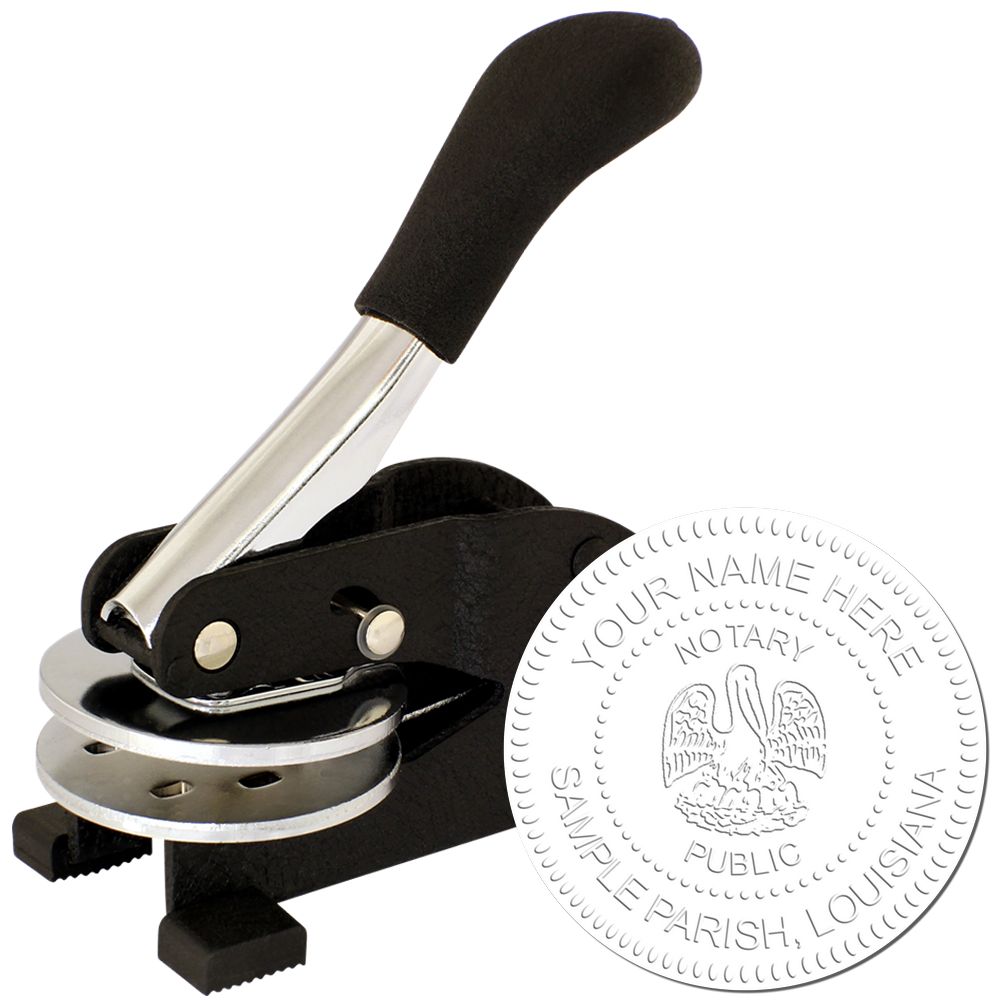
Do you handle multiple types of notarial tasks? Engineer Seal Stamps offers an array of louisiana notary supplies (think record journals, pens, embossers, and more) designed with local regulations in mind. All you have to do is provide your notary information, confirm the layout, and wait for your thoroughly checked product to arrive.



Properly Use Your Notary Seal
Even if you’ve got the perfect seal, you’ll want to double-check your technique when validating documents. That final stamp is often the first thing people look to when verifying a notarized form. Here are a few best practices:
- Position The Document. Place the paper on a firm, flat surface—no distortions or creases.
- Check The Dates. Ensure your notary commission is current. Using an expired commission date can invalidate the notarization.
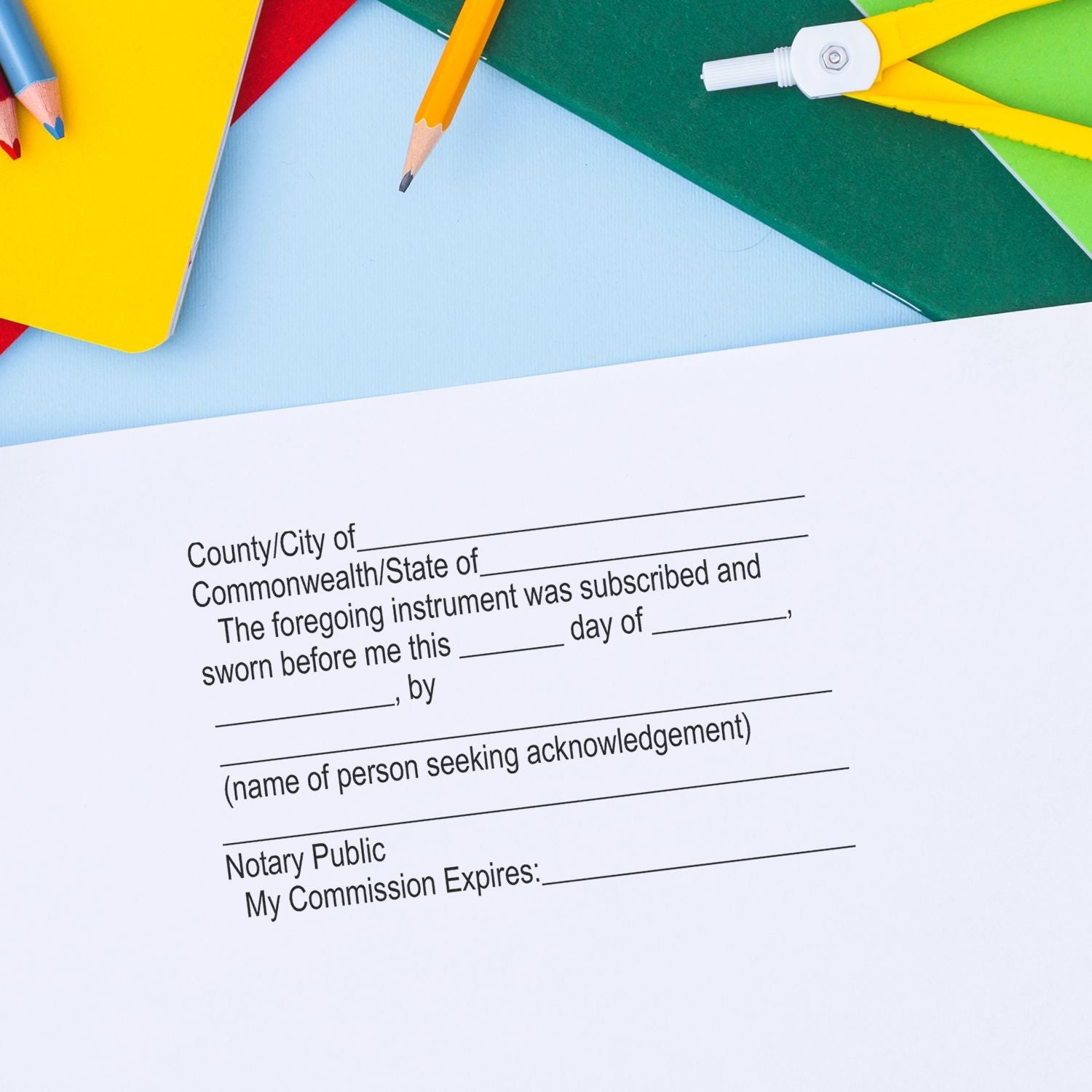
- Apply The Seal. For ink-based seals, press evenly without tilting. For embossers, squeeze firmly enough to make a clear impression without tearing the paper.
- Sign And Date. Confirm that your signature and date are fully visible. This ties the entire act together legally.
- Log It. Enter the details into your notary record book, noting date, type of document, and relevant signers.
Preventing Common Mistakes
No one wants to hear that their notarized document got rejected by an office clerk. To avoid that scenario:
- Don’t place your seal over pre-printed text or lines. The image can become illegible.
- Keep the seal away from your signature, so both remain distinctly readable.
- Always confirm the signer’s identity before stamping—remember your notary responsibilities.
If you feel rushed or uncertain while notarizing for a client, don’t hesitate to slow things down. It’s better to handle it carefully than to fix errors later.
Maintain Compliance And Security
Notary seals are powerful tools, and it’s crucial to treat them that way. You have a legal duty to protect your tools from misuse, which means storing them securely. Otherwise, someone could attempt fraud with your stamp (and that can lead to serious legal trouble).
Safe Storage Tips
- Keep Your Seal Locked Up. A small, fireproof lockbox or cabinet can deter theft.
- Set Risk-Prevention Steps. If you work in an office with multiple notaries, label your seal, or keep it separate, so it’s never mistaken as common property.
- Update If Commission Changes. If your name or commission number changes, get a new seal as soon as possible.
Additionally, you may want to carry professional liability insurance. While not strictly required in all situations, it can come in handy if someone disputes a notarized document down the road. Properly logging every act in your record book, verifying ID thoroughly, and storing your seal responsibly helps maintain your impeccable notary reputation.
Frequently Asked Questions
What Are The Official Requirements For A Notary Seal In Louisiana?
You’ll often need to display your full name and “Notary Public, State of Louisiana” on the seal. There isn’t a single mandated design, but the imprint should be clear and easy to read. The purpose is to confirm your authorization as a commissioned notary.
How Long Does It Take To Get My Seal?
Delivery times vary by supplier. With Engineer Seal Stamps, you can usually expect your notary seal to ship quickly—sometimes within a few business days. Orders tend to arrive faster if you provide accurate commission details from the start.
Can I Use An Electronic Notary Seal?
Louisiana does generally allow electronic notarizations under approved circumstances, though you must still follow the state’s online notarization laws. If you handle e-docs, you’ll benefit from the free electronic stamp included when purchasing from Engineer Seal Stamps. This digital version can be applied within secure online platforms.
How Do I Store My Notary Seal Safely?
A locked drawer, safe, or zippered pouch is a good bet. The aim is to ensure only you—and no one else—can access your seal. This step protects your commission and minimizes the possibility of identity or document fraud.
Where Can I Order My Louisiana Notary Supplies?
If you want a smooth experience with items that meet Louisiana’s guidelines, try Engineer Seal Stamps. They’ve served notaries for over six decades and offer stamps, embossers, record books, and more, along with prompt shipping. You can also browse a variety of reputable suppliers, but be sure they understand local requirements to avoid compliance pitfalls.
Final Thoughts
Putting together the perfect kit for your Louisiana notary work doesn’t have to be overwhelming. Even if you’ve never ordered a specialized seal before, you now know which details to confirm, what types of seals you can choose, and why trusting a reputable provider matters so much. By picking a high-quality product and following a few smart stamping habits, you’ll notarize documents with confidence and efficiency.
Whenever you’re ready to order, consider turning to Engineer Seal Stamps for a seal you can rely on day in and day out. You’ll get quick turnaround times, a free electronic stamp for any digital notarization you might do, and the peace of mind that comes with 60-plus years of expertise in Louisiana notary supplies. In the meantime, stay organized, keep learning, and continue taking pride in delivering trustworthy notarial services across the Pelican State.