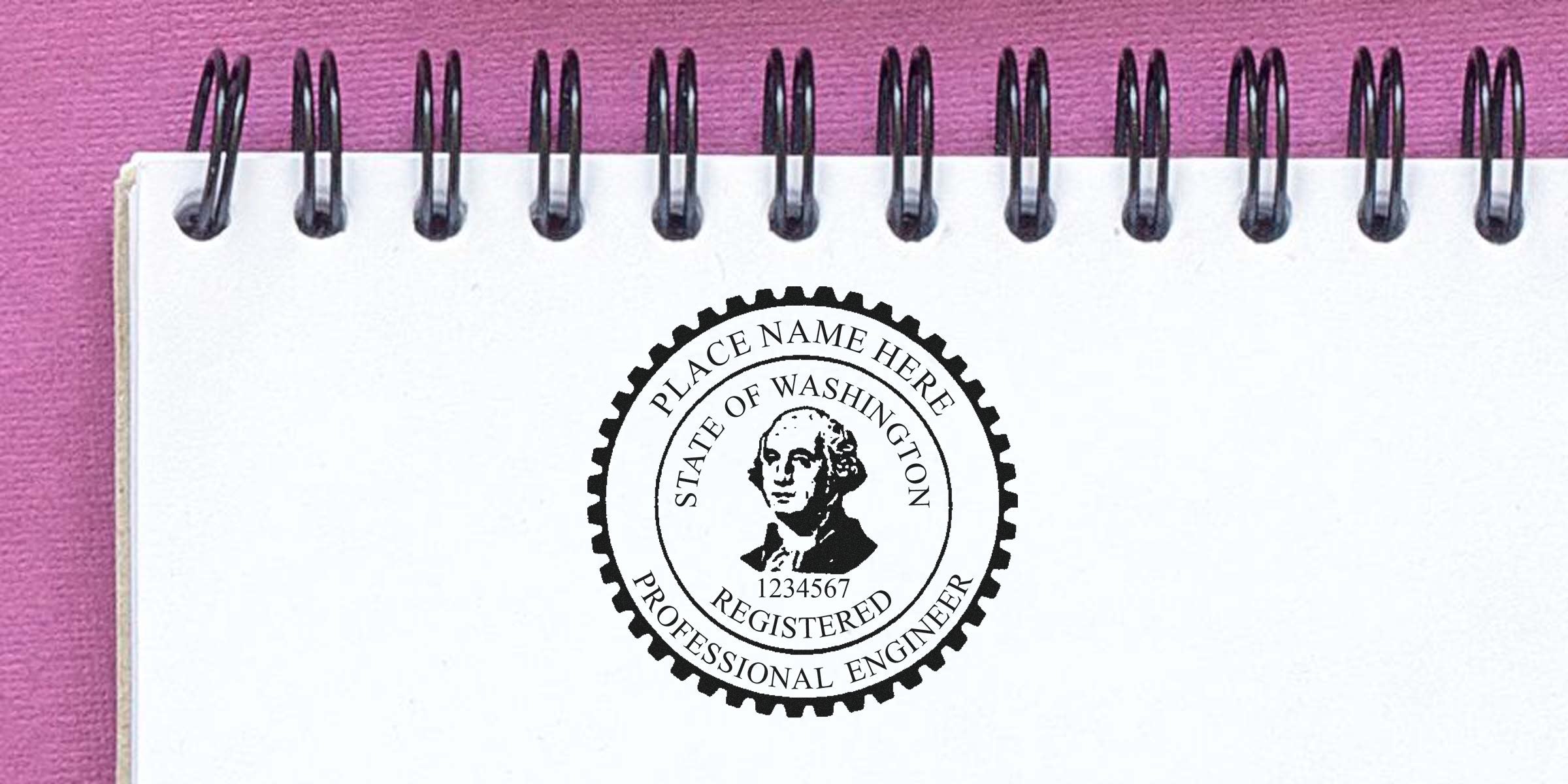
The Multi-State PE Reality: Why Stamp Management Matters
Out of 931,640 total PE licenses in the United States as of 2022, a striking 437,098 are non-resident licenses. Nearly 47% of all PE licenses are held by engineers practicing beyond their home state. Multi-state practice is not the exception; it is the norm.
For every additional state where you hold a license, you are responsible for a separate, state-specific PE stamp, each governed by its own rules, renewal cycle, and format requirements. Using the wrong state's stamp on a project is not a simple paperwork error. It is a violation of law that can trigger disciplinary action across every jurisdiction where you hold a license.
This guide covers how to acquire, organize, track, and protect multiple PE stamps without putting your licenses at risk.
Every State Requires Its Own Separate PE Stamp, No Exceptions
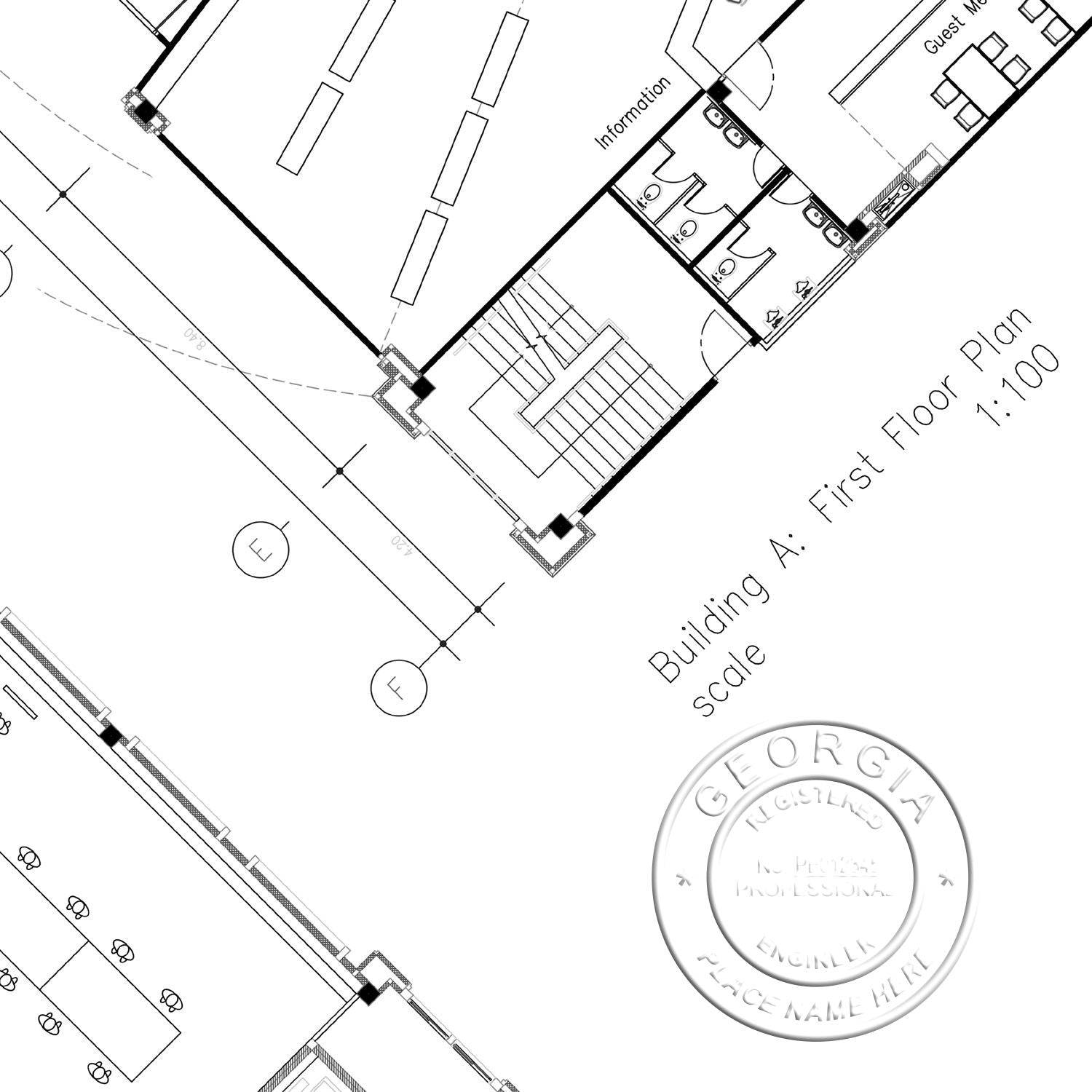
A PE license grants practice rights only in the state that issued it. If you sign or seal documents for a project in another state, you must hold active licensure in that jurisdiction. There is no workaround, and there is no umbrella stamp that covers multiple states.
Each state requires its own state-specific stamp. Using one state's seal on documents submitted in another jurisdiction constitutes a misuse of authority and a legal violation, regardless of whether the engineering work itself is sound.
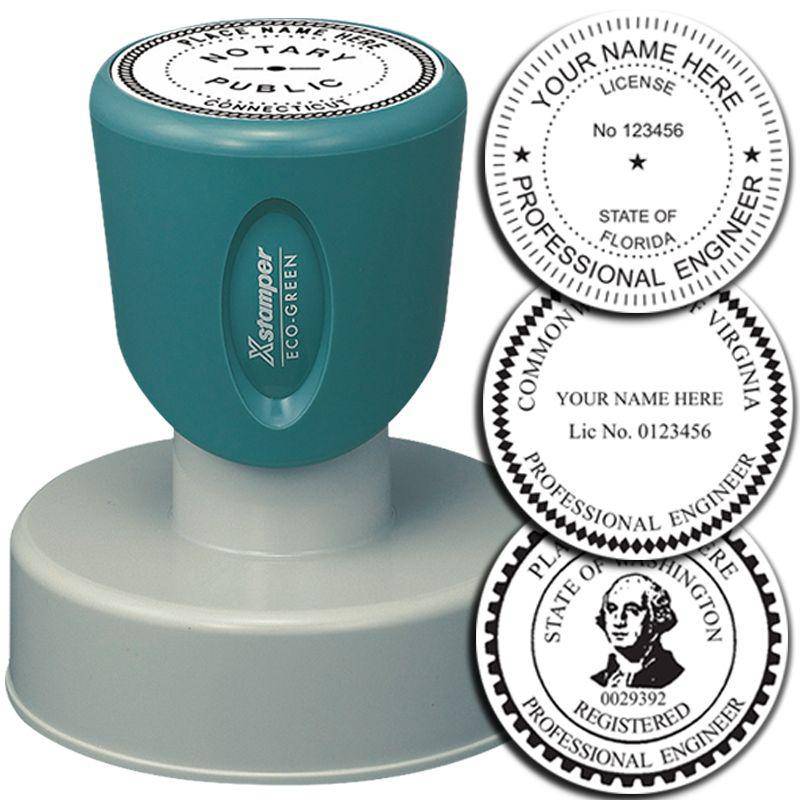
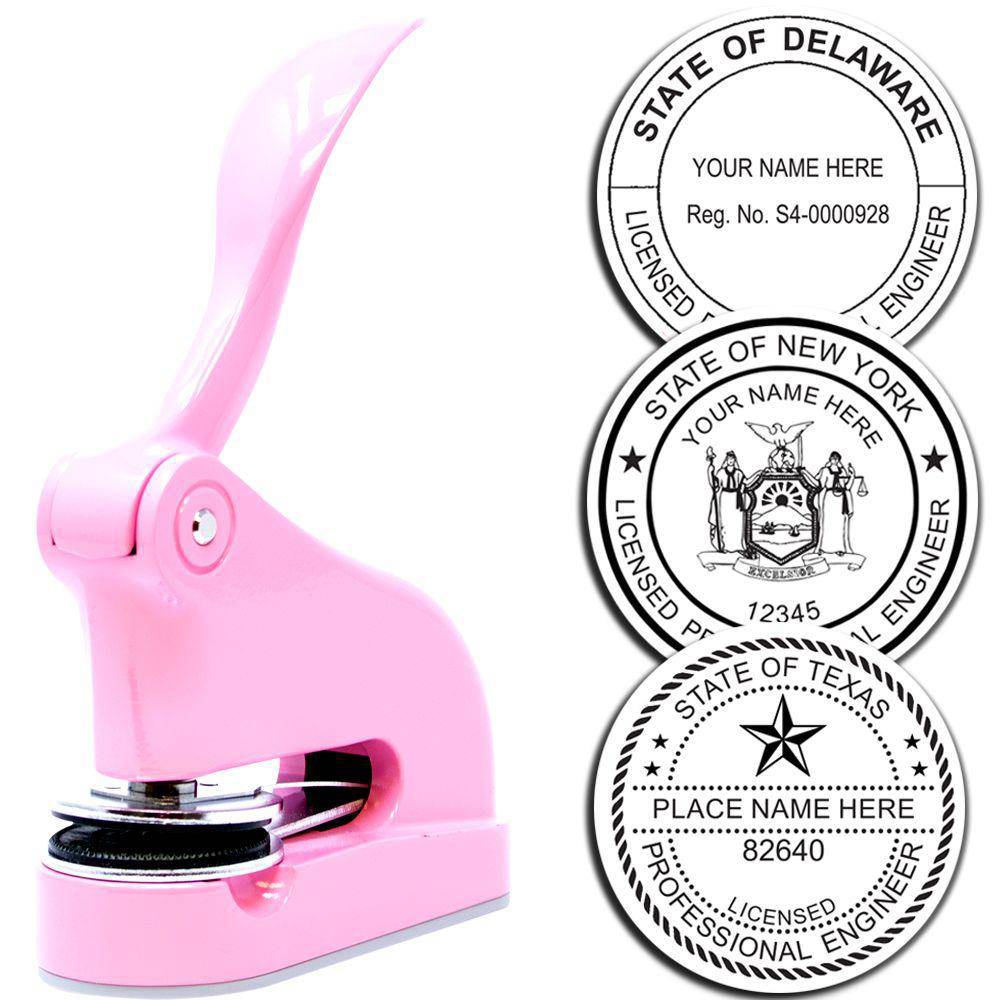
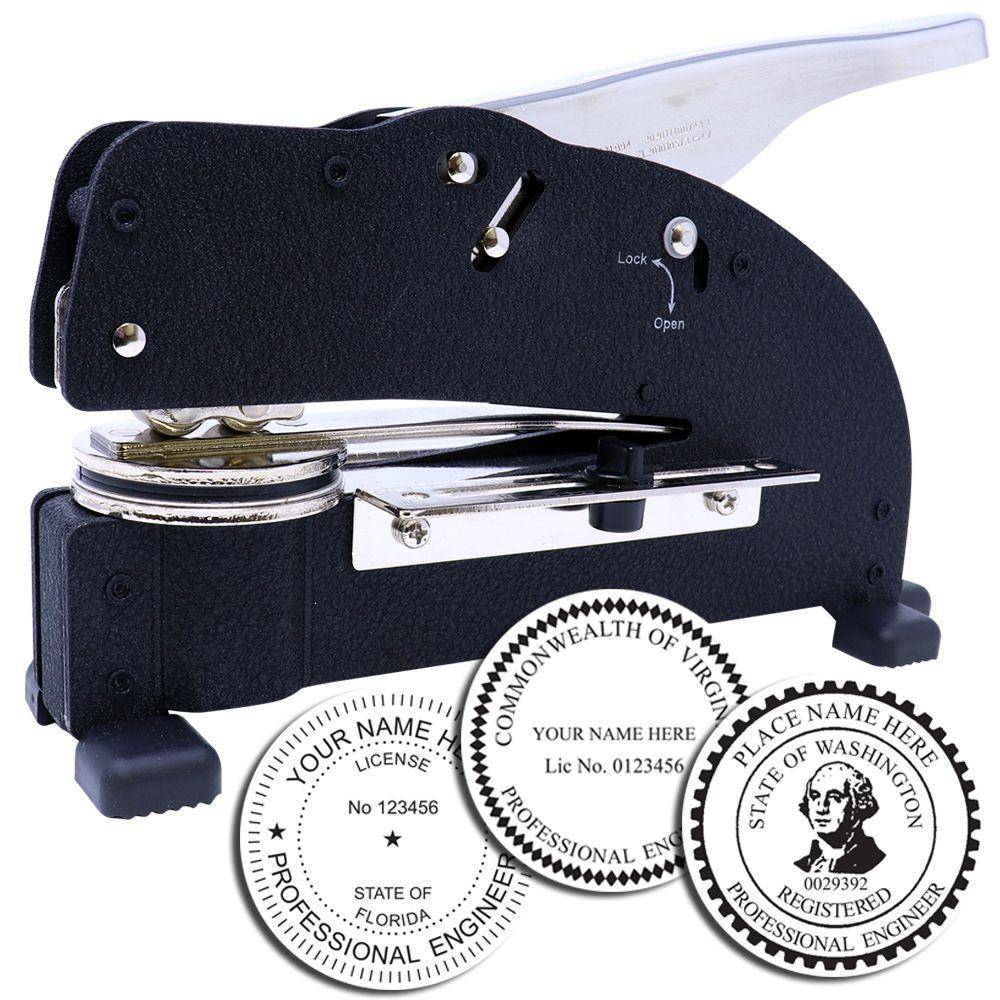
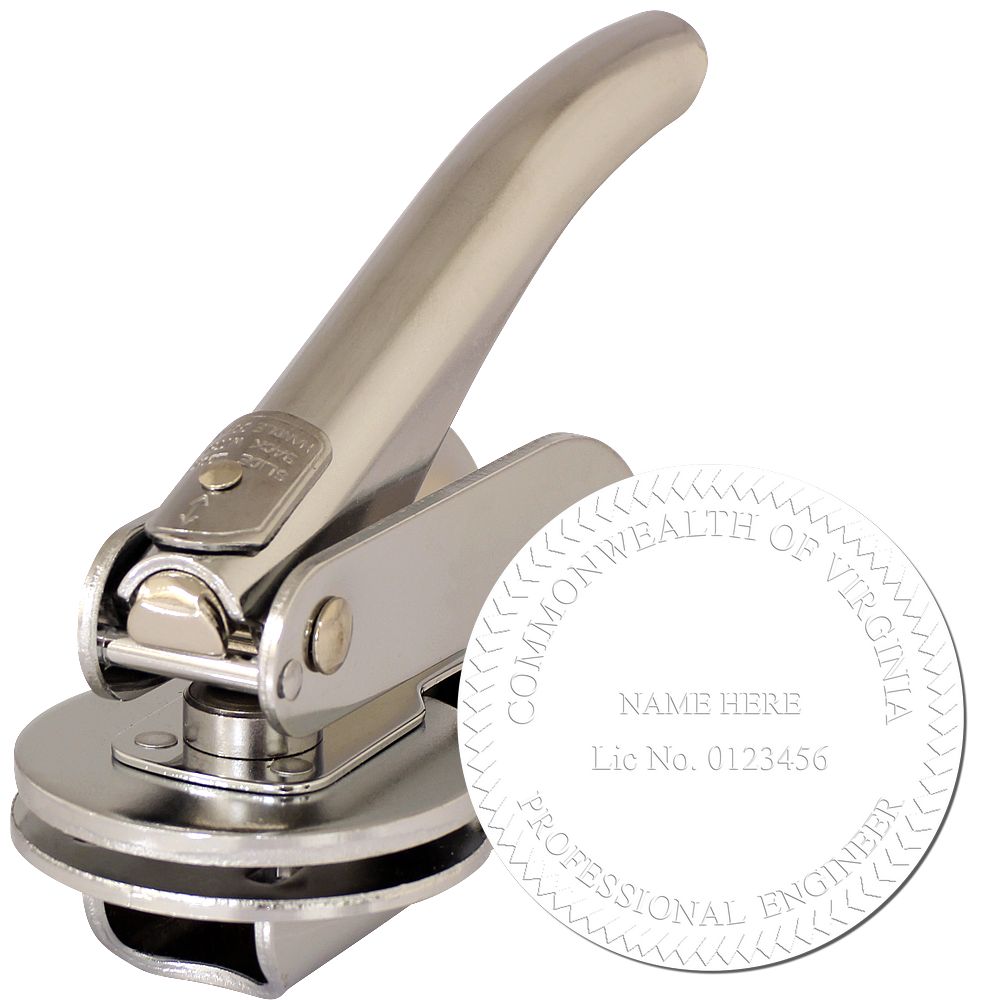
What makes multi-state stamp management particularly demanding is the degree of variation in format requirements from one state to the next. Differences include:
- Stamp type: rubber stamp, embosser, or digital seal
- Diameter and size minimums
- Required wording and layout
- Whether your discipline must be listed
- Whether the license expiration date must appear
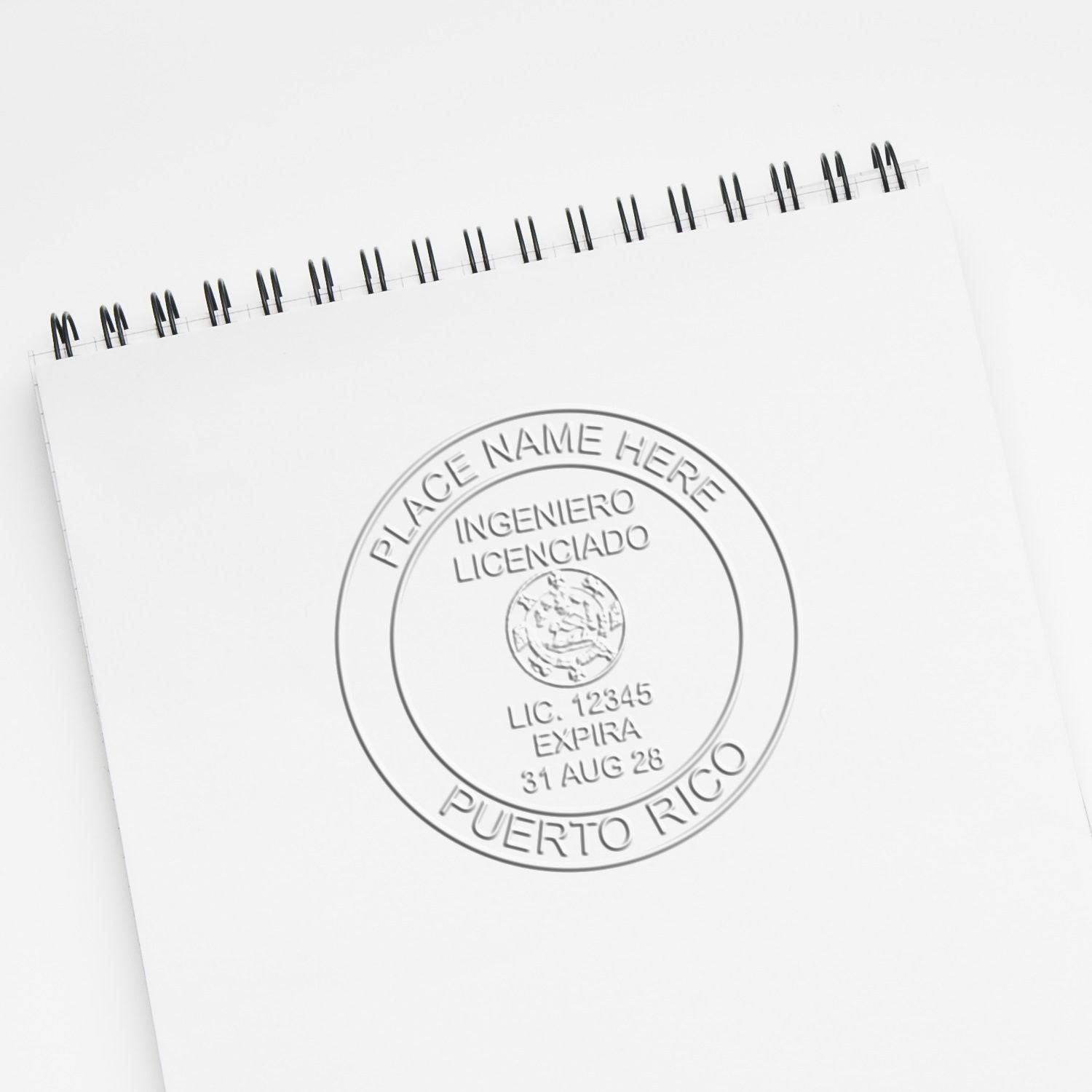
Consider a few concrete examples. New Jersey prohibits rubber stamp seals entirely; engineers there must use embosser-type seals for paper documents. Hawaii and Guam do not accept digital or computer-generated dates and signatures. Washington State only permits the "Structural Engineer" branch designation on stamps, meaning other disciplines such as civil or electrical are not listed.
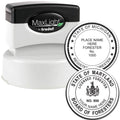
Size requirements also differ significantly. California requires a minimum of 1.5" x 2". Florida requires at least 1-7/8". Maryland requires 1-5/8". Wisconsin allows a range of 1-5/8" to 2".
The practical takeaway: before ordering any stamp, always verify the current requirements directly with the state licensing board. Requirements do change, and an outdated stamp is a non-compliant stamp.
How to Get Licensed and Stamp-Ready in a New State
Most states allow engineers who already hold a PE license in one state to apply for licensure in additional states without retaking the PE exam. This process is known as comity, and it is the primary pathway for multi-state licensure.
It is important to distinguish comity from reciprocity. Reciprocity implies a formal agreement between states to automatically recognize each other's licenses. Comity, by contrast, is a discretionary review of your qualifications by the new state's board. California, for example, offers only comity (not reciprocity) and additionally requires engineers to demonstrate experience with seismic design for certain disciplines.
One critical compliance point: you cannot legally order or use a new state's PE stamp until your license in that state has been officially issued. Ordering a stamp in anticipation of licensure and using it before approval is a violation. Timing matters.
The NCEES Records Program is an invaluable tool for engineers pursuing multi-state licensure. It consolidates your academic transcripts, exam results, employment history, and professional references into a single verified record, eliminating the need to resubmit the same documentation for every new state application. Six states (Georgia, Kentucky, Massachusetts, Puerto Rico, Rhode Island, and Wyoming) require an NCEES Record before you can even apply for comity.
The fee structure is straightforward: $175 for the first comity transmittal and $100 for each subsequent state. For engineers planning to practice across multiple jurisdictions, this is a worthwhile investment that accelerates the application process considerably.
Once your licensure is confirmed, order your state-specific stamp promptly from a supplier that guarantees compliance with that state board's requirements. Delays in stamp procurement mean delays in your ability to seal documents and begin work.
Building a Practical PE Stamp Management System
When you hold licenses in three, five, or ten or more states, a haphazard approach to stamp storage is a liability. Each stamp should be stored in a dedicated, clearly labeled compartment or organizer so it is immediately identifiable by state. Under deadline pressure, grabbing the wrong stamp is an easy mistake with serious consequences.
Beyond physical organization, create a master compliance spreadsheet or digital tracker that lists each state alongside your license number, expiration date, continuing education (PDH) requirements, renewal cycle, and stamp format specifications. This single document becomes your command center for multi-state compliance.
Build a renewal calendar with alerts. Each state operates on its own renewal cycle with different continuing education requirements. Missing a renewal renders your stamp invalid in that state, and using it after expiration exposes you to disciplinary action. With the total U.S. engineering workforce at approximately 1.6 million (per the Bureau of Labor Statistics, 2024) and the profession growing faster than the national average, state boards are actively enforcing compliance.
When to Reorder
A stamp must be updated whenever your license number changes, your name changes, or a state board revises its seal requirements. Do not continue using an outdated stamp under any circumstances.
Lost or Stolen Stamps
If a stamp is lost or stolen, report the incident to the relevant state board immediately, document what happened, and order a replacement. The risk of an unauthorized person using your seal is a liability concern that is uniquely amplified for multi-state PEs. A single compromised stamp could trigger inquiries across every state where you hold a license.
Finally, budget for multi-state stamp costs as part of your practice overhead. Factor in initial stamp procurement, replacement stamps, and renewal-triggered reorders across all states. This is a cost of doing business as a multi-state PE, not an afterthought.
The Disciplinary Risks Multi-State PEs Must Not Ignore
The most common PE disciplinary actions are administrative, not technical. Expired licenses, wrong-state seals, and missed disclosures account for a significant share of enforcement actions. It is not bad engineering that ends careers; it is bad record-keeping.
The financial penalties are real. In New Jersey, recent PE disciplinary fines have ranged from $500 to $2,500. In Maryland, where unlicensed practice (often due to lapsed licenses) accounted for nearly half of all reviewed cases, fines typically range from $500 to $1,500. Pennsylvania has imposed civil penalties of $1,600 to $2,100 on engineers who continued to seal or submit work while their license was inactive. Oregon has fined engineers up to $6,000 for working with expired or inactive licenses.
What makes multi-state practice especially high-stakes is the cross-state disciplinary disclosure obligation. Engineers licensed in multiple states are required to disclose any disciplinary action taken by one jurisdiction to every other state where they hold a license. Failure to report, regardless of the severity of the original offense, can result in suspension, probation, or revocation.
This disclosure obligation applies even to stamp-related violations. Using the wrong state's seal or stamping while a license is lapsed can trigger a cascade of disciplinary reviews across all your states. There is no such thing as a trivial sealing error for a multi-state PE.
Practical protection comes down to three principles: maintain a current, accurate compliance tracker; never use a stamp if you have any doubt about your license status in that state; and consult your state board or legal counsel immediately if a violation occurs.
Why Your Stamp Supplier Matters for Multi-State Compliance
Not all stamp suppliers understand state board requirements. A generic stamp that does not meet a specific state's wording, size, or format rules is non-compliant, regardless of how professional it looks. For multi-state PEs, this risk compounds with every additional jurisdiction.
Engineer Seal Stamps specializes exclusively in PE seals and stamps, with state-specific compliance built into every product. Each stamp is designed to meet the exact requirements of the issuing state's licensing board, backed by a state board compliance guarantee so you can order with confidence. Our quick shipment turnaround means you can have a compliant stamp in hand promptly after receiving new state licensure. When you are managing stamps across multiple states, working with a single trusted supplier who understands multi-state compliance reduces errors, saves time, and simplifies reordering when renewals or name changes require updated stamps.
Stay Organized, Stay Licensed
The framework is straightforward: one license per state, one state-specific stamp per state, one organized system to track them all. The complexity lies in execution, and the consequences of falling short are real.
Administrative oversights, not engineering errors, are what put multi-state PE careers at risk. The engineers who avoid trouble are the ones who treat stamp management with the same rigor they apply to their technical work.
Start today. Audit your current stamp inventory against each state's current requirements. Build or update your compliance tracker. Replace any stamp that is outdated, non-compliant, or unaccounted for. And when you need state-specific, board-compliant PE stamps with fast shipping and expert guidance, Engineer Seal Stamps is here to help you stay compliant across every jurisdiction where you practice.