
You’re a Michigan notary public, which means keeping your paperwork accurate and securing your client’s trust. But how do you ensure you’ve got every essential piece in place? One of the most important steps is finding the right Michigan notary supply for your day-to-day tasks, so you can handle every notarization with ease and confidence. Whether you’re notarizing a simple affidavit or guiding a client through a more complex legal document, having reliable tools saves you time, prevents errors, and helps maintain compliance with Michigan laws. In this article, we’ll explore the must-have supplies you need, how to choose them, and tips for organizing your practice to stay on top of official duties.
Recognize Michigan Notary Responsibilities
Before diving into specific tools, it’s important to understand your core responsibilities. As a notary public in Michigan, you serve as an impartial witness to the signing of documents, verifying the identity of signers and ensuring that each step follows proper legal requirements. This might sound straightforward, but in practice, it requires attention to detail, record-keeping, and a thorough knowledge of state guidelines.
- You’re expected to confirm the signer’s identity and willingness to sign the document.
- You must keep accurate records of each notarization you perform.
- You should understand Michigan law on notarial acts, including how to properly stamp or seal documents.
- You’re trusted to maintain confidentiality, protecting your clients’ sensitive information.
By meeting these responsibilities, you help prevent fraud, promote trust in legal transactions, and support the integrity of official paperwork. To fulfill your duties properly, you’ll need the right supplies on hand. After all, it’s easier to focus on guiding clients when you know you’re equipped with everything from the right stamp or seal to a well-organized notary journal.
Gather the Core Supplies
When you think about your role as a Michigan notary, the words “stamp” and “seal” probably jump to the forefront. But the full list of must-have items extends beyond those two. You’ll also need a notary journal (or similar record of acts), reliable pens, validation stickers or certificates if required, and a secure way to store your equipment. Every piece has a role in helping you carry out notarizations quickly and correctly.
Basic Items for a Successful Setup
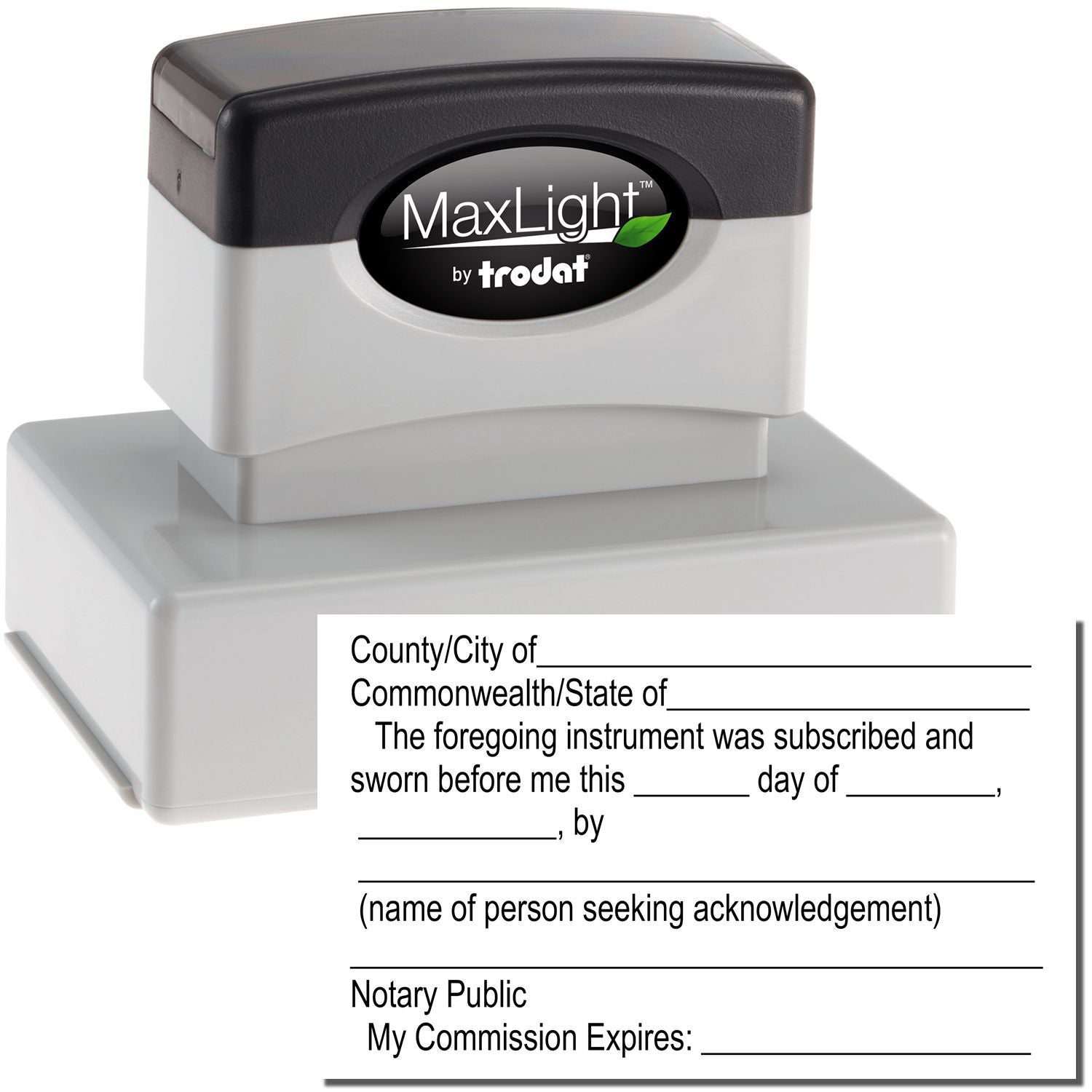
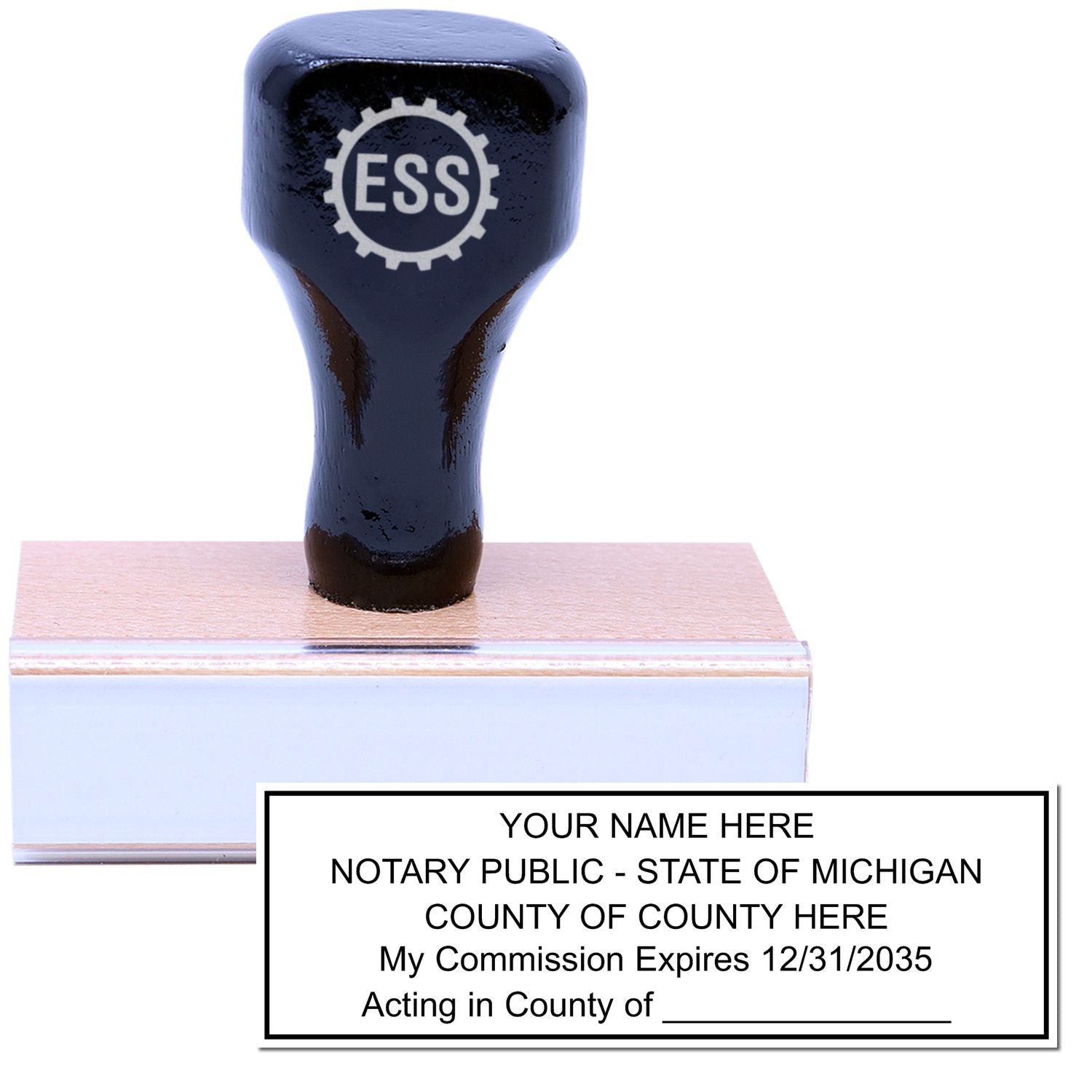
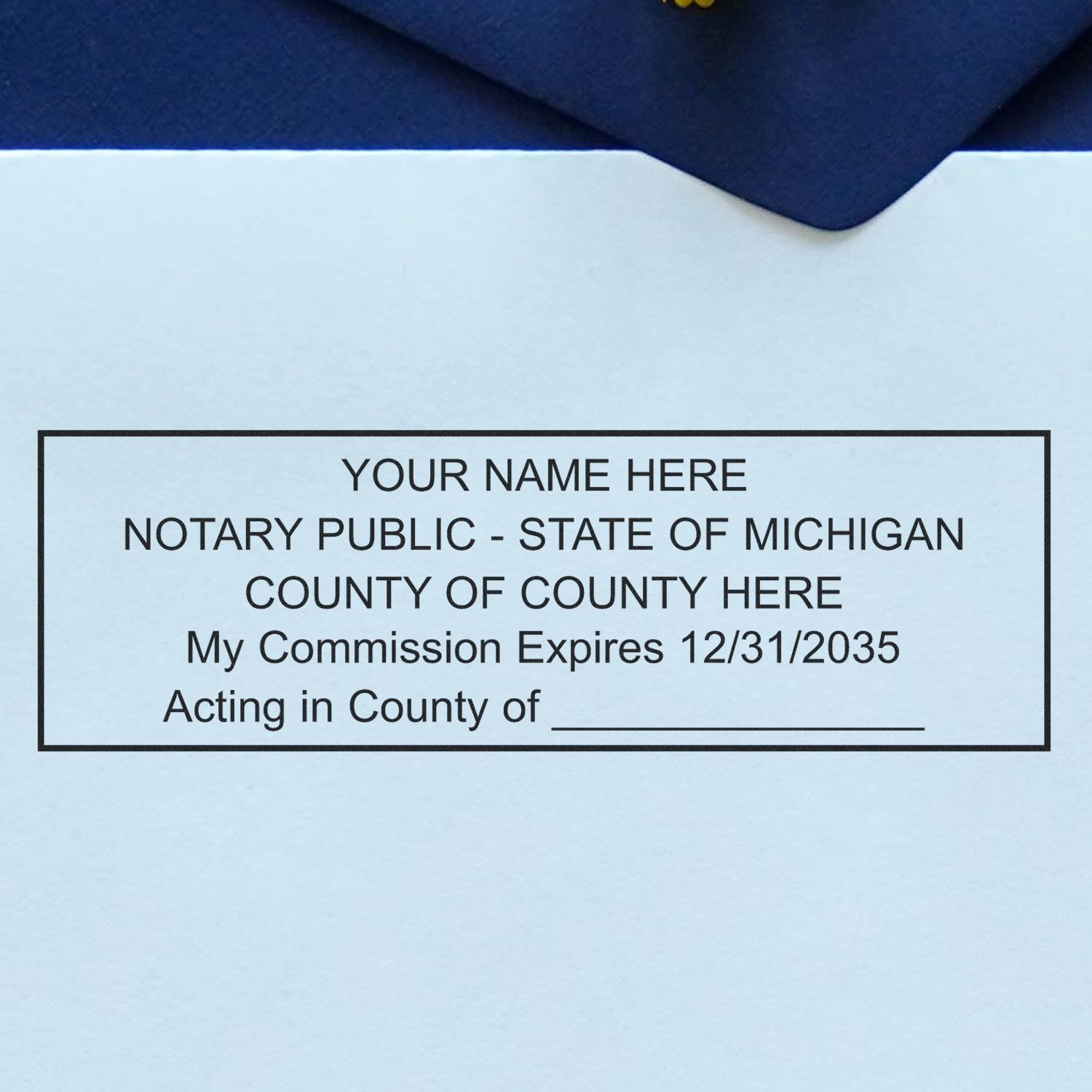
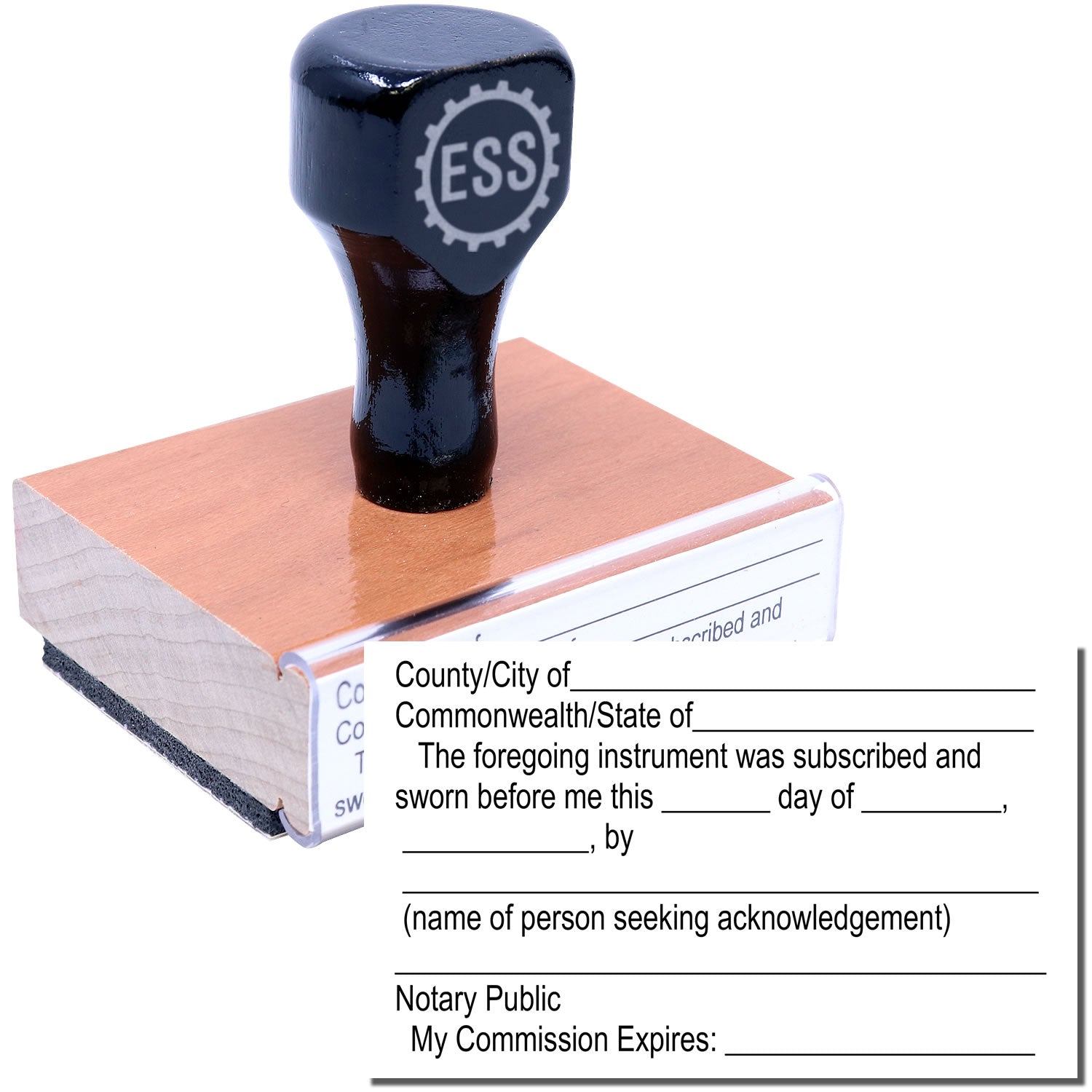
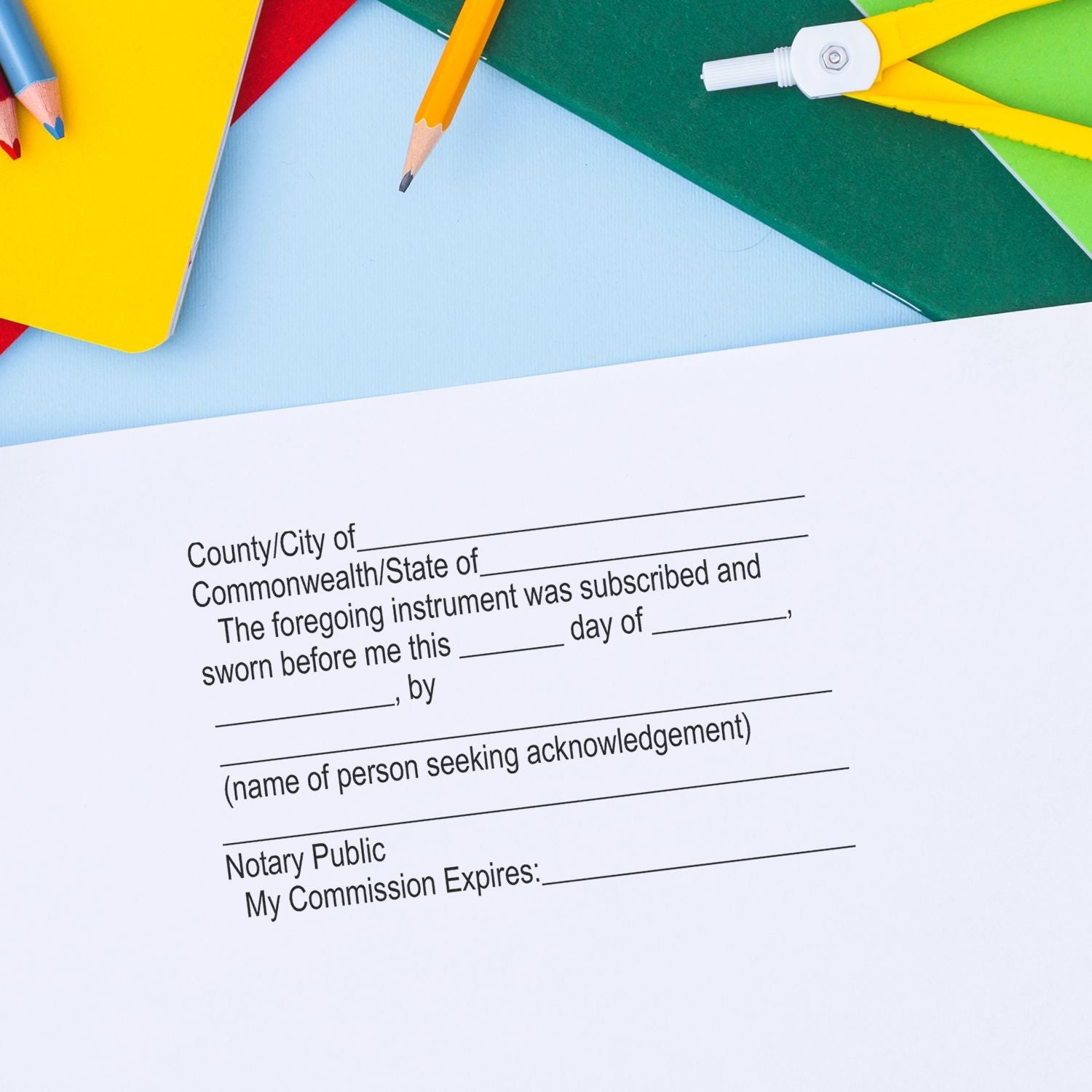
- Notary Stamp: Usually required by Michigan law to authenticate documents.
- Notary Seal (Embosser): Offers a distinctive raised imprint on paper documents (not always mandatory, but often useful).
- Notary Journal: This record helps you track essential details, such as signer names, document types, and dates.
- Secure Storage: A locked drawer or bag to keep your seal, stamp, and extra ink or embossing plates safe from misuse.
Why You Need Them All
It might be tempting to skip something like a notary journal if you think your memory is up to the task. However, detailed records help you avoid disputes about when and how a notarization occurred. The key takeaway is that each piece complements the others, ensuring you’re covered from every angle and can smoothly guide each client through the signing process.
Choose a Quality Notary Stamp
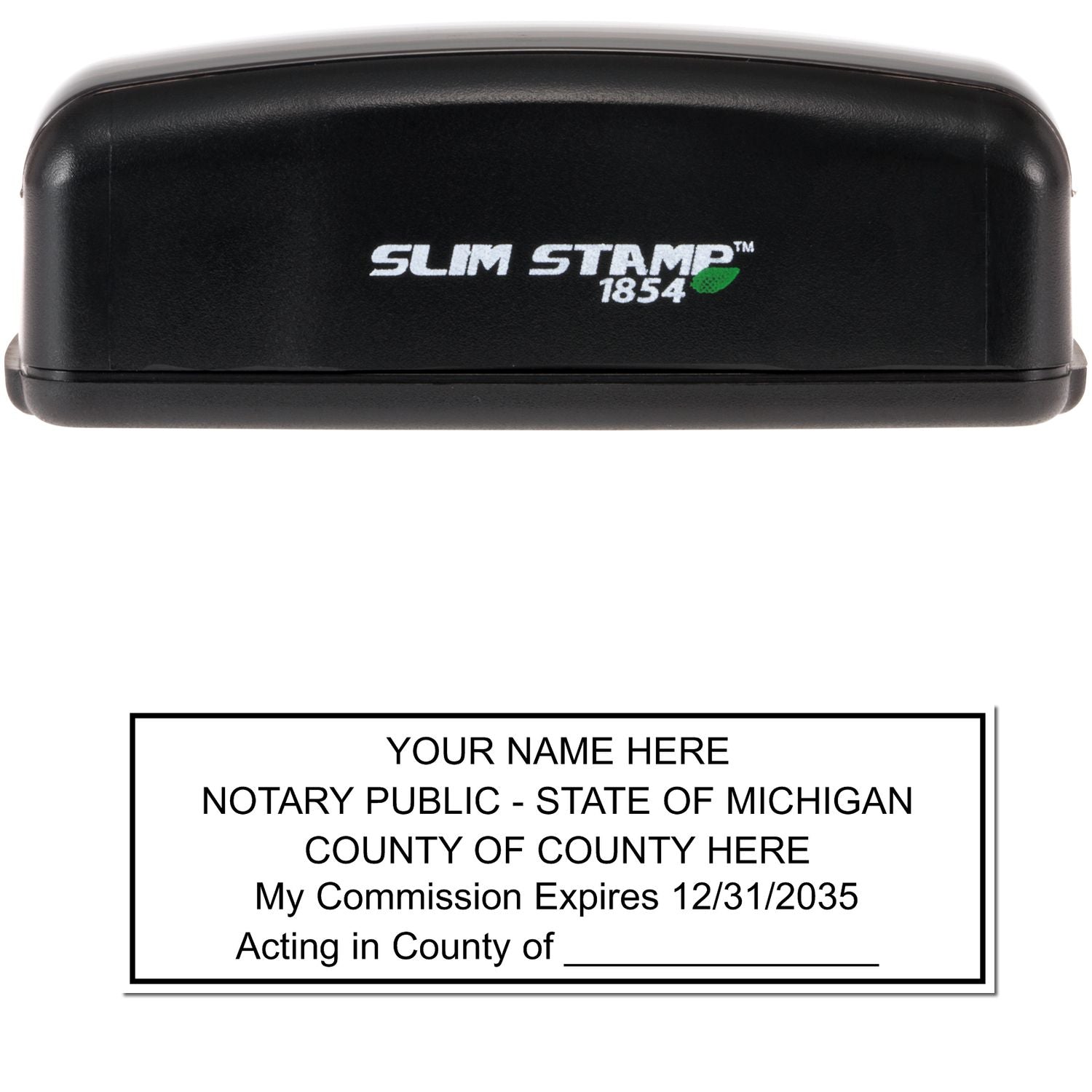
Your notary stamp is a big deal. Without it, your notarizations won’t meet Michigan’s legal standards, and your documents could be considered incomplete. That’s why selecting a dependable, high-quality stamp from a trusted provider is crucial. You’ll want ink that doesn’t smudge or fade, a stamp body that feels comfortable in your hand, and a design that meets Michigan’s requirements on what the imprint should include.
Key Features to Look For
- Durable Construction: Plastic or metal frames that can handle daily use without breaking.
- Crisp Imprint: Ink consistency matters, so you get a clear stamp every time.
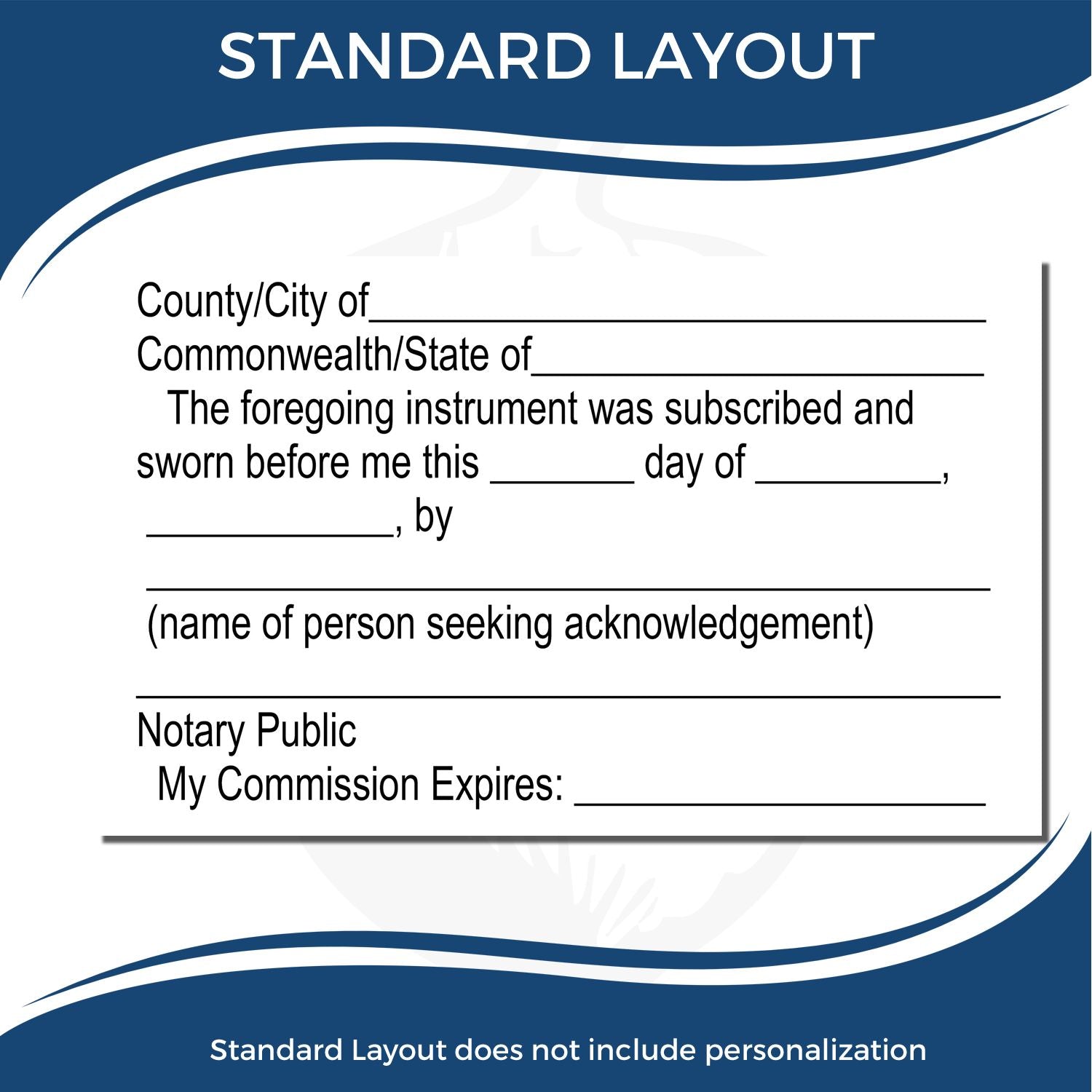
- Correct Information: Michigan law often dictates that your stamp show your name, “Notary Public,” the state, and possibly other details. Always confirm current rules.
- Ease of Re-Inking: Stamps will inevitably run out of ink, so it’s handy if you can re-ink them instead of buying an entirely new one.
Self-Inking vs. Pre-Inked
Two common styles of notary stamps are self-inking and pre-inked:
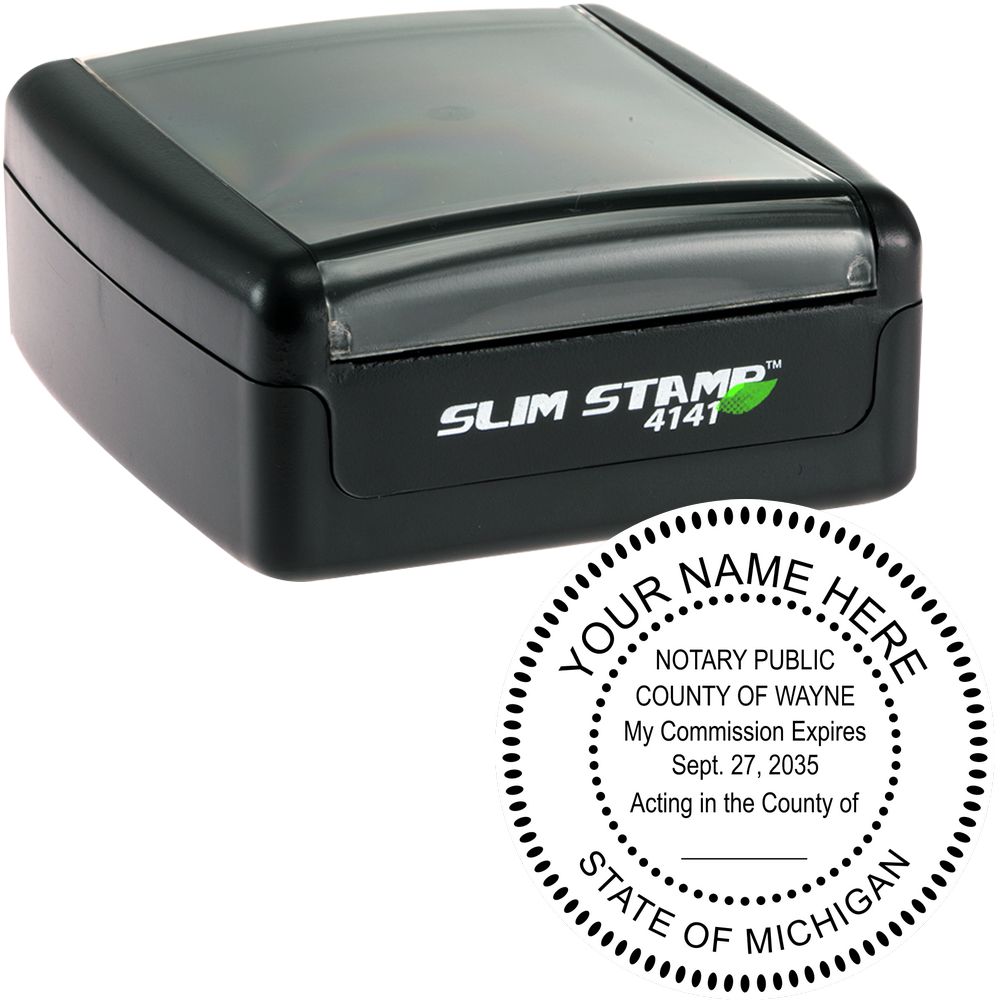
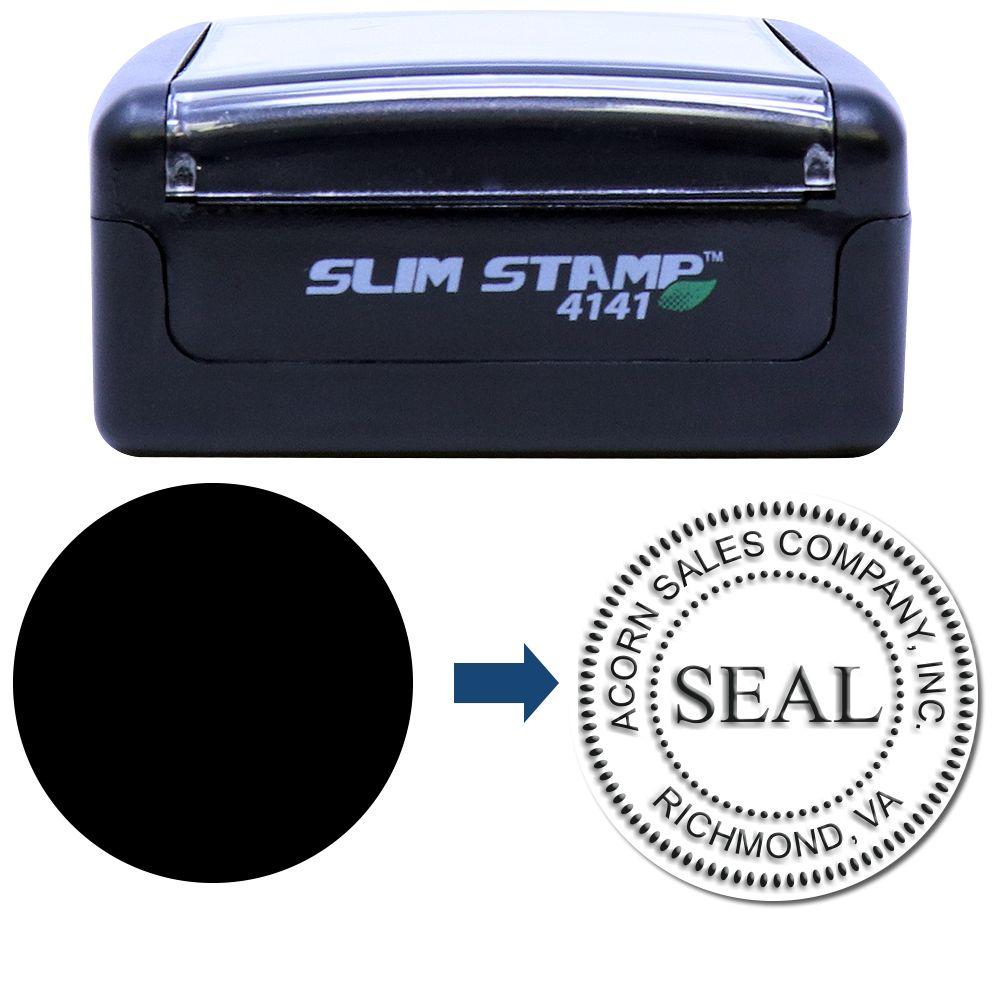
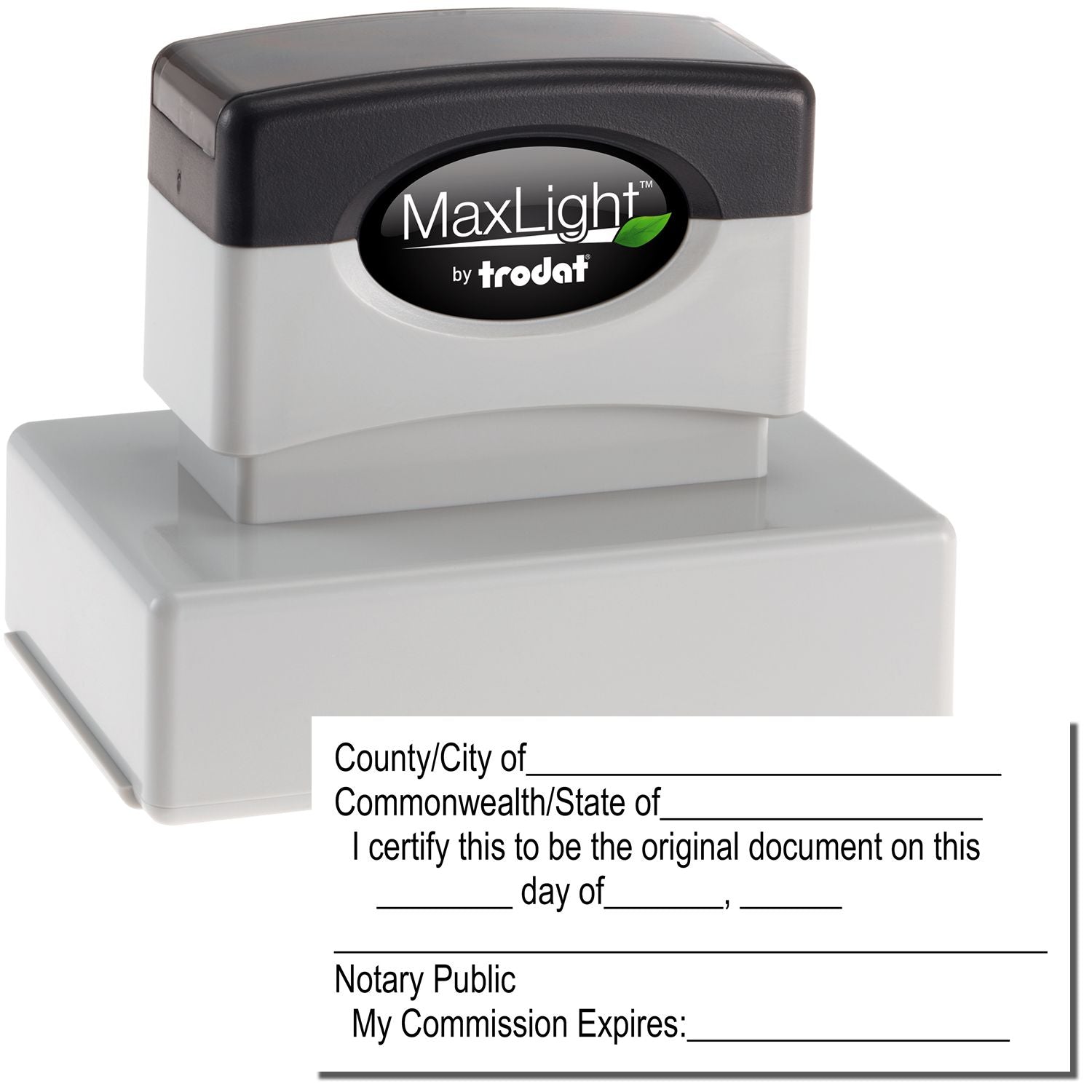
- Self-Inking: Has an internal ink pad. Every time you press down, the rubber text plate meets the ink pad, creating a quick imprint. These are quick, reliable, and often come in different ink colors.
- Pre-Inked: Features a built-in reservoir of ink in the stamp’s rubber. They offer sharper impressions and can last thousands of impressions before re-inking, though they can be slightly more expensive upfront.
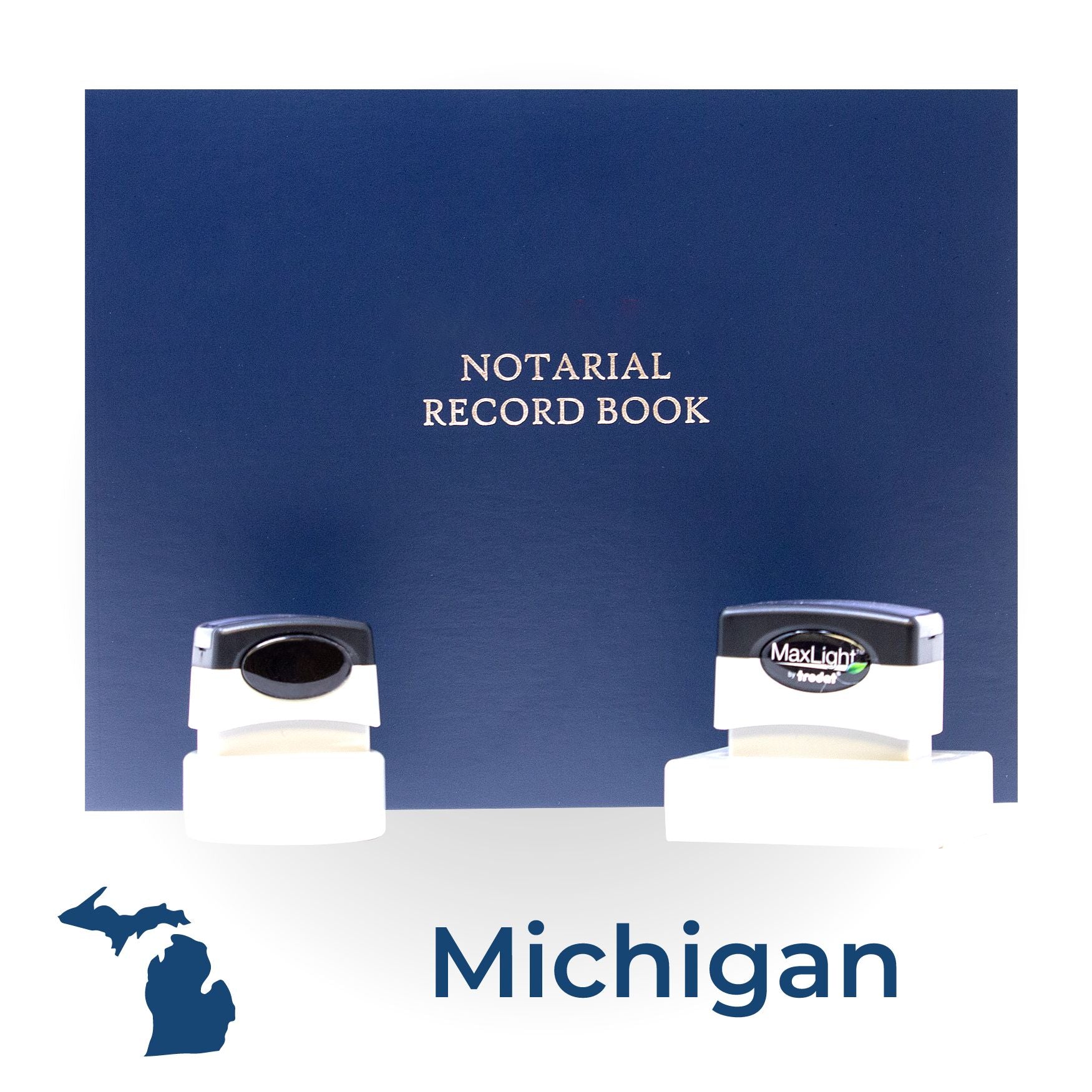

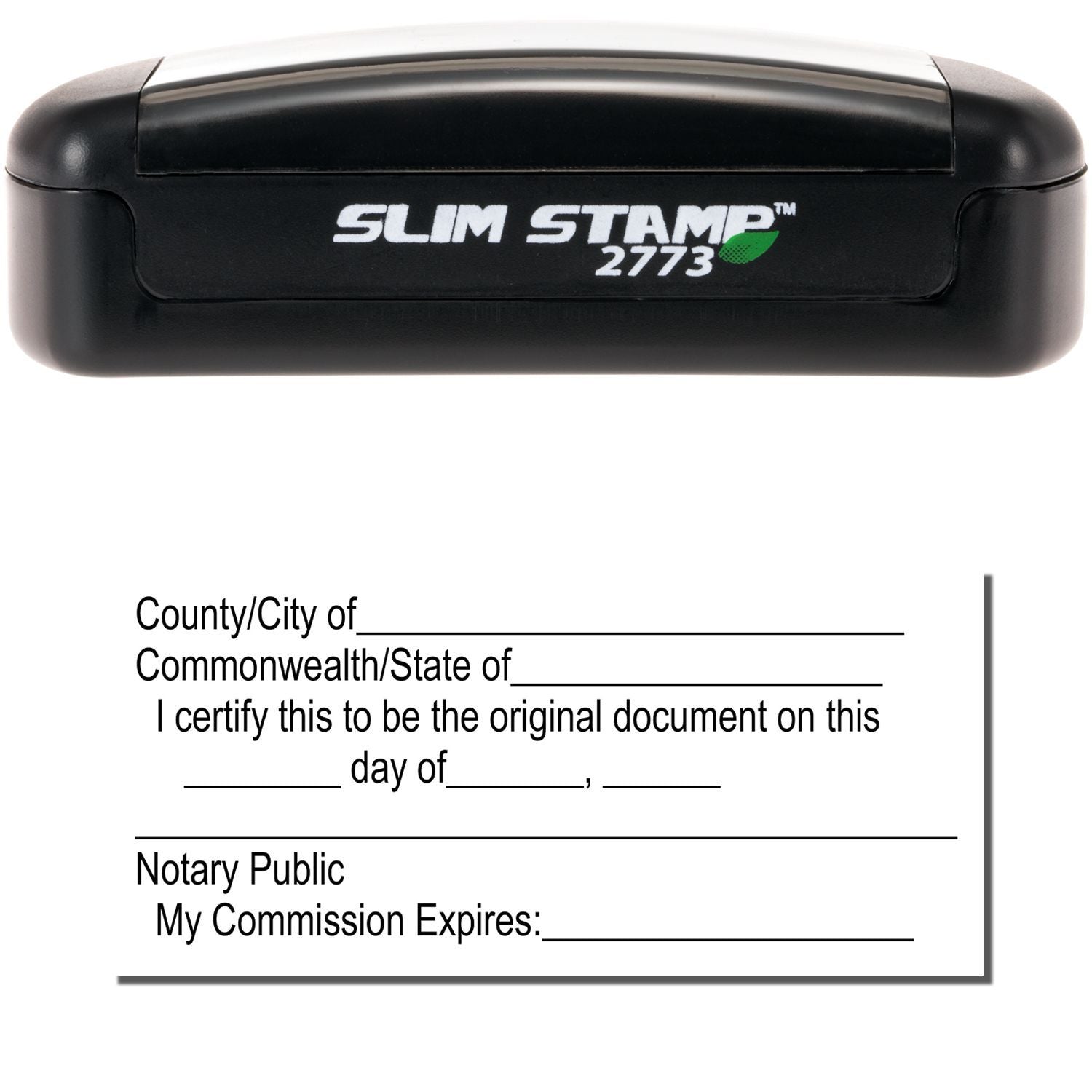

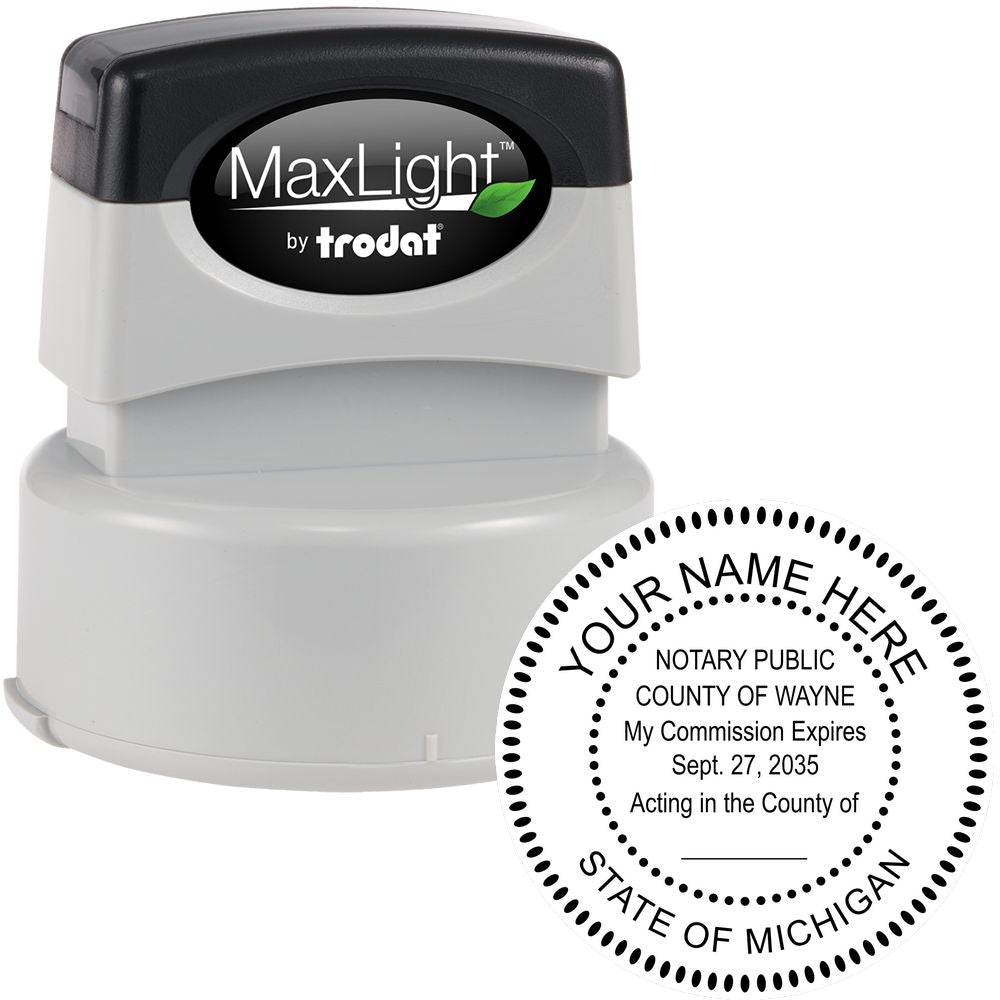

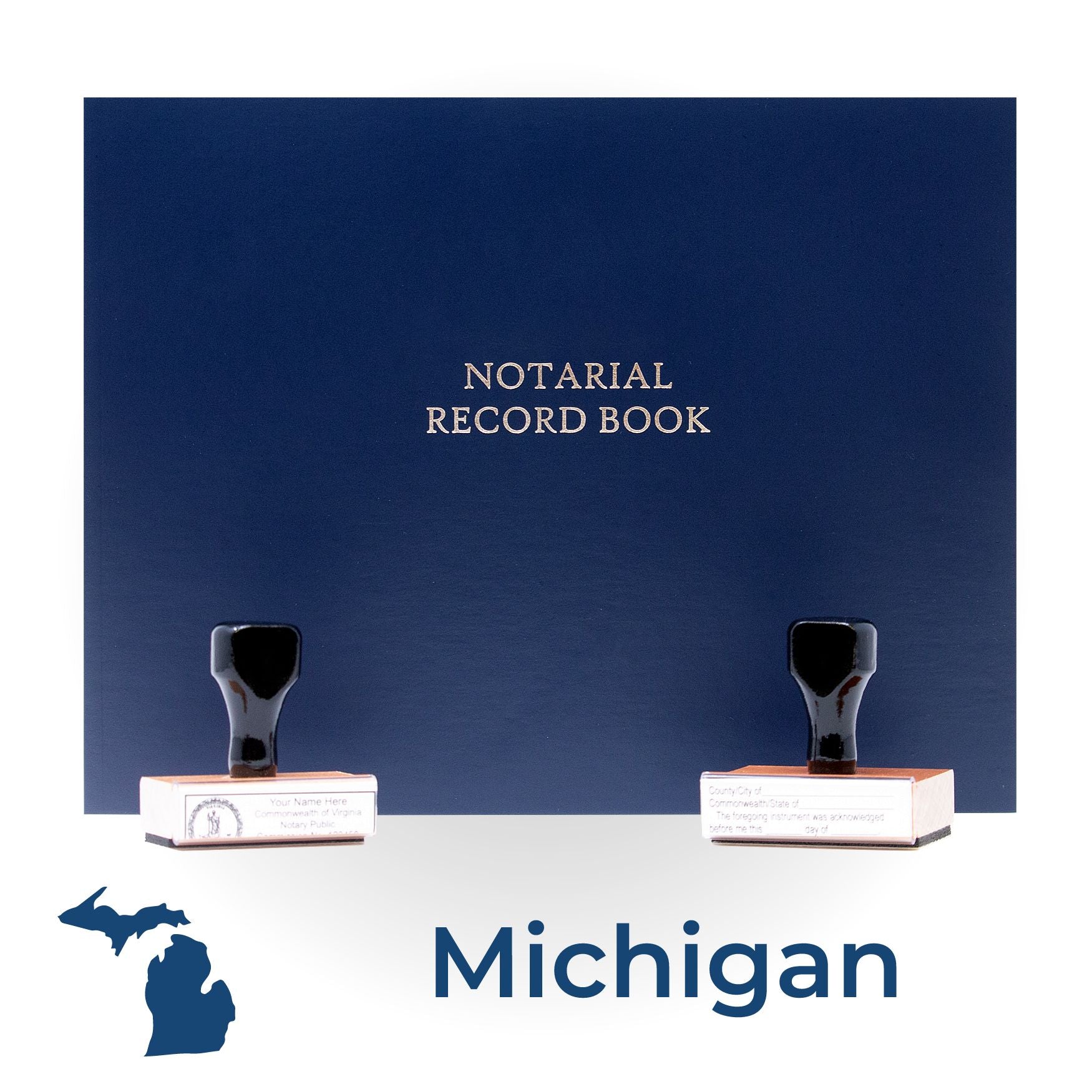
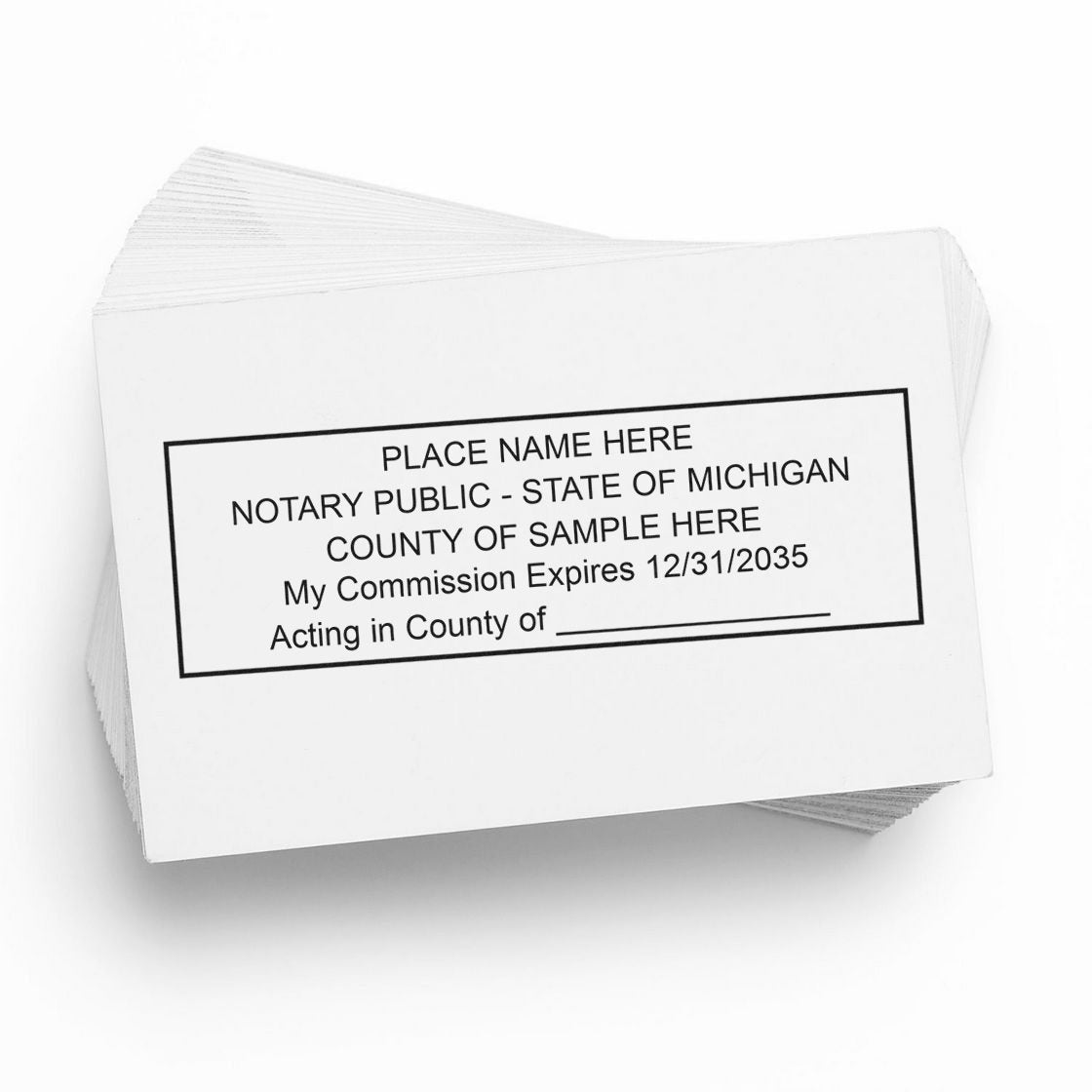
No matter which style you choose, make sure it aligns with Michigan legal standards and fits well with your day-to-day notarizing routine.
Pick a Secure Notary Seal
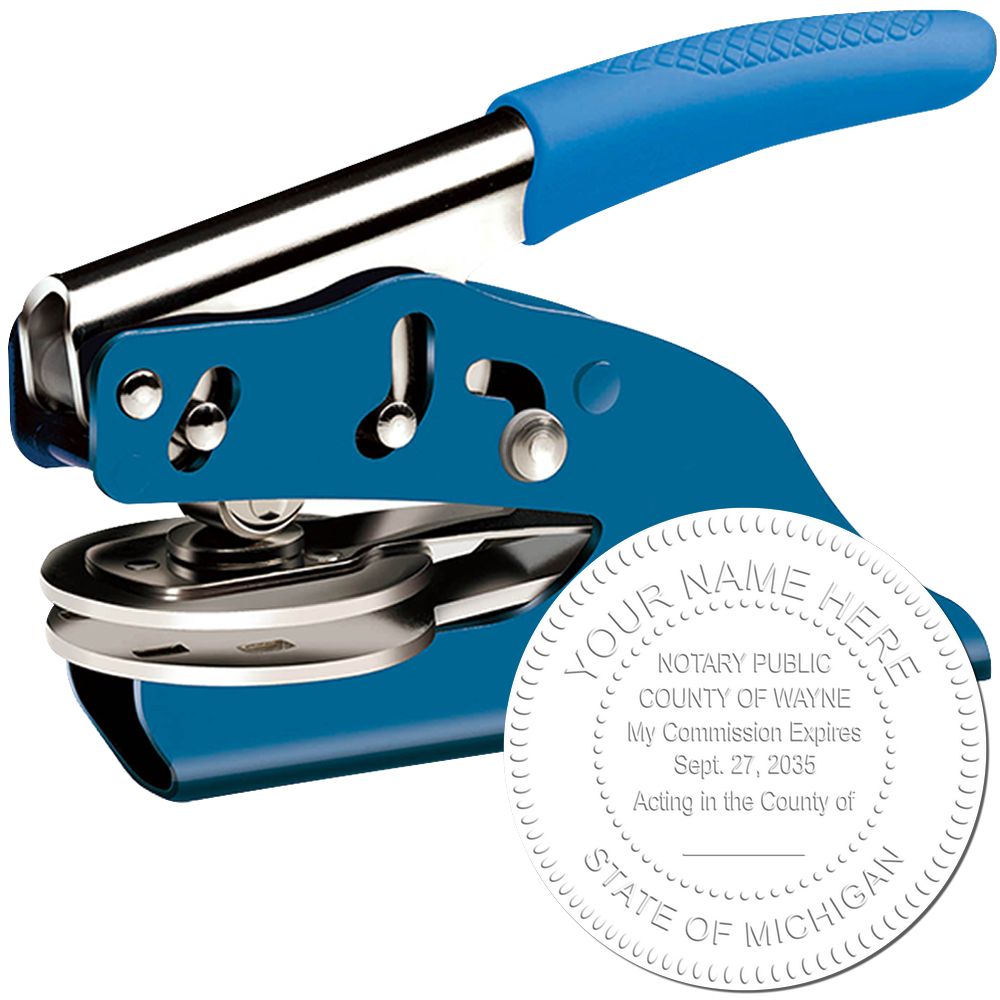
Some Michigan notaries prefer (or are required) to use an embosser in addition to or instead of a stamp. Actually applying a seal to a document gives clients a tangible sense of authenticity. If you decide to use one, it’s vital to pick a sturdy embosser that produces a clean, raised impression every time.
Seals vs. Stamps
There’s often confusion about stamps and seals, so here’s the quick breakdown:
- Stamp: Typically a rubber or metal-based device that uses ink to place your official information on a document.
- Seal (Embosser): Uses a metal plate to create a raised impression. Some states require raised seals, while others accept or prefer ink-based stamps.
How to Choose the Right Sealing Tool
When selecting a seal:
- Go for Ease of Use: A handle shape and size that fit comfortably in your hand.
- Check the Embosser’s Reach: Some models only work well on the edge of pages, while others can handle deeper placements.
- Opt for High-Quality Construction: The metal plates should be aligned carefully, so the impression is crisp.
- Confirm State Requirements: You’ll need to ensure it displays the correct details mandated by Michigan law, like your name and “Notary Public.”
For official or ceremonial documents, an embosser can add a professional touch that’s harder to replicate. If you regularly handle important contracts or documents prone to counterfeiting, a seal is often a great safeguard.
Stock Essential Accessories
Beyond the fundamentals of stamps and seals, there are other accessories that can significantly help your workflow. While they might seem like minor add-ons, these items can save you time by streamlining everything from identity verification to document organization.
Helpful Add-Ons
- Additional Ink Pads: Even if you use a self-inking stamp, consider keeping a backup pad to avoid running out of ink at an inconvenient time.
- Extra Embossing Plates: If your embosser ever wears down or gets damaged, having a spare plate can prevent delays.
- Notary Journal Inserts: Some notary journals offer removable inserts that you can replace once they’re filled up, making this more cost-effective than buying an entirely new journal.
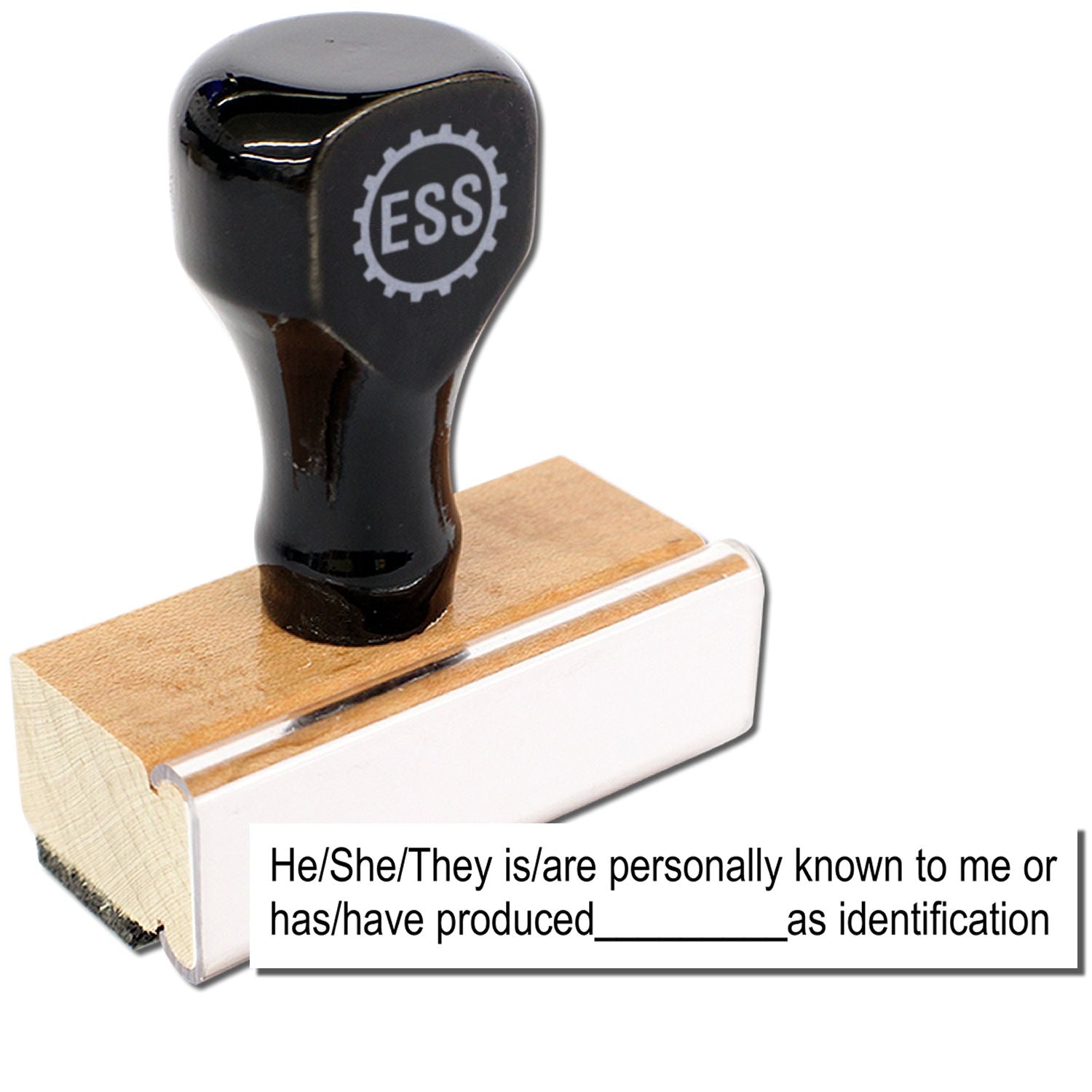
- Self-Adhesive Certificates: If a document has limited space, you can attach a certificate with the required notarial wording.
Anti-Tamper Labels
You might also consider anti-tamper labels for an extra layer of security. They’re small stickers placed over the edge of a notarized document. If someone tries to remove or replace a page, the label will show visible signs of tampering. Although not mandatory, these labels send a strong message of authenticity and diligence.



Organize and Protect Your Records
Detailed record-keeping is central to a notary’s role, which is why a well-structured notary journal is indispensable. But there’s more to good organization than just your journal. You’ll also want a strategy for securing electronic files, archiving old paperwork, and ensuring that all final documents stay private.
Keeping Your Journal Intact
Your journal is the blueprint of your notary activity:
- Enter Each Act: Include date, signer details, type of document, and any relevant ID info.
- Capture Signatures: Many notaries ask signers to sign the journal as an extra layer of proof.
- Store It Safely: Keep it in a locked cabinet or drawer when not in use to protect against unauthorized access.
Additional Record Tips
- Digitize When Possible: Scanning your completed notarial records can help you quickly pull up past transactions.
- Backup Copies: If you’re storing records electronically, keep a backup on an external drive or secure cloud service.
- Follow Retention Guidelines: Michigan might have specific retention periods for keeping notarization records. Stay current with any changes.
A structured approach to record-keeping helps you handle notarization queries months or even years later. Plus, it’s always reassuring for clients to see you’re thorough and professional in managing official files.
Stay Compliant With Regulations
Because laws can shift over time, it’s essential to stay updated with the Michigan Department of State’s notary guidelines. From changes in the required wording for certificates to new allowances for remote notarization, being aware will help you avoid unintentional mistakes.
Regular Check-Ins
- Visit Official Websites: The Michigan Department of State often posts updates or clarifications on notarial acts.
- Attend Training: Look out for workshops, webinars, or local classes specifically tailored to notary practices.
- Network With Other Notaries: You’re not the only one navigating these rules, so comparing notes with fellow professionals is a great way to stay informed.
- Keep Proof of Compliance: If state law requires a background check or bond renewal every so often, store these records safely.
Remote and Electronic Notarization
Michigan, like many other states, has adopted rules that allow for remote notarizations under certain conditions. If you decide to offer remote services, you’ll need specialized software tools, and your stamp or seal might be electronic as well. Always confirm that you’re meeting all security and identity verification measures required by law.
Boost Efficiency With Digital Tools
Staying nimble is critical in a notary practice. Today, digital tools aren’t just nice extras, they can make or break your workflow. This is especially relevant if you’re juggling multiple clients, each with unique deadlines and scheduling needs.
Electronic Stamps and Seals
Interested in an electronic notary stamp? You’re in luck. ESS, a trusted supplier of notary products since 1964, provides a free electronic stamp with every purchase. This means you can seamlessly handle online notarizations where permitted. Electronic stamps can speed up your process and cut down on printing costs when dealing with remote clients or digital-only documents.
Scheduling and Notification Software
- Calendar Sharing: Google Calendar or Microsoft Outlook can help you schedule appointments and send automatic reminders.
- E-Sign Platforms: Services like DocuSign or Adobe Acrobat’s e-sign feature can reduce the time you spend physically mailing documents.
- Document Management Systems: Tools like Dropbox or Google Drive let you organize and share folders securely while restricting access to unauthorized viewers.
By integrating a few of these tools into your routine, you’ll free up time to focus on delivering top-notch service to your clients. After all, improved efficiency means less stress for you and a smoother, more streamlined experience for everyone involved.
Why ESS Is a Trusted Supplier
When you’re shopping for notary tools, finding a supplier that understands Michigan law and your unique challenges is invaluable. ESS has built a reputation over the past several decades as a go-to source for michigan notary supplies. If you’re serious about securing a reliable Michigan notary supply, here’s why ESS stands out:



- Decades of Experience: Having been in business since 1964, ESS has seen every twist and turn in notary regulations and product innovations.
- Quick Service: They know your time matters. You can often expect fast turnaround times for stamp or seal orders, meaning less downtime for your practice.
- Free Electronic Stamp: With each purchase, you can get a free electronic stamp that meets the growing need for digital and remote notarizations.
- Wide Range of Products: From traditional stamps and embossers to specialized accessories, ESS aims to keep your professional toolkit complete.
- Practical Know-How: Their team is familiar with Michigan’s specific requirements, so they’re ready to help you choose stamps and seals that meet state guidelines.
In a profession that demands accuracy and trust, partnering with a supplier that respects your work is a game-changer. By choosing ESS for your notary supplies, you can focus on delivering top-notch service rather than worrying about whether your stamp’s imprint is legally compliant.
Frequently Asked Questions
Should I Purchase My Notary Seal Right Away?
It’s generally a smart idea to buy your notary seal or embosser as soon as you’re officially commissioned. Some documents might specifically request an embossed seal. Even if Michigan doesn’t always require it, a seal adds an extra layer of authenticity. Just make sure it’s properly labeled with your name and “Notary Public,” per state regulations.
How Do I Become a Michigan Notary?
To become a Michigan notary, you’ll first need to meet a few prerequisites, such as being 18 or older, a U.S. citizen or legal resident, and residing or working in Michigan. You’ll then submit your application through the Michigan Department of State, typically accompanied by a bonding requirement and a small fee. Once approved, you’ll receive your commission certificate, and you can proceed to get your stamp and any applicable seals.
What Happens If My Stamp Wears Out?
Over time, the text plate on your stamp might get worn, or the ink could become faint. You can re-ink most self-inking or pre-inked models, but if the body itself is broken, you may need a replacement. Some notaries keep a backup stamp on hand. Just be sure to update it if any of your official information (like new commission details) has changed.
Whether you’re crafting your notary setup from scratch or upgrading your existing tools, having a comprehensive supply kit is one of the best investments you can make in your professional success. It doesn’t just save time, it reassures your clients that you’re serious about maintaining accuracy and upholding the integrity of legal documents. Take a moment to check your own toolkit. Is there anything you need to refresh or upgrade?
By choosing reputable suppliers like ESS, you’ll know you’ve got dependable stamps, seals, and accessories designed for Michigan notaries. With everything in place, you’re free to focus on delivering top-tier service and ensuring each notarized document stands up to even the closest inspection.