
Engineer Seal Stamps compliance desk. Updated 7 November 2026.
Vermont notary public seal guidelines may look daunting at first, whether you just received your commission or are reviewing the requirements. Broken into parts, they are simpler than they seem. This post explains what makes a seal valid, how to apply it properly to official documents and how to choose quality supplies, as a plain guide to staying compliant and professional.
Whether you’re just getting started or have been a Vermont notary for years, it’s crucial to stay on top of these guidelines. By knowing the essentials, you’ll serve your clients with confidence, ensure the legality of your notarized documents, and keep your commission in good standing. Let’s take a closer look at what you should keep in mind.
Know The Vermont Notary Public Seal Guidelines
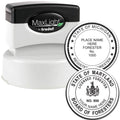
Start by understanding precisely what Vermont law requires of your notary seal. The official rules can change, so make sure you are working from the current regulations. In general, the seal must show the words “Notary Public,” some reference to the state of Vermont, and your name matching your commission. Some counties may have further preferences, yet the state guidelines are your primary framework.
In general, you’re expected to use your seal on every notarized document, so accuracy is key. By ensuring your seal is compliant, you avoid any legal hiccups down the road. After all, the best way to protect yourself and the signer is to follow the prescribed format from the start.
Understand The Legal Role
Your notary seal isn’t just a stamp, it’s an official representation of your authority under Vermont law. As a notary, you serve as an impartial witness when people sign vital paperwork—everything from power of attorney documents to real estate transfers. Your seal confirms that you’ve verified a signer’s identity and willingness, so it’s crucial to keep your seal accessible yet secure.
- It authenticates your signature on official acts.
- It protects against fraud by proving the document was properly notarized.
- It links directly to your commission, meaning that misuse or neglect could have serious legal implications.
If you’re ever uncertain about a specific document or signing scenario, it’s better to seek clarification than risk invalidating the process. Think of the guidelines around your notary seal as guardrails: they keep you, your clients, and the state on track.
Format And Placement Essentials
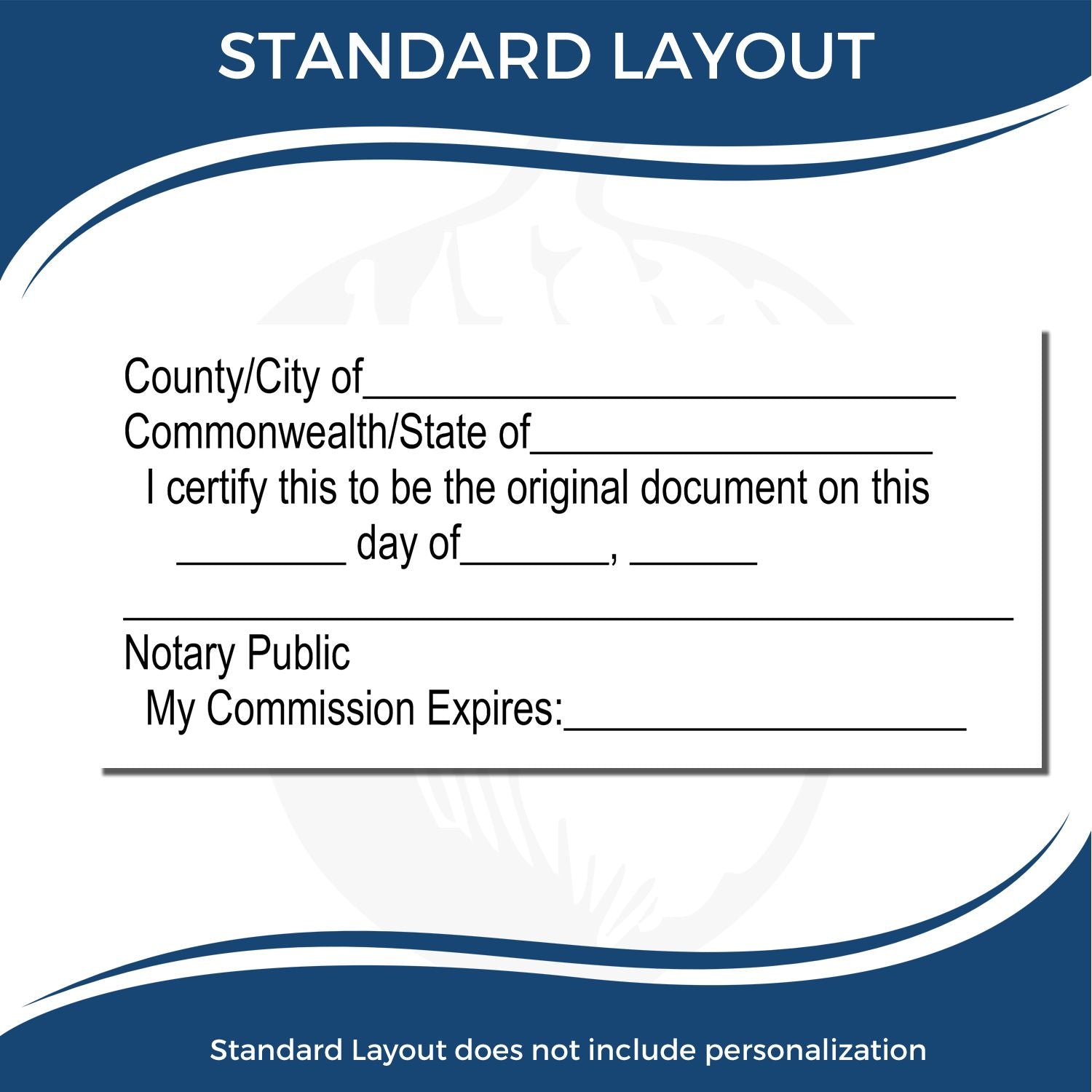
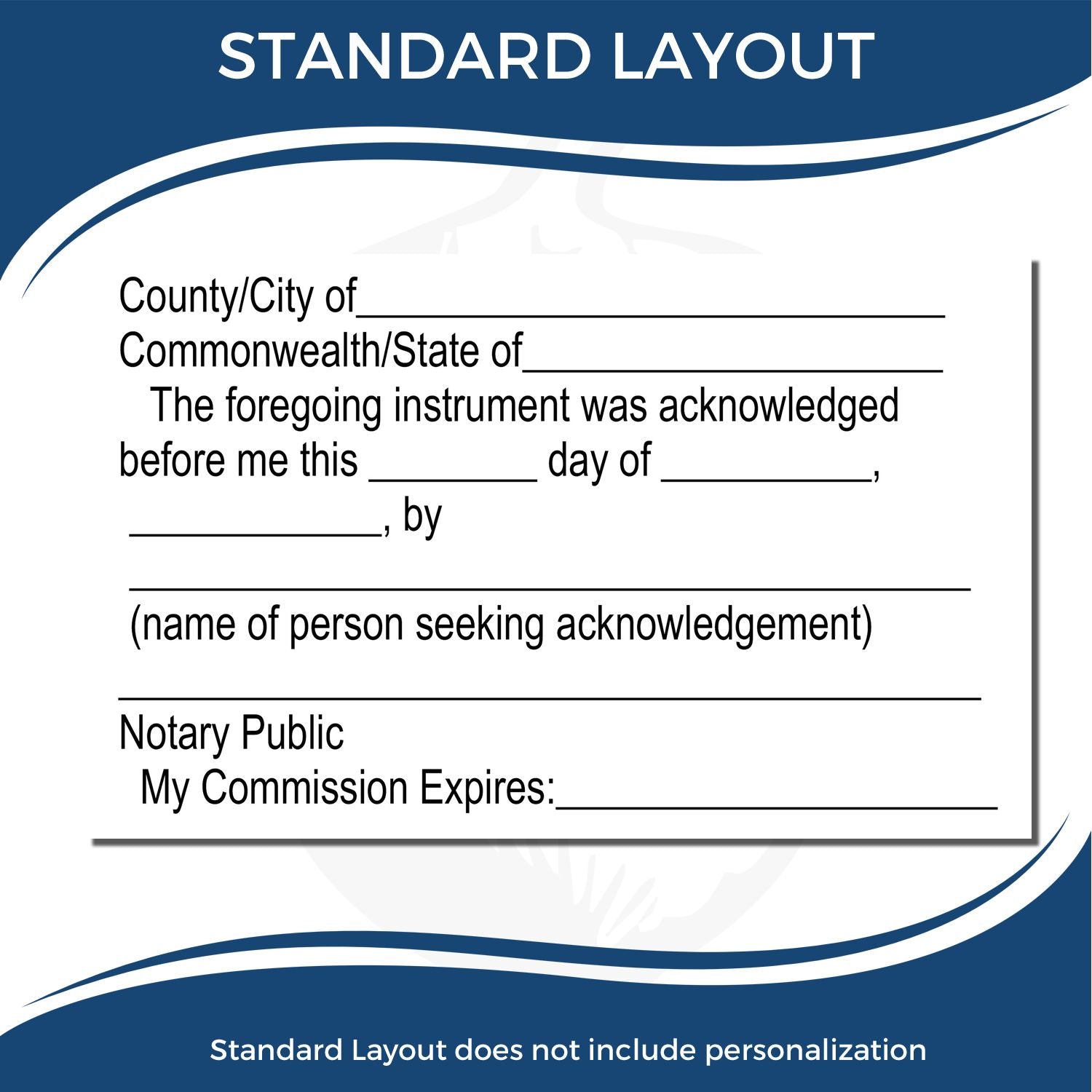
Owning a Vermont notary stamp is one thing; knowing where and how to apply it is another. Usually the seal goes close to your notarial signature, often at the foot of the document just under the completed certification. A seal placed far from the signature can create confusion or cast doubt on whether the notarization is authentic.
Essential Components Of A Vermont Notary Seal
- Must include “Notary Public” and “State of Vermont.”
- Should clearly show your name as commissioned.
- Some notaries choose to include their commission number, if assigned.
Even if you’re using a simple circular or rectangular design, the text still needs to be legible. Always keep an eye on the quality of your ink or embosser. Over time, stamps can wear down, causing faded impressions.




Potential Mistakes To Avoid
- Inconsistent spacing: Don’t squeeze the seal into a corner where it’s partially cutoff.
- Inadequate pressure: Press firmly to ensure a crisp, readable image.
- Wrong color ink: Vermont doesn’t specify an ink color, but a dark ink like black or blue is most common. Light ink can cause clarity issues down the line.
By making sure your seal meets these simple standards, you’re well on your way to staying compliant with Vermont notary public seal guidelines.
Choose Your Vermont Notary Supplies
Your seal alone won’t do the job if you don’t have the right supplies in hand. As a Vermont notary public, you might also need a journal to record each notarization, an inked stamp, and possibly an embosser. The exact mix depends on your personal preference and whether you perform notarizations predominantly in an office or on the go.
Stamp vs. Embosser
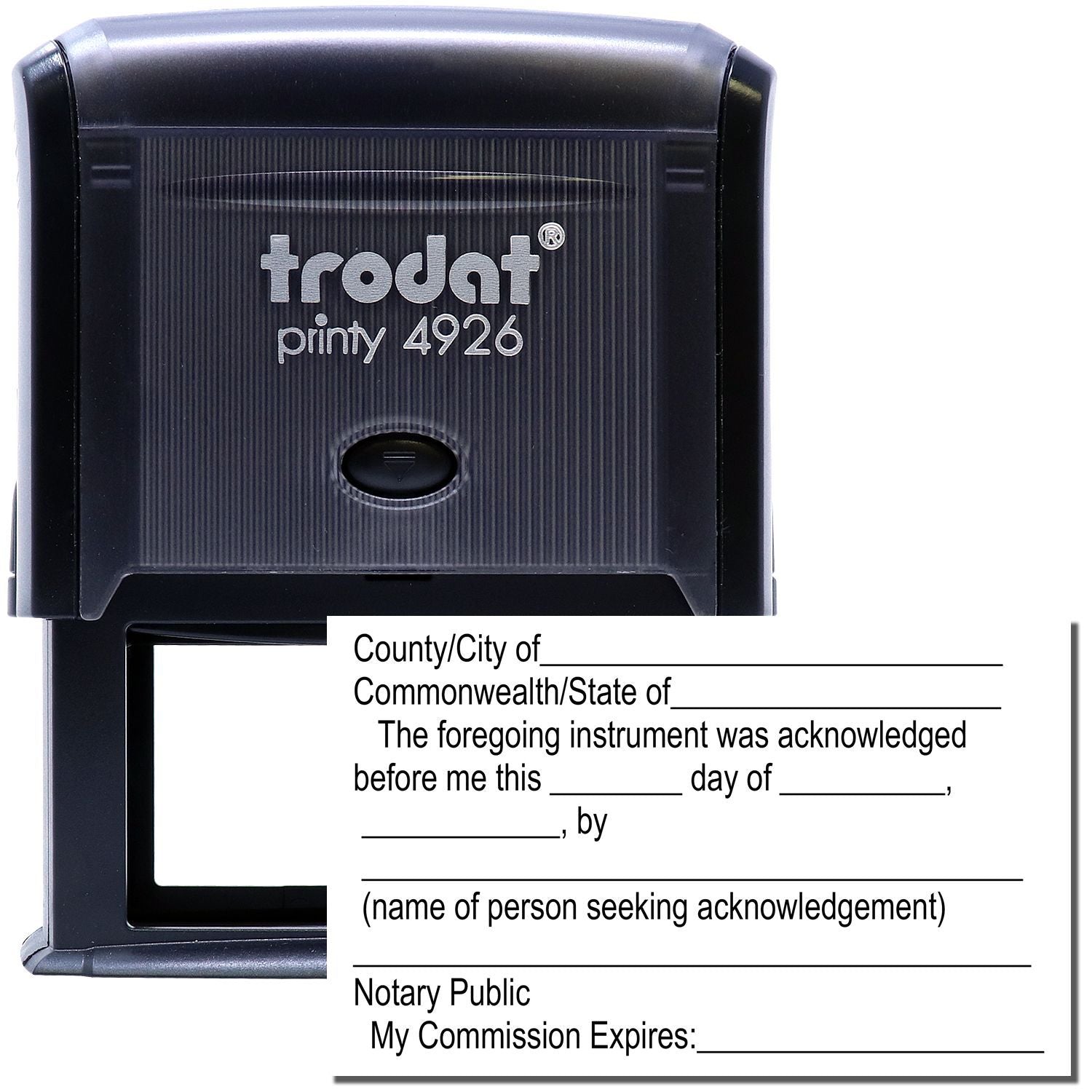
- Ink Stamp: Excellent for quick use, leaves a clear impression, and is widely recognized.
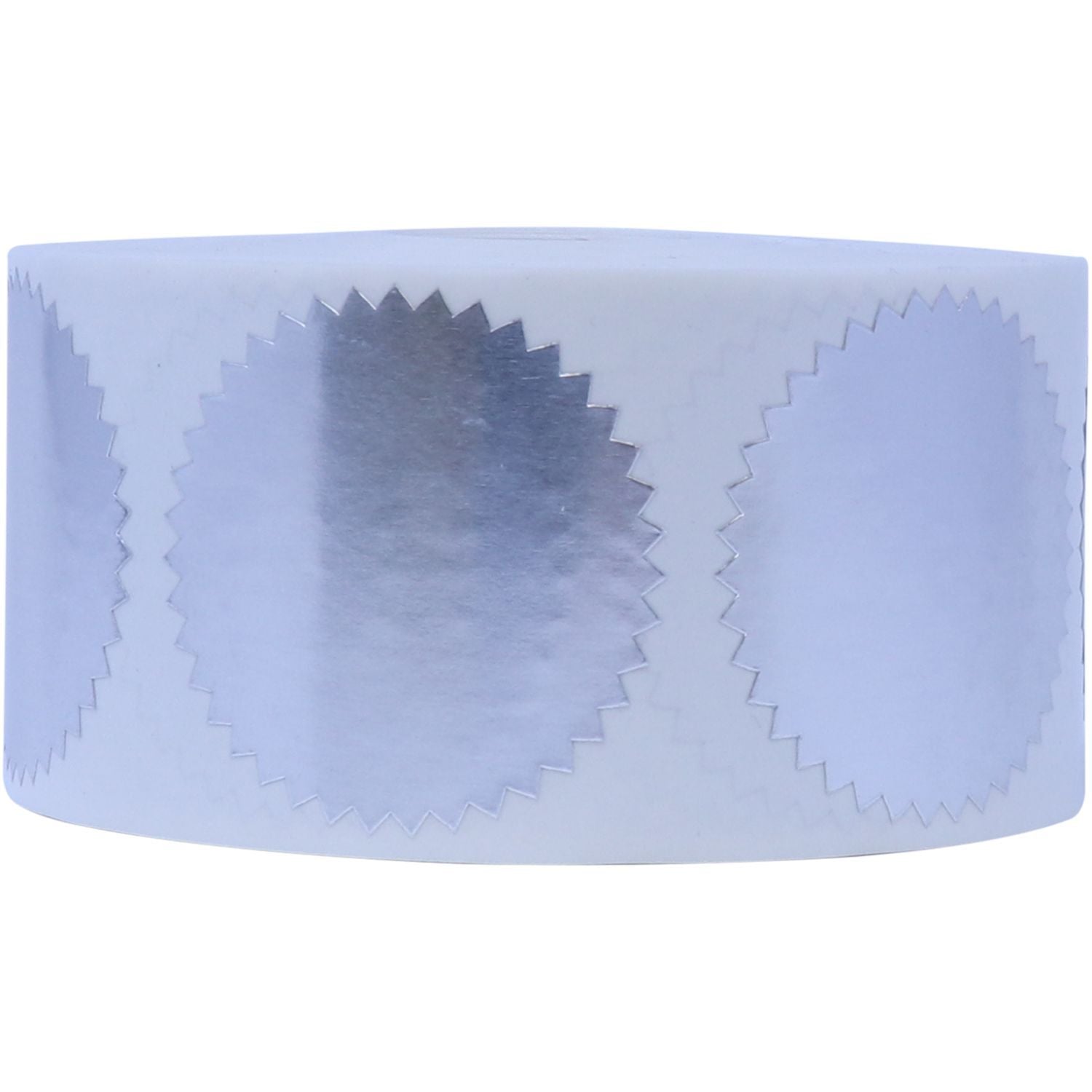
- Embosser: Adds a raised impression to the paper, giving a more traditional look. Some prefer pairing an embosser with an ink stamp to ensure easy photocopying.
If you’re in the market for new or replacement supplies, consider checking out the wide range of Vermont Notary Supplies. A reputable provider ensures quality craftsmanship and compliance with local regulations.
Maintain Your Seal Properly
Taking care of your notary seal can be a breeze if you go about it intentionally. Proper maintenance helps you avoid unexpected mishaps—like a dried-out ink pad when you’re in the middle of a signing appointment.
Store It Securely
When the seal is not in use, lock it in a drawer or storage box. You would not leave a signed check where strangers could reach it, and your official seal deserves the same care.-
Replace Regularly
Embossers can wear down, resulting in weaker impressions, so keep track of any changes in clarity.Save 14%
 Vermont Notary Stamp and Seal Bundle with Notary Desk Seal and Round Wood Notary Stamp1100-RND-DESK-R-VTSale price$59.95 Regular price$70.00Save 25%

 Save 0%

 Vermont Notary Stamp and Vermont Notary Seal Bundle Kit with Soft Seal and Rectangular Wood Stamp1200-RECT-SOFT-R-VTSale price$59.95 Regular price$60.00Save 14%

 Vermont Notary Supplies with Vermont Notary Seal and Rubber Stamp Bundle Kit1100-RND-SOFT-R-VTSale price$59.95 Regular price$70.00
Give It A Quick Test
Stamp a scrap sheet before you notarize important documents. A faint or smudged result needs attention immediately, because an unclear seal is not worth the risk.Stay Organized
Always note where you place your seal after each appointment. This sounds obvious, but in a busy day, it’s easy to misplace your stamp or embosser under a file or folder.


With the right care, your notary supplies should last for thousands of impressions, giving you reliable performance each day you serve as a Vermont notary.
Partner With ESS
Finding the right supplies can feel like working through a maze. ESS can help. Since 1964 we have supplied quality Vermont notary supplies that help you carry out your duties smoothly. For a new embosser, a sturdy ink stamp or a record-keeping journal, our team is ready to guide you.
- Trusted Supplier: Serving notaries across Vermont for decades.
- Free Electronic Stamp: With your purchase, you’ll receive a convenient e-stamp—perfect for digital transactions or quick validations.
- Prompt Service: We understand you’re on a schedule, so we process orders quickly so you can keep up with your appointments.
We know your time matters. For that reason we hold to high quality standards and set up every notary stamp or seal to match Vermont's current guidelines. Skip the guesswork and lean on our expertise, so you can concentrate on your strength: guiding signers through notarization.
FAQs About Vermont Notary Seals
Still have a few questions swirling in your mind? You’re not alone. Here are the top six questions we often hear from Vermont notaries:
Must My Notary Seal Follow A Set Design?
Vermont law sets no required shape, though the seal has to show your name, “State of Vermont,” and “Notary Public.” Some notaries pick a round style and others a rectangular one. Provided the text is clear and satisfies state standards, the design is up to you.Is An Electronic Seal Allowed In Vermont?
Yes, electronic seals can be used in certain remote or electronic notarization platforms, but you have to follow the state’s updated rules for remote notarizations. Always confirm that your platform of choice is recognized by Vermont. And remember, ESS offers a free electronic stamp with your purchase, making that step even easier.What If My Seal Starts To Fade Or Break?
It’s wise to replace or repair it immediately. A faded or imperfect seal might lead to questions about authenticity. If you notice the impression weakening or the lettering warping, go ahead and order a new seal.Can I Share My Seal With Another Notary?
No. Each notary commission is unique to the person holding it, and your seal only applies to notarizations you personally conduct. Sharing a seal opens the door to potential misuse and legal complications. Keep it to yourself in a secure location.How Often Must I Update My Notary Seal?
Save 27%
Your seal remains functional as long as your commission is current and the seal’s text is legible. However, if any information changes—like your name through marriage or an updated commission—then you must get a new seal to reflect that change.Are There Penalties For Improper Use?
Yes. Improper use of a notary seal can lead to administrative fines, suspension, or even revocation of your commission. Always stamp on the correct portion of a document, and never notarize if the signer isn’t present. A bit of caution goes a long way toward keeping your commission in good standing.

Bringing It All Together
Being a Vermont notary means you’re balancing responsibility, trust, and legal compliance. Your seal is at the center of that equation, serving as a visual reminder of your duty to uphold honest and accurate transactions. By following Vermont notary public seal guidelines, you’re helping verify the integrity of every document you touch.
As you continue in your role, remember a few key points:
- Keep your seal easy to spot but protected under lock and key.
- Check for ink quality or wear, ensuring each impression is crisp and complete.
- Maintain up-to-date knowledge of local regulations.
- Partner with ESS for reliable Vermont notary supplies, including a free electronic stamp with your purchase.
This level of preparation not only safeguards your commission but instills confidence in the people who rely on you. Whether you’re assisting someone with a last-minute signing or guiding clients through hefty contracts, a sturdy, compliant seal makes your job smoother.
Feel free to share these insights or pin them for quick reference next time you have questions about proper usage. If you have a tip or question that didn’t make our list, you can always reach out. We’re here to help ensure that each notarization in Vermont goes smoothly, in line with the highest standards.
Now that you’re up to speed, you can move forward and stamp away with full confidence—professionally and legally. Stay safe, stay organized, and you’ll find that meeting Vermont’s notary seal guidelines feels about as simple as slicing apple pie. After all, it just comes down to clarity, consistency, and a reliable source for your supplies. Go ahead, make your next signing appointment stress-free by having your seal at the ready. Happy notarizing!
Other Vermont notary pages
For the complete Vermont rule set, read Vermont notary seal requirements. Vermont notary stamp and seal options and Vermont notary stamp rules cover the narrower questions.