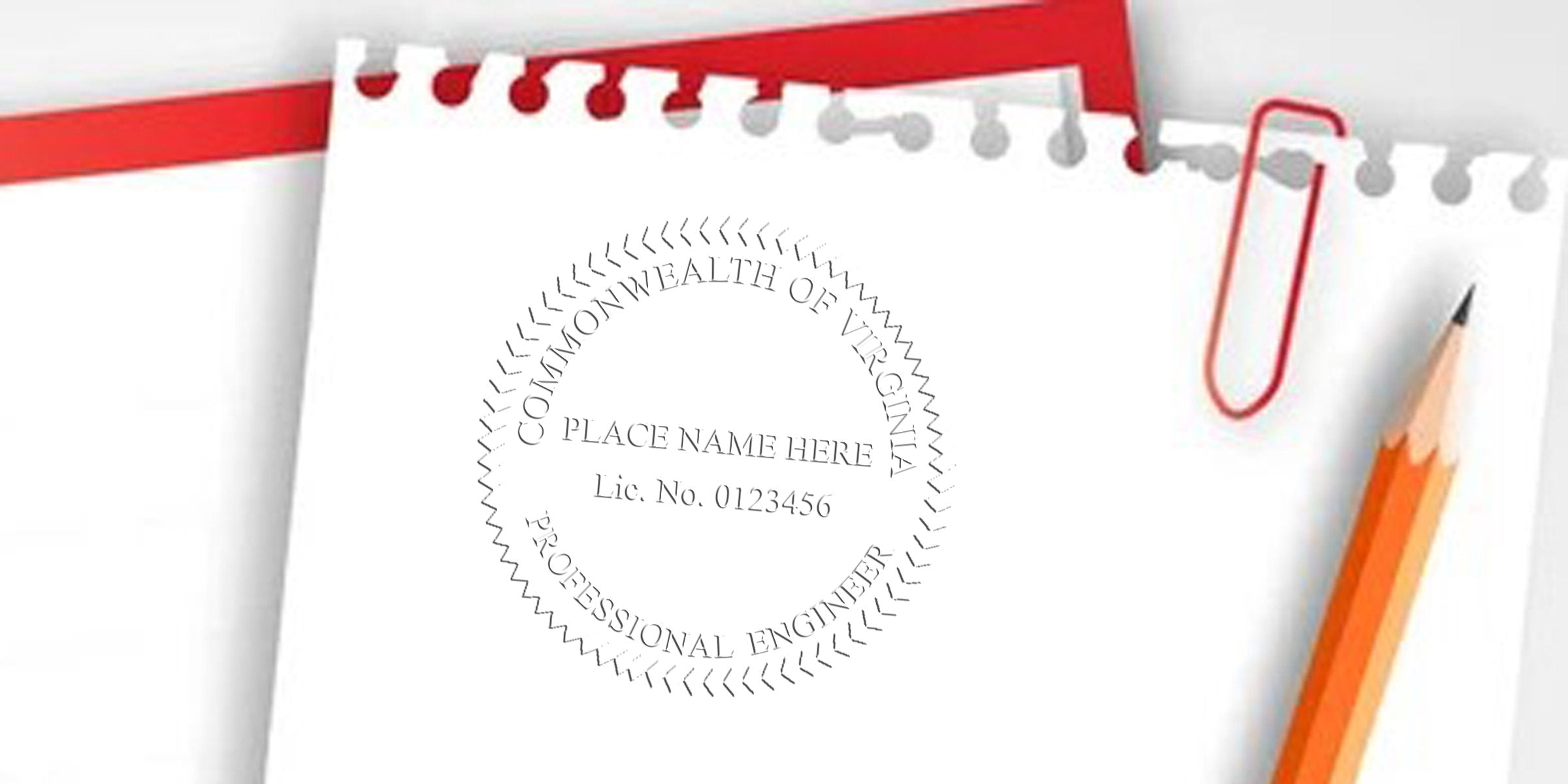
Your PE Seal Is Your Professional Identity, and It's Under Threat
Consider this scenario: a contractor in Texas scanned a PE's stamp from a set of approved plans and pasted it onto dozens of unauthorized documents. The engineer only discovered the fraud when a building department called to question a project they had never reviewed.
This is not an isolated incident. The Florida Board of Professional Engineers has reported a growing trend of PE seal misuse, including attempted forgeries and electronic counterfeits. In Ontario, Canada, Professional Engineers of Ontario recorded six successful prosecutions for fraudulent stamp use in 2025, with regulators expecting that number to climb in 2026. Fraudulent stamps represent approximately 5 to 10 percent of all PEO complaints.
The legal stakes are severe. Under Florida Chapter 471 and Rule 61G15, misuse of a professional seal is treated as a serious regulatory and legal violation that threatens public health, safety, and welfare. Most states treat it similarly. This article covers physical security, digital seal protection, firm-level controls, and what to do if your seal is stolen or misused.
How PE Seal Fraud Actually Happens
One of the most common and widely underreported attack vectors is known as "Stolen Stamps and Signatures" (SSS). The method is straightforward: a bad actor scans a PE's stamp and signature from one legitimate, approved plan set and inserts the scanned image onto multiple unauthorized project documents. The victimized engineer may have no knowledge of these projects until a complaint surfaces.
The digital era has escalated this threat dramatically. AI-assisted document forgery and anonymous online operations now make electronic seal counterfeiting faster and harder to detect than ever before. Image-only seals, such as JPEG or PNG files dropped into a PDF, along with password-free PDF documents, are especially vulnerable. These formats allow easy extraction and reuse of seal images with minimal technical skill.
The rise of e-permitting and remote project delivery has expanded the attack surface further. Engineers working in hybrid or fully remote environments face risks that physical security alone cannot address. Projects cross state lines digitally, and oversight becomes more difficult.
A documented case from January 2025 illustrates the problem clearly. A seller in Texas provided building plans with forged engineering stamps to a buyer in New Mexico. The victimized engineer had to contact both the New Mexico Board of Engineers and the New Mexico Construction Industries Division to begin remediation. These cases are becoming more frequent, not less.
Physical Stamp Security: Protecting Your Rubber Stamp and Embossing Seal
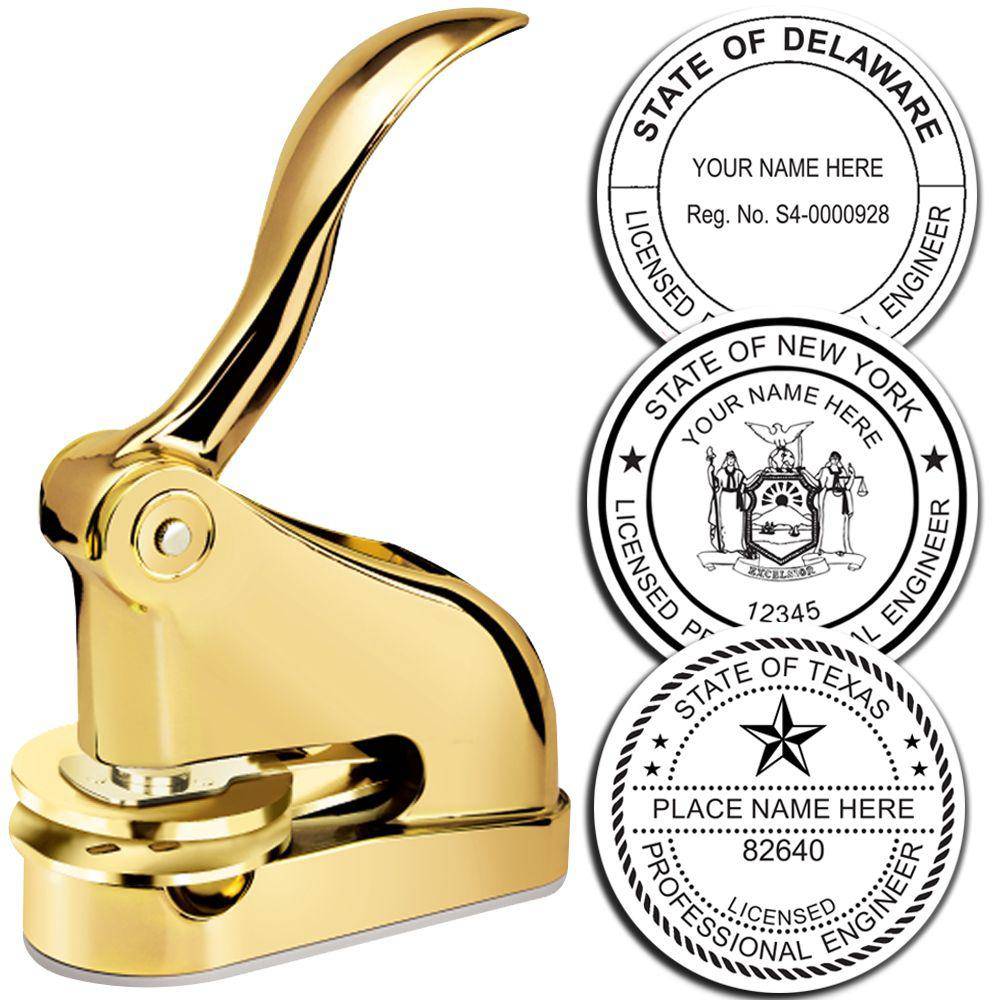
The foundation of PE seal security starts with the physical stamp itself. Store your rubber stamps and embossing seals in a locked drawer, cabinet, or safe. Never leave them accessible on a shared desk or in an unlocked office, even briefly.
Limit access strictly. Administrative staff should never have unsupervised access to a PE's physical stamp. State boards universally require the seal to be under the PE's sole control. Washington State's licensing board, for example, explicitly requires a PE's stamp or seal to be under the engineer's control at all times, a standard broadly shared across jurisdictions.
When replacing or retiring a seal, destroy the old one properly. Cut, deface, or otherwise render retired stamps unusable so they cannot be repurposed by anyone who gains access to them.
Maintain a simple internal log of stamp usage: record when and on which documents the physical seal was applied. This creates a paper trail that can be invaluable if misuse is later alleged. Even a basic spreadsheet with dates, project names, and document descriptions provides meaningful protection.
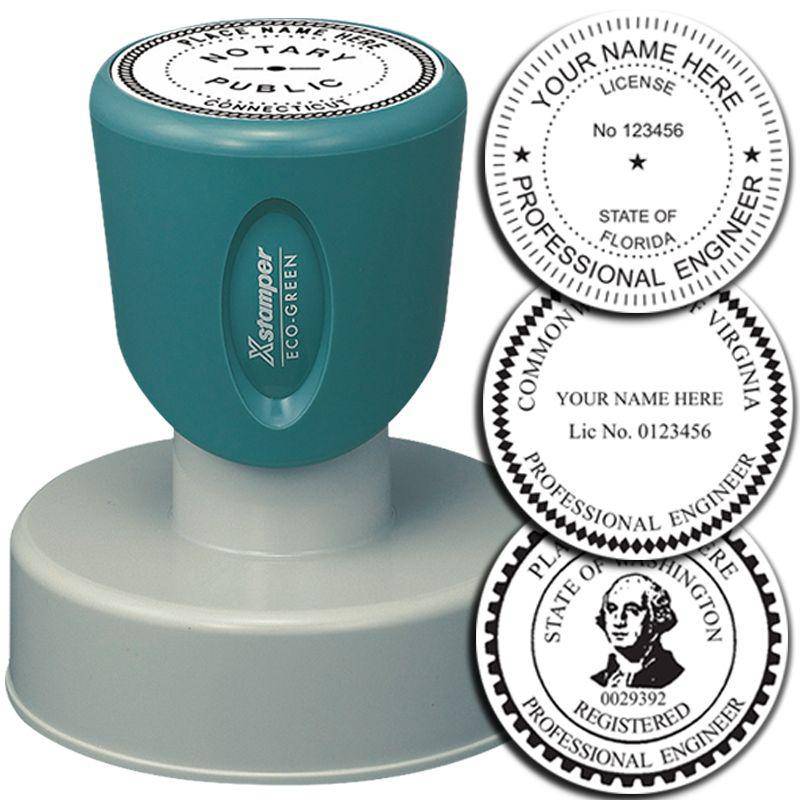
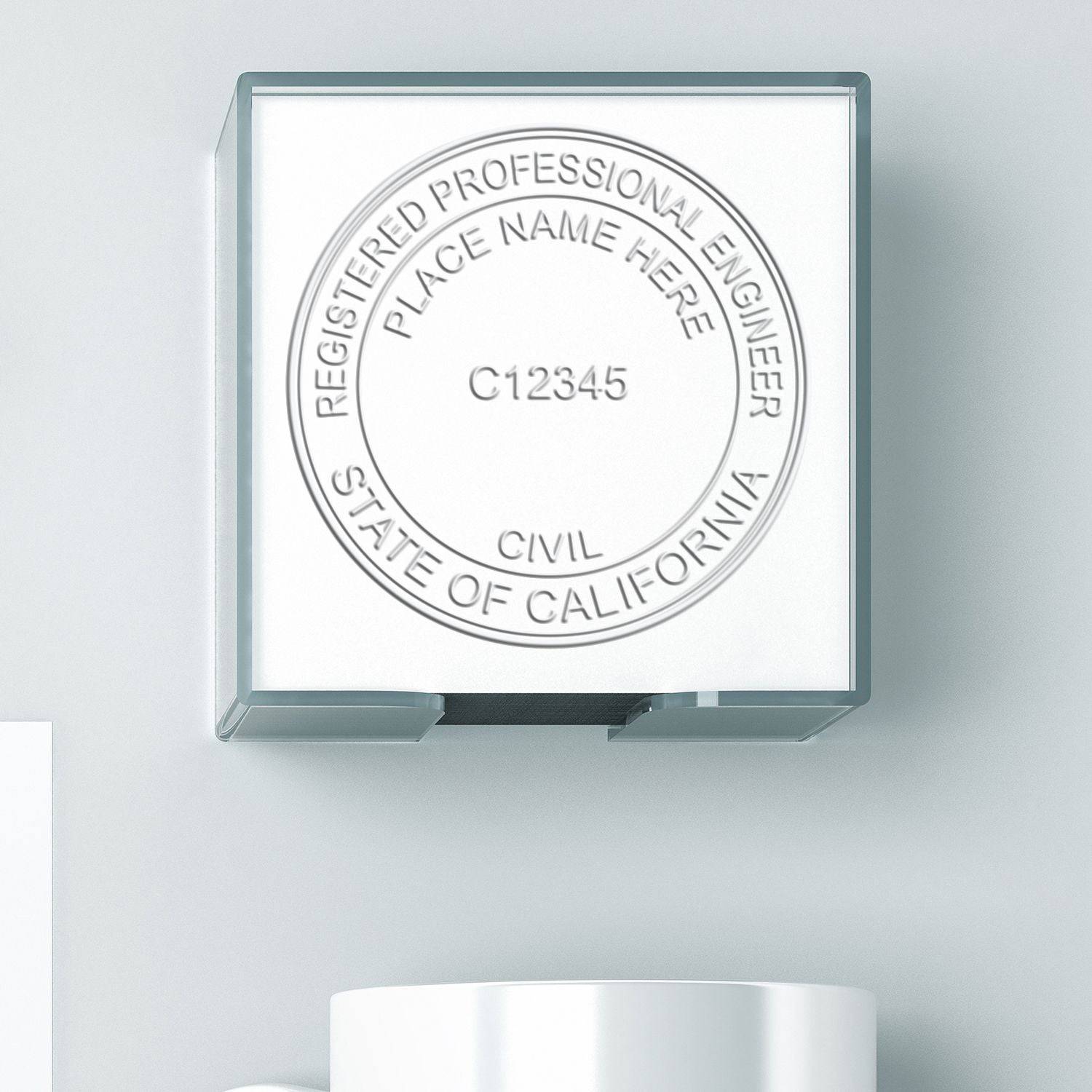
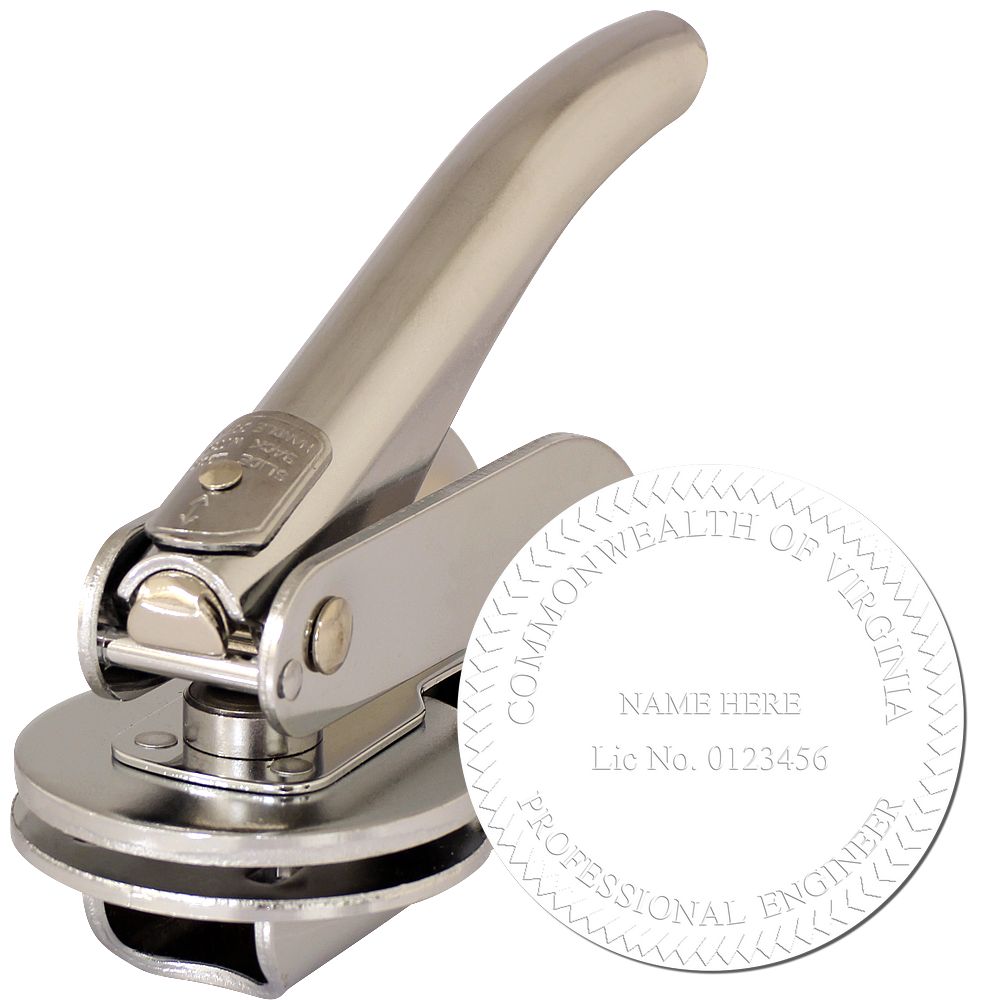
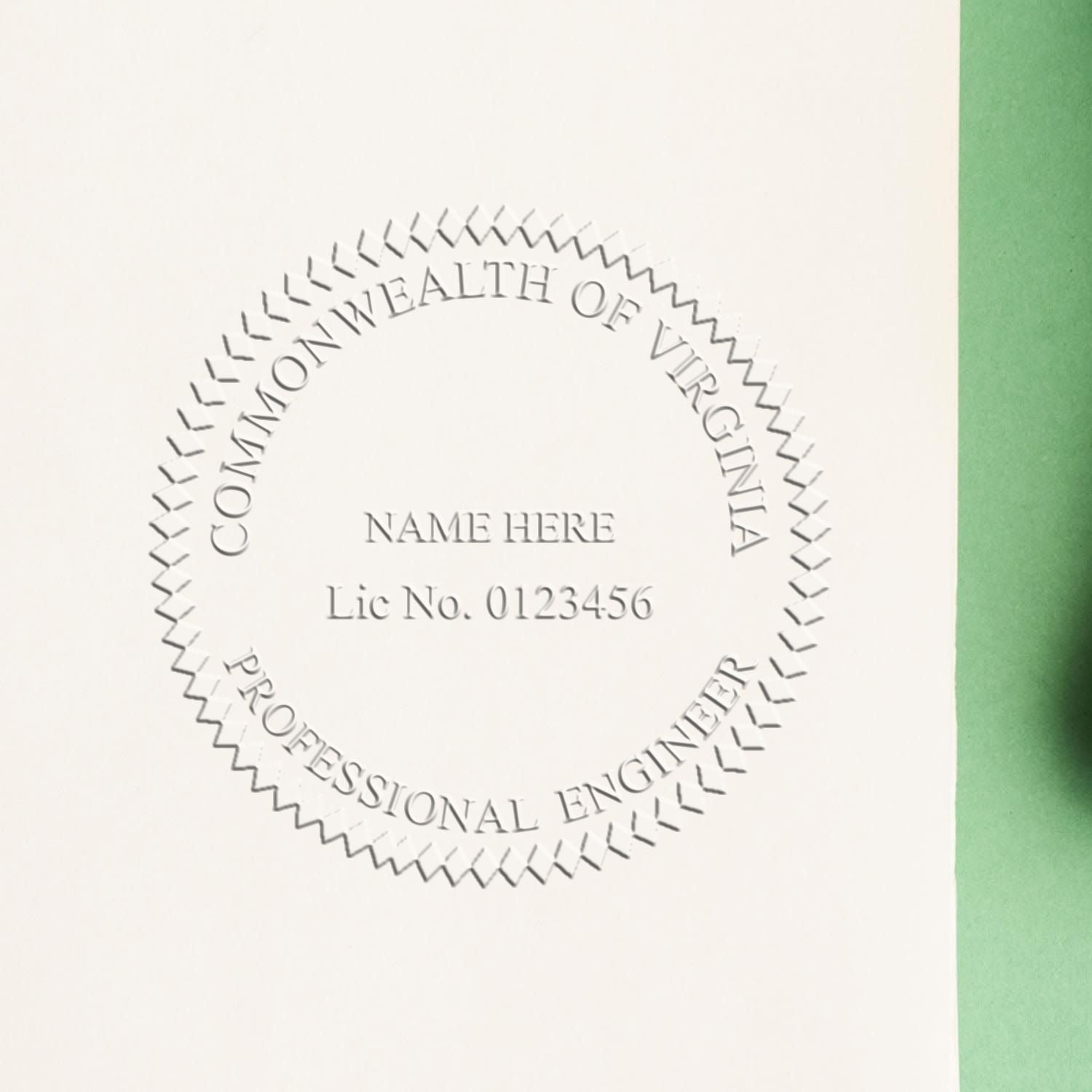
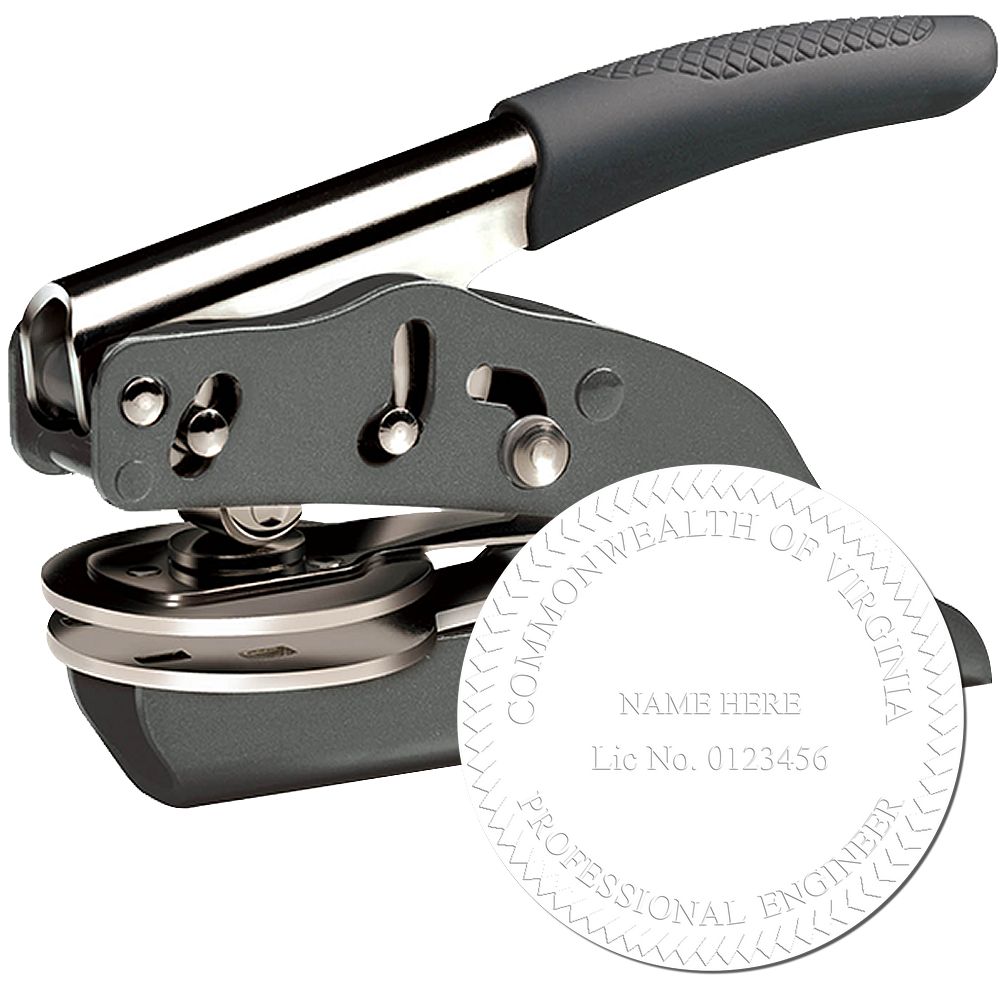
At EngineerSealStamps.com, we build PE seals around state-specific requirements, including proper layout, required wording, and license information. Ensuring your physical seal meets compliance standards from the start is the first step in a sound security posture.
Digital Seal Security: Why a JPEG Is Not Enough
There is a critical distinction between a low-security image-based digital seal and a cryptographically secure digital signature. Dropping a JPEG or PNG of your seal into a PDF is not a secure practice. Only a cryptographic digital signature satisfies most state board requirements for electronic sealing.
A properly applied cryptographic digital signature binds the seal to the specific document and flags any file alterations made after signing. This is the core security mechanism: if someone modifies the document after you seal it, the signature becomes invalid and the tampering is detectable.
Nevada's regulations make this explicit, requiring that digital PE seals use secure encryption methods to prevent copying, transferring, or removing the seal and signature, and to prevent changes to electronic drawings after submission. ASCE Policy Statement 492 reinforces this position, stating that the potential for intentional or unintentional misuse of signed documents must be controlled through technologies that prevent unauthorized transfer or reuse of electronic seals.
Real-world evidence supports the effectiveness of these measures. Engineers PEI documented a case where encrypted digital signatures, applied through platforms such as Notarius, effectively prevented electronic image theft of stamps and signatures. On the emerging technology front, blockchain-based tamper detection for engineering seals is under active discussion in technical circles. While not yet mainstream, it is worth monitoring as a future layer of protection.
For multi-state licensed PEs, compliance complexity is real and consequential. State boards vary significantly in how they regulate digital sealing, and engineers practicing across jurisdictions must verify each state's specific rules before submitting sealed documents electronically.
We include a free digital seal with many professional seal purchases at EngineerSealStamps.com, giving engineers a convenient electronic version for PDF and digital plan submissions. We always recommend that engineers verify current rules with their licensing board before sealing final documents, as requirements can vary not only by state but by individual filing office.
Firm-Level Policies and Internal Controls
Individual security measures are essential, but firm-level policies provide a critical additional layer of defense. Establish a written policy specifying who may access a PE's digital seal file and under what conditions. Staff misuse is a documented, real-world risk.
The policy should require that only the PE of record initiates and applies their own seal. Administrative staff applying seals on behalf of engineers, even with explicit permission, typically does not comply with state board regulations. Florida disciplinary cases have included engineers who allowed unqualified individuals to use their seal. In one case, the seal of a deceased engineer was used on active projects.
Document retention matters as well. New York State requires written documentation of engineering work reviews to be retained for a minimum of six years. Internal document control records support this requirement and provide evidence of proper procedures if questions arise. New York also requires that sealed documents include wording warning that altering a document bearing a PE's seal is a violation of law unless directed by a licensed PE, language that itself serves as a deterrent against tampering.
Do not underestimate the consequences of seemingly minor violations. Reviews of state board actions show that even small stamping infractions have resulted in disciplinary investigations and sanctions, including fines potentially reaching into the thousands of dollars, license suspension, and in the most severe cases, permanent bans from reapplying for licensure.
What to Do If Your PE Seal Has Been Misused
If you discover that your PE seal has been used without your authorization, act immediately and methodically.
Step 1: Document everything. Gather copies of the fraudulent documents, note dates, project names, and any identifying information about how the misuse was discovered. Preserve digital files with metadata intact.
Step 2: Report to your state licensing board without delay. Most boards have a formal complaint or incident reporting process. In the 2025 Texas-to-New-Mexico case, the victimized engineer contacted both the New Mexico Board of Engineers and the New Mexico Construction Industries Division. Prompt reporting is essential.
Step 3: Notify affected agencies. If fraudulent plans were submitted to a building department, permitting office, or other authority, contact them directly to flag the documents as unauthorized. Public safety may depend on it.
Step 4: Consult legal counsel. Unauthorized use of your seal may expose you to reputational and liability risk even when you are not at fault. An attorney familiar with professional licensing law can advise on protective steps specific to your situation.
Step 5: Notify your professional liability insurer. The intersection of PE seal theft and professional liability is underexplored but very real. Your policy may have specific reporting requirements and timelines you need to follow.
It is also worth noting the "Verify Before You Hire" awareness campaign that has spread across multiple Canadian provinces, including Nova Scotia, New Brunswick, Prince Edward Island, and Yukon. This model of public-facing credential verification is something U.S. engineers can advocate for at the state level to help prevent fraud before it starts.
Firms found engaging in stamp fraud may be disbarred from submitting future applications to regulatory agencies. Prompt reporting protects not only your reputation but the broader profession.
Stay Compliant, Stay Protected
Effective PE seal security requires a layered approach. Physical security, cryptographic digital seals, firm-level access policies, and a clear incident response plan work together. No single measure is sufficient on its own.
State requirements vary and continue to evolve, particularly as e-permitting and digital workflows expand. Engineers should verify current sealing rules with their licensing board before finalizing any document.
At EngineerSealStamps.com, we build state-specific PE seals to proper layout, required wording, and license information standards. Many of our professional seal purchases include a free digital seal for engineers integrating digital workflows into their practice.
As AI-assisted forgery and remote project delivery continue to grow, proactive seal security is no longer optional. It is a core part of professional responsibility. The engineers who take it seriously today will be better positioned to protect their licenses, their reputations, and the public welfare tomorrow.
Ready to ensure your PE seal meets your state's requirements? Explore our state-specific PE seal options at EngineerSealStamps.com.