If you’re getting serious about creating crisp, long-lasting marks on metal components, permanent ink for metal stamping is likely on your radar. Whether you need to track product batches or confirm quality control (QC) checks, having an ink that holds up under pressure can spare you all sorts of headaches later on. Because of its durability and resistance to wear, permanent ink remains a go-to solution for those in search of reliable markings.
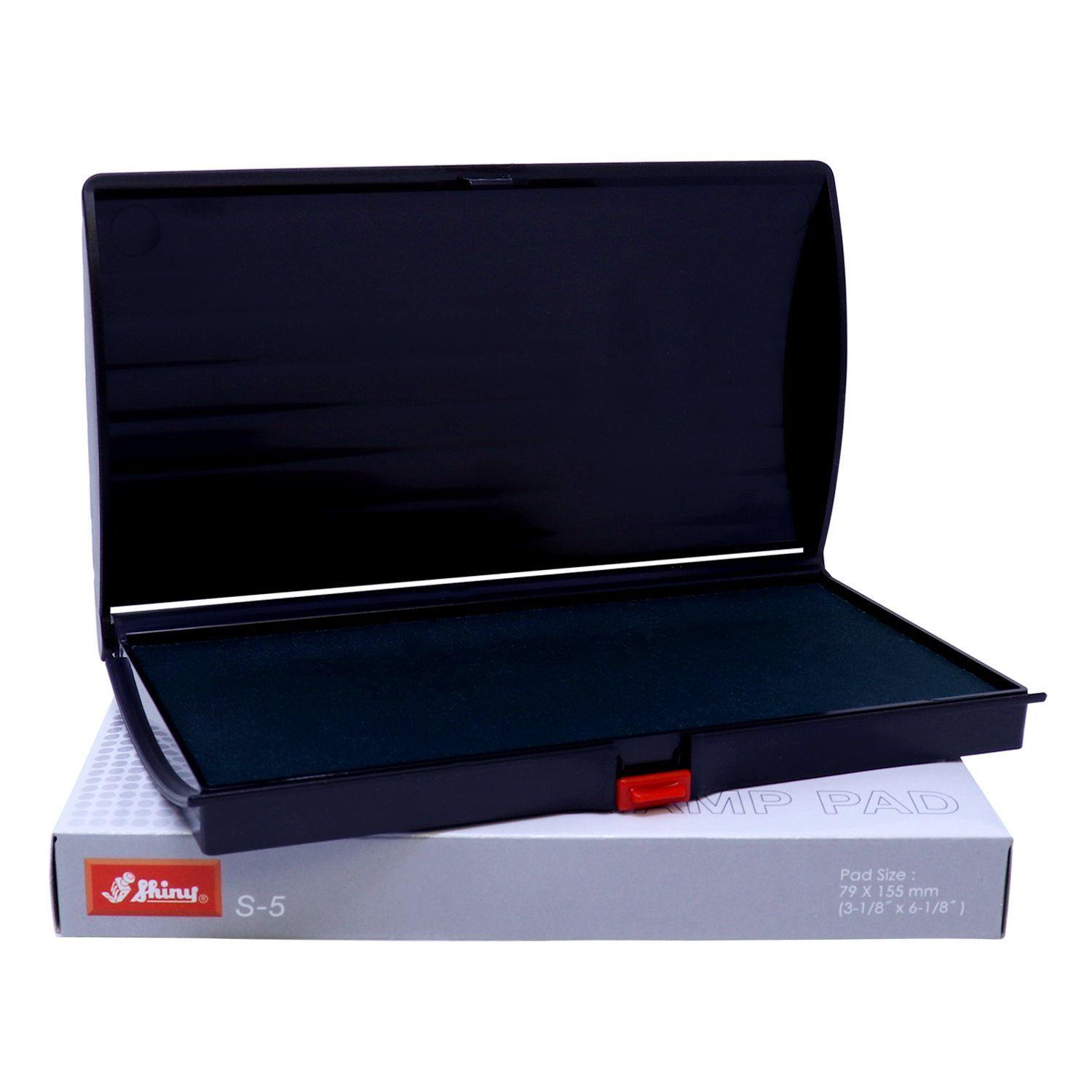
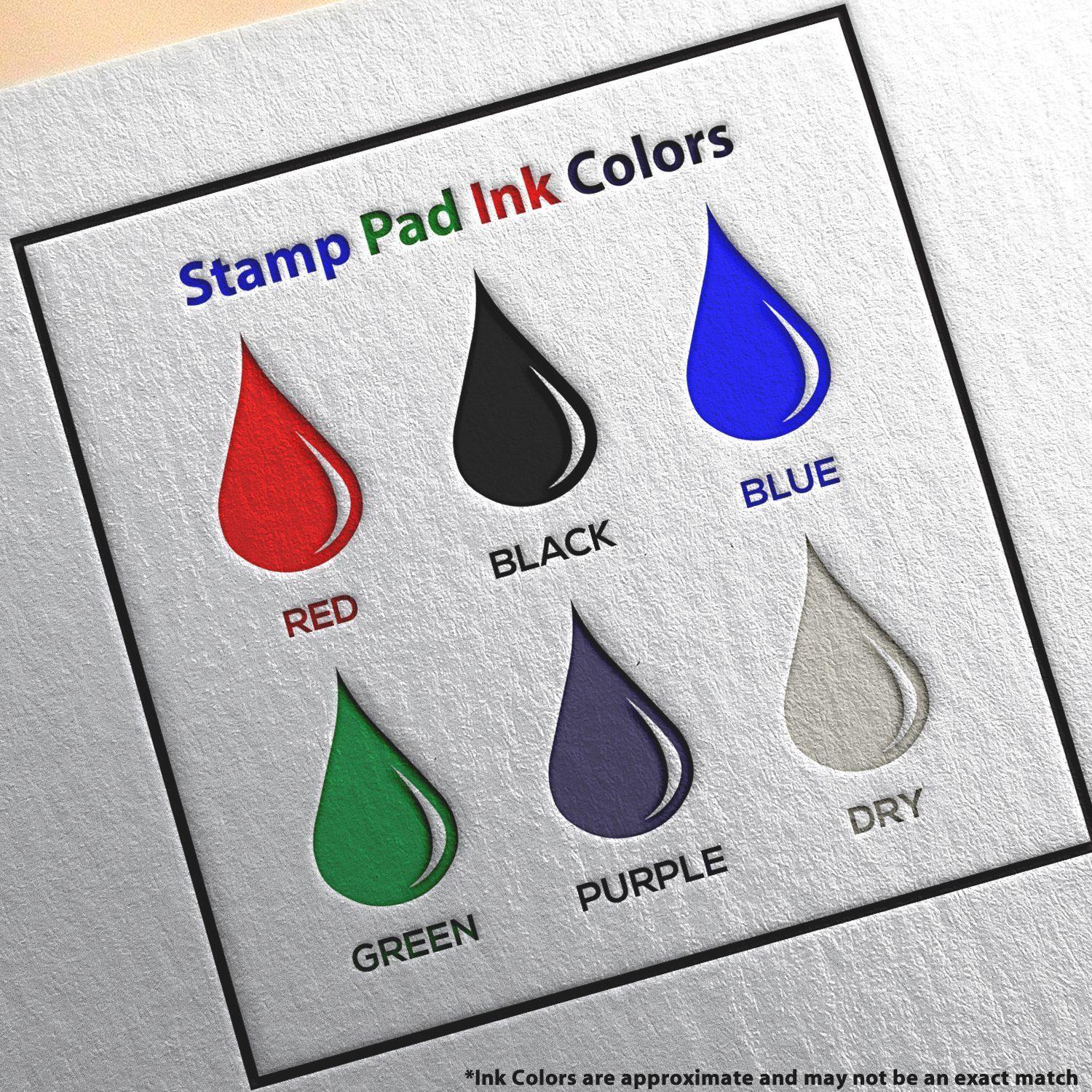
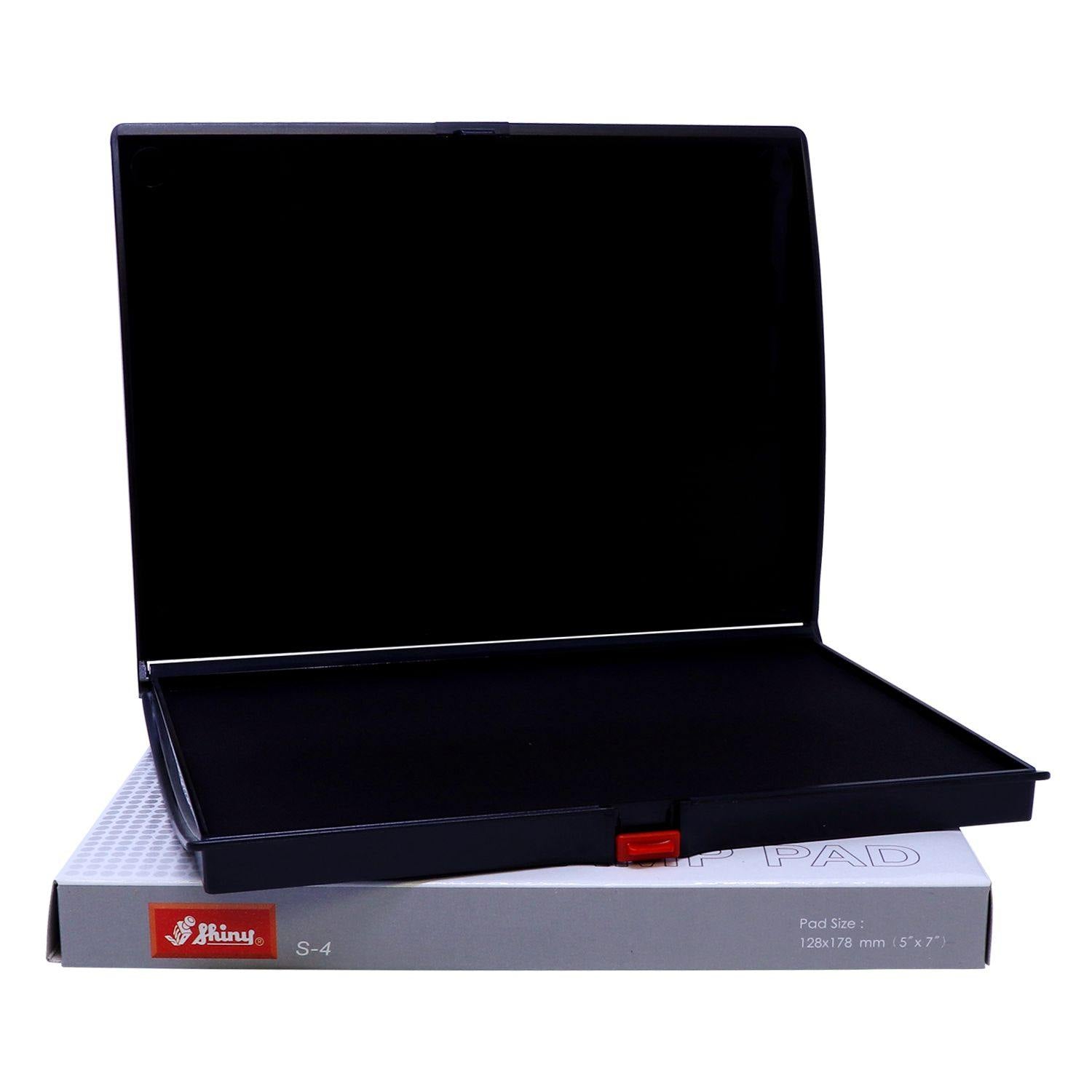
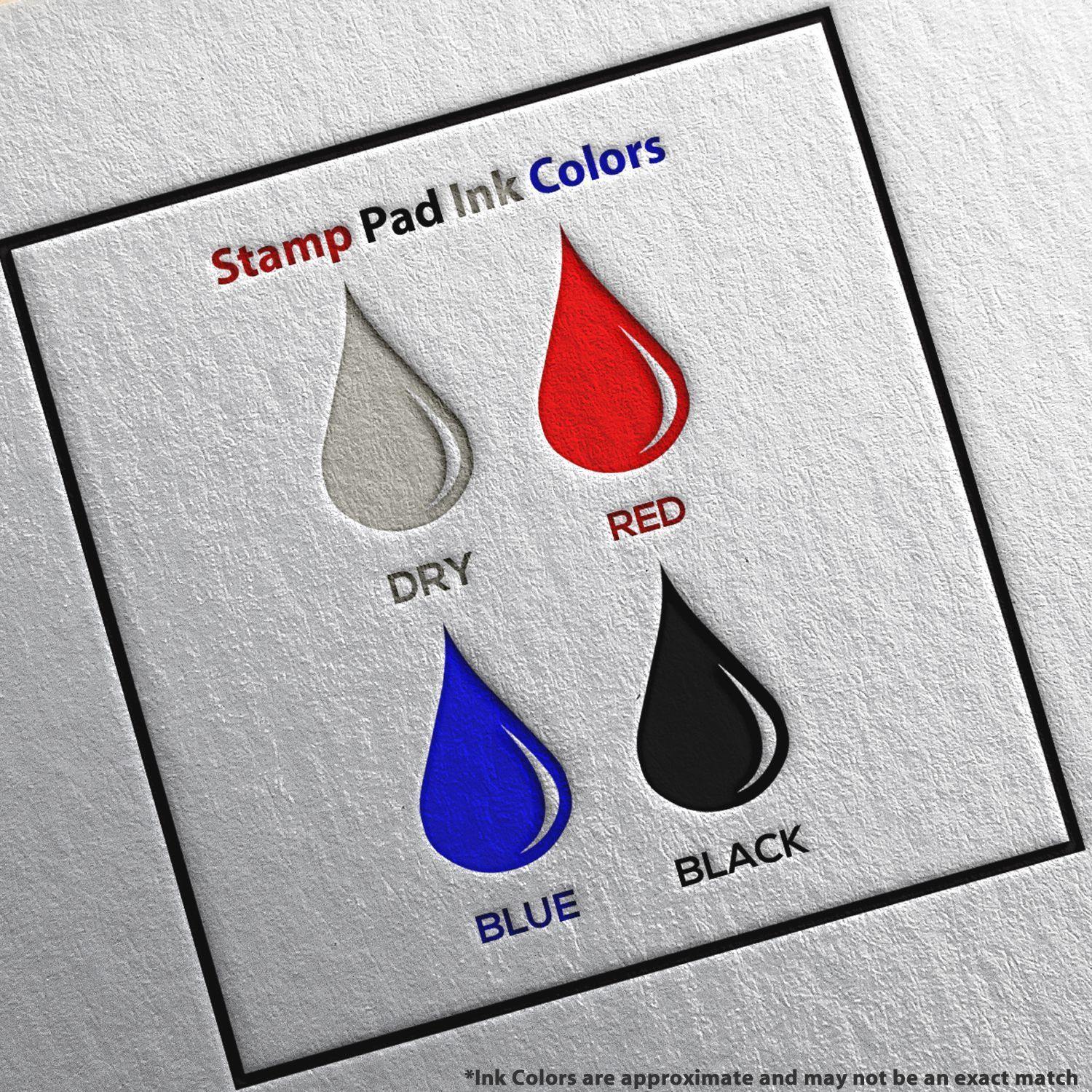
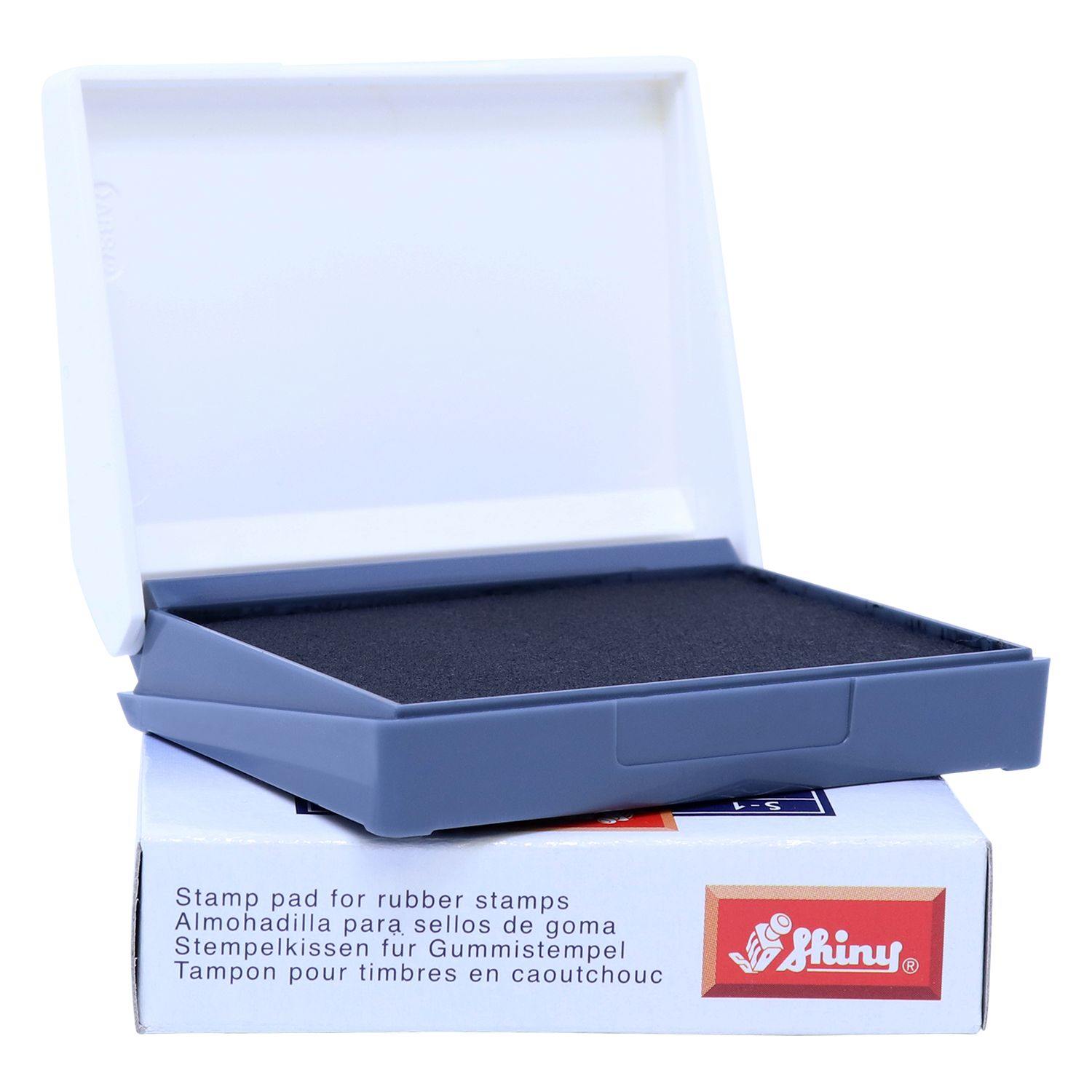
Need a stamp pad size for a wood handle stamp? Start with our stamp pad and ink buying guide.
Below, we’ll walk through what makes these special inks so useful, how to choose the right formula for your needs, and how to avoid common pitfalls that could cost you time and money. You’ll also find tips on working with a trusted partner like ESS, a top-notch supplier of custom stamps. Let’s dive in.
Understanding The Basics
Metal stamping is more than simply pressing a design onto a product. You need a dependable ink that retains its clarity and vibrancy, even under tough conditions such as constant handling, exposure to chemicals, or abrasive cleaning processes. This is where permanent inks truly shine.
- They’re formulated to bond tightly to metal, which minimizes the risk of fading.
- They can handle a range of temperatures, from scorching hot factories to cold storage rooms.
- They deliver crisp lines, meaning your stamp looks professional every time.
If you want to add your brand name or other identifying info to your parts, permanent inks help ensure those marks stay right where you put them.
How Permanent Ink Bonds To Metal
Ever wonder why certain inks flake right off metal, while others cling like they were designed for it? There’s actual chemistry at play. Metal surfaces are typically non-porous, which means traditional inks have trouble sinking in. Permanent inks, however, often rely on solvents that evaporate quickly and leave behind dyes that bond with the surface.
Common Bonding Mechanisms
- Solvent-Based:
- A blend of solvents and resin.
- The solvent evaporates, enabling the resin to cure and latch onto the metal.
- UV-Curable:
- Requires UV light to harden.
- Ideal for high-speed production lines.
- Two-Part Epoxy Blends:
- Combines two chemicals that react with each other, creating a tough finish.
- Used when extreme durability is required.
Getting the ink to dry properly is almost as important as the formula itself. You’ll usually need to adjust your workspace temperature, reduce humidity, or set up a specialized drying station. Once you’ve nailed the setup, your stamps will hold firm.
Valuable Benefits For Quality Control
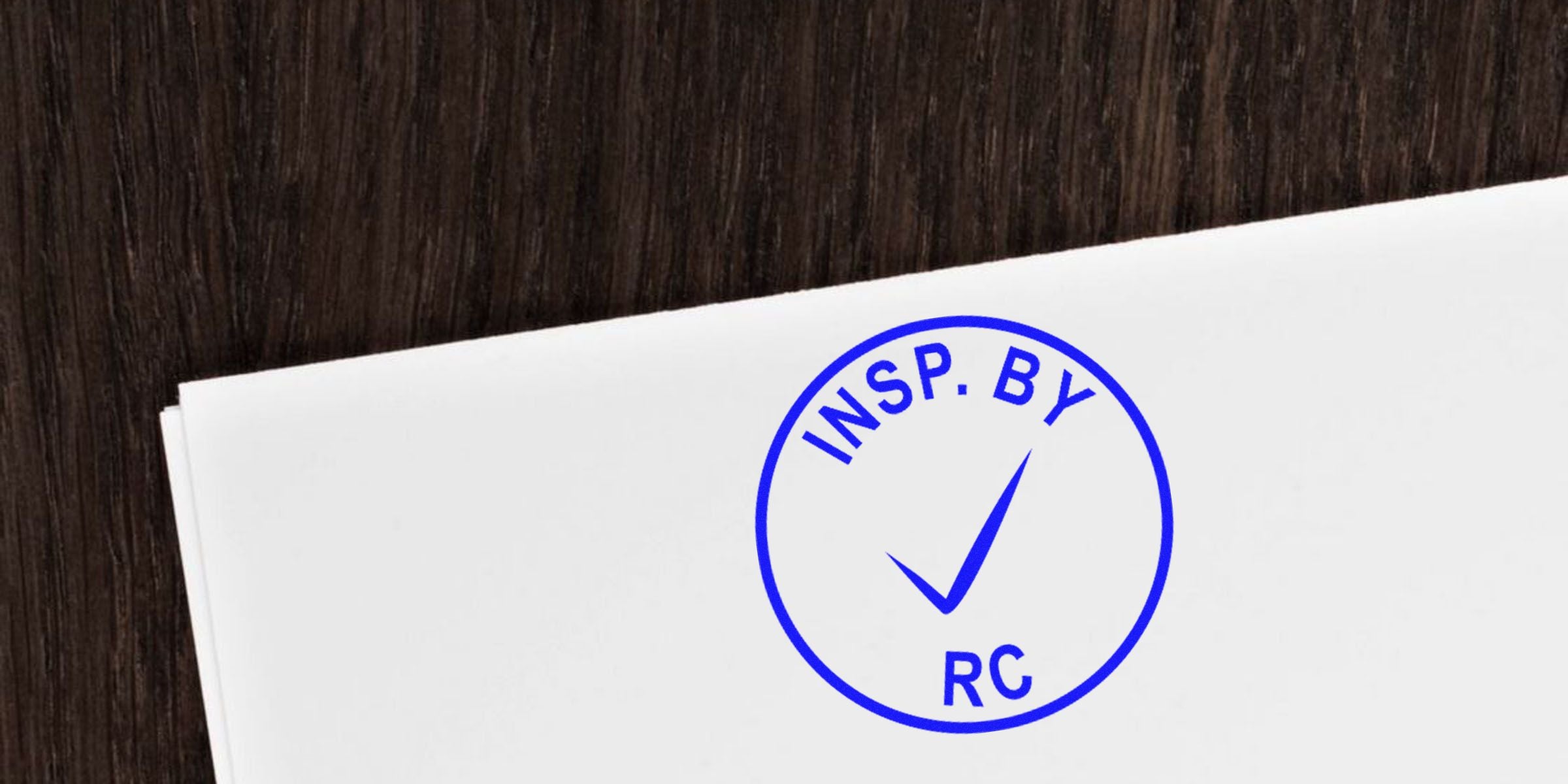
If your job involves quality assurance (QA) or inspection stamps, you know that clarity is key. Scuffed marks or partial impressions can lead to confusion or rework. A dependable permanent ink:
- Withstands ongoing friction, so repeated handling won’t erase your mark.
- Resists chemical spills, preventing smudging or complete fading in tough environments.
- Helps maintain compliance, especially if government or industry regulations require clear identification of batches or inspection statuses.
For instance, if you manage a facility with numerous metal parts crisscrossing the assembly line each day, a well-timed stamp helps you track each piece’s status at a glance. That kind of traceability makes your entire QC process run more smoothly.
Types Of Durable Ink
It’s easy to assume all permanent inks are alike, but different blends offer unique advantages. Here’s a handy overview:
| Ink Type | Key Features | Typical Use Cases |
|---|---|---|
| Alcohol-Based | Quick-drying, smudge-resistant | Automotive parts, aerospace components, general manufacturing |
| Oil-Based | Highly resistant to chemicals and extreme weather | Outdoor machinery, heavy-duty equipment, surfaces in harsh climates |
| Water-Based | Eco-friendly, mild ingredients | Lighter-stress applications, indoor machinery, less chemical exposure |
| UV-Curable | Rapid curing under UV light, extremely durable | High-volume production lines, immediate dryness needed |
Matching Ink To Environment
- If you expect your metal product to encounter high humidity or potential spills, an oil-based or UV-curable ink could be your safest bet.
- For standard manufacturing processes in controlled conditions, alcohol-based inks often deliver great performance without extra fuss.
- If you want an environmentally softer approach, look into water-based inks as long as you’re not pushing them into harsh settings.
Tips For Choosing The Right Ink
Picking the right permanent marking ink for metal goes beyond reading the label. You’ll also need to consider how the ink will behave in your specific environment.
- Assess Surface Preparation:
- Make sure the metal is free of oil, dust, or coating residue. A quick wipe with a suitable solvent improves adhesion.
- Consider Drying Times:
- Some inks dry almost instantly, while others may need a few minutes. Factor this into your workflow to avoid accidental smudges.
- Evaluate Temperature Tolerance:
- If you store or transport items in extreme temperatures, confirm that the ink won’t crack or peel.
- Look For Regulatory Compliance:
- Certain industries (like medical device manufacturing) may have strict requirements for inks used on metal.
- Test Before Committing:
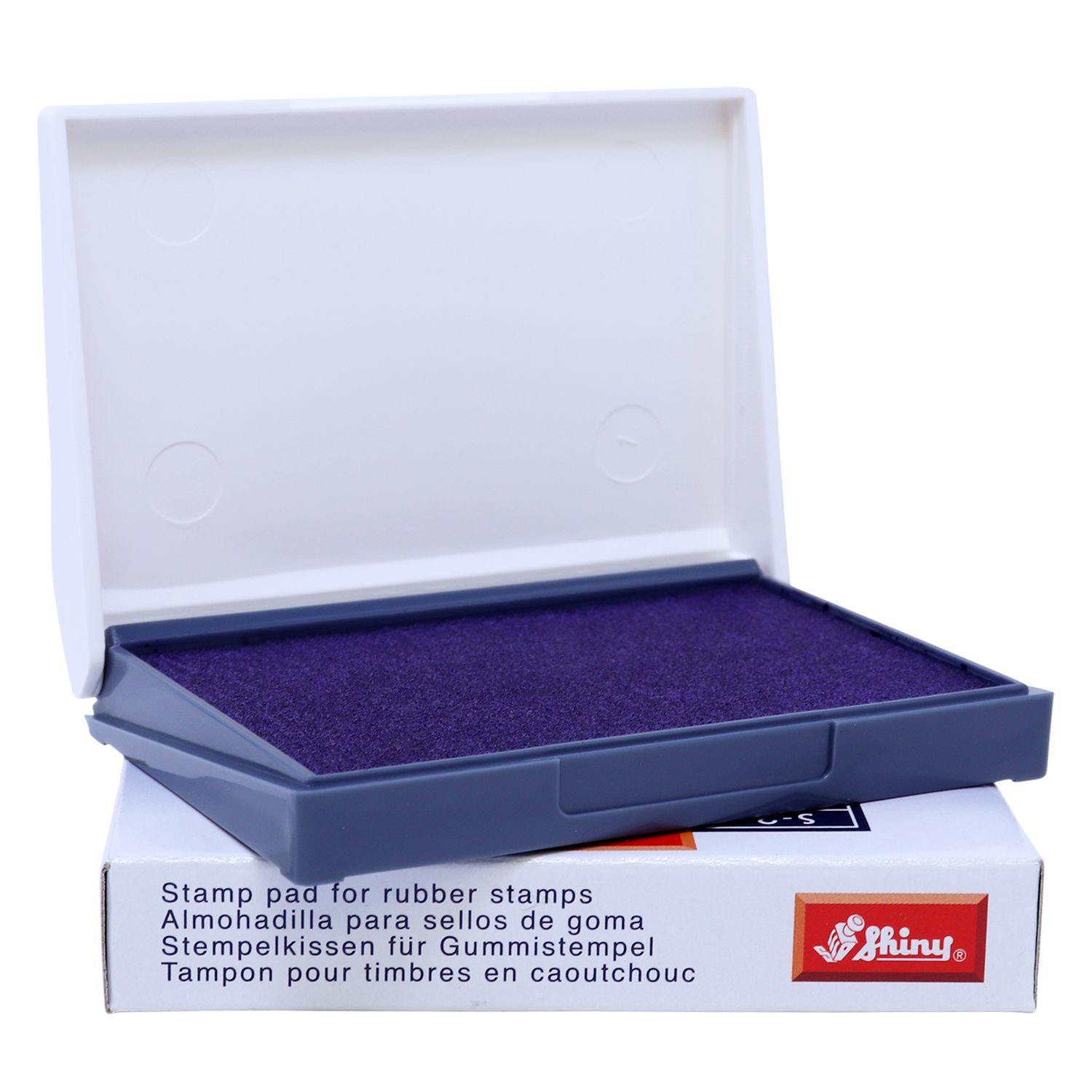
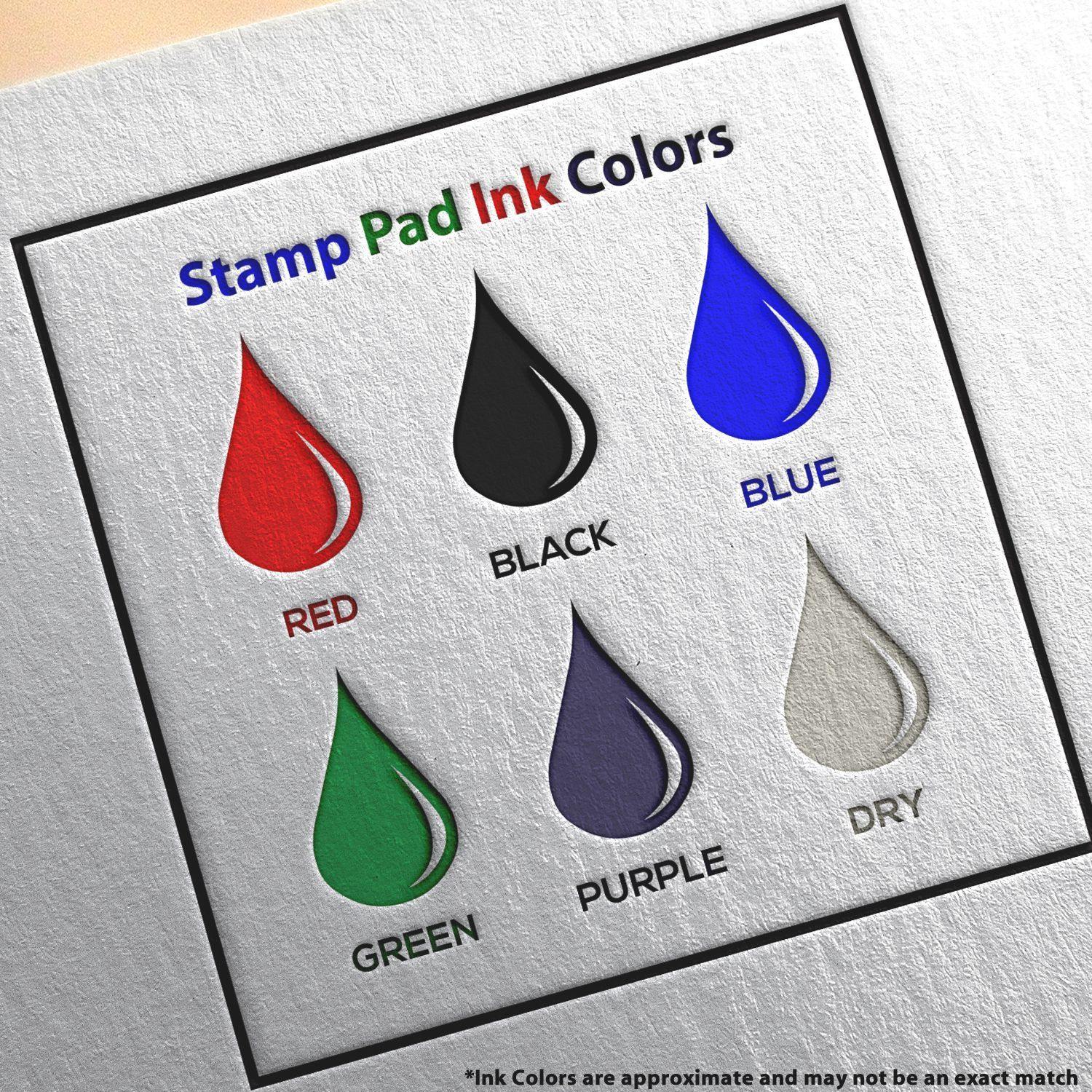
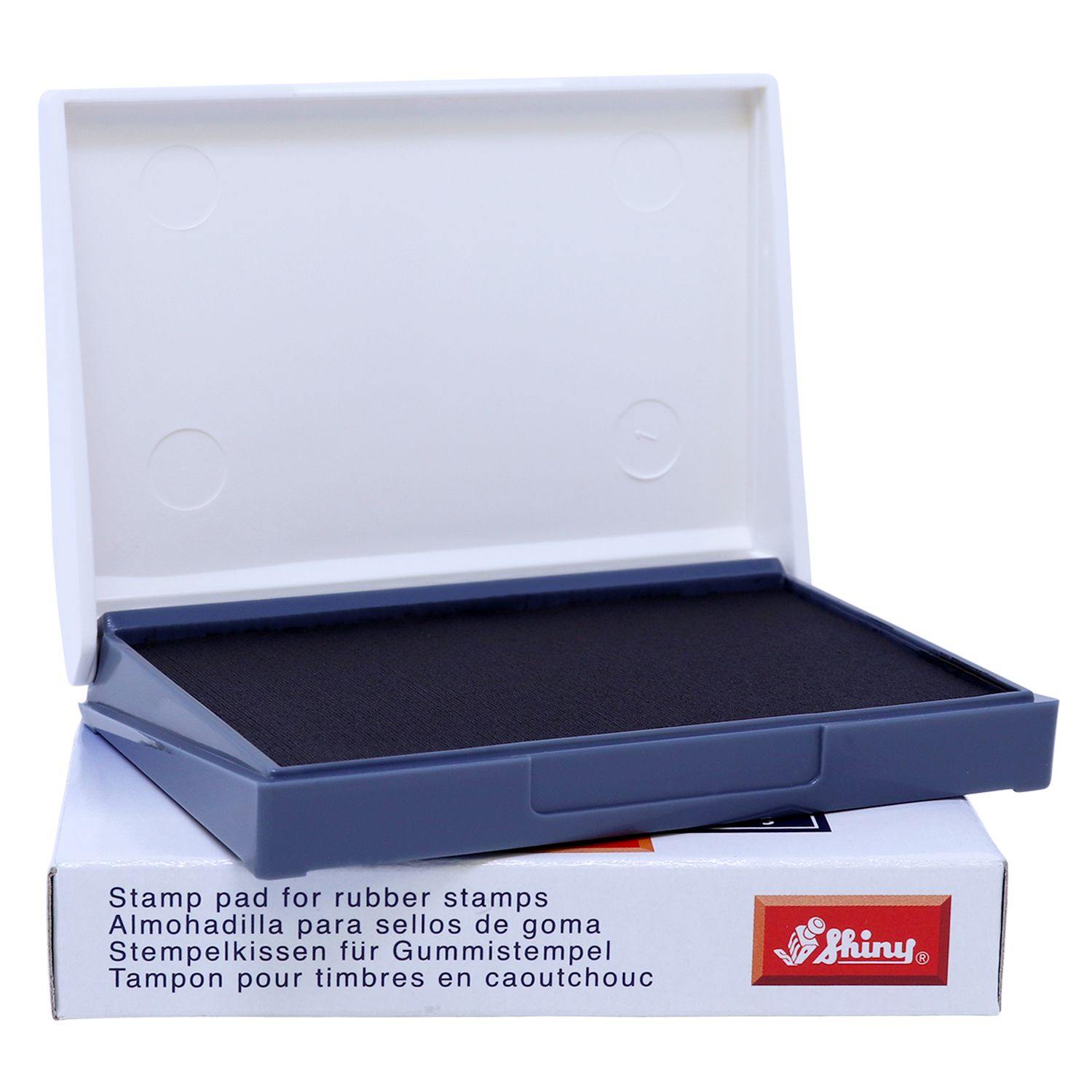
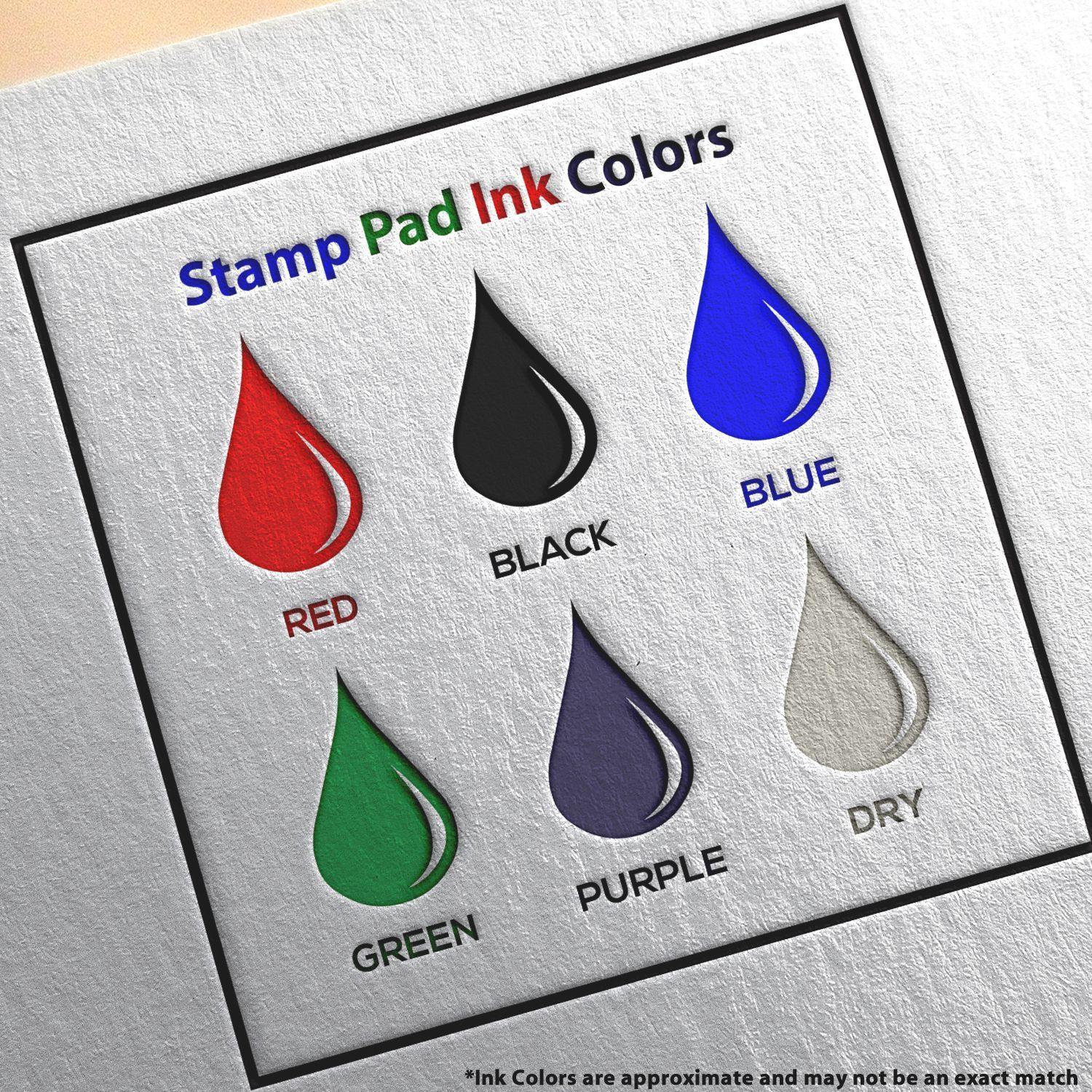
- Purchase a small sample of ink to trial on your part. Conduct a scratch test, and see how it holds up during typical handling.
Above all, it’s smart to talk with a supplier that understands your production environment and can guide you to a formula that matches perfectly. That’s one of the biggest reasons that stamping solutions from ESS stay in such high demand.
Common Mistakes To Avoid
Even experienced stampers can slip up if they don’t pay attention to the details. Here are a few pitfalls you’ll want to watch out for:
- Not Cleaning The Surface Properly:
Residues or dust can weaken the ink’s bond. - Over- or Under-Inking:
Too much ink can smudge, while too little can produce a faint mark. - Applying Excess Pressure:
You might end up distorting the stamp’s design or creating ink “bleeding.” - Choosing An Ink That’s Not Formulated For Metal:
Inks that are perfect for paper often fail on metal. Ensure it’s specifically labeled for metal application.
A little prep goes a long way. By cleaning thoroughly, applying just the right amount of ink, and using the correct pressure, you’ll sidestep many of these common errors.
Why Work With A Trusted Supplier
When you need stamps that hold up under real-world conditions, it’s comforting to know you’re partnering with a company that’s been around the block. At ESS, we’re family owned and operated since 1964, and we’ve spent decades perfecting custom inspection stamps, QA stamps, QC stamps, and more. Here’s what you can expect from our team:
- Excellent customer service from people who genuinely care about your project.
- Very fast turnaround times, so you’re not left waiting on essential tools.
- A top-notch reputation that spans generations of satisfied clients.
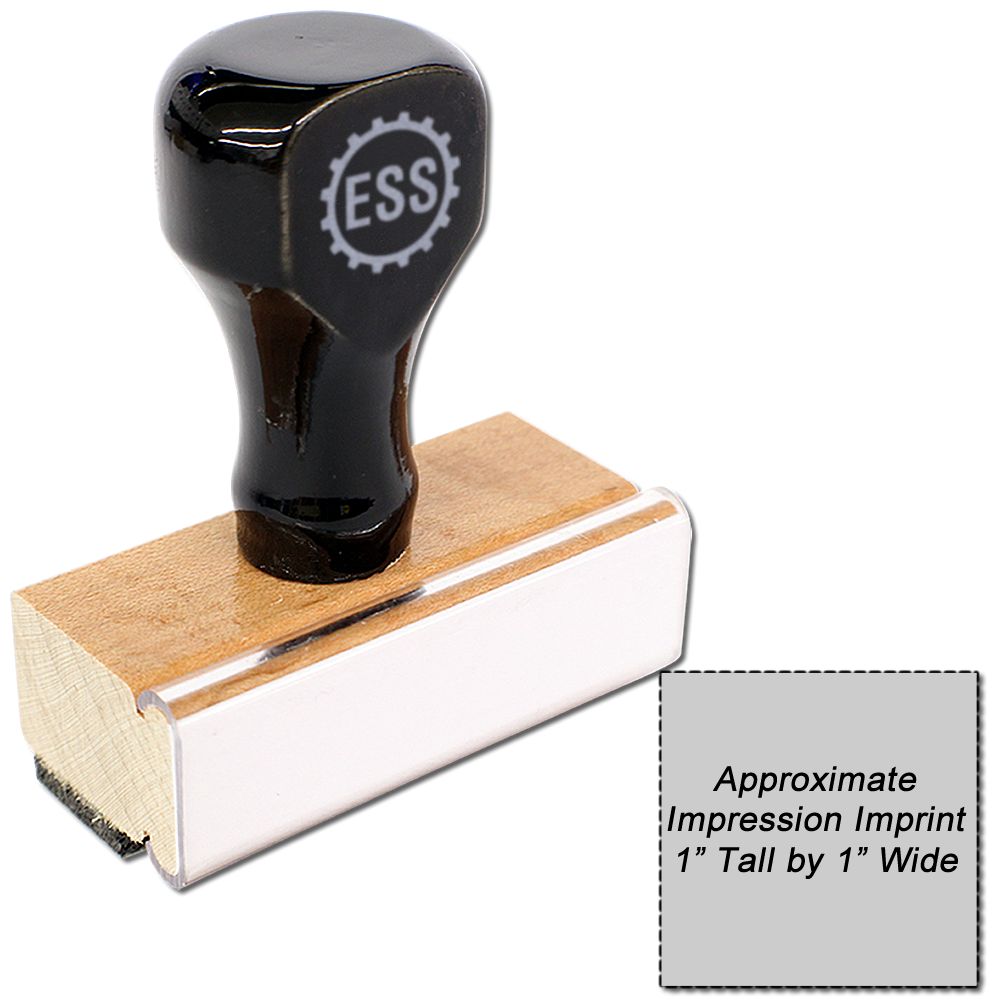
Instead of juggling multiple providers for ink, stamps, and accessories, you can enjoy a streamlined experience by working with a vendor who does it all. If you’re looking to mark your products in a distinctly professional way, consider a company logo inspection stamp. It’s an easy way to add your own branding, and you’ll know the ink and stamp were meant for each other.
Our Approach
- We start by hearing you out: what’s your environment, your product, your preferred workflow?
- We help you pick or design a stamp that fits your exact needs.
- We guide you to the ideal permanent ink solution, ensuring it’s compatible with both your stamp and the metal surface.
Because we’ve lived and breathed this industry for decades, we can typically spot a mismatch before it becomes a problem. In other words, we help you get things right the first time.
Putting Everything Into Practice
Imagine this scenario: You manage final inspections on a fast-paced assembly line where metal parts are flying by. You want to confirm each piece meets quality standards in a few quick motions. Armed with a strong, durable ink and a custom inspection stamp, you can mark each approved item with confidence. Even if a part gets shipped across the country, the QC mark should remain readable and intact upon arrival.
Or maybe you operate a smaller workshop where you want to brand each product with a subtle logo. Using permanent ink for metal stamping ensures that your name doesn’t vanish after a few weeks of wear. In both cases, the right ink and stamp combination can mean the difference between a polished, professional look and a smudged, unreliable mark.
Five Frequently Asked Questions
Below are answers to some of the most common questions about choosing, using, and maintaining permanent inks for metal stamping.
Q: Can I use regular office ink on metal surfaces?
A: You can try, but standard office ink usually won’t adhere well. It’s often designed for porous materials like paper. For reliable results on metal, you need an ink specifically formulated for non-porous surfaces.Q: How should I store my permanent ink?
A: Keep it sealed in a cool, dry place, away from direct sunlight. Extreme heat or cold can affect the ink’s consistency and may shorten its lifespan.Q: Will a permanent ink mark withstand chemical cleaning?
A: It depends on the specific ink. Many alcohol-based or oil-based inks hold up well, but if you’re planning a heavy-duty cleaning regimen, talk to your supplier about the best ink for harsh chemicals.Q: What if I need a custom color for branding?
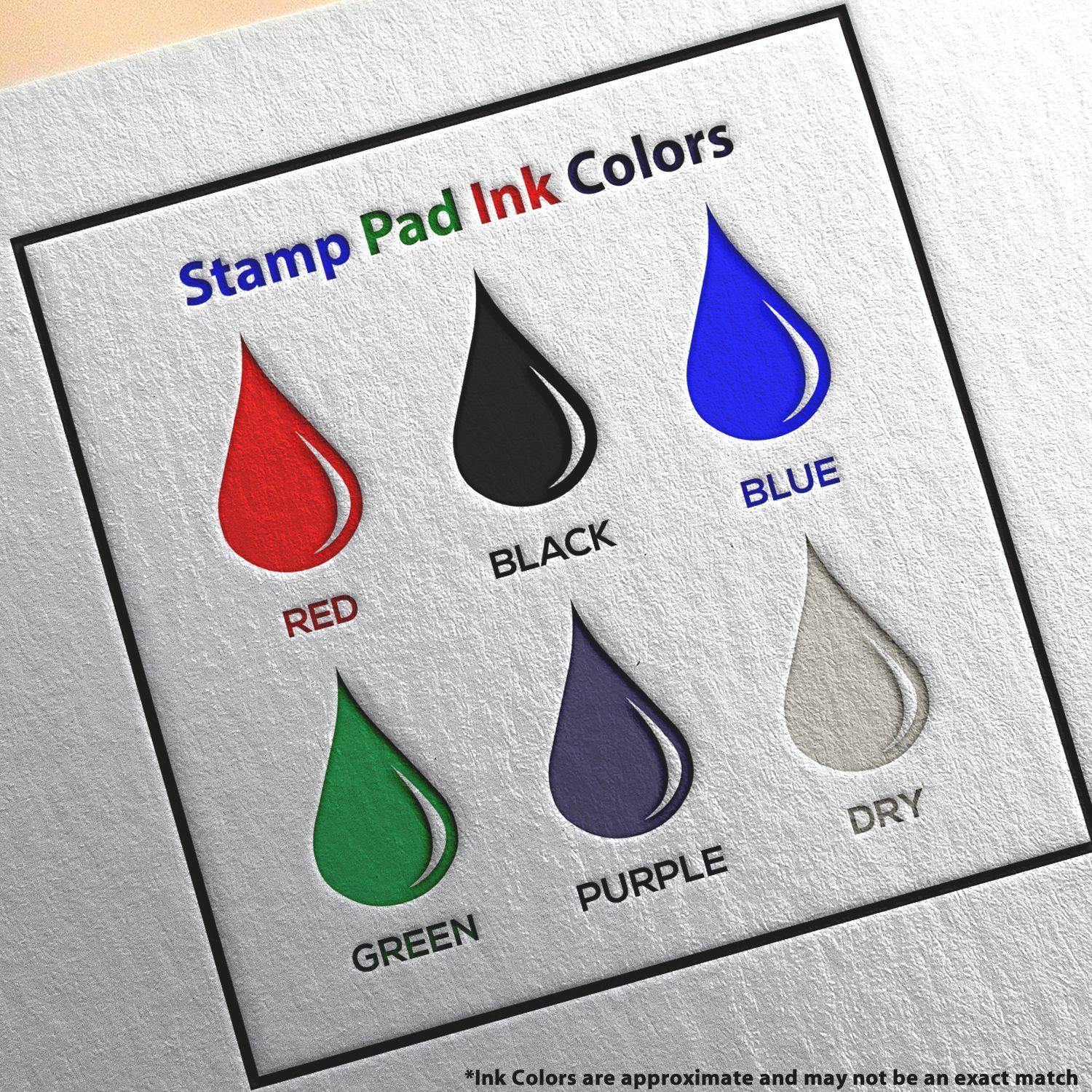
A: Most reputable suppliers, including ESS, can formulate special colors or match Pantone shades. Just be sure to confirm that any special blend remains permanent on metal.Q: Do I need special equipment to dry the ink on metal?
A: Some inks air-dry quickly. Others may benefit from a low-heat station or UV curing setup. Check the manufacturer’s instructions or ask your stamp provider for a recommended process.
Final Thoughts
While metal stamping might seem straightforward, getting the right ink makes all the difference between a solid, professional result and a mark that scrapes away over time. With high-quality permanent ink, you’re looking at better efficiency, fewer redos, and a reliable way to keep track of your parts or communicate essential information.
If you’re ready to upgrade your inspection or branding process, ESS is here to help you choose the perfect combination of durable ink and custom stamp. Let us know what you need stamped, and we’ll guide you every step of the way. By investing a bit of time in selecting the best permanent marking solution for metal, you’ll be saving yourself plenty of frustration down the line. You’ve got a lot on your plate—why not stamp it out with confidence?