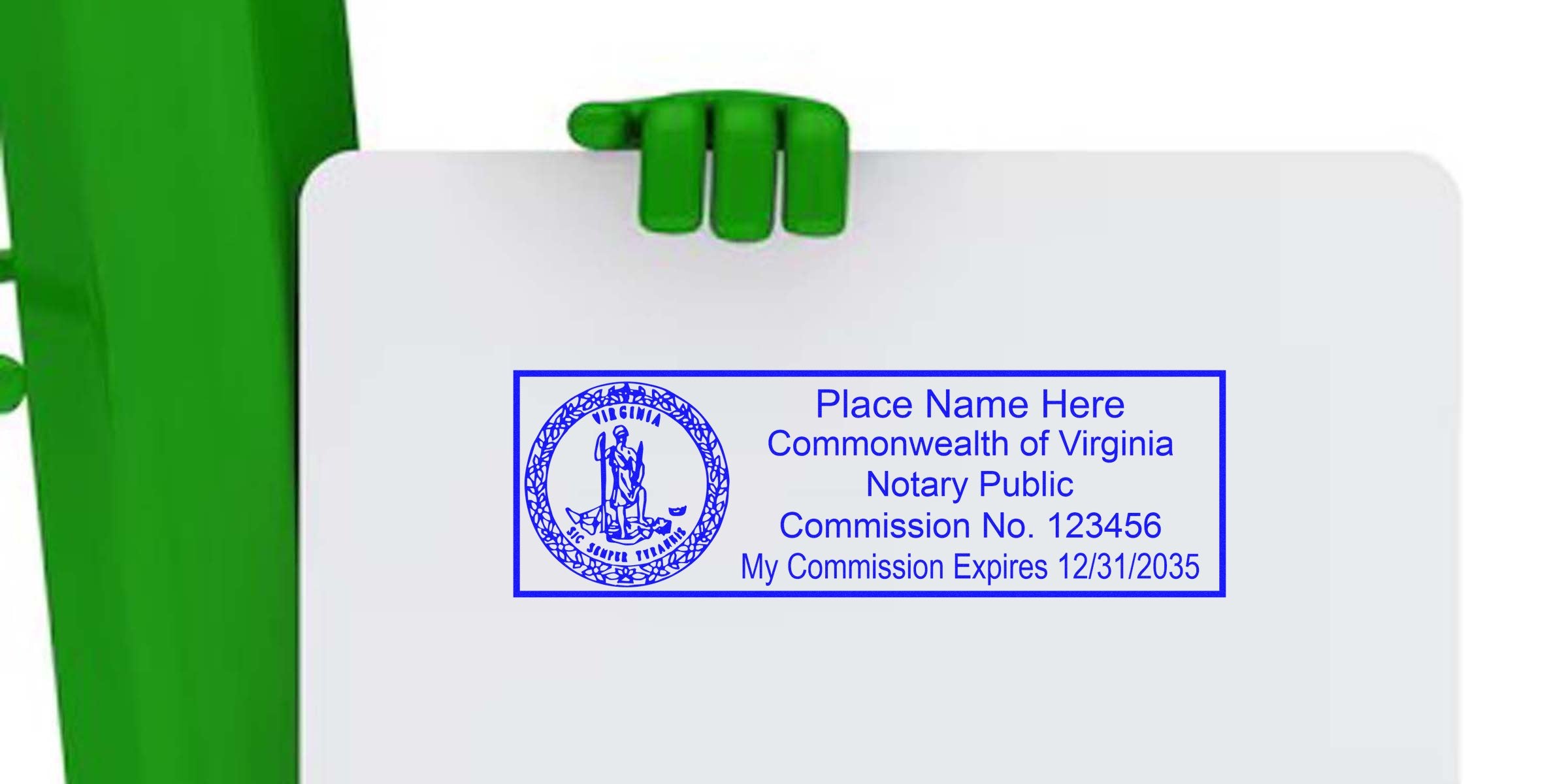
When you’re navigating the process of becoming—or continuing as—a notary in the Commonwealth, choosing the right state seal notary stamp Virginia requires might not be the first thing on your checklist. Yet, it’s vital for every notarization you perform. The official Virginia state seal is a clear sign of your authorization to witness and authenticate signatures. No matter if you’re a first-time notary or simply upgrading your tools, the right stamp ensures compliance, legibility, and a professional impression at every turn.
In this guide, you’ll discover the essential considerations for selecting your Virginia notary stamp, from the design of the seal to ink choices and supplier reputation. Get ready to feel confident about purchasing your next notary seal, whether you’re just starting out or replacing a worn-out favorite. By the end, you’ll have a solid grasp on exactly what to look for, how to comply with legal guidelines, and which vendor perks can give you the best value for your money.
Understand Virginia Notary Rules
Before you pick out a brand-new stamp, it’s key to understand the notary regulations in Virginia. You likely know you have to apply, pay a commission fee, and take an oath, but have you looked closely at what your notary seal needs to contain? From the text around the border to the presence of the state seal, ensuring your stamp design meets all the requirements is tremendously important.
Why the State Seal Matters
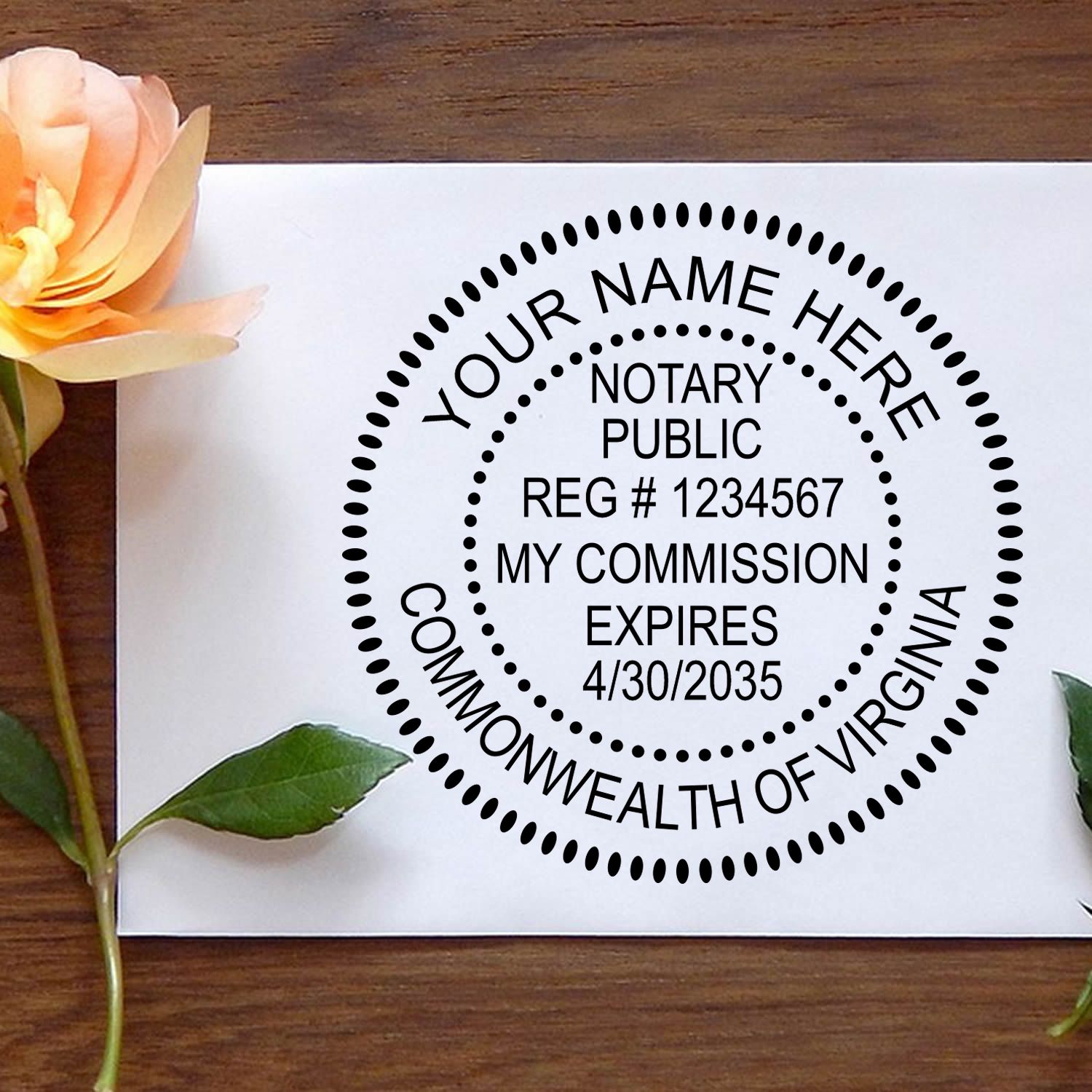
In Virginia, your notary stamp needs to incorporate the official state seal or an approved version of it. This distinctive emblem quickly confirms that you’re authorized by the Commonwealth to notarize. When signers see it, they immediately recognize the legitimacy behind your notarial acts. It’s not just a decorative element, however. The seal’s presence is part of your commission compliance. If it’s missing or illegible, that could lead to legal headaches or rejected documents.
Meeting Official Standards
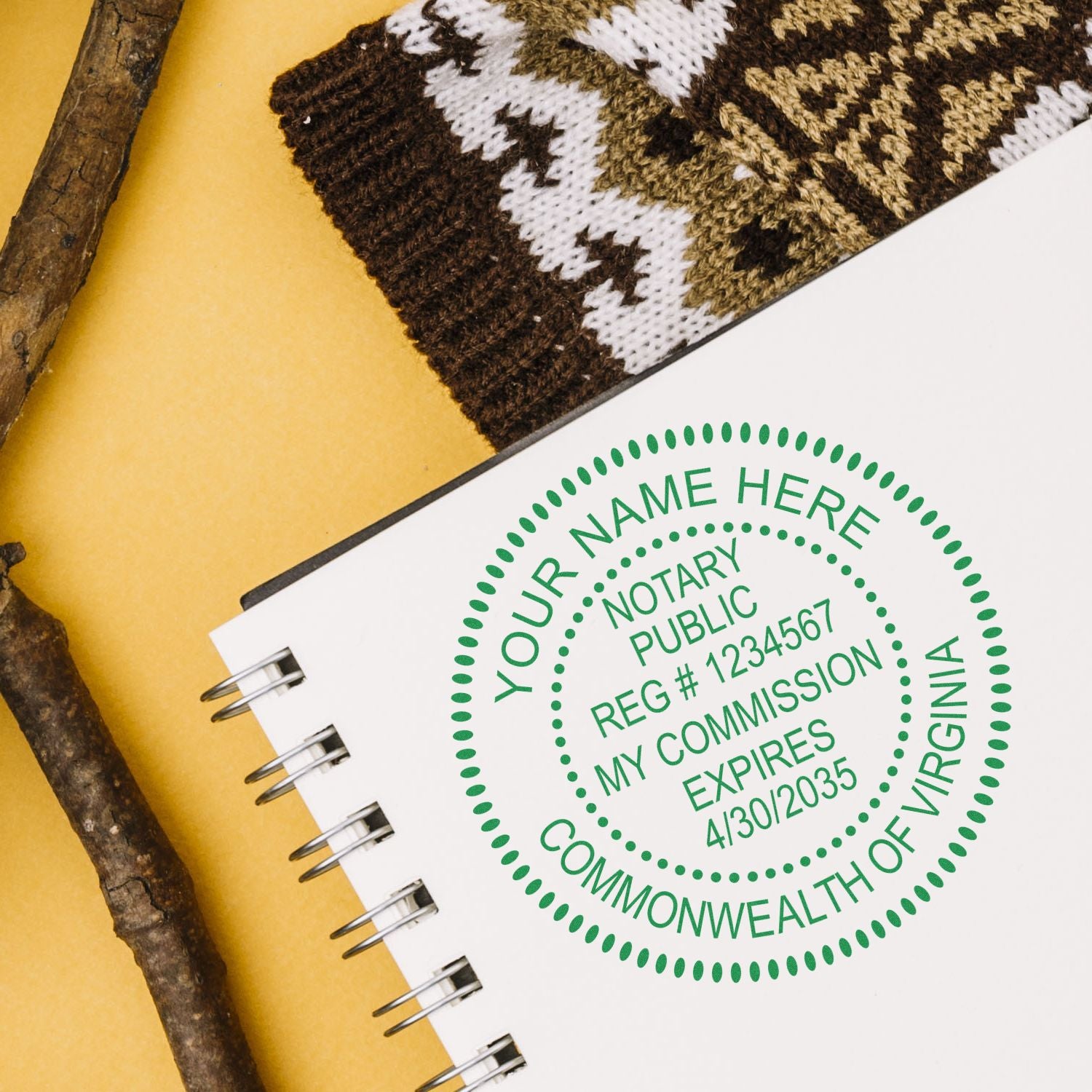
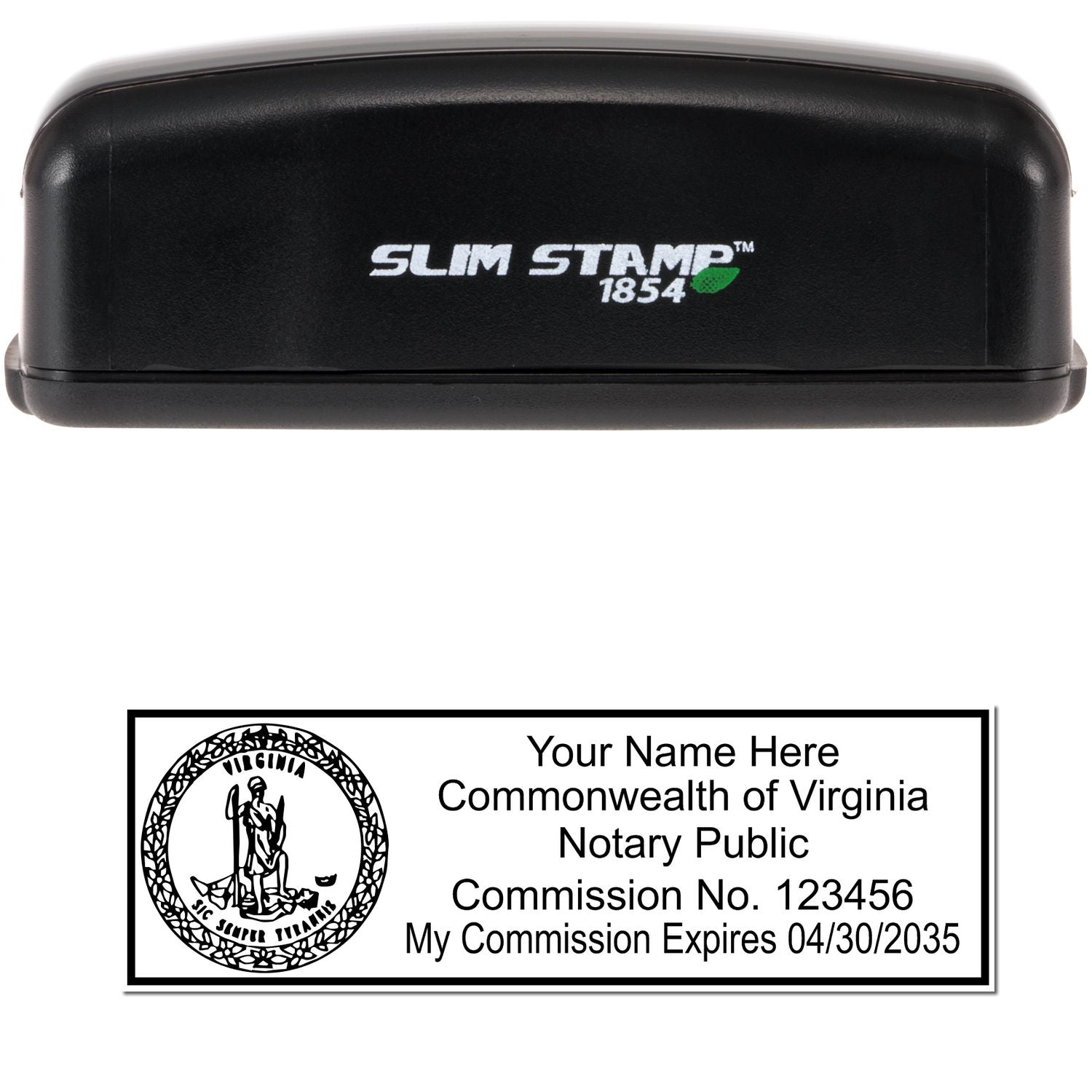
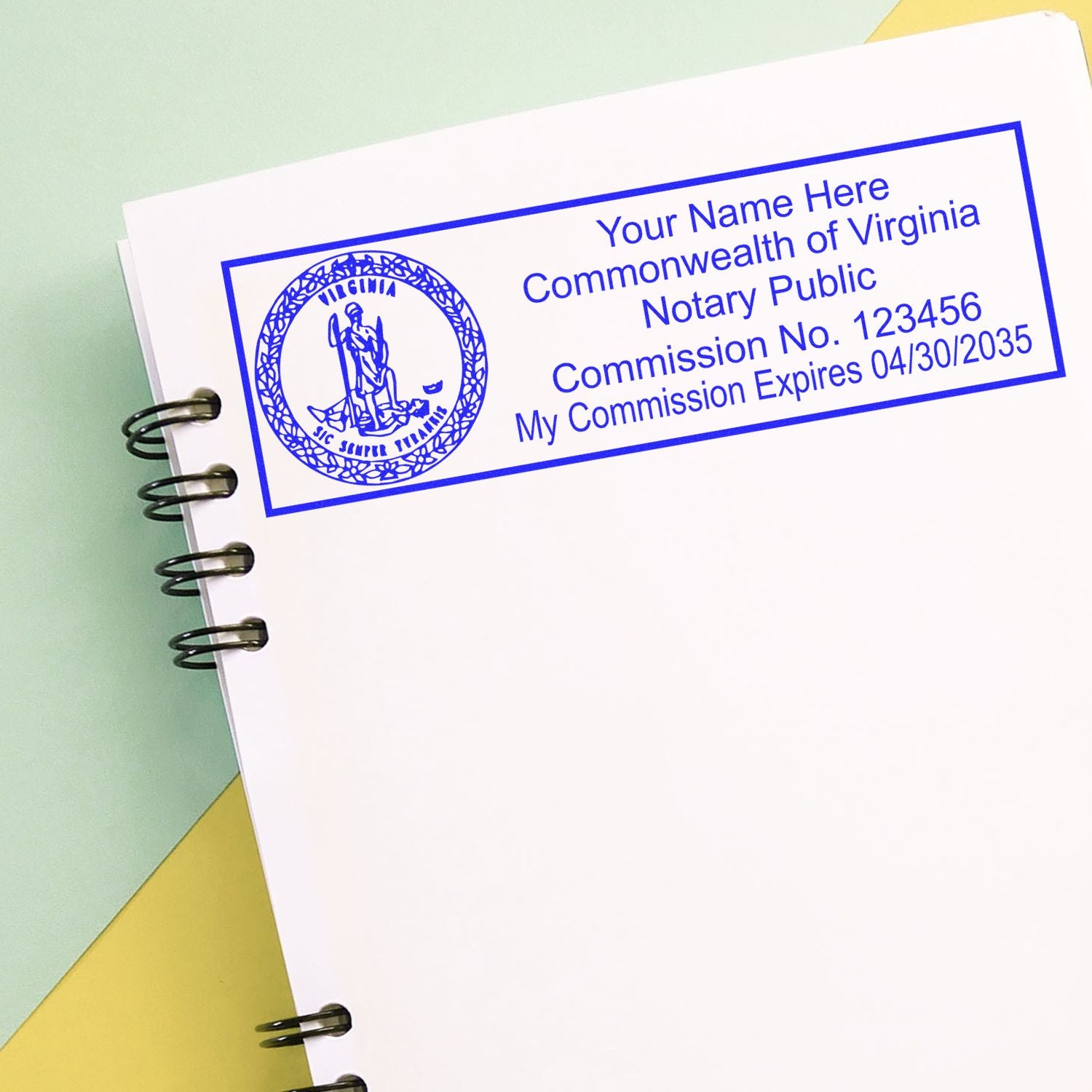
If you look at Virginia notary stamp requirements and Virginia notary seal requirements, you’ll see specific guidance on size, layout, and borders. Some notaries prefer to keep it simple with a round format that circles the seal and your name. Others choose a rectangular design. In either case, your stamp must clearly display “Notary Public” plus your name and commission details, along with the Virginia state seal. Make sure every letter is crisp and legible. If any information is cramped or missing, you could risk invalidating your notarizations.
Choose the Right Stamp Format
When you’re shopping for a stamp that features the Virginia state seal, you’ll notice a few style options. Round or rectangular? Self-inking or pre-inked? All these factors play a role in how smoothly your daily notary tasks go. Consider factors like how often you’ll use the stamp, which style you find easiest to align on documents, and even your aesthetic preferences.
Round vs. Rectangular Seals
Many Virginia notaries appreciate the classic look of a round stamp that highlights the state seal in the center. Round stamps often feel traditional, and they neatly contain the official information within a circular border. A rectangular stamp, on the other hand, can sometimes fit more text across one line, which might appeal to notaries who include additional information on their stamp face. Rectangular stamps also take up slightly less vertical space on the page, which may matter if you notarize documents with limited margin areas.
The key is to find a design that allows enough open space around the seal so everything prints clearly. You don’t want a cluttered stamp where the state seal and your name get squashed together. Whichever shape you choose, confirm that the mandatory elements can be recognized at a glance.
Sizing and Legibility
Virginia stipulates that your stamp must be legible and easily readable. Typically, a 1.5 to 2-inch diameter for round designs is popular because it provides enough room for the seal and your text. If you’re leaning toward a rectangular style, aim for a stamp that’s wide enough to accommodate the seal on one side with your name and “Notary Public” text on a single line. This layout cuts down on confusion and ensures anyone reading the document understands it’s an official notarial act.
Think about the thickness of the impression border, too. You want a strong outline but not one so bold that the text is overshadowed. Also, if you plan on notarizing thick stacks of paper, you’ll need a stamp with a deeper plate that can make contact with uneven surfaces. Alternatively, you might opt to stamp on individual sheets rather than an entire packet to keep the impression crisp.
Assess the Stamp’s Quality
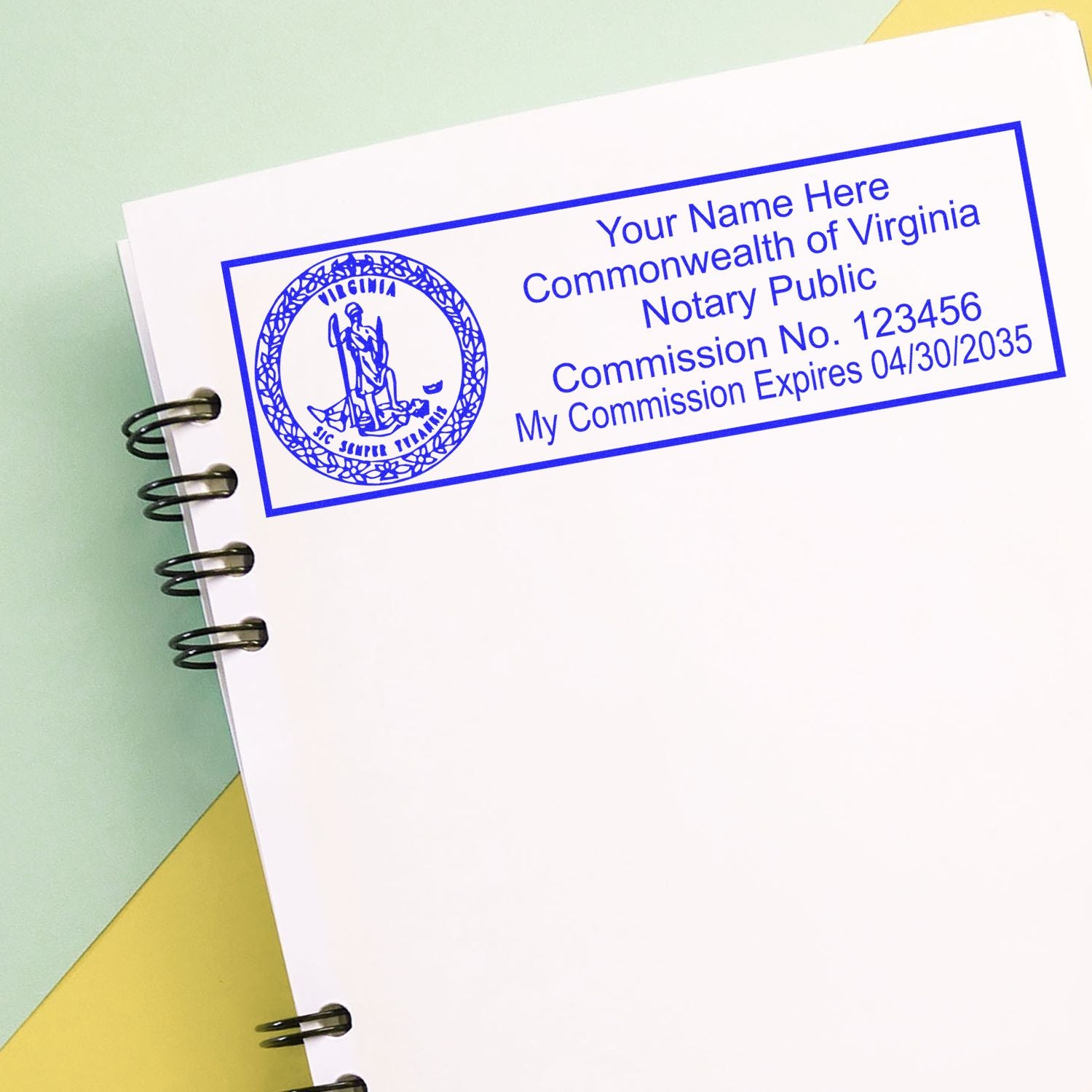
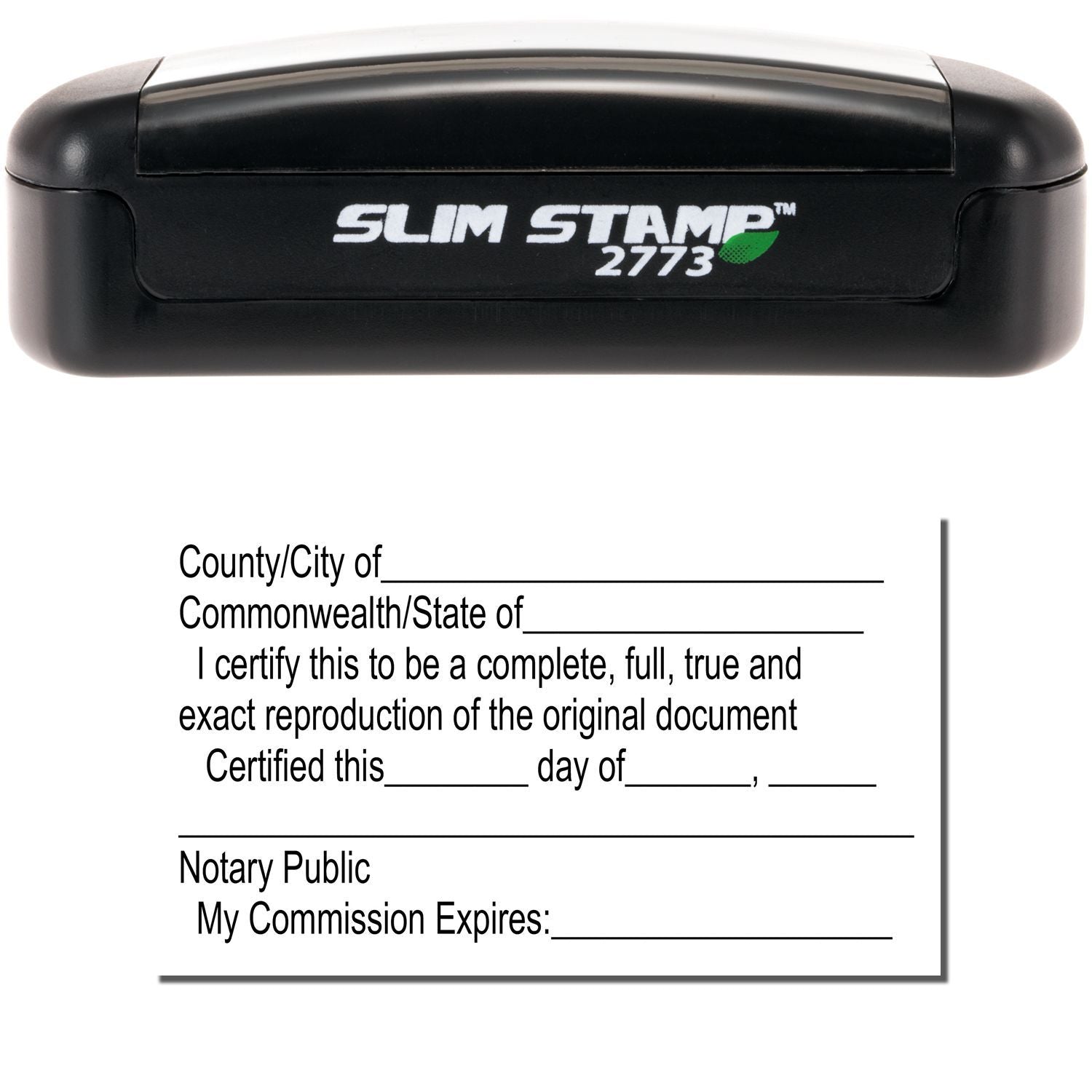
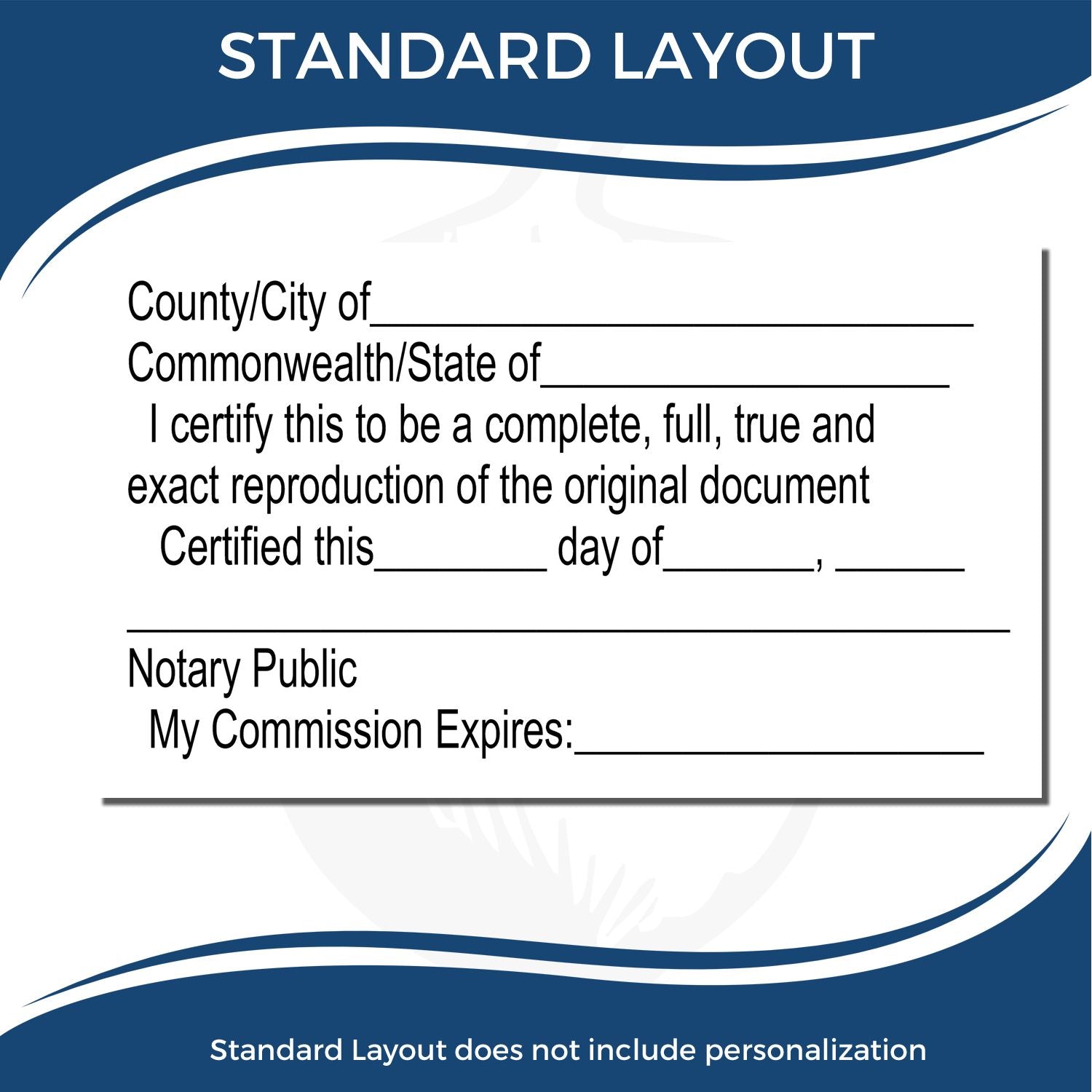
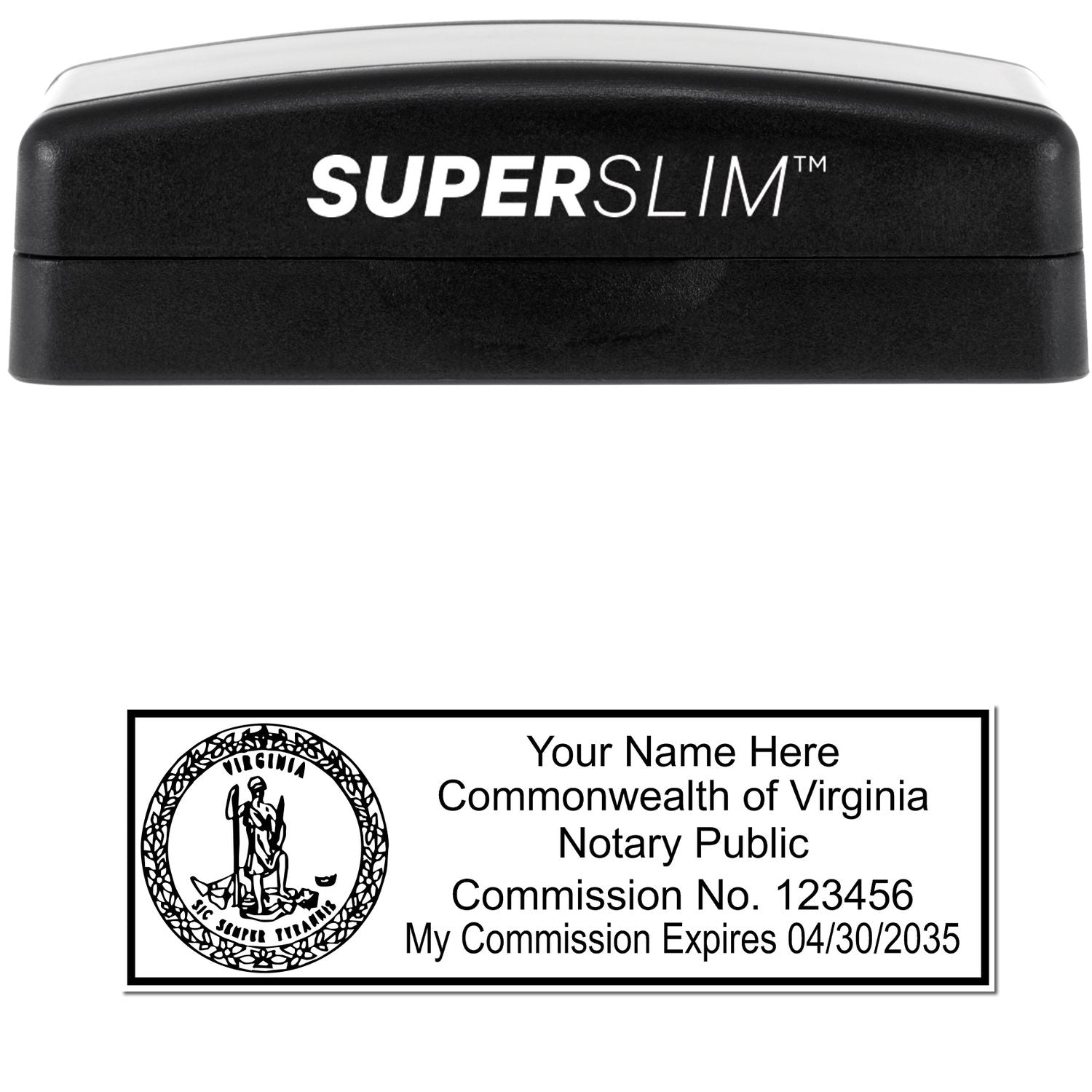
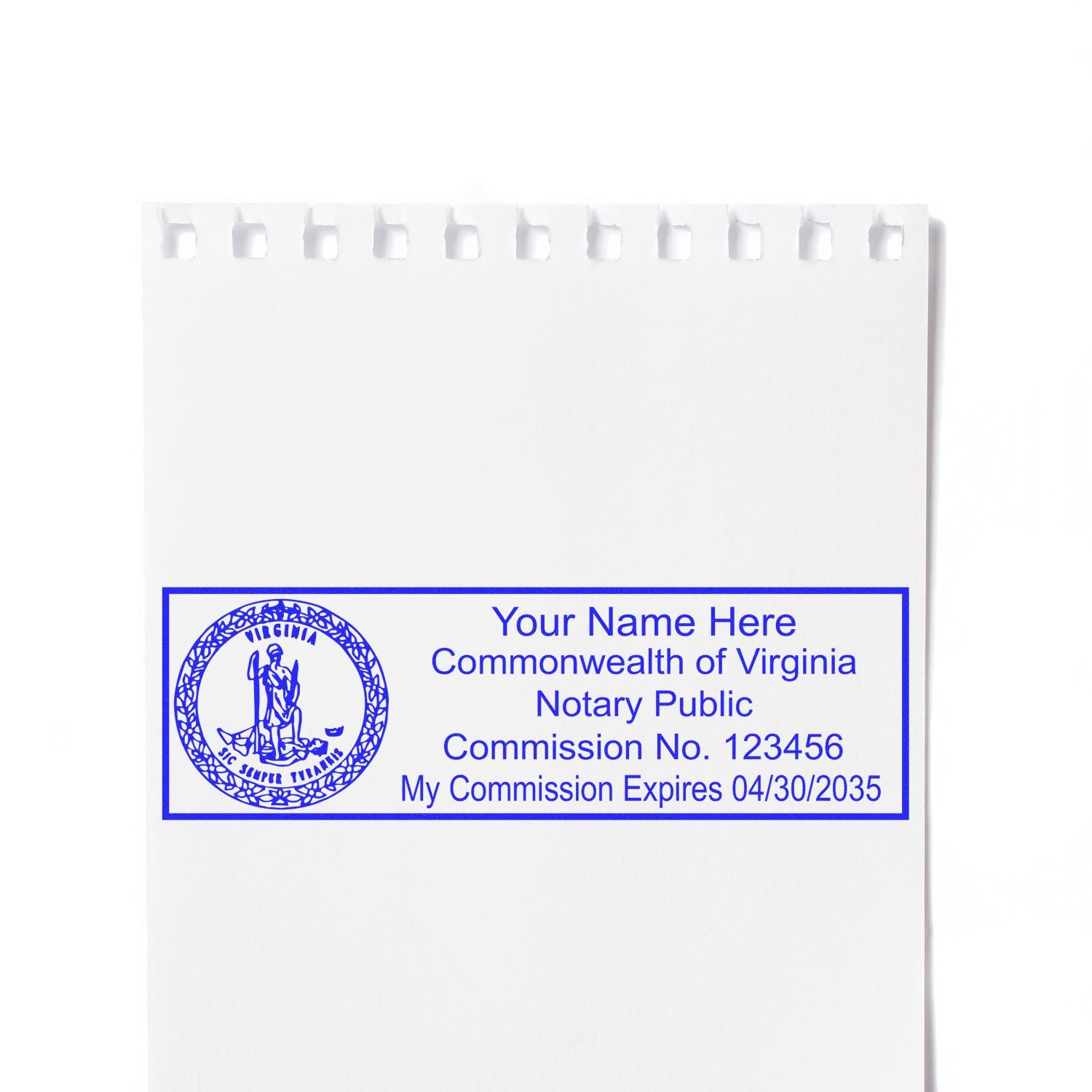
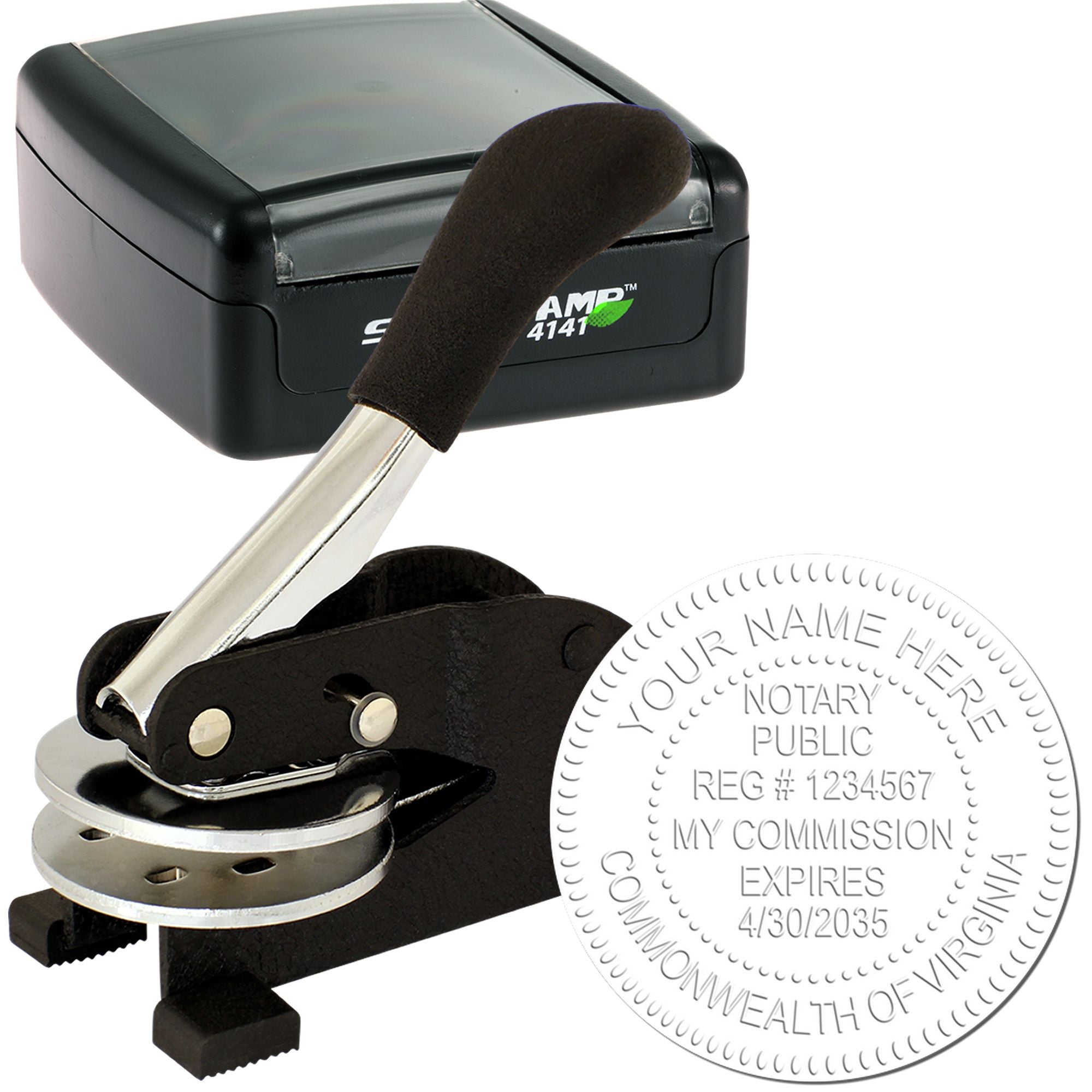
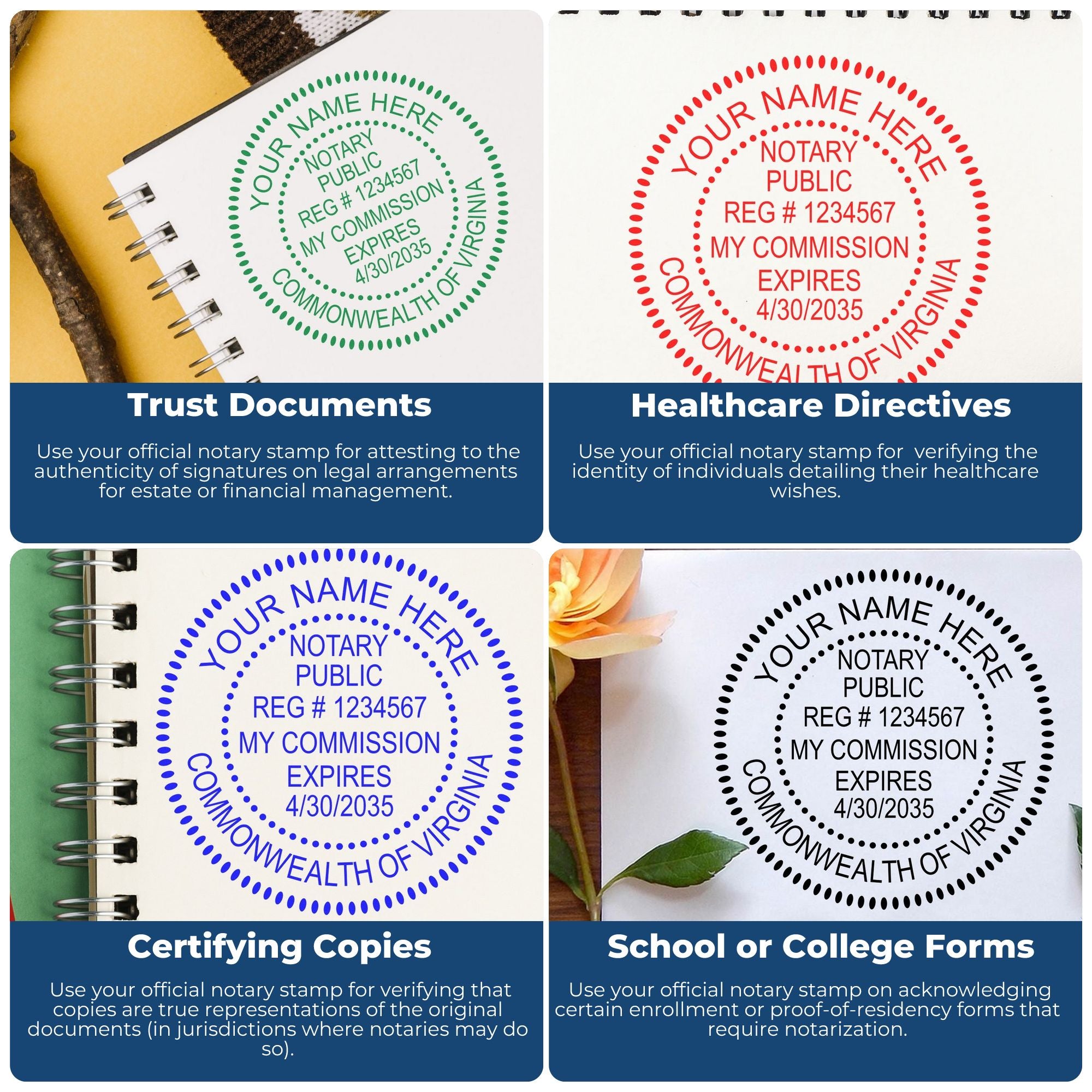
Your stamp is something you’ll use constantly. From signing real estate deeds and medical forms to certifying affidavits, each stamp impression needs to be consistent and clear. Because your notarial act is legal in nature, you never want to fret about half-inked or smudged seals. Examining the durability, ink reservoir, and handle construction is a must.
Ink Options and Durability
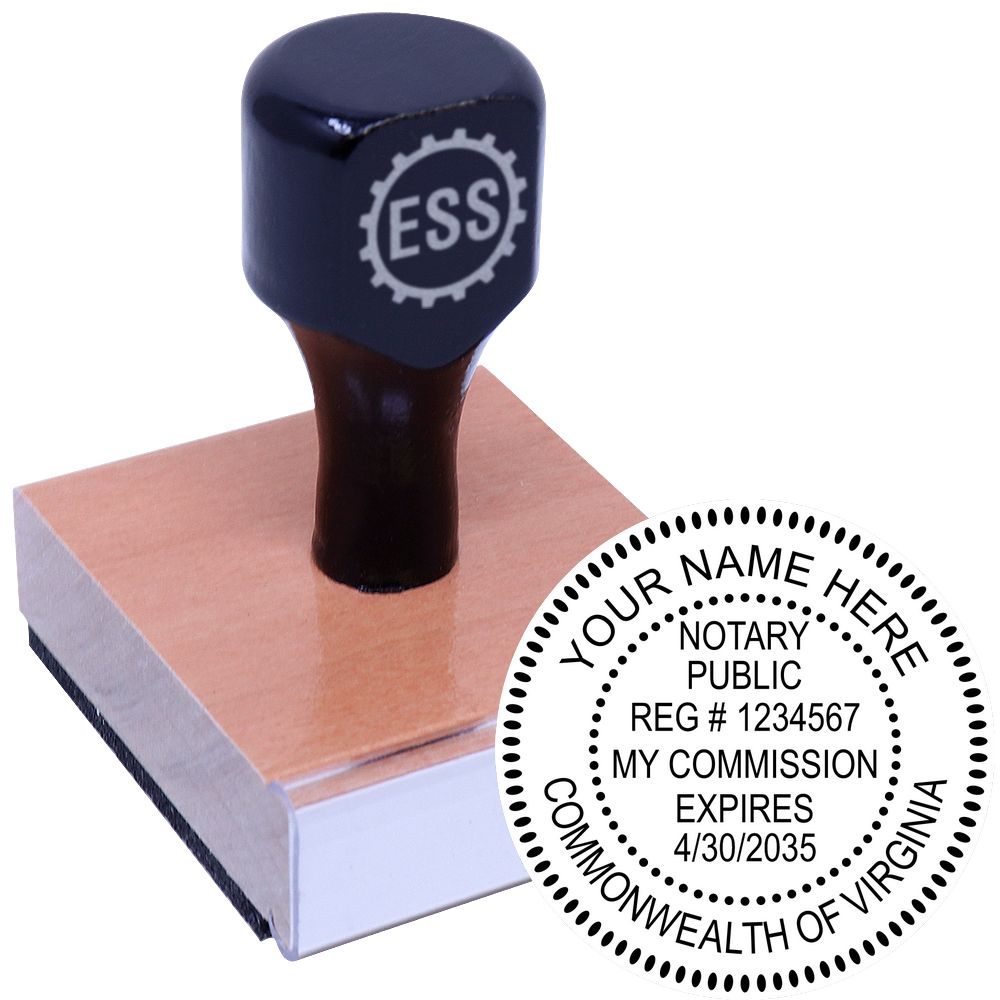
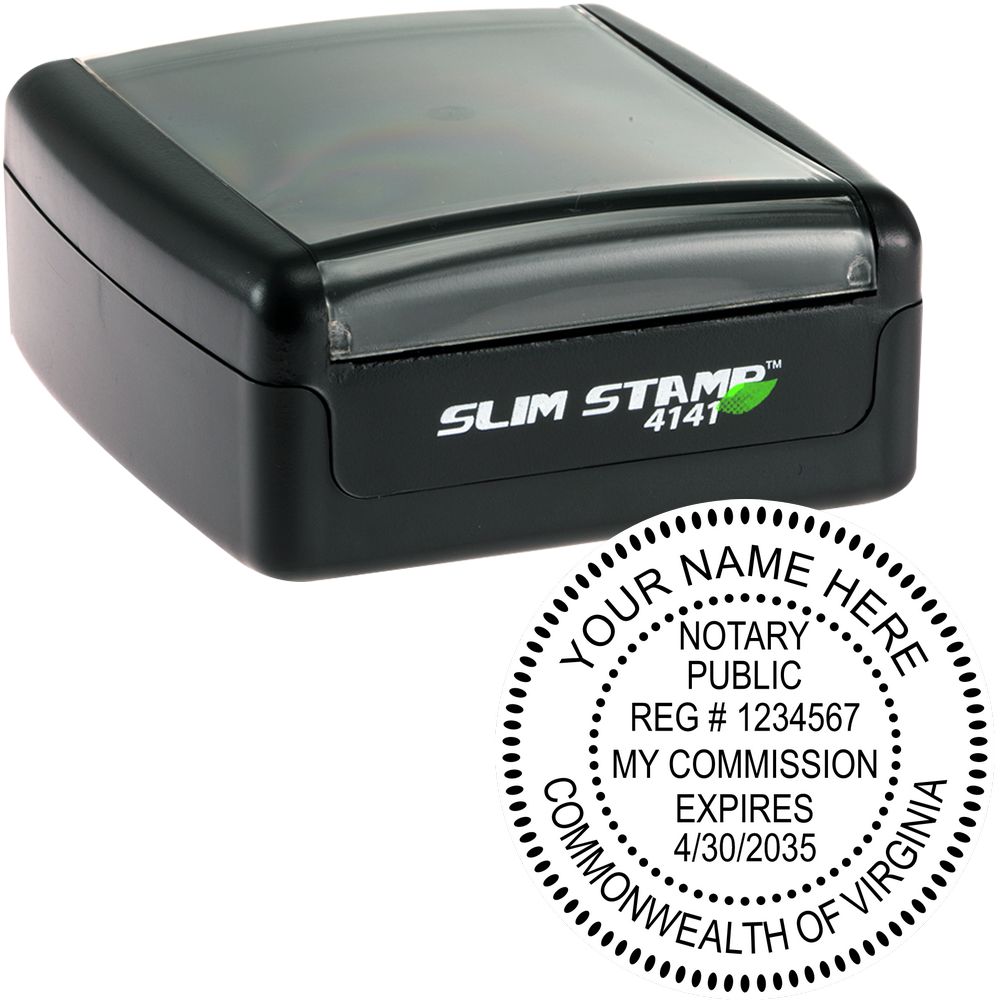
You’ll often see two key types of notary stamps: self-inking and pre-inked. Self-inking versions store their ink in a built-in pad; every time you press down, the stamp flips and makes contact with the pad before reaching the paper. Pre-inked stamps rely on ink that’s already integrated into the stamp plate itself. Both options are widely used among Virginia notaries.
- Self-Inking Stamps: If you notarize dozens of documents daily, a self-inking model can speed up your process. They typically work best if you need a quick and clean impression without re-inking. Many come with water-based ink that’s easy to refill.
- Pre-Inked Stamps: These produce sharper, more detailed impressions. They can last for thousands of uses before you need to refresh the ink. If you handle legal or official documents that must look pristine, a pre-inked stamp can be a wise investment.
Regardless of which ink style you choose, verify that it dries quickly and resists smearing. You don’t want to sign multiple pages only to realize the last few documents have blurry stamps. High-contrast, fast-drying ink helps your seal retain that crisp look every time.
Handle and Grip Comfort
It may sound trivial, but when you’re stamping all day, the last thing you want is hand pain or awkward grip angles. Look for ergonomic handles that feel comfortable in your hand. Some stamps are designed with molded grips that align with your fingers, reducing strain. Others may have a simpler handle shape. If you frequently conduct mobile notarizations, consider a lighter-weight plastic stamp that fits into your bag without overburdening you.
In Virginia, notaries come from all walks of life. You might be a real estate professional or a paralegal who notarizes documents at a busy firm. You might be an independent notary traveling around to each client. Either way, a comfortable, user-friendly stamp simplifies your job and helps you appear polished and prepared.
Optimize Your Notary Process
Choosing the right stamp has a direct impact on your daily efficiency. From how you store your supplies to migrating between job sites, small decisions can make your routine simpler. Whether you notarize a few documents a week or dozens each day, set up a workflow that fits your style and makes each signing run smoothly.
Portable Solutions and Storage
If you’re an on-the-go notary, portability is key. You might stash your stamp in a compact case alongside ink refills, extra pens, and relevant forms. You can find many Virginia notary supply kits with carrying cases specifically designed for stashing stamps and seals securely. If you work primarily from an office, consider a desktop organizer that keeps your stamp upright so the ink doesn’t pool unevenly in one corner.
It’s also wise to have a backup plan for emergencies—like a second stamp if your main one runs dry or you lose it while traveling. Especially when clients rely on your timeliness, you’ll want to be prepared. Having a spare means you never stress over lost time or potential rescheduled appointments. Just make sure your backup is also approved and properly designed for Virginia’s notary laws.
Trust a Reliable Supplier
Finding a trustworthy source for your notary stamp is just as important as picking the style. A supplier that understands Virginia notary regulations ensures you won’t accidentally end up with a poorly designed or noncompliant seal. Additionally, a reputable vendor offers guidance on your purchase and stands behind their products if anything goes wrong.
Explore ESS Advantages
Since 1964, ESS has been helping notaries across the country, and we’re proud to offer Notary Public supplies that fully align with state requirements. That means you don’t have to worry about obscure rules or design specs. ESS knows exactly how your stamp needs to look. We also offer speedy service, because we understand tight deadlines happen often in the notary world.
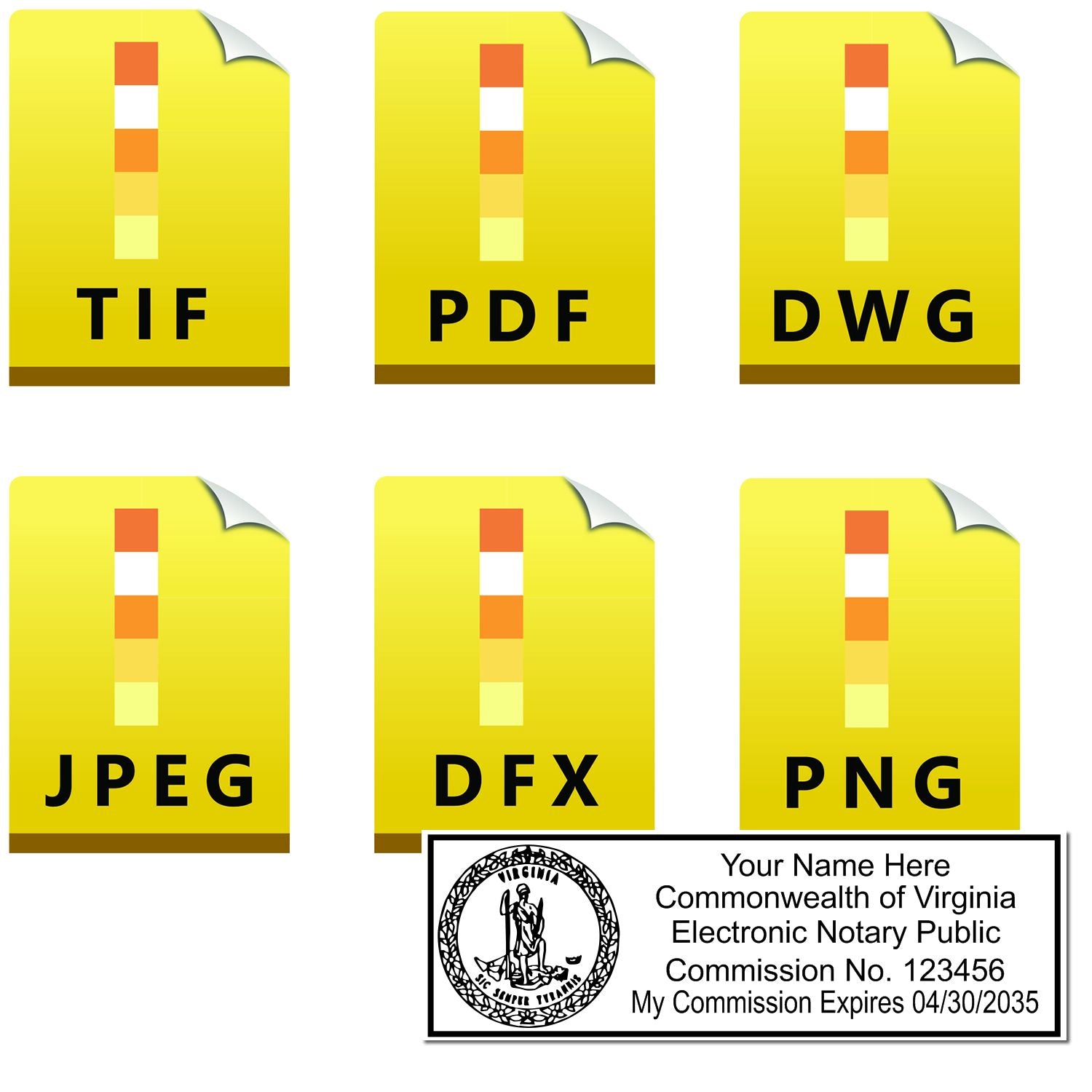
By bundling your purchase, we can even include a free electronic seal with every new physical stamp. That means you get a digital version of your seal that can be used for online transactions or remote notarizations (if authorized). Whether you’re looking for a standard rubber stamp, a self-inking format, or a robust pre-inked solution, ESS has multiple options you can compare. Plus, a dedicated support team is there to help you find a stamp that matches your usage volume, comfort preferences, and style choices.
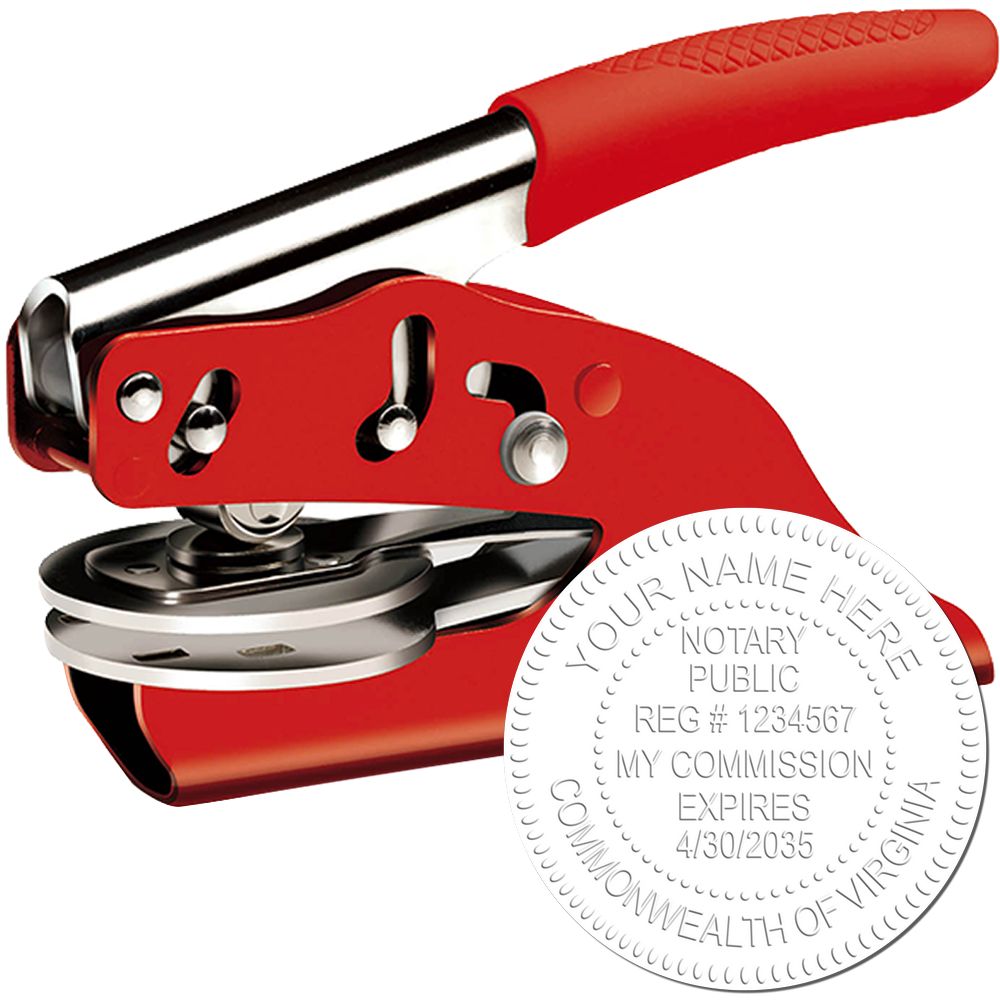
Beyond that, you can feel confident that any stamp you buy from ESS aligns with Virginia notary stamp requirements and other legal guidelines. If you’re worried about correct expiration dates or verifying certain text, just ask. We’ve been in business a long time and will point you in the right direction. And if you’re picking up extra items—like an embosser, notary record book, or Virginia notary kit—you can rest assured everything meets the Commonwealth’s standards.
Consider Extra Compliance Measures
Although state law only mandates a few minimal characteristics for your notary stamp, going a step further can boost your professionalism. Double-check details like expiration date visibility, your full legal name, and the phrase “Notary Public.” Some notaries even opt to include their commission number for faster verification.
Reviewing Expiration Dates
While Virginia does not always require the expiration date on the seal itself, many notaries like to add it to the outer ring or below their name. If you choose to do so, make sure you keep your stamp up to date. Once you renew your commission, you can either update your existing stamp (if that’s permitted) or purchase a new one with the correct date. Nothing is more confusing for a signer than an outdated seal with an expired date, so keep close track of your commission timeline.
Maintaining Clear Documentation
Your stamp is only as powerful as the recordkeeping that supports it. Keep a log of each notarization for your personal reference, especially if any disputes arise later. You might note which stamp you used, the date, the signer’s details, and any relevant comments. A properly maintained record book can be a lifesaver if you find yourself double-checking a notarization months—or even years—down the line.
Weigh Cost vs. Value
With so many stamp varieties, it’s tempting to pick the absolute cheapest option. But remember that a subpar stamp can hurt your reputation and cause you more frustration than it’s worth. A few extra dollars for better materials, ink quality, or a reputable supplier often pays for itself in peace of mind.
Budget-Friendly vs. Premium Options
An inexpensive stamp might start smudging or wearing out after a couple of months, forcing you to rebuy. Meanwhile, premium stamps might last years with only occasional re-inking. Consider how often you notarize, the nature of the documents you handle, and how vital a crisp impression is to your business. If you notarize for official legal proceedings, you’ll want a stamp that consistently delivers top-notch impressions, day in and day out.
Warranty and Customer Support
Another cost-related factor is warranty coverage. A respected vendor typically offers a satisfaction guarantee or warranty against defects. Should you receive a misaligned stamp face or some mechanical issue, you’ll want to exchange it easily at no additional cost. Good customer service also includes prompt shipping, simple returns, and experts on hand to answer questions. If you’re ever unsure about a legislative update or the standard Virginia notary seal requirements, having quick access to knowledgeable staff can be a game-changer.
Address Common FAQs
Below are answers to frequently asked questions that pop up when Virginia notaries search for the best stamp featuring the state seal. If you’re curious about size, renewal times, or shipping speeds, you’re in the right place.

Can I Use a Generic Seal for Notarizing Virginia Documents?
You must use a special seal that meets Virginia law. A generic seal often misses crucial text like “Virginia” or “Notary Public,” so you’d be violating official requirements. Always shop with a trusted supplier to get a properly formatted stamp.Do I Need to Include My Commission Expiration Date?
In Virginia, not all notaries are required to display the expiration date on their stamp. But many choose to do so for clarity. If you add it, be prepared to update your stamp when your commission renews to avoid confusion with out-of-date stamps.Which Stamp Type Is Better: Self-Inking or Pre-Inked?
Both styles serve Virginia notaries well. A self-inking stamp is great if you need repeated rapid stamping, while a pre-inked stamp often provides a sharper, more finely detailed impression. The choice really depends on how many notarizations you handle each day and your budget.Does ESS Offer Discounts or Extra Perks?
ESS often includes a free electronic seal with your purchase, so you’ll have both a physical and digital seal ready to go—super handy if you expand into electronic notarizations later. We also pride ourselves on speedy service to accommodate last-minute needs.How Long Does a Pre-Inked Stamp Last Before Needing More Ink?
This depends on usage, but a high-quality pre-inked stamp can handle thousands of impressions before you need a refill. You can typically refill the cartridge with specialized ink, extending the life of your stamp for years with minimal fuss.Do I Need Multiple Stamps for Different Counties in Virginia?
No. Your notary commission is valid across the entire Commonwealth. A single stamp suffices whether you’re notarizing in Virginia Beach, Richmond, or anywhere in between. Just ensure you keep track of your supplies and store them securely.
Conclusion
Selecting a well-made, officially compliant notary stamp that showcases the Virginia state seal benefits both you and your clients. You’ll make each notarized document look consistent, professional, and unmistakably valid. Whether you’re leaning toward a self-inking model or a pre-inked style, always remember to prioritize legibility, adherence to state guidelines, and your comfort level.
A reliable partner—like ESS—can help you navigate compliance details and choose the perfect stamp. With roots dating back to 1964, ESS is dedicated to supplying you with Vermont-compliant (and nationwide-compliant) notary tools that stand the test of time. Between free electronic seals, swift turnaround, and a range of product options, you can check your stamp-buying task off your list and focus on what you do best: notarizing important documents.
When you’re ready to order, consider your usage patterns, the clarity of your impressions, and how much you value dependable customer support. Investing in a high-quality stamp means fewer reorders, fewer smudges, and better overall peace of mind. Ultimately, the right notary stamp is more than just ink on the page—it’s a representation of your professional reputation as a Virginia notary. So choose wisely, and happy stamping!