
To become a notary in North Carolina, you must be 18 or legally emancipated, live or work in the state, hold a high school diploma, and pass a course of at least six hours plus a written exam; then you mail a $50 application and take the oath at your register of deeds within 45 days. A commission runs five years and is valid statewide. Every renewal requires passing the exam again. This guide covers each step, the fees, the seal, journals and change notices.
Engineer Seal Stamps compliance desk. Checked against the North Carolina Department of the Secretary of State and Chapter 10B of the North Carolina General Statutes. Sources read September 2026.
| Requirement | Short answer | Source |
|---|---|---|
| Who qualifies | 18 or legally emancipated; living, working or doing business in North Carolina; residing legally in the United States; able to speak, read and write English; high school diploma or equivalent. | G.S. 10B-5(b) |
| Course | At least six hours of classroom instruction approved by the Secretary, taken within three months before you apply. | G.S. 10B-8(a) |
| Exam | Written exam; you need 80 percent correct. State Bar members are exempt from the course and exam. | G.S. 10B-8(a) |
| Manual | Buy and keep the newest notary manual the Secretary approves. | G.S. 10B-5(b) |
| How to apply | Paper application, signed by your course instructor and notarized by another notary, mailed with the fee. | Secretary of State, Initial Application form |
| Application fee | $50, payable to the North Carolina Secretary of State. | Secretary of State notary fee schedule |
| Bond | None appears in the statutory qualifications or the fee schedule. | G.S. 10B-5; notary fee schedule |
| Oath and filing | Before the register of deeds in your commissioning county within 45 days; the oath fee is $10. | G.S. 10B-10(b); notary fee schedule |
| Commission term | Five years, anywhere in the state. Nothing you notarize before the oath is valid. | G.S. 10B-9 |
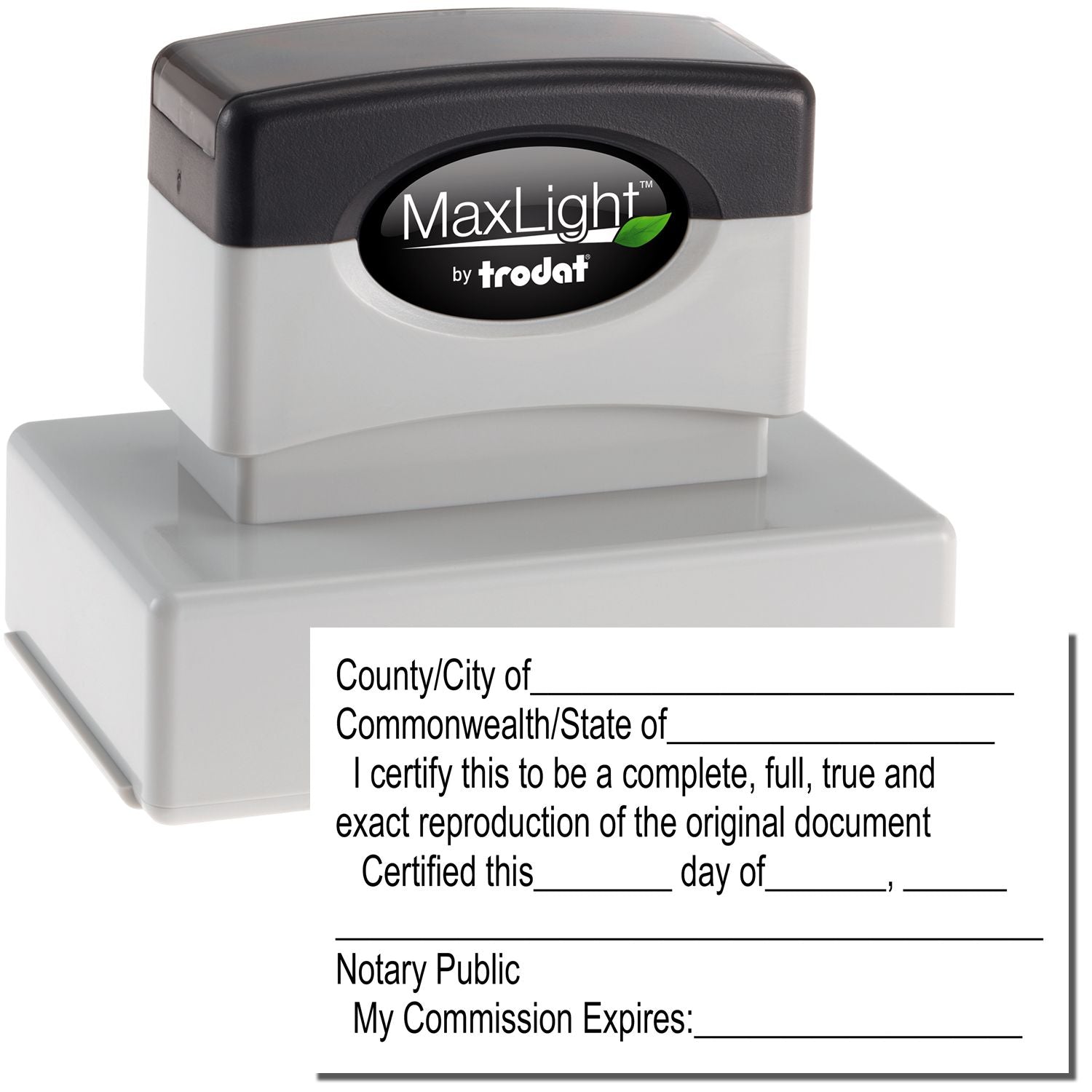
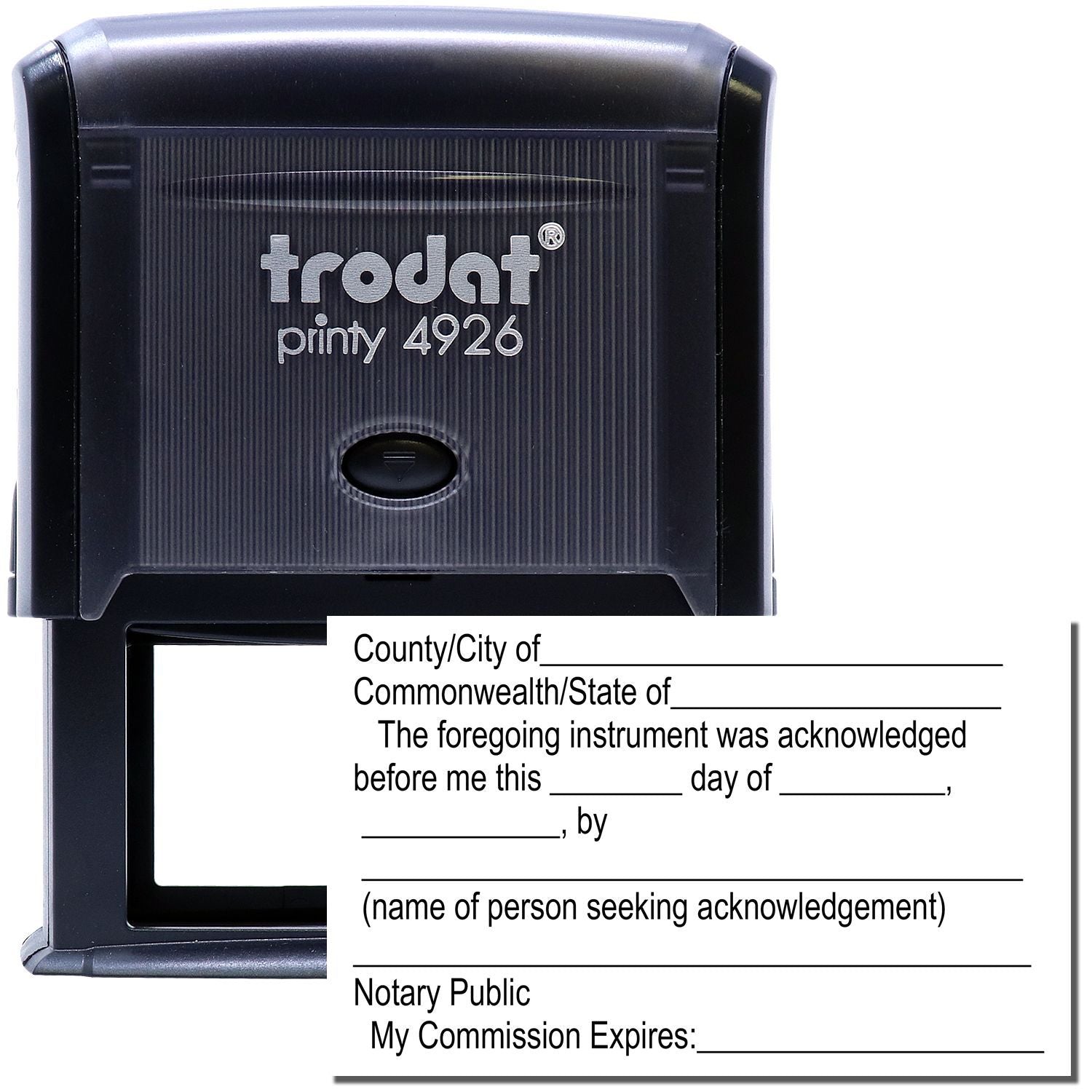
| Stamp or seal | Four items, including your county. Round 1.5 to 2 inches or rectangular up to 1 by 2.5 inches. See the North Carolina seal rules. | G.S. 10B-37(b), (c) |
| Journal | Optional for traditional notaries. | G.S. 10B-38 |
| Renewal | Apply no earlier than 10 weeks before expiration and pass the written exam; the fee is $50. | G.S. 10B-11; notary fee schedule |
| Electronic notary | Separate eNotary registration for $50, with a course of at least four hours and an exam. | G.S. 10B-107; notary fee schedule |
Record keeping and remote acts differ widely by state. The North Carolina rules sit beside every other jurisdiction in notary journal requirements by state and remote online notarization and the electronic seal.
Who can become a notary in North Carolina?
You can apply at 18, or earlier if legally emancipated, when you live, work or do business in North Carolina, reside legally in the United States, speak, read and write English, and hold a high school diploma or its equivalent.
G.S. 10B-5 adds three duties that run through the process: pass the course of instruction, buy and keep the most recent manual approved by the Secretary, and submit an application free of significant misstatements, with your signature acknowledged before an officer who can administer oaths. Members of the North Carolina State Bar skip the course.
Your commission is tied to a county. Residents are commissioned in their county of residence, and nonresidents in the county where they work. The Secretary may deny an application over a felony conviction, earlier discipline or misconduct findings.
What are the steps to get commissioned in North Carolina?
Take a Secretary-approved course and pass its exam, then mail a notarized application with the $50 fee. Once the Secretary commissions you, take the oath at your county register of deeds within 45 days, and only then begin notarizing.
- Enroll in an approved course. The Secretary of State's Become a Notary page points to North Carolina community colleges, N.C. State University, Gaston College, Greensboro College and Guilford College.
- Complete the classroom hours and pass the exam with at least 80 percent, all within the three months before you apply.
- Buy the current notary manual. The Secretary's page links the 2026 edition from the UNC School of Government.
- Fill in the Initial Application. Your course instructor signs and dates it, and a commissioned notary other than you notarizes your signature.
- Mail it with a $50 check or money order payable to the North Carolina Secretary of State. The form says not to send cash.
- Wait for the oath notification letter. The application form tells you to allow two weeks.
- Take the oath before the register of deeds in your commissioning county no later than 45 days after commissioning, and pay the $10 oath fee. G.S. 10B-10(b1) lets a register of deeds give the oath by video conference if you are personally known or prove your identity.
- Receive your commission. The register of deeds records you in the notary record, delivers the commission, and tells the Secretary.
How much does it cost to become a North Carolina notary?
State fees total $60: $50 to the Secretary of State with the application and $10 to the register of deeds at the oath. The course, the required manual and your seal are separate purchases, priced by whoever provides them.
The application fee is nonrefundable, and a renewal costs the same $50. Reporting a new name or address is free. If you later add electronic notarization, the eNotary registration carries its own $50 fee.
What does the North Carolina course and exam involve?
A first commission requires at least six hours of Secretary-approved classroom instruction followed by a written exam, and you must answer 80 percent of the questions correctly. Both have to fall within the three months before your application.
The exam comes back at every renewal. Under G.S. 10B-8(b), every recommissioning applicant must pass a written exam approved by and given under the direction of the Secretary. Two groups are exempt at renewal: State Bar members, and notaries continuously commissioned since July 10, 1991 without disciplinary action.
The eNotary credential stacks another requirement on top. G.S. 10B-107 calls for a course of at least four hours on electronic and remote electronic notarization, and passing its exam, in addition to the basic course.
Do North Carolina notaries need a bond?
No bond appears among the qualifications in G.S. 10B-5, and the Secretary of State's notary fee schedule lists no bond filing. What makes your commission effective is the oath at the register of deeds, not a surety.
After the oath, G.S. 10B-10(c) has the register of deeds record your commissioned name and signature, the effective and expiration dates, and the oath date. That record is the official proof you qualified.
How long is a North Carolina commission, and how does renewal work?
Five years, and the commission covers the whole state. You can apply for recommissioning no earlier than 10 weeks before it expires, with an updated application, the $50 fee, and a passing score on the written exam.
The Secretary's forms page offers a paper Reappointment Application and an online renewal option. A recommission also requires a new oath: G.S. 10B-9 voids any notarial act performed before the oath, whether for the first commission or a renewal.
Missed the date? You can still apply within one year after expiration, but G.S. 10B-11(c) then adds the full course requirement unless the Secretary waives it.
On the seal, the Secretary of State says a notary recommissioned within three months keeps the old seal, and no new seal is needed while the information on the die still matches. If you chose to print the expiration date on the die, our page on seal expiration dates explains what changes.
What notary seal do you order in North Carolina, and when?
Order after the Secretary commissions you. G.S. 10B-36(e) bars a vendor from providing a seal until you present a valid commission, and the seal must carry four items, one of them your commissioning county.
Under G.S. 10B-37(b) the four items are: the name on your commission, reproduced exactly; "Notary Public"; your commissioning county followed by "County" or "Co."; and the state written as "North Carolina", "N.C." or "NC". A round seal measures 1.5 to 2 inches across; a rectangular one is capped at 1 by 2.5 inches, and either needs a border that shows when impressed. The expiration date may appear, printed or written in, but is not required.
The seal is your exclusive property. You keep it secure and never turn it over to an employer when a job ends. Our breakdown of the four North Carolina seal lines has the embosser and ink detail.


Does North Carolina require a notary journal?
Not for traditional paper notarizations. G.S. 10B-38 says each notary may maintain a journal of notarial acts, kept in the manner required for that type of act and under the Secretary's rules, so a paper journal is your choice.
The Secretary still counts the journal among a notary's core safeguards. Its notary division page lists maintaining a journal of notary acts alongside requiring personal appearance and identifying signers as the ways notaries protect the public from fraud and forgery.


What must you report after a name or address change?
Tell the Secretary within 45 days, online where offered or by fax, email or certified mail. A name change also calls for a new seal and a fresh oath at the register of deeds before you start using the new name.
G.S. 10B-50 covers a change of residence, business or mailing address or phone number; the signed notice gives both the old and new details. Under G.S. 10B-51, you may keep notarizing under your former name until three steps are done: you receive the Secretary's name change confirmation, you obtain a seal bearing the new name exactly as that confirmation shows it, and you take the oaths again before the register of deeds that delivered your commission, within 45 days of the effective date of the change.
The Secretary's Update Your Notary Information service handles both changes online at no fee.


Frequently asked questions
Can a North Carolina notary work in another county?
Yes. G.S. 10B-9 lets you perform notarial acts in any part of the state. Your county of commissioning still appears on your seal, because it is one of the four required items.
How long does the whole process take?
The course and exam must fall within three months before you apply. After mailing the application, the form says to allow two weeks for the oath letter, and you then have 45 days to be sworn in.
What happens if I miss the 45-day oath deadline?
The register of deeds returns the commission to the Secretary and you must reapply. If you reapply within one year of the grant, the Secretary may waive the education requirement.
What do I do if my seal is lost or stolen?
Within 10 days of learning the seal is gone, report any theft or vandalism to law enforcement and send written notice, signed in your commissioned name, to the register of deeds and the Secretary.
Can I notarize electronically or by video in North Carolina?
Electronic notarization requires the separate eNotary registration. For video, the Secretary reports that emergency video notarizations were extended to July 1, 2027, or until remote electronic notarization under the 2022 Remote Electronic Notarization Act begins, whichever comes first.
How can someone confirm my commission?
The Secretary's Confirm Notary Status search looks up a notary by name exactly as it appears on the seal, or by commission number. New and renewed notaries may not appear until the register of deeds uploads the oath records.
After the Secretary commissions you, order a seal that fits your county and name from our North Carolina notary stamps and seals. For notaries who work across state lines, our summary of each state's notary seal rules is the place to compare.