
Engineer Seal Stamps compliance desk. Updated 7 November 2026.
Notaries getting ready to serve in Georgia have probably heard about the Georgia notary seal requirements. They can look technical at first, but they are manageable. This post explains what you need to know to order the right seal, satisfy the legal standards and notarize with full peace of mind.
This guide explains the essentials of a Georgia notary seal, how a stamp differs from an embosser, when a digital seal makes sense and where to buy reliable supplies. Here are the key steps toward a notary setup you can trust.
Understand Georgia Notary Seal Basics
Getting familiar with the Georgia notary seal requirements can save you plenty of future headaches. In a nutshell, your official seal validates that every notarized document is handled by a legitimate public officer. It also helps deter fraud by clearly showing who performed the notarization and when it was done.
What State Law Says
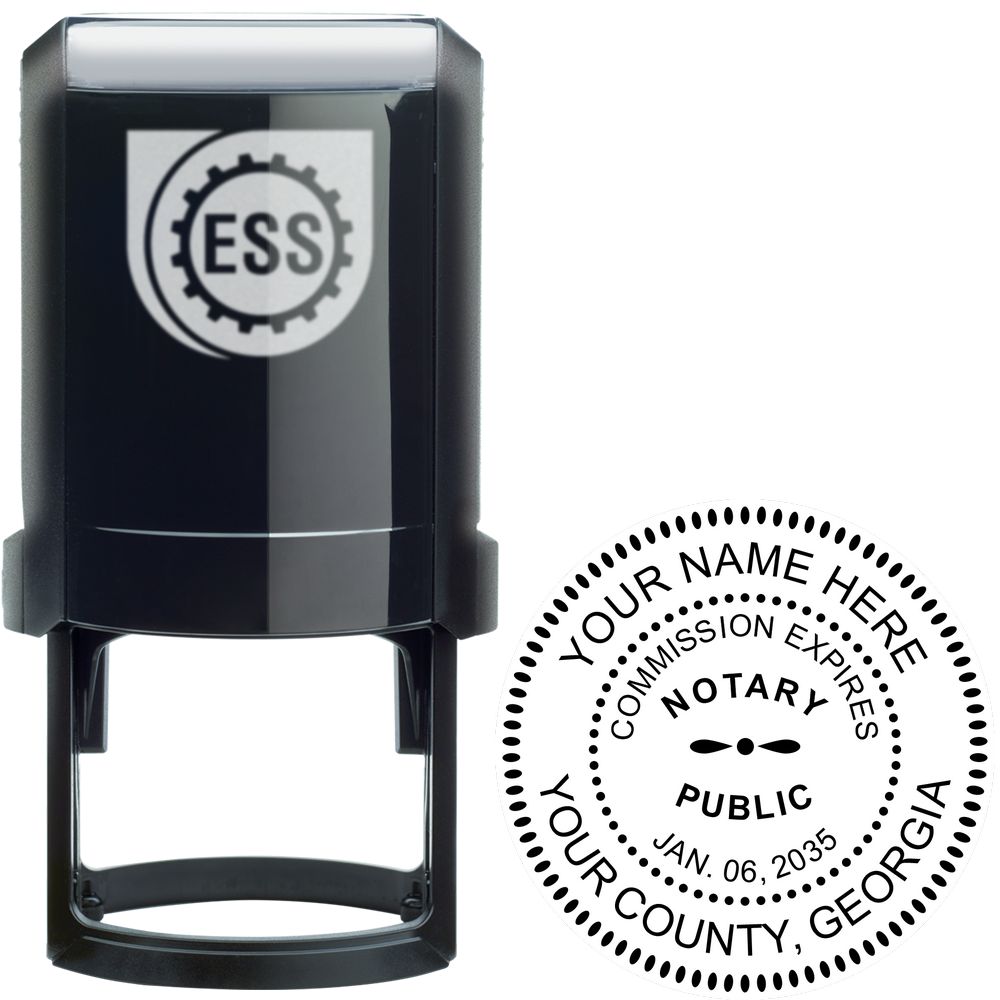
Georgia requires a seal that carries set details, such as your name exactly as your notary commission shows it and the words “Notary Public.” Some seals add your county of commission, and local rules can vary a little on that point. Confirm the details on the Georgia Superior Court Clerks’ Cooperative Authority website. The core purpose stays the same: the seal marks each document officially and makes it easy to recognize and verify.
Common Seal Elements
- Your commission name: This should match exactly.
- The phrase “Notary Public”: Usually appears along with “Georgia.”
- Expiration date of your commission: Recommended to avoid confusion.
- County or venue: Sometimes included to specify your jurisdiction.
If you’re unsure how your exact seal design should look, consider checking local guidelines or asking a reputable supplier. Clear, readable text is key, and you’ll want durable construction so the impression remains consistent over time.
Choose the Right Seal Type
Once you’ve pinned down what goes on your seal, it’s time to decide which type suits your workflow. Typically, you’ll pick from rubber ink stamps, embossers, or a digital seal (or sometimes a combination).
Rubber Stamp Seals
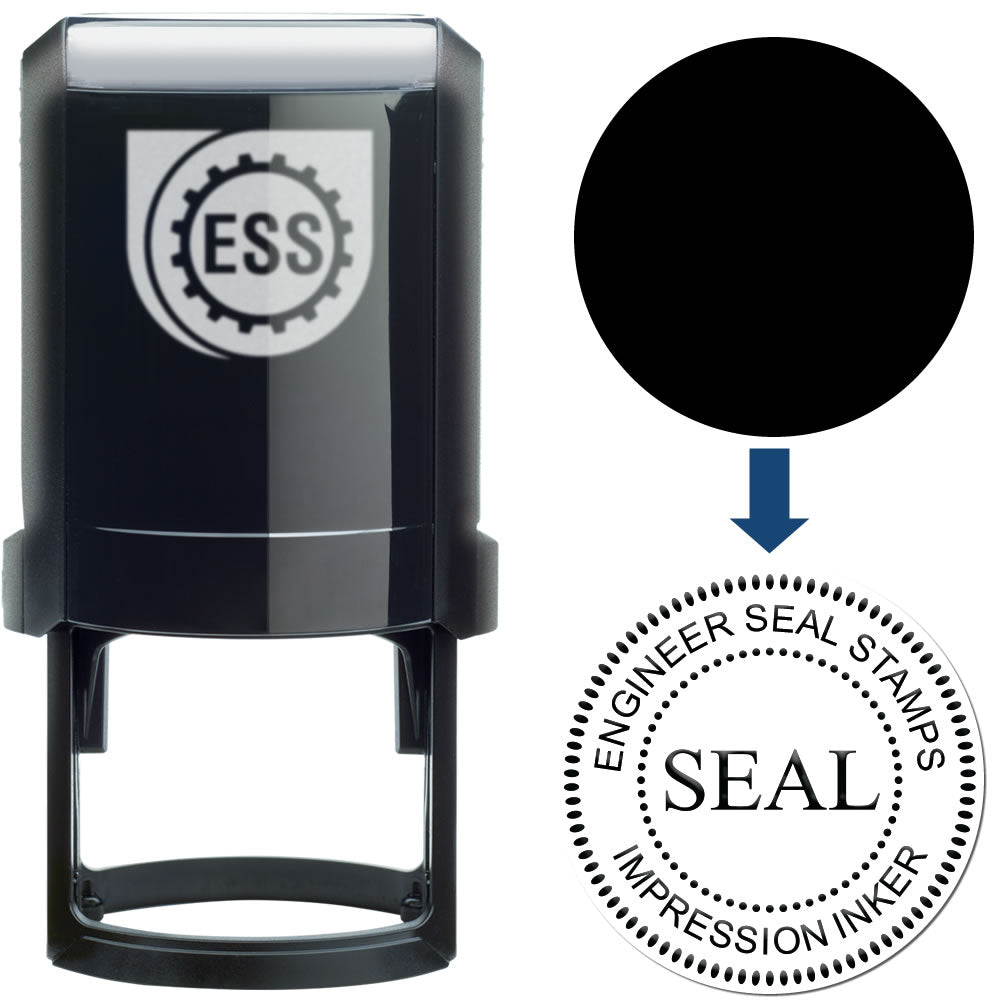
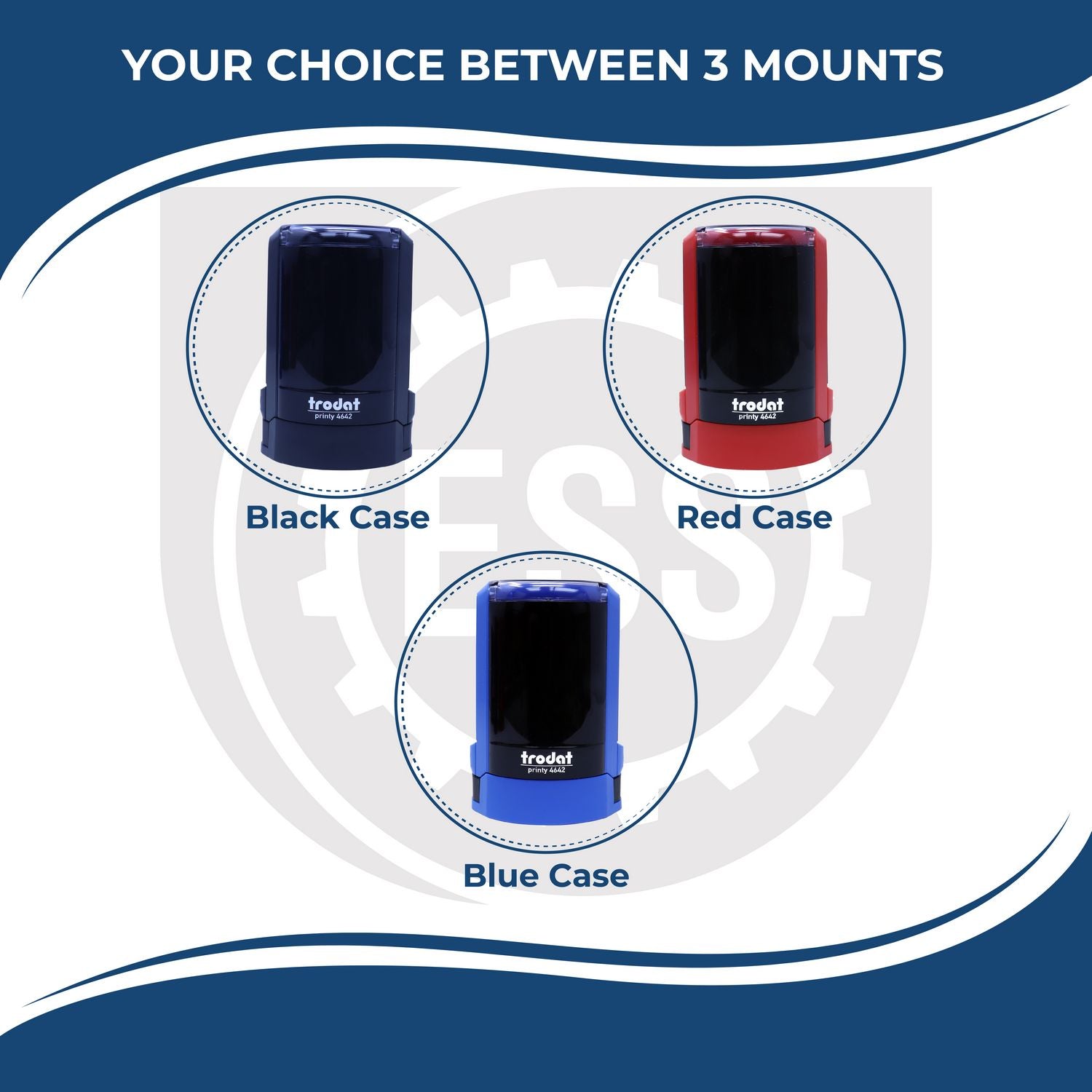
A classic rubber stamp is popular for its speed and simplicity. Ink-based seals are quick to apply, and modern self-inking stamps cut down on the mess of separate ink pads. If you’re notarizing multiple documents throughout the day, this option can be a lifesaver.
- Pros: Fast and easy, can be self-inking, clear impressions.
- Cons: Ink can smear if the document is glossy or coated.
Embossing Seals
An embosser creates a raised, three-dimensional impression on paper. Many notaries feel they look professional, lending a touch of authority to the page. Keep in mind, though, an embosser might not be as easily read when photocopied or scanned. Some notaries use an embosser in tandem with a rubber stamp to cover both style and clarity.
- Pros: Distinct, hard-to-duplicate impression, classic appearance.
- Cons: Not always easy to read in copies, can require some pressure to apply.




Embracing Digital Seals
Digital seals are not only for tech enthusiasts. For notaries who often handle electronic documents, a digital seal is a real help, since it lets you stamp documents online and skip paper entirely. Georgia has its own eNotary guidelines, so confirm that you comply with state regulations before depending on a digital option alone.
- Pros: Perfect for eNotarization, no physical storage needed.
- Cons: Requires additional platforms or software, must meet specific legal standards.
Gather Your Essential Supplies
Beyond the actual seal or stamp, you’ll need a few items to handle your notary duties smoothly. Some are official must-haves, while others are optional tools that simply make life easier. Let’s take a quick look at the essentials:
- Notary Journal
- State-Approved Bond (if applicable)
- Ink Pads (if you use a traditional stamp)
- Embosser or Seals
- Embosser Plates
Extra Tools to Consider
- Carrying Case: A small protective bag or box keeps everything in one place.
- Self-Inking Mechanism: Speeds up stamping without worrying about dried-out ink pads.
- Additional Accessories: Some notaries like a personalization strip on their seal or a built-in impression guide for precise placement.
Remember, your notary commission is a public trust, so treat all your supplies with care and keep them secure. While losing a stapler is annoying, losing your notary seal can be a big deal.
Order With Full Confidence
Buying a seal for the first time can seem like a lot, yet it can stay simple. A few practical tips will help you identify a reliable supplier and get exactly the notary seal you require.
Where to Shop
Sources range from local office supply stores to third-party websites, yet many retailers do not focus on notary tools. A specialist supplier with a proven record helps here, because it knows the Georgia notary seal requirements and stocks the right range of products. To browse a broad selection of notary items, see georgia notary supplies


Look Beyond the Basics
While comparing products, favor reputable brands known for legible, durable seals. Some vendors include free items or extra benefits, such as a free digital seal with a physical one. A digital seal is useful if you expect to take on some eNotarization later.
Don’t forget about essential extras like protective cases and updated design plates for your embosser.
Timing and Turnaround
It’s also wise to watch shipping times. You’ll want your notary seal quickly, especially if you’re preparing for an upcoming signing. Choose a supplier who highlights quick processing, so you’re not left twiddling your thumbs while your notary appointment date rushes closer. Some longtime suppliers that have been around since the 1960s or earlier (like 1964) often know their way around fast service and consistent quality.
Meet ESS, Your Trusted Supplier
When you’re scouring the market for dependable stamps and seals, it helps to find a company with decades of experience, reliable customer support, and a focus on Georgia notary seal requirements. That’s precisely where ESS steps in.
Why Choose ESS
ESS has been serving notaries since 1964, offering an impressive line of Georgia notary stamps, seals, and accessories. They understand local regulations well, so you can trust their products to keep your documents compliant. Whether you prefer a self-inking rubber stamp or a classic embosser, ESS has you covered.
Even better, ESS stands out for personalizing your seal accurately, matching your notary commission details. And if you’ve ever scrolled through endless pages of stamps, searching for something that checks all the boxes, you know how reassuring it is to find a vendor that already knows what Georgia notaries need.
How to Get Your Free Digital Seal
A benefit notaries appreciate: every ESS purchase comes with a free digital seal. You get a clean electronic version of your seal for PDF documents, with no scanning or cropping of a physical impression. It is a simple way to try digital notarization. Follow your local eNotary guidelines so Georgia law recognizes the digital seal.
Review Common FAQs
Before you make your final decision, you might still have a few questions. Below are some frequently asked questions about notary seal requirements and the supplies you’ll need in Georgia.
Q: Does Georgia require a rubber stamp and an embosser both?
A: Strictly speaking, one official seal is enough. Many notaries still use both for clarity and a professional look, since the rubber stamp stays readable on copies and the embosser adds a genuine raised impression.-
Q: Can I include my commission expiration date on the seal?
A: Yes. Though it’s not mandated, many Georgia notaries choose to list their expiration date on the seal because it simplifies the verification process for clients and document recipients. Q: How soon should I order my notary supplies after being commissioned?
A: Sooner is better. You’ll want time to review your order details, confirm correct spelling, and ensure everything arrives in time for your first notarization. Rushing a last-minute order can lead to mistakes or limited product selection.Q: What if I move to a different county in Georgia?
A: If you move, you’ll need to update your notary commission details. That might mean ordering a new seal reflecting your updated county information. Always confirm with local authorities to remain compliant.


Wrap Up Your Journey
You now have a clear path to meeting the Georgia notary seal requirements. Whether you pick a rubber stamp or an embosser, or look at how a digital seal could fit your routine, the starting point is knowing the fundamentals. Check that the seal shows the required details, namely your name, your jurisdiction and the words “Notary Public,” so it satisfies every local rule.
For a seal that covers both classic ink and digital convenience, ESS can handle your Georgia notary needs. It has served notaries for decades, knows the local requirements and adds a digital seal at no charge to each order. Delivery does not drag either. With its quick turnaround, your notary station can be ready well ahead of the next signing appointment.
Feel free to give the different seal types a quick think: Which approach suits your workflow best? Maybe it’s the speed of a self-inking stamp, the professional look of an embosser, or an all-digital approach that frees you from paper altogether. Whichever you decide, you’ll be ready to notarize documents smoothly, confidently, and in full compliance with state rules.
And if you need a one-stop shop, swing by georgia notary supplies. A little time spent in the right place up front can save you countless headaches later.
Other Georgia notary pages
Georgia notary seal requirements sets out the Georgia rules in full. Two related pages go further on Georgia notary stamp rules and Georgia notary commission and renewal steps.