
Good news, you have come to the right place if you are looking to understand Mississippi notary seal requirements in detail. Whether you are just becoming a notary or refreshing your knowledge, a clear understanding of these requirements helps you notarize documents correctly and confidently. In this guide, you will learn what the seal must include, how to maintain compliance with Mississippi law, how to keep records, and what to do when your commission is up for renewal. We will also explore helpful tips to make your notarial tasks smoother. Let’s take a closer look.
Understanding Mississippi Notary Seal Requirements
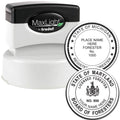
One of the core truths about a Mississippi notary public is the need to use an official seal (sometimes called a stamp) on all notarized documents. This seal serves as proof that you are authorized by the state to perform notarial acts. It also helps prevent tampering or fraud, because stamping a document physically marks it with your unique identifying information.
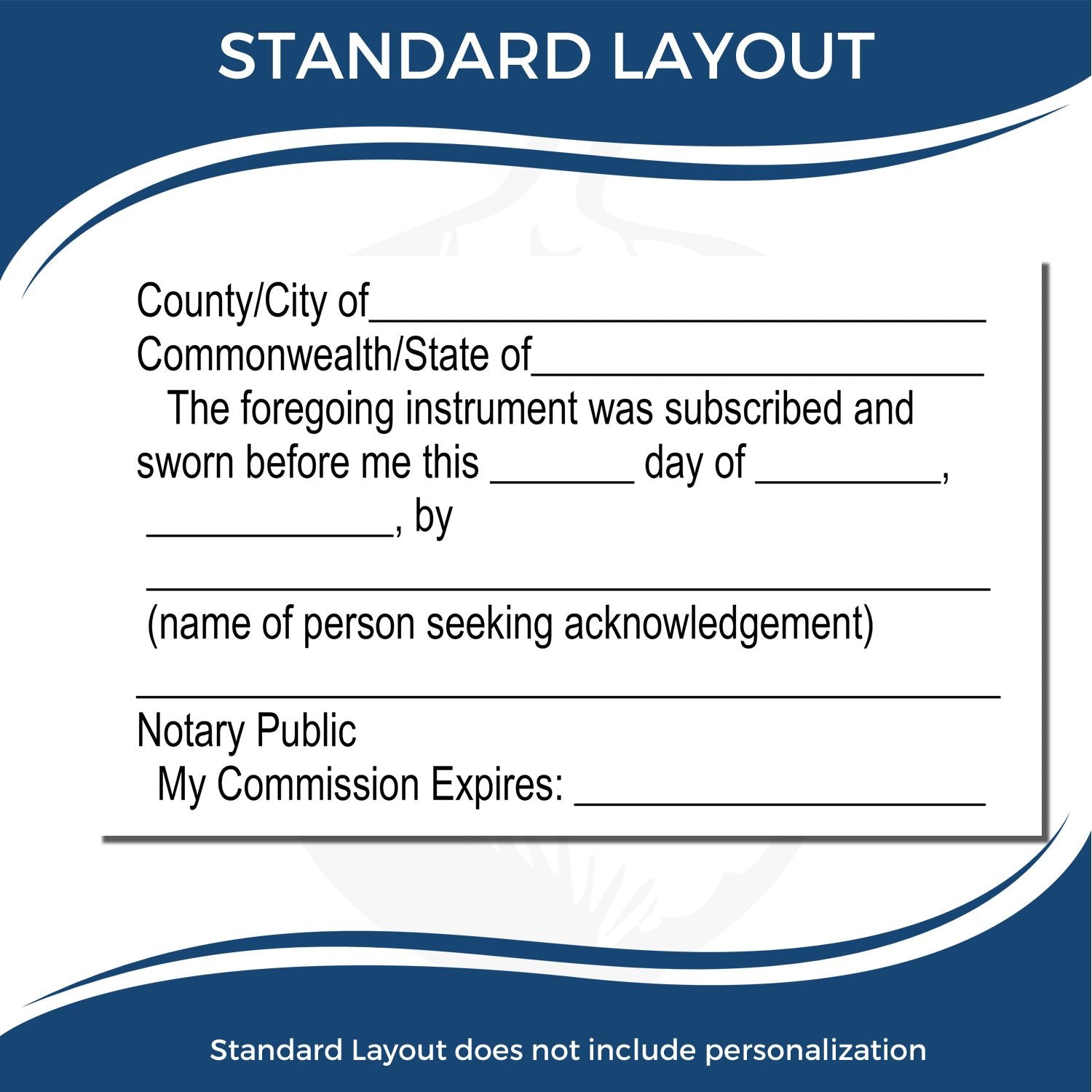
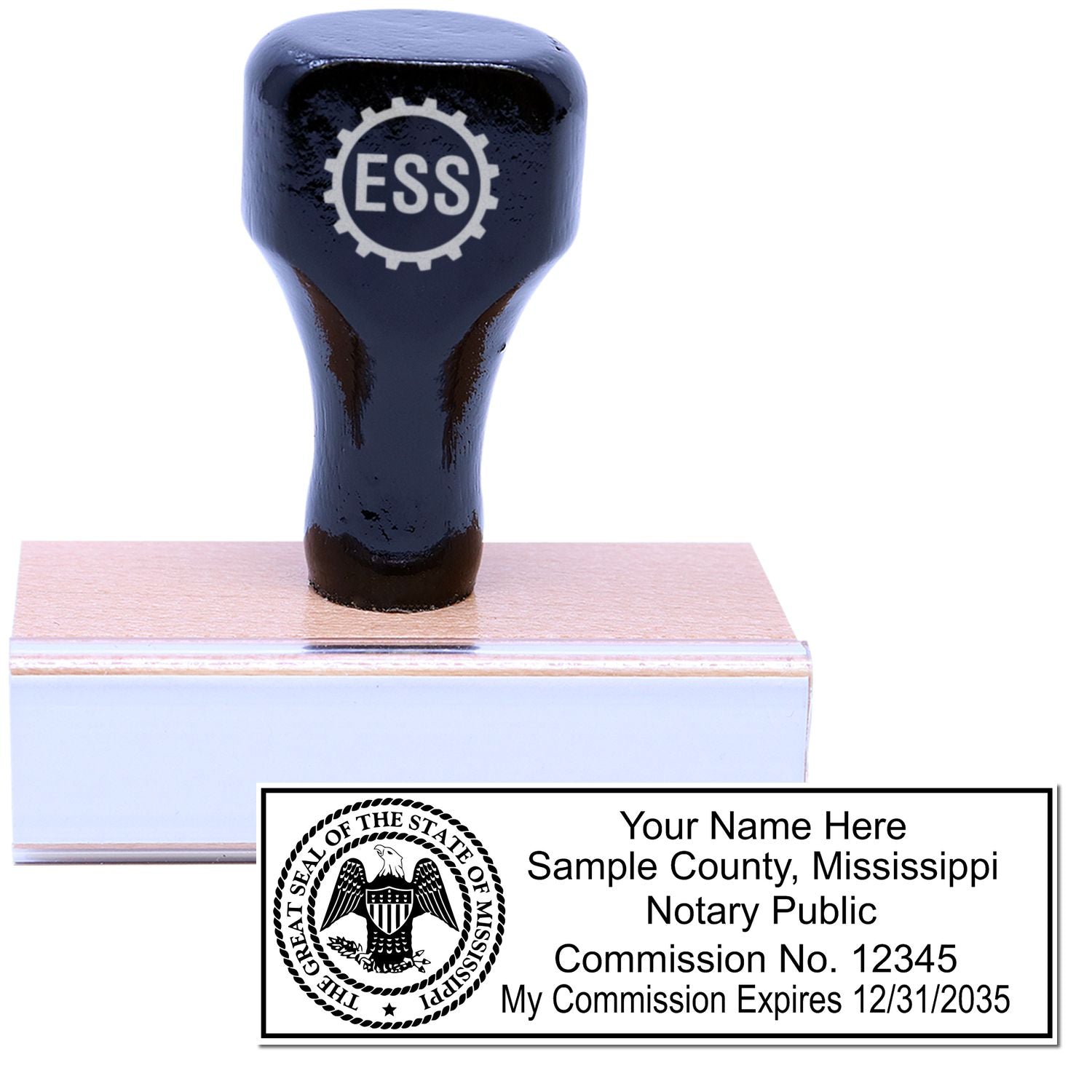
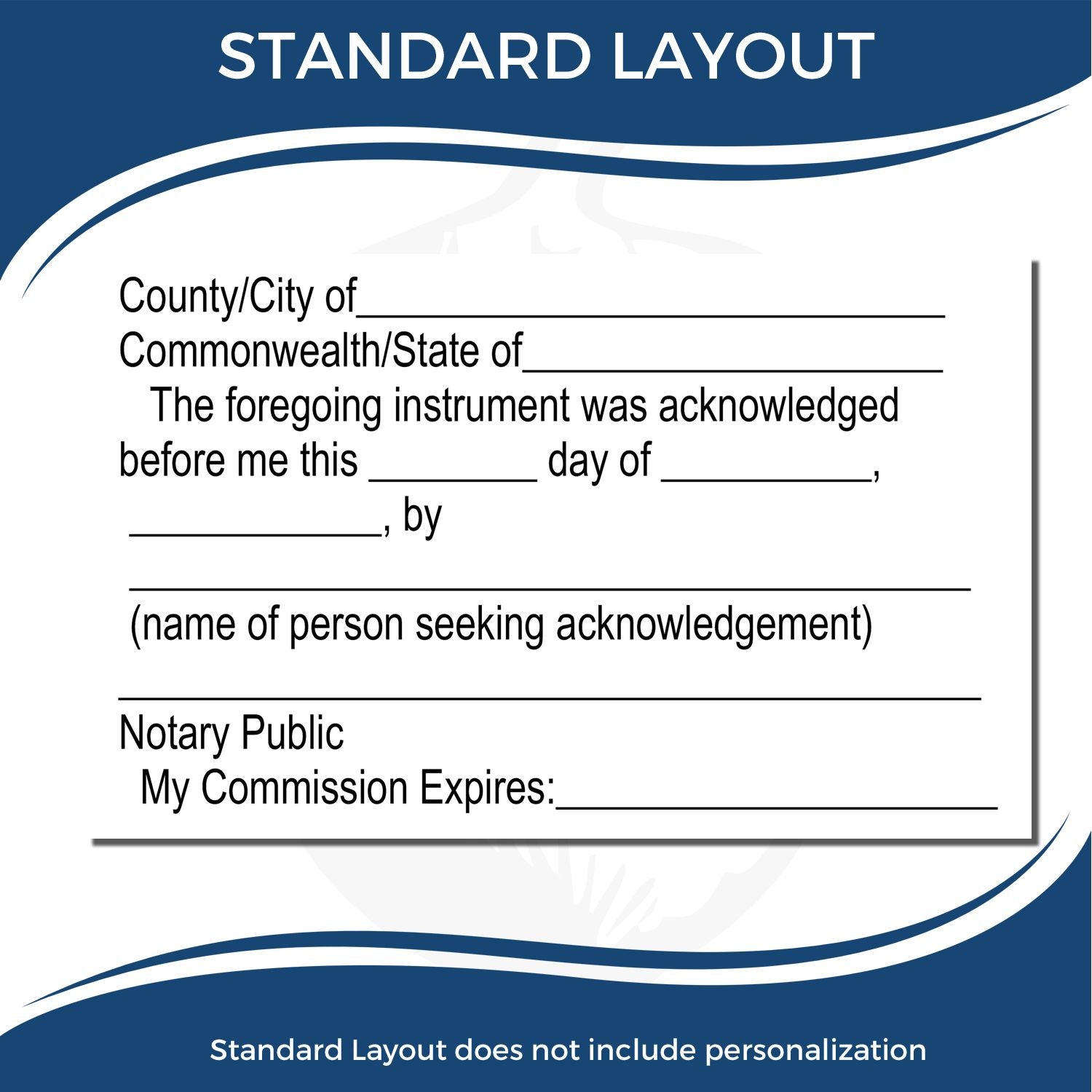
In Mississippi, the notary seal typically includes:
- Your full name as it appears on your commission
- The words “Notary Public”
- The words “State of Mississippi”
- Your commission expiration date (when applicable)
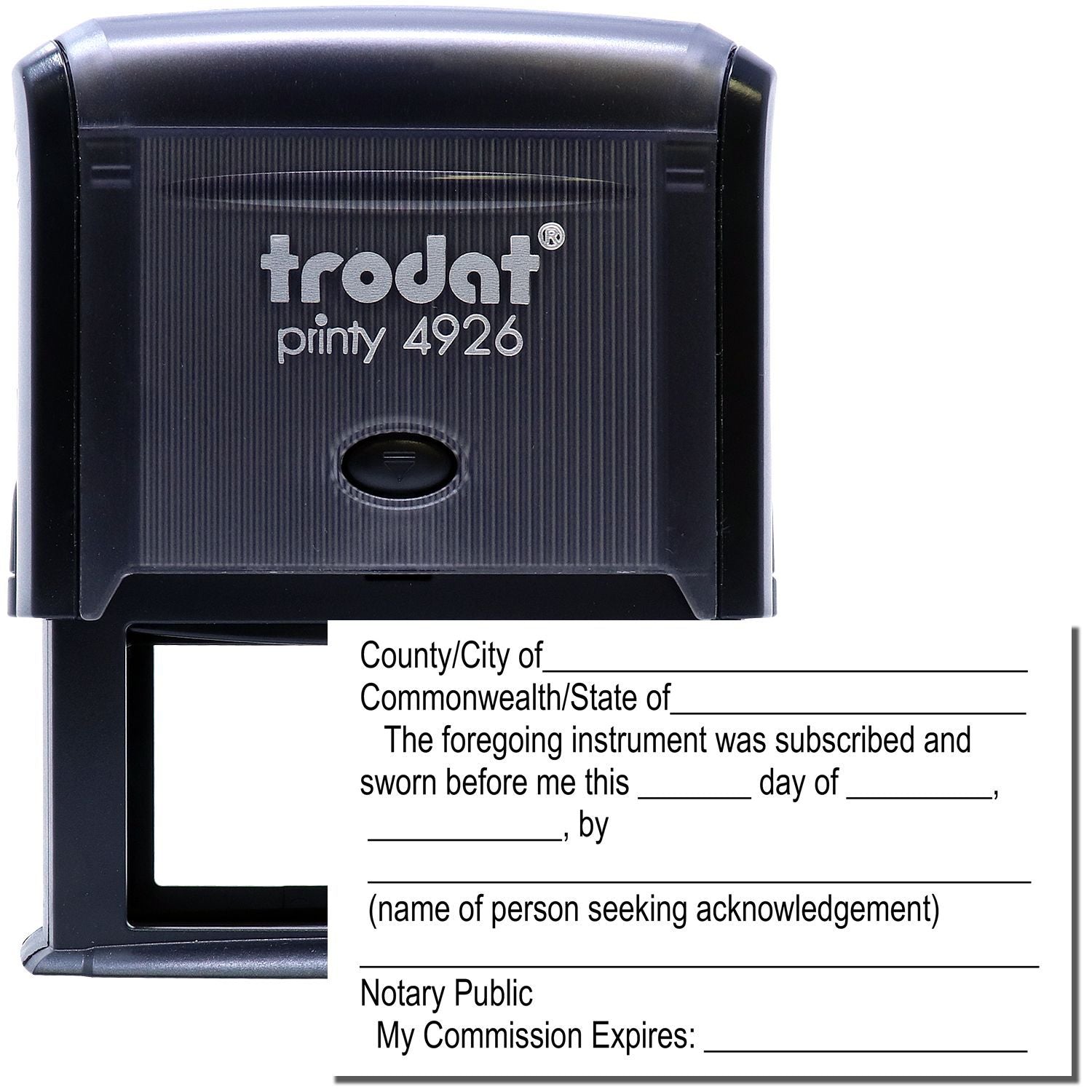
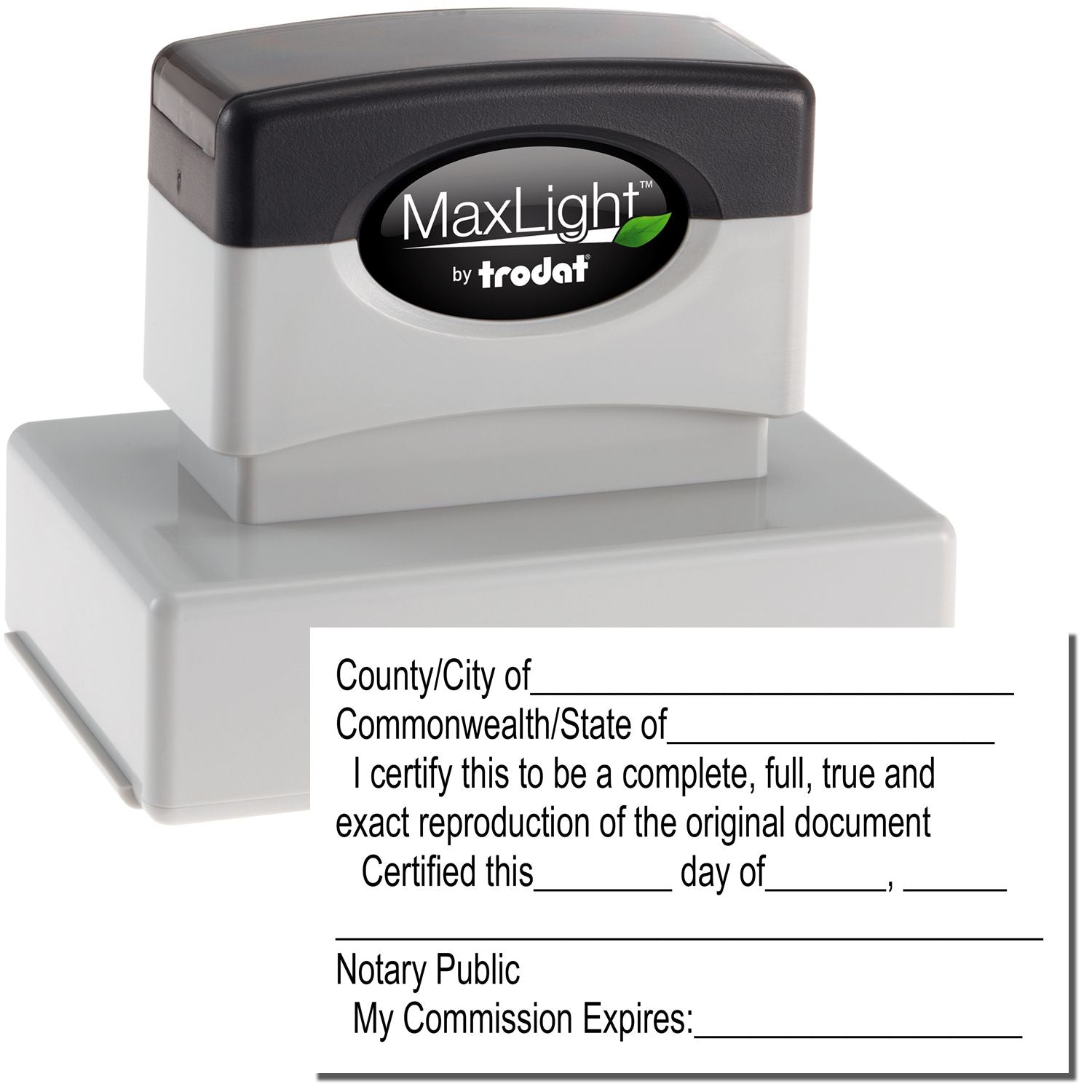
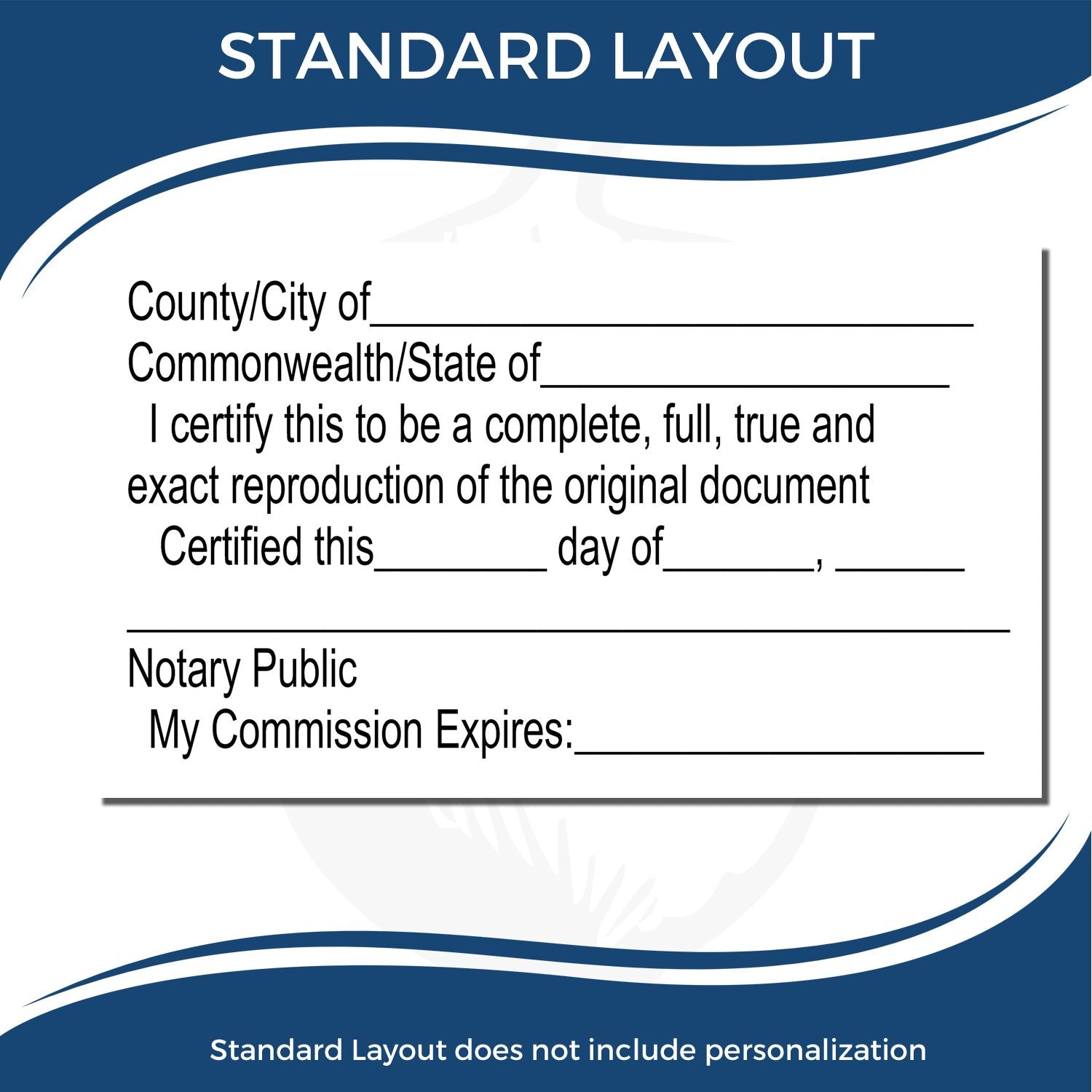
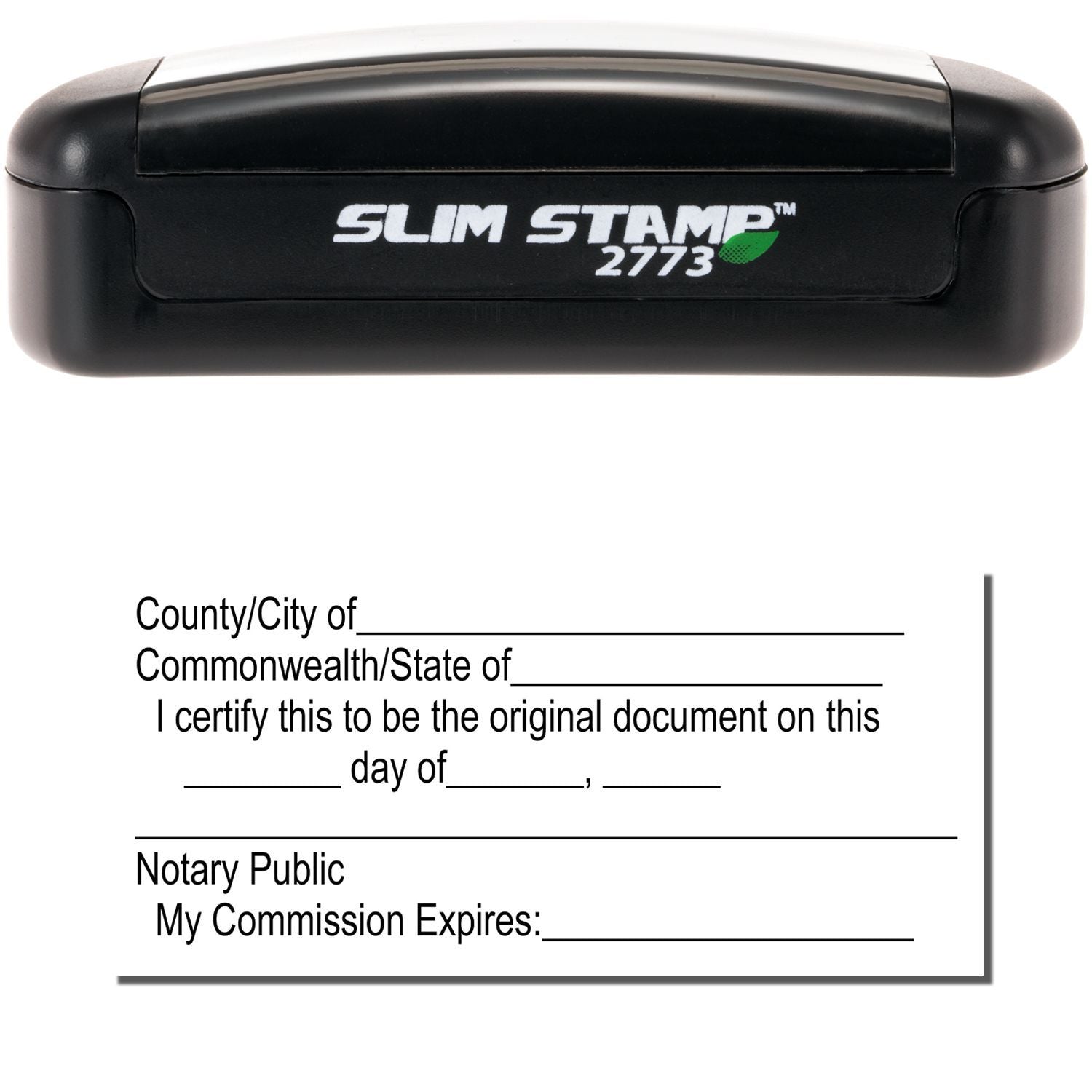
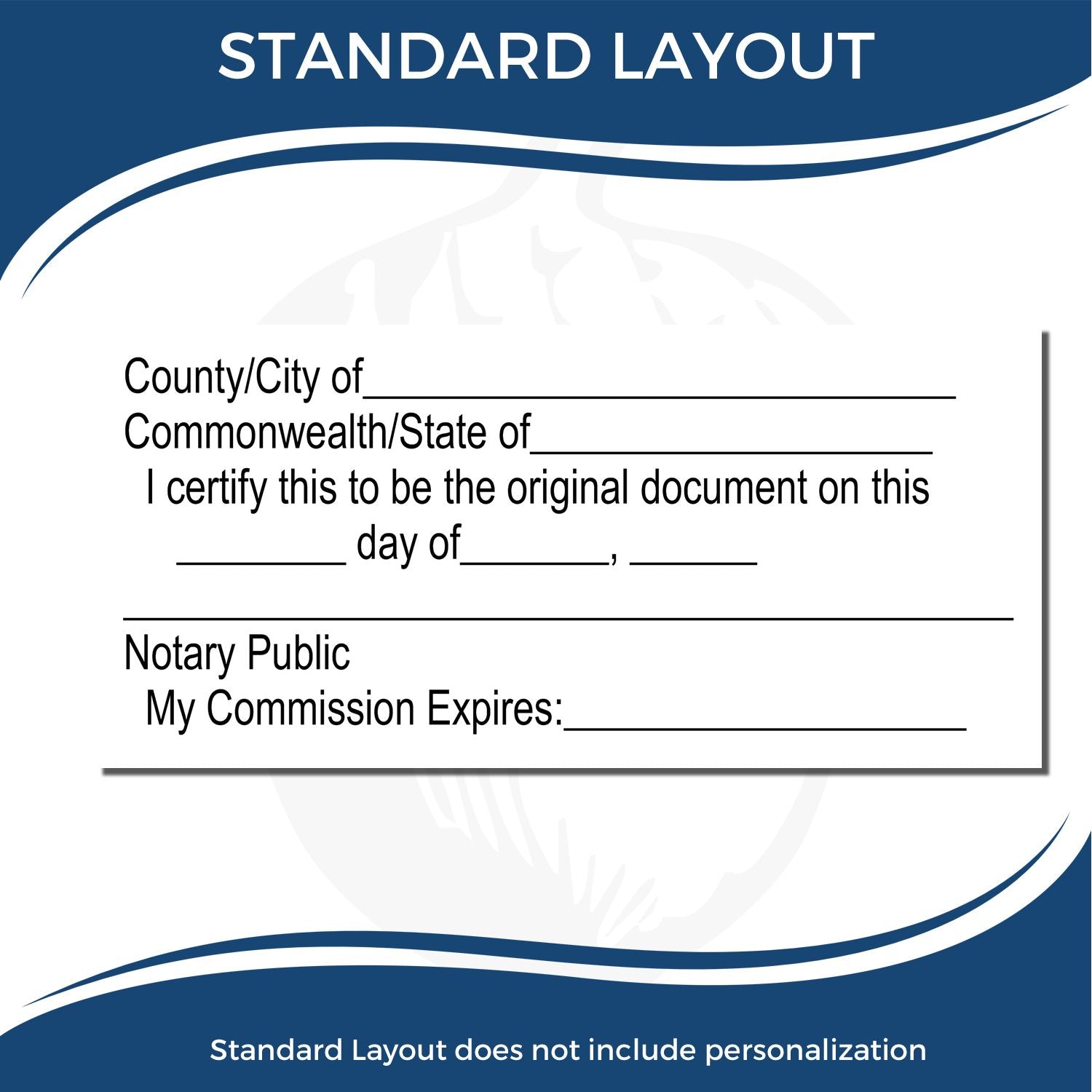
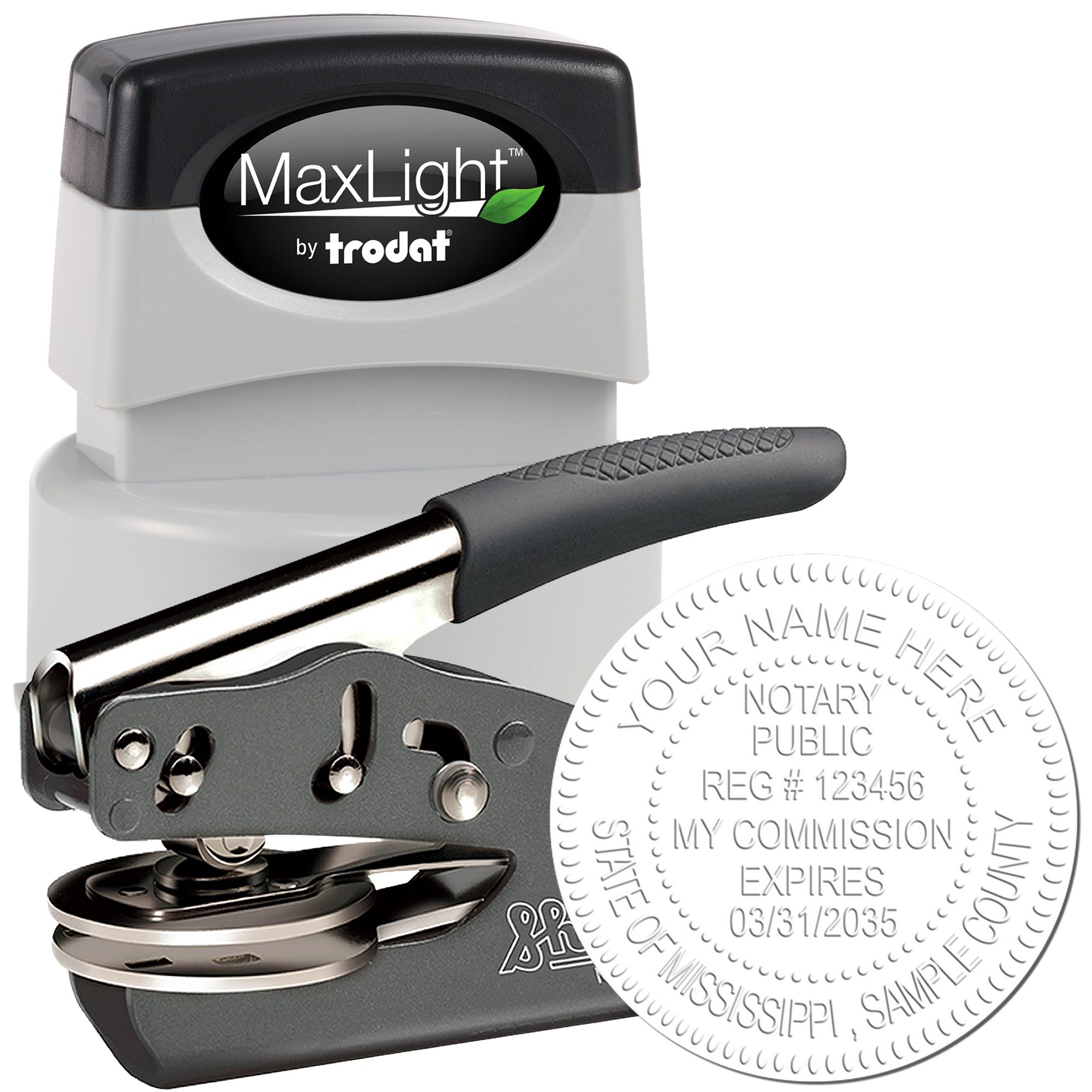
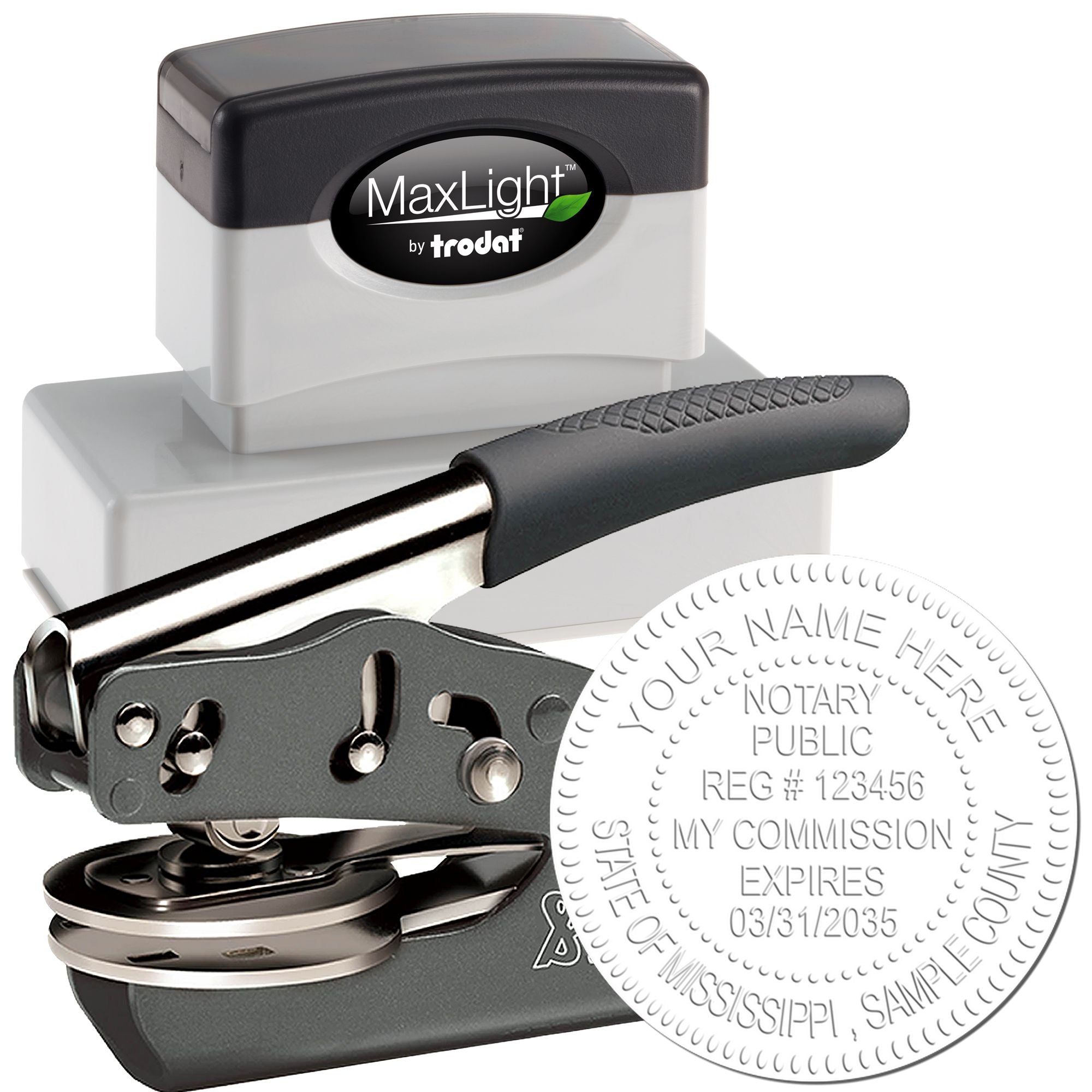
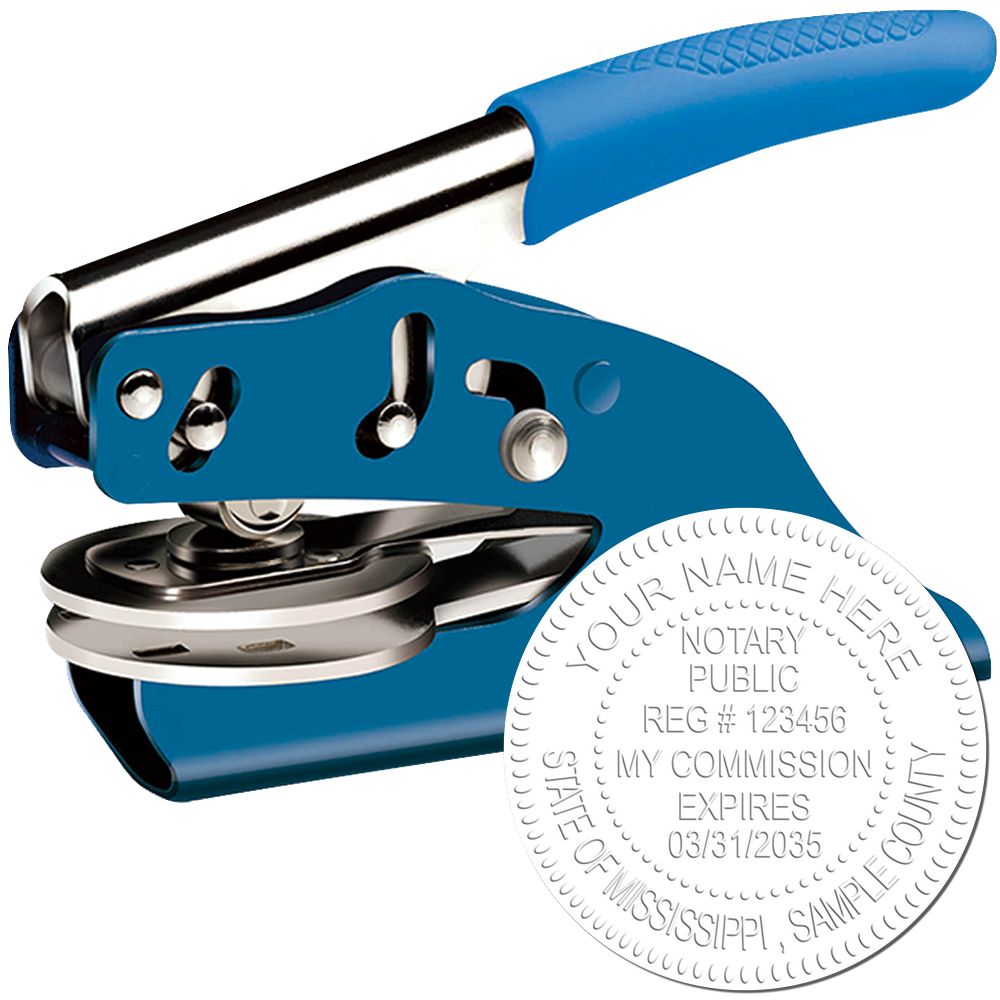
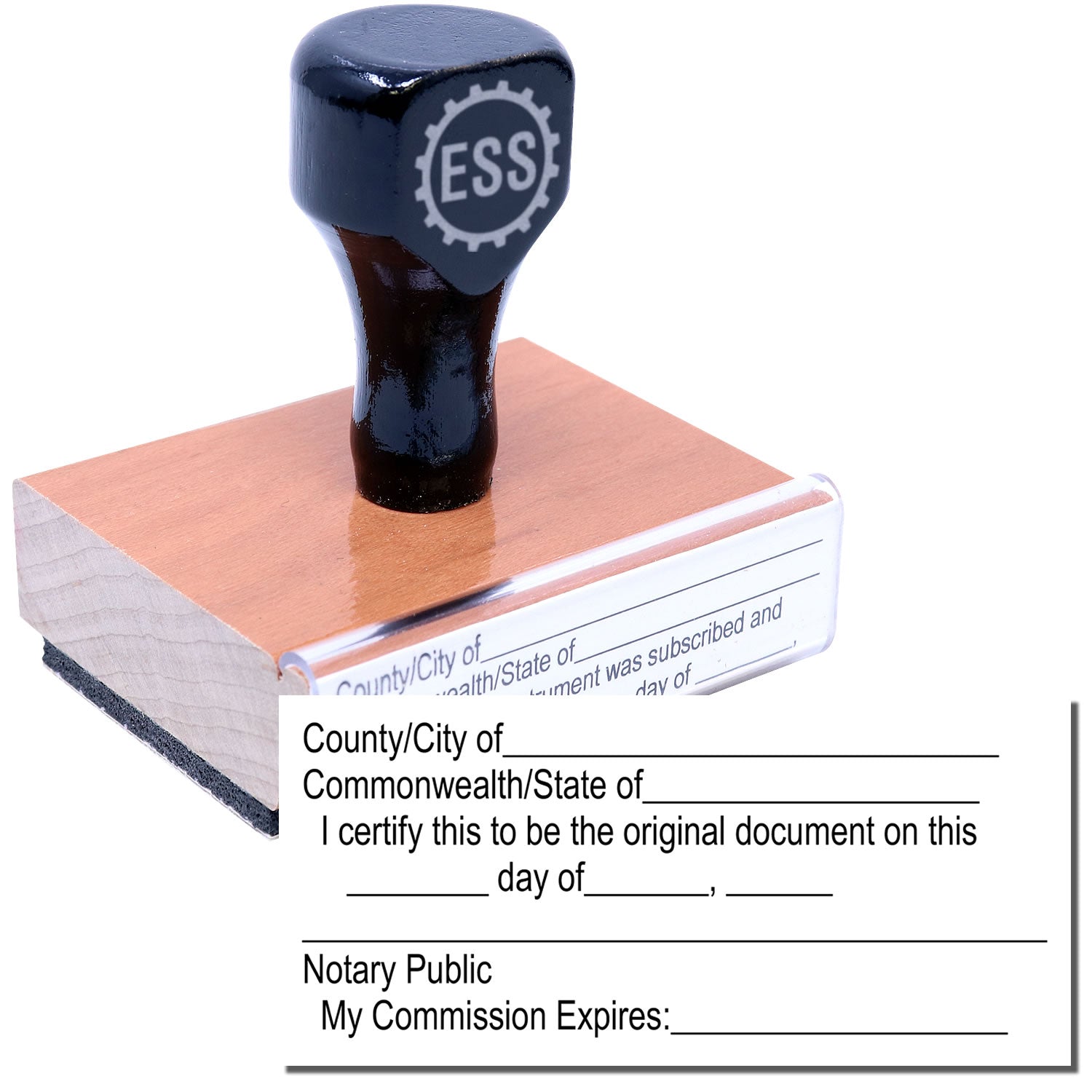
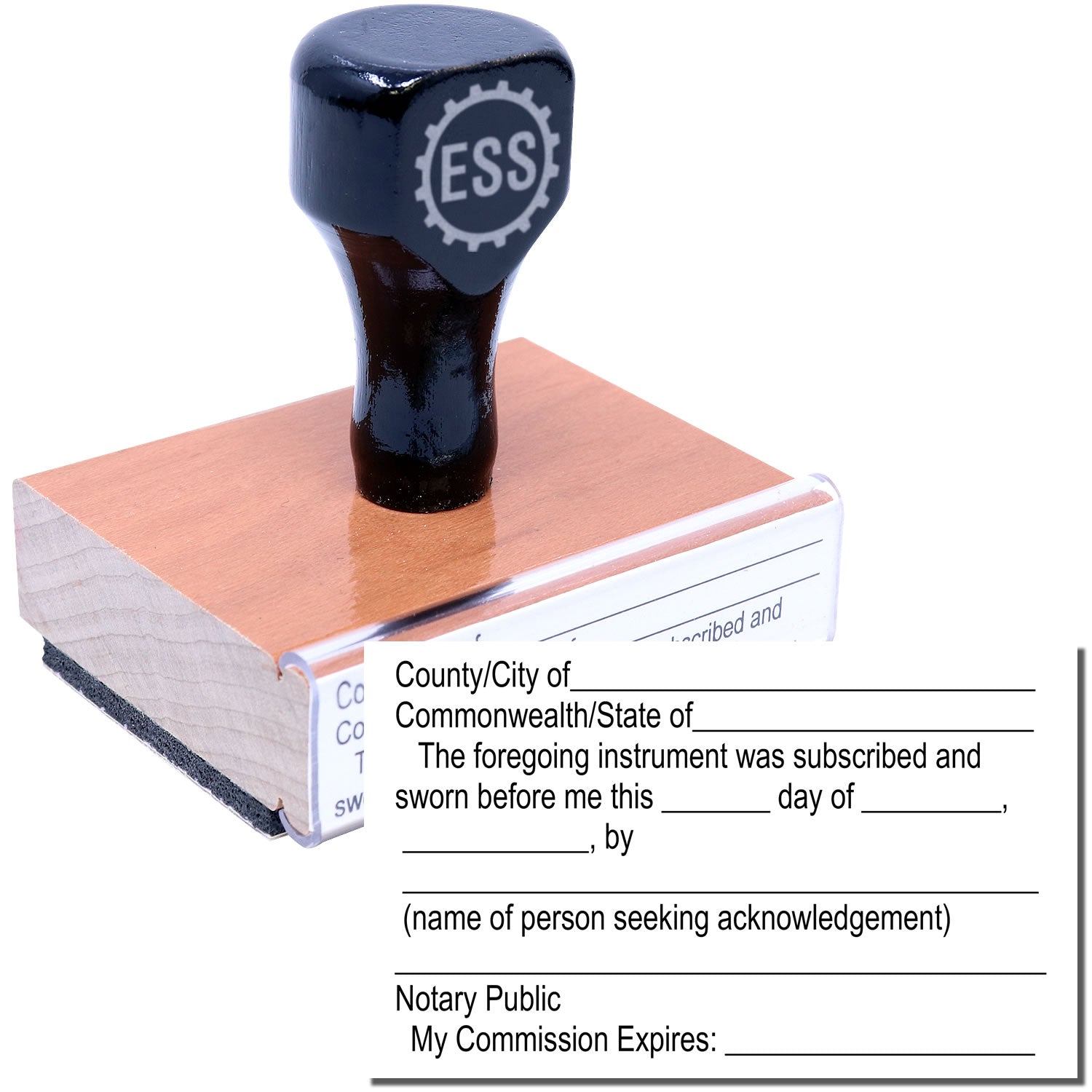
The seal may appear as a rubber stamp or an embossed seal. Many notaries prefer a rubber stamp because it is quick to place on multiple documents, but an embossing device leaves a raised impression in the paper. Both are acceptable, and each fulfills the basic duty of certifying that you are the official notary. However, if your seal is too faded or your impression too light, it can lead to rejections or misunderstandings. Always make sure the seal information is clear, legible, and properly inked if you use a stamping device.
Beyond the required elements, it is best to check for updates on Mississippi notary seal requirements from official state websites or reliable suppliers. If the legislature changes any details, you want to stay ahead of it. Being proactive about verifying the specifications of your seal can save you from making last-minute adjustments. That’s why working with a trusted provider who is up to date on mississippi notary stamp requirements can spare you unwanted surprises.
“ESS,” for example, has been a trusted supplier of Mississippi notary supplies since 1964. They stay current with any changes to the law and guide new notaries in selecting or updating the right seal. If you ever need a replacement or you are applying for a new commission, they also offer a free electronic seal with your purchase, along with quick service so you can keep your notarial function running without a hitch.
Why Compliance Matters
Mississippi law requires that every notarized document bear your seal in a legible manner. When your seal is placed properly, it signifies that you took reasonable steps to confirm the signer’s identity, witnessed the signature, and added the key details of your commission. This step is not optional; without it, the document’s authenticity could be contested. A misapplied or missing seal might force you to re-do the notarization or, in the worst case, cause legal complications.
Bad news: if you neglect to follow Mississippi notary seal requirements, it can result in penalties or fines. Fortunately, staying compliant is easier than it sounds. Routine checks of your seal’s clarity and alignment go a long way toward preventing issues. Also, keep a second seal in your notary bag, especially if you regularly handle many documents.
Follow State Regulations
Once you know what to include on your notary seal, the next step is ensuring you keep aligned with state regulations. While your basic duties involve verifying the signer’s identity and applying a proper seal, adhering to broader Mississippi rules preserves public trust.
Commission Name and Renewals
Your commission name is the name you must use on your seal and your signature. If it differs in any way (for example, you got married and changed your name), you typically need to get an updated commission certificate and then order a new seal accordingly. That might mean submitting official name-change paperwork to the appropriate Mississippi authority.
To avoid confusion, keep track of your commission expiration date, especially if it is incorporated into your seal. Many Mississippi notaries prefer to keep a reminder on their calendar at least 60 days in advance of their commission end date. That way, if you order a new seal—perhaps from ms notary supplies—you are not caught off guard.
Electronic Records and Distance Notarization
Mississippi notaries who register with the Secretary of State may notarize electronic records, but the signer must still appear physically before the notary (Miss. Code Ann. § 25-34-15). Remote online notarization is not authorized under the posted law. Our remote online notarization table shows where it is allowed.
Working With an Approved Supplier
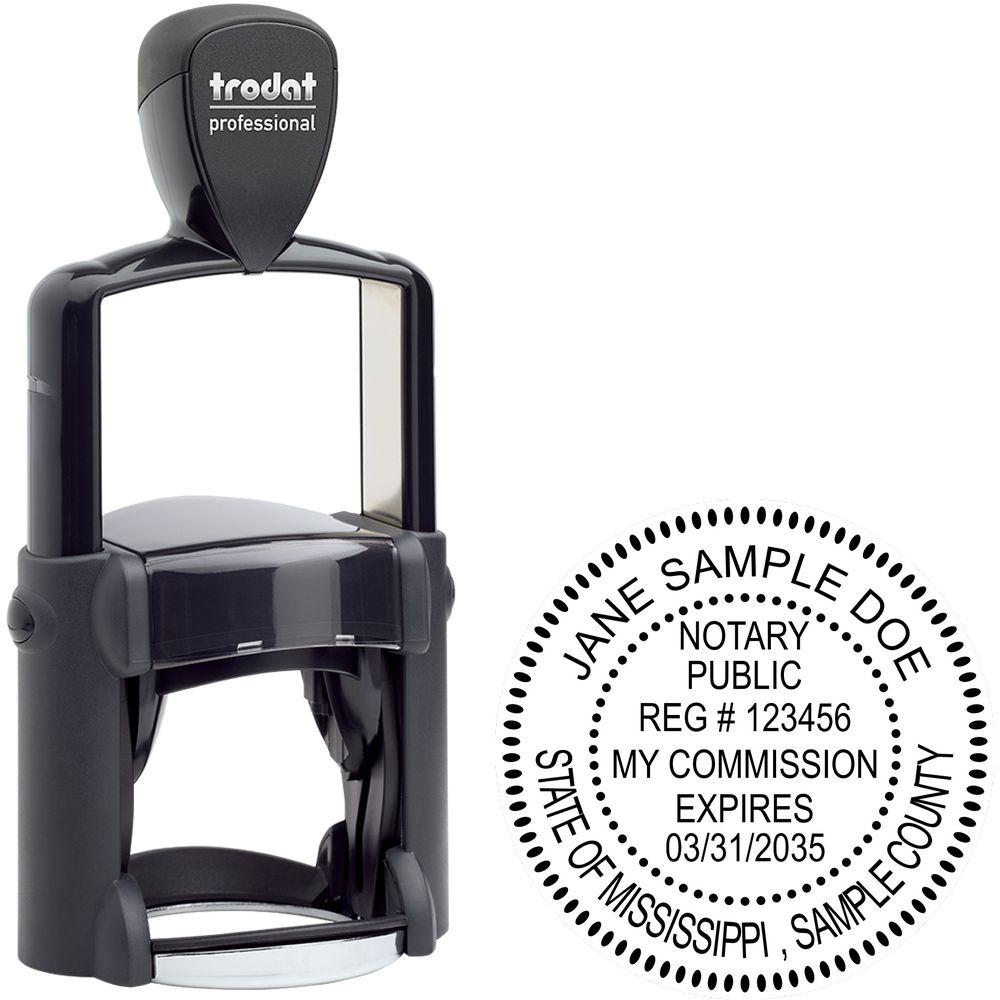

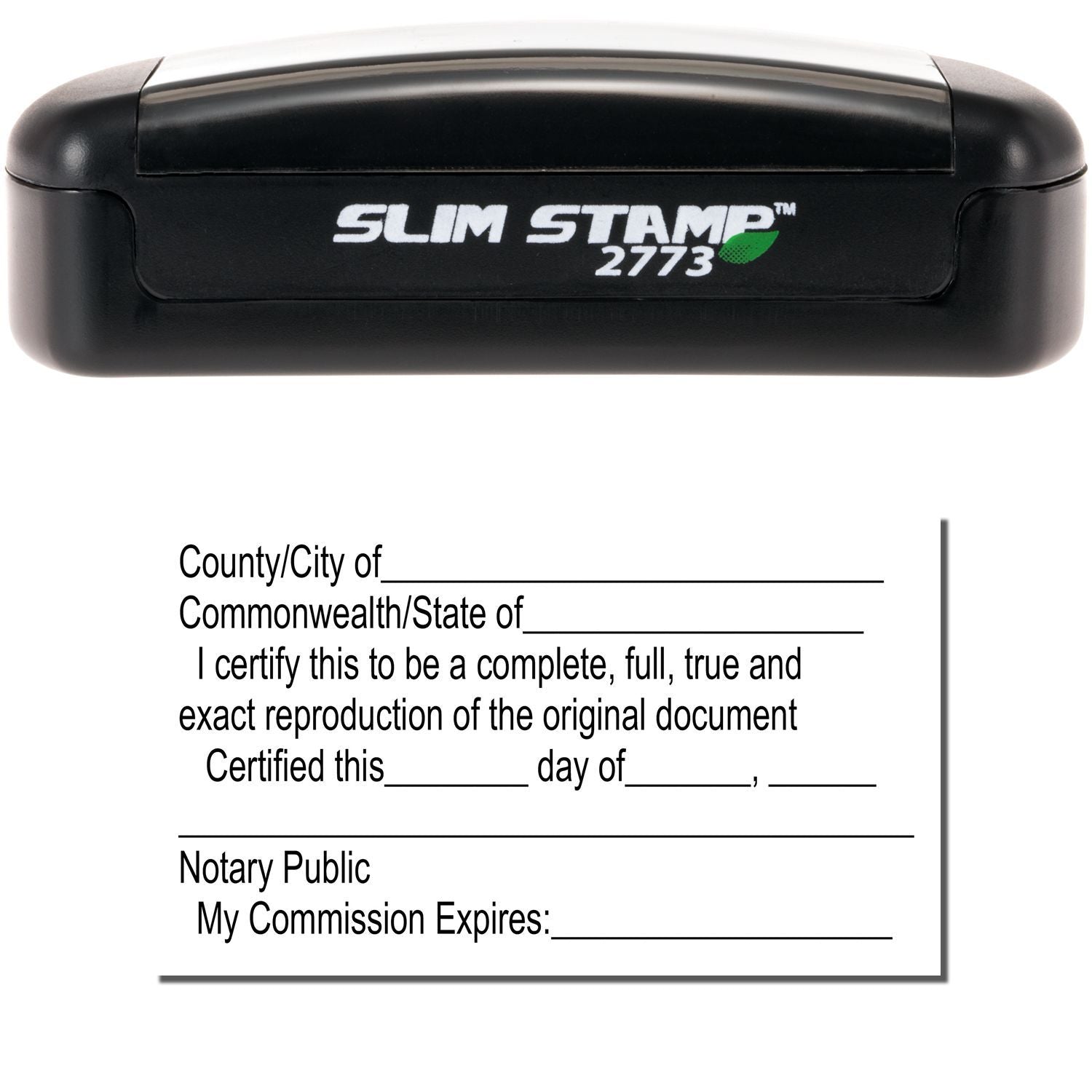
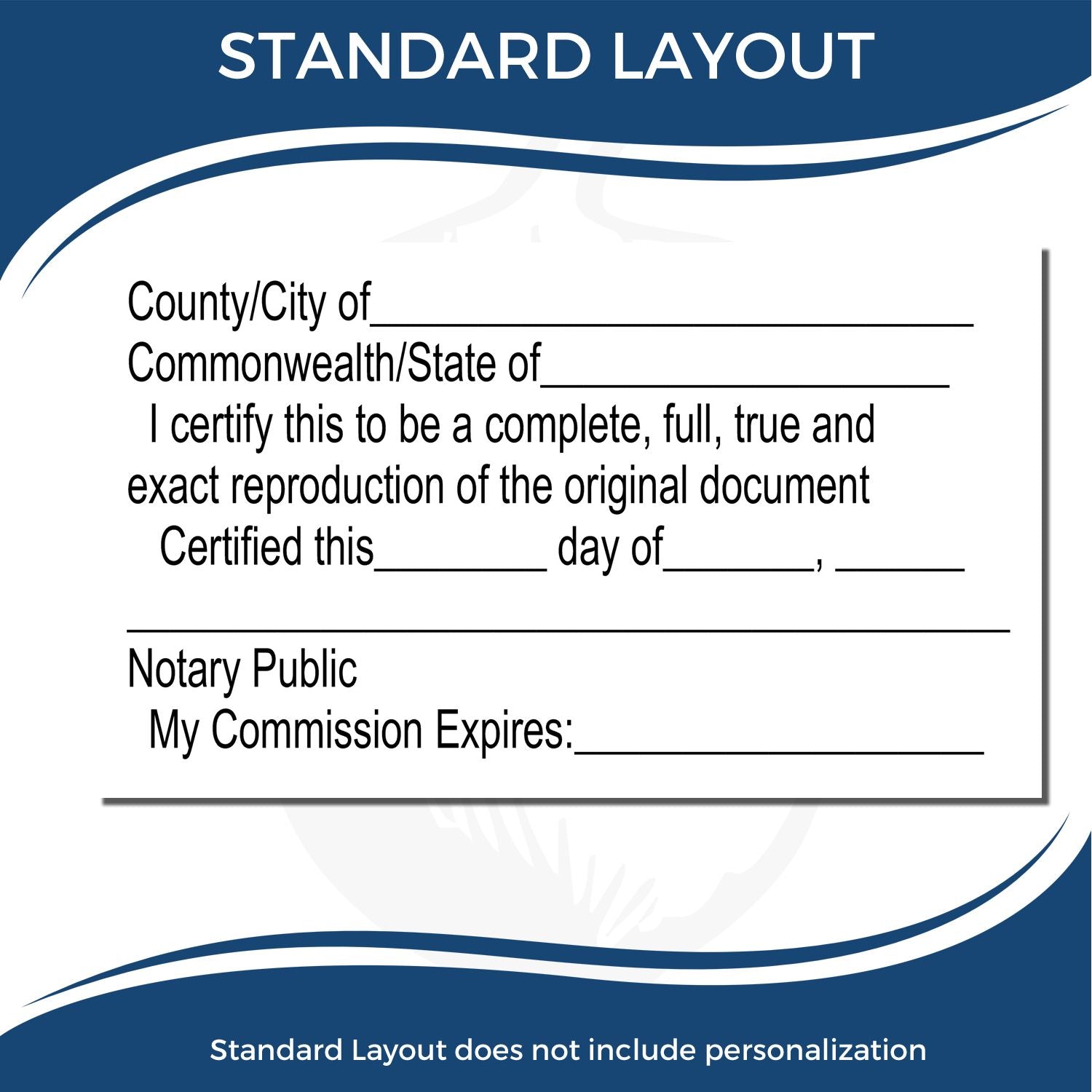
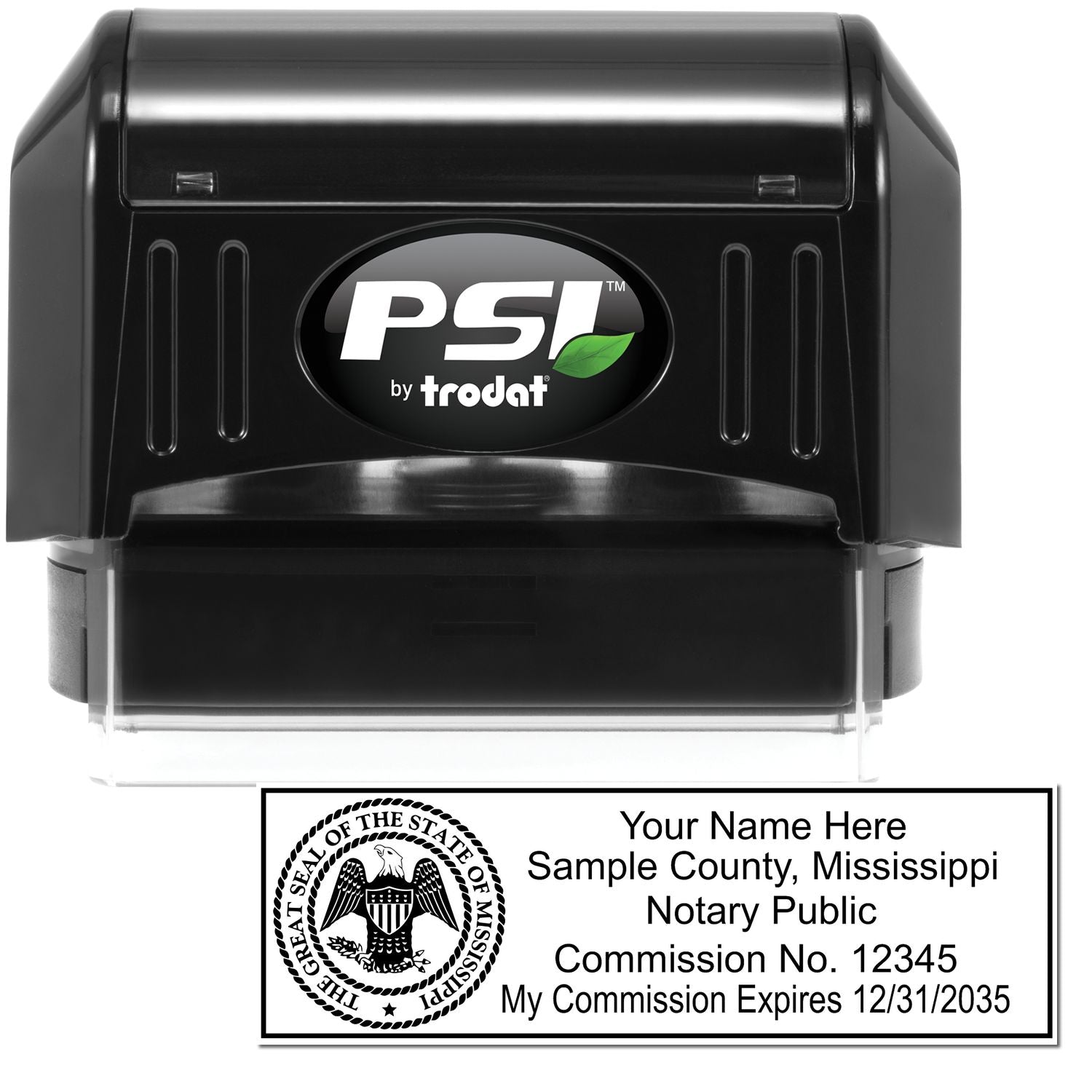

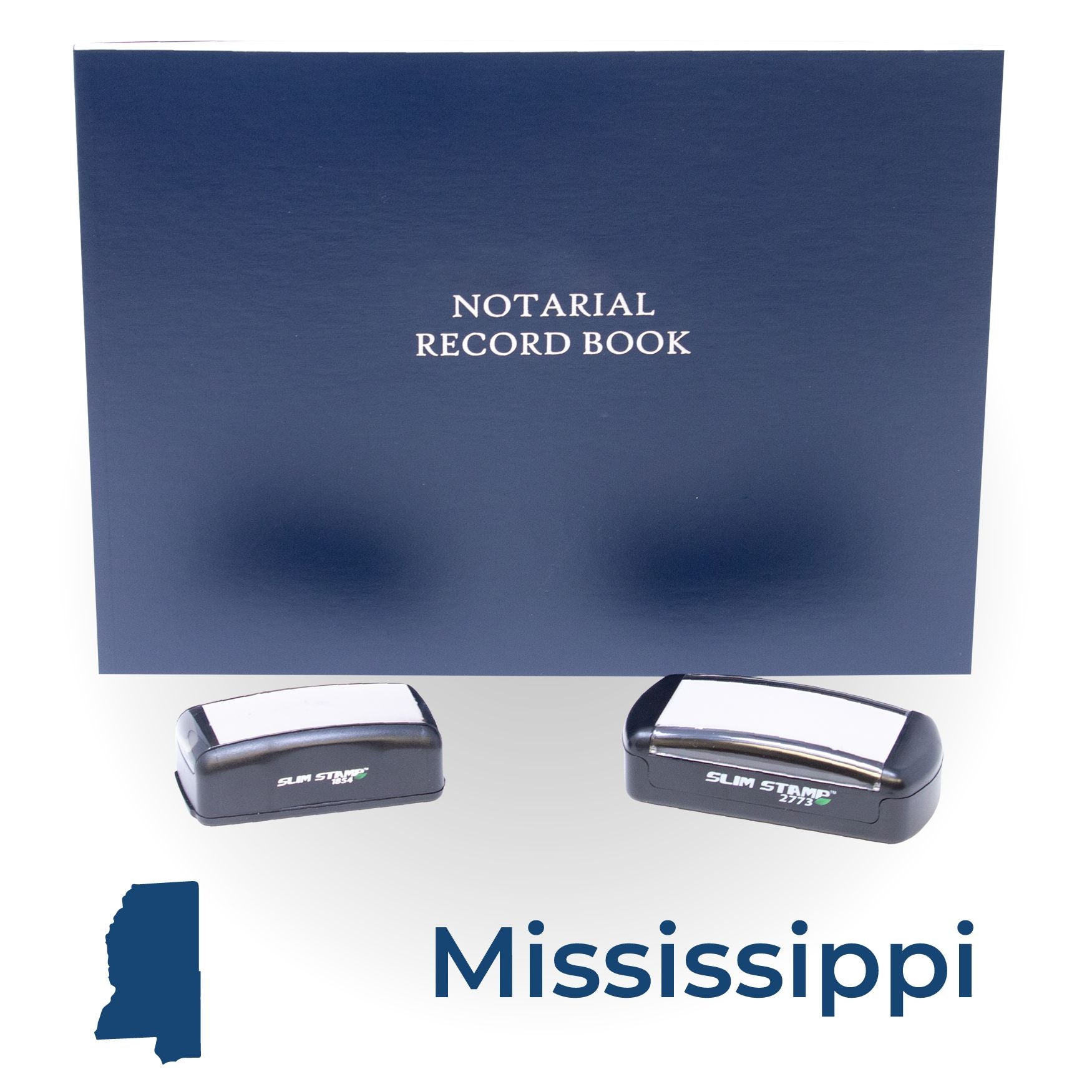

One practical step is choosing a seal provider who fully understands Mississippi rules, such as “ESS,” which has offered mississippi notary stamp and seal products for decades. Reliable suppliers ensure the format of your seal meets the “State of Mississippi” guidelines, so you do not risk your documents being invalidated due to an improper design.
Choose Your Notary Tools
Once you lock in the actual wording and design of the seal, make sure you pick the right type of stamp or embossing device. Your day-to-day environment, personal preferences, and reliability concerns can guide your choice.
Self-Inking Stamp vs. Traditional Rubber Stamp
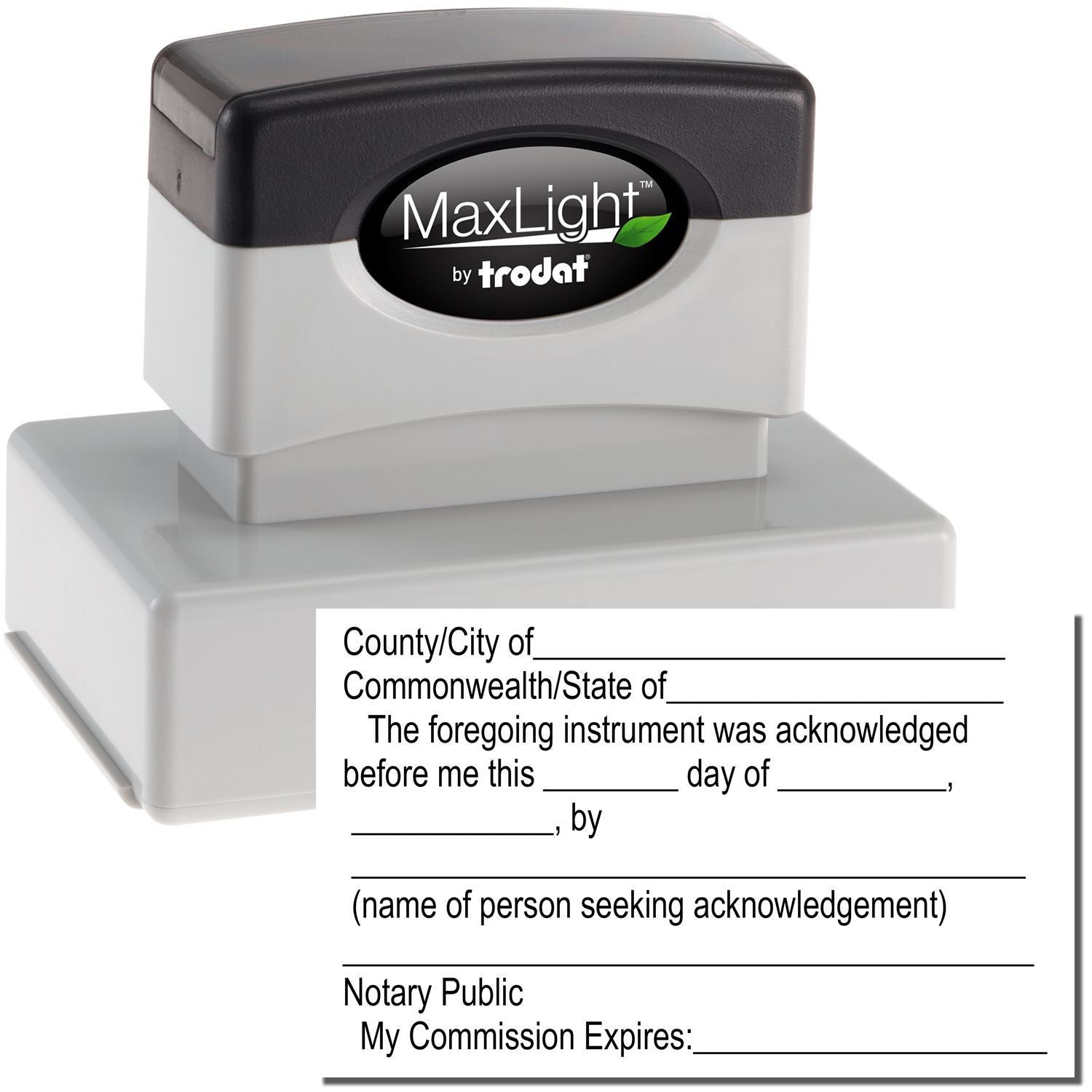
A self-inking stamp contains a built-in ink pad. Every time you press down, the stamp inks itself, making it faster for high-volume notaries. You will want to confirm that the state’s mandated text and your commission details fit within the size constraints. Some notaries like a round seal; others prefer a rectangular style. Mississippi generally does not specify a shape, so choose what feels most comfortable or legible for you. If you are frequently stamping in low-light settings, for instance, you might need a bright ink color or a large imprint area.
A traditional rubber stamp requires you to have a separate ink pad. It is an economical option if you seldom do large volumes of notarizations. Just remember to check that the impression remains sharp. If your stamp starts leaving blurred images, it might be time to replace the entire unit.
Seal Embosser
An embosser physically crimps the paper, creating a raised impression. This style is sometimes considered “more official” by signers, since they can feel the seal. On the downside, embossers can be more effort to operate, especially if you handle a bundle of documents each day. Also, some photocopiers may not capture an embossed design clearly, so you might have to darken the raised imprint afterward with a specialized ink. However, if your preference is the traditional look and feel, or if your notary practice is not extremely high-volume, an embosser can be a great choice.
Bundled Packages and Additional Supplies
Some suppliers offer packages that contain both a stamp and an embosser, along with a notary journal and other helpful items. This kind of mississippi notary kit could save you time and ensure you possess everything you need at once. An organized kit makes it simpler to keep track of your gear, especially if you handle notarization sessions in multiple locations.
The good news is that these kits often reflect the most recent Mississippi notary seal requirements. You might also qualify for special deals, like a free digital seal, which can come in handy if you want to store an electronic version for any future remote notarization expansions.
Avoid Common Pitfalls
While obtaining your seal is straightforward, pitfalls can arise when you are busy, traveling between signings, or uncertain about the law. Thankfully, being mindful of a few common mistakes helps you sidestep complications and maintain your notary’s integrity.
Illegible or Faint Impressions
Over time, stamps can wear out. An impression that is barely visible can invalidate your notarization. As you complete each act, take a couple of seconds to verify the clarity of your seal. If you see faint lettering, adjust your device immediately. This small effort could prevent rejections down the line.
Stamping the Wrong Location




Documents often have a dedicated area for notary seals. Placing your seal in the wrong spot can overlap important text or leave the official notary block incomplete. Try not to rush. Glance at the standard sections that say “Notary Use Only” or “Seal” to ensure consistent placement. If no space is allocated, choose a clear area close to your notary signature, avoiding any typed or printed text.
Vague or Missing Identifying Details
Sometimes you might hurry and forget to include your name or the date. Or you might sign with a nickname instead of the official name on your commission. These small slip-ups risk making the entire document invalid. Always check that everything in your notarial certificate aligns with the information on your notary seal and your official records.
Not Keeping Up With Rule Changes
Government agencies periodically update regulations. Notaries must stay in the know about new or revised mandates. For example, the size of the notary seal might change, or the required wording might be clarified. The Mississippi Secretary of State’s website is a reliable source, and so are professional associations or suppliers like mississippi notary supply. They can inform you ahead of time if any major changes are happening, such as new dimension requirements or additional data you need to include on your seal.
Maintain Proper Records
You might already track key details in a physical notary journal or an electronic record. Mississippi does not universally require notaries to keep a journal, but doing so is strongly recommended. That journal or log helps protect you if any legal questions come up later about a specific notarization.
What to Record
- The date and time of the notarial act
- The signer’s full name and type of ID presented
- A brief description of the document
- The notary fee you charged (if applicable)
- Any unusual circumstances or notes
Some notaries also capture a thumbprint of the signer, especially for property transactions. Mississippi law does not require it in all cases, but it can give you extra peace of mind if a critical issue arises down the line.
Journal Formats
Physical journals are common. They are simple to carry, label, and store. However, if you prefer digital solutions, you might explore a secure electronic journal system. Just be sure you can retrieve the data if needed and that you back up the files regularly. If your computer crashes or your account gets locked, you do not want to lose that record.
Protecting Your Seal and Records
Keep your seal in a safe place when you are not using it, and never lend it to anyone else. Unauthorized use of your seal could lead to fraudulent notarizations, leaving you exposed to legal consequences. The same goes for your notary journal. Store it securely to protect signers’ personal information. Mississippi notary law underscores the importance of confidentiality in your notarial acts, so do not take chances by leaving your seal or logbook in an unsecured desk.
Know Your Renewal Steps
Just as your commission name must match your seal, your commission needs to remain current so that you can continue performing notarizations without any interruption. Mississippi notaries typically renew their commissions every four years. Reviewing these steps in advance keeps your schedule running smoothly.
- Mark your calendar for at least 60 days before expiration.
- Gather necessary paperwork (like your current commission certificate or proof of good standing).
- Submit the renewal application and pay any required fees to the Mississippi Secretary of State.
- Once the renewal is approved, order a fresh notary stamp or seal showcasing your new expiration date if it changed.
If you renew late, you might have to reapply, and your notary powers will be on hold until the new commission is granted. This pause can inconvenience clients or your employer, so it pays to stay on top of your timeline. Through a dependable partner like “ESS,” you can order your notary seal mississippi quickly, ensuring uninterrupted service.
Checking Your Seal’s Expiration
Because the expiration date is often present on the seal, many notaries elect to buy smaller increments of time on their supplies, ensuring they never run out of valid stamps. Some might prefer a die that can be replaced, or an embosser with removable plates that are easy to update. Other notaries choose a purely date-neutral seal and write their expiration date by hand on each certificate, though that is not always recommended. If you prefer to have the expiration date on your seal to prevent errors, make sure to order it as soon as you receive your updated paperwork.
Wrap Up And Next Steps
You now have the essential information on Mississippi notary seal requirements. This includes how to follow the law, pick the best stamp or embosser, avoid missteps, and renew your commission seamlessly. By applying a legible seal, recording each act responsibly, and staying informed on any regulatory changes, you safeguard the integrity of your notarial acts. You also boost the confidence of anyone who looks to you for notarization.
If you are ready to equip yourself fully, you can explore reliable mississippi notary supplies



Keep in mind: meeting Mississippi notary seal requirements is not a one-time affair. It is an ongoing responsibility. Still, by following these guidelines, you will find that the process is simpler than it might seem. You have got this. Hundreds of Mississippi notaries successfully handle their seals and stamps every day, and you can too.
Frequently Asked Questions
Do I Have to Include My Commission Expiration Date on the Seal?
Mississippi notary law suggests including your commission expiration date. Having the date on your seal helps people quickly confirm you are operating under a valid commission. Some notaries put a neutral seal on documents and write the date by hand, but that increases the risk of errors. For neatness and clarity, many professionals prefer a seal that automatically includes the expiration date. If you opt for that, be sure to replace the seal once you renew your commission.Is a Particular Shape or Size of Stamp Required in Mississippi?
Mississippi does not mandate a specific shape, so both round and rectangular styles are equally recognized. However, you must ensure your name, the state, the words “Notary Public,” and any required date are visible. If you need clarity about dimensions, you can check official guidelines like mississippi notary public seal guidelines to stay on track.Can I Use a Digital Seal for Remote Online Notarizations?
Not in Mississippi at present. The posted notary law requires the signer to appear physically, so remote online notarization is not available. A notary registered for electronic acts may use an electronic seal for in-person electronic notarizations. Many suppliers, such as ESS, offer a free electronic seal with the purchase of a physical stamp, which can be helpful if you plan to expand into online services.Where Should I Purchase My Notary Supply?
You can buy from any reputable vendor, but it is wise to choose one that specializes in official mississippi notary stamp designs and complies with Mississippi law. For example, ESS has served the industry since 1964 and stays up to date with all changes. This means you will not accidentally order a stamp that does not meet the mandated requirements.What Happens if I Lose My Seal or It Gets Stolen?
If your seal is lost or stolen, you need to notify your local authorities and consider informing the Secretary of State so it is on record. You should also replace it right away to continue notarizing. While waiting for your new stamp, you must not notarize any documents without an official seal. Keep your notary records secure, and consider storing backup supplies in a locked drawer or storage box to reduce the risk of theft or misplacement.
Take time to review your personal practice. Make sure your seal is up to date, your notary journal is secure, and your knowledge of Mississippi law is current. By staying thorough and vigilant, you will serve your community with confidence and accuracy, fulfilling your duties under Mississippi notary seal requirements. And remember, a reliable supplier can be a great partner in this process, helping you navigate any changes that come your way.
Related Mississippi notary guides
Start with Mississippi notary seal requirements for the whole Mississippi picture, then check Mississippi notary stamp rules and Mississippi notary stamp and seal options.