
Engineer Seal Stamps compliance desk. Updated 7 November 2026.
Are you a notary in the Hoosier State, wondering how to pick the best Indiana notary stamp self-inking product? You’re in the right spot. As an Indiana notary, you already know that your official stamp is more than just a rubber imprint. It’s a unique mark of your authority and must meet certain standards so your notarizations look professional and remain legally valid. But how do you decide which self-inking stamp stands out from the crowd? In this guide, we’ll break down the benefits, features, and tips for choosing a self-inking notary stamp that suits your everyday workflow.
The good news: you need no expertise in stamp mechanics or ink chemistry to make a sound choice. The key is to concentrate on durability, clarity and overall ease of use. We also cover some practical points, such as Indiana requirements and ways to work more efficiently as a notary. By the end, you can confidently pick a notary stamp that satisfies state regulations and also simplifies your daily work. Here is how to start.
Know Your Stamp Options
Before you settle on any single product, it helps to know the various types of notary stamps on the market. After all, if you rush, you might end up with a stamp that doesn’t leave a crisp, readable impression. You want something convenient, right? Let’s break down the main categories to give you a sense of what’s out there.
Self-Inking vs Pre-Inked
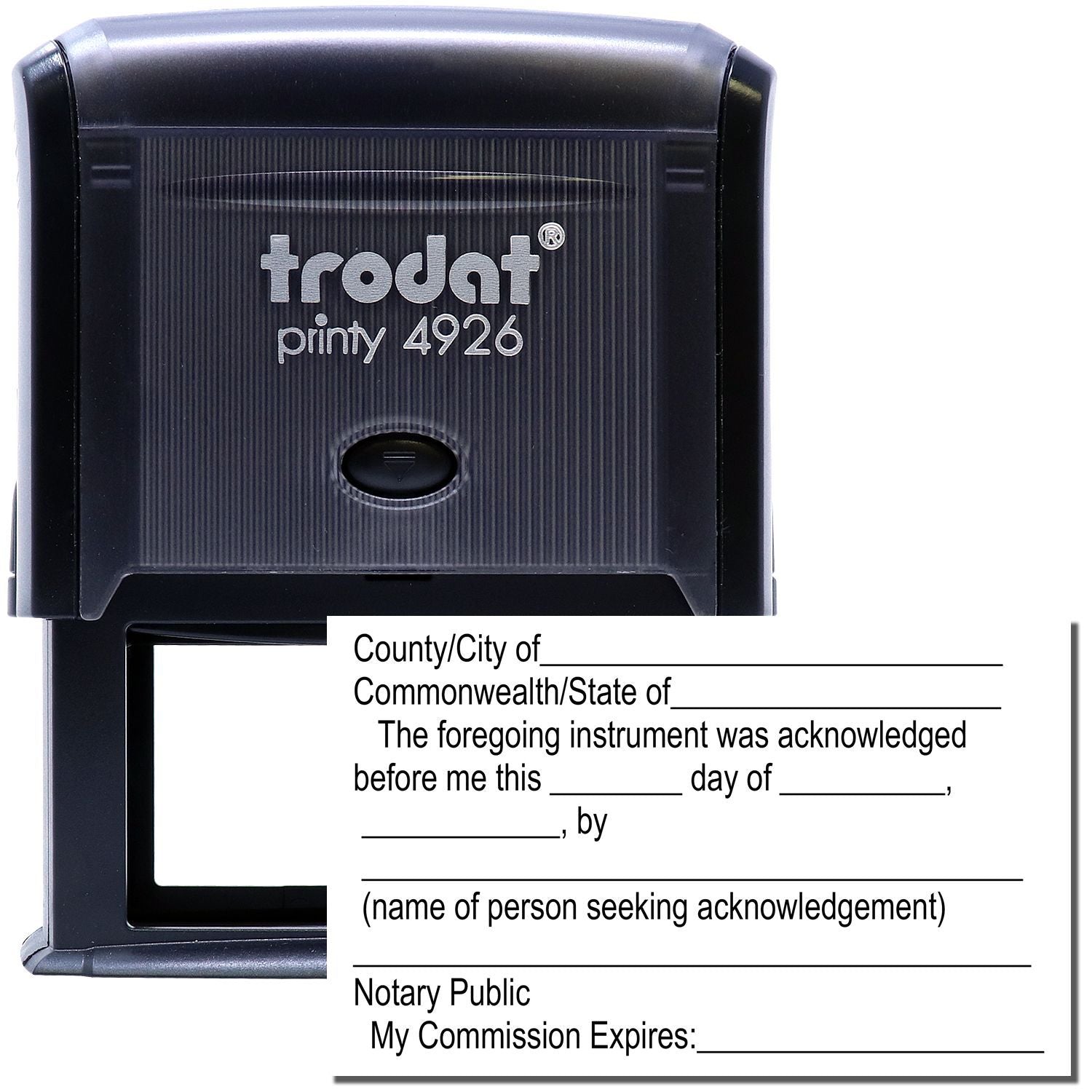
When someone refers to an “Indiana notary stamp self-inking,” they usually mean a device that comes with an internal ink pad. Each time you press the stamp, the pad instantly inks the die (the part showing the notary info) for the next impression. This design cuts out the hassle of constantly replacing or re-wetting an ink pad, making self-inking stamps wonderfully convenient.
A pre-inked stamp, by contrast, has its ink built into the die. Press down and the ink transfers to the paper in a crisp impression, usually for thousands of sharp, clean prints. Some notaries favor pre-inked for that crispness and others favor self-inking. Either can serve you well, though self-inking tends to win when speed and convenience come first.
Here’s a quick comparison:
| Feature | Self-Inking Stamp | Pre-Inked Stamp |
|---|---|---|
| Ink Source | Internal pad | Internal die |
| Impression Quality | Good clarity | Excellent clarity |
| Mess Level | Typically lower | Potentially higher |
Traditional Rubber Stamps
While traditional rubber stamps still exist, they require a separate ink pad that you have to press onto each time. If you’re stamping dozens of documents, having to dab the stamp onto an external ink pad can slow you down. Plus, there’s a higher risk of uneven inking, resulting in splotchy or partial impressions. For these reasons, many modern notaries opt for self-inking stamps, which strike a balance between efficiency and quality. Unless you have a specific tradition or preference for rubber stamps, you’ll often find self-inking options more practical for everyday use.





Pick Key Functionalities
Now that you’re familiar with the underlying stamp types, you might be wondering what specific features to look for in a self-inking stamp. The good news is that the stamp market is quite innovative. To narrow it down, keep an eye on a few essential functionalities.
Quality And Durability
An Indiana notary stamp must withstand repeated use, possibly multiple times a day. Look for a sturdy exterior that doesn’t crack or chip easily. Hard plastic or metal frames can be a good sign of longevity. Also, consider the thickness of the die. A thick, durable die usually produces sharper imprints and holds up longer against wear and tear.
Some stamps include reinforced handles or ergonomic grips, which help you apply even pressure easily. If you find yourself handling large notarization workflows, a comfortable grip can reduce hand fatigue. It might not sound like a big deal at first, but once you start stamping a stack of documents, you’ll appreciate the difference.
Ink Impressions
Good impressions matter. After all, you don’t want a notary seal that’s smeared or faint. A clear, legible stamp is critical for legal documents because it ensures the text (name, title, commission number, expiration date, etc.) remains easy to read. A self-inking mechanism should deliver consistent impressions without the risk of partially inking your stamp.
Keep Indiana Rules In Mind
Every state has its own notary requirements, and Indiana is no exception. Failure to comply can lead to avoidable headaches, including rejected notarizations or even disciplinary action. While the exact rules can update over time, here are some key points you’ll want to keep in mind:
- The stamp must include your name, your state, and possibly other detail mandated by Indiana law (such as “Notary Public - State of Indiana”).
- Your commission number and commission expiration date need to be clearly visible.
- The seal should create an imprint that remains readable on the original document, as well as photocopies.
- Indiana might have guidelines on size or shape, typically limiting the maximum dimensions so the seal doesn’t overshadow the document content.


When in doubt about whether a stamp satisfies these guidelines, check before completing the order. A reputable vendor helps you avoid misprints and incomplete designs, since nobody wants to pay for a stamp and then find it is missing key details.
Explore Engineer Seal Stamps
When it comes to choosing a trusted supplier, it always helps to know you’re dealing with professionals who understand your notary needs. That’s where Engineer Seal Stamps shines. With roots going back to 1964, they’ve built a reputation for reliability, quick service, and a friendly approach that puts customers first. If you value a hassle-free experience and a high-quality product, you’ll likely appreciate their lineup.
Trusted Since 1964
Engineer Seal Stamps isn’t some fly-by-night operation. Their decades in the business mean they’ve seen plenty of notary guidelines change over the years. That experience translates into well-designed stamps that meet current Indiana requirements. As a customer, you can rely on them for advice on design, customization, and ensuring your stamp is state-compliant. There’s a certain comfort in knowing your stamp vendor understands your world.
Free Electronic Seal With Purchase
One neat perk is that Engineer Seal Stamps gives you a free electronic seal when you buy your Indiana notary stamp. It might not seem like a big deal until you realize how useful an electronic seal can be. For example, if you occasionally handle digital documents, you can easily place your seal electronically without printing them out. This bonus could save you both time and effort, especially if your notary tasks span different formats.
Beyond that, their quick service ensures you’re not waiting for weeks before your stamp arrives. There’s no reason to let an administrative snag slow down your notary practice. If you have any special requests or questions, their team often moves fast to help.
Get Ready To Purchase
You’ve learned about the different stamp types, the features that matter, and a vendor you can count on. Where do you go from here? Before you click “buy,” double-check the stamp’s specs. Make sure it has all the necessary information: your name, your commission number, and the right Indiana wording. You don’t want to leave out crucial notary details.
Need other supplies as well? You can explore a broader range of indiana notary supplies if you’re looking for a complete toolkit. It’s often wise to stock up on essentials like a notary journal or embossing seals if you plan to diversify your notary services. Also, keep a small backup stamp. That way, you’ll never have to interrupt an important signing.
Lastly, once your stamp arrives, test it on a scrap piece of paper: check the clarity, alignment, and correctness of the text. Better to catch any typos or design mistakes before you use it on a real document. If everything looks good, you’re set to go. It’s time to tackle your notary tasks with an extra dose of confidence.



FAQs
Below are some common questions that notaries often have when searching for the perfect self-inking stamp. If you’ve been hesitant about anything, these might clear up the confusion.
What Belongs On An Indiana Notary Stamp?
The minimum is “State of Indiana,” the words “Notary Public,” and your name matching your commission. Your commission number and expiration date usually must appear as well. Requirements can change from time to time, so check the current Indiana notary rules.Is A Self-Inking Stamp Really Worth It?
Yes, when speed and convenience matter to you. Its built-in pad inks the die on its own, so stamping is quick, which saves time and gives you more consistent impressions.What Is The Lifespan Of A Self-Inking Stamp?
Most are designed for thousands of impressions, and with good care they serve for months or years of regular use.Why Buy From Engineer Seal Stamps?
Engineer Seal Stamps has been in business since 1964 and knows notary supplies thoroughly. Each order includes an e-seal at no charge, useful for digital workflows, and quick service keeps the gap between ordering and using your stamp short.
Feel free to bookmark this page or share it with fellow Indiana notaries who could benefit from a refresher. Remember: a reliable self-inking stamp is more than a nice accessory, it’s central to your notary practice. By choosing a stamp that’s durable, compliant with state guidelines, and easy to maintain, you’ll make your job smoother every single day. Good luck on your notarial journey. If you ever need more help or want to explore additional supplies, don’t hesitate to reach out to Engineer Seal Stamps.
More on Indiana notary seals
Start with Indiana notary seal requirements for the whole Indiana picture, then check Indiana notary stamp rules and Indiana notary stamp and seal options.