
Engineer Seal Stamps compliance desk. Updated 7 November 2026.
Understand Why Seals Matter
If you’re a North Carolina Notary Public, you already know the power of your seal. But have you ever wondered just how important it is to follow all the North Carolina notary seal requirements? A properly applied seal verifies your authority, protects the integrity of legal documents, and assures clients that they’re working with a reputable notary. In simple terms, your seal represents both your credibility and the official weight of the state behind your notarial acts.
Meeting these notary seal requirements is a legal duty, and it also prevents later problems. Errors surface quickly: a single missing word or a barely legible stamp can invalidate a whole document, which is serious when a property deed, loan paperwork or adoption forms depend on it. Knowing why seals matter helps you carry out your duties with confidence.
Above all, think of your notary seal as a visible mark of trust. Whenever you stamp a document, you’re essentially telling the world, “I’m authorized, prepared, and following North Carolina’s official guidelines.” That simple action can bring peace of mind to everyone involved. It’s more than just ink on paper—it’s your professional guarantee.
Explore Required Elements
So what exactly goes into a valid notary seal in North Carolina? While the rules can feel a bit technical, let’s break it down in plain English. The Secretary of State sets specific guidelines for a reason: to standardize how notarial acts are recognized and to protect the public from forgeries or unauthorized practices. Here are some of the main elements you need to include:
- Your legal name, matching your notary commission exactly.
- The words “Notary Public.”
- The name or abbreviation of “North Carolina” (often “N.C.”).
- A clear indication of your commission expiration date (for certain seal formats).
If you’re not sure how to position each word, most North Carolina notary seal requirements suggest a circular or rectangular design with your name and the state name around the outside. In the center, you might include “Notary Public.” Some notaries opt for an embosser, while others choose an inked stamp—it depends on your preference and what best fits your workflow.
Remember, every detail should be legible. If your seal is smudged or the text is too small, you risk invalidating the notarization. Make sure the design you select has enough space for a clean impression with consistent clarity. And don’t forget to double-check your commission information is accurate before you order your seal—mistakes can be costly to fix.
Choose A Notary Seal Format
Once you’ve nailed down the required elements, you get to pick how you want your seal to look and the type of impression it leaves on documents. North Carolina allows a few options, and each has its own advantages:
Traditional Embosser
With no ink at all, an embosser raises the impression up from the paper surface. Notaries who want a professional appearance, or who simply like pressing the handle, often choose one. Some banks and institutions favor a raised seal, especially on official certificates.-
Pre-Inked or Self-Inking Stamp
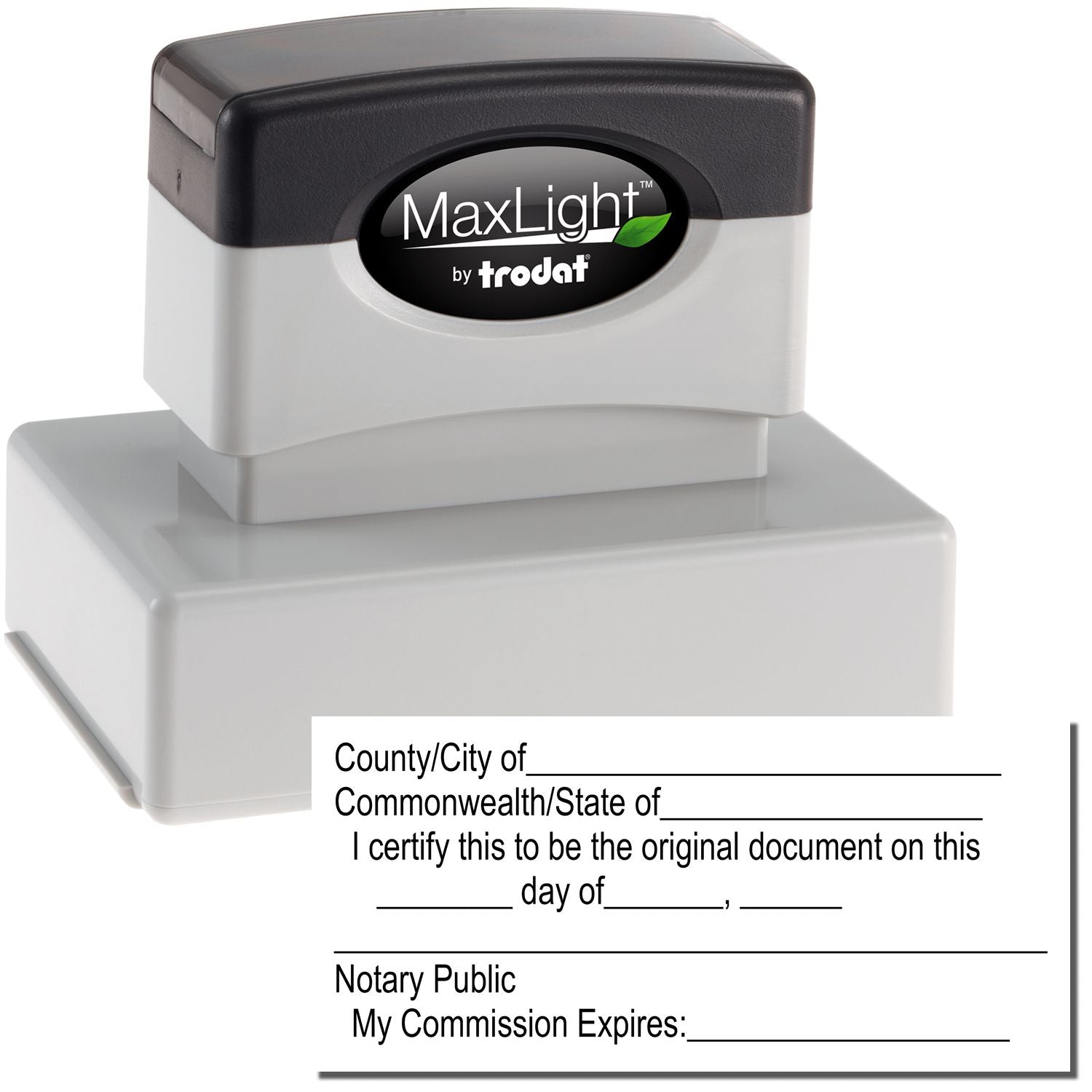
This is a quick, no-fuss option. The ink is housed inside the stamp, so you don’t have to mess around with stamp pads. They’re compact and produce a crisp, easily legible impression. If you perform notarizations on the go and need a swift “stamp-and-go” approach, pre-inked or self-inking stamps are super convenient.Save 20%
 Save 15%

 Save 0%

 NC Notary Seal and NC Notary Stamp Kit for North Carolina Notaries1200-RECT-DESK-R-NCSale price$59.95 Regular price$60.00
Rubber Stamp
A classic, budget-friendly choice that requires a separate ink pad. While not as modern as the pre-inked version, a rubber stamp still meets the official guidelines—and can be replaced easily if worn out.


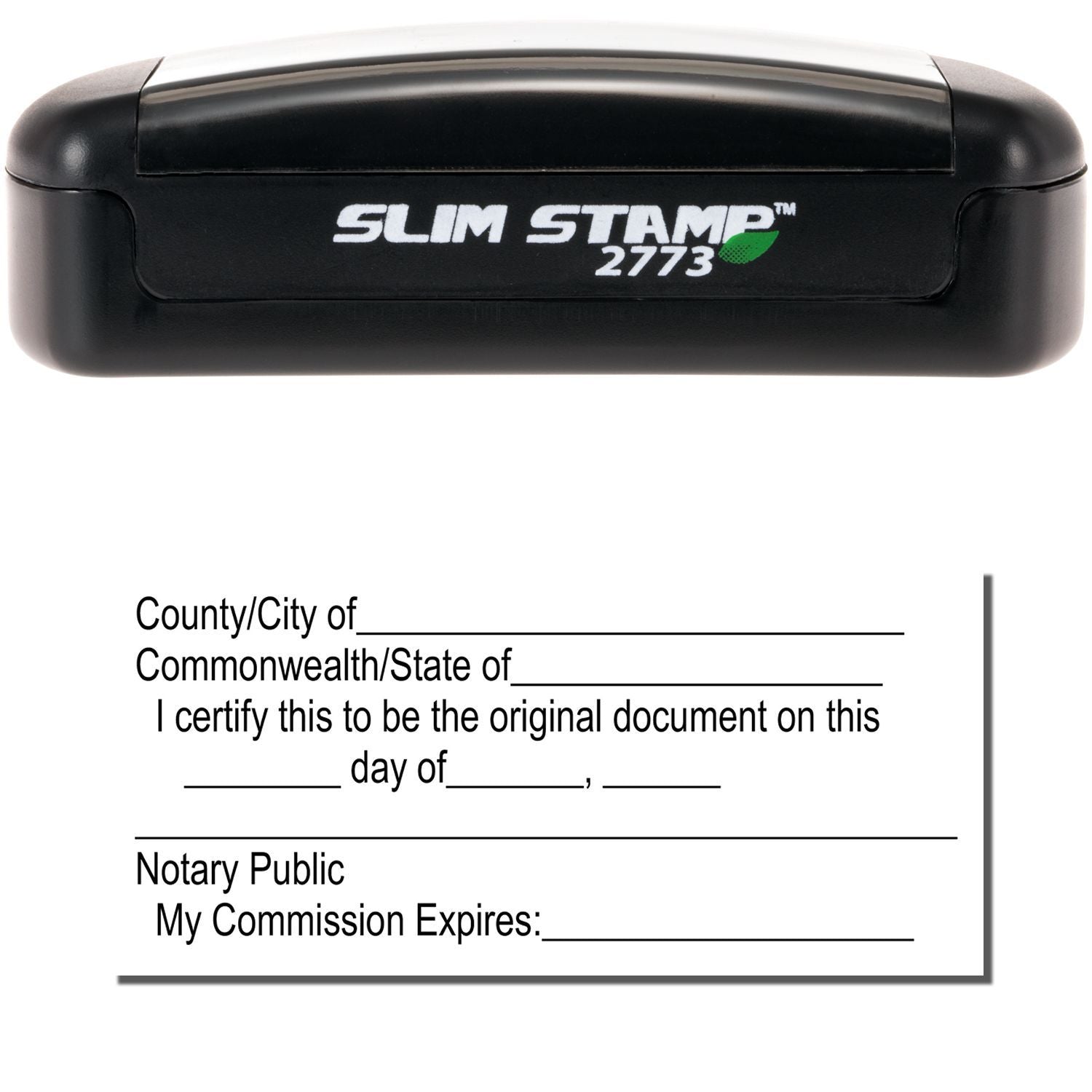
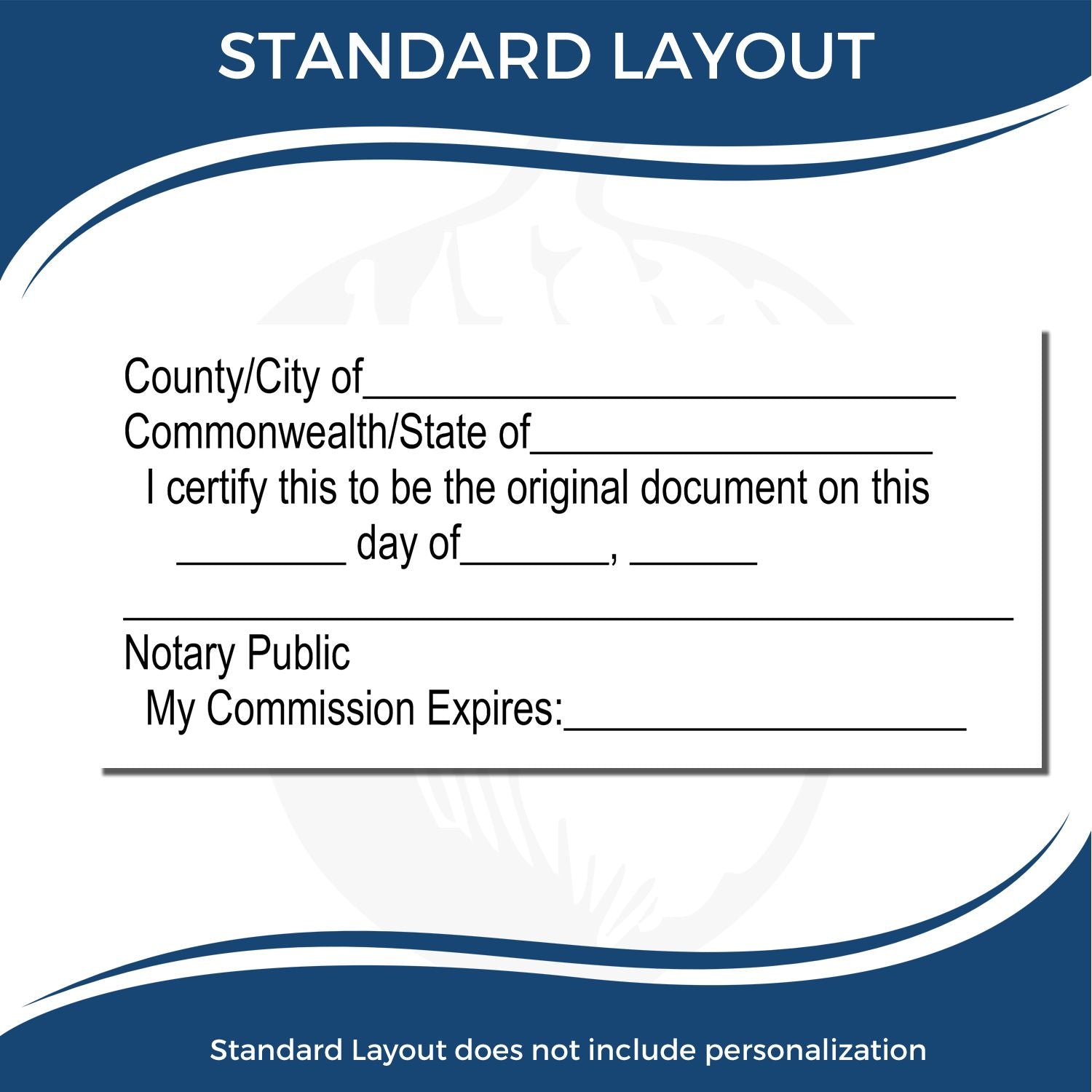


Think about the documents you usually notarize before deciding. Real estate closings, business contracts and long legal forms often need several notarizations in one session, where a self-inking stamp keeps work moving. For ceremonial documents or a timeless look, an embosser may suit you better.
Follow Proper Usage Steps
Once your seal arrives, it’s easy to get caught up in the excitement of stamping your name and heading off to the notary races. But using your seal correctly is just as critical as getting it designed properly in the first place. Each time you notarize, here’s a quick step-by-step approach to follow:
Confirm Identity
Verify who the signer is before the seal comes out. Doing so protects everyone involved and confirms the signer is the person named.Review The Document
Double-check the document to ensure it includes the correct notarial wording for North Carolina. If a part of the wording is missing, you might need to add a loose certificate form. This ensures you stay compliant with the official language required for acknowledgments or jurats.Sign, Date, And Stamp
Make sure your own notary signature is exactly as registered with the state. Then place your North Carolina notary seal neatly near or around that signature. The impression should be precise and fully legible. If the document runs short on space, attach a notarial certificate that offers enough room for your seal.Record The Act
Keep a notary journal whenever possible. While North Carolina law doesn’t always mandate a journal, it’s considered best practice to log each act. This can safeguard you in case any questions arise about a particular notarization.


Taking these steps seriously not only satisfies north carolina notary seal requirements, but it also demonstrates your professionalism. Each notarization you perform can be a reflection of your reliability as a public officer.
Store And Maintain With Care
Now that you know how to use your official seal, the next question is: where do you keep it, and how do you ensure it lasts as long as your commission? Proper storage isn’t just about durability—it’s about preventing unauthorized use. Your seal represents your legal authority, so you don’t want it falling into the wrong hands.
Consider these points to maintain your notary seal:
- Secure Storage: Keep it in a locked drawer or safe when not in use. If you’re mobile, carry it in a secure case that travels only where you go.
- Clean And Inspect: Stamps can collect dust or ink smudges that reduce clarity. Embossers can rust or wear out. Clean yours regularly.
- Check For Damage Or Wear: If you notice letters aren’t as sharp or the seal layout has warped, it’s time to replace it. A legible impression is essential for meeting official requirements.
- Avoid Sharing: Even well-meaning colleagues shouldn’t have access to your seal. Your commission belongs to you alone, and letting others use your seal can jeopardize your standing as a notary.
Staying mindful of where your seal is and how it’s functioning goes a long way in preventing mishaps. Whenever a new document needs your stamp of approval, you’ll be ready to provide a crisp, compliant seal every single time.
Pick A Trusted Supplier
Notary seals vary widely in quality. Poorly made stamps, smudged impressions and flimsy designs cause constant frustration. Buying from a supplier who knows North Carolina notary supplies in detail avoids that.
Engineer Seal Stamps has long experience making quality notary tools. Self-inking stamps and sturdy embossers alike are made to the exact standards you need. Each purchase includes a digital seal at no charge for notarizing digital documents where allowed. Orders are processed in 24 to 48 hours, because you have enough to do without waiting weeks for a new stamp.
To upgrade or buy new equipment, browse North Carolina notary supplies. Each product lists clearly how it meets official state guidelines, and both the classic embosser and the self-inking stamp are built for quality and compliance.
Once your seal arrives, you’ll be set to conduct notarial duties without worrying about smudges, faded lettering, or the dreaded crooked design. That’s the beauty of trusting a vendor who specializes in this field. When your supplies are reliable, you’re free to focus on what matters most: ensuring every document you handle is properly executed.
Frequently Asked Questions
How Large Should My North Carolina Notary Seal Be?
North Carolina doesn’t have a strict rule on the exact seal size, but typically 1.5 to 2 inches in diameter (for a round design) or a comparable rectangle is common. The key is ensuring all text, like “Notary Public” and your name, remains clearly readable.
Is An Inked Stamp Or Embosser Required?
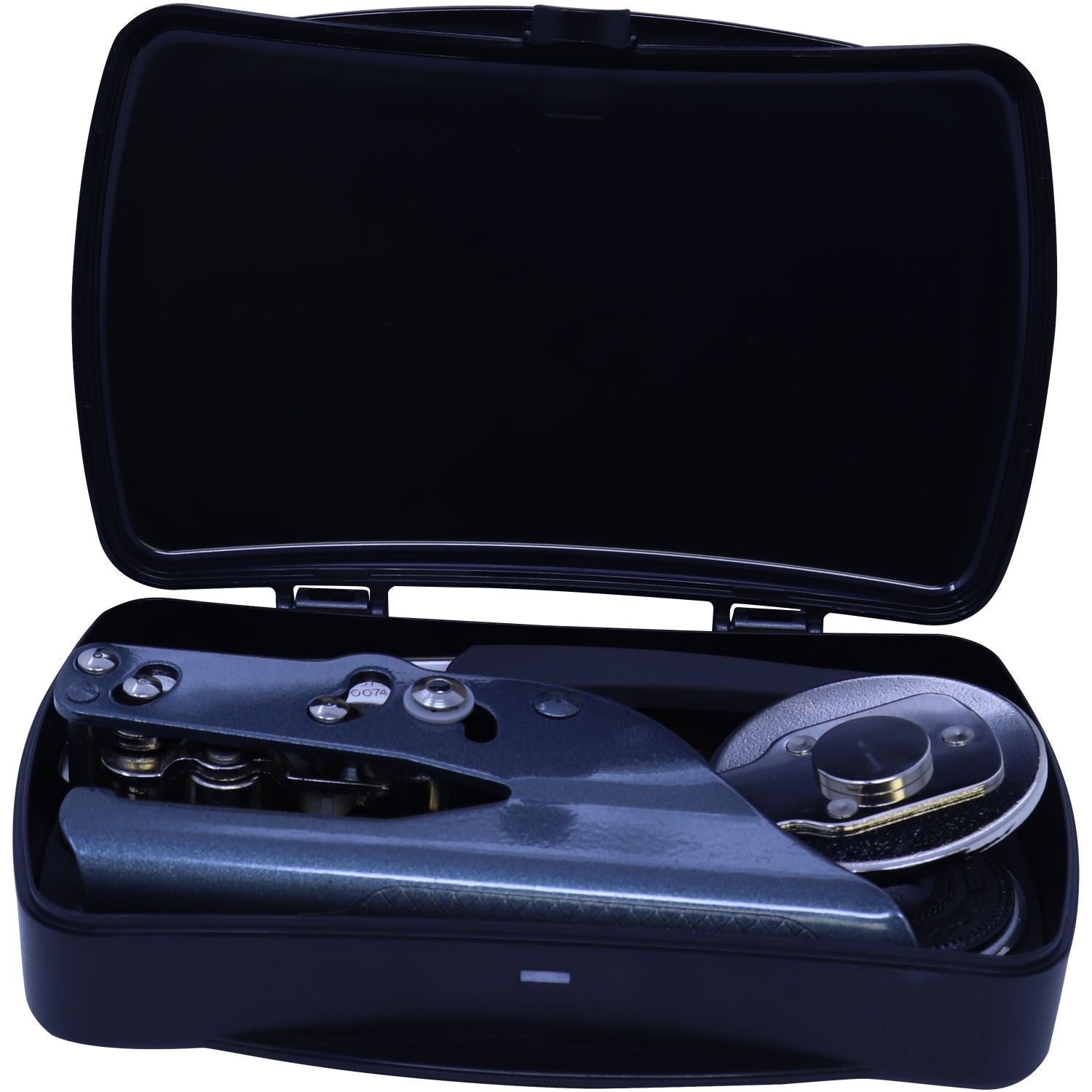
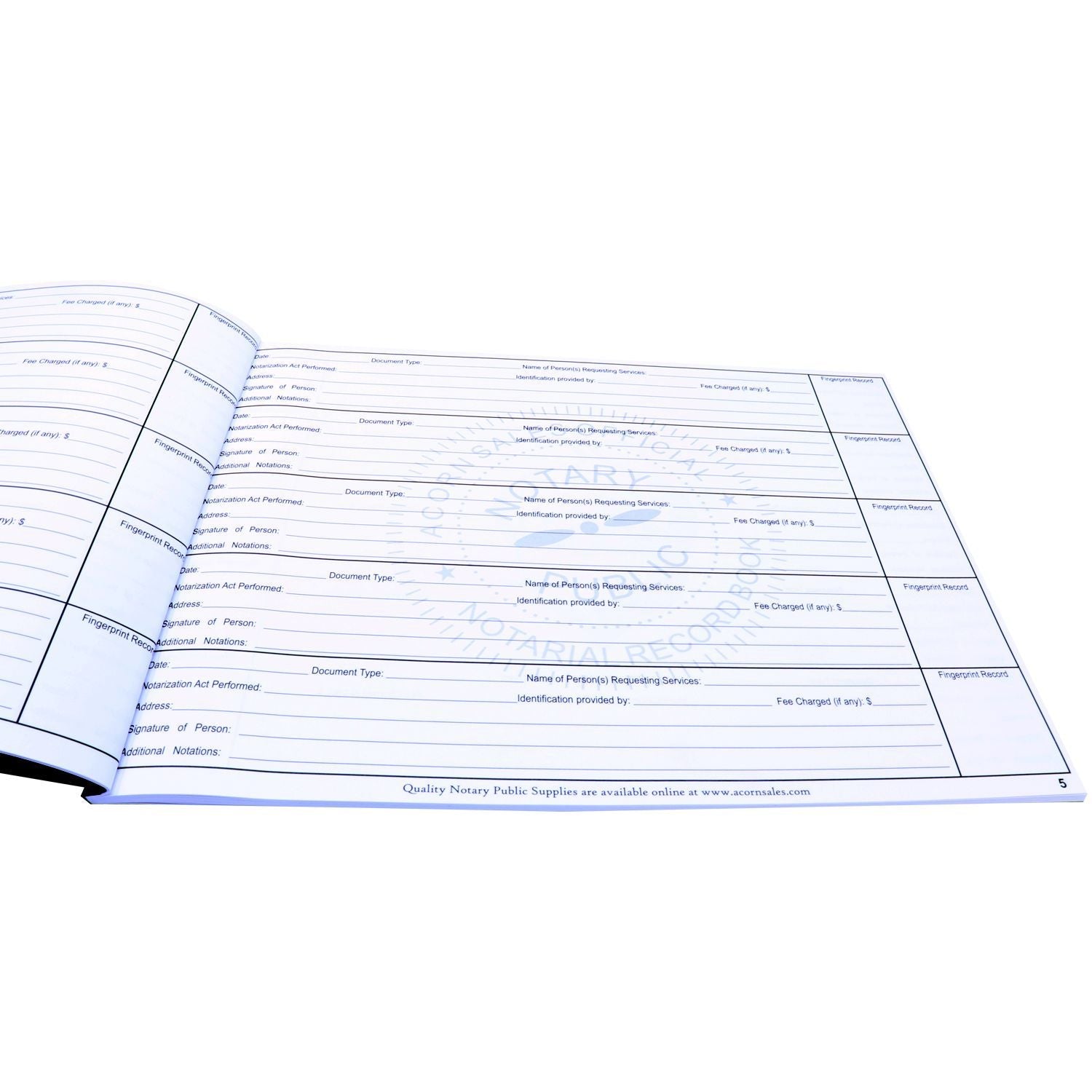
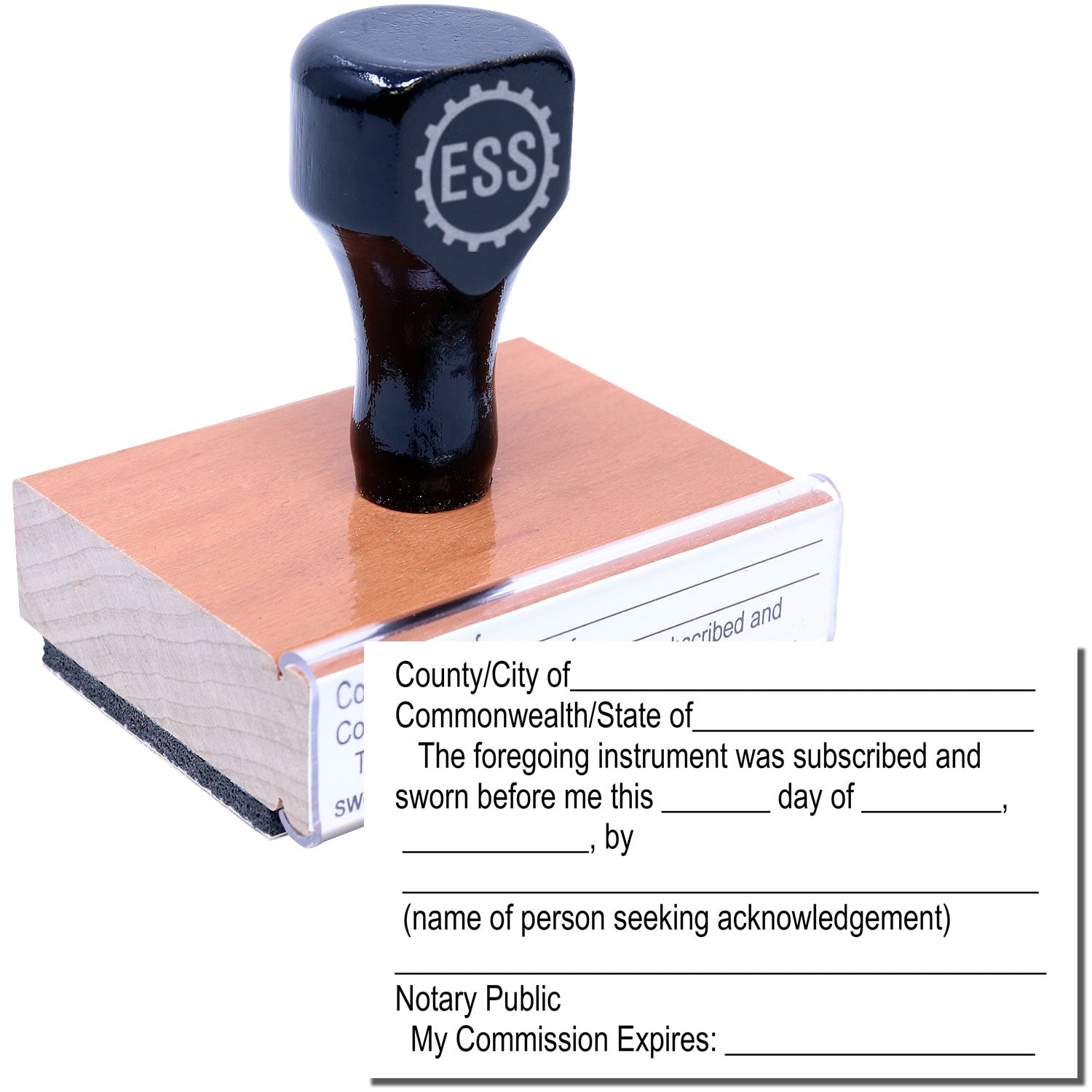

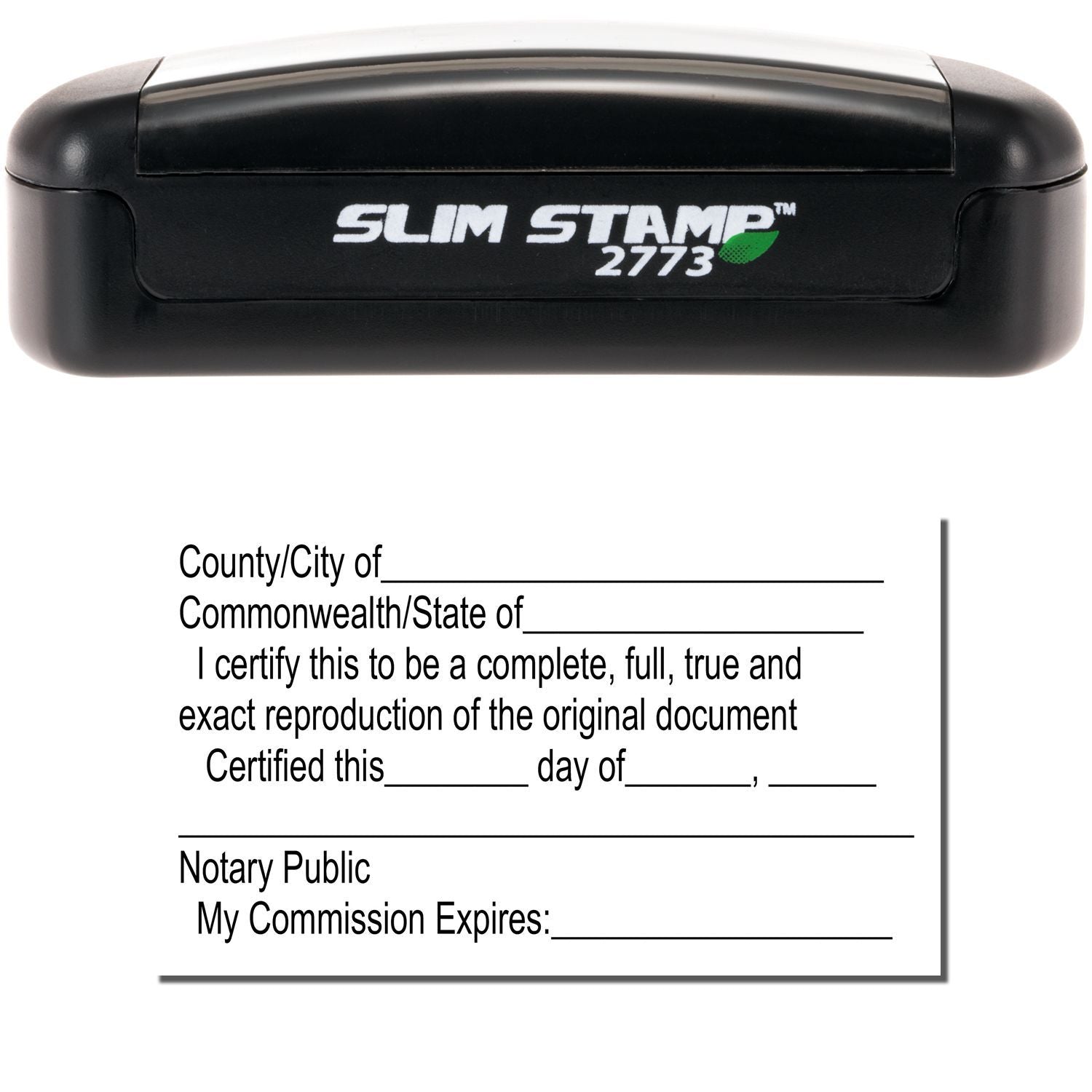
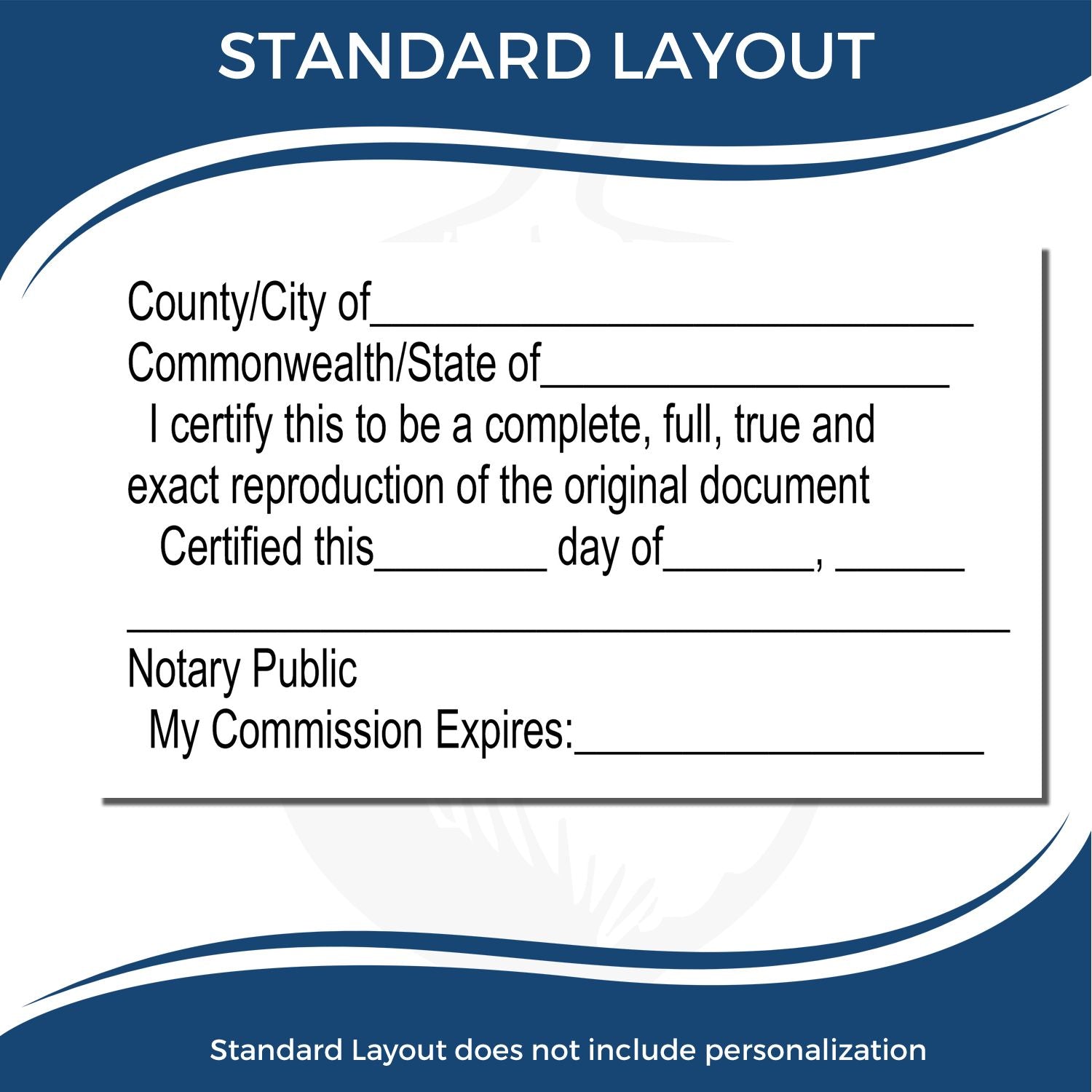
Either one works, and so does using both. An inked stamp is a common pick since it is fast and shows up clearly on copies. An embosser's raised impression looks more formal. Each meets the official guidelines provided it carries the correct elements listed earlier.
How Do I Replace A Lost Or Damaged Seal?
If your seal is lost or broken, you should replace it as soon as possible to keep your notarial acts valid. Remember to notify the North Carolina Secretary of State about any lost seal, especially if you suspect unauthorized use. Then order a new one through a trusted supplier like Engineer Seal Stamps. Always make sure the new seal matches your existing commission details.
Can I Let Someone Else Use My Seal For Convenience?
No. Each North Carolina notary public is individually responsible for protecting their seal. Letting others use it, even if you trust them, can lead to serious legal issues. Your seal is tied to your commission, so only you can apply it to documents.
Why Choose Engineer Seal Stamps For North Carolina Notary Supplies?
Engineer Seal Stamps brings decades of expertise, a wide range of products that meet north carolina notary seal requirements, and processing in 24 to 48 hours. Each purchase also includes a digital seal at no charge, useful for online notarizations where permitted. That combination is why many notaries rely on us for quality and service.
Meeting North Carolina’s official seal requirements doesn’t have to be complicated or confusing. Once you know what elements to include, how to position your stamp, and the basics of proper usage, you’ll feel confident in every notarization you perform. Keeping your seal secure and well-maintained only adds to your credibility—your clients and colleagues will appreciate how organized and professional you are.
Shopping for a new seal or a dependable supplier? Look at North Carolina notary supplies. A reliable stamp or embosser makes the work easier and keeps you in good standing with state regulations. Your notary seal is more than a symbol; it is the visible mark of trust on every important document. Order with confidence, knowing everything is covered.
More on North Carolina notary seals
North Carolina notary seal requirements is the main North Carolina reference on this site. North Carolina notary stamp and seal options and North Carolina notary stamp rules answer what usually comes up next.