
To become an Oklahoma notary, you must be a U.S. citizen aged 18 or older who lives or works in Oklahoma, and free of any felony conviction; you apply to the Secretary of State, clear a national background check, then file your oath, bond, signature and seal impression within 60 days. Since January 1, 2026, the statute sets the bond at $10,000. No course or exam applies, and commissions run four years at a time.
Engineer Seal Stamps compliance desk. Checked against the Oklahoma Secretary of State's notary pages and 49 O.S. §§ 1, 2, 5, 204 and 206, including the Laws 2025, c. 238 amendments. Sources read September 2026.
| Requirement | Oklahoma answer | Source |
|---|---|---|
| Who can apply | At least 18; U.S. citizenship; legal Oklahoma residence or an Oklahoma job; no felony conviction | 49 O.S. § 1; Secretary of State Notary FAQ |
| Background check | National criminal history record check through the OSBI for every new and renewal applicant; fee capped at $50 or actual cost | 49 O.S. § 1 (Laws 2025, c. 238) |
| Course or exam | Neither appears among the qualifications | 49 O.S. § 1 |
| How to apply | Oklahoma Application for Notary Public Commission, filed online, by mail or in person | Secretary of State, Become a Notary |
| Application fee | $50 under the amended statute; some Secretary of State pages still showed $25 in September 2026 | 49 O.S. § 1; Secretary of State notary pages |
| Bond | $10,000, written for the same period as the commission, plus a $25 filing fee | 49 O.S. § 2(A), (C) |
| Oath and filing | Oath of office, loyalty oath, official signature, seal impression and bond, all due within 60 days of issuance | 49 O.S. § 2(A) |
| Commission term | Four years | 49 O.S. § 1 |
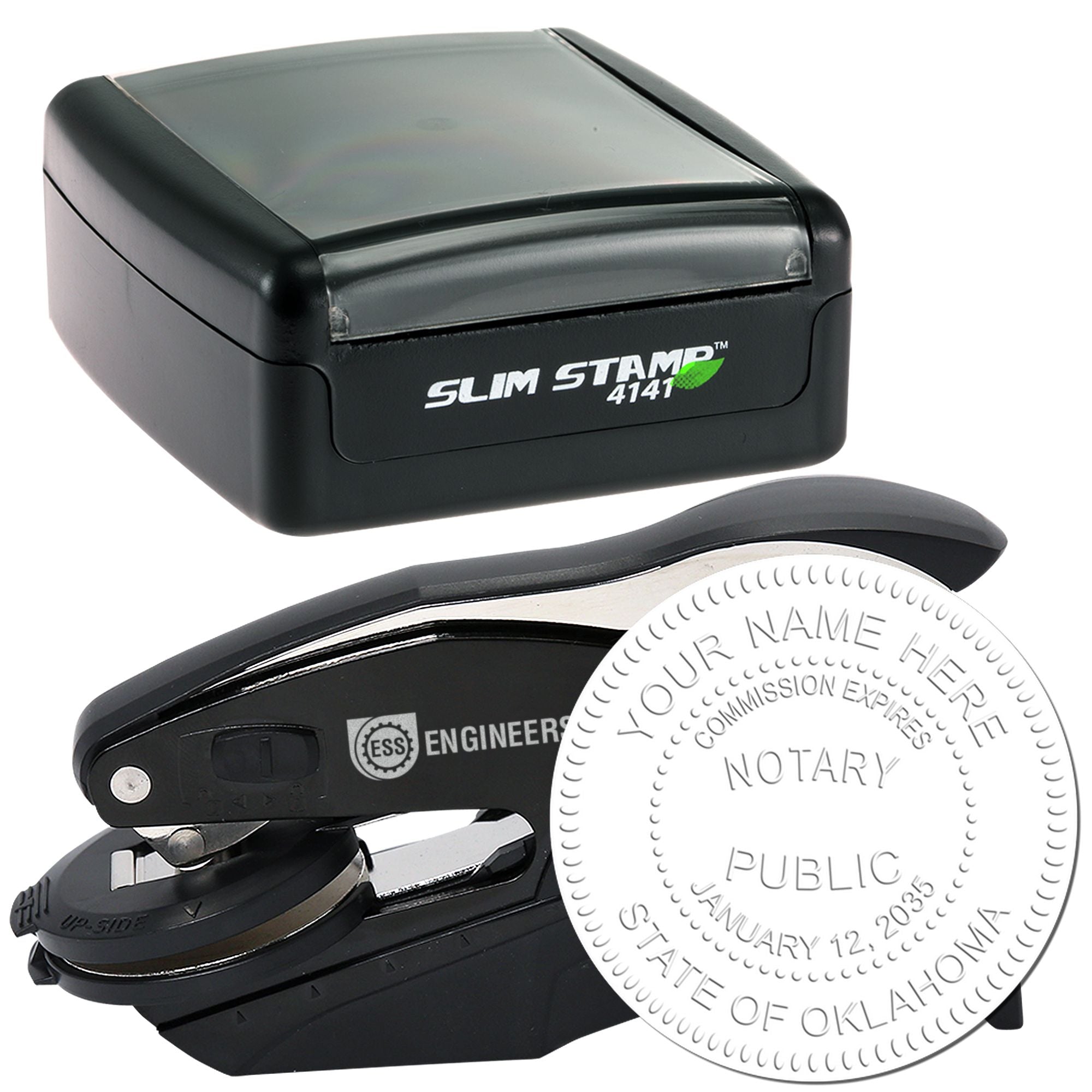
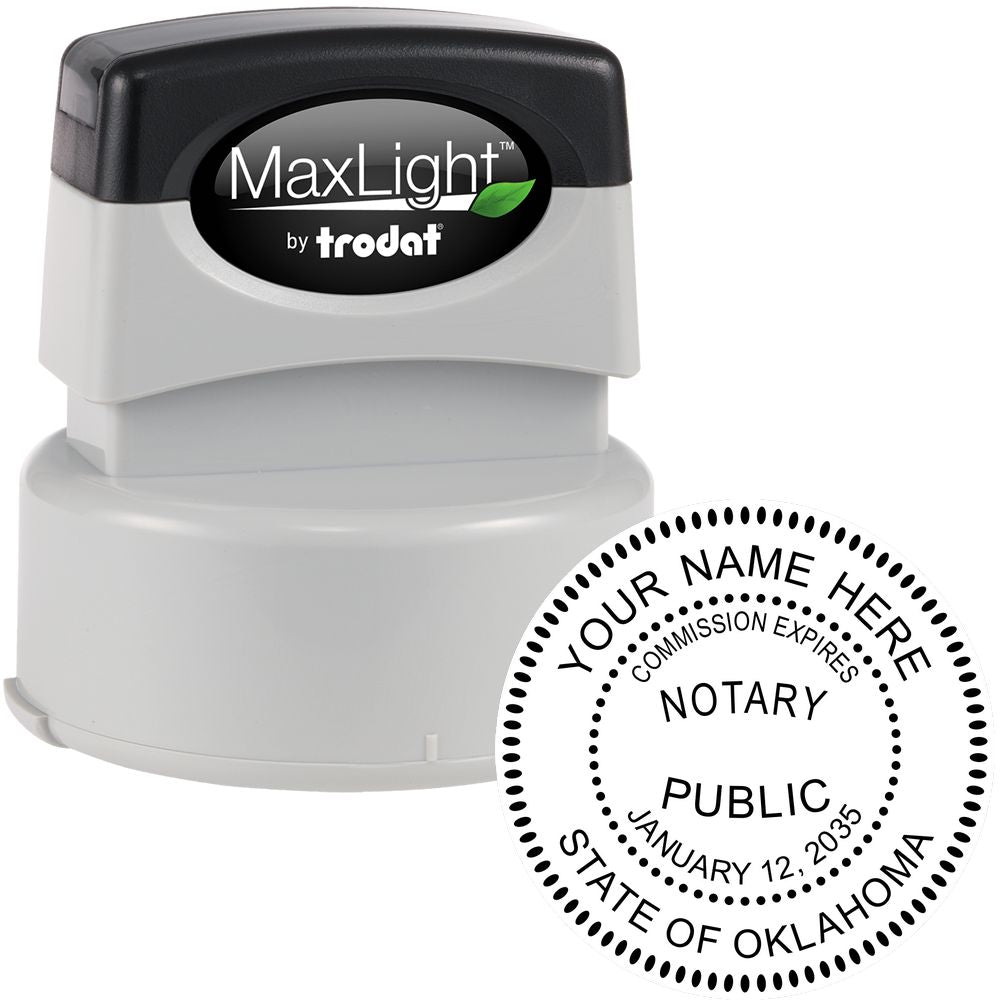
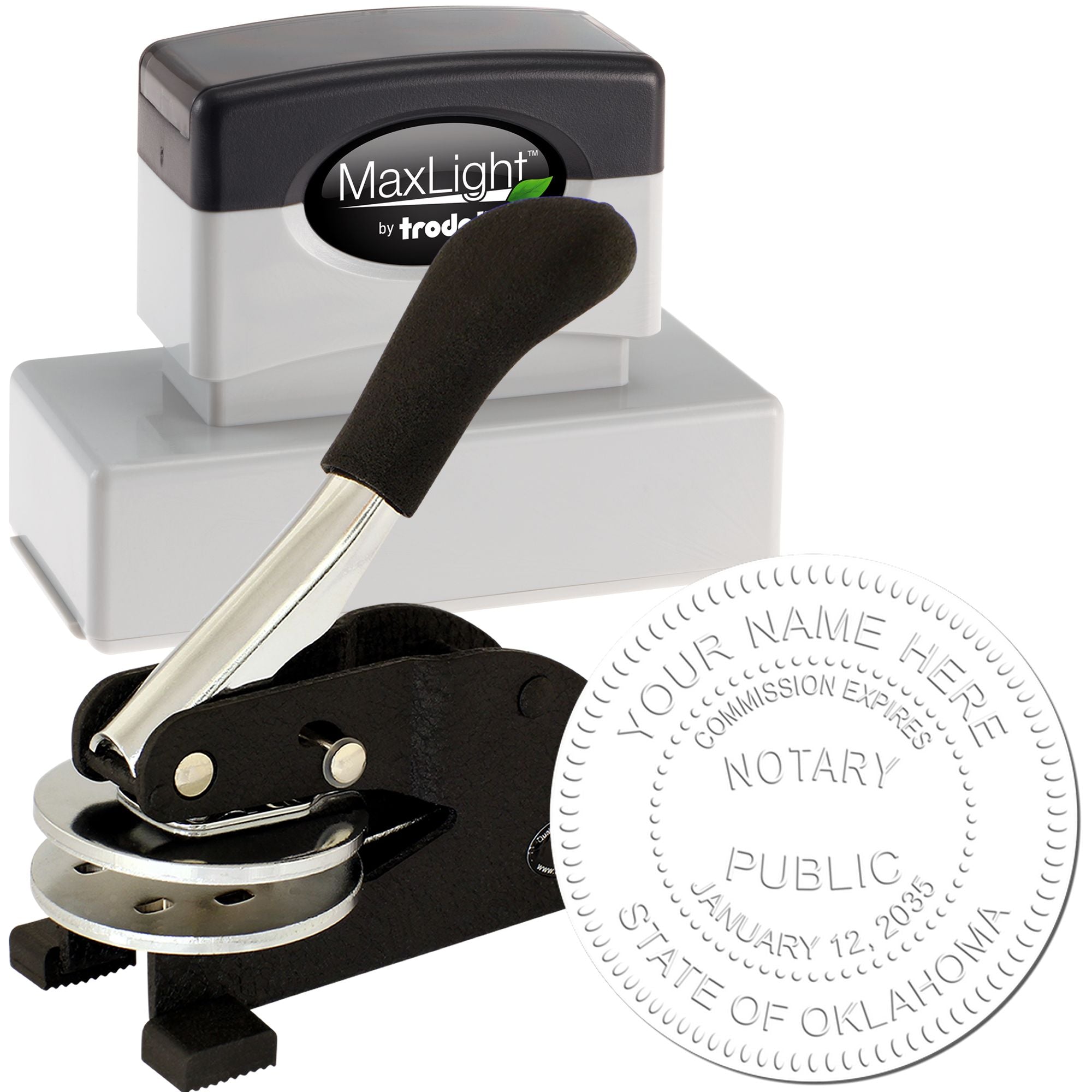
| Stamp or seal | Your name with "Notary Public" and "State of Oklahoma," as an embosser or an inked stamp. See the Oklahoma notary seal hub | 49 O.S. § 5(A) |
| Journal | Recommended, not required, for paper acts; remote online acts need an electronic journal kept ten years | Secretary of State Notary FAQ; 49 O.S. § 206 |
| Renewal | No sooner than six weeks before expiration, with a new bond; $45 under the statute | Secretary of State Notary Public page; 49 O.S. § 1 |
| Remote online notary | Separate registration with the Secretary of State and a $25 fee | 49 O.S. § 204 |
Two national tables put this Oklahoma guide in context: which states require a notary journal and where remote online notarization is allowed.
Who can become a notary in Oklahoma?
Any U.S. citizen who is at least 18 and either a legal resident of Oklahoma or employed inside the state may apply. That second route means someone living across the state line qualifies through an Oklahoma job.
A felony conviction closes the door. The amended 49 O.S. § 1 makes it grounds for removal and bars the person from applying for or renewing a commission. Since January 1, 2026, every applicant, renewals included, also goes through a national criminal history record check, covered in the training section below.
What are the steps to an Oklahoma notary commission?
Oklahoma issues the commission first and has you qualify afterward. Once your application and fee are approved, you have 60 days to file the oath, bond, signature and seal impression, and you may not notarize anything until they are approved.
- Complete the Oklahoma Application for Notary Public Commission online, by mail or in person, and pay the filing fee.
- Complete the national background check the statute now requires. The Oklahoma State Bureau of Investigation takes fingerprints electronically, and results are due within 14 working days.
- Receive the commission and write down its number and expiration date. The Secretary of State's Become a Notary page says you need both for the seal and the bond.
- Buy a $10,000 bond covering exactly the same period as the commission.
- Order your seal and make a clean impression of it.
- File within 60 days: oath of office, loyalty oath, official signature, seal impression and bond, with the $25 bond filing fee.
- Wait for approval. Section 2(D) forbids notarial acts until the Secretary of State has received and approved those filings.
The Secretary of State estimates about two weeks for mail filings, and an in-person filer can pay extra for same-day service. Private notary associations offer to file for a fee; the state lists none of them, and using one is optional.
What does an Oklahoma notary commission cost in 2026?
Under 49 O.S. § 1 as amended on January 1, 2026, a new commission costs $50 and a renewal $45. Section 2(C) adds a $25 bond filing fee, and the background check costs up to $50 more.
Expect a gap between the statute and the state's web pages. In September 2026, several Secretary of State notary pages still listed the older figures: $25 for a new commission, $20 for a renewal, a $10 bond filing fee and a $1,000 bond. Check the amount on the filing screen before paying.
- New commission: $50 under the statute.
- Same-day service: an extra $50 under the statute, on top of the filing fee.
- Background check: $50 at most, or the actual search cost if that is lower.
- Bond filing: $25.
- Bond premium: set by the insurance agency or bonding company; the state publishes no figure.
- Seal and journal: bought from any maker, since the Secretary of State supplies neither.
Does Oklahoma require notary training or an exam?
No. The qualifications in 49 O.S. § 1 are age, citizenship, Oklahoma residence or employment, and a clean felony record, and the Secretary of State lists no course or test. What changed in 2026 is a background check.
The check is a national criminal history record search run electronically through the Oklahoma State Bureau of Investigation, which collects the fingerprints. The fee is capped at $50 or the actual cost, whichever is less. The Oklahoma Senate's 2025 session summary describes the same bill, SB 1028, and notes it applies to renewals as well.
Without a required class, preparation means reading the law yourself. The Secretary of State's notary FAQ calls knowing Title 49 your responsibility and points new notaries to its Notary Public Guide.
How does the Oklahoma notary bond work?
You file a $10,000 surety bond with the Secretary of State, running from its effective date to the day your commission expires. It covers third parties for damages caused by a notary's negligence or failure to perform official duties.
Section 2(B) accepts three kinds of signers: an insurance agent licensed in Oklahoma, an attorney-in-fact holding an insurance company's power of attorney, or individual sureties who own property in your county of residence, or your county of employment if you live out of state. The Secretary of State also provides a blank bond form you may use instead of a bonding company's.
An employer may pay for the bond. The FAQ notes that it is still issued in the notary's name and the employer cannot cancel it.
Which notary seal should you order after your Oklahoma commission is issued?
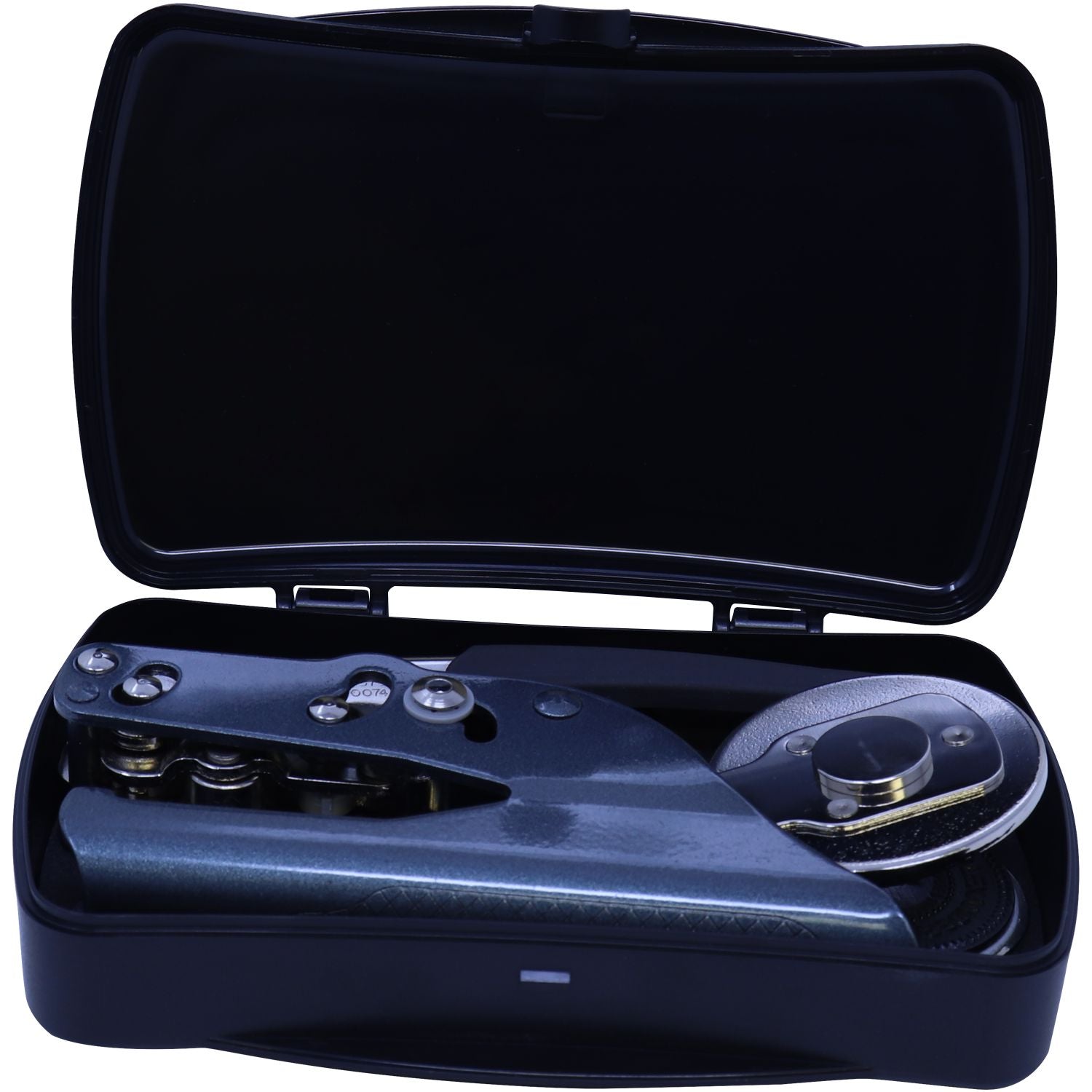
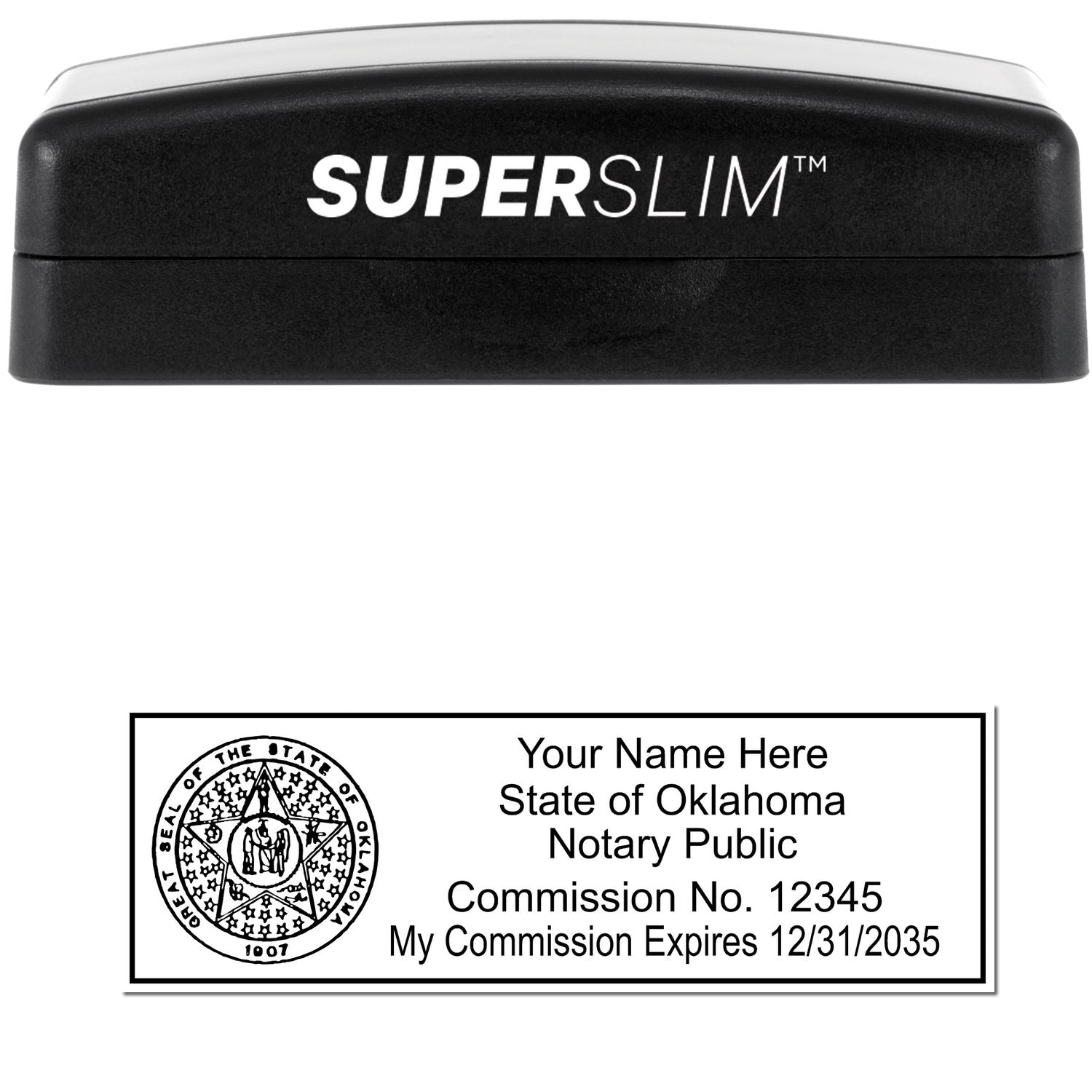
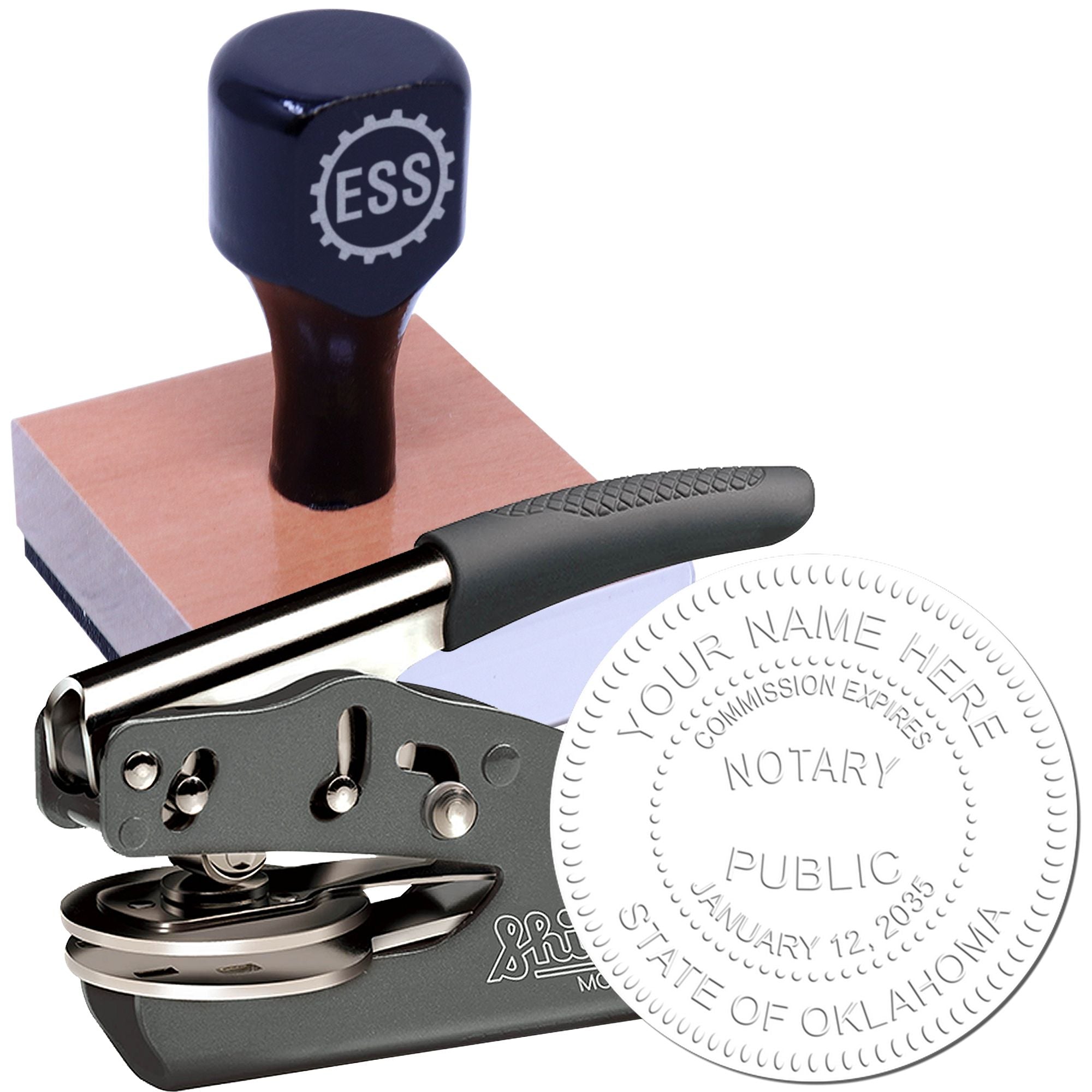
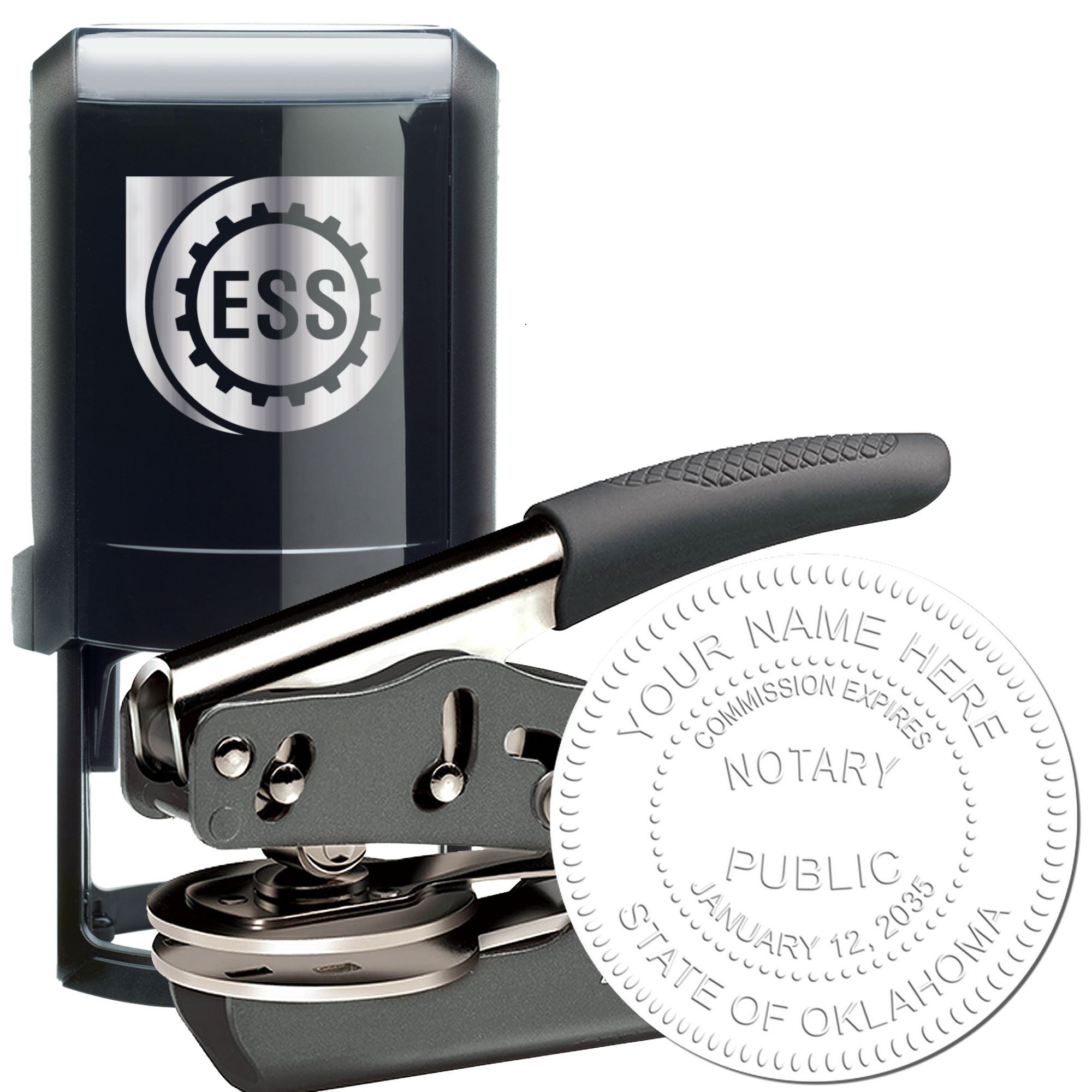
Order a seal that shows your name and the words Notary Public and State of Oklahoma, either as a rubber stamp used with an ink pad or as a metal embosser. Order it once the commission issues, because its impression is due with your 60-day filings.
Every act also needs your commission number and expiration date beside your official signature. Section 5(A) lets both appear on the seal itself. Adding them saves writing them out on each certificate, but ties the stamp to one term. Section 5(B) further allows an electronic seal that legibly reproduces the required elements.
Any business that makes stamps or seals may produce yours; the Secretary of State neither sells seals nor lists makers. Our Oklahoma notary seal guide sets out each element and the device options. The seal stays yours: an employer who paid for it cannot make you hand it over.



Does an Oklahoma notary need a journal?
Not for paper notarizations. The Secretary of State's FAQ says no record is required but recommends keeping a journal, because it can help if you are ever called to appear in court about a notarization.
The FAQ suggests capturing these details for each act:
- Date and type of notarial act
- A description of the document
- The signer's signature, printed name and address
- The identification shown, or a note that you know the signer personally
- Where the notarization happened
- Any fee charged, which cannot exceed $5
Remote online work carries firm rules. Section 206 requires a tamper-evident electronic journal of every remote act plus an audio and video recording, each kept at least ten years.




How do you renew an Oklahoma notary commission?
File the renewal no earlier than six weeks before your commission expires, with the renewal fee, a new bond and the background check the statute now applies to renewals. A filing that arrives after expiration is treated as a new commission instead.
That late path costs more and resets your details: the Secretary of State issues a new commission number and expiration date. Either way, the new bond must match the new term, and the statute sets the on-time renewal fee at $45.
A seal showing the old expiration date cannot serve the new term, so plan a replacement when the renewal is approved. Our explainer on where a notary seal shows its expiration date helps you spot it on an impression.
What if you move or change your name in Oklahoma?
Send the Secretary of State a signed statement within 30 days of moving your residence. If the move takes you to another county, the commission stays in force until it expires, and no new bond or seal is required.
A name change offers two paths under the FAQ. Keep notarizing under your former name until the commission ends, or file a new $25 application, which brings a new commission, expiration date, bond and seal, together with a signed request to cancel the commission in your old name. The FAQ still shows $25, while the amended statute sets $50 for a new commission, so confirm the fee when filing.
If a seal is lost or stolen, send signed written notice to Notary Public Services at the Secretary of State, and tell local police if theft is involved. The FAQ suggests marking the replacement with a symbol such as a star or asterisk so it can be told apart from the missing one, and mentioning that mark in your notice.




Frequently asked questions
How quickly can I start notarizing in Oklahoma?
Mail filings take about two weeks by the Secretary of State's estimate, and same-day service is available in person for an added fee. Background check results are due within 14 working days. After the commission issues, you have up to 60 days to file, and you cannot act until the Secretary of State approves those filings.
Can I notarize in any Oklahoma county?
Yes. A commissioned Oklahoma notary may perform notarial acts in every county of the state, whatever county the commission is based on.
Can I live in another state and be an Oklahoma notary?
Yes, if you work in Oklahoma. The statute accepts applicants employed within the state, and a nonresident who uses individual sureties draws them from the county of employment.
How much can an Oklahoma notary charge?
Up to $5 per notarial act, and nothing for an absentee ballot affidavit. Charging is optional. A remote online notarial act may be billed at up to $25.
Do I need both a stamp and an embosser in Oklahoma?
No. Section 5(A) accepts either a metal seal that leaves an embossed impression or a rubber stamp used with a stamp pad and ink. One device meets the rule.
Can Oklahoma notaries notarize online?
Yes, after registering. Under the Remote Online Notary Act, a commissioned notary applies to the Secretary of State, describes the technology to be used, pays a $25 registration fee and receives written authorization first. The electronic seal does not have to be filed with the Secretary of State.
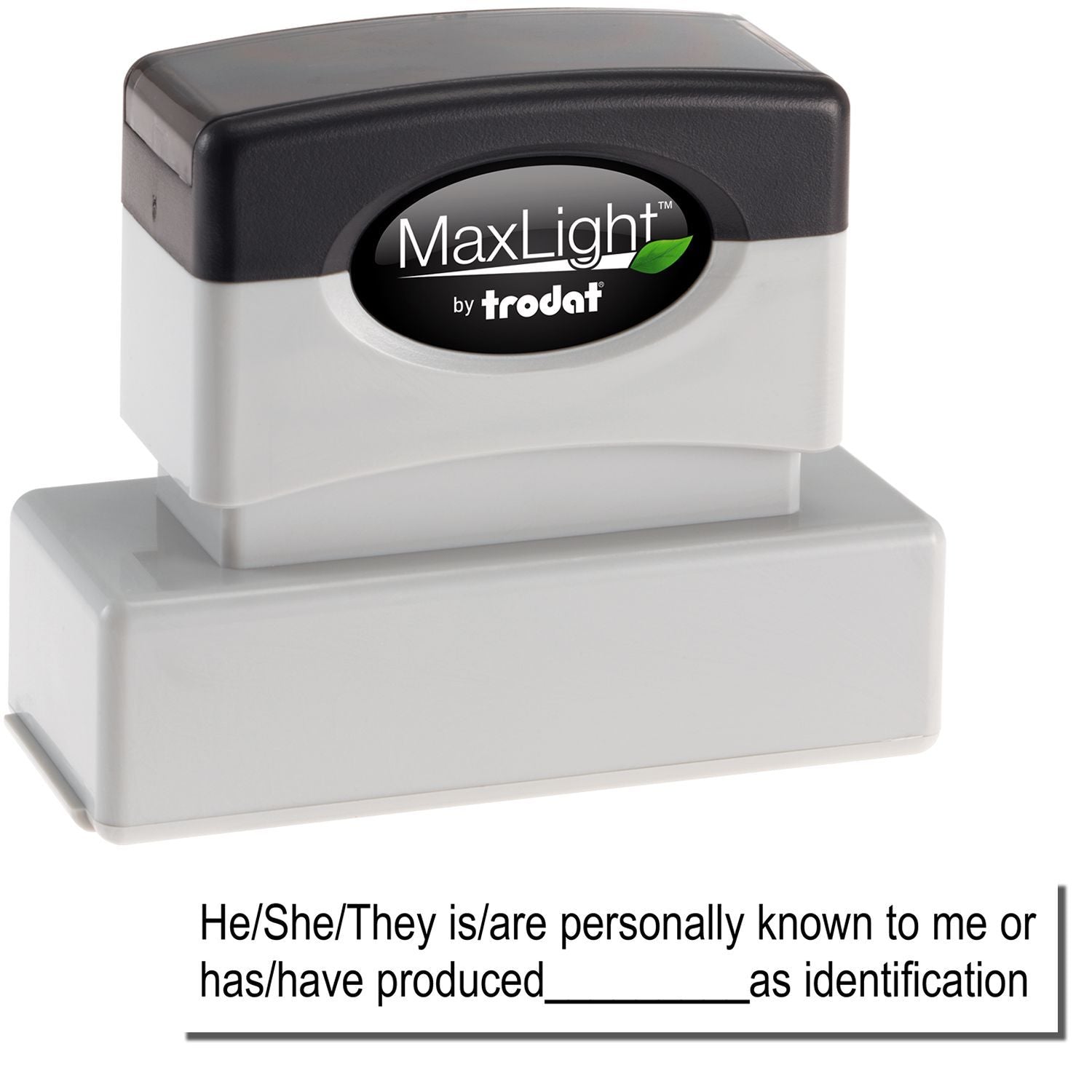
When your commission number and expiration date arrive, pick a stamp, embosser or kit from the ESS Oklahoma stamps and seals collection. To compare Oklahoma's short list of seal elements with other states, see our guide to notary seal rules in every state.