
To become a notary in Alabama, apply to the probate judge of the county where you live, finish the free state training course within 30 days, then file a $50,000 bond and pay the county filing charges to receive a four-year commission. The Secretary of State keeps the public notary registry but commissions no one. Alabama has no separate notary exam, and attorneys skip the training. Below are the steps, costs, bond terms, seal rules and renewal timing for Alabama.
Engineer Seal Stamps compliance desk. Checked against Ala. Code §§ 36-20-70 through 36-20-74 as amended by Act 2023-548, the Alabama Secretary of State notary page and county probate office notary pages. Sources read September 2026.
| Alabama requirement | What applies | Source |
|---|---|---|
| Who can apply | An Alabama resident applying to the probate judge of the home county, with no felony or moral turpitude conviction, pending bankruptcy or incapacity order | Ala. Code § 36-20-70(c) |
| Training | Online course from the Alabama Probate Judges Association and the Alabama Law Institute, finished within 30 days of applying; attorneys are exempt | Ala. Code § 36-20-70(e) |
| Exam | No separate state exam; the course completion certificate is the proof | Ala. Code § 36-20-70(e); Alabama Secretary of State notary page |
| How to apply | Application, a copy of your Alabama driver license or nondriver ID, and $10 to the county probate office | Alabama notary application form; Baldwin County Probate Office |
| Fees in the statute | $10 application fee and $25 to issue the commission | Ala. Code § 36-20-70(a), (c) |
| Filing charges | Set by each probate office; $43 to $66 at the five offices checked | Mobile, Autauga, Montgomery, Dale and Baldwin County notary pages |
| Bond | $50,000, payable to the State of Alabama, approved and recorded by the probate judge before you act | Ala. Code § 36-20-71(a) |
| Filing deadline | Bond, training certificate and fees within 40 days of the appointment letter | Baldwin and Dale County probate offices |
| Commission term | Four years, with authority across the whole state | Ala. Code § 36-20-70(a) |
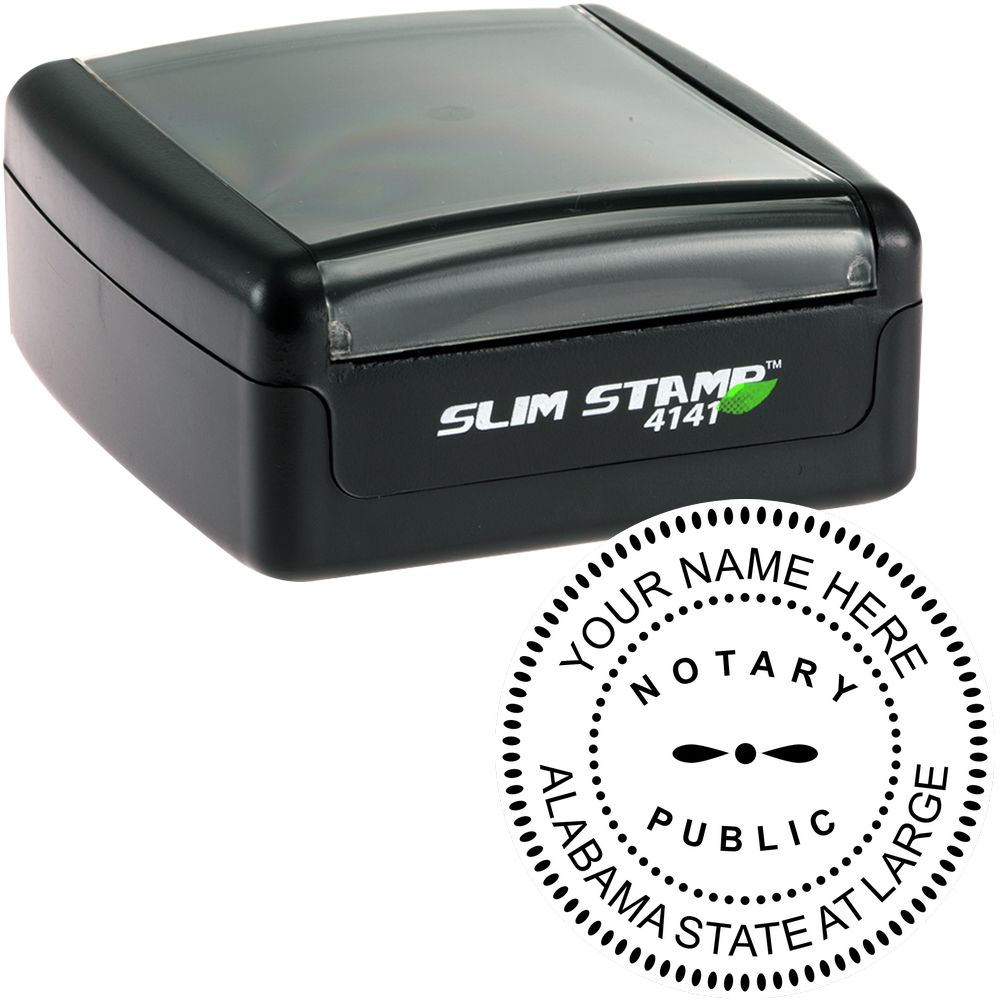
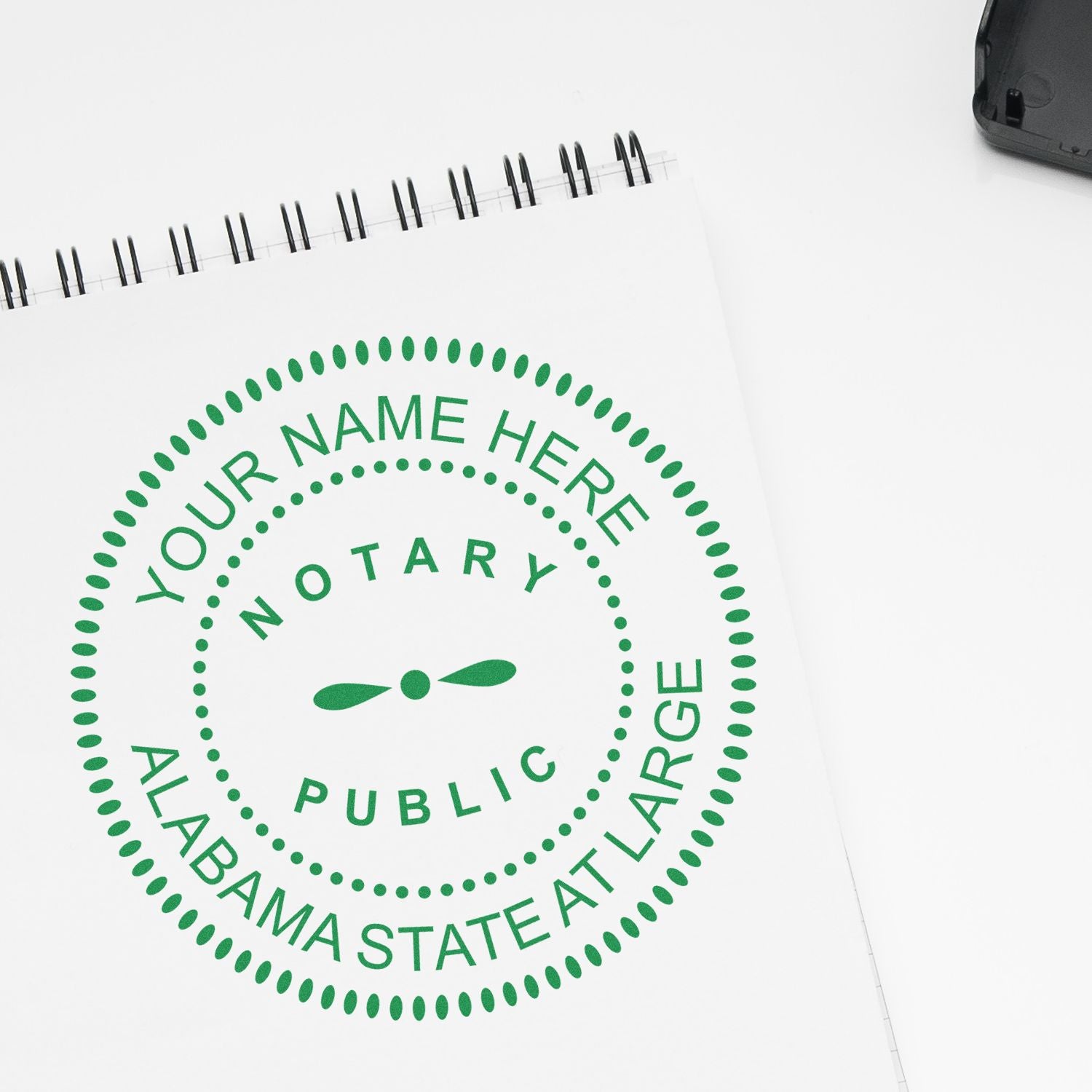
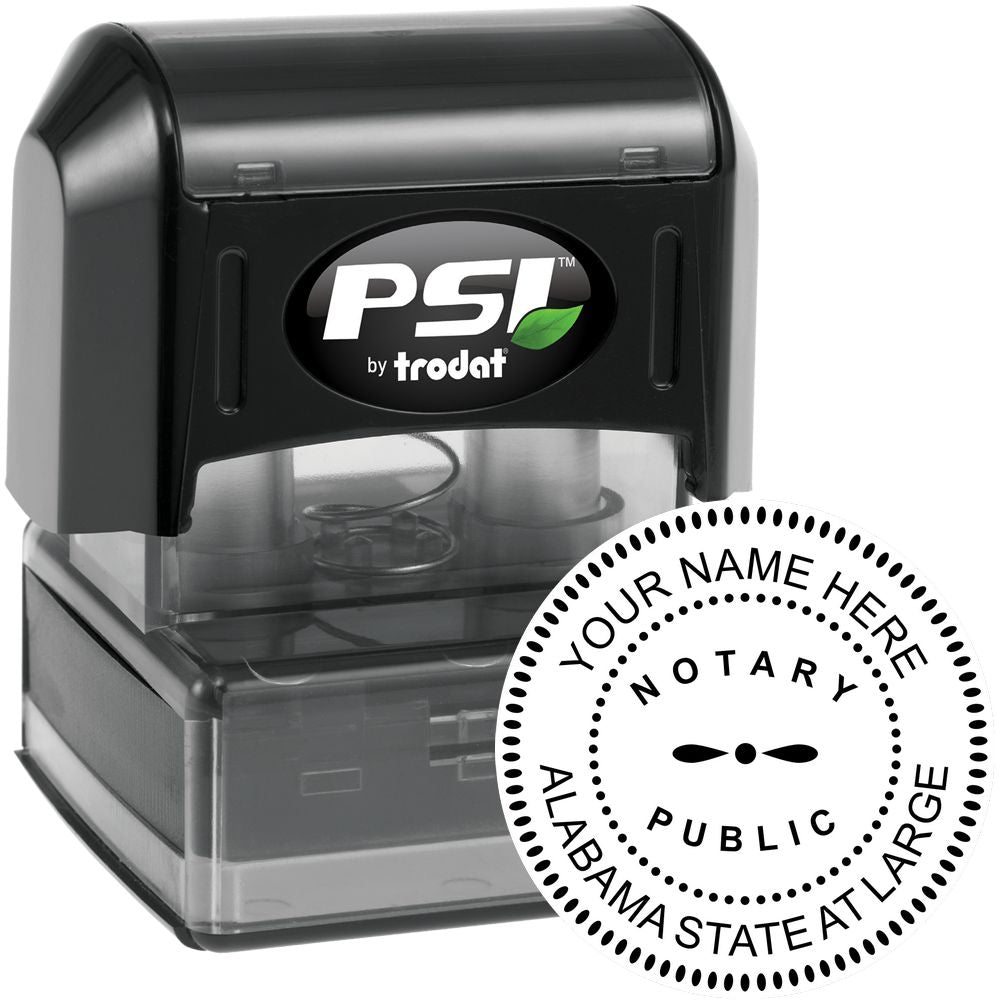
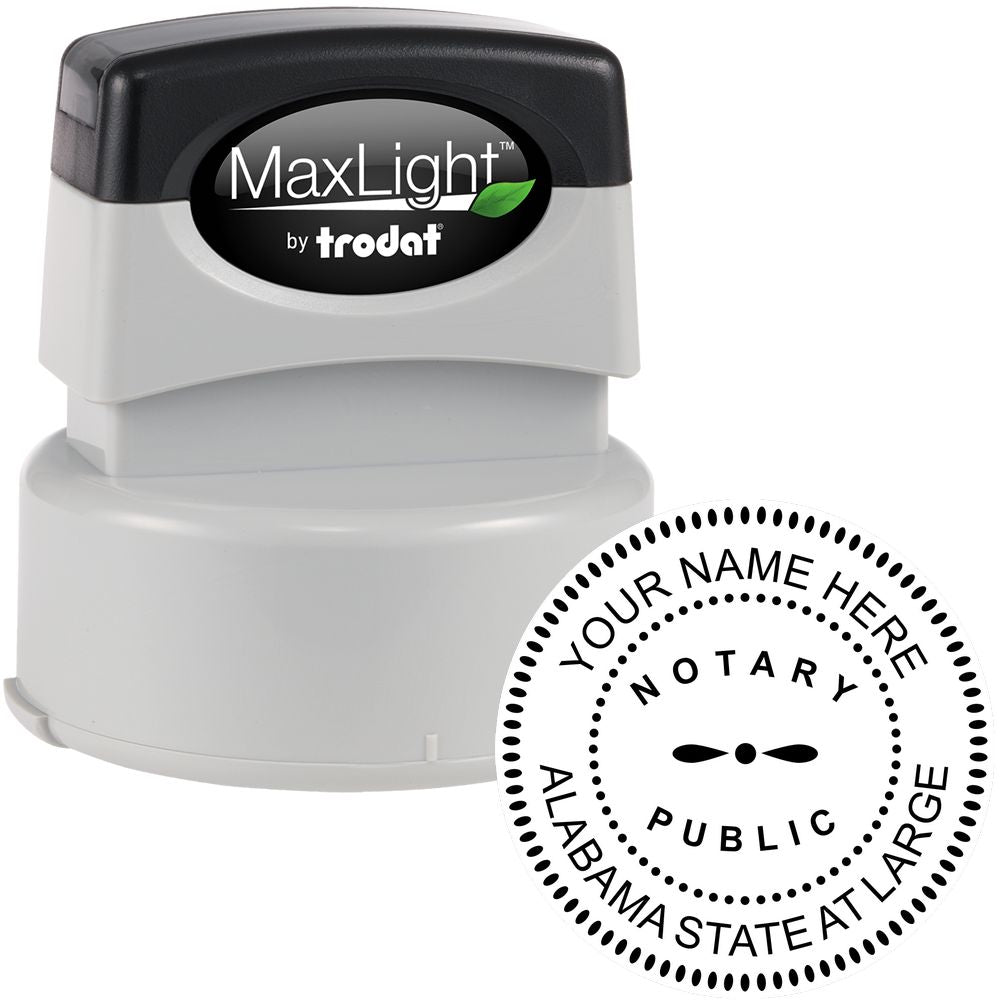
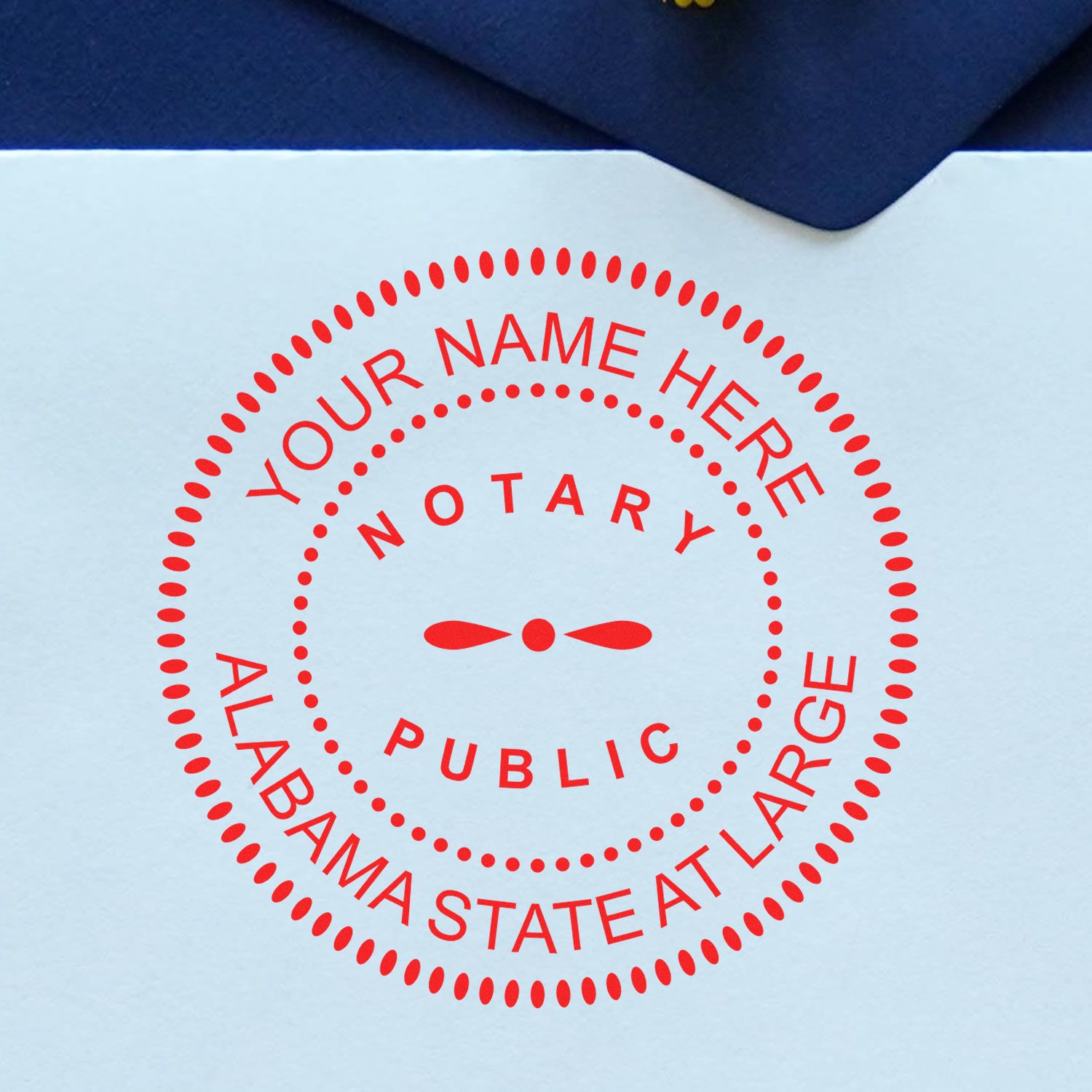
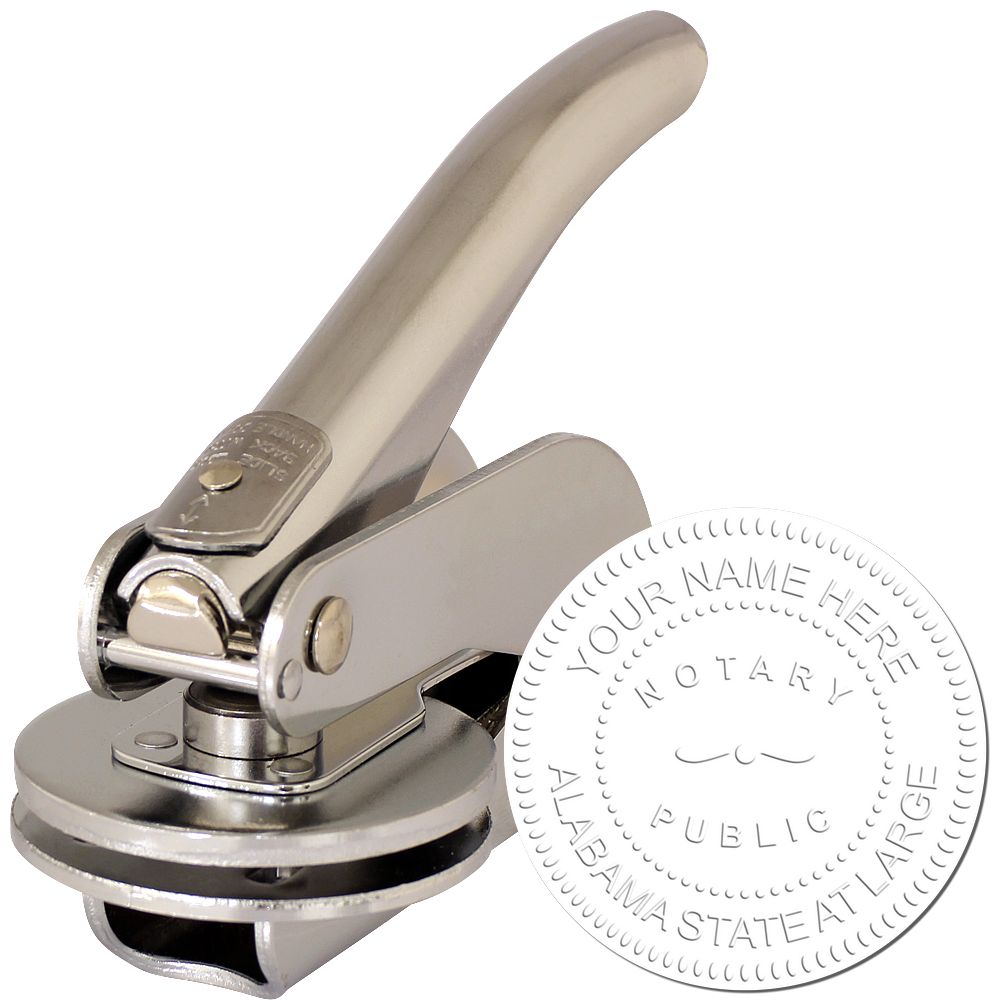
| Seal | Name, the title Notary Public and Alabama; inked stamp or embosser. Alabama seal rules | Ala. Code § 36-20-72(a) |
| Journal | Not required; the state course calls one highly recommended | Alabama Notary Public Training Course |
| Renewal | A new application with the training; Baldwin County accepts it no sooner than 90 days before expiration | Ala. Code § 36-20-70(e); Baldwin County Probate Office |
| Remote notarization | Allowed by two-way audio-video while you are in Alabama; recording kept seven years | Ala. Code § 36-20-73.1 |
How the Alabama journal rule and remote notarization rule compare with the other 53 jurisdictions: see notary journal requirements by state and remote online notarization by state.
Who can become a notary in Alabama?
An Alabama resident who applies in the county where they live. The probate judge may deny anyone convicted of a felony or a crime of moral turpitude, anyone who is currently a debtor in bankruptcy, and anyone under a current incapacity order.
Those grounds sit in Ala. Code § 36-20-70(c), which adds three more: applying to the judge of a county where you do not live, giving false information, and failing to finish the required training within 30 days. The list contains no age or citizenship test. The application asks for your date of birth, a copy of your Alabama driver license or nondriver ID, and a document that verifies where you live.
Every answer on the form is given under penalty of perjury. The same form asks whether you hold or have held an Alabama commission, so renewing notaries file it too.
What are the steps to get an Alabama notary commission?
Apply at your county probate office, finish the online training within 30 days, and wait for the judge's appointment letter. You then return a $50,000 bond, the training certificate and the filing charges, and the judge issues a four-year commission.
- Get the application from your county probate office. Print your name exactly as it should read on the commission.
- File it with the $10 application fee and a copy of your Alabama driver license or nondriver ID.
- Complete the training course online and print the Course Completion Certificate within 30 days of applying.
- Wait for the letter of appointment from the probate judge.
- Buy the $50,000 bond from an Alabama licensed producer of notary bonds. Baldwin County asks you to sign both principal lines and have that signature notarized.
- Return the bond, certificate and filing charges within 40 days of the appointment letter, the window Baldwin and Dale County give.
- Collect the commission, then order your seal in the name it shows.
Each probate office sets its own paperwork order, so read your county's page first. Montgomery County, for example, tells applicants to buy the bond only after the appointment letter arrives.
How much does an Alabama notary commission cost?
The statute fixes two charges: a $10 application fee and $25 for issuing the commission. Probate offices add their own recording and bond approval charges, so the amount due when you file the bond differs from county to county.
- Application: $10, nonrefundable, paid when you apply.
- Filing at the probate office: $43 in Mobile County, $58 in Autauga, $59 in Montgomery, $60 in Dale and $66 in Baldwin, as each office lists it.
- Training: no charge, according to the Dale County probate office.
- Bond premium: quoted by the company that writes the $50,000 bond.
- Seal and journal: bought separately once the commission issues.
Mobile County itemizes its total: $25 to issue the commission, $10 for the appointment proceedings and recording, $5 to approve the bond, $1 for a certificate and a $2 special recording fee.
What training does Alabama require, and is there an exam?
Every applicant except attorneys must complete the online training program prepared by the Alabama Probate Judges Association and the Alabama Law Institute before being commissioned. There is no separate state exam; the course completion certificate goes to your probate office.
The Secretary of State dates the rule to September 1, 2023, under Act 2023-548, and applies it to renewal applicants as well as first-time applicants. A notary commissioned before that date meets it when applying to renew.
The course lives on the Probate Judges Association website. Its lessons cover oaths, acknowledgments, signer identification, journals and the fees you may charge. Keep the 30-day limit in mind, because an unfinished course is a stated ground for denial.
How does the $50,000 Alabama notary bond work?
Alabama requires a $50,000 bond payable to the State of Alabama, bought from an Alabama licensed producer of such bonds. The probate judge approves it, and it is filed and recorded in the probate office of your home county before you perform any notarial act.
Act 2023-548 raised the amount from $25,000, a change Autauga County's notary page spells out. The statute separately says a notary is not an insurer but must act honestly, skillfully and with reasonable diligence.
Timing is local. Baldwin County wants the recorded paperwork within 40 days of the appointment letter and completes the commission date on the bond itself.
Which seal should a new Alabama notary order?
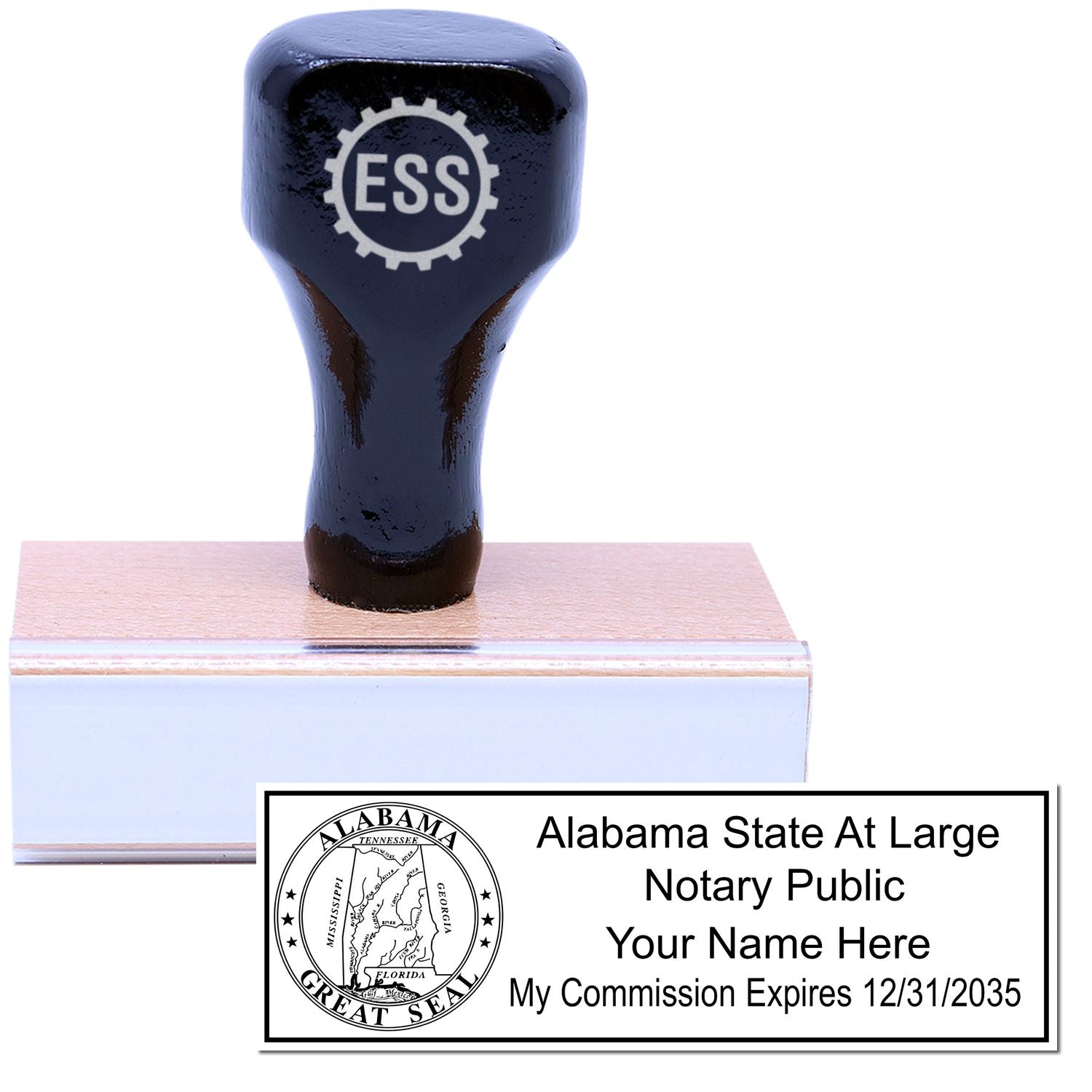
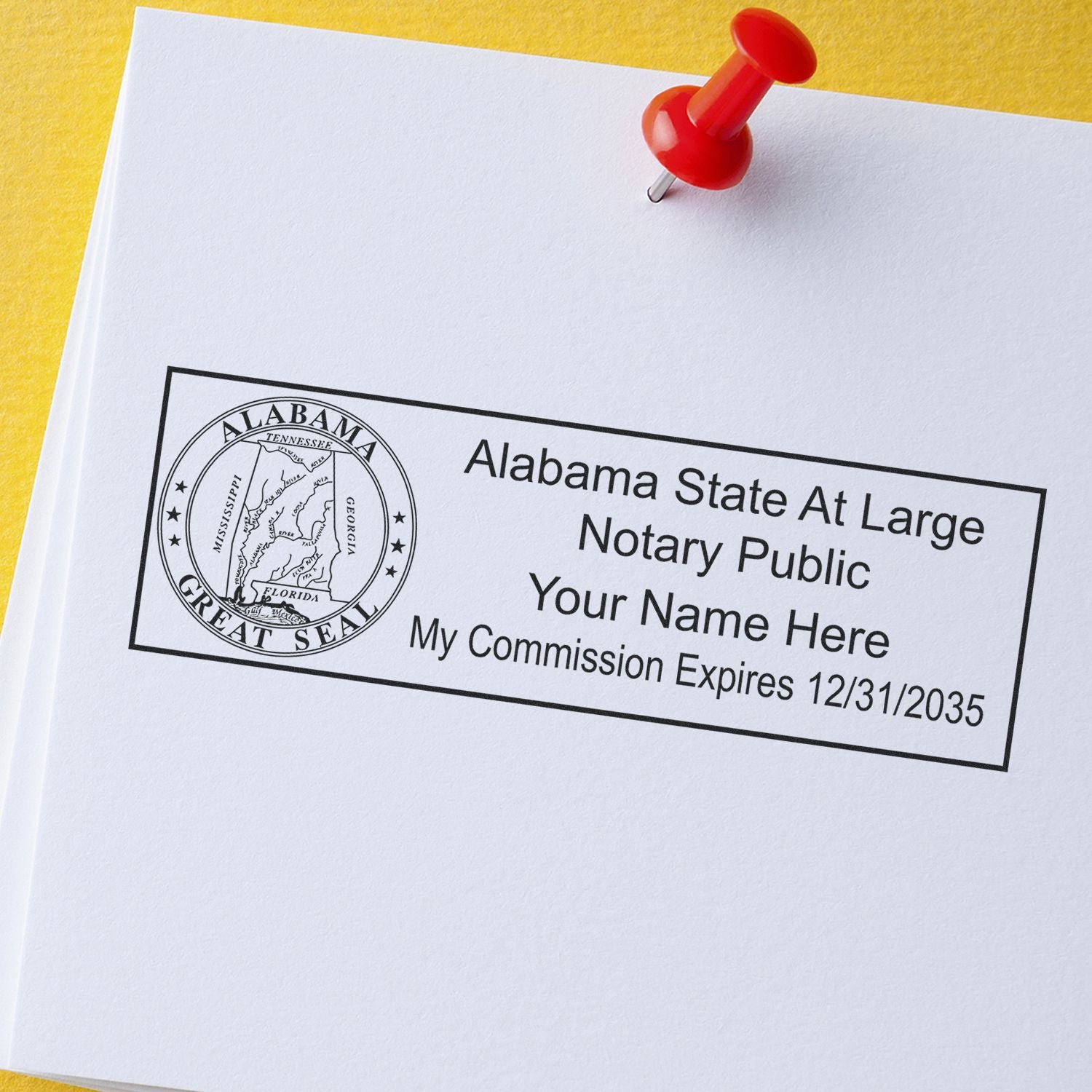
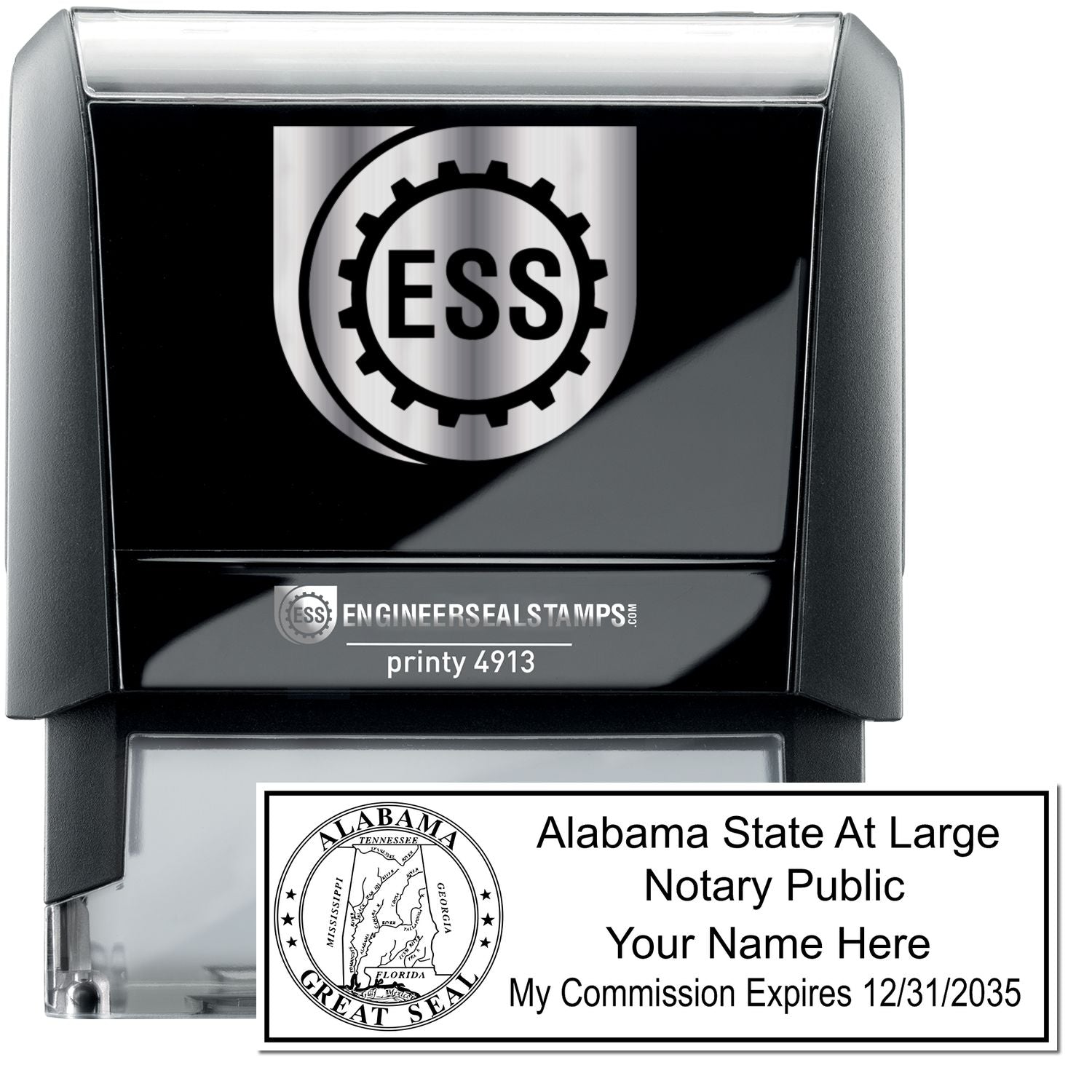
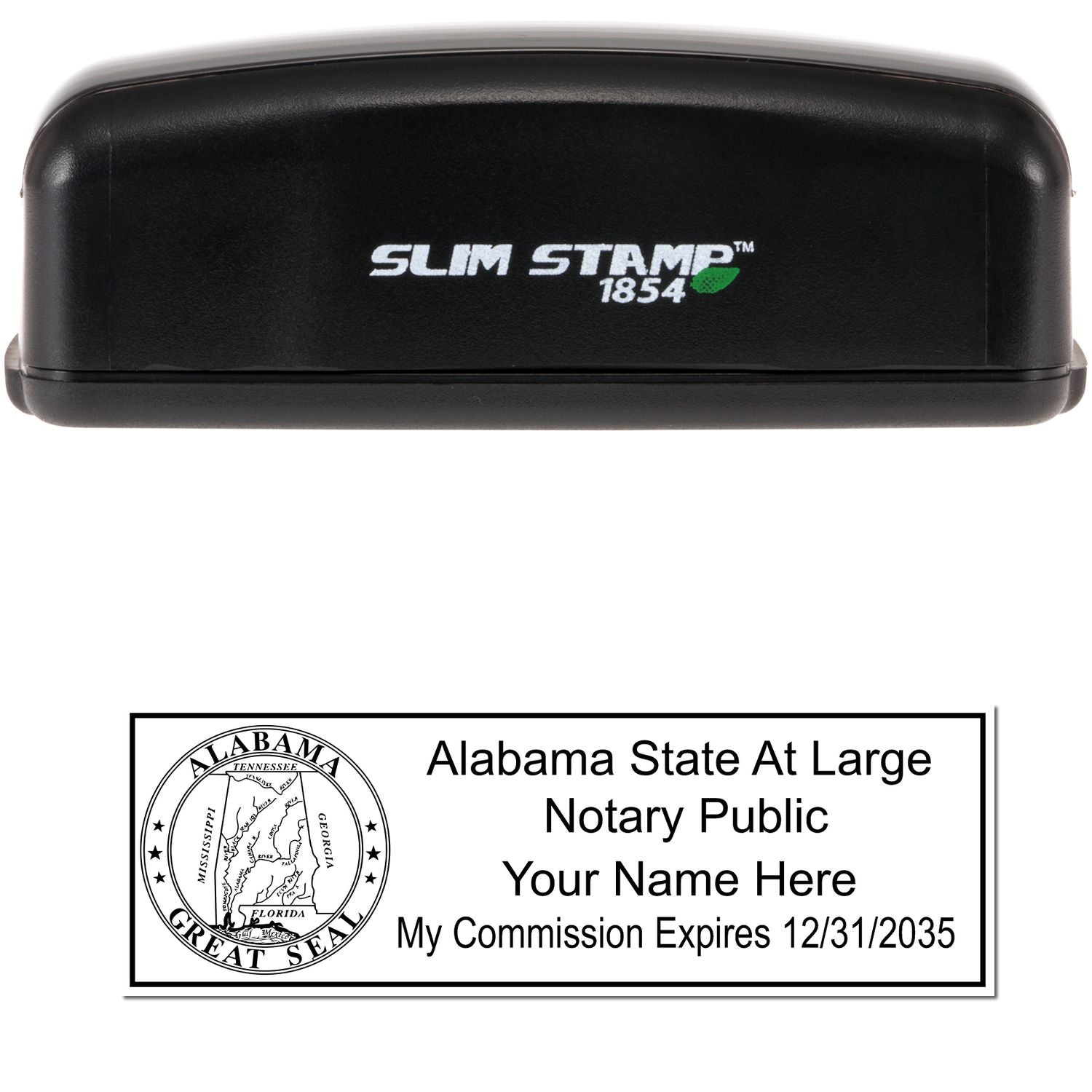
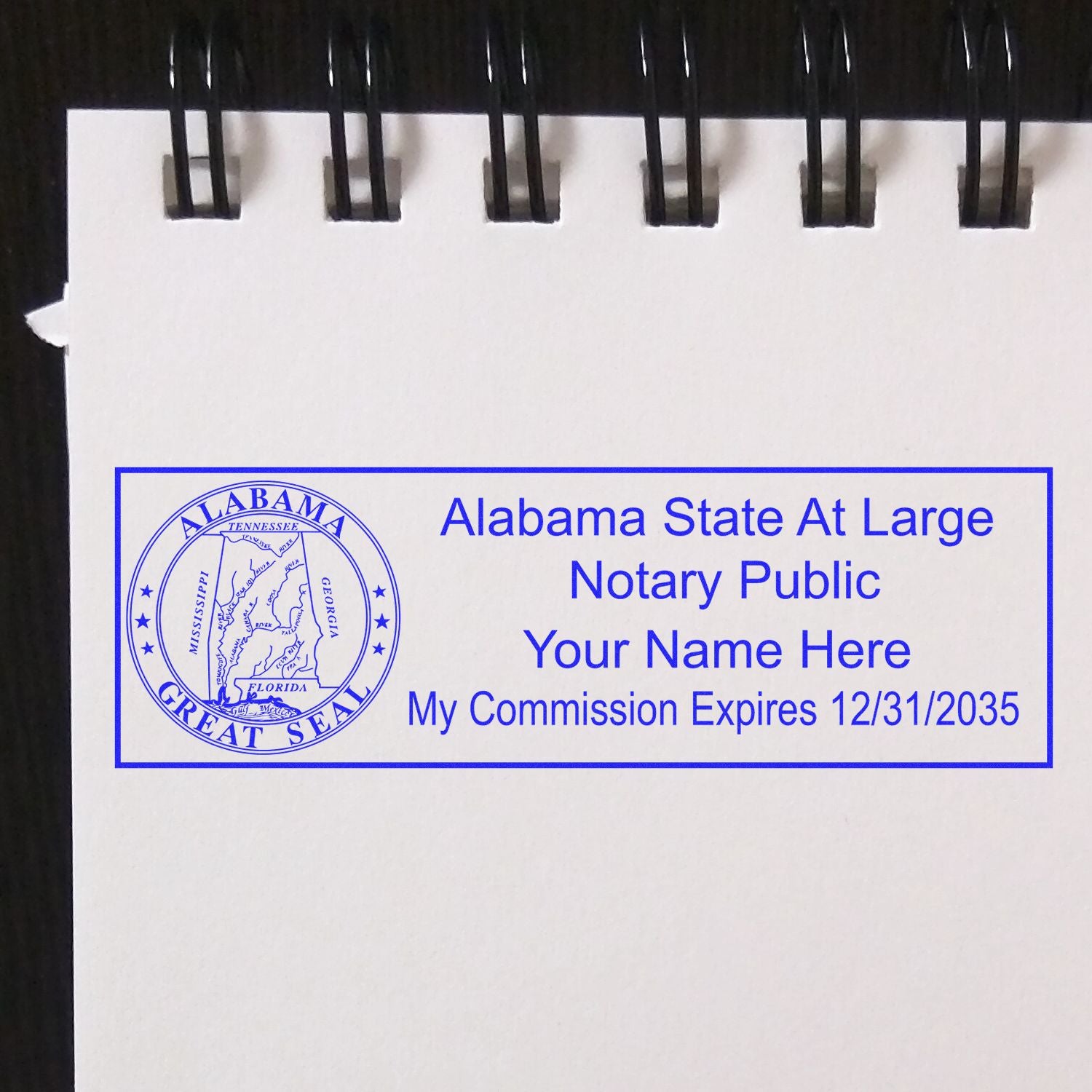
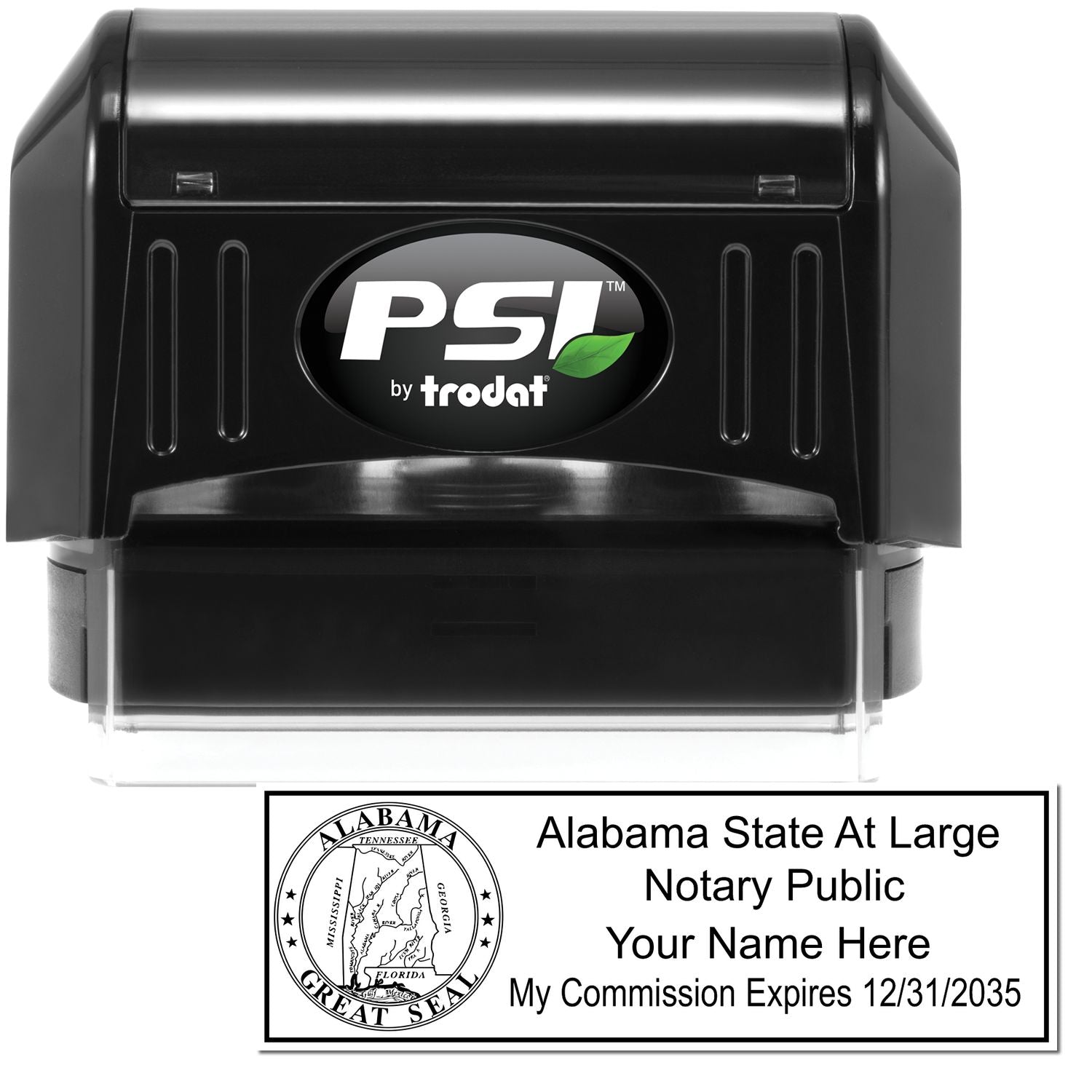
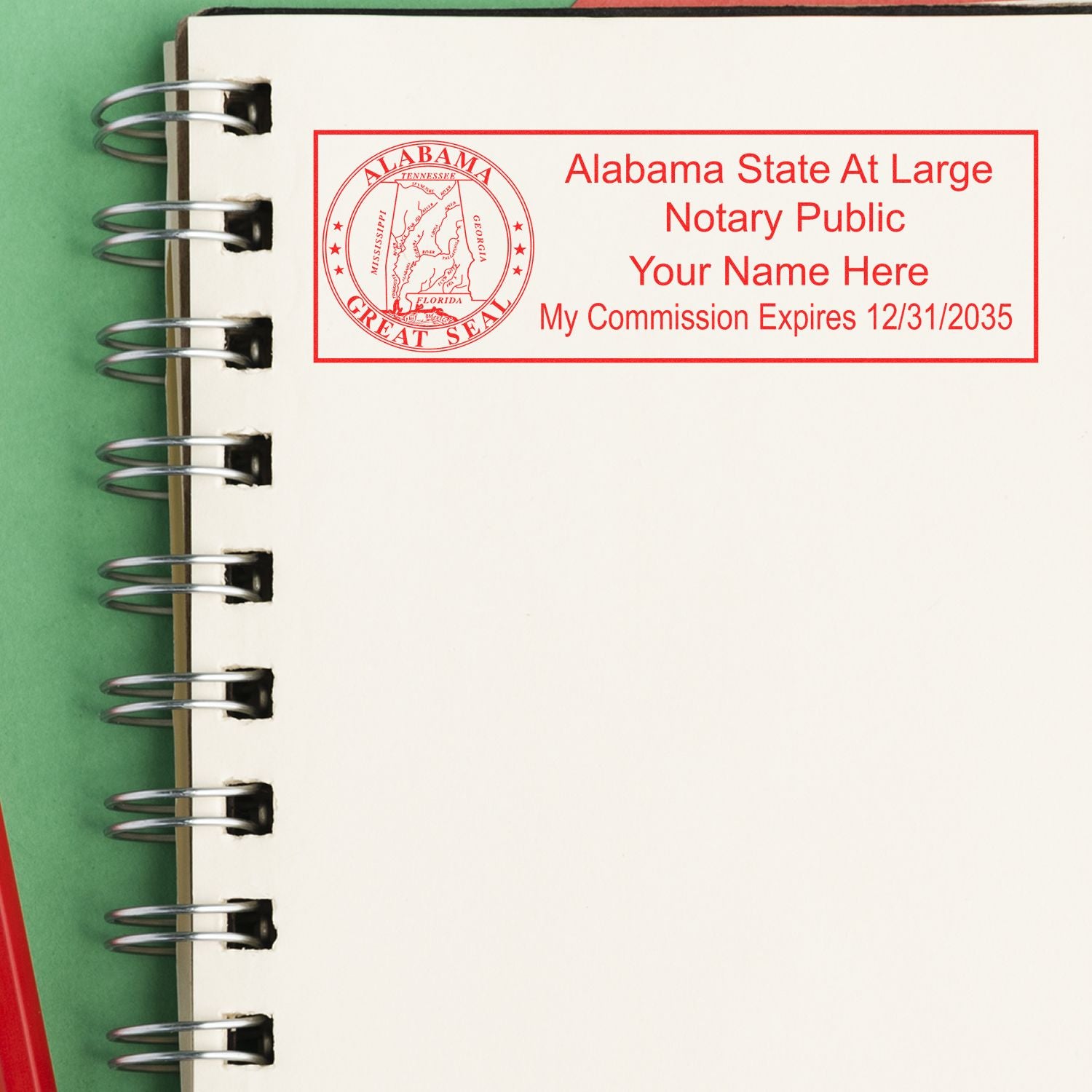
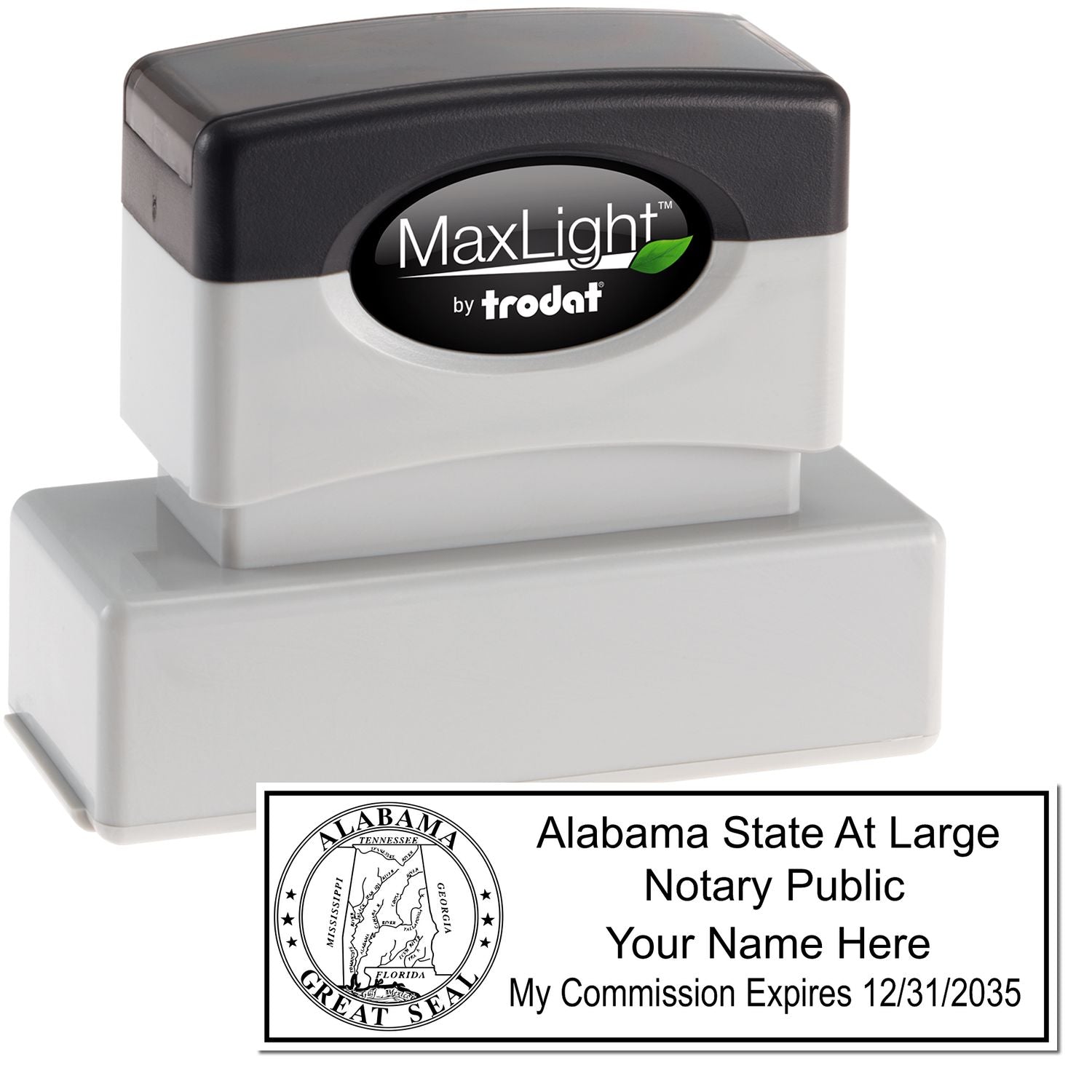
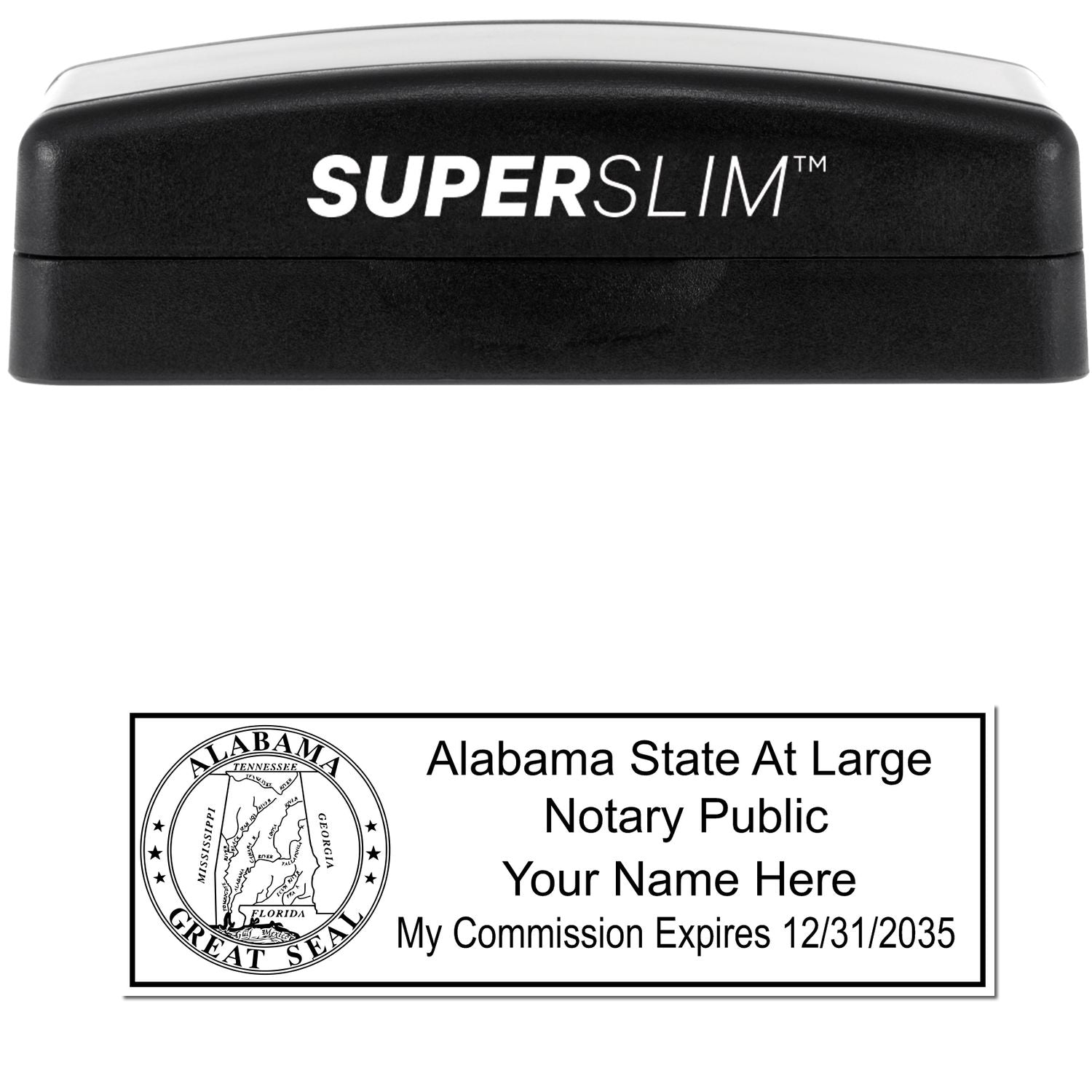
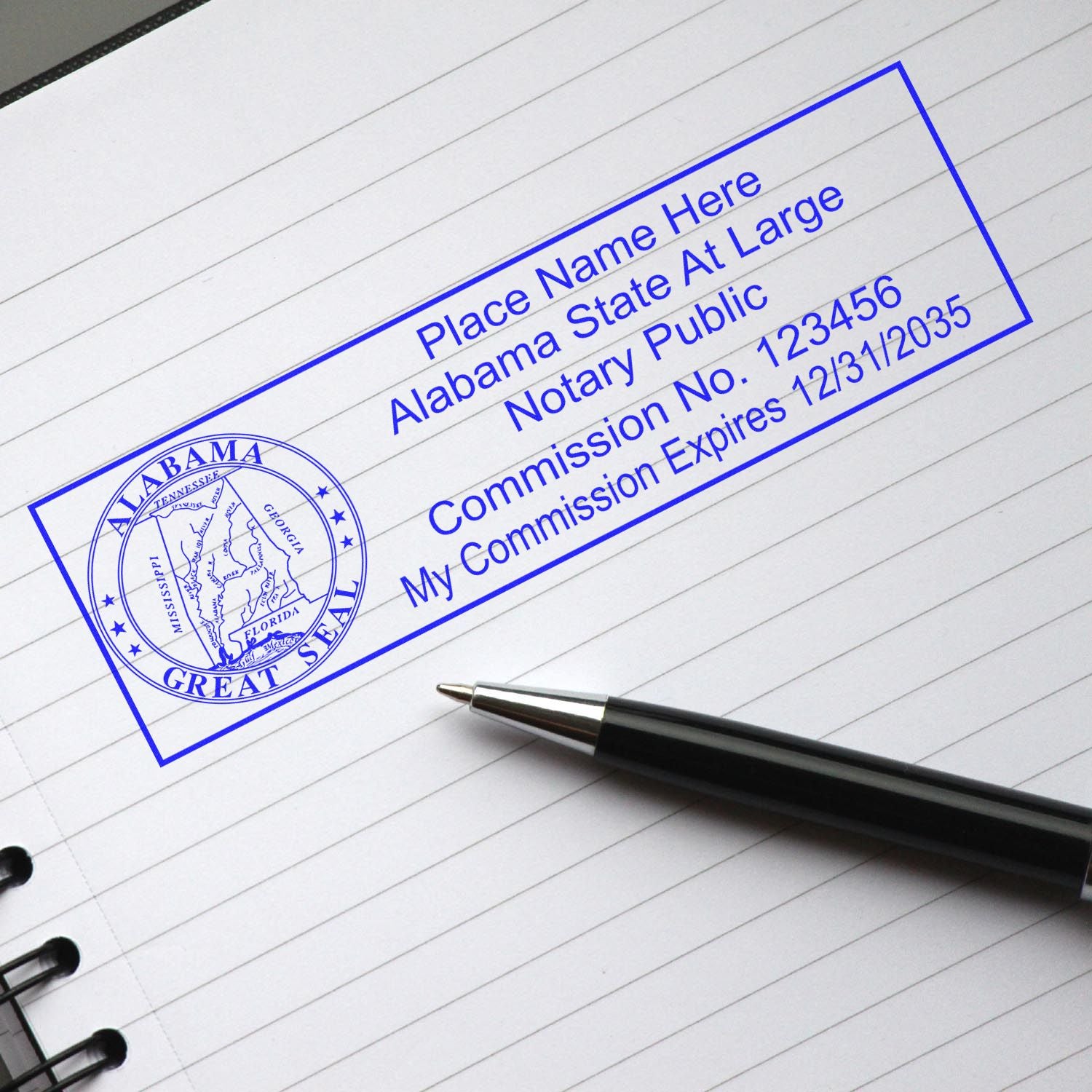
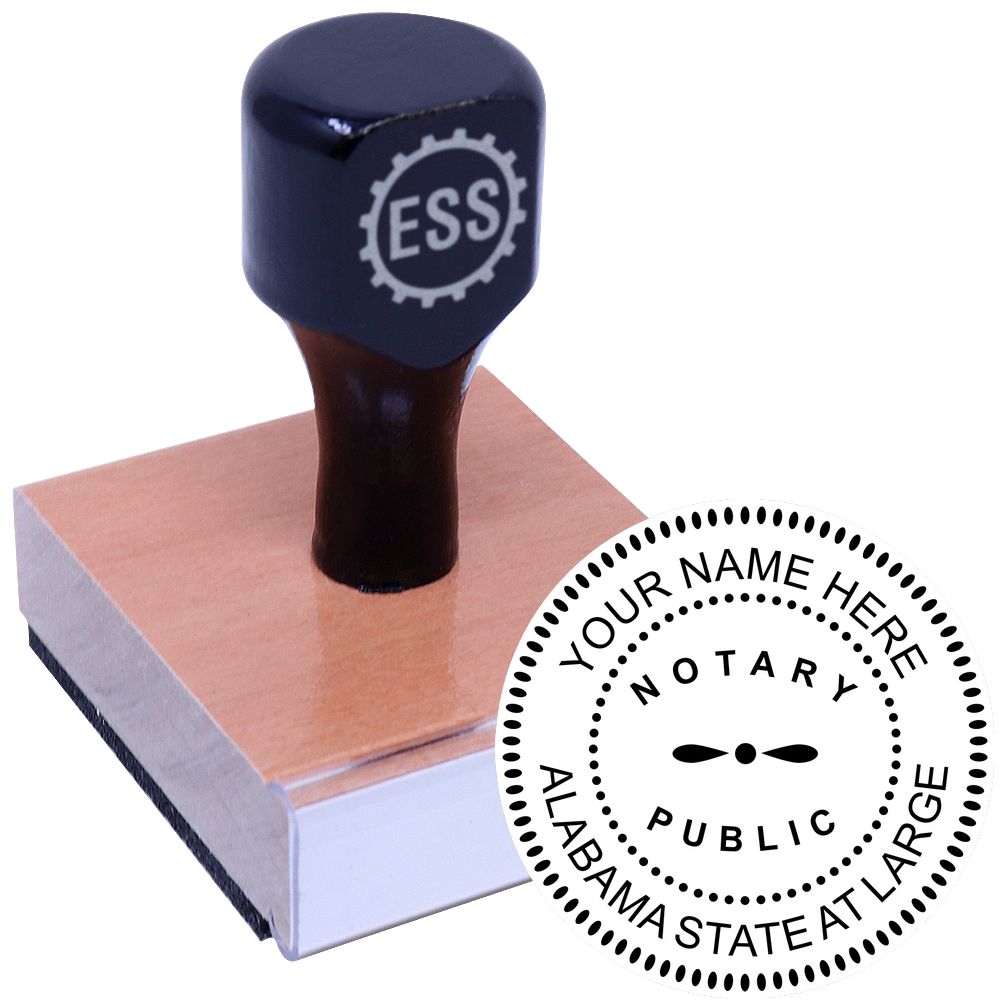
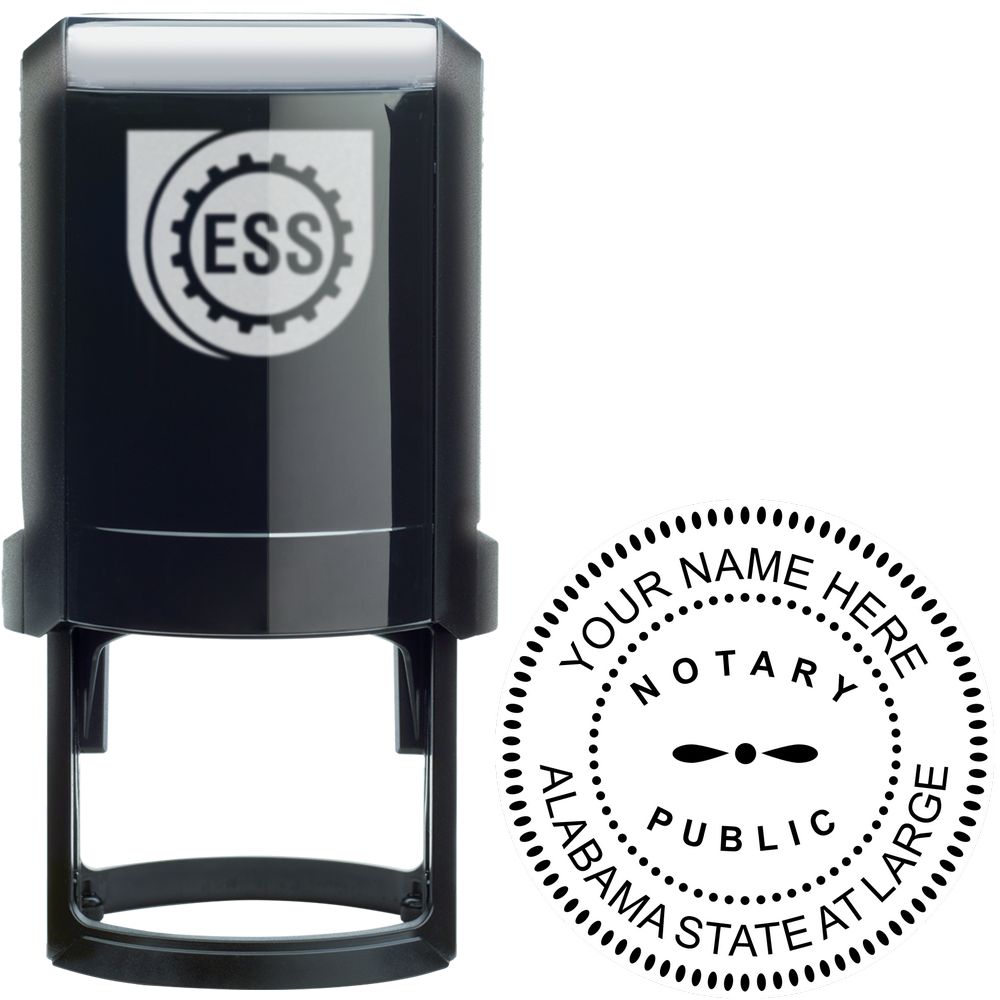
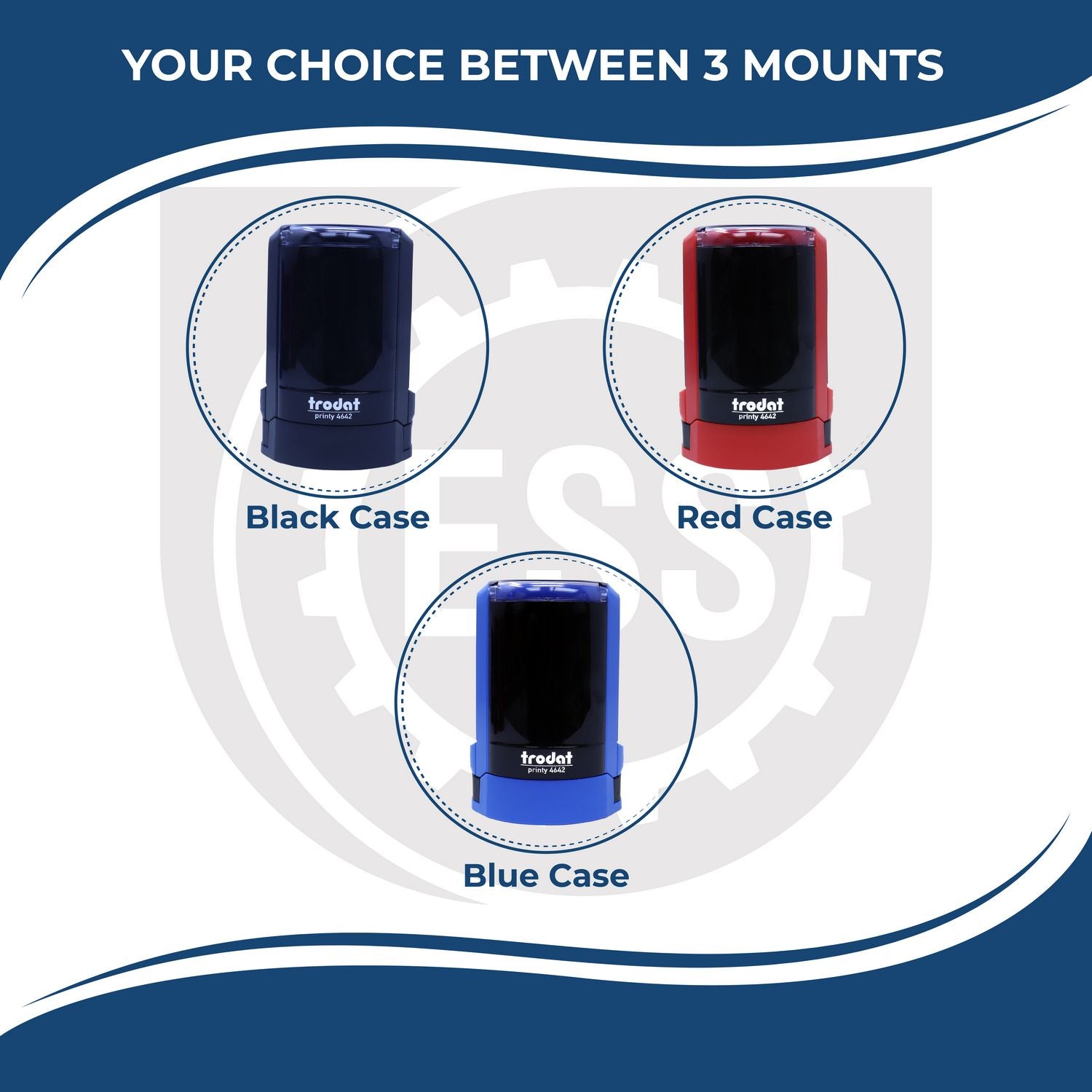
A seal that shows your name, the title Notary Public and Alabama. Section 36-20-72(a) accepts an inked stamp or an embosser, and no county, commission number or expiration date has to appear on it.
Order after the commission issues. The state training course reads the name rule strictly: the seal should carry your name exactly as the commission shows it, and your signature should match the name on the seal.
The law sets no size, outline or ink color for an ordinary notary, and it gives no reporting step for a lost seal. Our Alabama notary seal guide lists each element with its citation.
Does Alabama require a notary journal?
No. Alabama law does not require a journal for in-person notarizations, but the state training course calls one highly recommended. Remote notarizations carry their own record: the audio-video session must be kept for seven years.
The course suggests these entries for each act: the date and time, the kind of act, a description of the document, the type of ID you checked, the fee, and the signer's printed name, address and signature.


When does an Alabama commission end, and how do you renew?
Four years from the date of the commission. Renewal repeats the application at your county probate office, training included, and Baldwin County accepts renewal applications no sooner than 90 days before the current commission expires.
Other counties may set different windows, so check your own probate office. Because an Alabama seal carries no expiration date or commission number, nothing on it goes out of date at renewal unless your name changes.
Can Alabama notaries notarize remotely?
Yes. Ala. Code § 36-20-73.1 allows remote notarization by two-way audio-video communication, on the condition that you are physically located in Alabama and the session is recorded and kept for seven years.
Remote notarization may not be used for an absentee ballot application or an absentee ballot. The section also sets identity verification and documentation requirements for each remote act.


Frequently asked questions
What is the timeline for an Alabama commission?
Two clocks apply. You have 30 days from the application to finish the training, and offices such as Baldwin and Dale give 40 days from the appointment letter to file the bond and fees. How fast the judge reviews your application depends on the county.
Can an Alabama notary work in any county?
Yes. Section 36-20-70(a) gives notaries statewide jurisdiction, and Baldwin County notes that every notary it commissions is State at Large, even though you apply in your home county.
How much can an Alabama notary charge?
Up to $10 for each notarial act under Ala. Code § 36-20-74. The Dale County probate office notes that the limit rose from $5.
Does the Secretary of State commission Alabama notaries?
No. Your county probate judge does. The Secretary of State keeps the public registry of notaries and receives misconduct affidavits.
Do attorneys need the Alabama notary training?
No. Section 36-20-70(e) exempts an attorney commissioned as a notary. Dale County asks for proof of bar membership in good standing instead of the certificate.
Do I report a name or address change?
The notary article gives no notice step or deadline for either. Since the seal must match the name on your commission, ask your probate office how it handles a new name before you order a replacement seal.
With your commission in hand, choose an inked stamp or an embosser from our Alabama notary stamps and seals. Our state-by-state notary seal requirements page shows where Alabama's three-item rule sits among the other states.