
Engineer Seal Stamps compliance desk. Updated 8 November 2026.
Understanding Architect Seals in New Jersey
Architect seals play a critical role in the field of architecture as they serve as a mark of authenticity and professionalism. In the state of New Jersey, architect seals are subject to specific regulations to ensure compliance with state laws and regulations.
The Importance of Architect Seals
Architect seals are more than just a stamp or a seal. They represent the credibility and expertise of an architect in the eyes of clients, contractors, and regulatory authorities. Architect seals signify that the architectural plans, drawings, or documents have been prepared and reviewed by a licensed architect, ensuring that they meet the necessary standards and regulations.
By affixing their seal to architectural documents, architects take legal responsibility for the accuracy and compliance of the work. This not only helps to protect the public but also establishes trust and confidence in the architectural profession.
Overview of New Jersey Architect Seal Regulations
In New Jersey, architect seals are governed by specific regulations outlined by the New Jersey State Board of Architects. These regulations provide guidelines on the design, content, and usage of architect seals within the state.
A New Jersey architect may use an architect seal only after the New Jersey State Board of Architects grants a valid license. The board sets standards for licensing, continuing education and professional conduct so architects are qualified and stay competent.
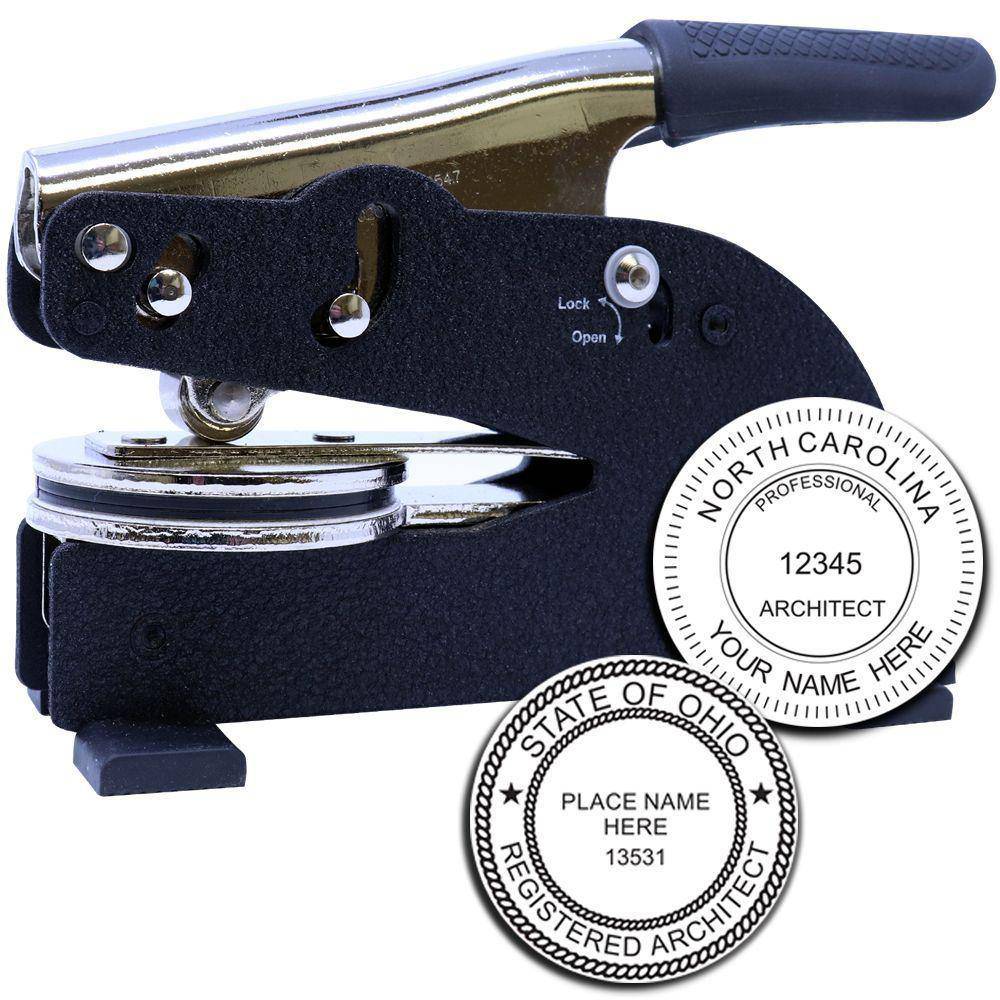
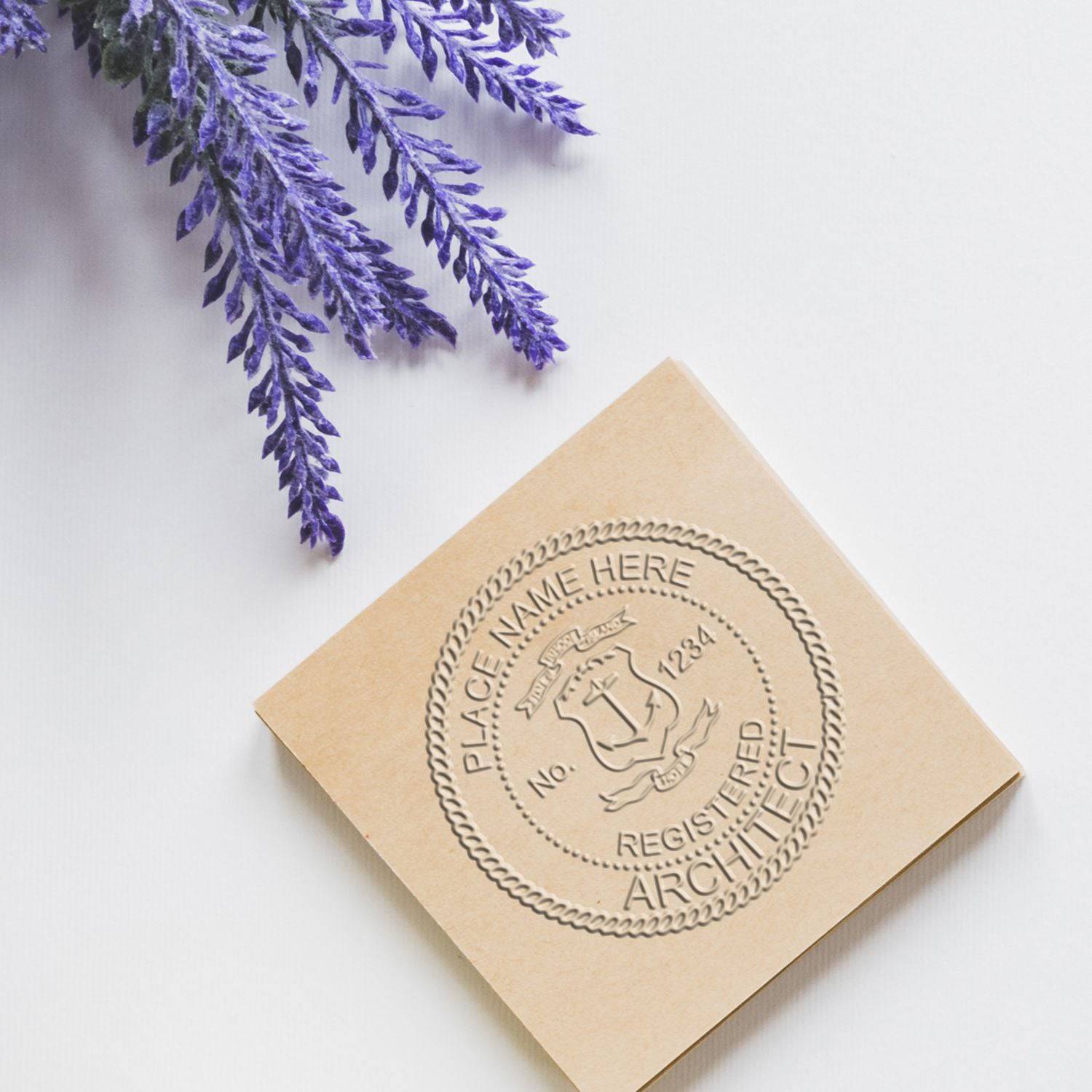
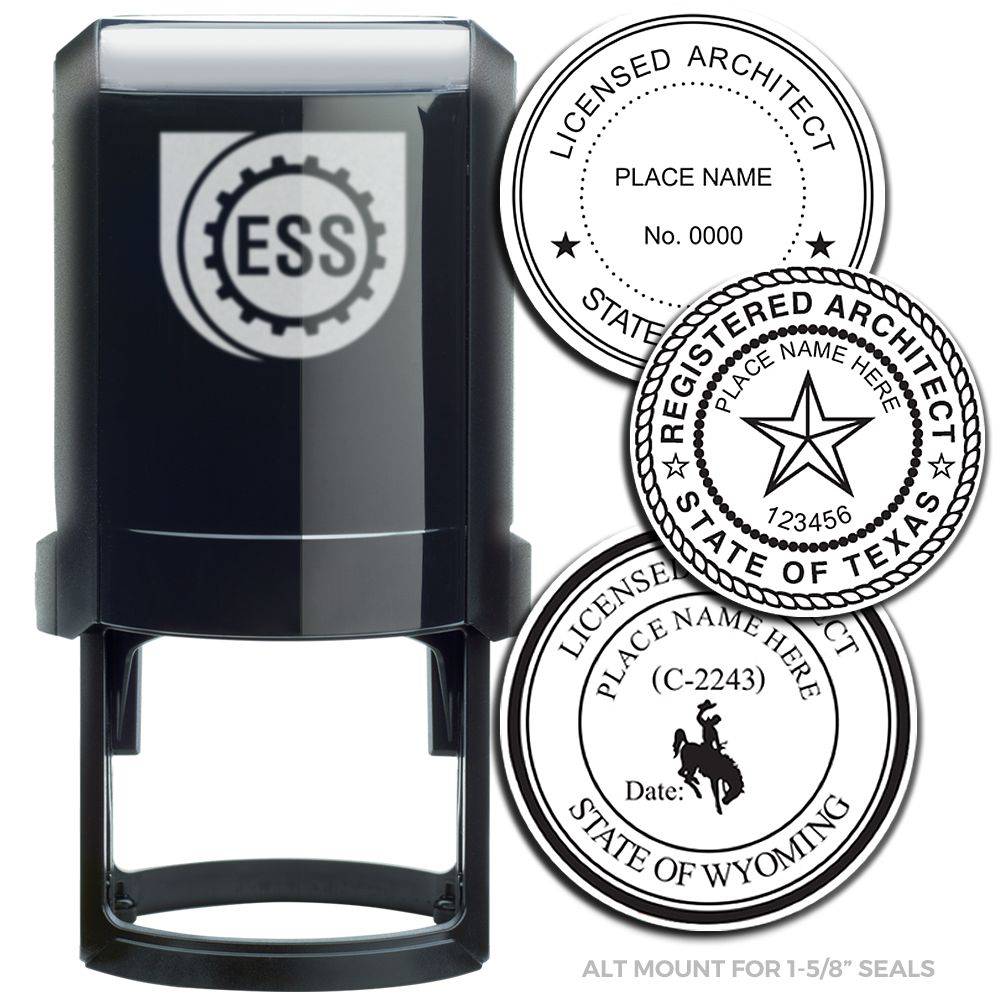
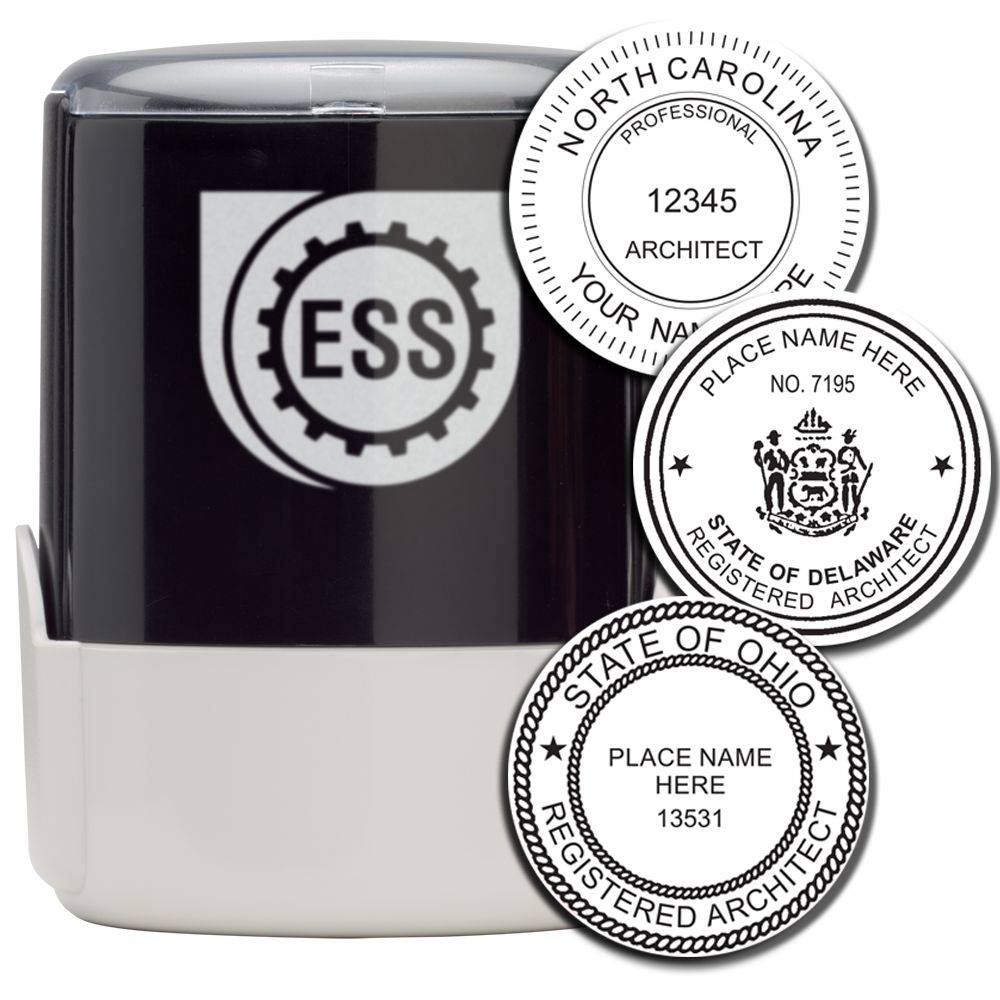
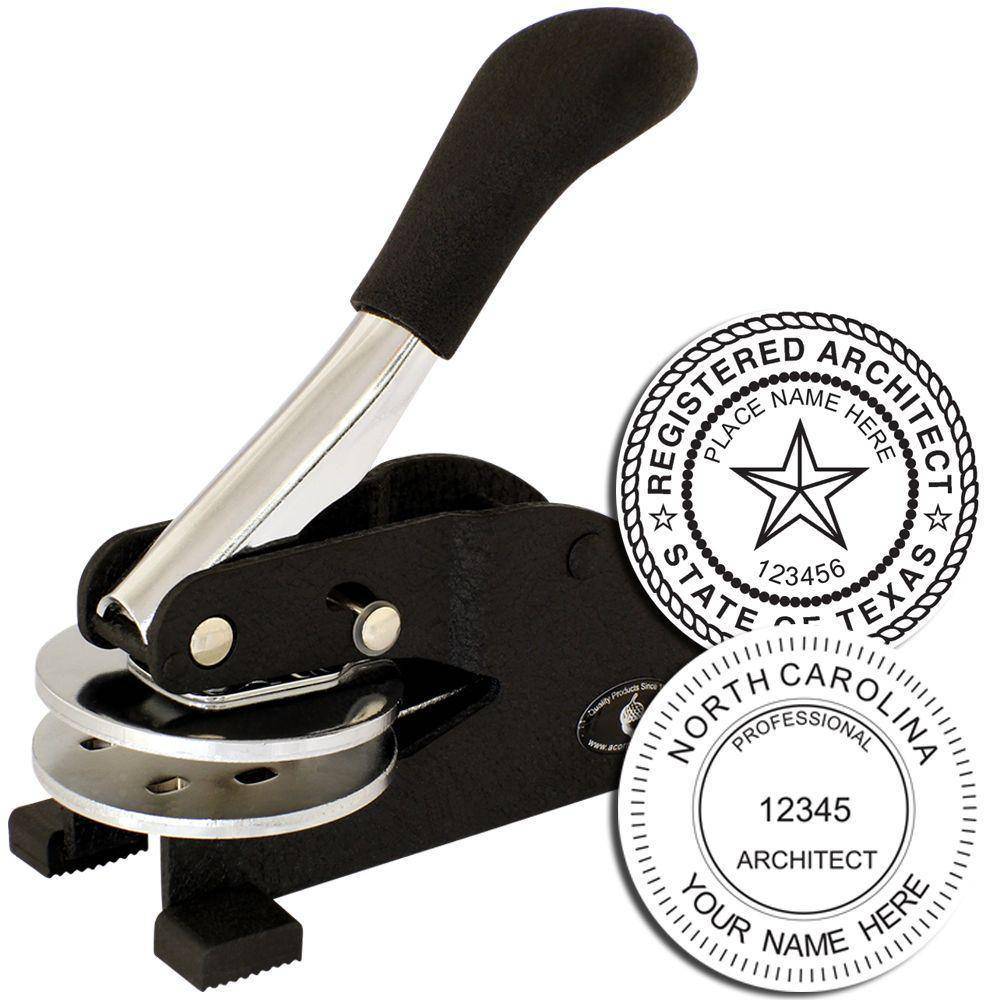
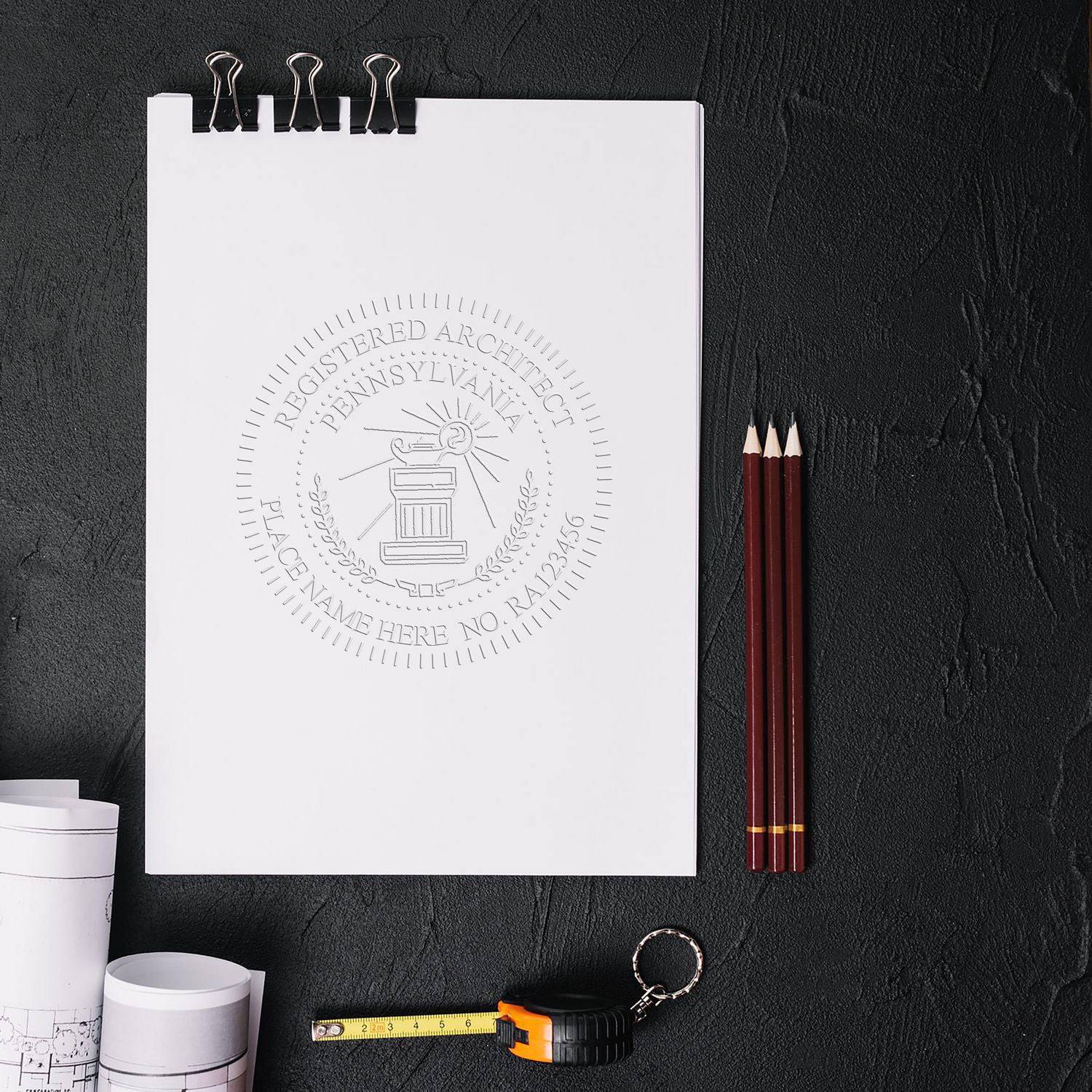
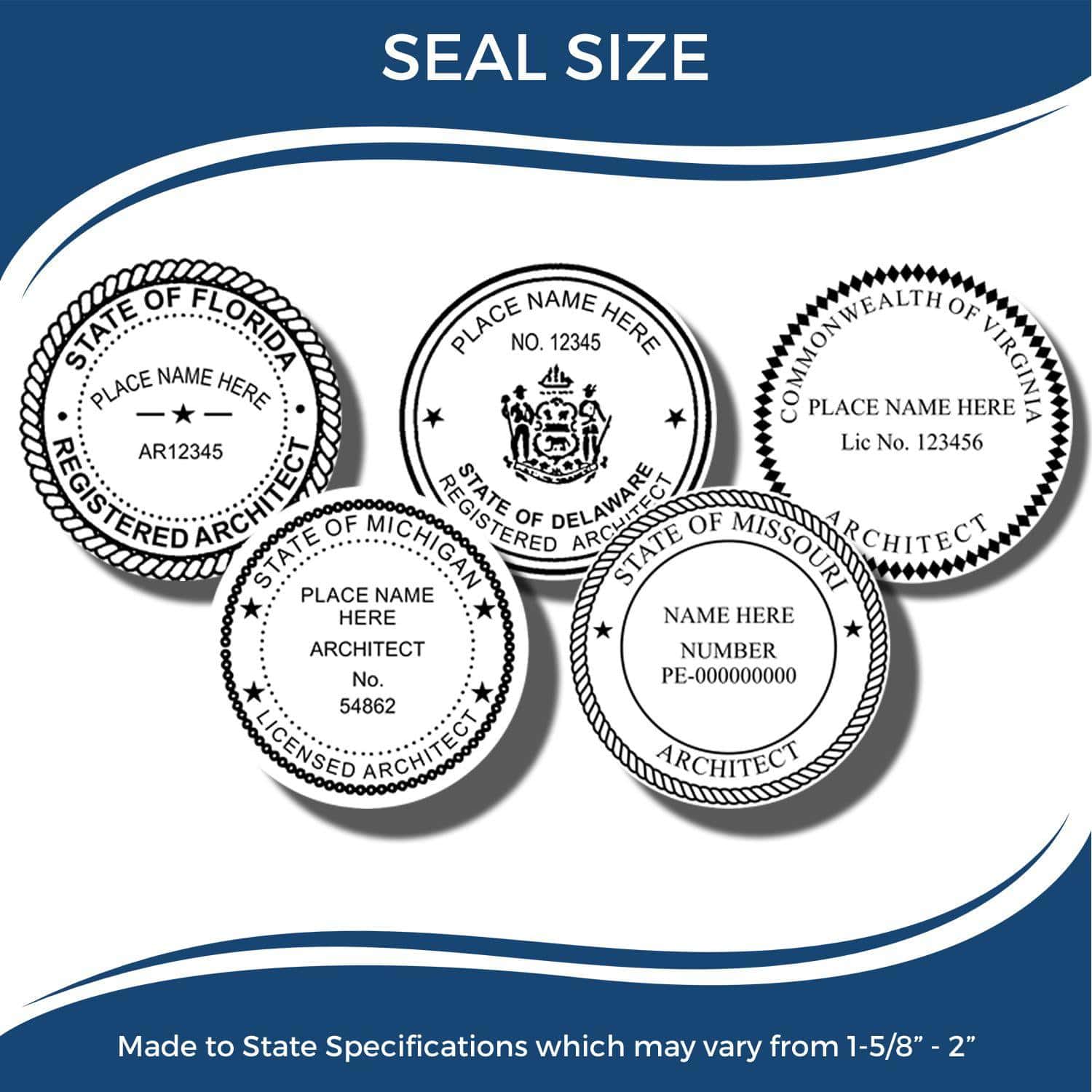
New Jersey's architect seal regulations set design and content rules covering the seal's size, shape and format and the information it must show, such as the words "Registered Architect" or "Architect" in line with the state regulations, plus the architect's name and license number.
To stay up to date with the specific requirements and guidelines for architect seals in New Jersey, architects should refer to the official website of the New Jersey State Board of Architects. It is important to remain informed about any updates or changes in the regulations to ensure compliance and avoid any potential legal issues.
Understanding the importance and regulations surrounding architect seals in New Jersey is crucial for architects practicing within the state. By adhering to these regulations and using architect seals appropriately, architects can confidently showcase their professionalism and commitment to quality in their architectural work. For more information on specific guidelines for obtaining and using architect seals in New Jersey, refer to our article on architect seals in New Jersey.
Requirements for New Jersey Architect Seals
In order to practice architecture in New Jersey, architects must adhere to specific requirements pertaining to architect seals. These requirements encompass architect licensing, design and content specifications for architect seals, and various legal considerations.
Architect Licensing in New Jersey
Practicing architecture legally in New Jersey requires a license issued by the New Jersey State Board of Architects. Getting it means completing the required education, gaining relevant experience and passing the Architect Registration Examination (ARE). Our article on New Jersey architect license requirements details what the license takes.


Design and Content Specifications for Architect Seals
New Jersey architect seals must follow the design and content specifications of the New Jersey State Board of Architects, which set the size, shape and required information. A typical seal carries the words "Registered Architect" or "Architect" with the architect's name and license number. Our article on New Jersey architect stamp guidelines is a full guide to the design rules.
Legal Considerations for Architect Seals
Architect seals in New Jersey carry legal significance, as they serve as a representation of the architect's professional responsibility and accountability for their work. The use of an architect seal signifies that the architect takes responsibility for the design and construction documents associated with a project. Architects must familiarize themselves with the legal implications of using their seal and ensure compliance with all relevant regulations. For more information on the legal considerations surrounding architect seals in New Jersey, refer to our article on architect seals in New Jersey.
Architects practicing in New Jersey need to understand seal requirements. Holding the required license, designing the seal to the specified guidelines and knowing the legal implications keep an architect compliant with the rules of the New Jersey State Board of Architects. If you plan to buy a New Jersey architect seal, our article on New Jersey architect seals offers more guidance.
Obtaining a New Jersey Architect Seal
To practice architecture in New Jersey, architects must obtain a valid architect seal that complies with the state's regulations. In this section, we will explore the process of obtaining a New Jersey architect seal, including where to purchase them, factors to consider when choosing a provider, and tips for designing your architect seal.
Where to Purchase Architect Seals
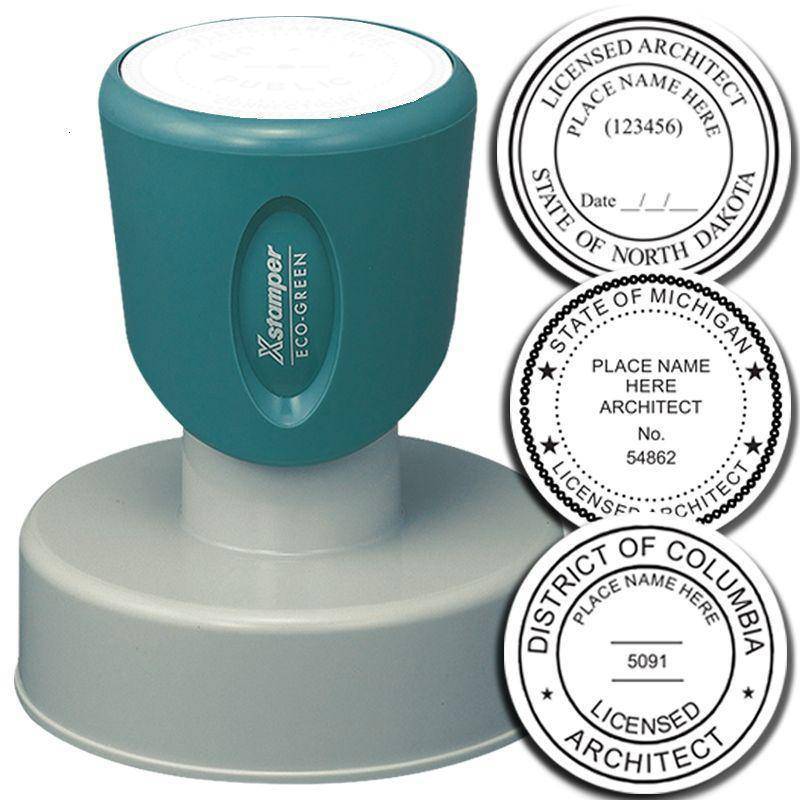
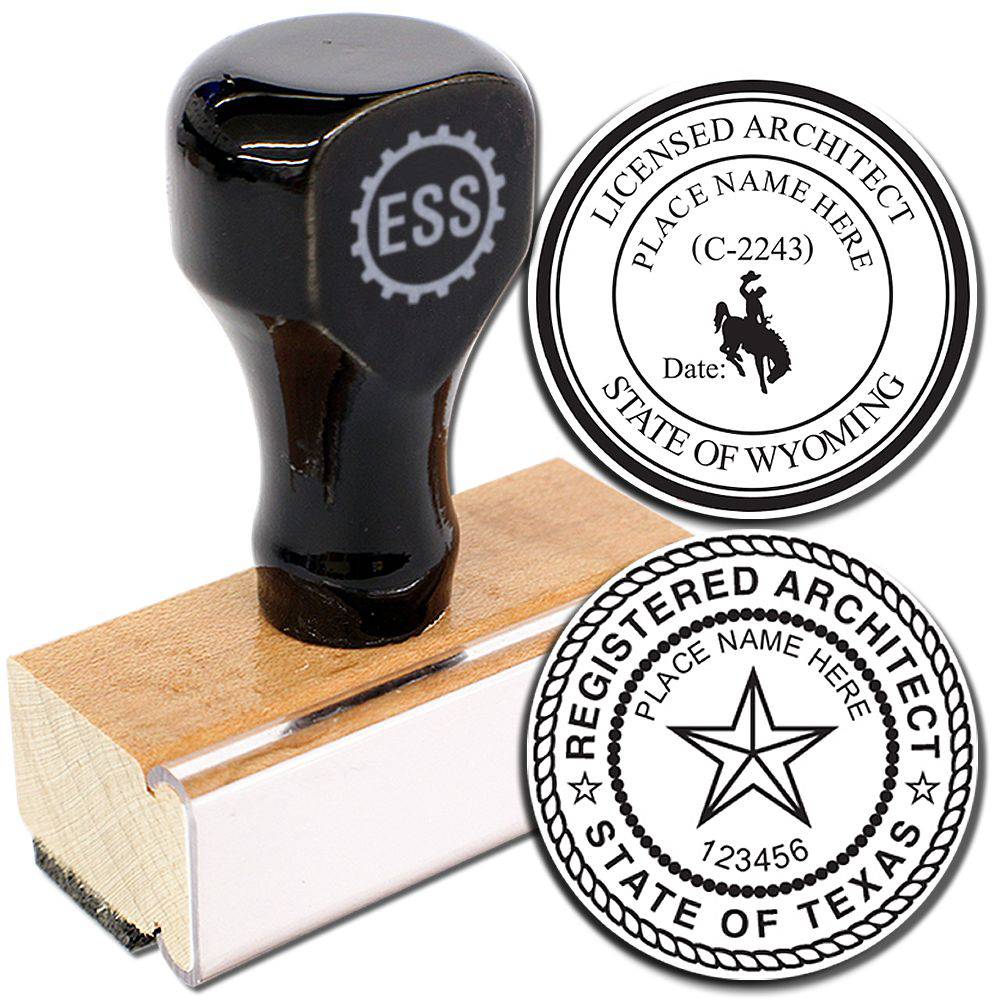
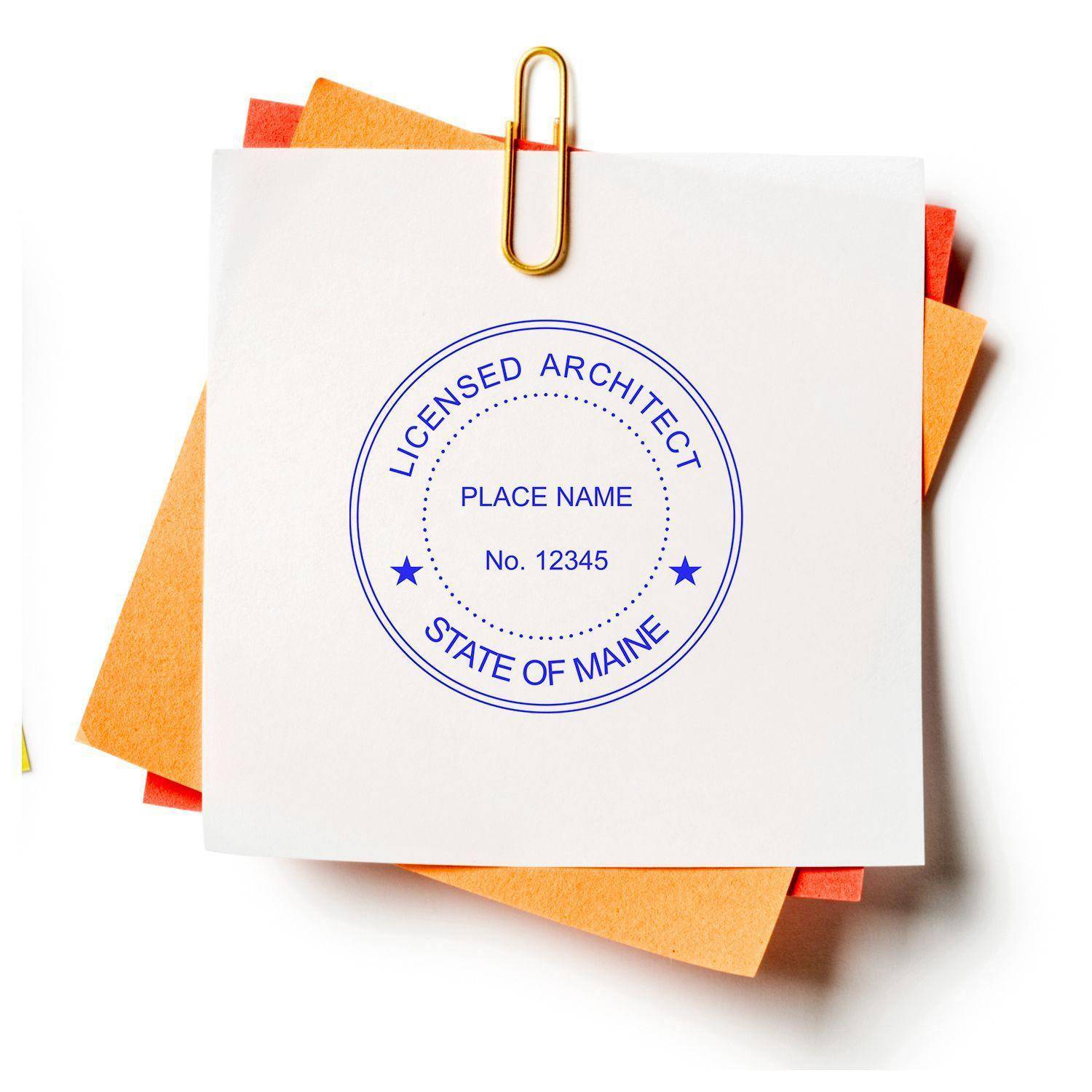
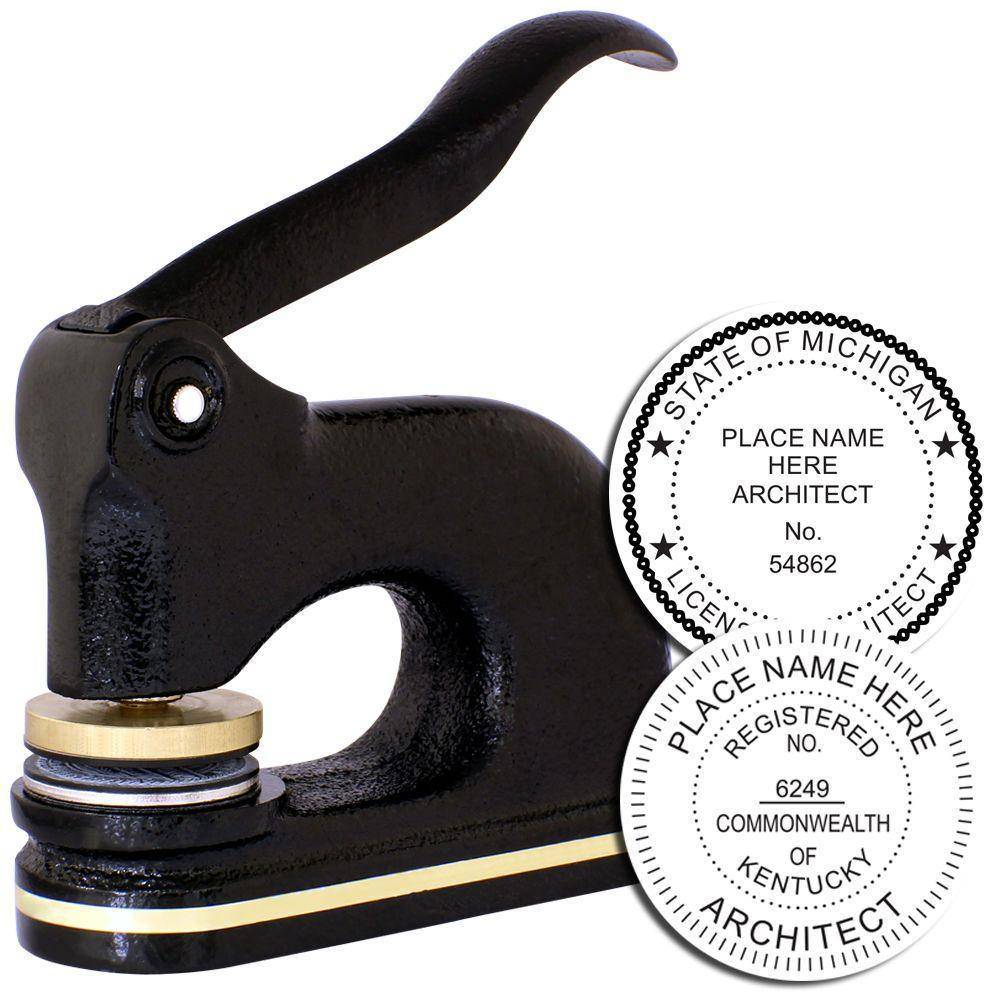
When it comes to purchasing architect seals in New Jersey, it's important to choose a reputable provider that offers high-quality products. Many professional stamp and seal companies offer custom architect seals that meet the specific requirements set forth by the state. These companies often have online platforms where architects can easily browse and order their architect seals.
It's crucial to ensure that the provider you choose is knowledgeable about the New Jersey architect seal regulations and can guide you through the process. They should be familiar with the design and content specifications outlined by the state. For more information on architect seals in New Jersey, you can refer to our article on architect seals in New Jersey.
Factors to Consider When Choosing an Architect Seal Provider
When selecting a provider for your New Jersey architect seal, there are several factors to consider. These include:
-
Reputation: Look for a provider with a strong reputation in the industry. Read reviews and testimonials to gauge their level of customer satisfaction.
-
Compliance: Ensure that the provider is well-versed in the New Jersey architect seal regulations and can provide seals that meet the state's requirements.
-
Customization Options: Check if the provider offers customization options for your architect seal design. This allows you to personalize the seal while still adhering to the state's guidelines.
Save 20%
 Save 13%

-
Quality and Durability: Choose a provider that offers architect seals made from high-quality materials to ensure durability and longevity.
-
Customer Support: Consider the level of customer support provided by the provider. Prompt and reliable support can be valuable in case any issues or questions arise during the purchasing process.
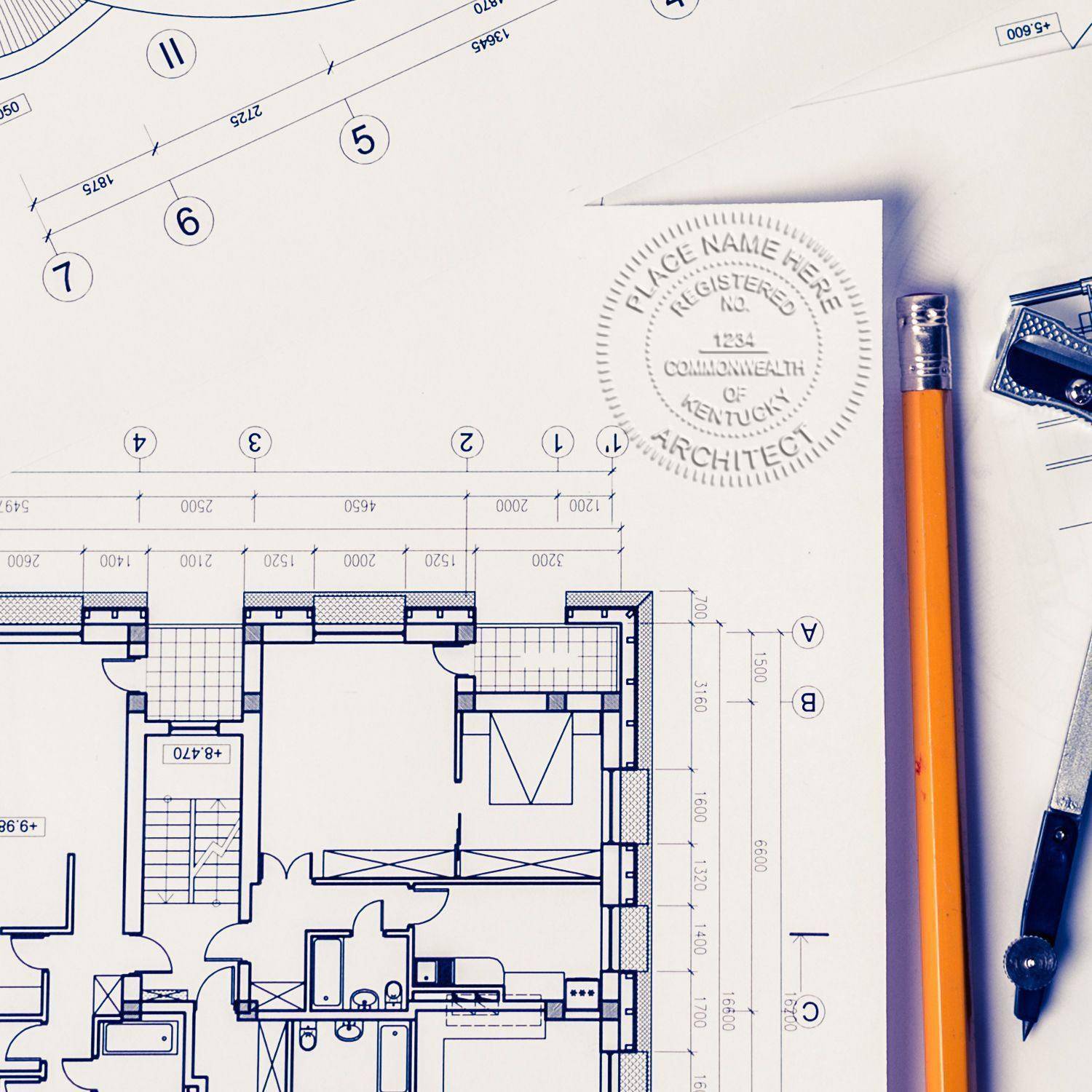
Tips for Designing Your Architect Seal
Design your architect seal to New Jersey's design and content specifications, which include the phrase "Registered Architect" along with the architect's name and license number. Use the New Jersey architect stamp guidelines to confirm your design meets the requirements, and read our article on new jersey architect stamp guidelines for more detail.
Consider the following tips when designing your architect seal:
- Keep the design simple and professional, focusing on clarity and legibility.
- Ensure that the text and symbols on the seal are clear and easy to read.
- Choose an appropriate font size and style that aligns with the New Jersey regulations.
- Double-check all the information on the seal for accuracy before finalizing the design.
By carefully considering these factors and following the guidelines, you can obtain a New Jersey architect seal that meets the state's regulations and represents your professional identity accurately.
Maintaining Compliance with New Jersey Regulations
Once you have obtained your New Jersey architect seal, it's essential to stay in compliance with the state's regulations. This section will cover the key aspects of maintaining compliance, including renewing your architect seal, staying informed about regulatory updates, and best practices for using architect seals.
Renewing Your Architect Seal
In New Jersey, architect seals must be renewed periodically to ensure their validity. The renewal process typically involves submitting an application, paying a fee, and providing any necessary documentation. It's important to keep track of the expiration date of your architect seal and initiate the renewal process in a timely manner to avoid any lapses in compliance.
To renew your architect seal, you will need to follow the guidelines provided by the New Jersey State Board of Architects. These guidelines may include specific requirements for continuing education or professional development. Staying up to date with the latest guidelines and fulfilling the necessary requirements will ensure a smooth renewal process. For more information on New Jersey architect seal regulations, visit our article on new jersey architect seals.
Staying Informed about Regulatory Updates
New Jersey architects should track any regulatory update or change that could affect how they use architect seals. That means watching for changes to state laws, rules and guidelines that apply to architectural practice. Checking the New Jersey State Board of Architects website on a regular basis and subscribing to relevant industry publications will keep you informed of updates as they happen.
Additionally, consider joining professional organizations or associations related to architecture. These organizations often provide resources, updates, and networking opportunities that can help you stay current with the latest developments in the field. By staying informed, you can ensure that you are always in compliance with the most recent regulations and guidelines.
Best Practices for Using Architect Seals
Using architect seals in accordance with best practices is essential for maintaining compliance and upholding professional standards. Here are some best practices to keep in mind:


-
Use the seal only for authorized purposes: Architect seals should only be used for official documents and purposes authorized by the New Jersey State Board of Architects. Misusing the seal or allowing others to use it without proper authorization can result in disciplinary action.
-
Maintain the integrity of the seal: Architect seals should be kept secure and used in a manner that preserves their clarity and legibility. Avoid altering or tampering with the seal in any way that could compromise its integrity.
-
Follow guidelines for seal placement: The New Jersey State Board of Architects may provide guidelines on where and how to place the architect seal on documents. Adhering to these guidelines ensures that the seal is displayed correctly and meets the required standards.
-
Keep records of seal usage: It's important to maintain records of when and where the architect seal is used. These records can serve as a helpful reference in case of any inquiries or audits.
By adhering to these best practices, you can maintain compliance with New Jersey regulations and ensure that your architect seal is used appropriately and responsibly.
In summary, renewing your architect seal in a timely manner, staying informed about regulatory updates, and following best practices for seal usage are crucial steps in maintaining compliance with New Jersey regulations. By doing so, you can continue to maximize your architectural potential while upholding professional standards.
About ESS
At Engineer Seal Stamps (ESS), we take pride in being the leading makers of high-quality rubber stamps, professional seals, and notary stamps. Our commitment to excellence is reflected in the state board guarantee that backs all our products. With ESS, you can be confident that you are getting the best of the best when it comes to stamping and sealing products.
Architects, engineers, surveyors and other professionals get custom rubber stamps and seals built to their exact needs, with our experienced team working alongside them. Because deadlines matter in these fields, every product ships on a quick turnaround. ESS also serves a wide mix of industries, including oil and gas, healthcare, government and education. Quality shows in the products themselves: each rubber stamp and seal is made from high-grade materials so it lasts for years. Our stamping and sealing tools are built to give a crisp, clear impression each time, keeping your documents professional and presentable.
At ESS, we are committed to providing our customers with stellar customer service, and we go above and beyond to ensure your satisfaction. Whether you need a customized rubber stamp, professional seal, or notary stamp, ESS is the trusted partner you can rely on for all your stamping and sealing needs.