To become a licensed architect, you finish an accredited architecture degree or an approved substitute, complete supervised experience (usually through AXP), pass the ARE, and apply to the board of the jurisdiction that will issue your license. All 54 jurisdictions below point to the ARE, 48 name AXP, and 9 add an exam of their own. Fourteen offer a route with no degree. The table gives each board, license title, education route and exam.
Engineer Seal Stamps compliance desk. Checked against each state licensing board, statute and rule. Sources read September 2026.
| Jurisdiction | License title and board | Education and experience routes | Exams | Source |
|---|---|---|---|---|
| Alabama | Registered Architect. Alabama State Board for Registration of Architects | NAAB degree + AXP; otherwise a board approved mix of education and experience that NCARB endorses | ARE | Ala. Admin. Code r. 100-X-2-.02 |
| Alaska | Professional Architect. Alaska State Board of Registration for Architects, Engineers, and Land Surveyors (AELS) | NAAB or CACB B.Arch or M.Arch, or education meeting the NCARB Education Guidelines, + AXP | ARE + Alaska jurisprudence questionnaire | 12 AAC 36.060 |
| Arizona | Professional Architect. Arizona State Board of Technical Registration | 8 years in all + AXP; a NAAB degree counts 60 months; no degree, 96 months of experience | ARE | A.R.S. 32-122.01; Ariz. Admin. Code R4-30-214 |
| Arkansas | Registered Architect. Arkansas State Board of Architects, Landscape Architects and Interior Designers | NAAB degree, or the education NCARB certification requires, + AXP | ARE | ASBALAID Rules, Section IV.A |
| California | Architect. California Architects Board | 8 years of credit + AXP; a NAAB or CACB degree earns 5; supervised work can replace a degree; IPAL offered | ARE + California Supplemental Examination (CSE) | CAB, Becoming a Licensed Architect |
| Colorado | Architect. State Board of Licensure for Architects, Professional Engineers and Professional Land Surveyors | NAAB degree + 3 years; 4 year degree + 5; no degree, 10; AXP for any original license | ARE | DPO Architect Applications and Forms; 4 CCR 730-1, Rule 1.4 |
| Connecticut | Licensed Architect. Architectural Licensing Board (Connecticut Department of Consumer Protection) | NAAB degree, or the NCARB Education Standard, + AXP | ARE | CT DCP, Architecture license page |
| Delaware | Registered Architect. Delaware Board of Architects | NAAB degree, or NCARB Education Guidelines education the board accepts, + AXP | ARE | 24 Del. Admin. Code 300, 4.1 |
| District of Columbia | Architect. Board of Architecture, Interior Design, and Landscape Architecture | Accredited B.Arch or M.Arch, or an equivalent set by rule, + AXP | ARE | D.C. Code 47-2853.62 |
| Florida | Registered Architect. Florida Board of Architecture and Interior Design | NAAB or CACB degree + AXP; a foreign degree only if NCARB finds it NAAB equivalent | ARE | Fla. Stat. 481.209 |
| Georgia | Registered Architect. Georgia State Board of Architects and Interior Designers | Professional degree + AXP; approved preprofessional bachelor's + 6 years; high school + 10 years | ARE | Ga. Comp. R. & Regs. 50-7-.01 |
| Guam | Registered Architect. Guam Board of Registration for Professional Engineers, Architects and Land Surveyors (PEALS) | NAAB degree + 3 years + AXP; or 8 years of training or education + AXP | ARE | 22 GCA 32113 |
| Hawaii | Architect. Board of Engineers, Architects, Land Surveyors and Landscape Architects | Approved B.Arch or M.Arch + 3 years; other programs + 5 or 8; no degree, 11; AXP within each | ARE | Hawaii PVL, Requirements for Licensure, Architect |
| Idaho | Architect. Idaho Board of Architects and Landscape Architects | NAAB or board approved degree + AXP; no degree, 8 years + AXP | ARE | Idaho Code 54-309 |
| Illinois | Architect. Illinois Department of Financial and Professional Regulation (Architecture) | NAAB or CACB degree, or an EESA equivalency, + AXP | ARE | IDFPR, Architect Qualifications for Licensure |
| Indiana | Registered Architect. Indiana Board of Registration for Architects and Landscape Architects | Apply through an NCARB Record with transcripts, exams, training and 3 references; the experience rule is 804 IAC 1.1-7-1.1. Reciprocity without an NCARB Certificate: NAAB degree. | ARE | Indiana PLA, Architects and Landscape Architects Licensing Information; LSA 19-427 (804 IAC 1.1-7-1.1) |
| Iowa | Licensed Architect. Iowa Architectural Examining Board (Department of Inspections, Appeals, and Licensing) | Degree meeting the NCARB standard + AXP once; less education, AXP two to four times (four with high school) | ARE | 481 IAC 1062.2 |
| Kansas | Architect. Kansas State Board of Technical Professions | Architecture degree the board finds adequate; experience set by board rule under K.S.A. 74-7019 | ARE | K.S.A. 74-7019 |
| Kentucky | Architect. Kentucky Board of Architects | NAAB degree + completed AXP; no other route in the regulation | ARE, all divisions | 201 KAR 19:035 |
| Louisiana | Architect. Louisiana State Board of Architectural Examiners | NAAB degree + completed AXP; no other route named | ARE | LAC 46:I.701 |
| Maine | Architect. Maine Board of Licensure for Architects, Landscape Architects and Interior Designers | NAAB degree + AXP; longer routes for other degrees; no degree, 13 years including AXP | ARE, every division | Maine OPOR Architect licensing page; 32 MRSA §220 |
| Maryland | Architect. Maryland State Board of Architects | NAAB degree + AXP; other bachelor's + 4 or 6 years; no degree, 10 years; AXP on each route | ARE, all parts | COMAR 09.21.01.03 to .06 |
| Massachusetts | Registered Architect. Massachusetts Board of Registration of Architects | NAAB or CACB degree, or education evaluated against NCARB standards, + AXP | ARE | 231 CMR 3.00 |
| Michigan | Architect. Michigan Board of Architects | NAAB or CACB degree, or a degree evaluated through EESA or NACES, + AXP | ARE | Mich. Admin. Code R 339.15201 to R 339.15204 |
| Minnesota | Architect. Minnesota Board of Architecture, Engineering, Land Surveying, Landscape Architecture, Geoscience and Interior Design | NAAB or CACB degree, or an NCARB EESA evaluation, + AXP | ARE, all six divisions | Minn. R. 1800.1000, subps. 5 and 6 |
| Mississippi | Architect. Mississippi State Board of Architecture | NAAB degree + AXP; without AXP certification, the board may take 3 continuous years in a licensed architect's office | ARE + Mississippi Jurisprudence Examination | MSBOA Rule 2.1 |
| Missouri | Architect. Missouri Board for Architects, Professional Engineers, Professional Land Surveyors, Professional Landscape Architects, and Licensed Interior Designers | Accredited (NAAB) degree + certified AXP; no other route in the statute | ARE + exam on state law, rules and ethics (80% to pass) | RSMo 327.131 |
| Montana | Architect. Montana Board of Architects and Landscape Architects | NAAB or CACB degree, a NAAB accepted IPAL path, or an EESA evaluation, + AXP | ARE | ARM 24.114.501 and 24.114.502 |
| Nebraska | Architect. Nebraska Board of Engineers and Architects | NAAB or CACB degree, or the NCARB Education Standard, + AXP or a verified equivalent | ARE + Nebraska exam on law, rules and ethics | Neb. Rev. Stat. 81-3448 |
| Nevada | Architect. Nevada State Board of Architecture, Interior Design and Residential Design | NAAB degree or NAAB accredited IPAL option + AXP; no other route named | ARE | NAC 623.400; NRS 623.190 |
| New Hampshire | Architect. New Hampshire Board of Architects | NAAB or CACB degree + AXP; other degrees + 7 or 10 years; high school + 13 years | ARE, all sections | N.H. Admin. R. Arch 302.01 |
| New Jersey | Registered Architect. New Jersey State Board of Architects | NAAB B.Arch or M.Arch + at least 36 months of AXP; an NJ licensed PE may qualify through the ARE | ARE, all divisions, after board approval | NJ Board of Architects, ARE eligibility process overview |
| New Mexico | Architect. New Mexico Board of Examiners for Architects | NAAB degree, or an equivalent under NCARB standards, + certified AXP | ARE + New Mexico architectural jurisprudence exam | NMSA 61-15-6; 16.30.3.8 and .9 NMAC |
| New York | Architect. New York State Education Department, Office of the Professions (State Board for Architecture) | NAAB degree + 3 years; other professional degree + 4; no degree, 12 years; AXP required | ARE | 8 NYCRR 69.1 |
| North Carolina | Architect. North Carolina Board of Architecture and Registered Interior Designers | NAAB degree or NCARB approved IPAL program + AXP; the statute requires an accredited degree | ARE, all sections | N.C.G.S. 83A-7 |
| North Dakota | Architect. North Dakota State Board of Architecture and Landscape Architecture | Accredited degree + experience, or an equivalent; NCARB Certificate required; AXP not named | Board approved exam; the board FAQ names the ARE | NDCC 43-03-13; N.D. Admin. Code 8-04-02-02 |
| Ohio | Registered Architect (certificate of qualification to practice architecture). Ohio Architects Board | NAAB or CACB degree, or an NCARB EESA report, + AXP | ARE, open after graduation or during IPAL | Ohio Admin. Code 4703-2-02 to 4703-2-04; Ohio Rev. Code 4703.07 |
| Oklahoma | Licensed Architect. Board of Governors of the Licensed Architects, Landscape Architects and Licensed Interior Designers of Oklahoma | NAAB degree + AXP; other degrees earn partial credit, with 3 or more years of training; no degree, 10 years of training credit beyond the 3 year minimum | ARE + Oklahoma Act and Rules exam (75% to pass) | Okla. Admin. Code 55:10-5-7 and 55:10-5-7.1 |
| Oregon | Architect. Oregon State Board of Architect Examiners (OSBAE) | NAAB or CACB degree + AXP; the board page states no other route | ARE + Oregon Jurisprudence Exam | OSBAE Individual Initial Registration page; ORS 671.050 |
| Pennsylvania | Registered Architect. State Architects Licensure Board | NAAB degree + 3 years of AXP; no NAAB degree, 9 years in all with board approval | ARE | PA Registered Architect Licensure Requirements Snapshot |
| Puerto Rico | Arquitecto Licenciado (Licensed Architect). Junta Examinadora de Arquitectos y Arquitectos Paisajistas (Puerto Rico Department of State) | 5 year recognized program, the Arquitecto en Entrenamiento certificate, then 2 years; AXP record accepted | Reválida: the ARE, offered year round | Ley 173 de 1988, Art. 11; Reglamento 7717, Art. V |
| Rhode Island | Architect (certificate of registration). Rhode Island Board of Examination and Registration of Architects | NAAB degree + AXP; the statute names no other route | ARE; IPAL students may test before graduating | R.I. Gen. Laws § 5-1-8; 415-RICR-00-00-1 § 1.6 |
| South Carolina | Architect. South Carolina Board of Architectural Examiners | NAAB or CACB degree, or foreign education evaluated to the NCARB standard, + AXP | ARE | S.C. Code § 40-3-230 |
| South Dakota | Architect. South Dakota Board of Technical Professions | NAAB or CACB degree, or an EESA evaluation, + AXP; an NCARB Certificate also qualifies | ARE | SDCL 36-18A-27; ARSD 20:38:30:01 |
| Tennessee | Registered Architect. State Board of Examiners for Architects, Engineers, and Land Surveyors | NAAB degree + 3 years; equivalent degree + 5; ABET architectural engineering or technology degree + 7; AXP on all | ARE | Tenn. Comp. R. & Regs. 0120-01-.11 |
| Texas | Architect (registration). Texas Board of Architectural Examiners | NAAB degree, or a foreign program found equivalent through EESA, + AXP | ARE | 22 Tex. Admin. Code § 1.21 |
| U.S. Virgin Islands | Architect (license). Virgin Islands Board of Architects, Engineers and Land Surveyors | Accredited degree of 4+ years + 2 years; high school + 8; or 12 years of practice | ARE | 27 V.I.C. ch. 8; DLCA AELS requirements page |
| Utah | Architect. Utah Division of Professional Licensing (DOPL), Utah Department of Commerce | NAAB or CACB program, or a foreign program with EESA, + AXP; or a current NCARB Certificate | ARE | DOPL Architecture, Utah Applicants page |
| Vermont | Architect. Vermont Board of Architects (Office of Professional Regulation) | NAAB degree + 3 years of AXP experience; no NAAB degree, 9 years with 3 of AXP | ARE; may start with only the final year of experience left | 26 V.S.A. § 201; Vermont Board of Architects Rule 2.2 |
| Virginia | Architect. Virginia Board for Architects, Professional Engineers, Land Surveyors, Certified Interior Designers and Landscape Architects | NAAB degree or NCARB evaluated equivalent + AXP; or 10 years of education and work + AXP | ARE | 18VAC10-20-105 |
| Washington | Architect. Washington State Board for Architects (Department of Licensing) | NAAB degree or IPAL + AXP; high school + 8 years including AXP | ARE + law review exam (100% to pass) | WAC 308-12-025 |
| West Virginia | Registered Architect. West Virginia Board of Architects | NAAB degree, a recognized foreign equivalent, or NCARB education standards, + AXP | ARE | W. Va. Code R. § 2-1-5 |
| Wisconsin | Architect. Examining Board of Architects, Landscape Architects, Professional Engineers, Designers, Professional Land Surveyors, and Registered Interior Designers (Architect Section) | Approved architecture diploma + 2 years; or 7+ years with education credited; NAAB and AXP not named | ARE | Wisconsin DSPS Architect credential page |
| Wyoming | Architect. Wyoming State Board of Architects and Landscape Architects | NAAB degree + practical experience; an NCARB alternative education program; others referred to the board | ARE | W.S. 33-4-105 |
Why is it a registered architect in some states and a licensed architect in others?
Each jurisdiction names the credential in its own law. Across the 54 rows, 35 use the plain title Architect, 13 use Registered Architect, 4 use Licensed Architect and 2 use Professional Architect. Every one of them still rests on the ARE.
Registered Architect is the title in Alabama, Arkansas, Delaware, Florida, Georgia, Guam, Indiana, Massachusetts, New Jersey, Ohio, Pennsylvania, Tennessee and West Virginia. Licensed Architect appears in Connecticut, Iowa, Oklahoma and Puerto Rico (Arquitecto Licenciado), and Alaska and Arizona grant Professional Architect.
The word for the document varies separately. Texas calls its credential a registration and Rhode Island a certificate of registration, yet both title the holder Architect, as the Virgin Islands does under a license. The legend on your seal is set by seal rules, and our architect seal requirements by state lists each one.
Ten of these boards also regulate land surveyors, among them Alaska's AELS board and Guam's PEALS board; that credential has its own path, on our land surveyor licensing page.
What are the steps to become a licensed architect?
The usual order is education, then experience, then the ARE, followed by any state exam or added condition and, last, the board application that produces your license number. A few jurisdictions let the exam overlap with school or experience.
- Education: a NAAB degree in 44 rows, or a CACB degree, evaluated education or a set term of years.
- Experience: AXP in most rows, sometimes with a count of years.
- The ARE: named in every row.
- State conditions: a state exam in 9 rows, plus references, age or background checks in many.
- Application: 10 rows name the NCARB Record.
- Seal: ordered once the license number is issued.
No row carries a separate intern title. The one in training credential in the data is Puerto Rico's Arquitecto en Entrenamiento certificate, earned after the 5 year program and before the 2 years of experience.
Which architecture degrees do state boards accept?
A NAAB accredited professional degree is the standard route, named in 44 of the 54 rows. Fifteen rows also accept a CACB degree, and many take other education once an evaluation shows it meets the NCARB education standard.
Eight rows name an EESA evaluation: Illinois, Michigan, Minnesota, Montana, Ohio, South Dakota, Texas and Utah. Others, such as Alaska, Connecticut, Delaware, Maine and Nebraska, measure outside education against NCARB education standards or guidelines. Seven rows mention an IPAL program: California, Montana, Nevada, North Carolina, Ohio, Rhode Island and Washington.
Eight rows name no route outside an accredited degree: Kentucky, Louisiana, Mississippi, Missouri, Nevada, North Carolina, Oregon and Rhode Island. For Oregon that reflects the board page, since the rule itself could not be read.
Can you become an architect without a degree?
Yes, in 14 of the 54 jurisdictions. Each names a route built on a high school diploma or on experience alone, and where the row gives a figure, the term runs from 8 to 13 years. Iowa counts rounds of AXP instead.
- 8 years: Arizona, California, Idaho, Washington and the U.S. Virgin Islands.
- 10 years: Colorado, Georgia and Maryland.
- 11 years: Hawaii.
- 12 years: New York, with 7 under a licensed architect.
- 13 years: Maine and New Hampshire. Oklahoma adds 10 years of training credit to its 3 year minimum.
- AXP four times: Iowa, with a high school education.
Pennsylvania and Vermont license applicants without a NAAB degree after 9 years in all, but their rows do not describe a route with no degree at all, so they sit outside the 14.
How does AXP fit into the experience requirement?
AXP is the experience record named in 48 rows. Most simply require it to be complete. Some add a count of years, and Iowa and New Hampshire let extra rounds of AXP stand in for missing education or years.
Alabama lets up to 1,860 AXP hours come from approved Alabama community design centers. Mississippi lets the board take 3 continuous years in a licensed architect's office when AXP certification cannot be had, and Puerto Rico accepts the AXP record, once called IDP, as an alternate record of its 2 years.
Six rows do not name AXP. Kansas leaves experience to board rule under K.S.A. 74-7019, Indiana puts its experience rule in 804 IAC 1.1-7-1.1, and North Dakota, the Virgin Islands, Wisconsin and Wyoming describe practical experience without naming the program.
Which exam do all 54 jurisdictions use?
The ARE, NCARB's architect exam. It appears in every row. North Dakota's rules call for a board approved exam, and its board FAQ names the ARE, while Puerto Rico calls it the Reválida and offers it year round.
Eleven rows spell out that all divisions, parts or sections must be passed: Kentucky, Maine, Maryland, Minnesota, Mississippi, Missouri, Nebraska, New Hampshire, New Jersey, New Mexico and North Carolina. The FAQ below covers when you may start testing.
Which jurisdictions add a state exam?
Nine: Alaska, California, Mississippi, Missouri, Nebraska, New Mexico, Oklahoma, Oregon and Washington. Eight of them test state law, board rules or ethics. California's is the California Supplemental Examination, taken in addition to the ARE.
- Alaska: a jurisprudence questionnaire on AS 08.48 and 12 AAC 36.
- Mississippi and New Mexico: jurisprudence exams; in New Mexico, two failures in a row bar a new application for 1 year.
- Missouri: Chapter 327 RSMo, board rules and ethics, 80% to pass.
- Nebraska: the E&A Act, board rules and ethics.
- Oklahoma: the Act and Rules exam, 75% to pass.
- Oregon: the Oregon Jurisprudence Exam, after the application is approved.
- Washington: a law review exam on RCW 18.08, RCW 18.235 and WAC 308-12, passed only at 100%.
Some states check your grasp of the law without an exam. Arkansas asks for a signed affidavit that you have read its Architectural Act and rules, Illinois and North Carolina for a certification of the same kind, and New Jersey offers a free online jurisprudence orientation.
What else do architecture boards ask for?
References, character, age, legal status and background checks are the usual extras. Eleven rows mention references, 15 ask for good character or reputation, and 12 set a minimum age. Fourteen rows list no condition beyond education, experience and exams.
Guam, Nebraska, New Hampshire and Tennessee each want five references, three of them from licensed or registered practitioners. The minimum age is 21 in Massachusetts, Missouri, Nevada, New York, Rhode Island and the Virgin Islands, and 18 in Hawaii, North Dakota and Ohio.
Ten rows set a citizenship, lawful presence or work authorization condition, and seven ask about criminal history or background, as with Texas's fingerprint based check. Rhode Island's board may call for a personal interview, and Alaska requires a board approved cold regions (arctic) design course.
What should you order once you are licensed?
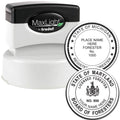
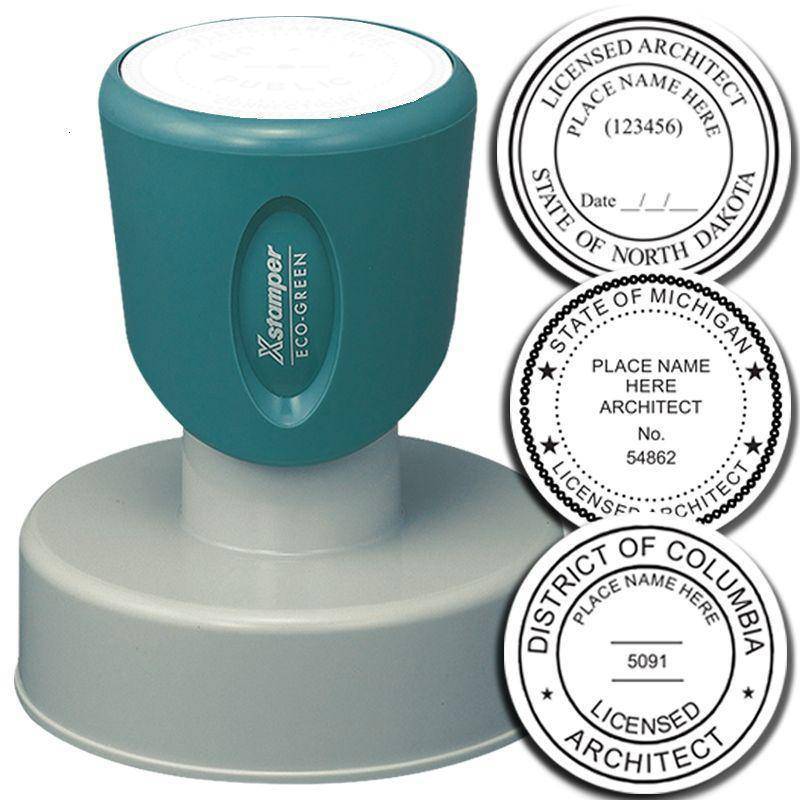
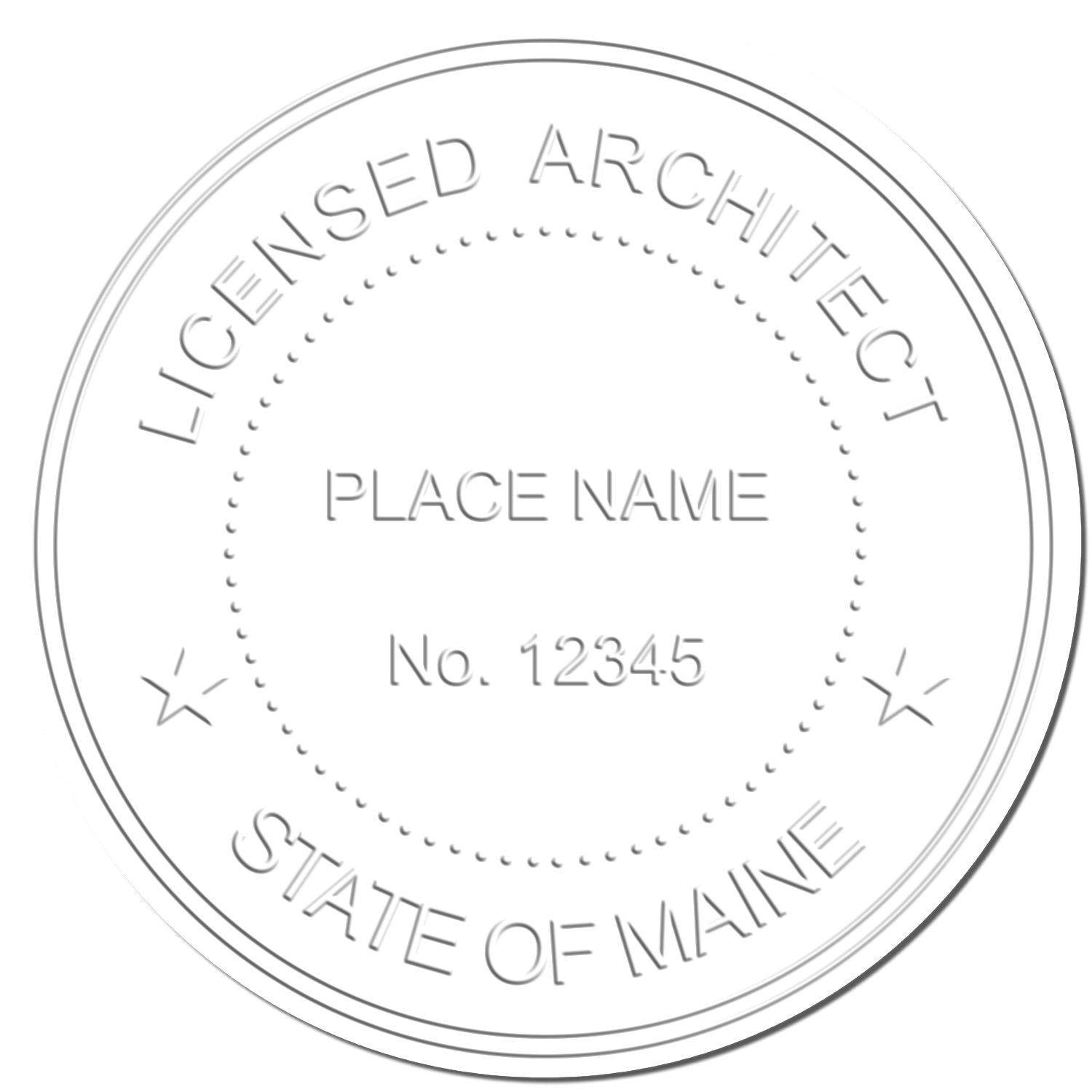
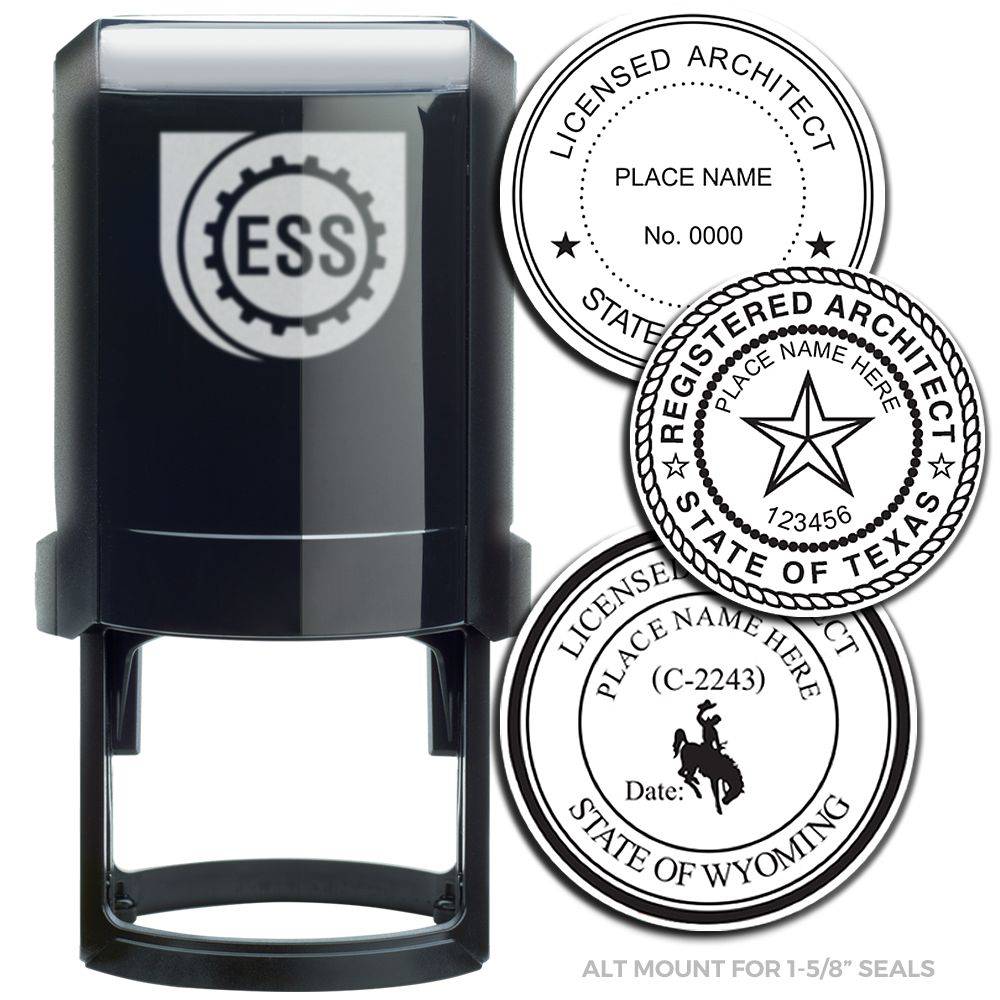
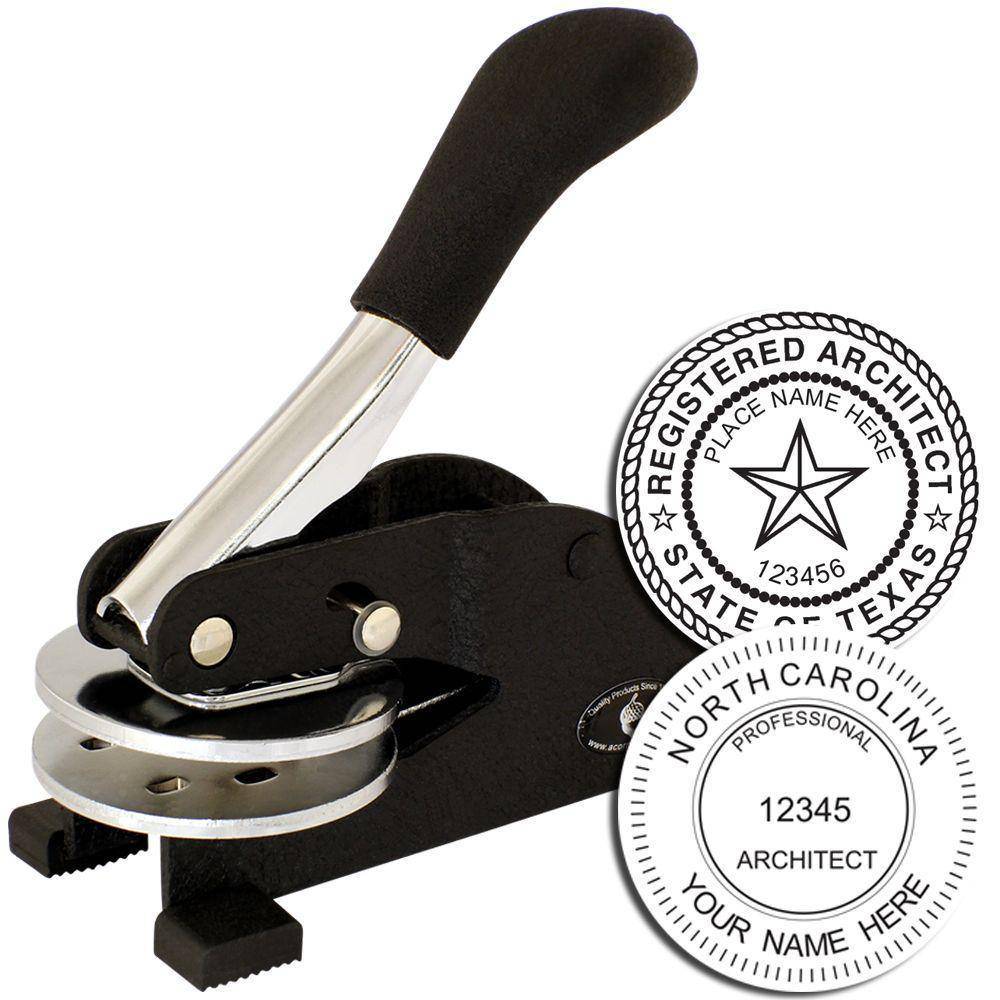
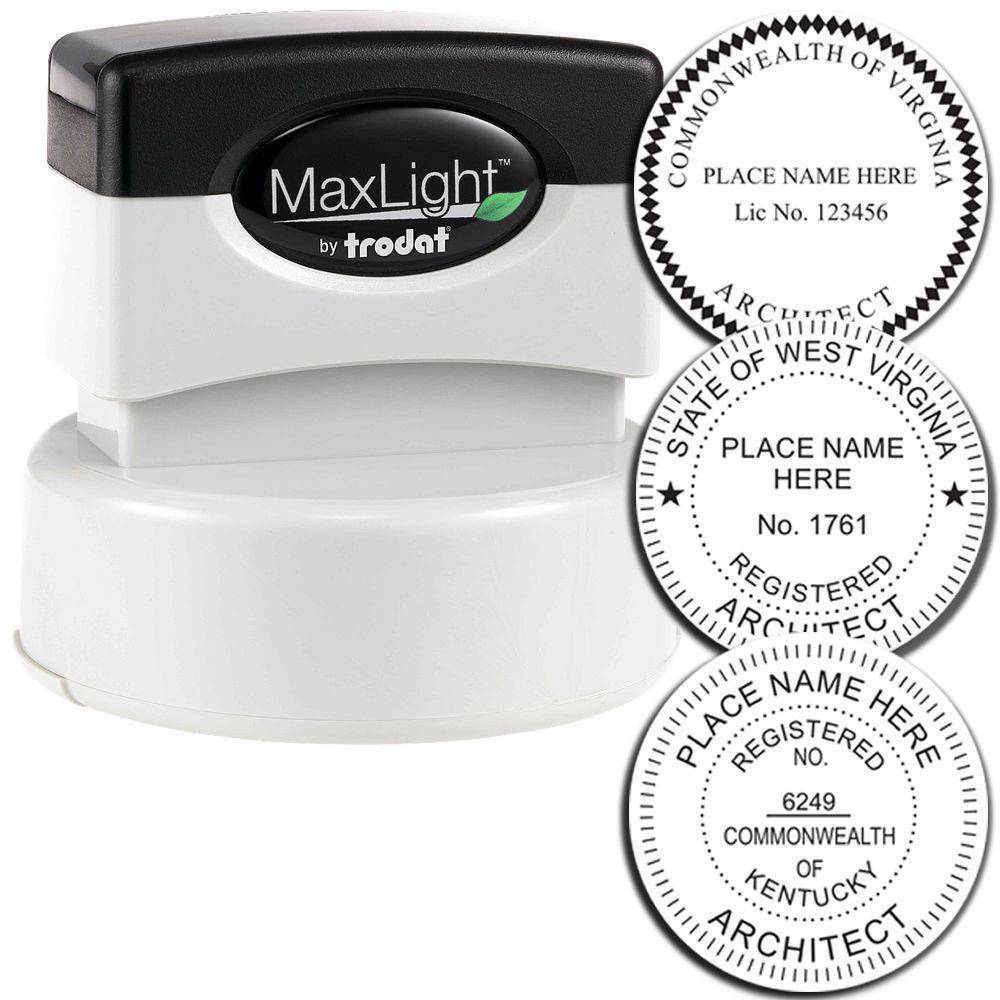
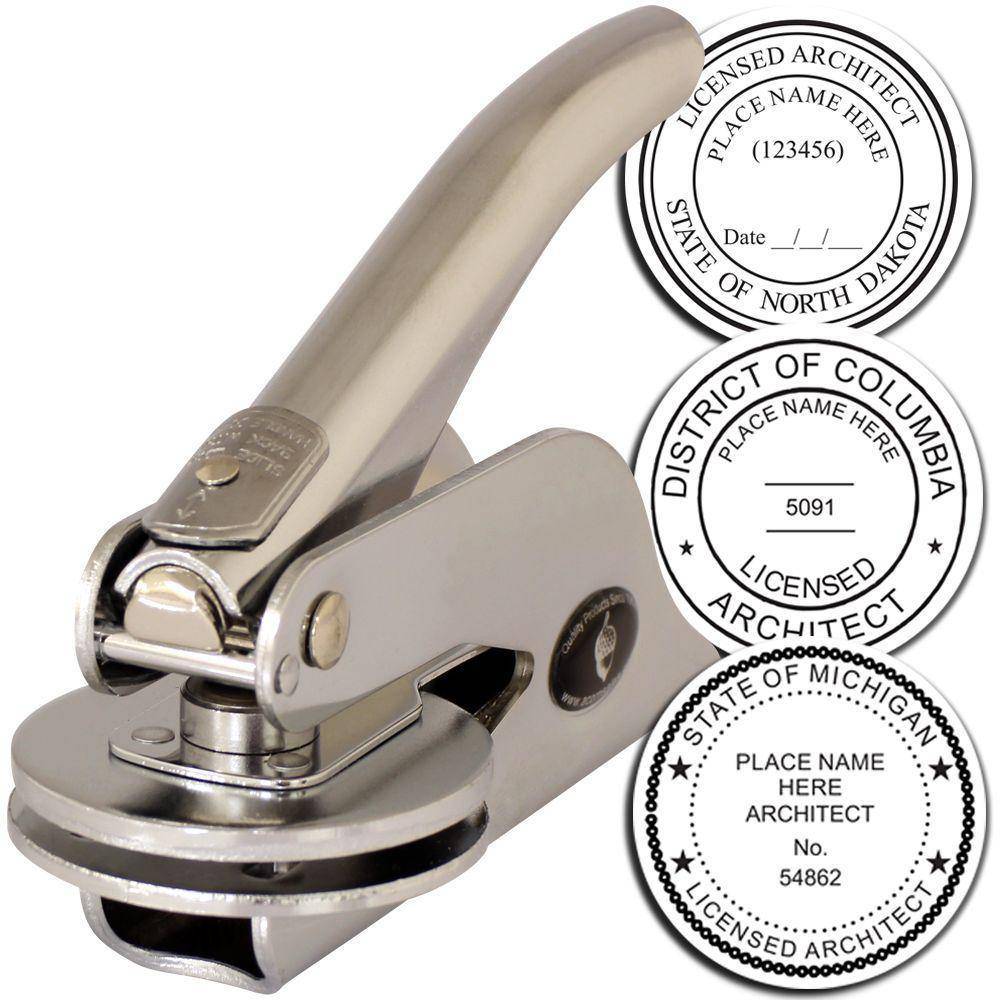
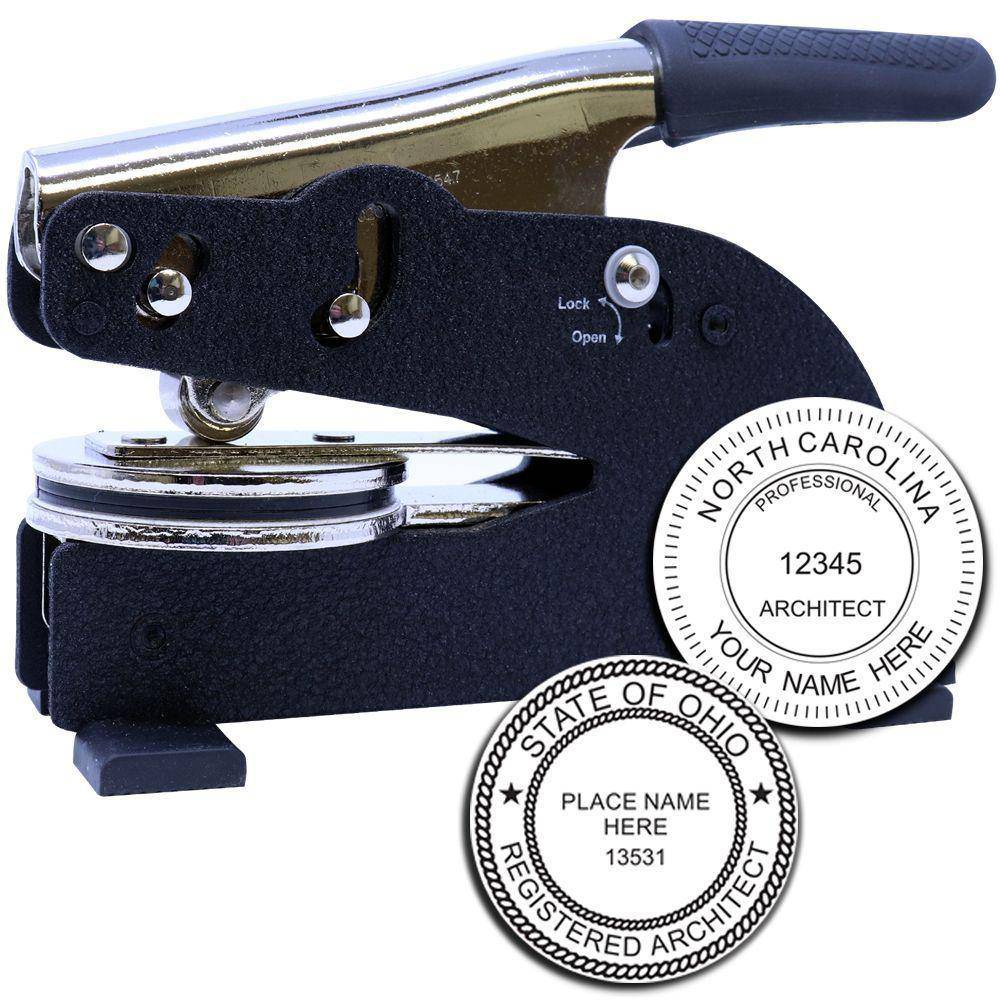
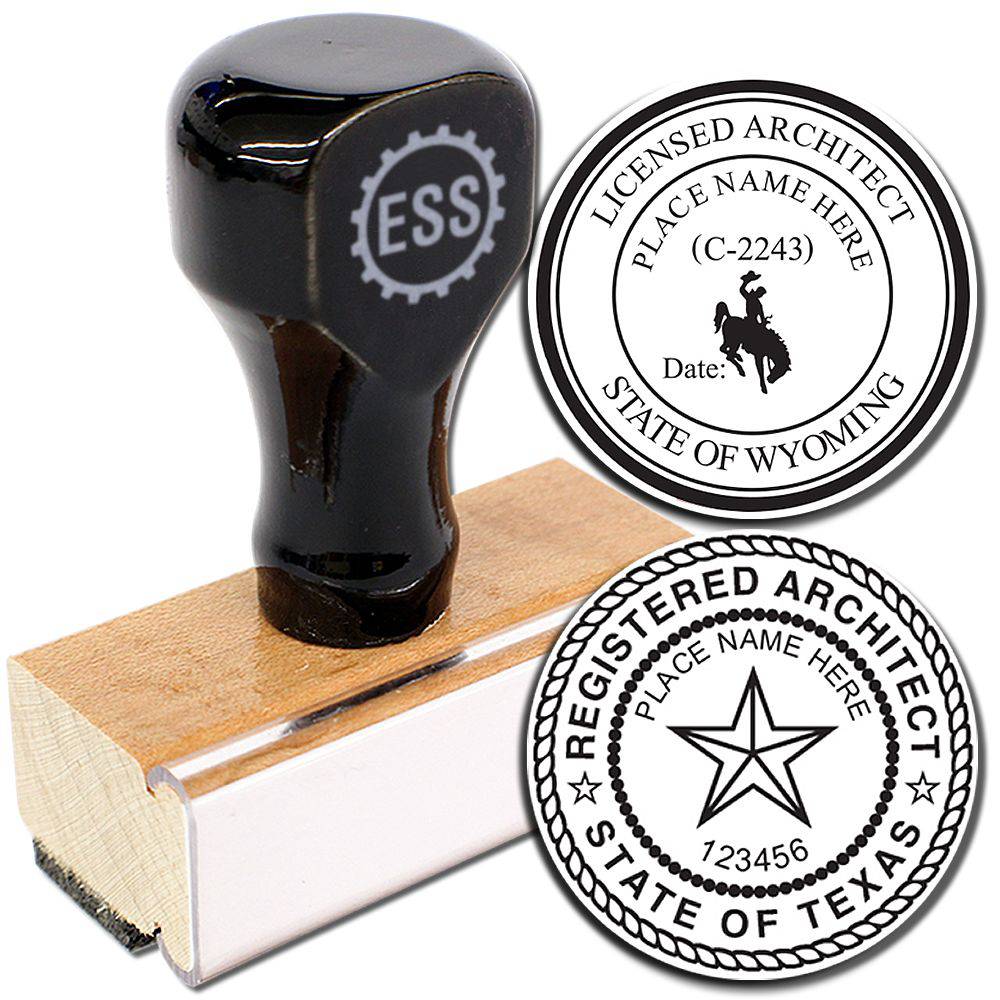
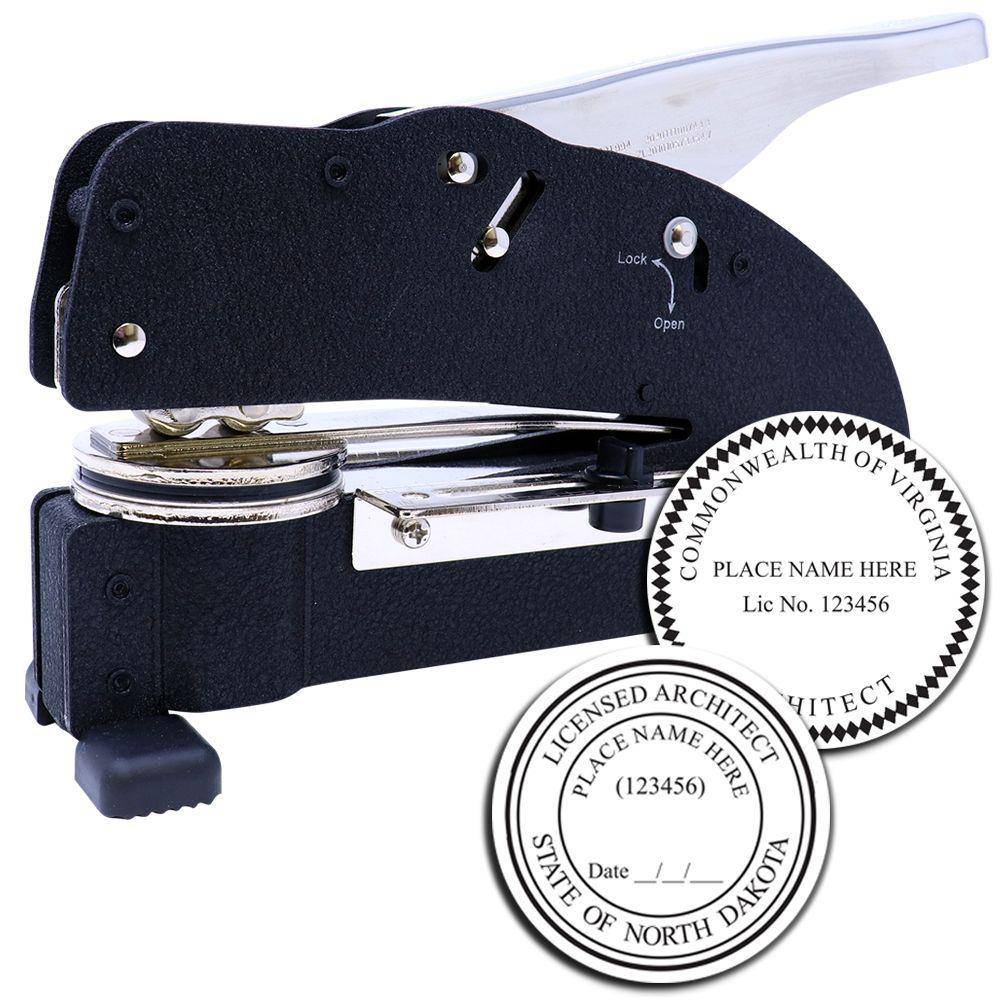
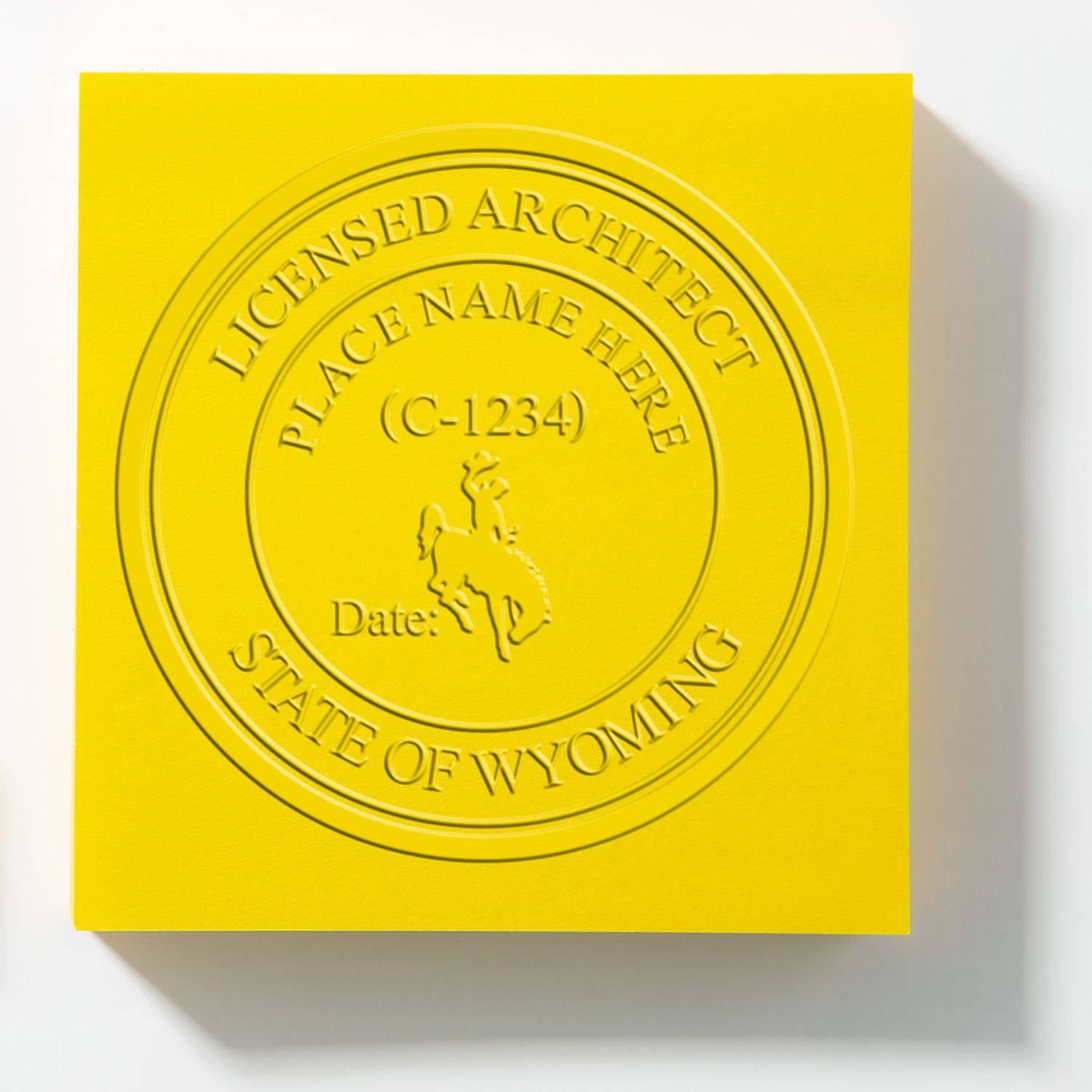
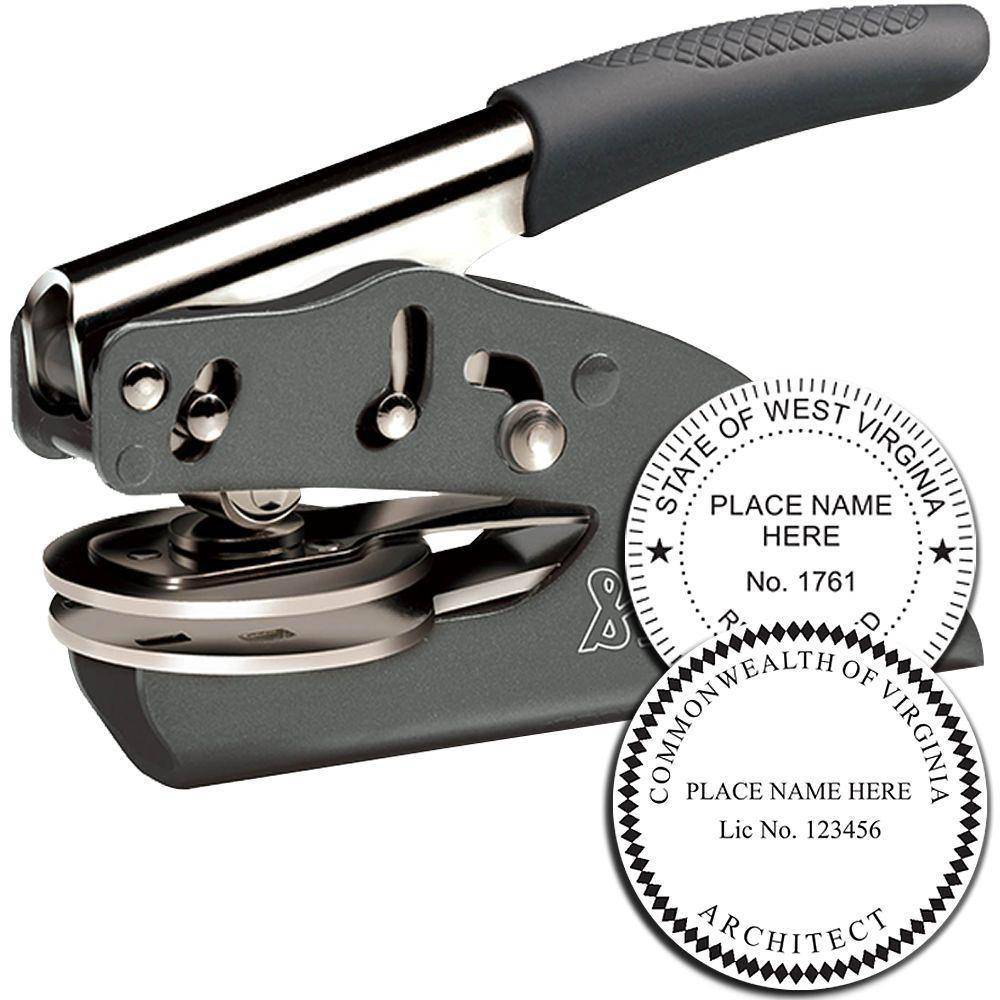
A seal made to your state's seal rule, ordered after the board issues your license number. Most state rules put that number on the face of the seal, so the order waits for it. In Vermont, the Office sends the seal design once you are licensed.
The face, size and permitted devices come from the seal rule, not the licensing rows above. Our guide to architect seal requirements by state compares all 54, and each state name in the table opens that state's seal page. If you will seal PDFs, read our overview of electronic seals and digital signatures first.






Does your architect license cover your firm?
The rows on this page cover the individual license only. Whether a firm offering architecture also needs its own registration, certificate of authorization or firm seal is a separate question, answered state by state on our firm seal and certificate of authorization page.
Keep the two orders apart: your personal seal follows the seal rule for your own license, and a firm seal follows the firm rules on that page.




How often do you renew, and how much continuing education is required?
Every two years in 37 rows. Thirteen renew every year, Arizona and New York every three years, and Puerto Rico every five; Montana's cycle is not stated. Nineteen rows ask for 12 continuing education hours each year, and 21 ask for 24 per renewal period.
Most rows require HSW hours, and some count in PDH or PDUs. California asks for 5 hours on disability access and 5 on zero net carbon design per cycle, Illinois at least 1 hour of sexual harassment prevention, and Texas 1 barrier free and 1 sustainable design hour a year.
New York asks for 36 hours per three year period and Nevada 8 units a year. New licensees get relief in Maine, Mississippi, North Carolina, Oregon and Tennessee. North Dakota has no CE requirement per its board FAQ, and the rows for Arizona, Guam, Kansas, the Virgin Islands and Wyoming give no hour figure.




Frequently asked questions
How long does it take to become a licensed architect?
The rows count experience rather than total time. Colorado, Guam, Hawaii, New York, Tennessee and Vermont set 3 years after the professional degree, and New Jersey and Pennsylvania at least 3 years of AXP. Arizona and California set 8 years of combined credit, with a NAAB degree worth 5. Routes with no degree run 8 to 13 years.
Can I use my architect license in another state?
Each license here comes from its own board under its own law, and no row describes a license from elsewhere carrying over by itself. The NCARB Certificate helps in some: South Dakota treats it as meeting its requirements, Utah lists it as a route, and North Dakota requires it. Plan on a separate seal for each state too, as our architect seal guide explains.
Does an architecture degree from outside the U.S. count?
In many jurisdictions, after an evaluation. Florida accepts a foreign degree only when NCARB evaluates it as NAAB equivalent, and eight rows accept an EESA evaluation of education from outside an accredited program. Maryland wants a course by course evaluation, and Puerto Rico's board reviews foreign degrees itself.
Can I start the ARE before I finish school or experience?
In some jurisdictions. Ohio opens the ARE during an IPAL program, Rhode Island lets IPAL students in a NAAB program test before graduating, and Vermont allows testing once only the final year of experience remains. New Jersey requires board approval first, as does Pennsylvania for applicants without a NAAB degree.
Do I need an NCARB Record?
Ten rows name it: Alaska, Indiana, Iowa, Kentucky, Louisiana, Maine, Mississippi, Montana, South Carolina and Virginia, where it is how a non NAAB degree is evaluated. South Carolina wants it to show education, ARE and AXP complete before you apply.
Can an engineer become a licensed architect?
Two rows set a path. New Jersey lets an NJ licensed professional engineer with an accredited engineering degree qualify by passing the ARE, and Tennessee accepts an ABET architectural engineering or technology degree of 4 or more years with 7 years of experience and AXP.
When your license number arrives, choose the state on your license in our architect seal and stamp collection and have your name and number exactly as the board issued them.