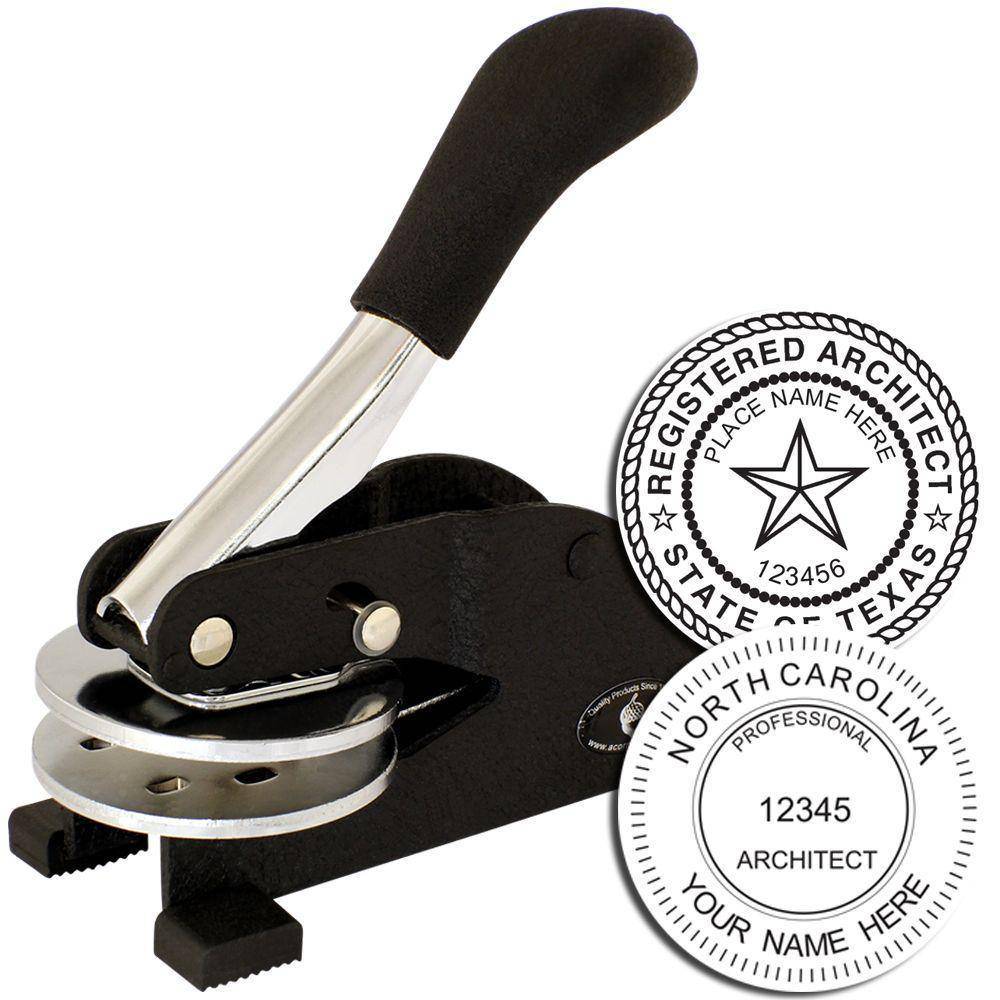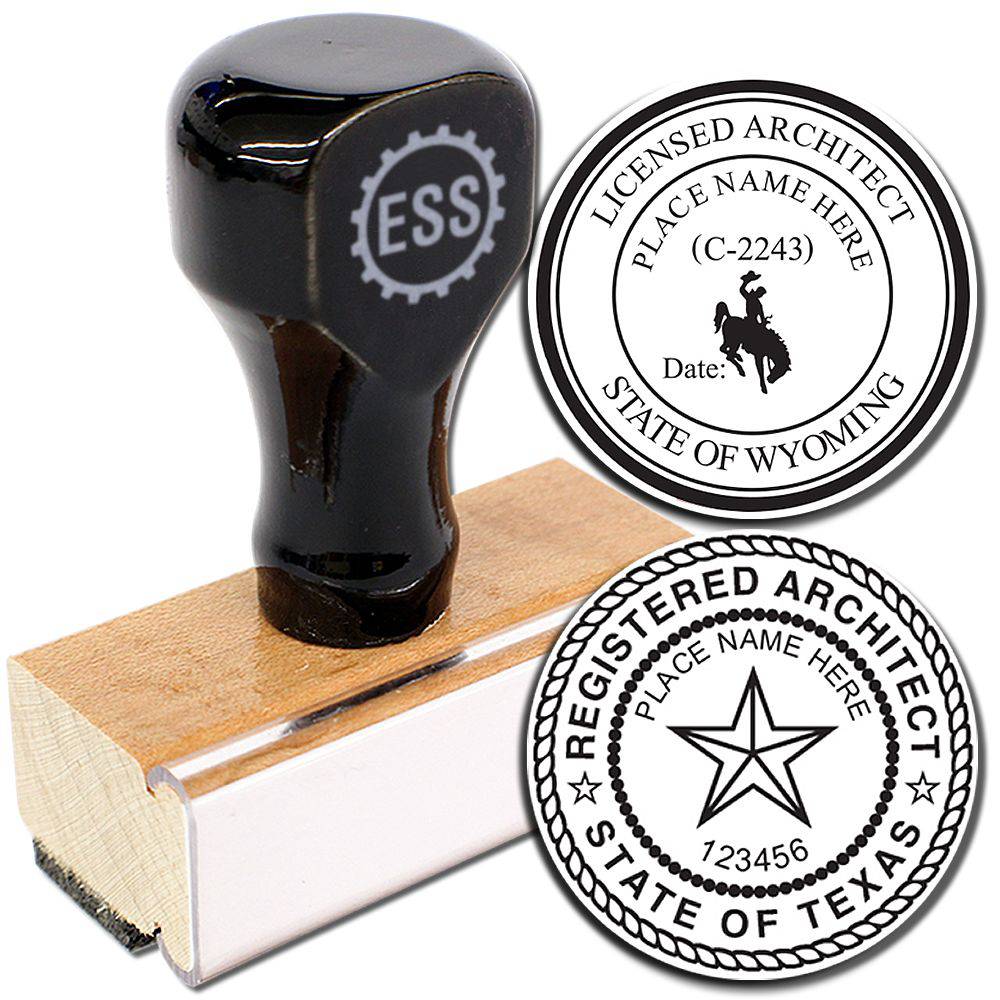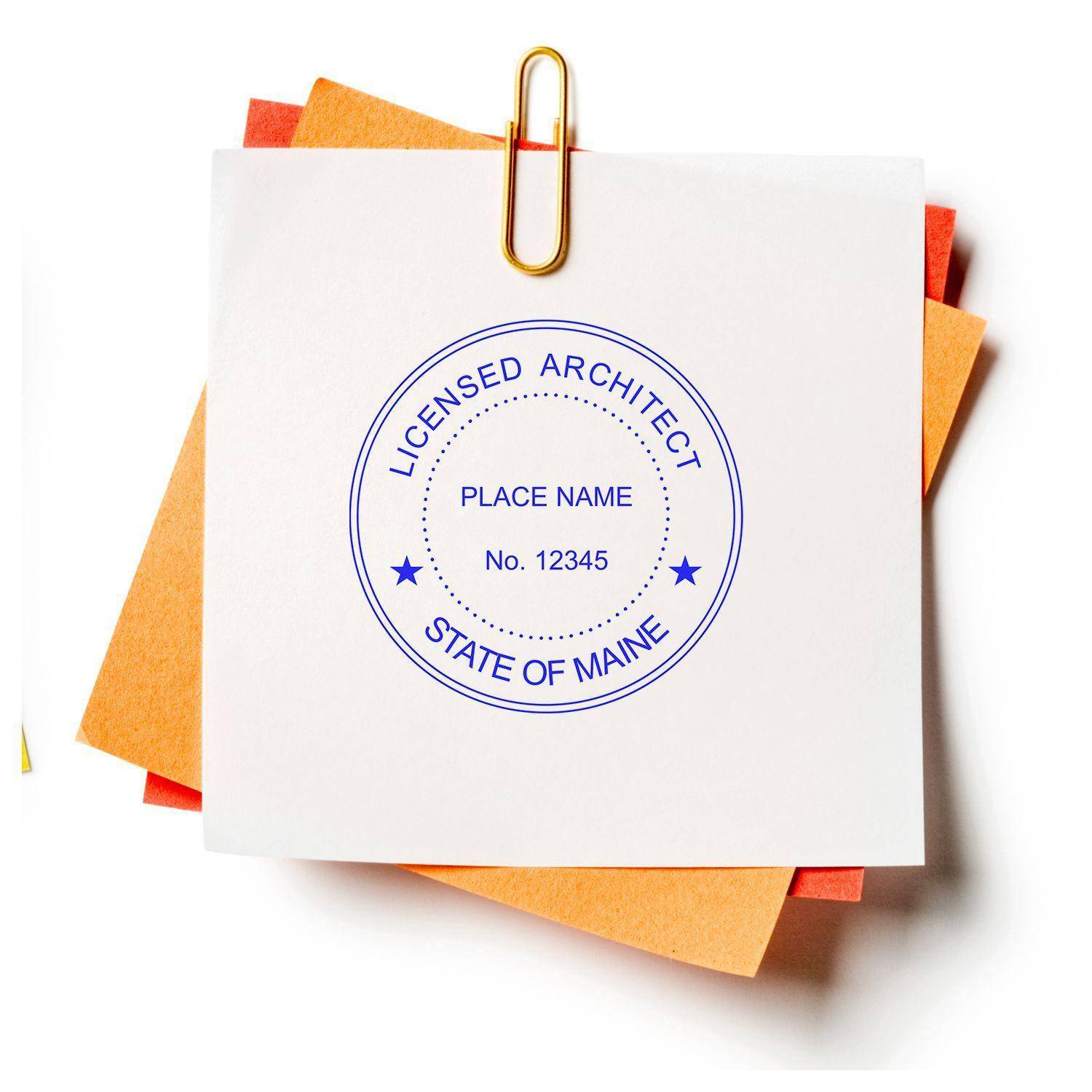
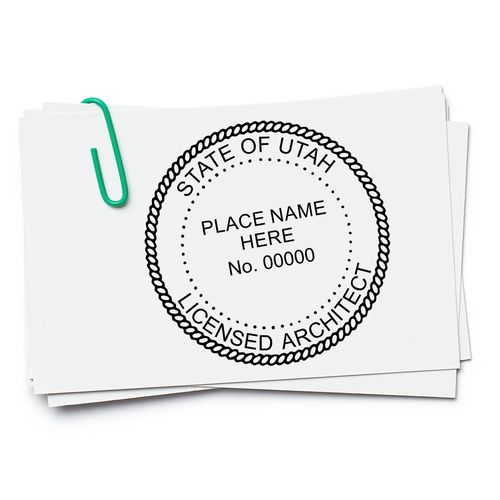
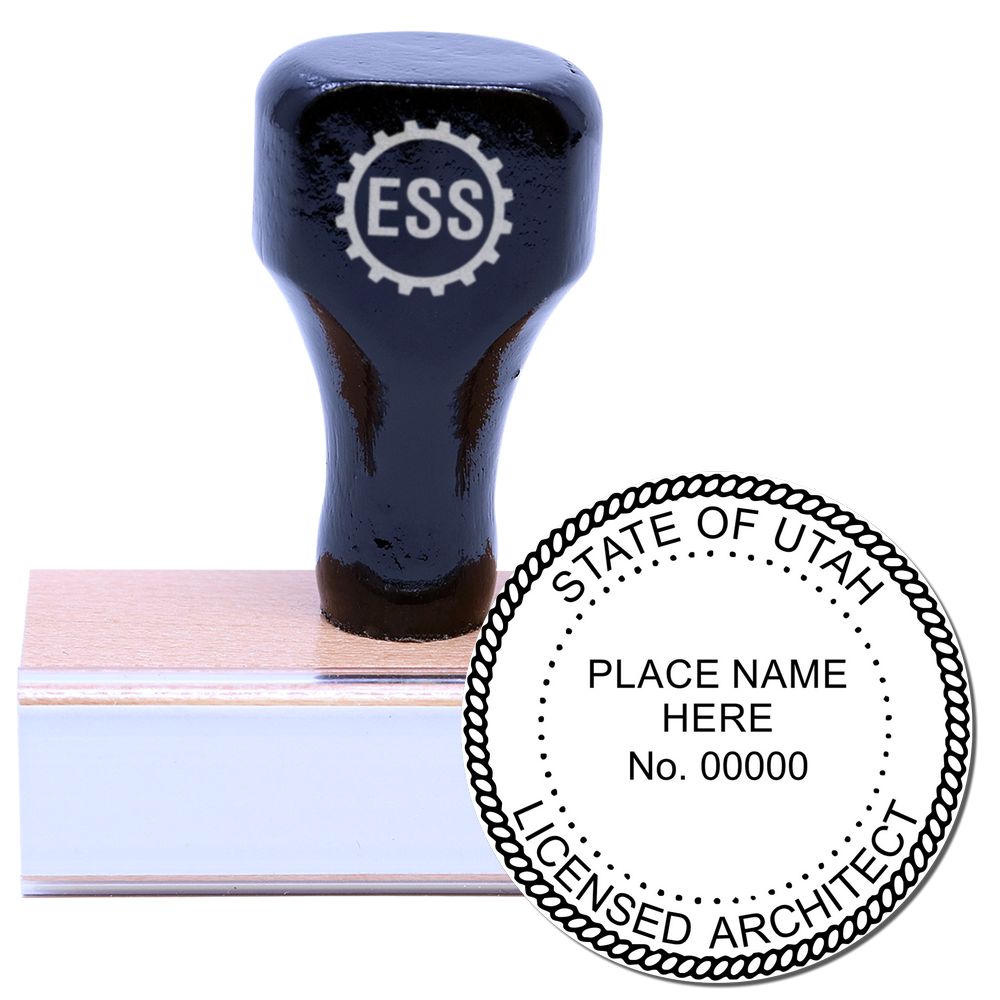
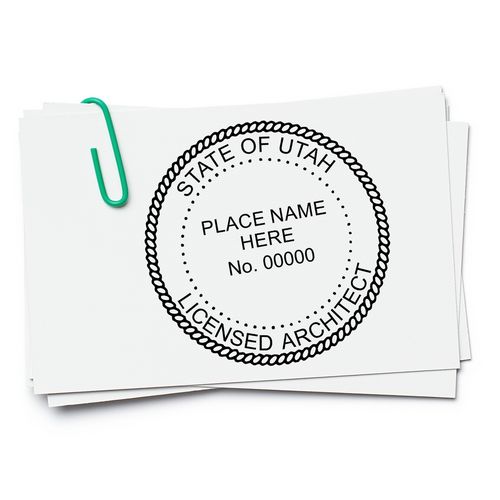
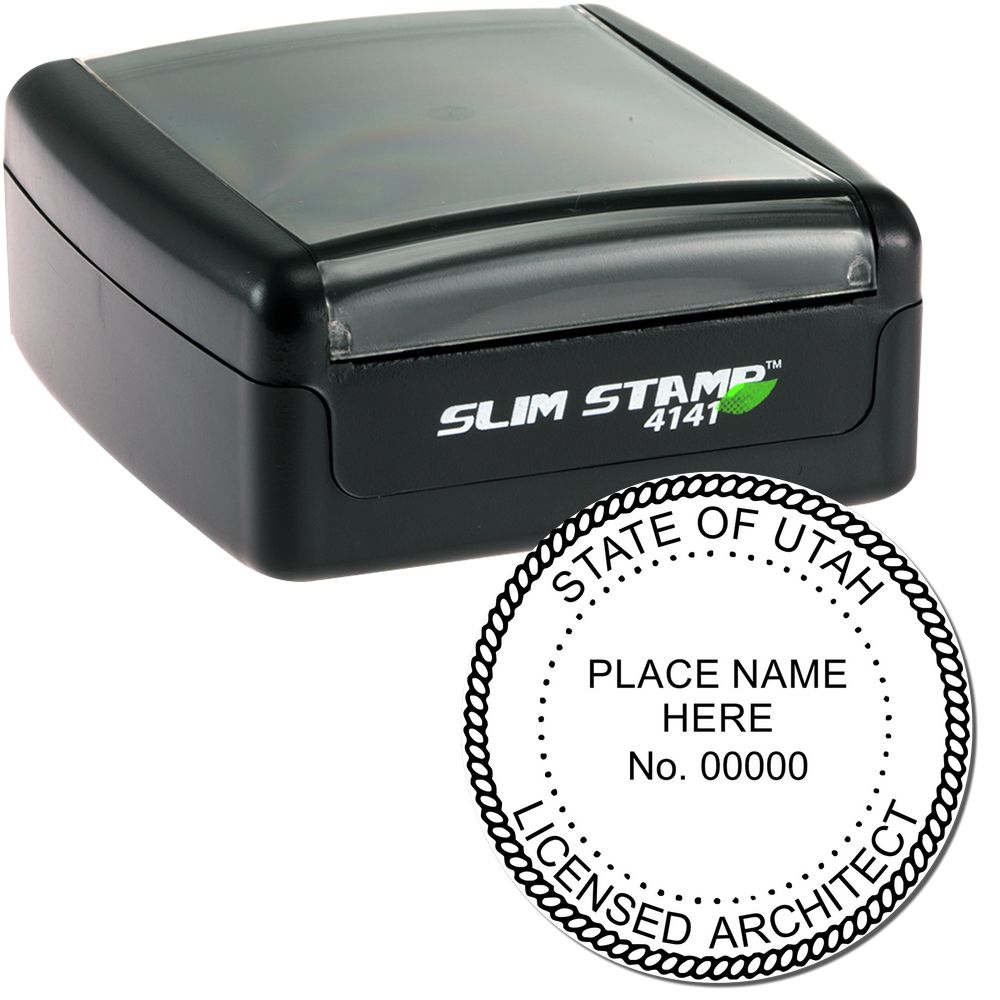
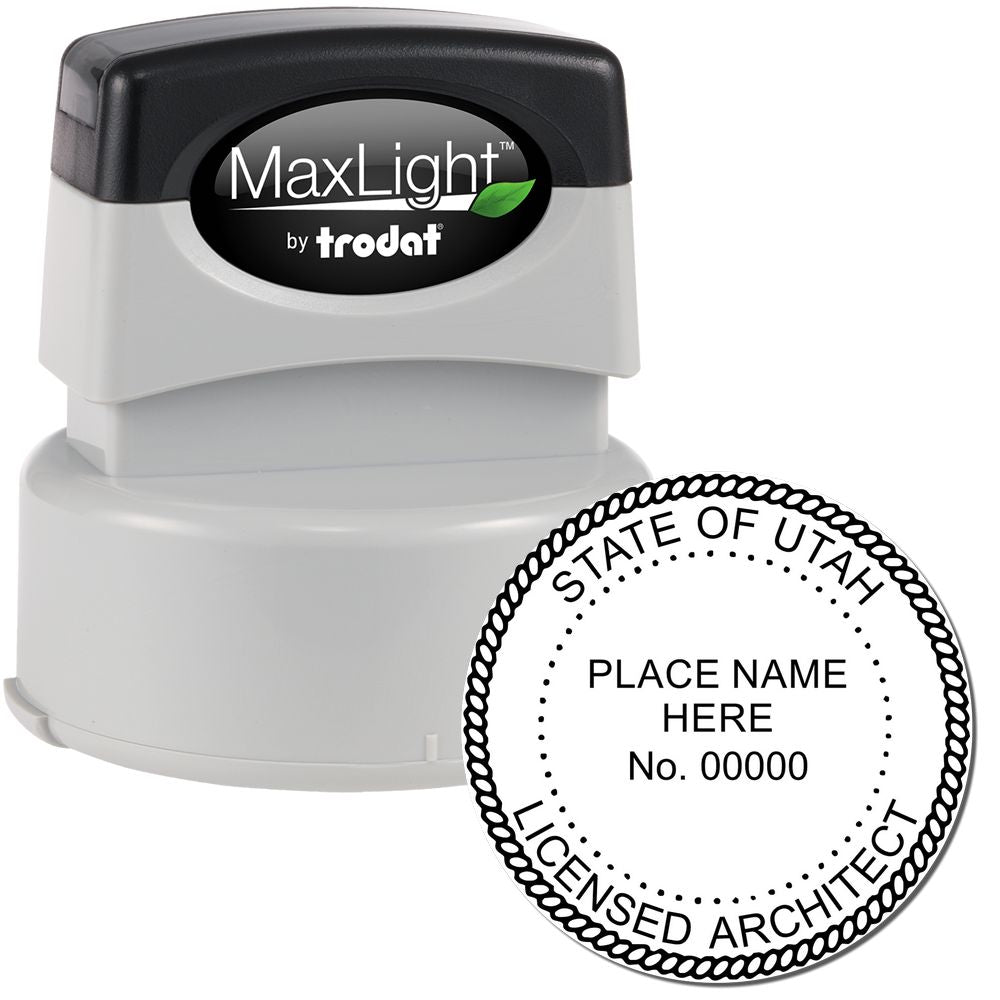
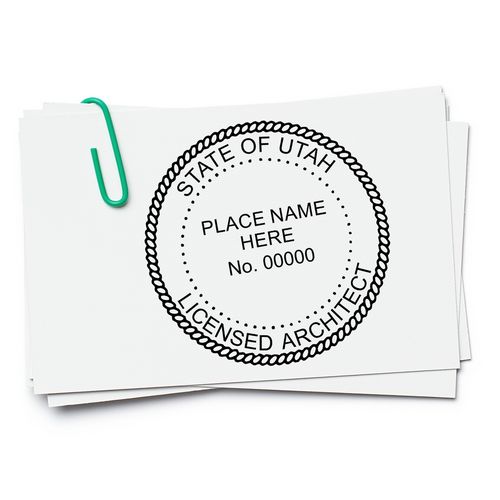
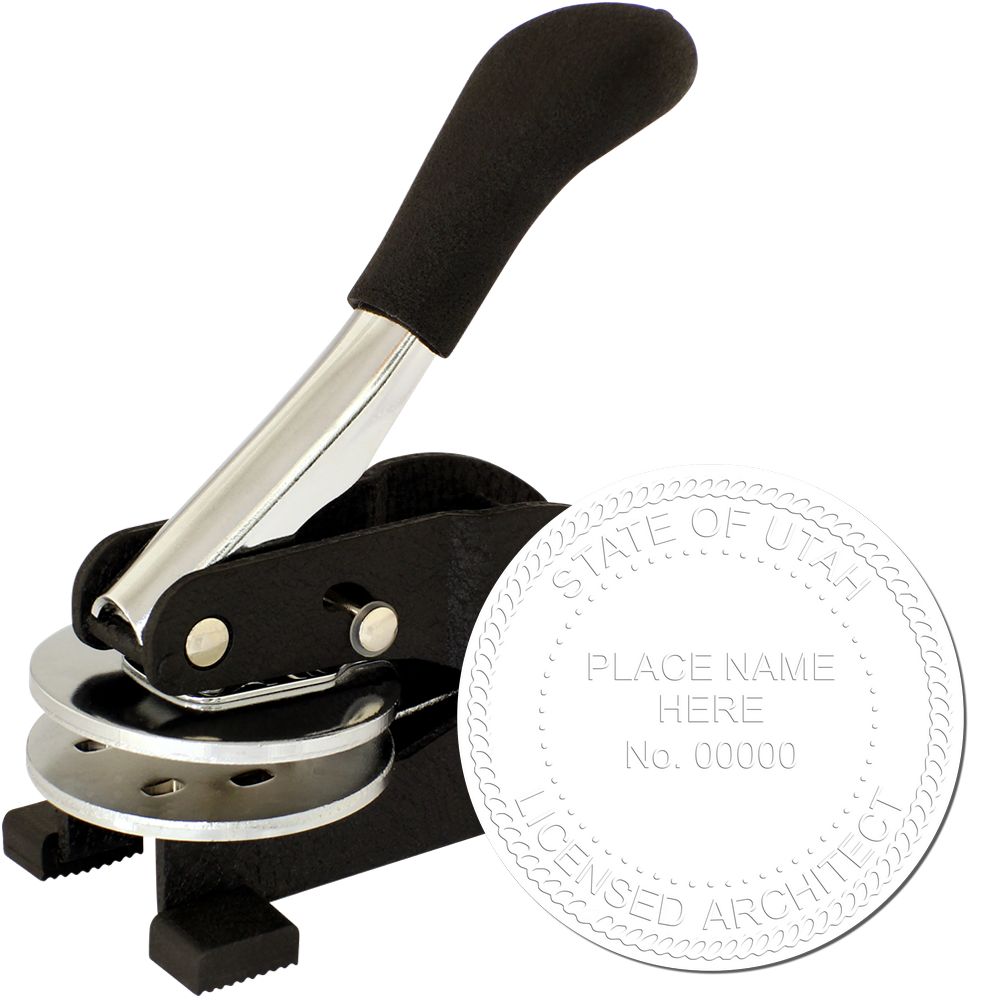
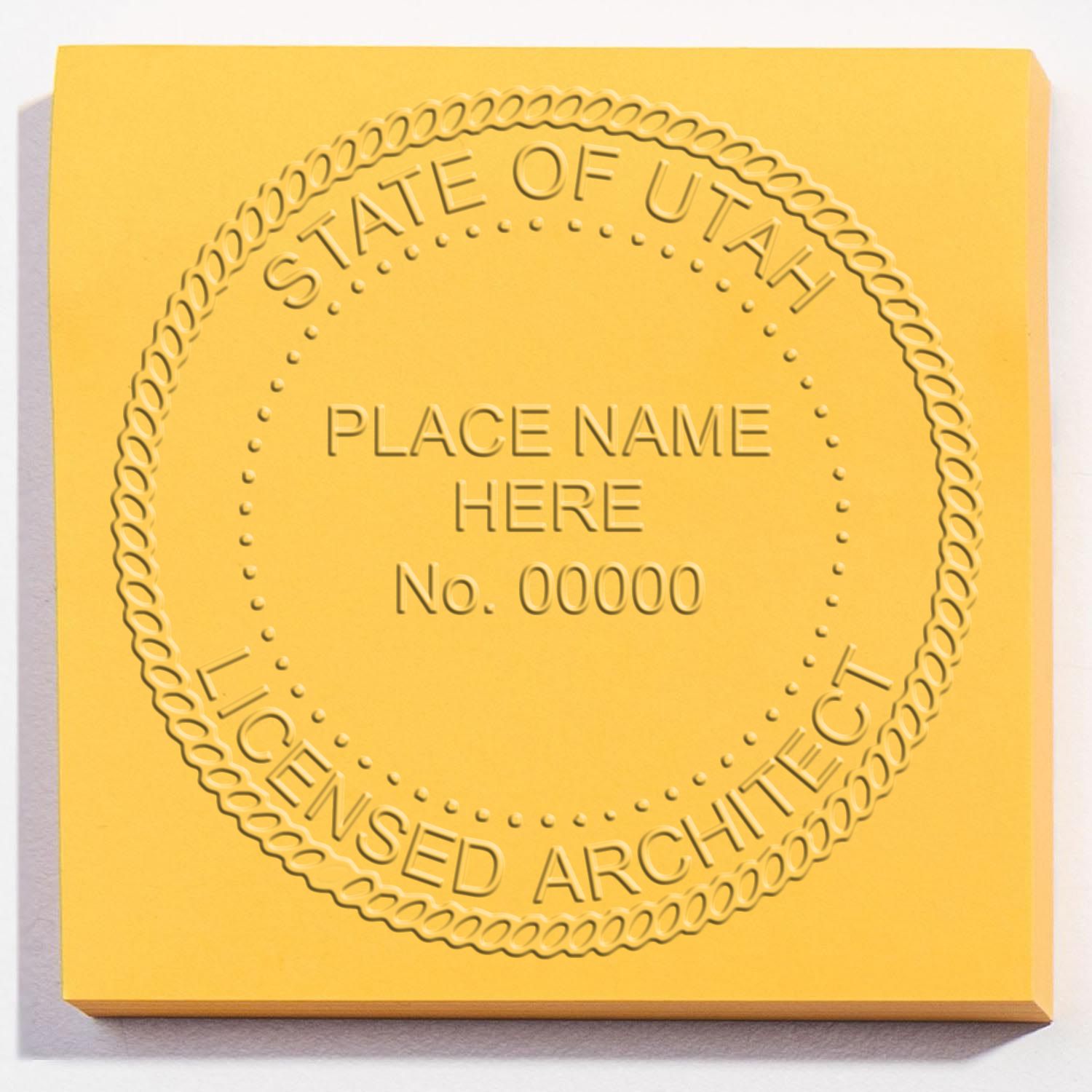
A Utah architect's seal is circular, at least one and one half inches across, and shows the words Licensed Architect and State of Utah, plus your name as licensed and your license number. Electronically generated seals and signatures are acceptable, and securing a distributed document falls on the licensee. This page covers the wording, the size, the sealing duty and electronic use.
Engineer Seal Stamps compliance desk. Checked against Utah Admin. Code R156-3a-601(1). Sources read September 2026.
| Requirement | What the rule says | Source |
|---|---|---|
| Seal wording | The words Licensed Architect, the words State of Utah, your license number, and your name as licensed. | Utah Admin. Code R156-3a-601(1) |
| Shape | Circular. | Utah Admin. Code R156-3a-601(1) |
| Minimum diameter | One and one half inches. | Utah Admin. Code R156-3a-601(1) |
| Maximum diameter | None. The rule fixes a floor and leaves the ceiling open. | Utah Admin. Code R156-3a-601(1) |
| Device type | The architect rule names no device type at all. | Utah Admin. Code R156-3a-601 (silent) |
| Signature and date | Technical submissions are signed and dated with the licensee's seal. | Utah Admin. Code R156-3a-601 |
| Placement on the sheet | The rule fixes no position for an architect's seal. | Utah Admin. Code R156-3a-601 (placement not prescribed) |
| Electronic seals | Electronically generated seals and signatures are acceptable. | Utah Admin. Code R156-3a-601 |
| Security duty | The licensee is responsible for providing adequate security when documents carrying electronic seals and signatures are distributed. | Utah Admin. Code R156-3a-601 |
| Documents needing the seal | Every technical submission the licensee prepared or supervised, addenda and other changes included. | Utah Admin. Code R156-3a-601, with R156-3a-102(13) and R156-3a-502(1) |
To compare Utah with every other jurisdiction, see our table of architect seal requirements by state. How an architect reaches licensure in Utah, from education through the ARE, appears in the national table on architect licensing requirements.
What must a Utah architect's seal show?
Four items inside a round outline: the words Licensed Architect, the words State of Utah, your license number and your name as licensed. The rule states the shape as part of the same provision, so the circle is a requirement rather than a convention.
Take the name and the number from the license itself. A closer read of the design points, with the wording set out item by item, is on the Utah architect stamp requirements in full.
What size does the rule set?
A minimum of one and one half inches in diameter, with no upper limit. R156-3a-601(1) gives a floor only, so any circular device at or above that measurement satisfies the dimension the rule states.
Four items at the minimum diameter leaves little spare room, particularly when a long name shares the inner space with a number. Where your submissions are large format sheets, a wider die keeps the license number readable after printing and copying.
Does the rule say which device to use?
No. The architect rule is silent on device type, naming neither a rubber stamp nor an embosser nor a computer generated image, even though Utah's sister rules for other professions do address the question.
Silence here means the choice is yours, judged by what the document has to do. Comparisons between the formats, and what each suits, are covered on choosing a Utah architect stamp.
Which documents count as technical submissions?
Documents that public authorities require for building permits or regulatory approvals, and documents intended for construction purposes. Addenda and other changes fall inside the same category, so a revision carries the same duty as the original issue.
The definition is functional. A drawing set headed for a permit counter is covered, and so is the addendum that changes it three weeks later. Where a document will serve either purpose, treat it as a technical submission from the start.
Who has to seal them?
The licensee who prepared the submission, or the licensee under whose supervision it was prepared. The rule ties the seal to preparation and supervision rather than to the firm that holds the contract.
That places the decision with the individual named on the die. Practical guidance on applying the rules inside a practice is on the Utah architect stamp guidelines in practice.
How are the seal, signature and date applied?
Together. The rule asks that a technical submission be signed and dated with the licensee's seal, which makes the three marks one act rather than three separate steps to be done whenever convenient.
A sealed but undated sheet is therefore short of what the rule describes. Date at the moment of sealing rather than at the end of a set.
Where does the seal go on the sheet?
Anywhere legible. Placement is not prescribed for architects in the provision quoted here, so the rule sets no corner, no title block position and no relationship between the impression and the signature.
Keep it consistent across a set even so. Where an authority's own submission instructions ask for a position, those instructions govern rather than the seal rule.
Are electronic seals acceptable in Utah?
Yes, in plain terms. The rule states that electronically generated seals and signatures are acceptable, and it names no file format, no certificate type and no particular software.
What the rule does add is a duty, and it attaches to the licensee rather than to the tool. That distinction is worth reading closely before a practice moves to an electronic workflow.
Who is responsible for securing a sealed file?
You are. The rule makes it the responsibility of the licensee to provide adequate security when documents carrying electronic seals and signatures are distributed, so the obligation does not pass to a consultant, a printer or a document portal.
In practice that means controlling who holds a usable copy of your seal image and how a sealed file is transmitted. Once your seal leaves your hands inside an editable file, the duty stays with you. Why the device carries that weight is set out on what a Utah architect stamp does for your documents.
What does the seal rule say about renewal or lapse?
Nothing. R156-3a-601 does not address what becomes of the device when a license is renewed, expires or lapses, and the renewal provisions cited here are not written into the seal rule.
Since the seal names you as a Licensed Architect, current licensure is the fact it represents. Treat the device as tied to the license even though the seal rule itself is quiet on the point.
What do we need to make your Utah seal?
Your name as licensed, your license number, and the diameter you want at or above the one and one half inch minimum. The two fixed phrases come from the rule and we set them.
We proof the die before cutting. Check the number against your license record and the name against the spelling the license carries.
Frequently asked questions
Can a Utah architect seal be square or oval?
No. The rule states a circular seal as one of the required design points, alongside the wording and the license number.
Is an embosser allowed for architects in Utah?
The architect rule names no device type, so it neither authorizes nor rules out any particular format. Choose on how your documents are copied and distributed, and keep the wording and the minimum diameter right whichever you pick.
Do addenda need to be sealed?
Yes. Addenda and other changes fall inside the technical submissions the rule covers, so a revision is sealed on the same terms as the document it changes.
Does an electronic seal need a particular signing technology?
None is named. The rule accepts electronically generated seals and signatures without specifying a standard, and pairs that acceptance with the licensee's security duty.
Can I use one seal for work in Utah and in another state?
No. The wording State of Utah and Licensed Architect is specific to this license, so each jurisdiction needs its own device.
How do I check the impression before I use it?
Stamp a test sheet, copy it, and read all four items on the copy. That is the version that reaches a permit reviewer.
Send your licensed name and license number and we will proof a compliant circular die before it is cut. Sizes and formats are on the Utah architect stamps and seals page.