Remote online notarization is authorized and open to notaries in 47 of the 54 U.S. jurisdictions in our table. California, Guam and Massachusetts have remote provisions in law that notaries could not use when we read the sources. Georgia, Mississippi, Puerto Rico and South Carolina show no remote authority in the official sources we read. Below: each jurisdiction's rule, what the electronic seal must show, and how the digital certificate fits in.
Engineer Seal Stamps compliance desk. Checked against each commissioning office and statute. Sources read September 2026.
| Jurisdiction | Remote online notarization | Source |
|---|---|---|
| Alabama | Allowed by two-way audio-video while the notary is in Alabama; the recording is kept seven years. | Ala. Code § 36-20-73.1 |
| Alaska | Written request and approval first; $100 with a new commission or $25 for each remaining year of the term. | AS 44.50.075; Lieutenant Governor, Updated Notarial Capabilities |
| Arizona | A separate request for current commission holders, with no added fee or bond at this time. The notary must be in Arizona. | Secretary of State Remote and eNotary page |
| Arkansas | Arkansas eNotaries in good standing may use an approved solution provider after eNotary training and an exam. The notary must be in Arkansas; the provider keeps recordings five years. | Secretary of State, eNotary page; Notary Public and eNotary Handbook (Rev. 1-2025) |
| California | Not yet authorized. The SB 696 provisions become operative no later than January 1, 2030. | Secretary of State 2026 Notary Public Handbook |
| Colorado | Separate approval for Active notaries after remote training and an exam; $10 application; notary in Colorado; recordings kept ten years. | Rule 5.2.1; C.R.S. § 24-21-514.5; Secretary of State remote FAQ |
| Connecticut | Authorized since October 1, 2023; the notary must be located in Connecticut. | Public Act 23-28; § 3-95b; Notary Public Manual |
| Delaware | Requested through the Notary Profile using state-approved technology; notary in Delaware; recordings kept at least 10 years. | 29 Del. C. §§ 4320(k), 4320(l), 4333(b); Notary Administrator FAQs |
| District of Columbia | Separate electronic and remote endorsements at $30 each, open after one year as a commissioned DC notary. | ONCA Notary Commissions page |
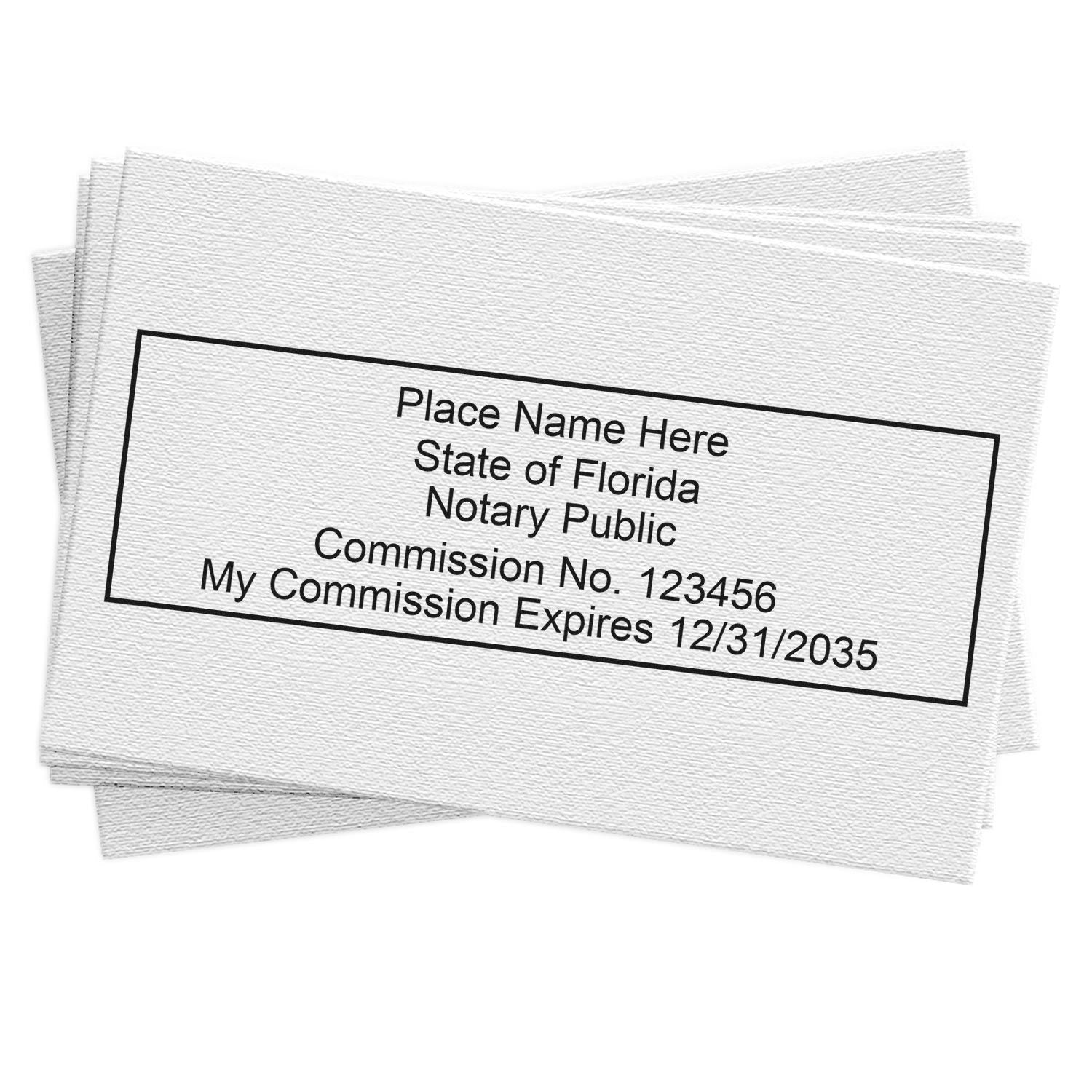
| Florida | Registration needs a current commission, a course, a $25,000 bond and $25,000 of errors and omissions coverage. The electronic signature carries the name, commission number and expiration date. | Fla. Stat. §§ 117.225, 117.021(3) |
| Georgia | No remote online notarization procedure appears in the GSCCCA's statement of Georgia notary law. HB 289 (2025 to 2026) is not on the Governor's signed legislation lists. | GSCCCA, Georgia Notary Law; Office of the Governor, 2025 and 2026 Signed Legislation |
| Guam | Article 10 provides for registration, an approved course and an exam, but the Attorney General's page lists the remote forms as no longer available. | 5 GCA § 33803; Attorney General notary program page |
| Hawaii | A second commission for active notaries, with its own exam; $20 plus $100; notary in Hawaii; recordings kept ten years. | Haw. Admin. R. §§ 5-11-46, 5-11-61, 5-11-64, 5-11-68, 5-11-73 |
| Idaho | Notify the Secretary of State and identify the technology before the first remote act. | Idaho Code § 51-114A |
| Illinois | A separate electronic notary commission with a $25 fee and its own course and exam; audio-video notarizations need a $25,000 bond. | 5 ILCS 312/2-102, 2-103, 2-105(b) |
| Indiana | Separate authorization: $100 fee, an online course and a remote exam; notary in Indiana. The remote seal carries the same information as the physical seal. | INBiz Notaries page; Indiana Notary Public Guide |
| Iowa | Separate approval at no fee after an approved course taken within six months; notary in Iowa; recordings kept at least ten years. The official stamp may be an electronic image. | Iowa Code §§ 9B.2, 9B.14A, 9B.17; 721 IAC 43.5(3) |
| Kansas | Free training and exam, then Form NC; remote notarization adds a $20 fee. | Kansas Notary Handbook; Secretary of State notary page |
| Kentucky | Separate registration with the Secretary of State; notary in Kentucky. The stamp may read "Online Notary Public," and the electronic journal and recordings are kept ten years. | KRS 423.385; 30 KAR 8:005 |
| Louisiana | Separate authorization: an application, the Secretary of State's course and a one-time $100 fee. | La. R.S. 35:625.1; LAC 46:XLVI.144 |
| Maine | Allowed once the Secretary of State approves your notice naming an approved technology provider. Zoom and FaceTime are not allowed. | Secretary of State, Notaries Public FAQ |
| Maryland | Allowed since October 1, 2020 once you file the remote notary notification and pick an authorized vendor. | Secretary of State, Remote Notary Information page |
| Massachusetts | Authorized by a 2023 law, but the Secretary reports that the training and the notification form are not yet available. | Secretary of the Commonwealth, Remote Online Notarization |
| Michigan | Allowed on a state-approved system; file the E and R form with proof, at no fee. | Notary services page; E and R Request for Change (Rev. 02/26) |
| Minnesota | A separate authorization with no fee; the notary must be physically in Minnesota. Stamp information may be affixed electronically. | Secretary of State, Remote Online Notarization Authorization; Minn. Stat. § 359.03 |
| Mississippi | Not under the posted statute, which requires the signer to appear physically. The 2020 remote waiver was temporary, and the 2025 remote bill (HB 1154) shows no enactment. In-person electronic acts need a separate registration. | Miss. Code Ann. §§ 25-34-15, 25-34-39; Miss. Admin. Code Rule 1-5-8.1; Secretary of State release, April 7, 2020; HB 1154 (2025) |
| Missouri | Open to commissioned notaries who register, train online and use approved software while physically in Missouri. | RSMo §§ 486.1115, 486.1155; Secretary of State, Electronic Notary Info |
| Montana | Secretary of State authorization after an approved course and exam; the notary must be in Montana, and the whole session is recorded. | Mont. Code Ann. § 1-5-615; Secretary of State technology page |
| Nebraska | Separate registration for a commissioned notary: approved course, exam and a $50 filing fee. | Secretary of State online notary steps; Neb. Rev. Stat. §§ 64-401 to 64-418 |
| Nevada | Separate electronic notary registration after a course finished within 90 days before registering. The statute governs electronic acts by audio-video communication. | NAC 240.648; NAC 240.650; NRS 240.1991 to 240.1999 |
| New Hampshire | Notify the Secretary of State of your technology first; notary in New Hampshire; each session recorded and kept 10 years. For electronic records, an X.509 certificate meets the stamp rule. | RSA 456-B:6-a; Secretary of State, Electronic and Remote Notarization |
| New Jersey | Notify the State Treasurer and name your technology before the first remote or electronic act. | N.J.S.A. 52:7-10.10 |
| New Mexico | Separate course and exam, a $75 application and an approved platform, for current commission holders only. The notary must be in New Mexico and uploads a PDF of the electronic stamp. | Secretary of State, Become a Remote Online Notary |
| New York | Register the electronic capability with the Secretary of State first ($60). The notary must be in New York and keeps the recording at least 10 years. | Exec. Law § 135-c; 19 NYCRR § 182.11; DOS notary FAQs |
| North Carolina | Electronic notary registration ($50, a course of at least four hours and an exam) includes remote acts. The notary must be in North Carolina; recordings are kept 10 years. | G.S. 10B-106(b), 10B-107, 10B-134.3, 10B-134.7, 10B-134.15 |
| North Dakota | Recordings are kept at least ten years. Notify the Secretary of State and name the software provider before the first remote act. | N.D. Cent. Code § 44-06.1-13.1; Maintain Notary Commission |
| Ohio | Optional for commissioned Ohio residents: a two-hour course and test ($250) plus a $20 filing fee. The notary must be in Ohio. | Ohio Rev. Code § 147.63; Ohio Adm. Code 111:6-1-03(D), 111:6-1-05(A) |
| Oklahoma | Separate registration with the Secretary of State and a $25 fee. | 49 O.S. § 204 |
| Oregon | Both in-person electronic and remote online notarization, after you are commissioned and the office acknowledges your notice. | Oregon Notary Public Guide |
| Pennsylvania | Notify the Department and use a provider on its approved list. Remote notarization has been permanent since Act 97 of 2020. | Department of State, Electronic or Remote Notarization |
| Puerto Rico | No remote procedure in the Notarial Law as compiled through August 2026; the 2021 Notarial Regulation amendments allow electronic notices only. | Ley Notarial (Ley 75 de 1987, rev. Aug. 27, 2026); Tribunal Supremo, ER-2021-01 |
| Rhode Island | Written permission from the Department of State and an approved solution provider; the notary must be in Rhode Island. The provider issues the digital stamp and seal. | Department of State, Remote Notary page; Notary Public Manual (rev. 7/2024) |
| South Carolina | Not under the Electronic Notary Public Act, which requires the signer to appear in person. Registered electronic notaries (course, exam, $50 fee) act in person only. | S.C. Code §§ 26-2-20, 26-2-30, 26-2-50(A) |
| South Dakota | Name your tamper-evident system vendor on the application or change form; remote act recordings kept ten years. Electronic seals keep the words inside the border. | SDCL 18-1-11.2; SDCL 18-1-3.1; ARSD 05:04:03:01 |
| Tennessee | Current notaries apply to the Secretary of State; $75 fee. The electronic seal follows Rule 1360-07-03-.04. | T.C.A. § 8-16-301 et seq.; Secretary of State online notary guide and seal FAQ |
| Texas | A separate application that includes a digital certificate and an electronic seal; the term ends with your traditional commission. The notary must be in Texas; records are kept five years. | Tex. Gov't Code § 406.105; 1 TAC § 87.41(b); SOS notary FAQs |
| U.S. Virgin Islands | Allowed by statute since 2022 for a notary located in the Virgin Islands, after notice to the Lieutenant Governor naming the technology to be used. The audio-visual recording is kept at least five years. | 3 V.I.C. § 824 (Act No. 8542, 2022) |
| Utah | A separate certification with $5,000 of added bond coverage. Each electronic seal needs a timestamp or a digital tracking method. | Utah Code §§ 46-1-3.5, 46-1-4; Lieutenant Governor RON application process |
| Vermont | A special endorsement, $30. | 26 V.S.A. §§ 5341, 5324 |
| Virginia | A separate electronic commission ($45) for current traditional notaries. Identity may rest on video and audio conference technology. | Secretary of the Commonwealth, Electronic Notary page; Va. Code § 47.1-2 |
| Washington | Electronic records endorsement ($15); the remote endorsement requires the electronic one first. | WAC 308-30-030, 308-30-060 |
| West Virginia | Separate e-notarization authorization at no charge; remote sessions recorded and kept five years. | Secretary of State e-Notarization page; W. Va. Code § 39-4-37 |
| Wisconsin | No second commission; use a state-approved technology provider while in Wisconsin. Recordings are kept seven years. | DFI Remote Online Notary Guide; Wis. Stat. § 140.145 |
| Wyoming | Notify the Secretary of State and name the technology first. Each renewal needs a new stamp, physical or electronic. | W.S. 32-3-120(g); Secretary of State stamp requirements |
What is remote online notarization, and how does it differ from in-person electronic notarization?
Remote online notarization is a notarial act for a signer who is somewhere else, carried out over live two-way audio and video. In-person electronic notarization uses electronic records and signatures, but the signer stands in front of the notary.
Ohio's statute defines online notarization as an act performed by live two-way video and audio conference technology that meets the Secretary of State's standards. Maine describes remote notarization as an act by an approved officer for a remotely located individual, using communication technology the Secretary of State has approved.
The in-person version is a separate thing. Oregon's electronic notarization page says the signer must be physically present, West Virginia says the same for its e-notarization, and South Carolina's Electronic Notary Public Act requires the principal to appear in person. Maine adds that personal appearance is always required, whichever method is used.
Which states authorize remote online notarization?
Forty-seven of the 54 jurisdictions authorize it and had a working path for notaries when we read the sources. Three more have it in law but not yet, or no longer, open to notaries, and four show no remote authority at all.
Some states run remote acts through an electronic notary commission rather than a separately named remote one. New York's electronic notary registration covers acts for signers who are elsewhere, North Carolina's electronic notary registration includes remote electronic acts, Virginia's electronic notary may identify the signer by video and audio conference, and Nevada's statute governs electronic acts by audio-video communication.
Others attach remote work to an ordinary commission. Wisconsin requires no second commission, only a state-approved technology provider, and the Alabama and Connecticut rows name a location rule rather than a separate filing.
What must a notary do before performing a remote act?
Hold a current commission, then complete the extra step your state sets: a second commission, a registration, an endorsement, or a notice naming approved technology. Many states add a course, an exam, a fee or more bond coverage.
Second commissions and registrations: Hawaii issues a second commission with its own exam, Illinois a separate electronic commission, and Florida a registration that needs a course, a $25,000 bond and $25,000 of errors and omissions coverage. Utah adds $5,000 of bond coverage, and Illinois requires a $25,000 bond for audio-video notarizations.
Fees in the rows: $10 in Colorado, $15 for Washington's electronic endorsement, $20 in Kansas, $25 in Illinois and Oklahoma, $30 per endorsement in the District of Columbia and Vermont, $45 in Virginia, $50 in Nebraska and North Carolina, $60 in New York, $75 in New Mexico and Tennessee, and $100 in Indiana and Louisiana. Alaska charges $100 with a new commission or $25 per remaining year, Hawaii $20 plus $100, and Ohio a $20 filing fee after a $250 course and test. Arizona, Iowa, Michigan, Minnesota and West Virginia add no fee.
Notice only: Idaho, New Jersey, New Hampshire, North Dakota and Wyoming ask for notice naming your technology before the first remote act. Maine and Pennsylvania pair the notice with approval or an approved provider list, and Maryland requires its remote notary notification plus an authorized vendor.




Where must the notary be located during a remote act?
Inside the commissioning state. Every source we read that speaks to location puts the notary within its borders, while the signer may usually be elsewhere, even outside the country. The notary location rule appears in 21 rows of the table.
Colorado says you cannot perform a remote act while outside the state, but the signer may be outside Colorado. Arizona allows a signer in another country as long as the notary is in Arizona. Rhode Island and Montana both say the signer can be anywhere in the world, and Maine says the remotely located individual may be in another state or outside the United States.
How are remote acts recorded and journaled?
The session is recorded on audio and video and kept for a set period, most often ten years in the sources we read. Many remote rules also call for a journal entry, usually electronic, even where paper acts need no journal.
Recording periods in our sources: ten years in Colorado, Delaware, Hawaii, Iowa, Kentucky, New Hampshire, New York, North Carolina, North Dakota and South Dakota; seven years in Alabama and Wisconsin; five years in Arkansas, Texas, the U.S. Virgin Islands and West Virginia. In Arkansas the solution provider keeps the recording, while Montana and North Dakota let the notary use an approved repository.
Colorado requires each remote act to go in a tamper-evident electronic journal, subject to narrow statutory exceptions, and the entry names the provider used. Montana requires a separate journal record for each remote transaction. In eleven jurisdictions the journal duty applies only to remote, online or electronic work; the list is in our notary journal requirements by state.
What must the electronic notary seal show?
Where a state spells it out, the electronic seal carries the core details of the ink stamp: your name, the jurisdiction and the commission expiration date, sometimes with a commission number or special wording. These are the rules we could source.
- Colorado: the seal should exactly match your wet stamp (Secretary of State remote FAQ).
- Indiana: a remote notary's seal must contain the same information as the physical seal (Indiana Notary Public Guide, citing Ind. Code 33-42-10-2).
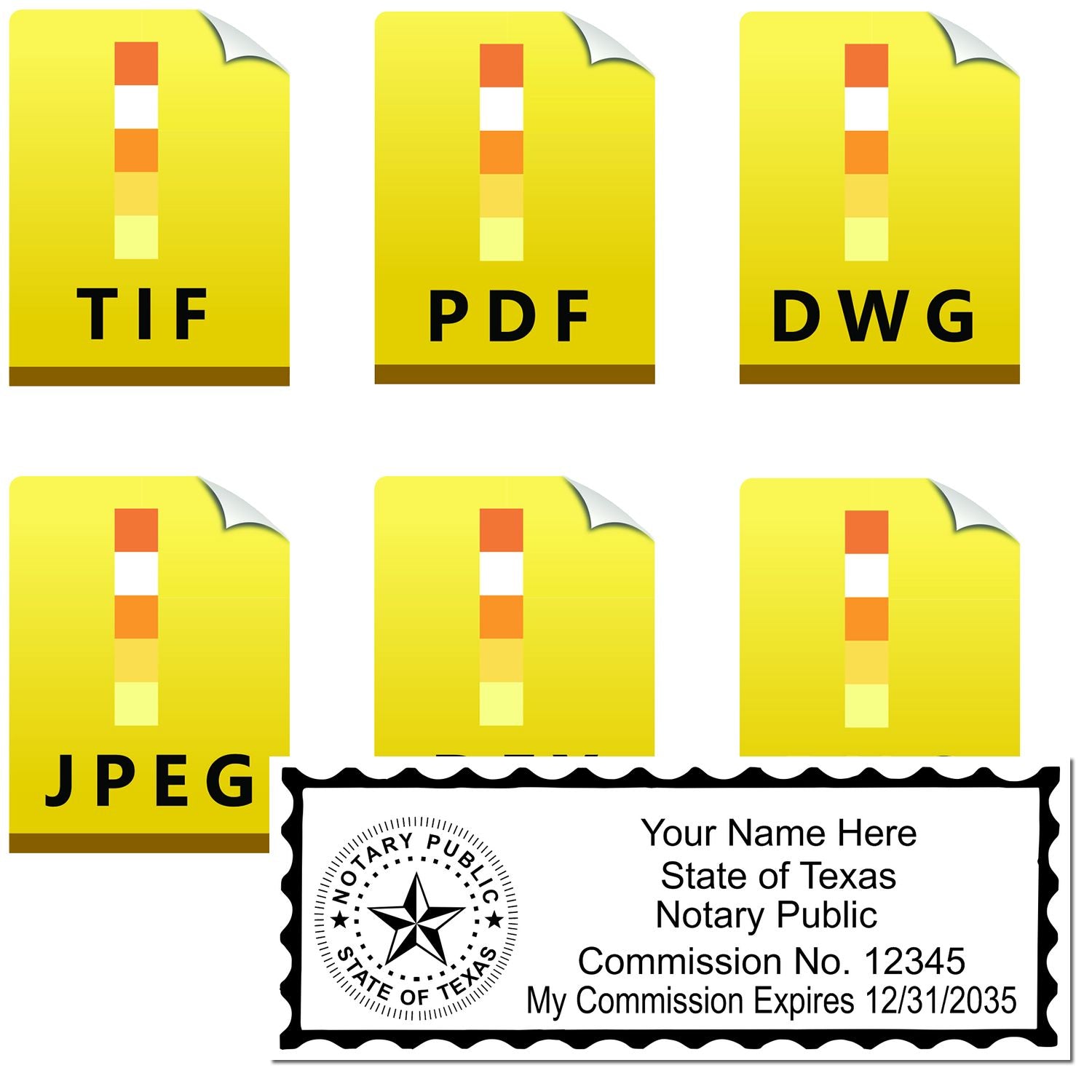
- Texas: the electronic seal is an image holding the same information as a traditional notary stamp (Secretary of State FAQs).
- Arkansas: official name, jurisdiction of appointment, commission number, expiration date and any other item required on the paper seal (Notary Public and eNotary Handbook).
- Ohio: name, jurisdiction and commission expiration date (Ohio Rev. Code § 147.60(E)).
- North Dakota: the official stamp may be an electronic image and must show name, jurisdiction and expiration date (N.D. Cent. Code §§ 44-06.1-01, 44-06.1-15).
- Iowa: the official stamp may be an electronic image; it shows your name, "Notarial Seal," "Iowa," "Commission Number" with your number, and expiration details (Iowa Code §§ 9B.2, 9B.17).
- Delaware: the stamp may be attached to an electronic certificate and shows your name as on file, "State of Delaware" and "My Commission expires on" with the date (29 Del. C. §§ 4328(b), 4330).
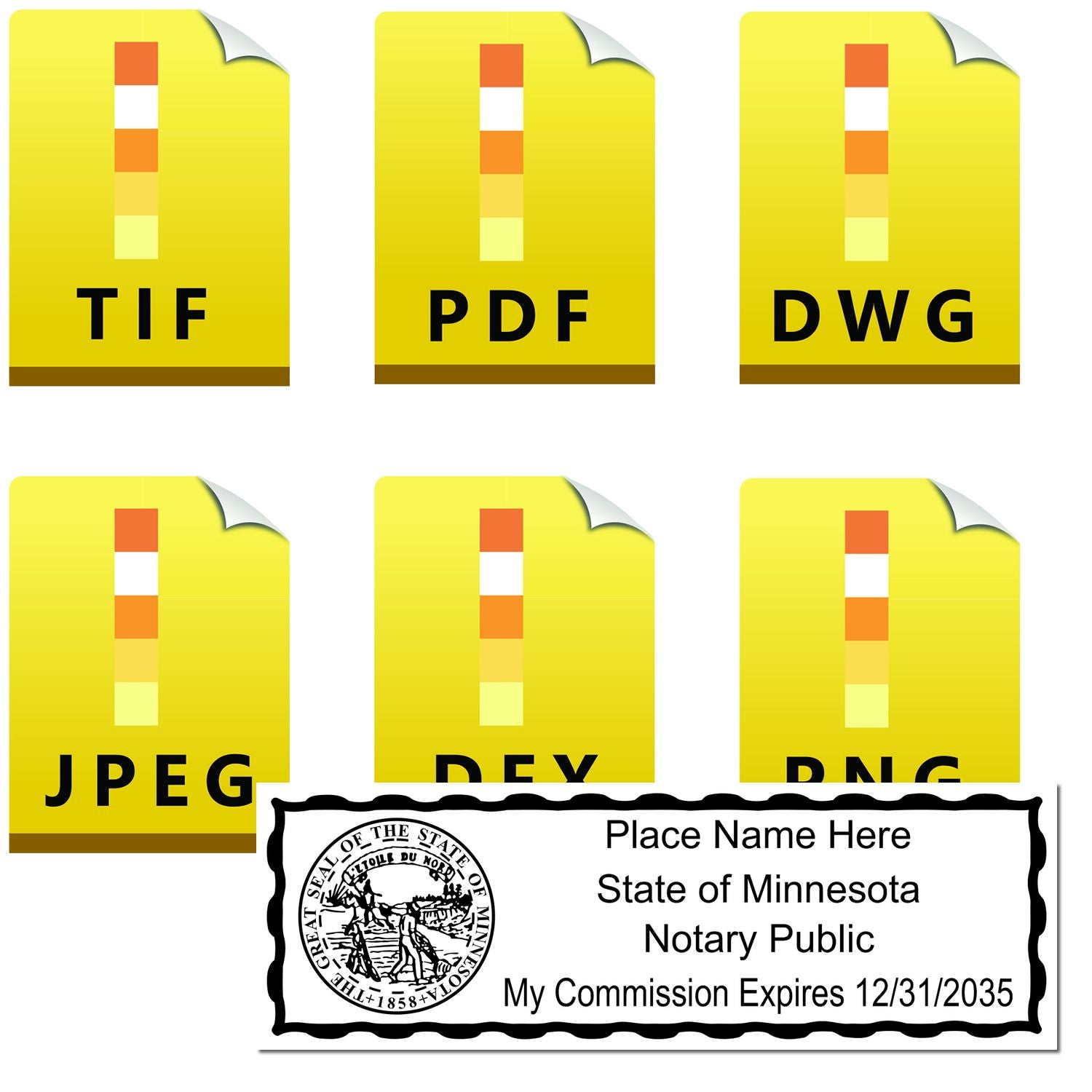
- Minnesota: stamp information may be affixed electronically, including the State of Minnesota seal, your name, "Notary Public" and the expiration date (Minn. Stat. § 359.03).
- Hawaii: name, commission number, "notary public" and "State of Hawaii" (Haw. Admin. R. §§ 5-11-1.5, 5-11-72).
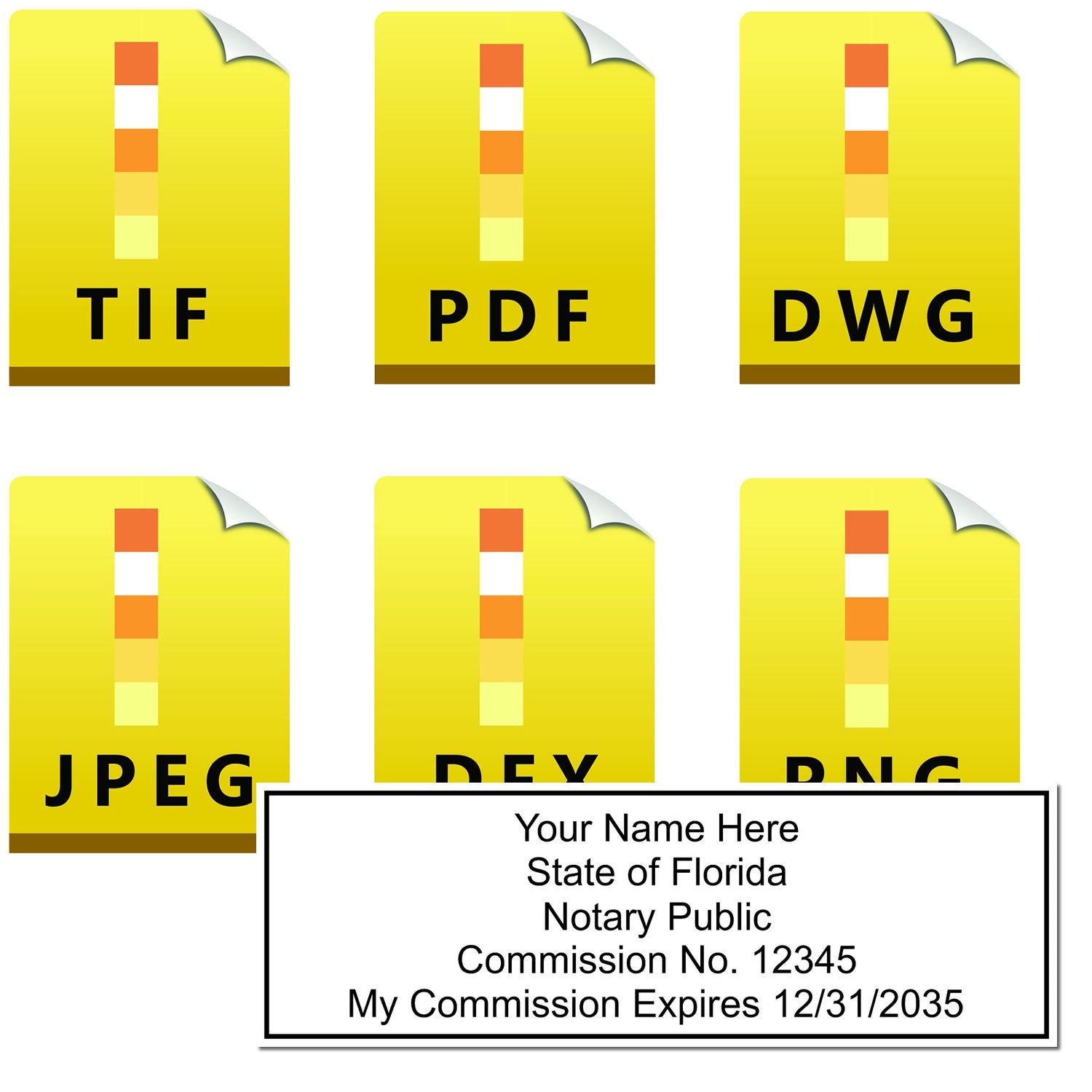
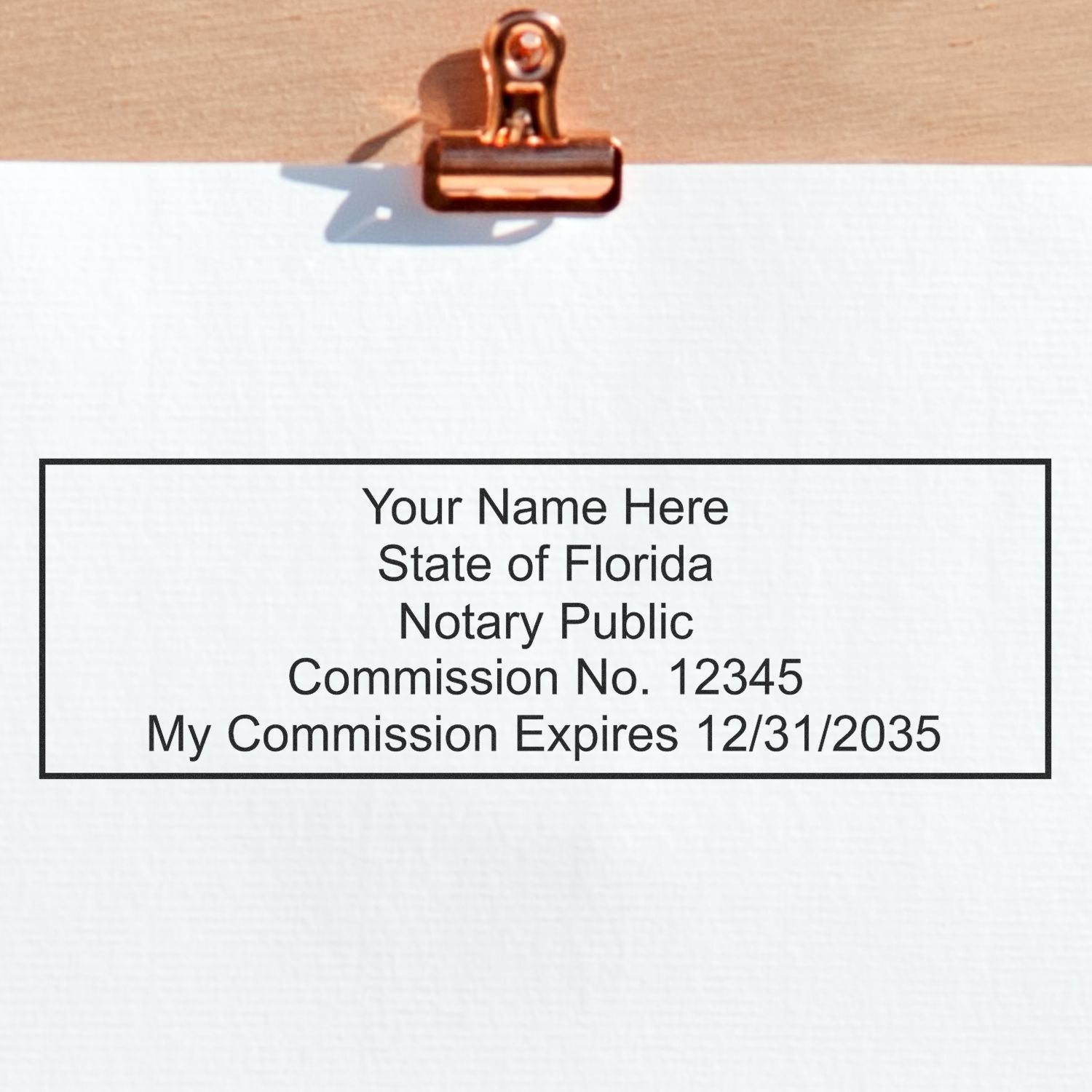
- Florida: the notary's electronic signature must carry your full name as on the commission application, your commission number, the commission expiration date and the words "Notary Public State of Florida" (Fla. Stat. § 117.021(3)).
- Kentucky: name, commission number, expiration date, "Commonwealth of Kentucky" and "Notary Public," and an online notary may use "Online Notary Public" instead (30 KAR 8:005).
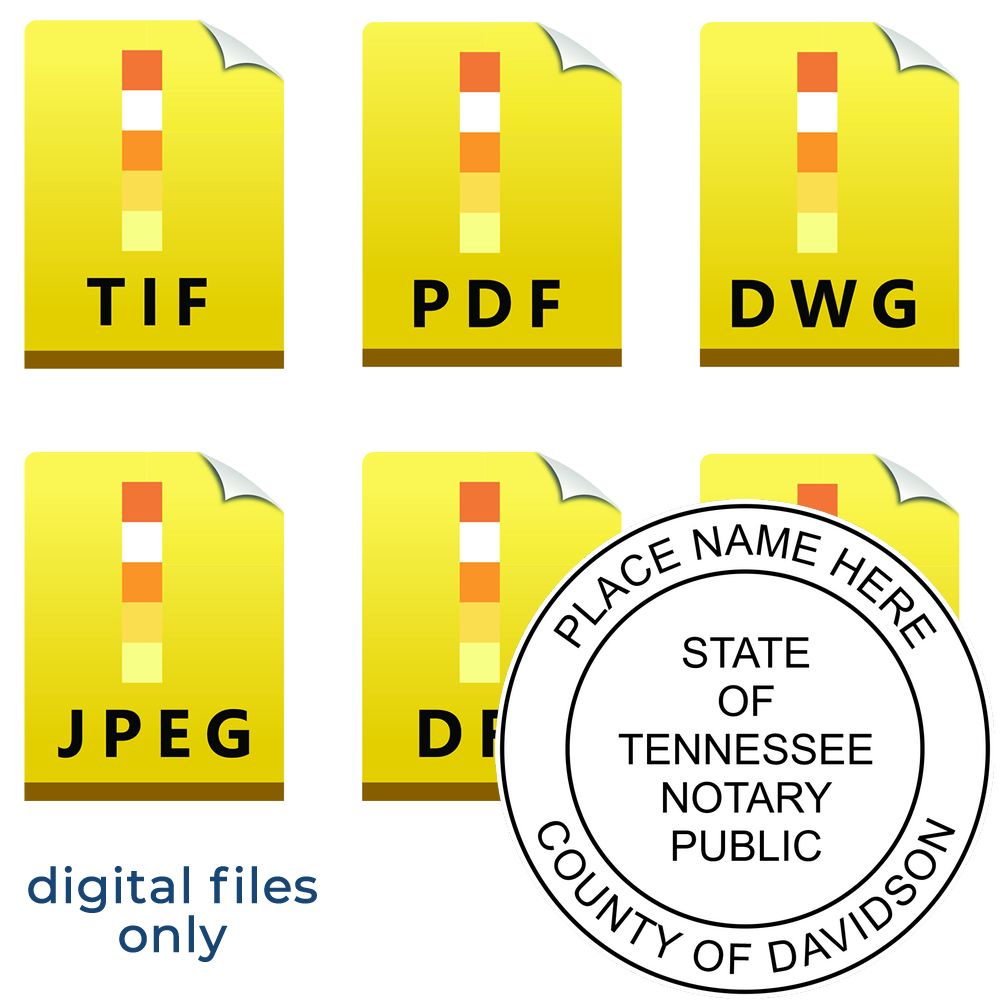
- Tennessee: circular, square or rectangular, with your name at the top, county at the bottom, "Tennessee Notary Public" in the center and "Online Notary Public" below it, plus a statement of the expiration date (Rule 1360-07-03-.04).
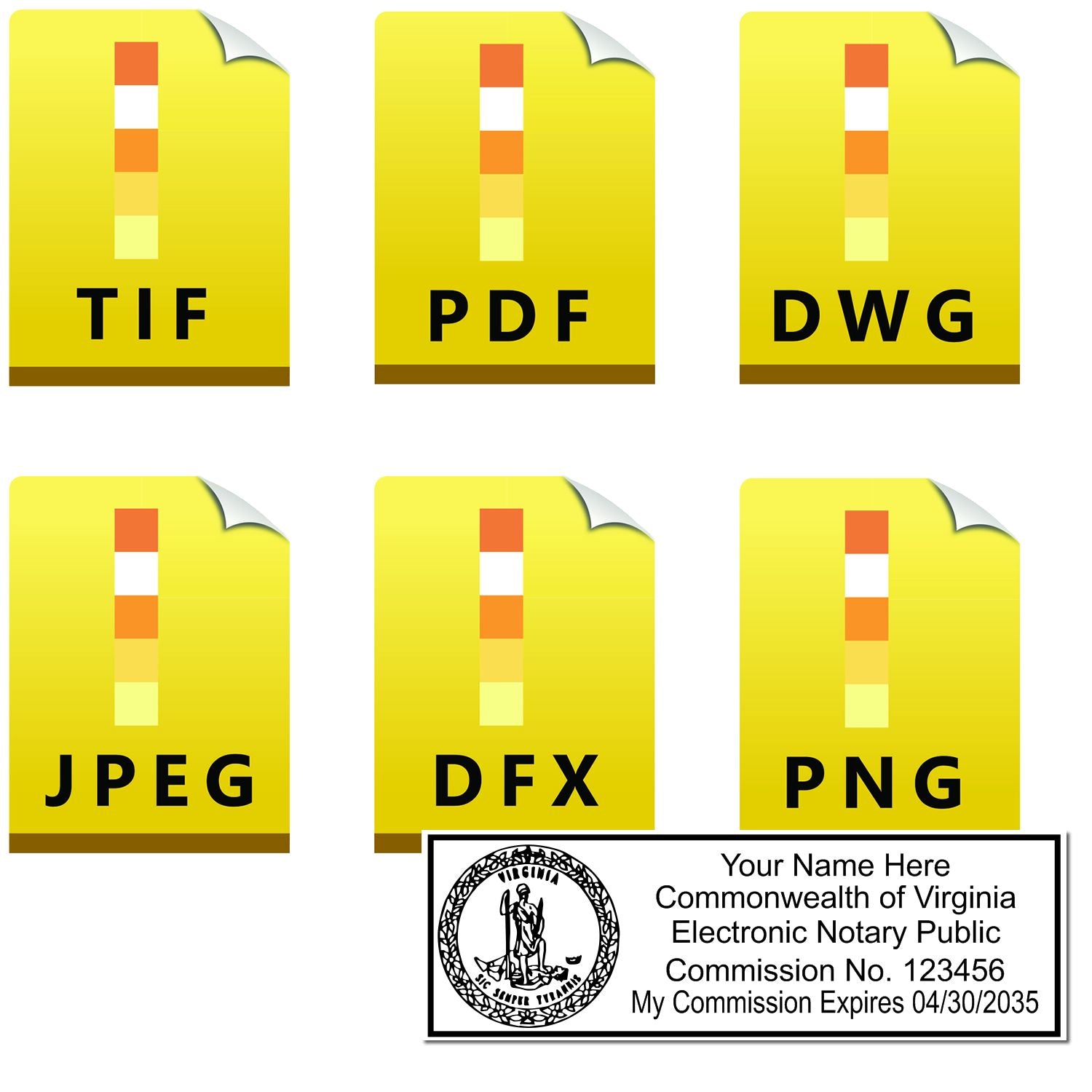
- Virginia: name, registration number, "Electronic Notary Public," "Commonwealth of Virginia" and the expiration date (Secretary of the Commonwealth, Electronic Notary page).
- North Carolina: the components attached to the electronic document are your name, state and county exactly as on the commission, "Electronic Notary Public" or "Electronic Notary Public Utilizing Communication Technology," "State of North Carolina," the expiration date and your electronic signature (G.S. 10B-117).
- South Dakota: name, "South Dakota," "notary public" and a border, with the words and seal inside the border and the expiration date shown below the seal (SDCL 18-1-3.1).
- Utah: each electronic seal needs a timestamp or a digital tracking method (Lieutenant Governor RON application page).
- Arizona: the electronic seal includes the commission number (Secretary of State Remote and eNotary page).
Two states take a different route. In New Hampshire, the Secretary of State says an X.509 digital certificate meets the official stamp requirement for electronic records. In Rhode Island and Arkansas, the approved solution provider issues or supplies the digital stamp and seal.





Is the electronic seal the same thing as a digital certificate?
No. The electronic seal is an image of your seal information. The digital certificate is the signing credential that makes the finished document tamper-evident. Where a state requires one, you get it through your RON technology provider or a certificate authority; ESS supplies the seal image.
Texas is the clearest example. Its online notary application requires both a digital certificate and an electronic seal, and the Secretary of State points applicants to third-party companies offering X.509 certificates without recommending any. Kentucky and Hawaii also name the X.509 standard, and Virginia requires an electronic notary to sign with a digital certificate.
Indiana's guide describes the certificate as software issued by a certification authority and installed on the notary's computer. New York electronic notaries record the certification authority they used, and South Carolina requires the public key certificate to be attached to the electronic notarial certificate. None of that is part of the seal image, so plan to source the two items separately.
Which jurisdictions do not allow remote online notarization?
Four show no remote authority in the official sources we read: Georgia, Mississippi, Puerto Rico and South Carolina. California, Guam and Massachusetts have remote provisions that were not open to notaries when we checked. The U.S. Virgin Islands authorizes remote acts by statute (3 V.I.C. § 824, added in 2022), even though the Lieutenant Governor's 2026 notary FAQ still describes only face to face appearance.
Mississippi requires the signer to appear physically before the notary, and its Secretary of State described the 2020 remote waiver under Executive Order 1467 as temporary. HB 1154, a 2025 House bill that would have added remote acts, shows no enactment in the sources we read. South Carolina registers electronic notaries, but only for in-person acts. The GSCCCA's Georgia notary pages describe in-person procedures only, and HB 289, a 2025 to 2026 remote notarization bill, is not on the Governor's signed legislation lists for either year. The Notarial Law compiled for Puerto Rico through August 2026 sets out no remote procedure, and the Supreme Court's 2021 amendments to the Notarial Regulation allow electronic notices only.
California's SB 696 provisions become operative no later than January 1, 2030. Massachusetts passed its remote law in 2023, but the Secretary reports that the training and notification form are not yet available. Guam's statute provides for remote registration, yet the Attorney General lists the remote forms as no longer available.
Do you need a new electronic seal when your commission renews?
In Wyoming, yes: the Secretary of State requires a new stamp, physical or electronic, at every renewal. Elsewhere it follows the seal content. If your seal image shows an expiration date or commission number, a renewal that changes either one makes the old image out of date.
Texas ties the online commission term to the traditional commission, so both end together. Before you reorder, check the dates on our guide to notary seal expiration.
What should you order for remote online notarization?
Order the electronic seal image after you confirm two things: what your state requires the seal to show, and whether your platform issues a seal of its own. ESS makes the seal as a 300-dpi image file, emailed within one business day.
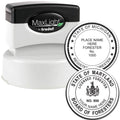
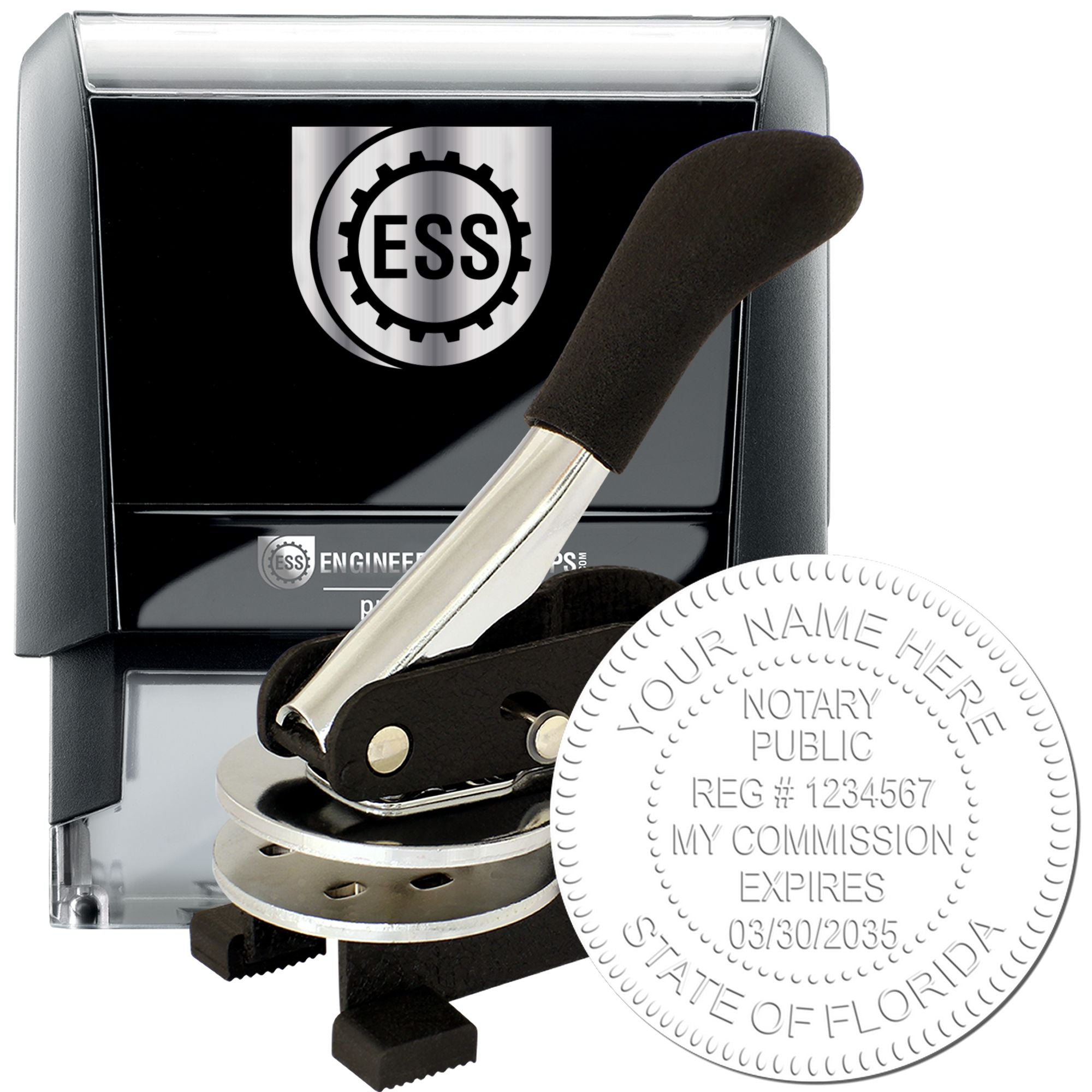
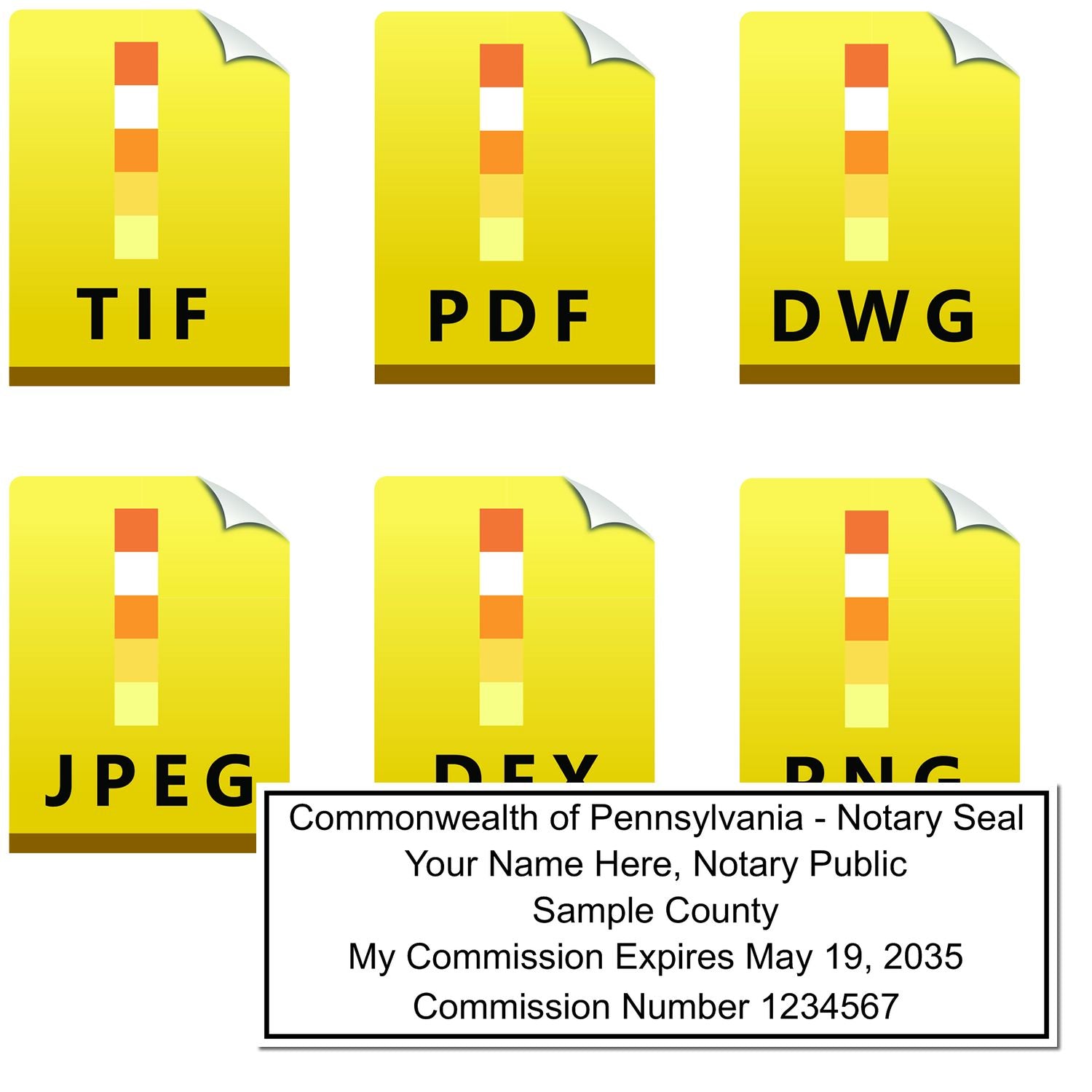
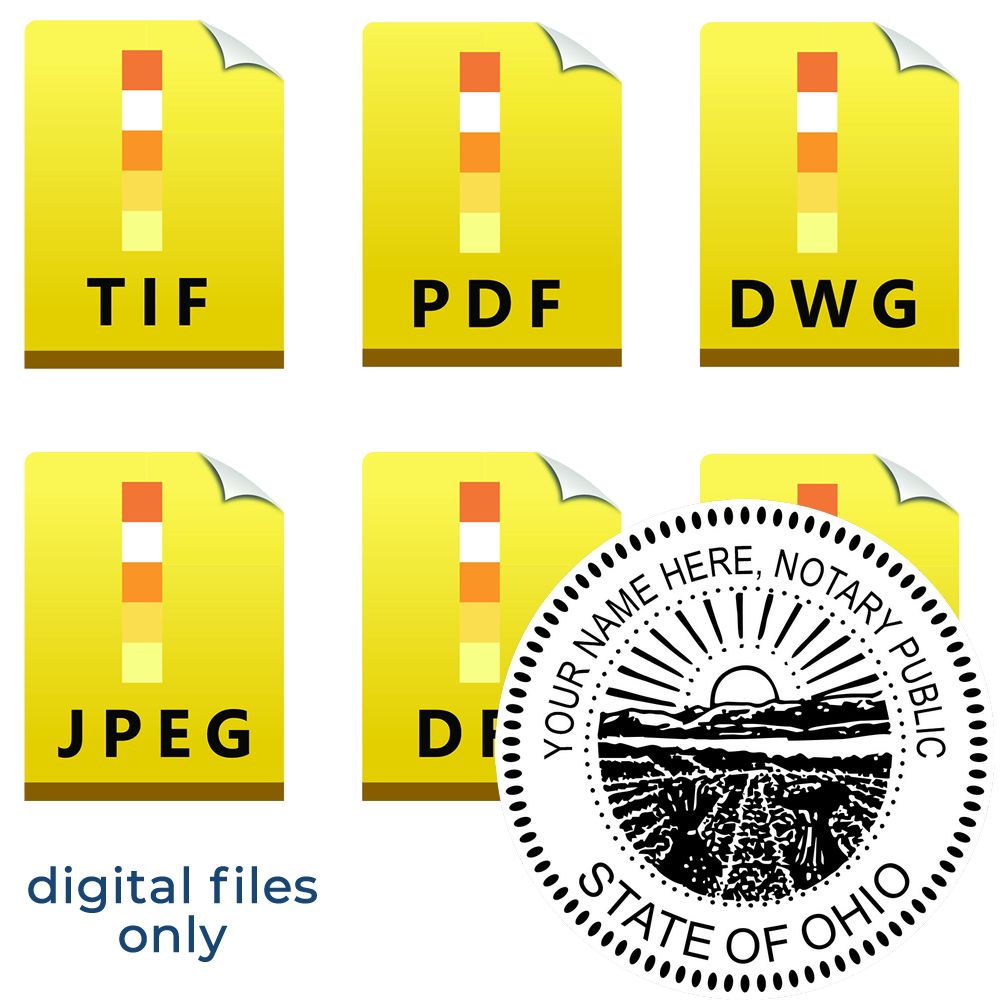
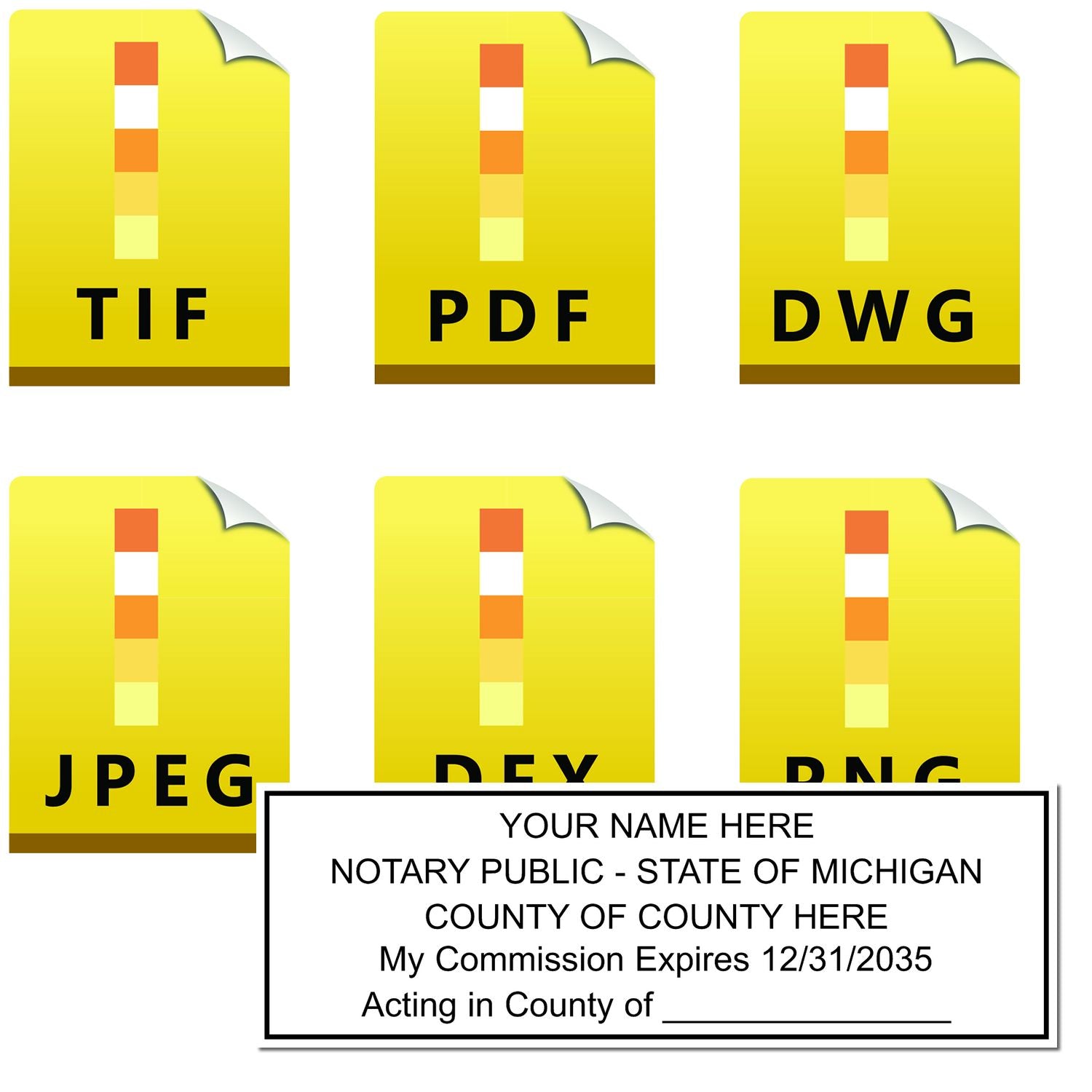
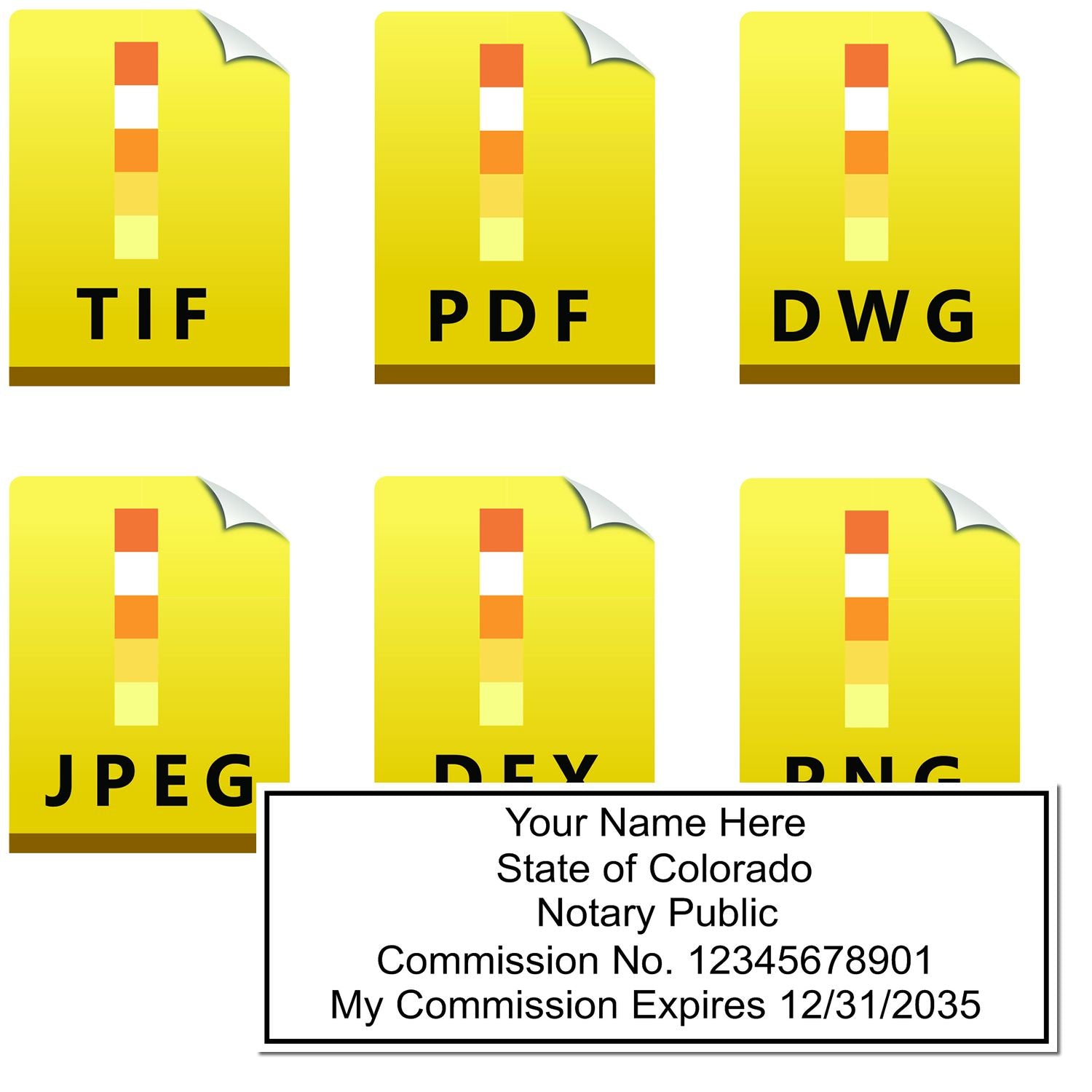
The ESS electronic notary stamp is an image of your notary seal, offered in JPG, PNG, PDF, TIF, DXF and DWG files. The round version measures 1-5/8 inches in diameter. Examples include the Hawaii, Indiana, Missouri, New Mexico and District of Columbia electronic notary stamps.
Some application forms ask for the image itself. Texas requires a copy of the electronic seal with the online notary application, Tennessee asks for a copy of your unique electronic seal, and New Mexico asks for a PDF of the electronic stamp. Your ink stamp rules are summarized in our state notary stamp requirements guide.





Frequently asked questions
Is there a free electronic notary seal?
In some states the platform supplies one. Arkansas's handbook says the solution provider will provide your electronic signature and seal, and Rhode Island says the approved provider issues the digital stamp and seal. Where you must submit your own seal file, as in Texas, Tennessee and New Mexico, you need an image made to your state's rule.
Can I use Zoom or FaceTime for a remote notarization?
Not in Maine or Arkansas. Maine says you must use communication technology from a provider the Secretary of State has approved, and Arkansas lists secure video, identity proofing and credential analysis tools as part of approved RON technology, naming FaceTime and Zoom as examples that do not qualify.
Is an electronic notary commission the same as a remote one?
It depends on the state. North Carolina's electronic notary registration includes remote acts, Washington requires the electronic endorsement before the remote endorsement, and the District of Columbia issues electronic and remote endorsements separately at $30 each.
Who keeps the recording, the notary or the platform?
Either, depending on the state. Arkansas has the solution provider retain recordings for five years. Montana and North Dakota let the notary keep the recording or send it to an approved repository, and Wisconsin allows the notary or an agent to hold it for seven years, with the notary still responsible.
Does the electronic seal need a border or a set shape?
Some states say so. South Dakota requires the words and seal to sit inside a surrounding border, and Tennessee allows a circular, square or rectangular online seal. The ESS round electronic notary stamp image measures 1-5/8 inches in diameter.
Find the electronic notary seal for your state in the ESS notary stamps collection.