Your PE Stamp May Not Be Enough
Most engineers assume that a PE license covers all engineering work within their discipline. In reality, at least two states outright prohibit stamping structural drawings with only a PE seal, and seven more impose partial restrictions on specific structure types. Violating these rules is not a gray area; it is illegal.
It is also worth remembering that complete engineering certification always requires three components: the seal image, a handwritten signature, and a date. The seal alone never constitutes formal certification of a document.
Approximately 450,000 licensed PEs practice in the United States today, yet a surprising number remain unaware of SE-specific stamp restrictions that could directly affect their projects. This article breaks down the full and partial practice restriction framework, identifies which states issue a physically distinct SE stamp, and explains why the credentialing path for structural engineers is fundamentally more rigorous than a standard PE license.
Full Practice Restrictions: States Where a PE Seal Is Legally Prohibited on Structural Work
A full practice restriction means that only a licensed Structural Engineer (SE) may seal structural drawings for any structure type. A PE license alone, regardless of the engineer's structural experience or competency, does not authorize structural work in these jurisdictions.
Illinois and Hawaii are the only two states that enforce a full practice restriction on structural engineering. In both states, the law draws a hard statutory line: if you are not licensed as an SE, you cannot legally seal structural drawings.
The real-world consequences are severe and often underreported. A PE who inadvertently seals structural drawings in Illinois or Hawaii faces license revocation, not merely a fine or a warning. This is not a competency judgment. A PE with decades of structural design experience is still in violation if they lack the SE designation in these states.
For engineers relocating to or taking on projects in Illinois or Hawaii, verifying licensure status before applying any seal is not optional. It is a legal obligation that protects both the engineer's career and public safety.
Partial Practice Restrictions: States Where Certain Structures Require an SE Stamp
A partial practice restriction takes a different approach. A standard PE stamp is acceptable for most structures, but specific building types (hospitals, essential facilities, tall buildings, and certain bridges) require an SE stamp. The logic is straightforward: these structures carry elevated risk, and the state demands a higher credentialing threshold for the engineer who seals the plans.
States with partial SE practice restrictions include California, Nevada, Utah, Oregon, Washington, Oklahoma, and Alaska. In total, 11 NCEES member boards require an SE license to design some or all buildings or bridges, and 4 additional states restrict use of the title "Structural Engineer" exclusively to SE-licensed engineers.
For engineers working on multi-state projects, the practical risk is significant. An SE licensed in California cannot legally stamp plans destined for a Texas permitting office without holding Texas licensure as well. Each state's jurisdiction is independent, and cross-border assumptions can lead to permit denials, project delays, or worse.
Engineers seeking multi-state practice recognition should be aware of the NCEES Model Law Structural Engineer (MLSE) designation. While the MLSE does not automatically grant licensure in any state, it serves as a standardized credential that can streamline the comity application process when pursuing licensure in additional jurisdictions.
What Makes the SE Stamp Physically Different from a Standard PE Seal
One of the most common questions we receive at EngineerSealStamps.com is whether the SE stamp looks different from a PE stamp. The answer depends entirely on the state.
In most states (South Carolina is a good example), passing the SE exam results in a standard PE stamp. No separate SE-designated stamp is issued. The SE distinction only creates a physically separate stamp or license in states like California, Washington, Illinois, and Hawaii.
Washington State stands out with a particularly specific rule: "Structural Engineer" is the only branch designation permitted on a stamp or seal. Civil, electrical, mechanical, and other branch designations cannot appear on a Washington stamp. Only currently licensed structural engineers in Washington may use the structural engineer stamp. If an engineer holds both a PE and an SE license in Washington, the state's guidance explicitly addresses whether two separate stamps are needed.
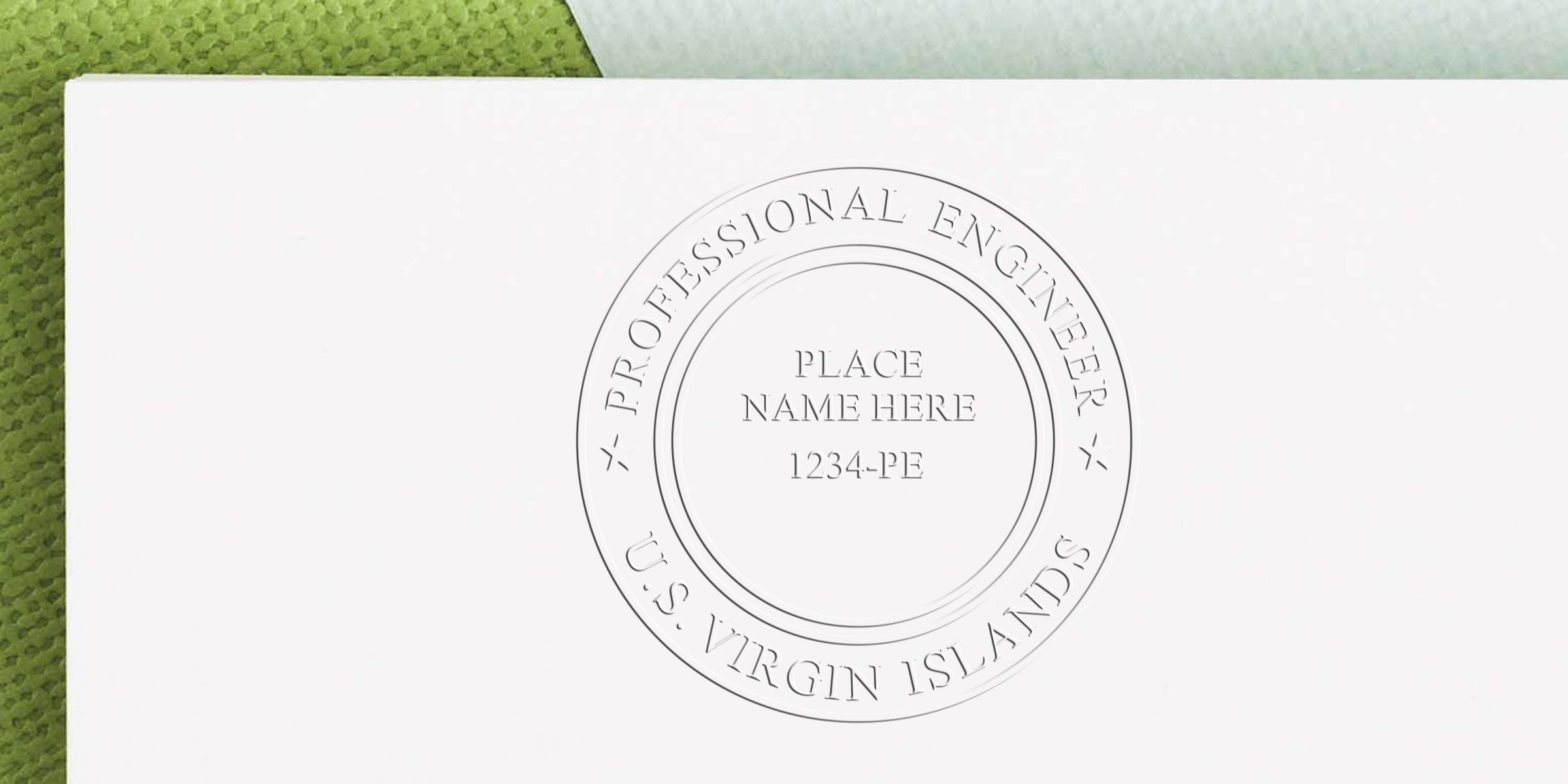
Physical format requirements also vary considerably across the country. PE stamp impression area diameters range from 1.5 to 2 inches depending on the state. Minnesota requires a rectangular stamp (2" x 1.5"), and Rhode Island requires a square stamp (1 15/16" sides); these are the only two non-circular PE stamp formats in the United States.
Seal type matters as well. Some states, such as New Jersey, require an embosser-type seal rather than a rubber stamp. Texas, by contrast, allows rubber stamps, impression seals, and electronic seals. These variations are precisely why every product at EngineerSealStamps.com is built around state-specific requirements: proper layout, required wording, license information, and professional presentation tailored to each state's rules.
The SE Exam: Why the Credentialing Path Is Fundamentally More Rigorous
The NCEES SE exam historically has pass rates below 40%, making it significantly more difficult than any other PE exam. That difficulty is by design. The exam exists because many in the profession consider the PE structural section, with only 40 questions and just 4 covering loads (wind, snow, seismic), to be an inadequate test of structural competency. By comparison, the SE exam dedicates 8 full hours to lateral forces alone.
The computer-based NCEES PE Structural exam, introduced in 2024, expanded from a 16-hour, 2-part exam to a 21-hour, 4-part exam requiring at least four separate test center visits. The total SE exam fee is now $1,400, up from approximately $1,000 for the prior format, with additional travel and lodging costs for each sitting. This change has generated significant debate about whether the increased cost and difficulty will deter engineers from pursuing SE licensure.
California's SE path illustrates just how demanding the credentialing process can be. Candidates must first obtain a Civil PE license (including state-specific seismic and surveying exams), then accumulate 3 years of qualifying experience under a licensed SE, and only then sit for the SE exam. It is a significantly more rigorous path than a standard PE license.
Organizations like the National Council of Structural Engineers Associations (NCSEA) and the Structural Engineering Licensure Coalition (SELC) are actively lobbying for consistent structural engineering licensing laws across states. The observable trend is toward more states adopting partial or full SE practice restrictions, making this a live regulatory issue for every practicing structural engineer.
Digital and Electronic SE Seals: Compliance in a Multi-Jurisdiction World
Digital sealing is no longer a niche practice. It has become an increasingly standard component of engineering documentation, driven by remote work, e-permitting, and cloud-based collaboration. For structural engineers working across multiple jurisdictions, understanding each state's digital seal requirements is essential.
The NSPE outlines four requirements for valid digital signatures in most states that permit them. The digital signature must be: unique to the person, capable of verification, under the sole control of the engineer, and linked to the document in a way that invalidates the signature if the document is altered.
Some states require third-party authentication (such as IdenTrust) for digital PE seals, while others accept simpler digital images. Structural engineers working across jurisdictions must verify each state's specific requirements before submitting digitally sealed documents.
As an example of how digital adoption is reshaping administrative requirements, Texas no longer requires new PEs to submit a seal imprint form to the Board as of July 2022. This kind of regulatory simplification is becoming more common.
At EngineerSealStamps.com, we include a free digital seal with many professional seal purchases, giving engineers a convenient electronic version for PDF and digital plan submissions. That said, we always recommend that engineers verify current rules with their licensing board before sealing final documents. Requirements can change, and compliance is ultimately the responsibility of the licensed professional.
Know Your State Before You Seal
The framework is straightforward once you understand it. Full restriction states (Illinois, Hawaii) require an SE license for all structural work. Partial restriction states (California, Nevada, Utah, Oregon, Washington, Oklahoma, Alaska) require an SE stamp for certain high-risk structure types. In the remaining states, passing the SE exam typically yields a standard PE stamp with no separate SE designation.
The compliance stakes are real: non-compliant structural designs can result in fines, lawsuits, loss of licensure, permit denials, costly project delays, and public safety risks. NCEES itself notes that not all jurisdictions accept the PE Structural exam as equivalent to their licensure requirements. Always verify with your licensing board directly.
Before ordering or using any seal, confirm your state's current stamp format, seal type, and SE designation requirements. At EngineerSealStamps.com, we build state-specific PE and SE seals designed to meet those exact requirements, so you can focus on the engineering work that matters.