Engineer Seal Stamps compliance desk. Updated 8 November 2026.
The Role of a Notary Public in New Jersey
Before diving into the specifics of New Jersey notary embossers, it's important to understand the role of a Notary Public in New Jersey. A Notary Public plays a significant role in the legal and business communities, providing essential services to ensure the validity of important documents.
What Does a Notary Public Do?
A Notary Public serves as an impartial witness in the execution of documents and helps deter fraud by verifying the identity of the individuals involved. They are responsible for certifying signatures on documents, administering oaths, and performing other duties as mandated by the New Jersey Notary Public laws. Notaries are critical in the prevention of forgery and fraud, adding a layer of trust and integrity to important transactions.
Notaries in New Jersey are equipped with specific tools to carry out their tasks, including notary seals or stamps, notary embossers, and notary journals.
Requirements for Becoming a Notary in New Jersey
Becoming a Notary Public in New Jersey requires meeting certain criteria and following a specific process. Here are the general requirements:
- Must be a resident of New Jersey or maintain a regular place of business in the state.
- Must be at least 18 years old.
- Must not have been convicted of a crime under the laws of any state or the United States, for an offense involving dishonesty, or a crime of the first or second degree.
| Requirement | Description |
|---|---|
| Residency | Must be a resident of New Jersey or maintain a regular place of business in the state. |
| Age | Must be at least 18 years old. |
| Criminal History | Must not have been convicted of a crime under the laws of any state or the United States, for an offense involving dishonesty, or a crime of the first or second degree. |
Once these requirements are met, the individual needs to complete a Notary Public application, submit it to the New Jersey Department of Treasury, and pay the applicable fee. After approval, the applicant must take an oath of office before a Notary Public or other authorized person.
Being a Notary Public in New Jersey comes with responsibilities, including the need for specific New Jersey notary supplies to perform notarial acts properly. Among these supplies, one of the most important is the New Jersey Notary Embosser. This tool leaves a distinct, raised impression on documents, adding an extra layer of security and authenticity.
Essential Notary Tools
As a Notary Public in New Jersey, the effectiveness of your work significantly relies on the tools you use. Two of the most critical tools in your arsenal include the Notary Seal and Notary Embosser.
The Importance of a Notary Seal
A notary seal is an essential tool for every Notary Public. It serves as an official mark of authentication, validating the notary's presence at the time and place of a document's signing. It also signifies that the signer understood the contents and agreed to the terms of the document.
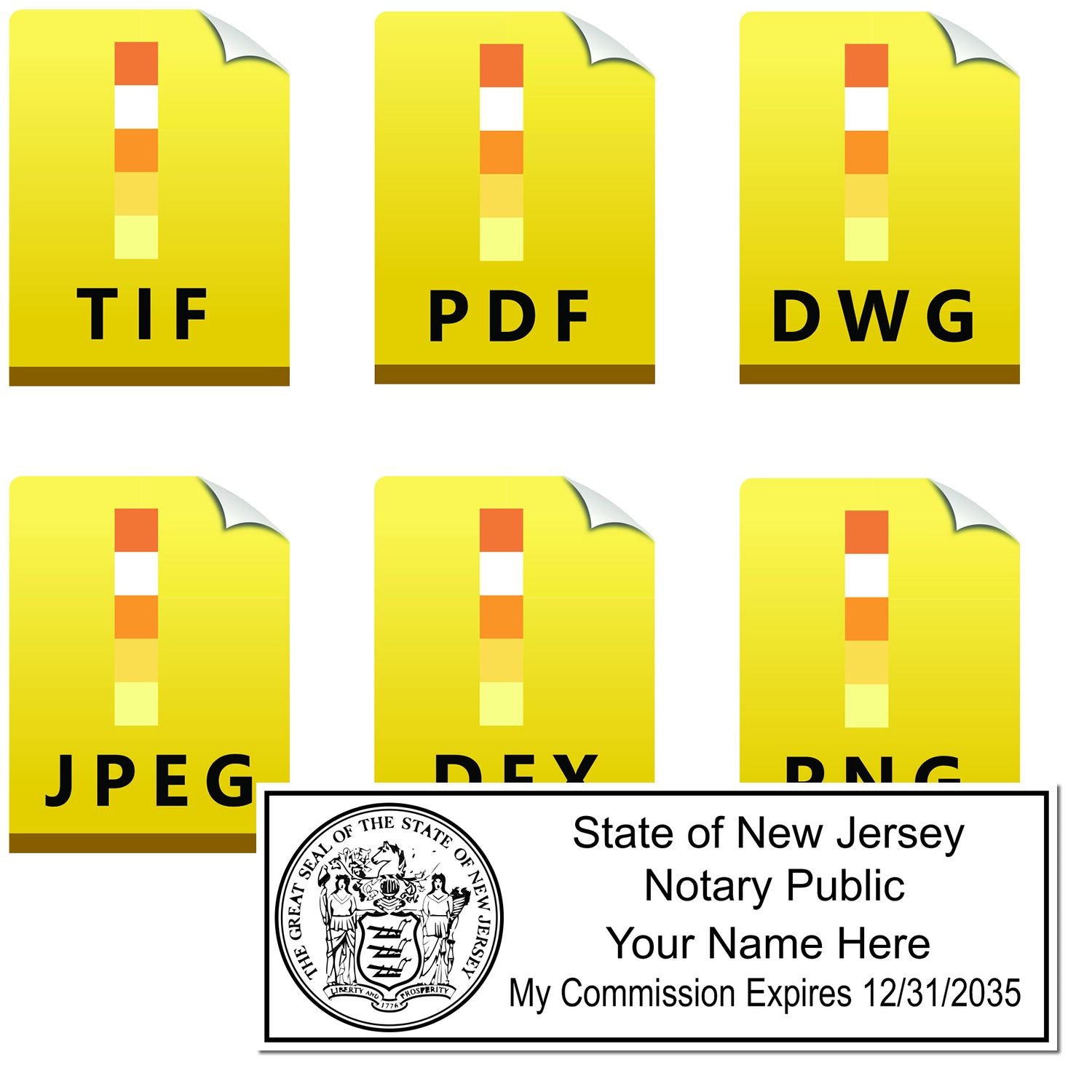
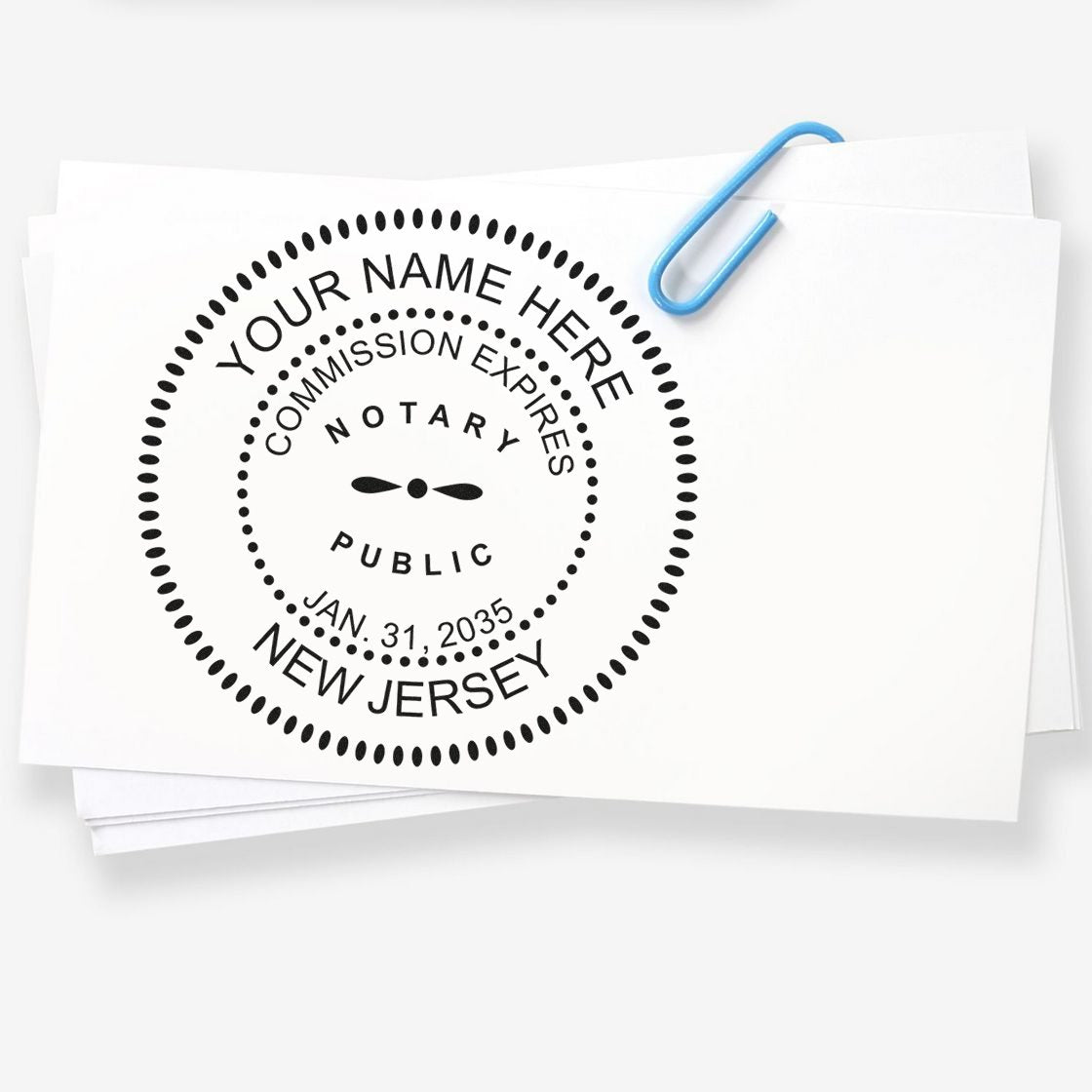
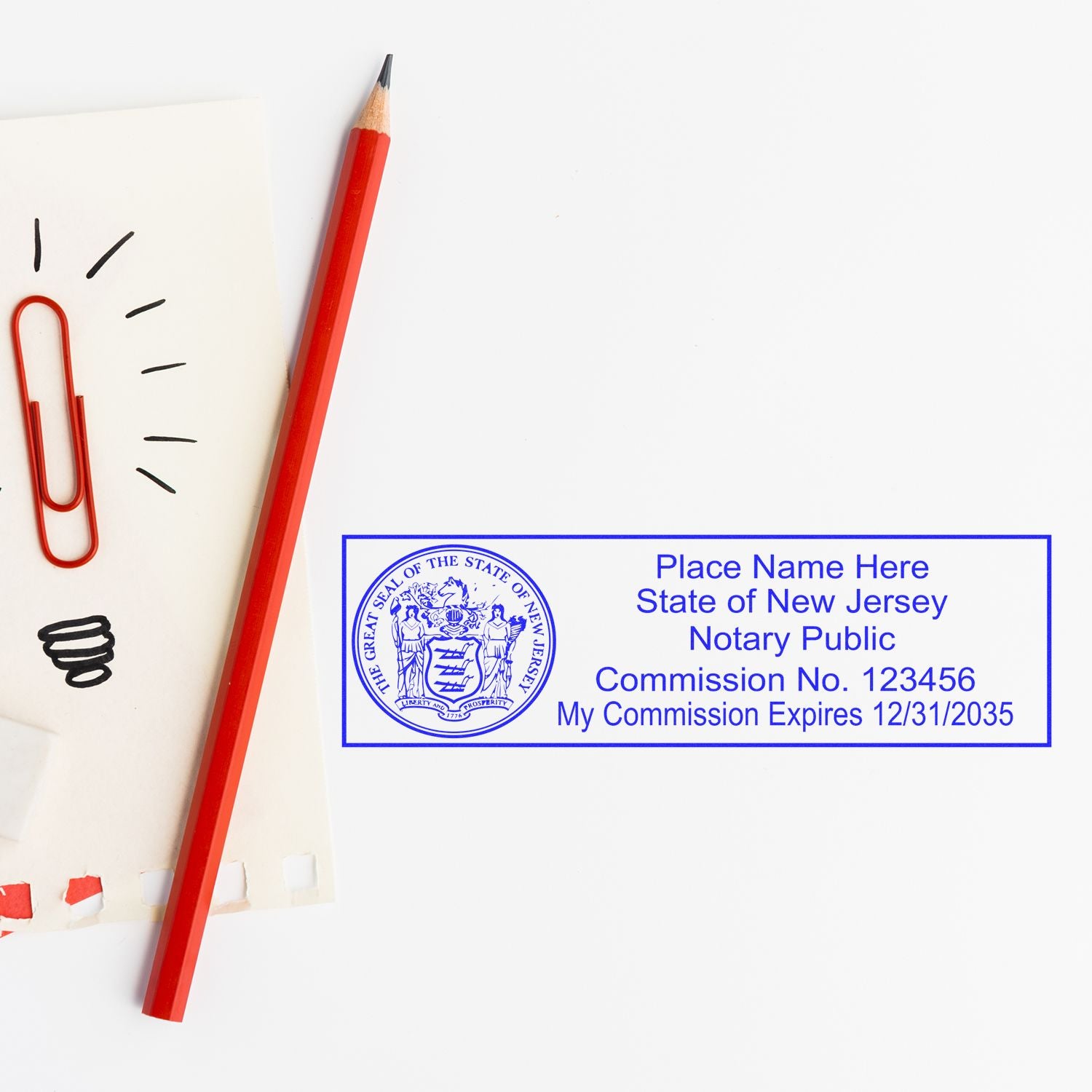
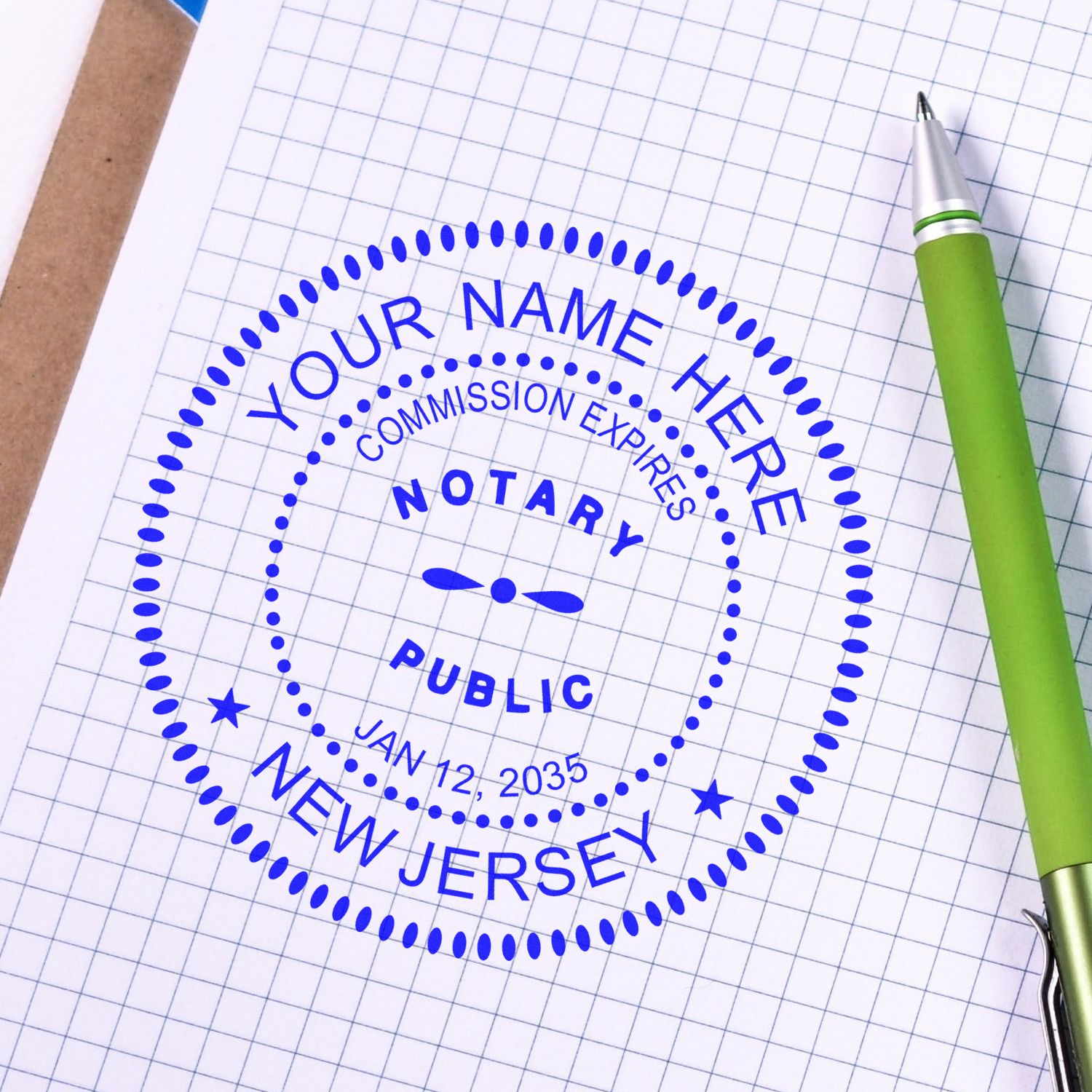
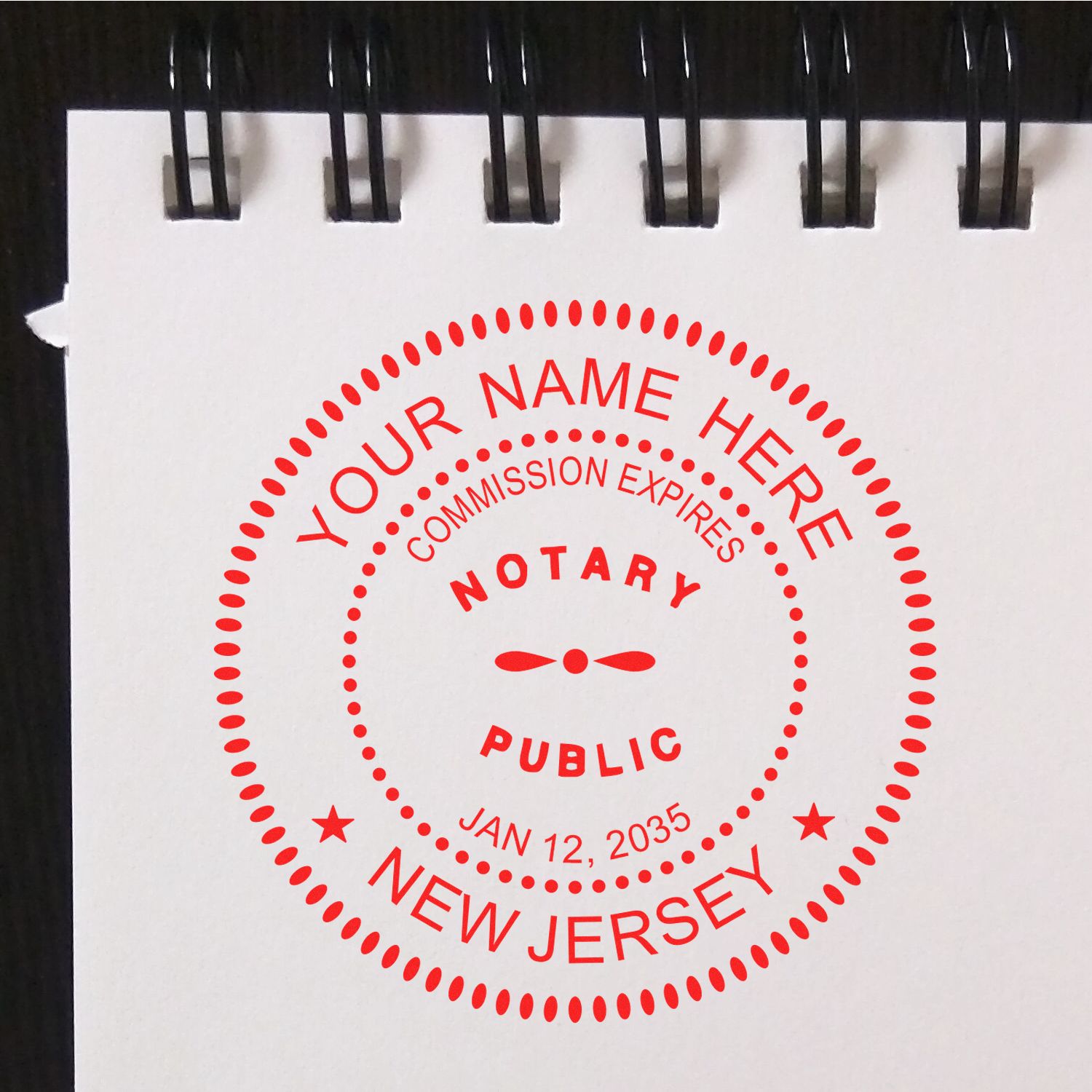
New Jersey requires the notary seal to carry particular details: the notary's name, "Notary Public", "State of New Jersey", and the date the commission expires. Our full guide on official notary seals in NJ covers notary seals in depth.
Understanding Notary Embossers
While a notary seal uses ink to stamp official information onto a document, a notary embosser creates a raised impression on the paper. This tool adds an extra layer of security to the notarization process, as the embossed impression is difficult to alter or forge.
New Jersey notary embossers are especially useful for notarizing documents with high value or importance, such as deeds, wills, or power of attorney forms. They leave a crisp and clear impression that signifies the presence of a Notary Public during the document signing.
Despite the advent of electronic notarization, the use of embossers continues to be a favored practice by many Notaries in New Jersey due to its simplicity and high level of security. In the next sections, we'll delve deeper into the specific requirements and uses of New Jersey notary embossers. Stay tuned for more valuable information on New Jersey notary supplies and how to upgrade your notary toolkit.

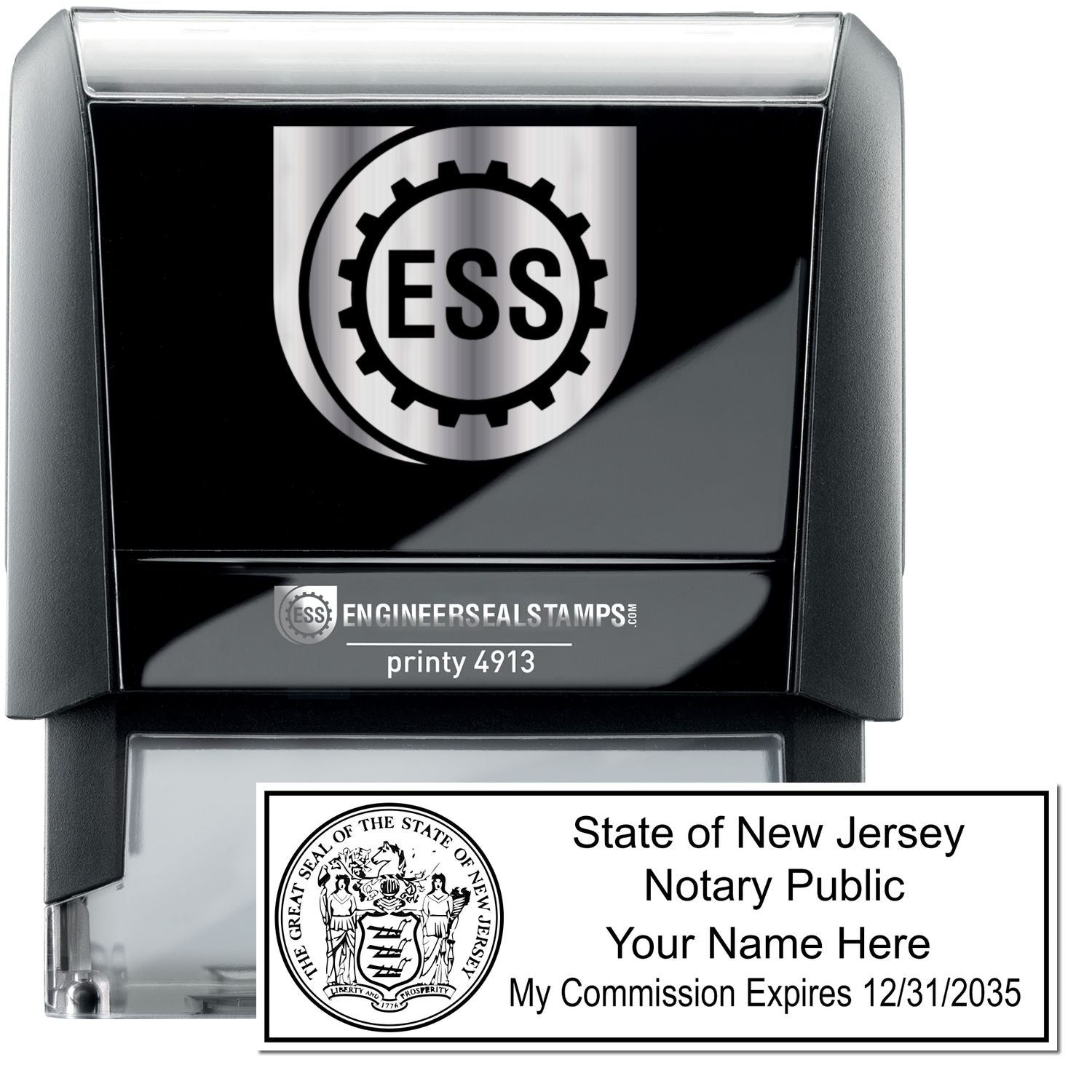
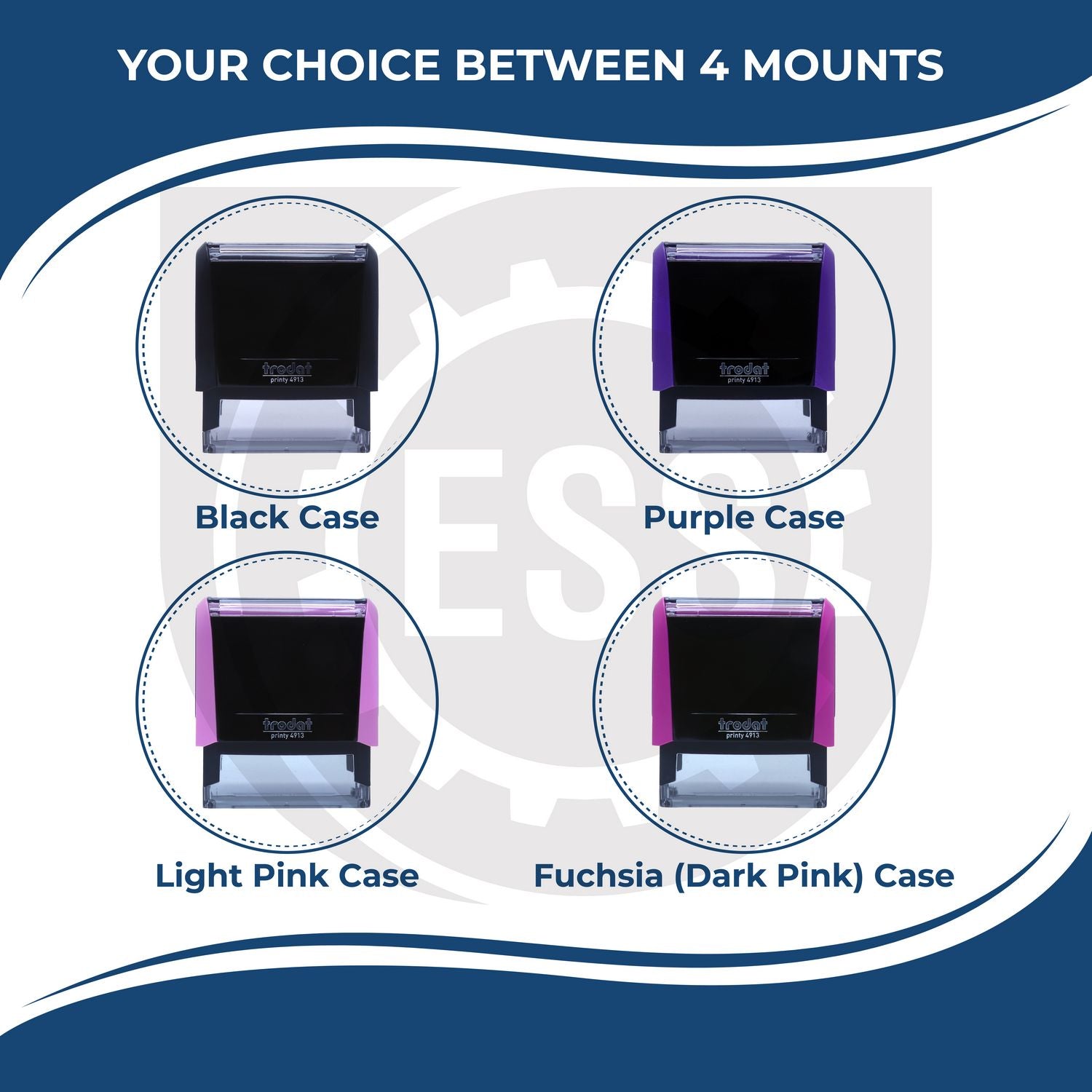
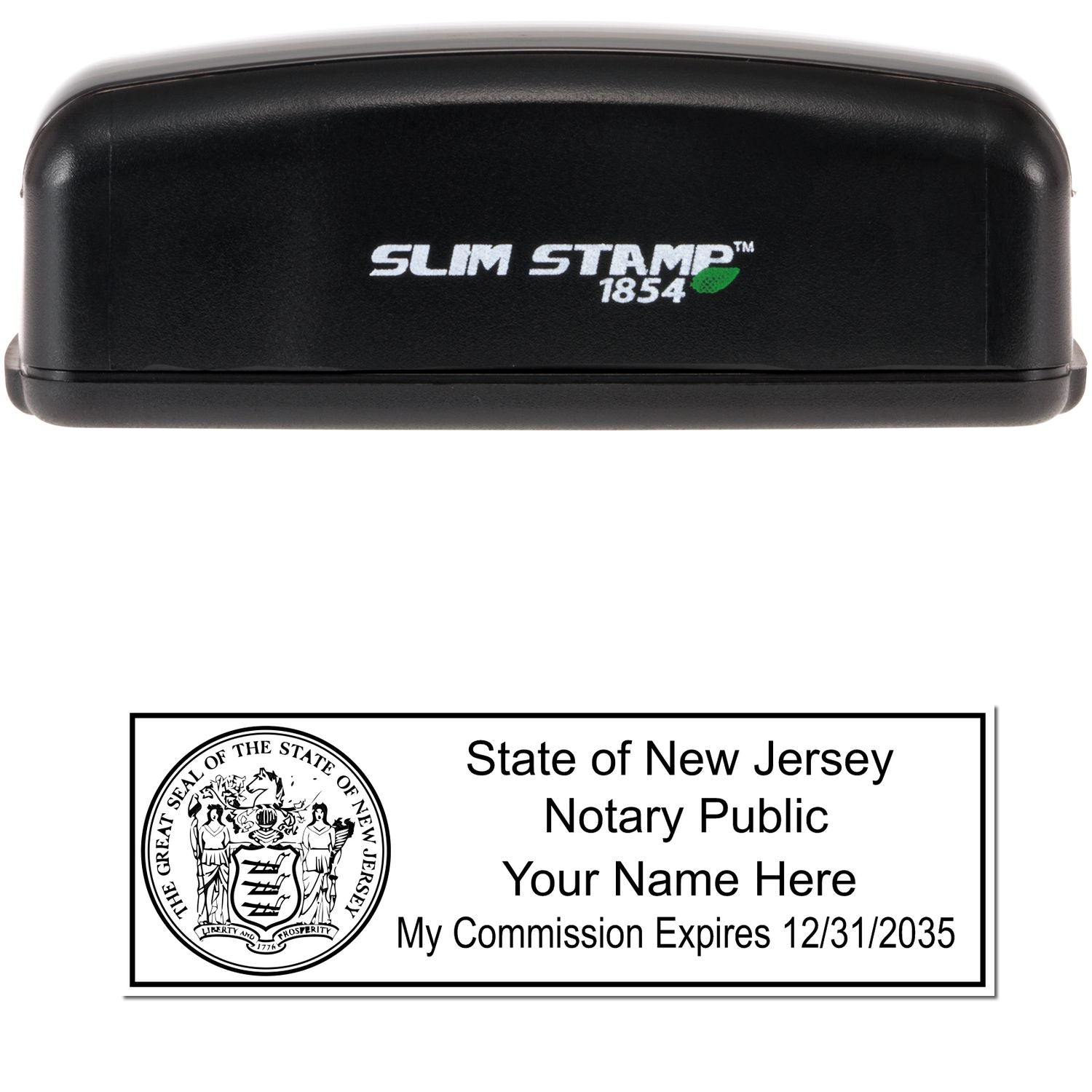

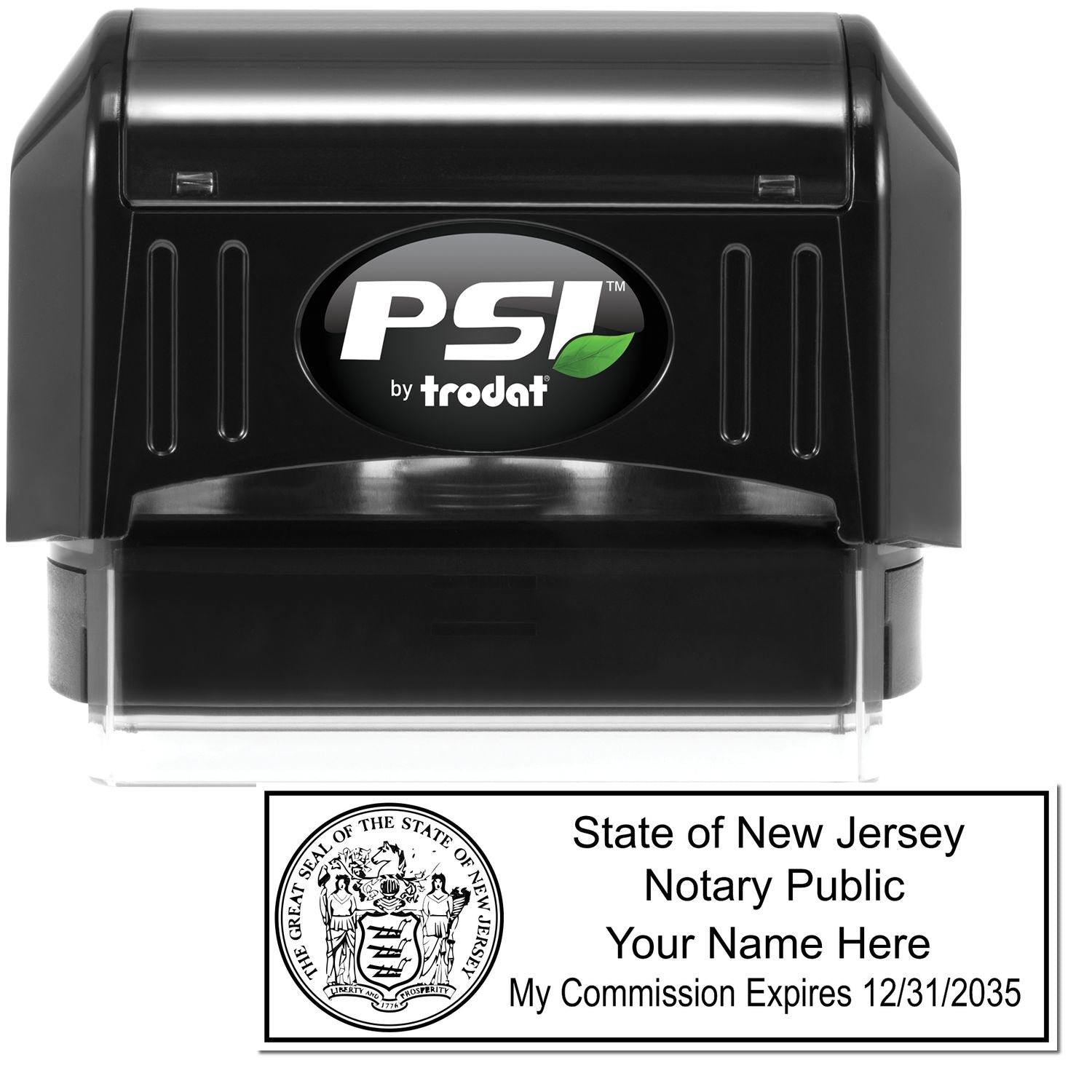
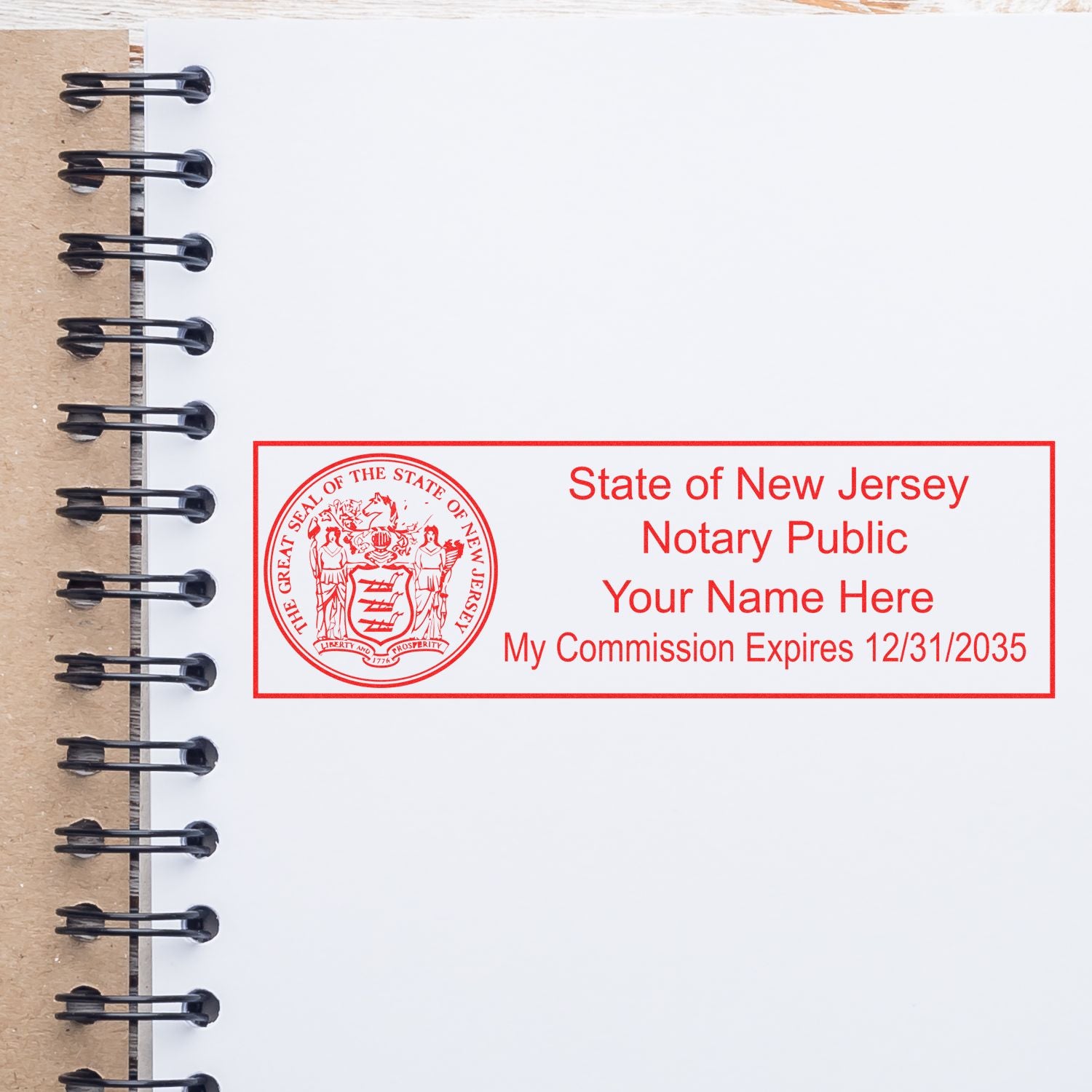
New Jersey Notary Embossers
A key tool in the kit of a notary public in New Jersey is the notary embosser. Let's take a deeper look into what these devices are, how to use them, and the specific requirements and specifications for New Jersey notary embossers.
What is a New Jersey Notary Embosser?
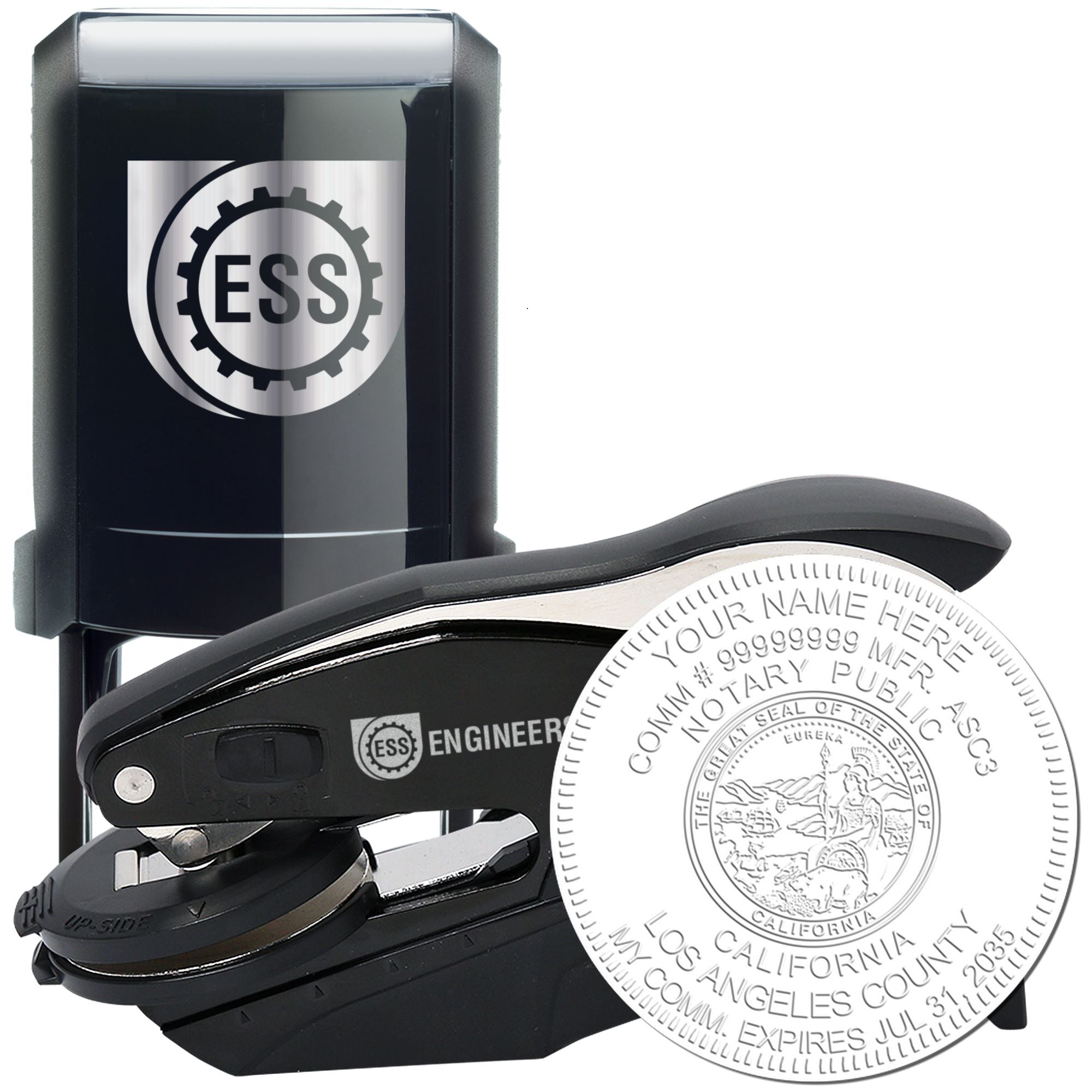
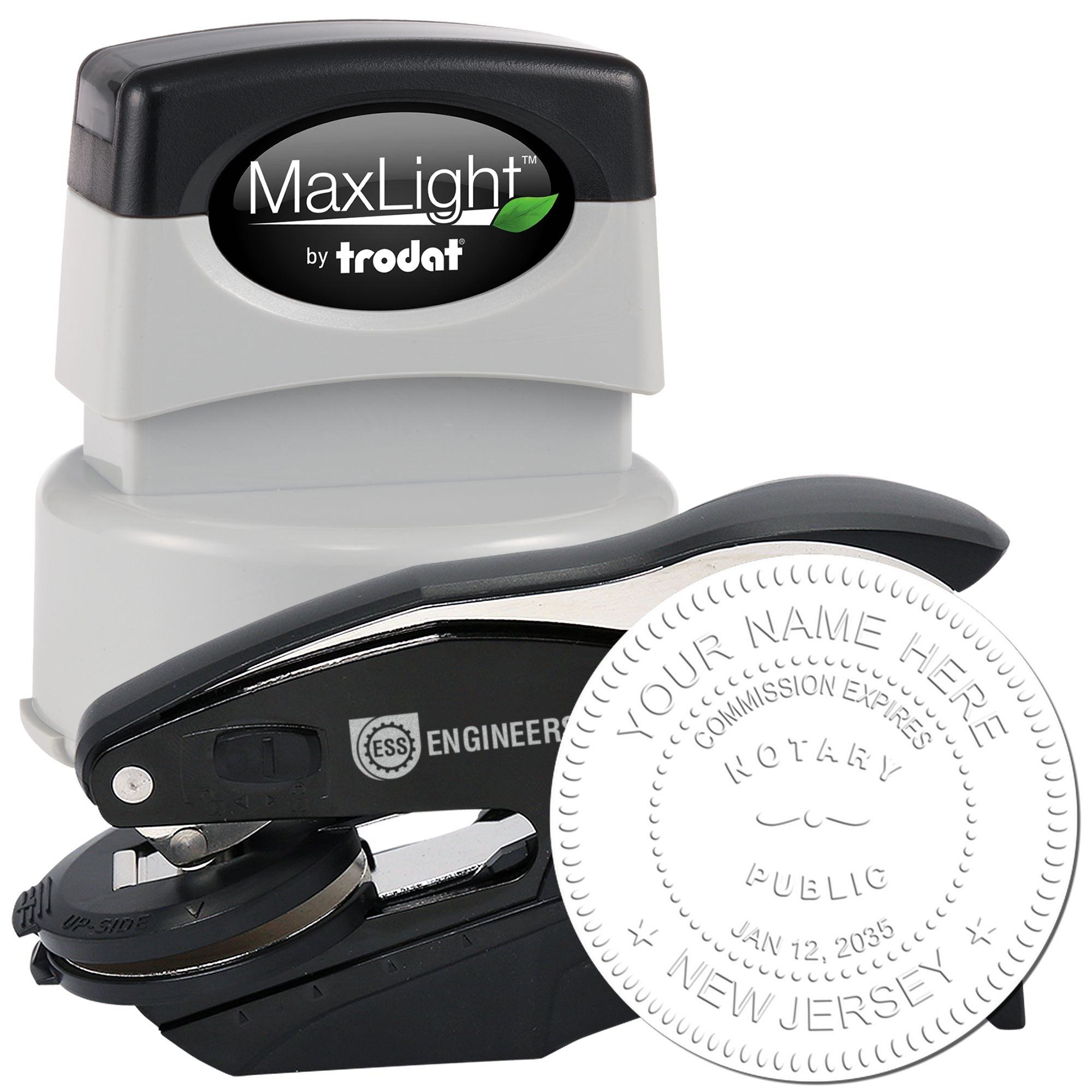
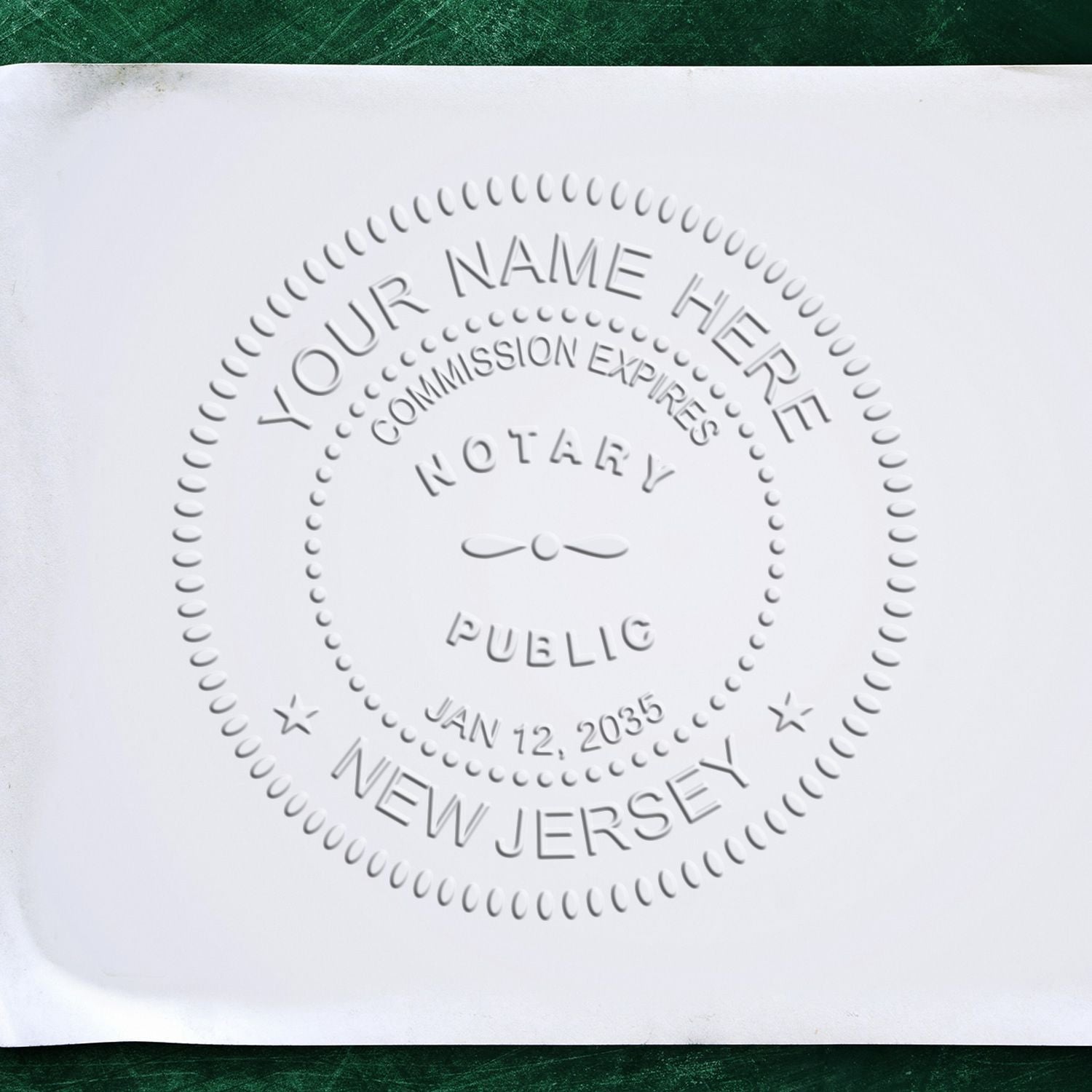
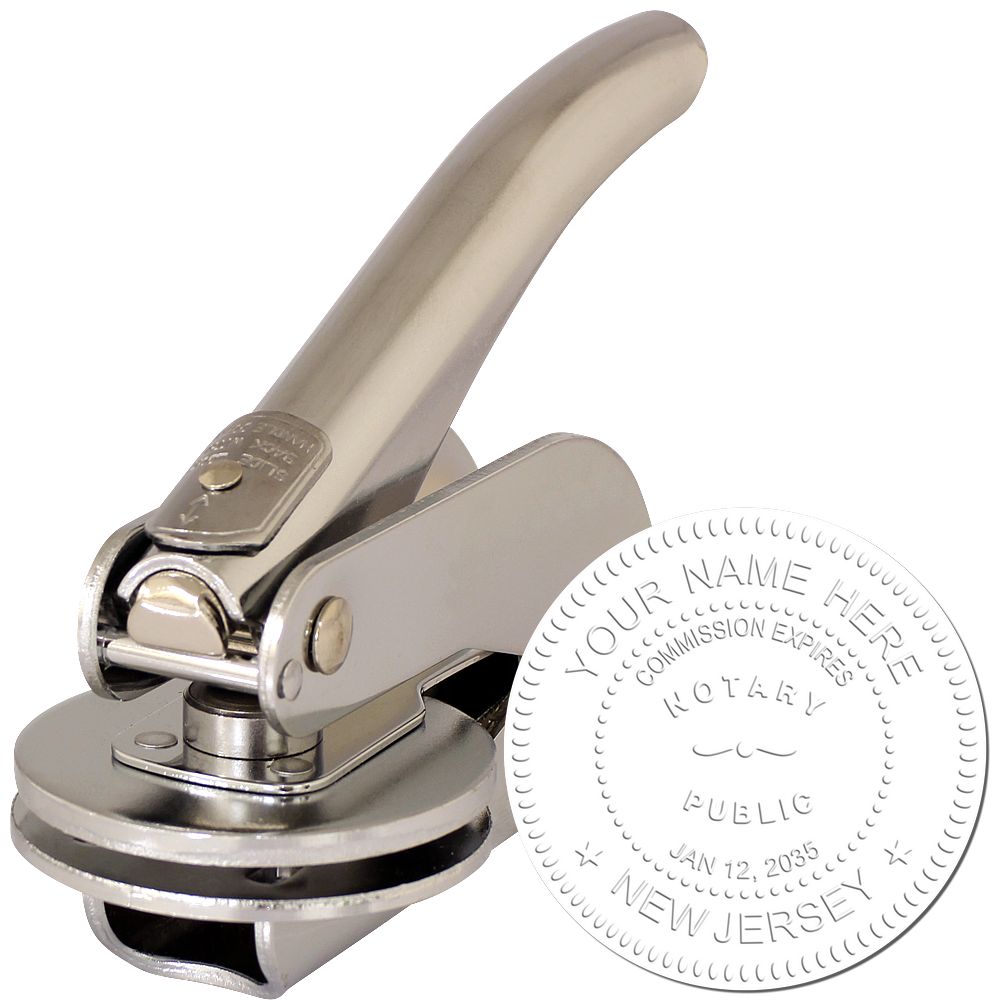
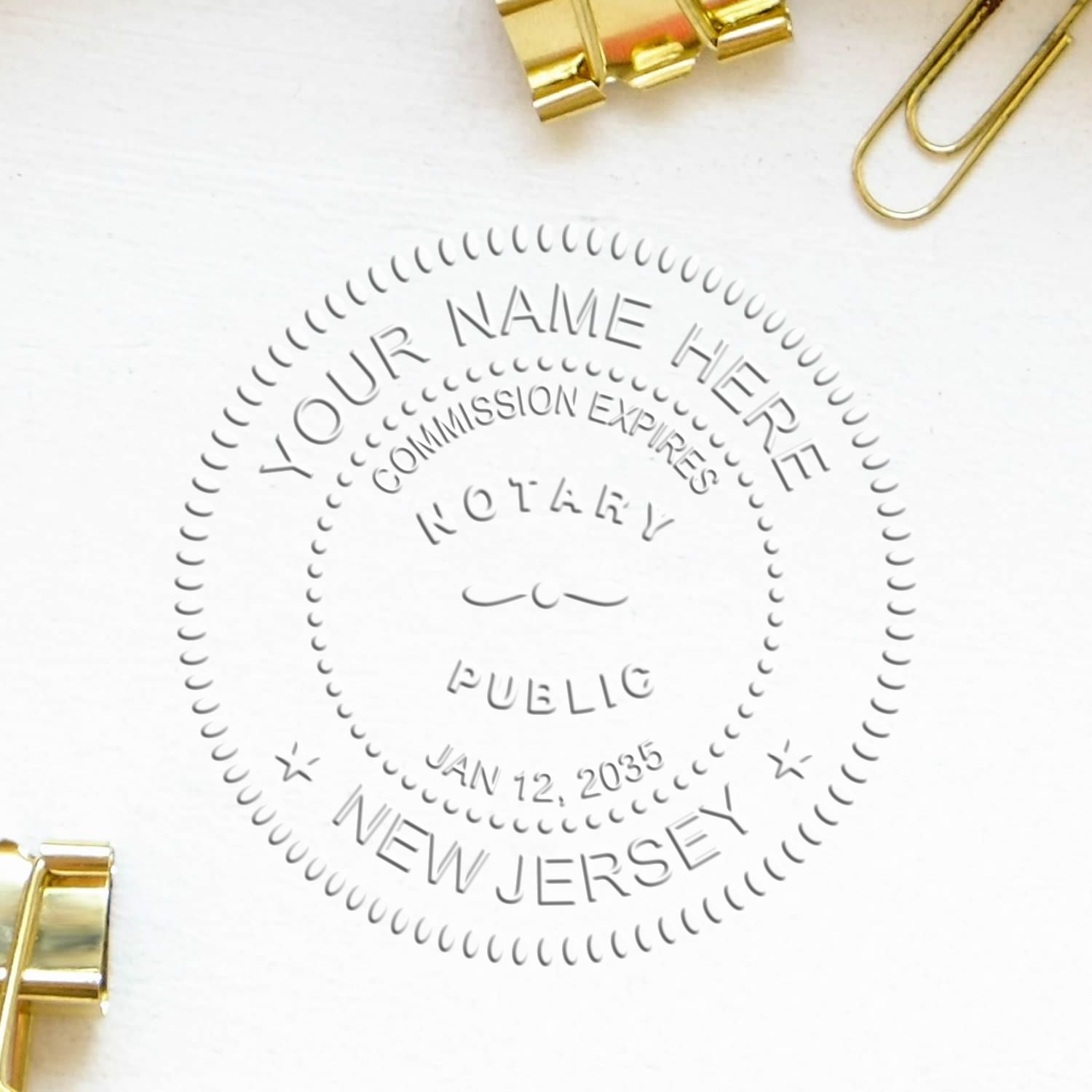
A New Jersey notary embosser is a tool used by notaries in New Jersey to imprint a raised, official seal on notarized documents. This seal is an important part of validating a document and verifying the notary's authority. Unlike notary stamps, the embosser creates a three-dimensional impression, providing an additional level of security as it is harder to forge or alter.
How to Use a Notary Embosser
Using a notary embosser is straightforward. Open the embosser, place it over the designated area on the document, and apply pressure to the handles until the device clicks or stops. This creates a crisp, raised impression of the notary's official seal.
It's also common practice for notaries to use embossers in conjunction with notary stamps. The stamp provides clear, legible information, while the embossed seal adds a layer of authenticity and security.
Requirements and Specifications for New Jersey Notary Embossers
In New Jersey, the law stipulates specific requirements for notary embossers. The embossed seal must be clear and legible, and it should contain the following information:
- The notary's name as it appears on their commission
- The words "Notary Public"
- The words "State of New Jersey"
- The notary's commission expiration date
- The notary's commission number
The embosser's impression must be circular and should not exceed 1 5/8 inches in diameter.
| Seal Information | Requirements |
|---|---|
| Notary's Name | As it appears on commission |
| Official Title | "Notary Public" |
| Jurisdiction | "State of New Jersey" |
| Expiration Date | As per commission |
| Commission Number | As per commission |
| Diameter | Not to exceed 1 5/8 inches |
In conclusion, New Jersey notary embossers are an integral part of the notary process in the state. They not only give notarized documents a formal and official look but also add an extra layer of security. If you're just setting up your notary practice or looking to upgrade your notary tools, don't forget to check out our comprehensive guide on New Jersey notary supplies.
Choosing Your Notary Embosser
When it comes down to notary tools, the embosser stands as a crucial instrument for a Notary Public. But how does one go about choosing the right embosser? There are several key considerations and understanding the difference between notary embossers and stamps can help guide this decision.
Considerations When Selecting an Embosser
Several factors matter when choosing New Jersey notary embossers. Above all, the embosser has to satisfy the requirements and specifications set by the State of New Jersey, meaning it carries every required detail: your name, "Notary Public", "State of New Jersey", and the date your commission ends.
Secondly, consider the quality and durability of the embosser. It should be robust and sturdy enough to create a clear, legible impression every time it's used. A high-quality embosser will serve you well throughout your commission term.
Lastly, consider the portability of the embosser. If your role as a notary often requires you to travel, opt for a compact and lightweight embosser that can easily fit in a briefcase or bag. For more information on notary tools and supplies, check out our article on notary public supplies NJ.
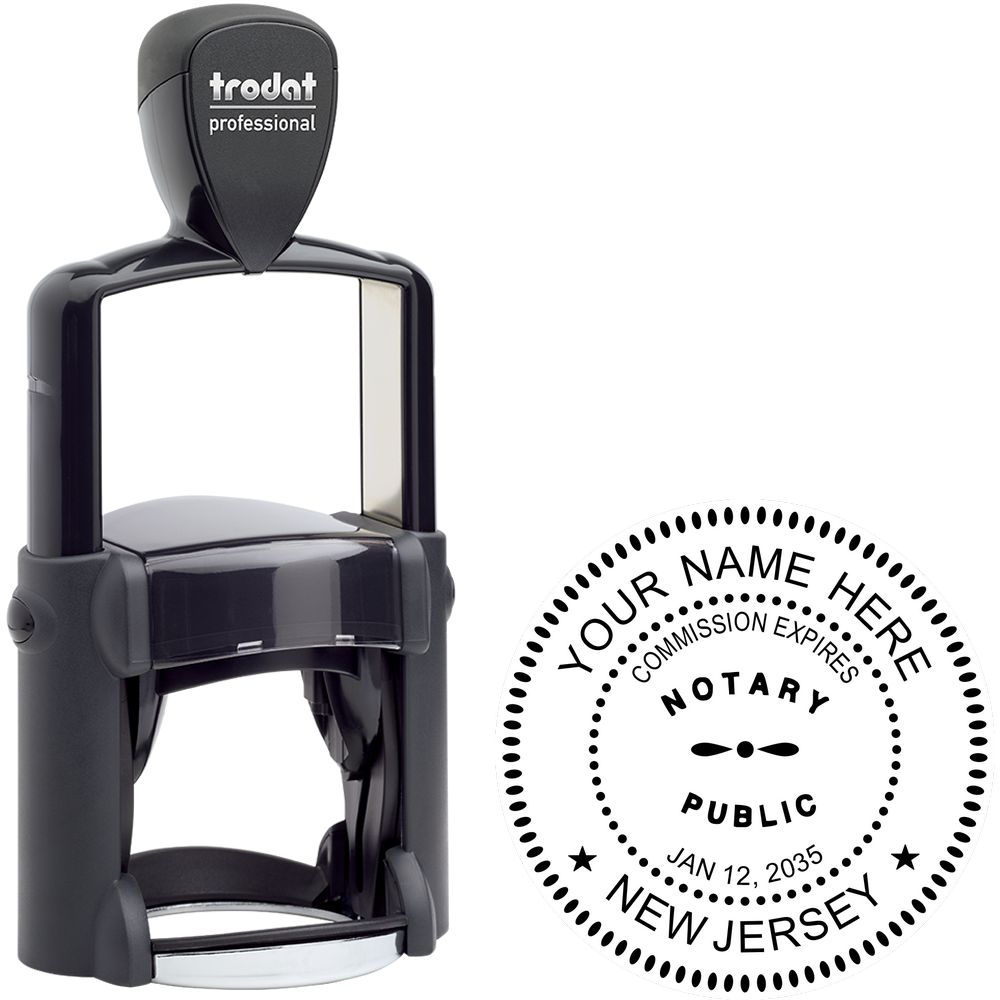
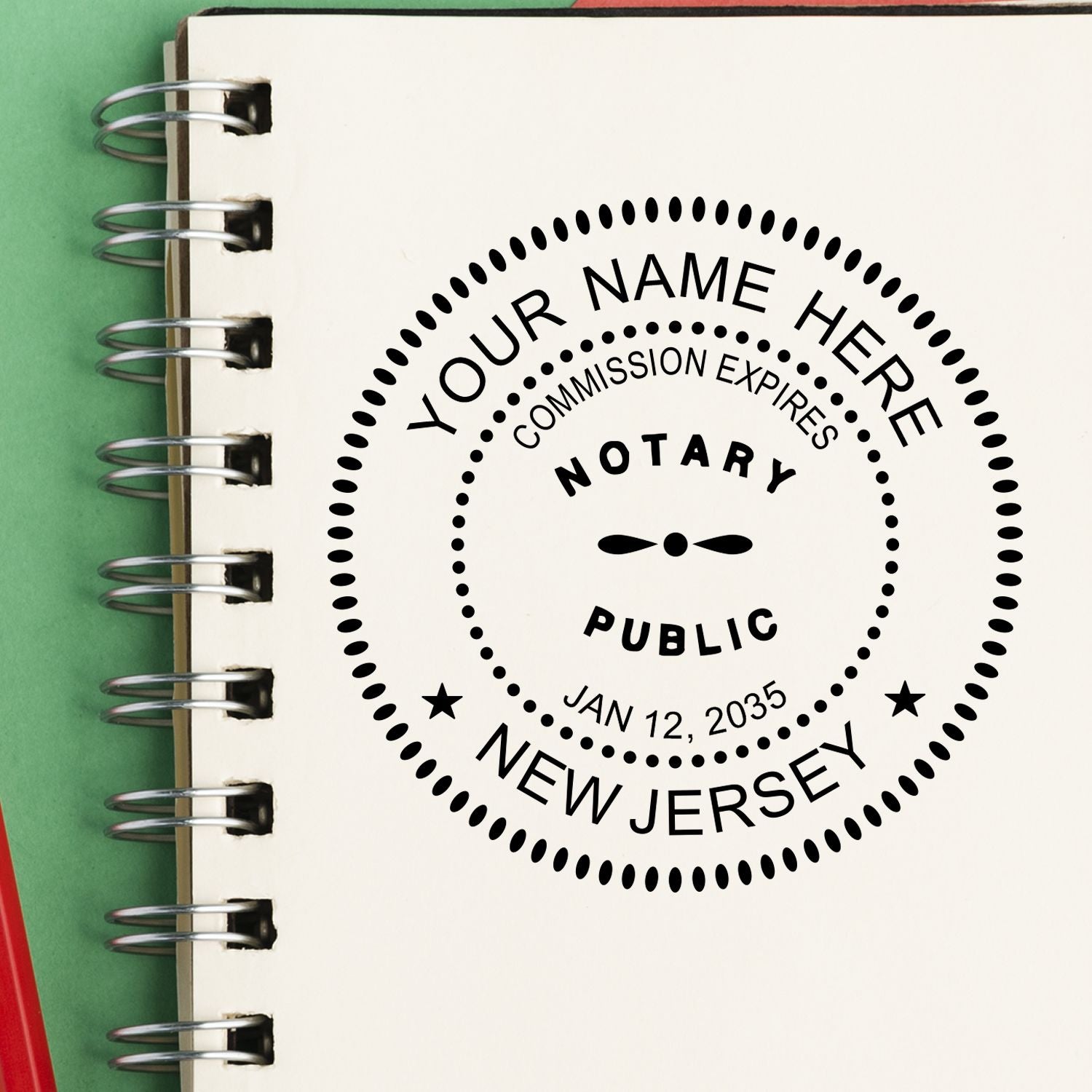
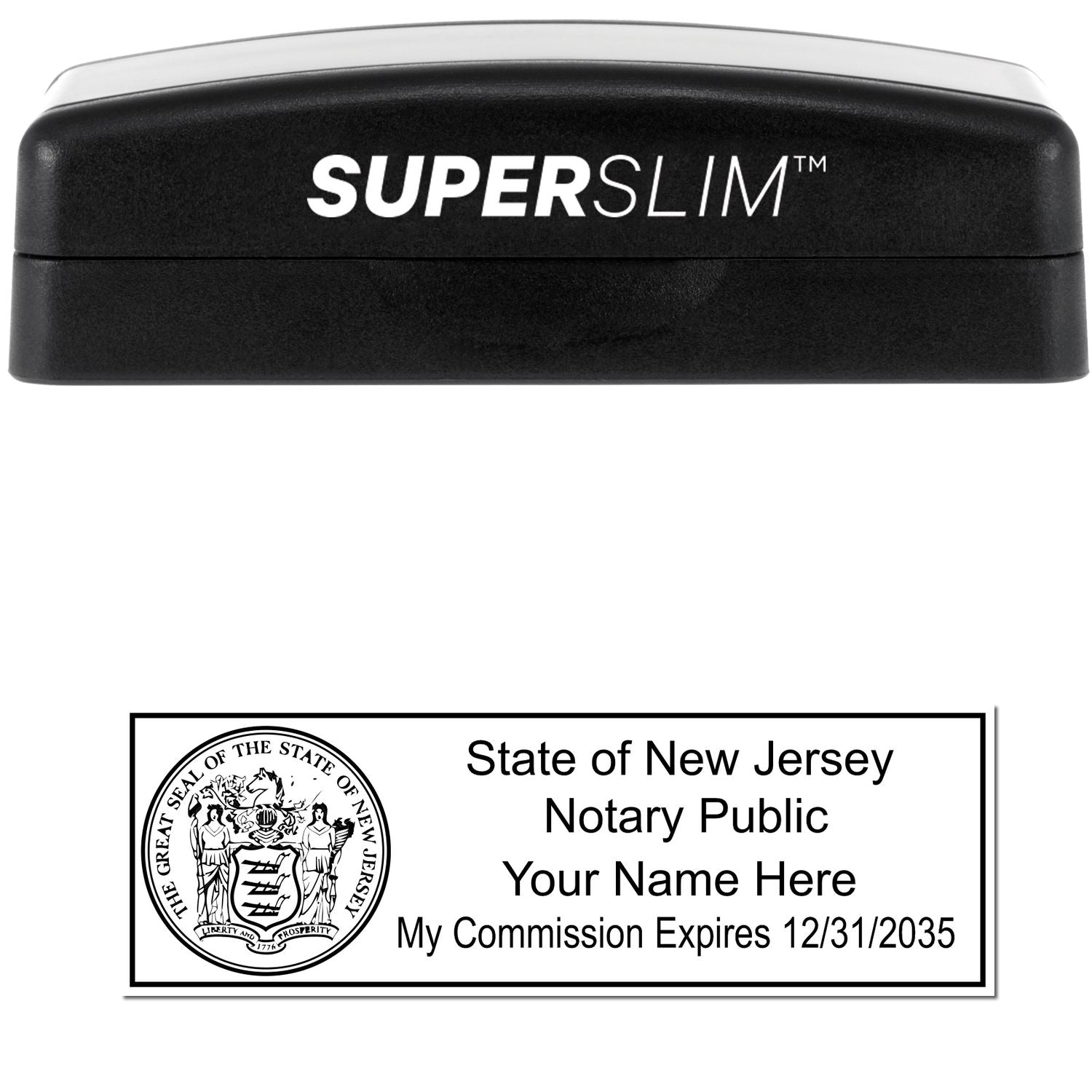

Understanding the Difference Between Notary Embossers and Stamps
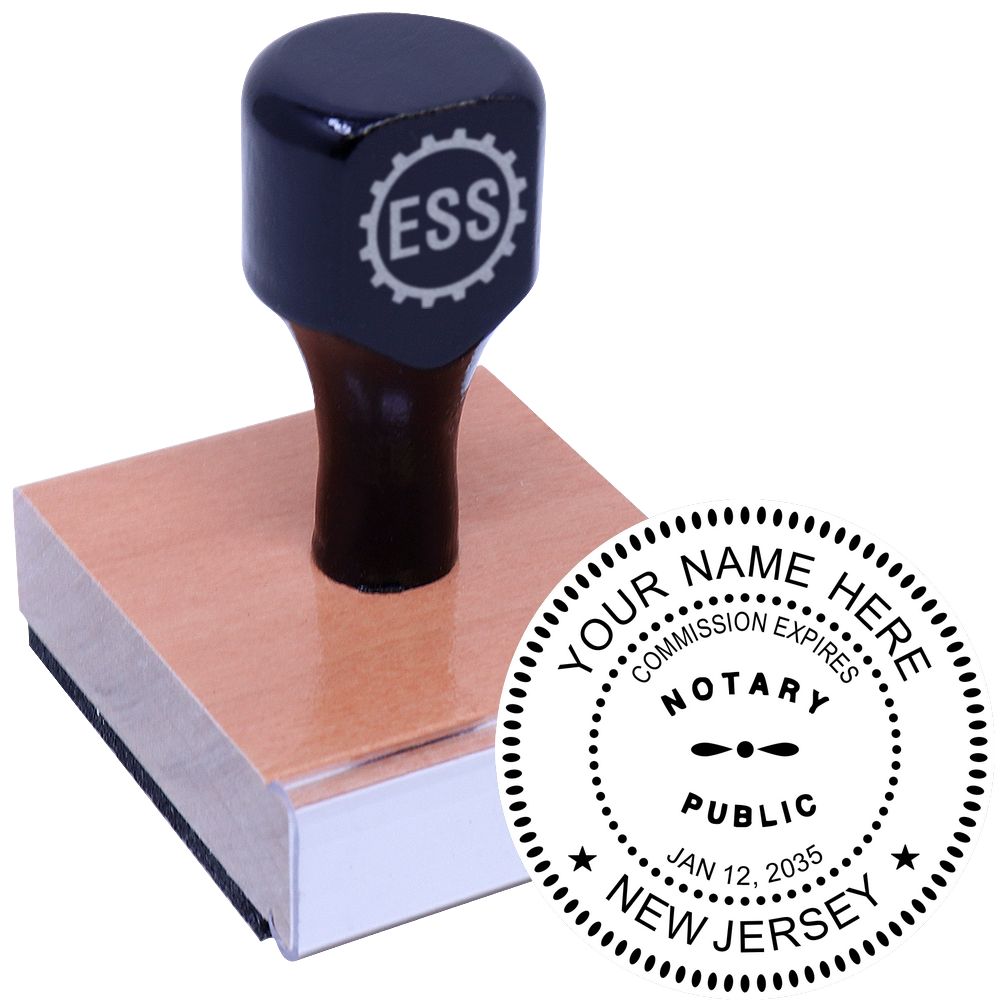
While both notary embossers and stamps serve to authenticate notarial acts, there are key differences between the two. A notary embosser creates a raised impression on the document, which is highly resistant to alterations and forgeries. This makes embossers particularly useful for notarizing important documents such as deeds or wills.
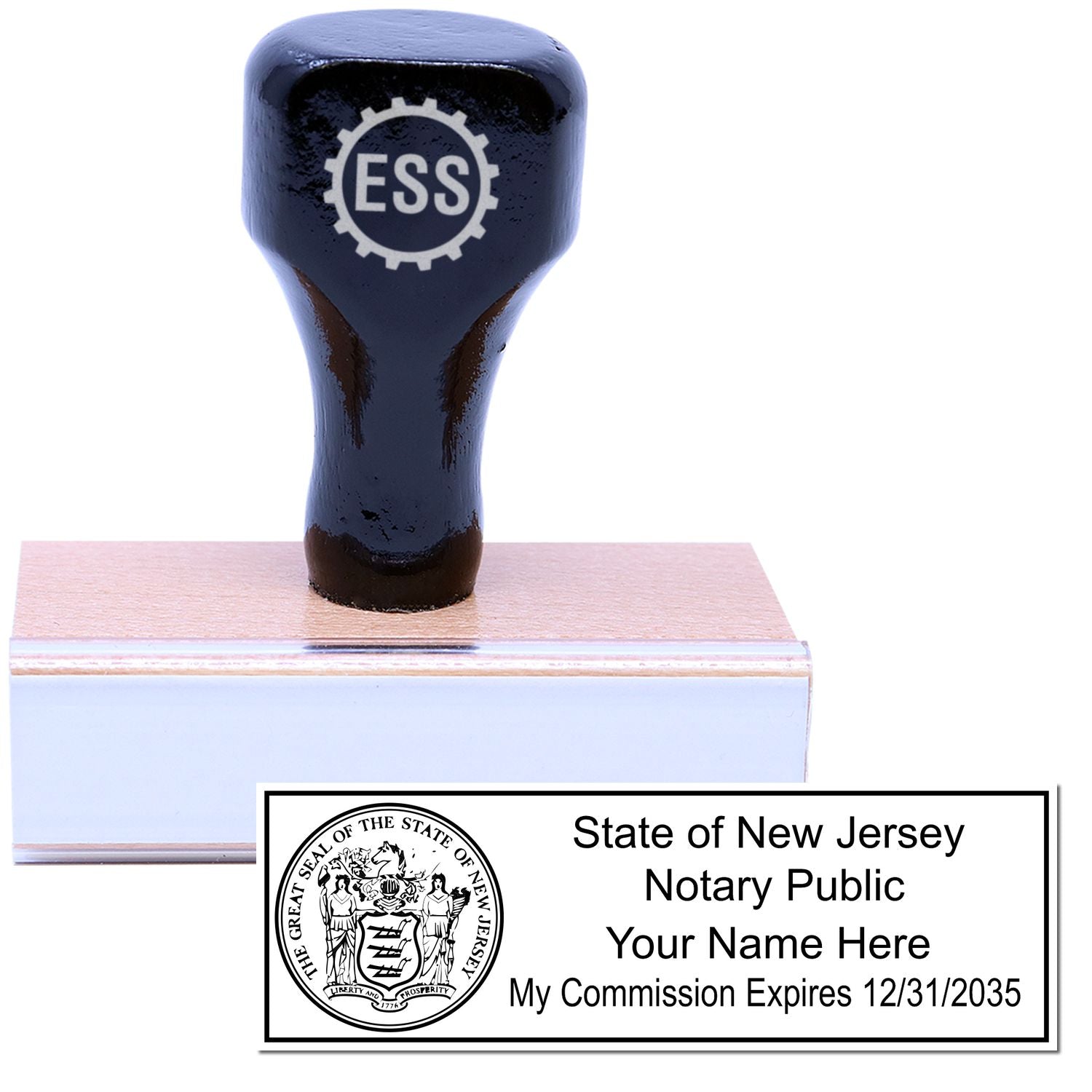
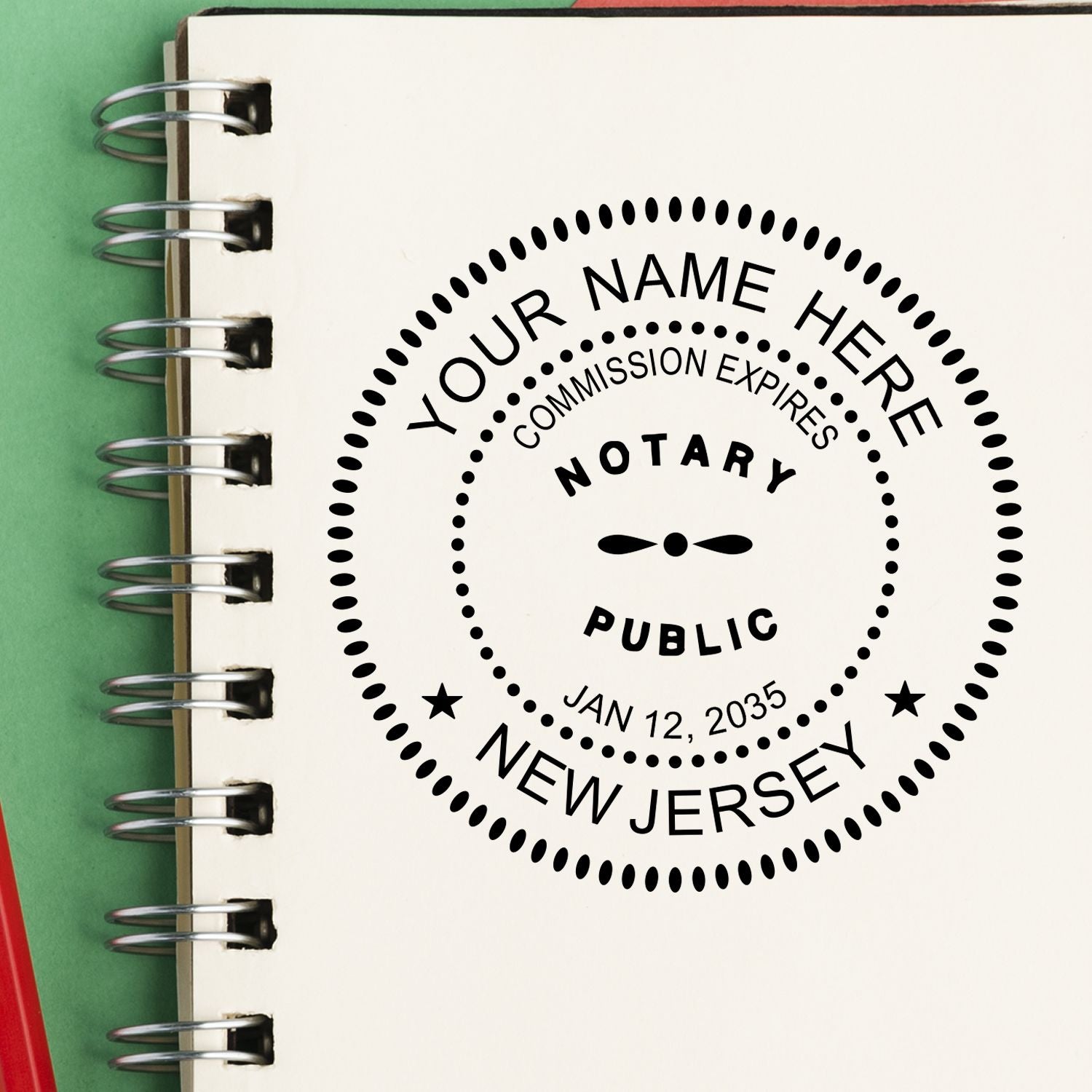
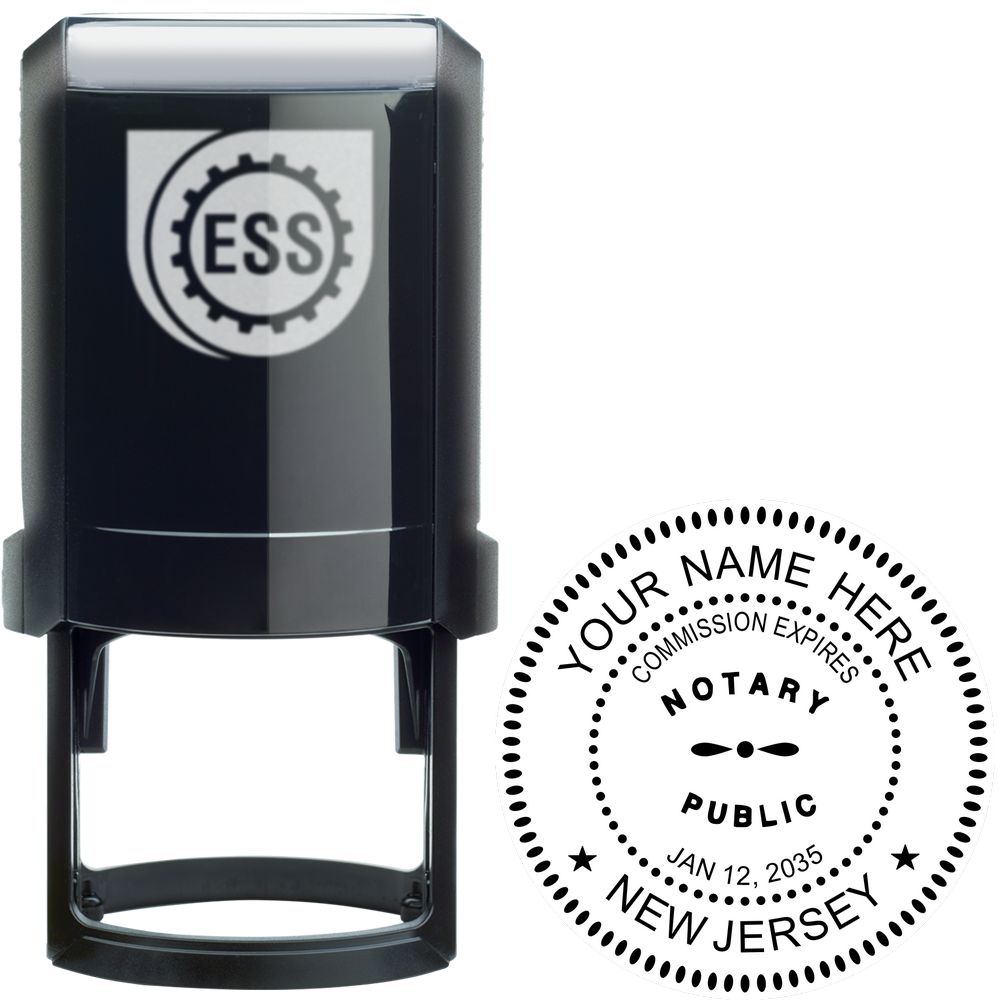
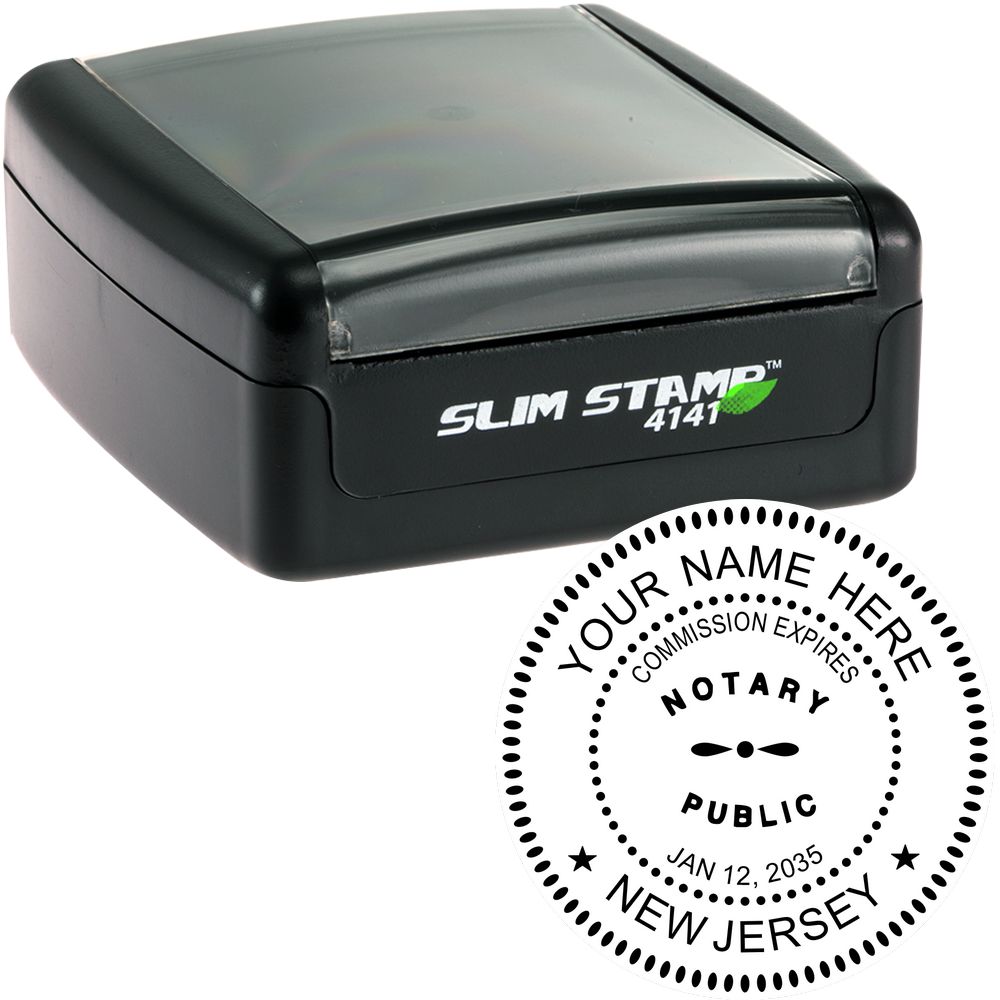
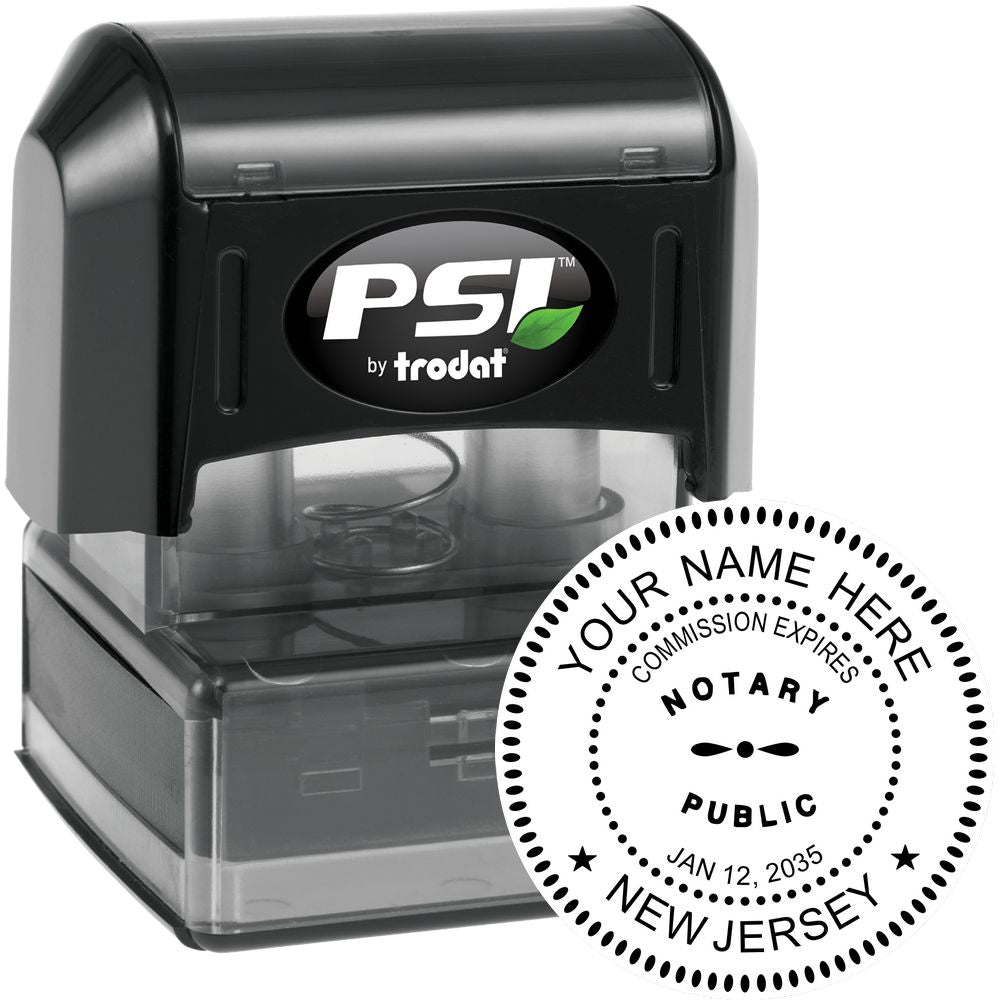
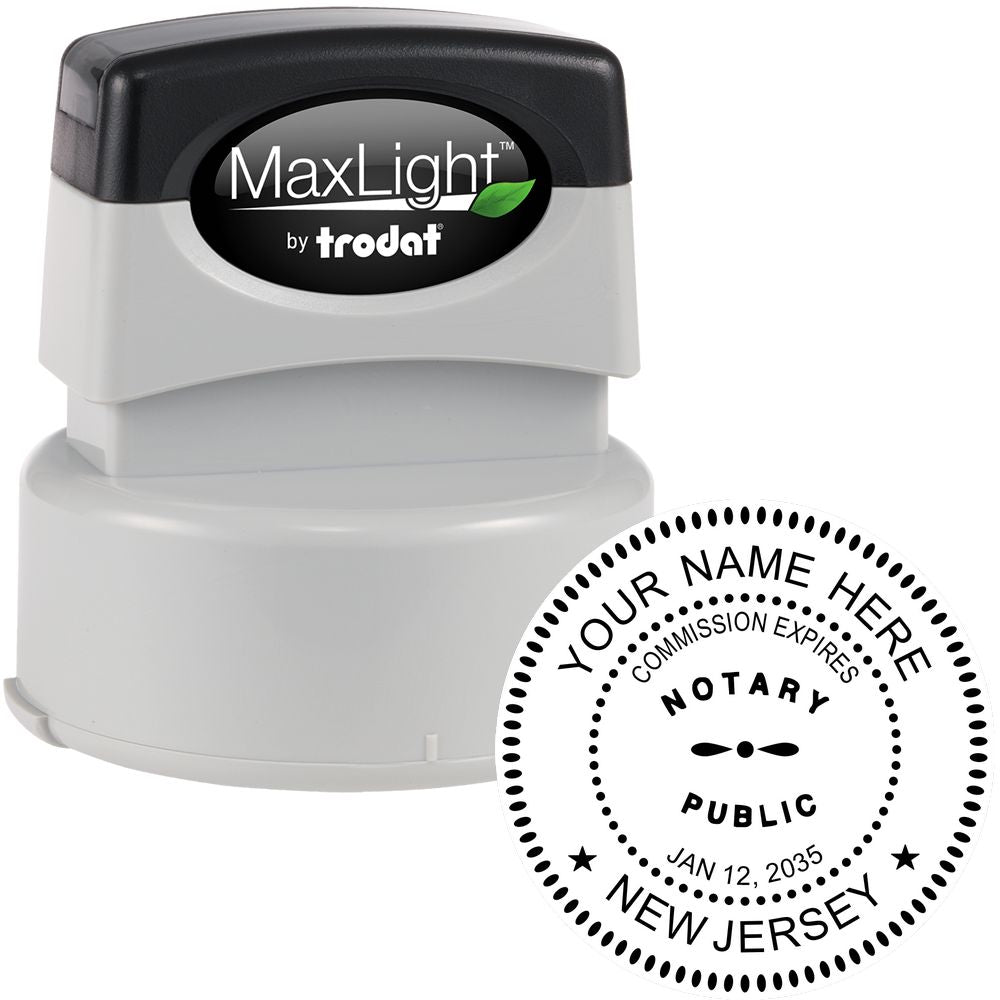
On the other hand, a notary stamp creates an inked impression on the document. Stamps are typically faster to use than embossers and require less effort. They are also easier to read, especially when used on photocopies or scanned documents. To learn more about the use and specifications of notary stamps in New Jersey, refer to our article on New Jersey notary stamps.
New Jersey notaries can use an embosser, a stamp, or the two together for extra security. Which to choose comes down to personal preference, the kinds of documents you notarize and any requirements of the parties receiving them.
Remember, whether you choose an embosser, a stamp, or both, these tools represent your authority as a Notary Public. Therefore, they should be used responsibly and stored securely to prevent misuse. For more tips on maintaining your notary tools, check out our article on official notary seals NJ.
Maintaining Your Notary Embosser
Once you've acquired your New Jersey notary embosser, it's crucial to maintain it properly to ensure its longevity and compliance with state regulations. This involves proper use and storage, timely renewals, and reporting of lost or damaged embossers.
Proper Use and Storage
When using your notary embosser, it's important to handle it with care. Apply an even amount of pressure when embossing documents to avoid damaging the device or the paper. After use, clean the plates gently with a soft cloth to remove any ink residue or dust particles.
Storage matters just as much for an embosser. Keep it secure and dry, shielded from temperature extremes and humidity, to limit wear and keep it working well. Between uses, a locked drawer or cabinet keeps others from getting to it.
Renewing Your Notary Embosser
As a notary public, you'll need to renew your New Jersey notary embosser in line with your notary commission. This usually involves providing proof of your renewed commission, after which you'll receive a new embosser with the updated commission dates. Staying up to date with these renewals is a key part of maintaining your notary supplies and ensuring your notarizations remain valid. For information on other notary supplies you may need, check out our guide on notary public supplies in NJ.
| Event | Action |
|---|---|
| Commission Renewal | Renew Notary Embosser |
| Commission Expiry | Dispose of Old Embosser |
Reporting Lost or Damaged Embossers
In the event that your notary embosser is lost, stolen, or damaged, it's important to report it immediately to the appropriate authorities. This helps to prevent misuse and protects you from potential liability. In most cases, you'll need to provide a written notice detailing the circumstances of the loss or damage.

Once reported, you can proceed to order a replacement embosser. Remember, it's crucial to dispose of damaged embossers properly to prevent unauthorized use. For more details on securing your notary tools, refer to our article on official notary seals in NJ.
Maintaining your notary embosser is an integral part of your role as a notary public. By following these guidelines, you can ensure your New Jersey notary embosser remains in excellent condition and serves you well throughout your notary commission.
About ESS
ESS is a leading manufacturer in the industry specializing in top-notch custom rubber stamps, professional seals and notary stamps. Our team of experts has hands-on experience in manufacturing premium-quality products that have consistently met the high standards of our customers. Our primary goal is to provide the best customer experience by rendering stellar customer service, timely delivery, and meeting every specific requirement of our clients.
Our products are built for durability and long service and carry a state-board guarantee, so clients can rely on them with full confidence. Every product also has a quick turnaround, so orders arrive promptly. ESS knows how much it matters to stand out from competitors and present a professional image, which is why product quality is never compromised. Current technologies and manufacturing techniques go into products made to last. With more than 50 years in the industry and a skilled, qualified team, ESS has set the standard for premium custom rubber stamps, professional seals and notary stamps, and it keeps working to hold that standard and improve on it.
More on New Jersey notary seals
The New Jersey rules are covered end to end in New Jersey notary seal requirements. See New Jersey notary stamp rules and New Jersey notary stamp and seal options for the related detail.