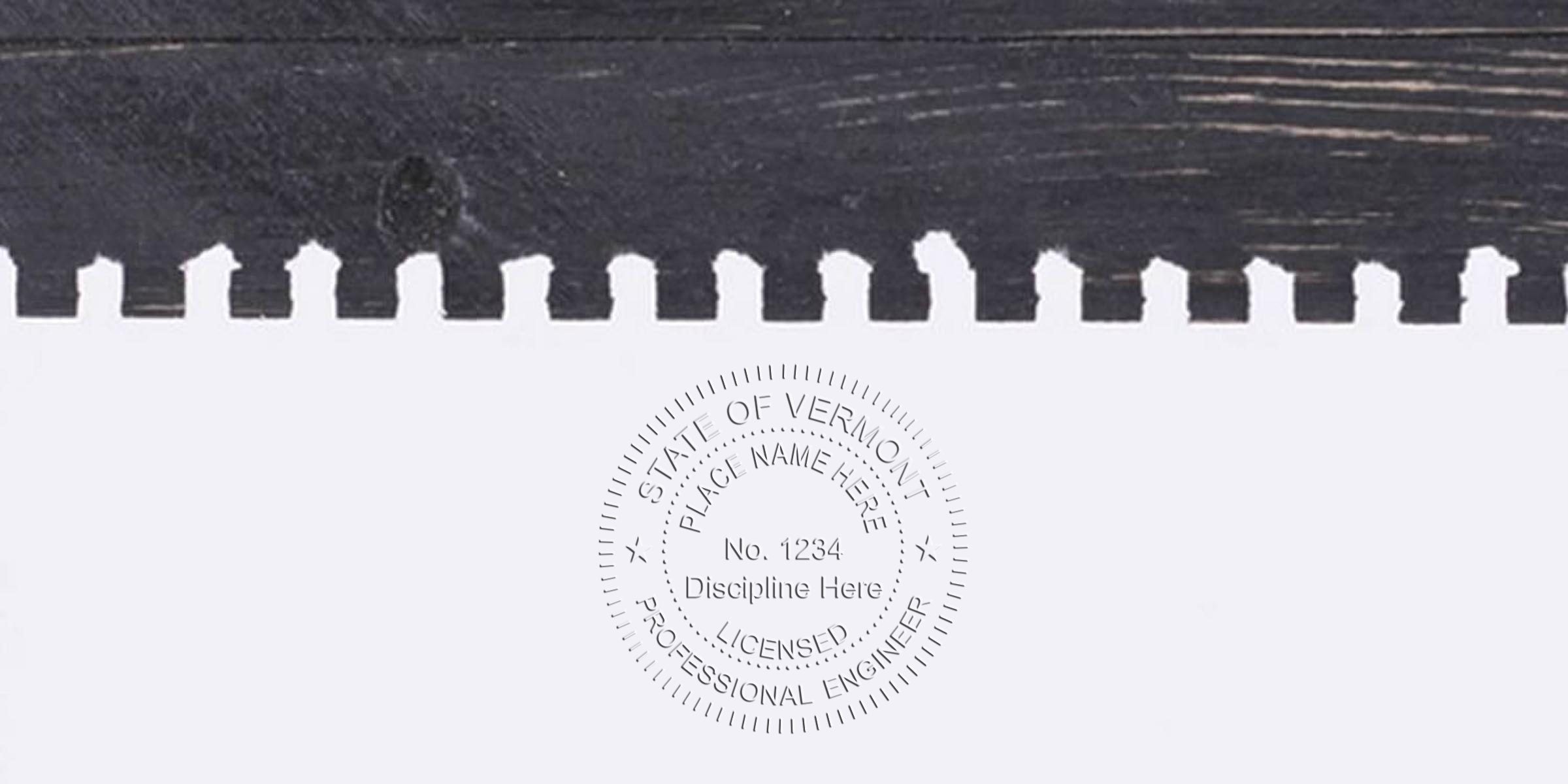
Introduction: The Right Embosser Format Matters More Than You Think
Florida requires a raised seal on every engineering drawing. New Jersey will not accept a rubber stamp on paper documents. Your embosser format is not just a preference; it is a compliance decision that can carry real disciplinary consequences.
Professional engineers choose between two physical embosser formats: the pocket (handheld) embosser and the desk embosser. With nearly 495,000 resident PE licensees across the U.S., engineers work in vastly different environments, from job sites and client offices to fixed workstations in large firms. That makes this a practical decision worth getting right.
The key factors come down to portability, impression reach, sealing volume, ergonomics, and state-specific requirements. A free digital seal is included with many PE seal purchases at EngineerSealStamps.com, adding a third option for PDF and e-permit workflows. Here is what separates these two formats and how to choose the one that fits your practice.
How Each Embosser Format Works
The pocket embosser is a handheld device where the die holder tucks inside the handle for compact storage. It fits easily in a briefcase or bag, making it genuinely travel-ready. The impression reach on a pocket embosser is approximately 1.5 inches from the page edge to the center of the impression.
The desk embosser rests on a horizontal surface. You insert the document and press a lever to create the embossed impression. Desk models offer an impression reach of approximately 2.25 inches from the edge to the center, giving you more flexibility for seal placement on larger documents.
There is also a long-reach desk embosser variant, built with a heavy-duty steel frame. This model extends the reach up to 2.75 inches and delivers maximum pressure, making it ideal for PE seals with intricate designs or states that require many characters in the seal layout.
Both formats produce a permanent, raised impression without ink. This creates a visual and tactile verification that the document was prepared by a licensed engineer, and it is extremely difficult to photocopy or forge. Impression sizes for PE seals are dictated by state boards, typically ranging from 1-5/8 to 2 inches in diameter, so the embosser format must accommodate the required die size.
One important note: embossers should only be used on one sheet of paper at a time. Stacking sheets bends the insert and degrades impression quality over time.
Portability and Field Use: Where the Pocket Embosser Wins
Pocket embossers are purpose-built for engineers who seal documents outside the office. Whether you are at a job site, a client's conference room, a field inspection, or a municipal permit counter, the pocket format goes where you go.
The compact, self-contained design means the die stores inside the handle. There are no loose parts to track, and the whole unit is genuinely pocketable. For PEs who certify a moderate number of documents per week across multiple locations, the pocket embosser is often the most practical choice.
Consider a civil engineer visiting a county permit office to seal final drawings on-site. Pulling a pocket embosser from a briefcase is seamless. There is no setup, no surface needed, and no delay. That kind of convenience matters when you are working across locations throughout the week.
The pocket format does have one limitation. The 1.5-inch impression reach may restrict placement on large-format engineering drawings where the title block sits further from the sheet edge. If your state or firm has specific placement requirements for the seal on large sheets, verify that the pocket embosser's reach is sufficient before ordering.
Volume, Ergonomics, and Office Use: Where the Desk Embosser Wins
Desk embossers provide a stable base and an ergonomic lever action that produces deeper, more consistent impressions than pocket models. If you are sealing at a fixed workstation, the desk embosser is the superior tool for the job.
For engineers sealing dozens or even hundreds of drawings in a single session (common in structural, civil, and MEP disciplines), the desk embosser significantly reduces wrist and hand fatigue. This is an underappreciated practical consideration. Pocket embossers can be genuinely tough on the wrist during high-volume use, particularly over the course of a long sealing session.
The 2.25-inch reach (or up to 2.75 inches for long-reach models) gives desk embossers more flexibility for placement on large-format drawings and complex title blocks. When seal placement needs to be precise and consistent across a large document set, the desk format delivers.
At EngineerSealStamps.com, we recommend desk embossers for heavier-duty use. The investment pays off in consistency and comfort over the life of the seal. Engineers at larger firms or those with high document output will find the desk embosser to be the more durable, longer-term tool. Pocket embossers used heavily over years can wear out faster, and impression quality may degrade with extended high-volume use.
State Compliance: How Your Jurisdiction Shapes the Decision
In some states, the embosser format is not a choice at all. New Jersey requires an embosser-type seal for paper documents and does not accept rubber stamps for PEs. Florida mandates a raised embossed seal on each engineering drawing, making a physical embosser non-optional for Florida-licensed engineers.
New York State (Section 7209 of Article 145) requires every professional engineer to have a seal but accepts embossing seals, rubber stamps, or electronic versions, giving PEs flexibility. Texas goes even further, accepting rubber stamps, impression seals, and electronic seals as equally valid. Engineers licensed in Texas have the most format flexibility of any state.
Washington State requires the engineer's stamp or seal to remain under the licensee's control at all times and has specific branch designation rules (for example, only the "Structural Engineer" designation is permitted on the seal for that branch).
Multi-state licensees face additional complexity. There are approximately 437,098 non-resident PE licenses in the U.S., meaning many engineers must satisfy different format requirements across jurisdictions simultaneously. If one of your states mandates an embosser and another accepts rubber stamps, the embosser requirement governs your minimum format selection.
At EngineerSealStamps.com, we build PE seals around state-specific layout, required wording, and license information. Always verify current requirements with your state licensing board before sealing final documents. Disciplinary actions for sealing violations are real, and choosing the correct embosser format is part of a broader compliance strategy, not just a convenience decision.
The Digital Seal Factor: When Physical Embossers Are Still Essential
Digital and electronic seals are growing in adoption as e-permitting, PDF submissions, and remote workflows expand across the profession. However, adoption pace varies widely by jurisdiction, and physical embossers remain essential in many states.
A free digital seal is included with many PE seal purchases at EngineerSealStamps.com, giving engineers a convenient electronic version for PDF and digital plan submissions. This is a practical addition for modern hybrid workflows where some documents go through digital channels and others require physical certification.
States like New Jersey and Florida still require a physical raised impression for paper documents. The digital seal does not substitute in these jurisdictions. The NSPE does not distinguish between digital, wet, or imprint seals in its position statement, provided the method is consistent with jurisdictional requirements. Engineers must know their state's rules.
A practical framework: use the digital seal for e-permit submissions and cloud-based workflows; use the physical embosser (pocket or desk) for state-mandated paper certifications and high-stakes original documents. A complete PE certification still requires three components on the document: the seal image, a handwritten signature, and a date, regardless of format.
How to Choose: A Quick Decision Framework
Choose a pocket embosser if:
- You frequently seal documents in the field, at client sites, or across multiple locations
- Your sealing volume is moderate
- Your state's title block placement is compatible with a 1.5-inch impression reach
Choose a desk embosser if:
- You seal documents primarily at a fixed workstation
- Your sealing volume is high
- You want deeper, more consistent impressions
- Your drawings require a reach beyond 1.5 inches from the sheet edge
Choose a long-reach desk embosser if:
- Your state seal has intricate design elements or many required characters
- You work with large-format drawings where the title block is positioned further from the sheet edge
Multi-state licensees: identify the most restrictive state requirement first (for example, New Jersey's embosser mandate) and select the format that satisfies all jurisdictions you practice in.
When in doubt, the desk embosser is the more versatile and durable long-term investment for professional office-based practice.
Match Your Embosser to Your Practice and Your State
Pocket embossers serve field-based, mobile engineers well. Desk embossers serve office-based, high-volume engineers better. Neither is universally superior; the right choice depends on where you work, how many documents you seal, and what your state requires.
State compliance is non-negotiable. The wrong format in a mandate state like New Jersey or Florida is not just an inconvenience; it is a compliance risk that can result in disciplinary action.
At EngineerSealStamps.com, we offer state-specific PE seals built to the correct layout, wording, and size requirements, with a free digital seal included with many purchases. Since requirements can change and vary by filing office, we always encourage engineers to verify current rules with their licensing board before sealing final documents.
Browse our state-specific PE seal options at EngineerSealStamps.com to find the right embosser format for your practice.