A seal is the official mark of a licensed professional, a commissioned notary or a company; a stamp prints a mark in ink, and an embosser presses one into the paper as raised relief. The rule behind each document decides which device counts: 16 jurisdictions let a notary embosser replace the inked stamp, while Colorado and Hawaii prohibit them. Office stamps such as For Deposit Only record a status and certify nothing. This glossary defines 71 terms and links the ESS pages that hold the full rules.
Engineer Seal Stamps compliance desk. Definitions drawn from ESS's sourced state requirement pages. Sources read September 2026.
| Term | What it is | Where the rules are |
|---|---|---|
| PE stamp | A seal applied as an inked stamp, an embosser or, in 39 of 54 jurisdictions, electronically. | PE seal requirements by state |
| Architect seal | A seal; architect rules use stamp and seal for the same mark. | Architect seal requirements by state |
| Land surveyor seal | A seal; most rules naming a raised seal also accept a rubber stamp. | Land surveyor seal requirements |
| Notary seal | A seal, inked or embossed; optional in 7 of 54 jurisdictions. | Notary seal requirements by state |
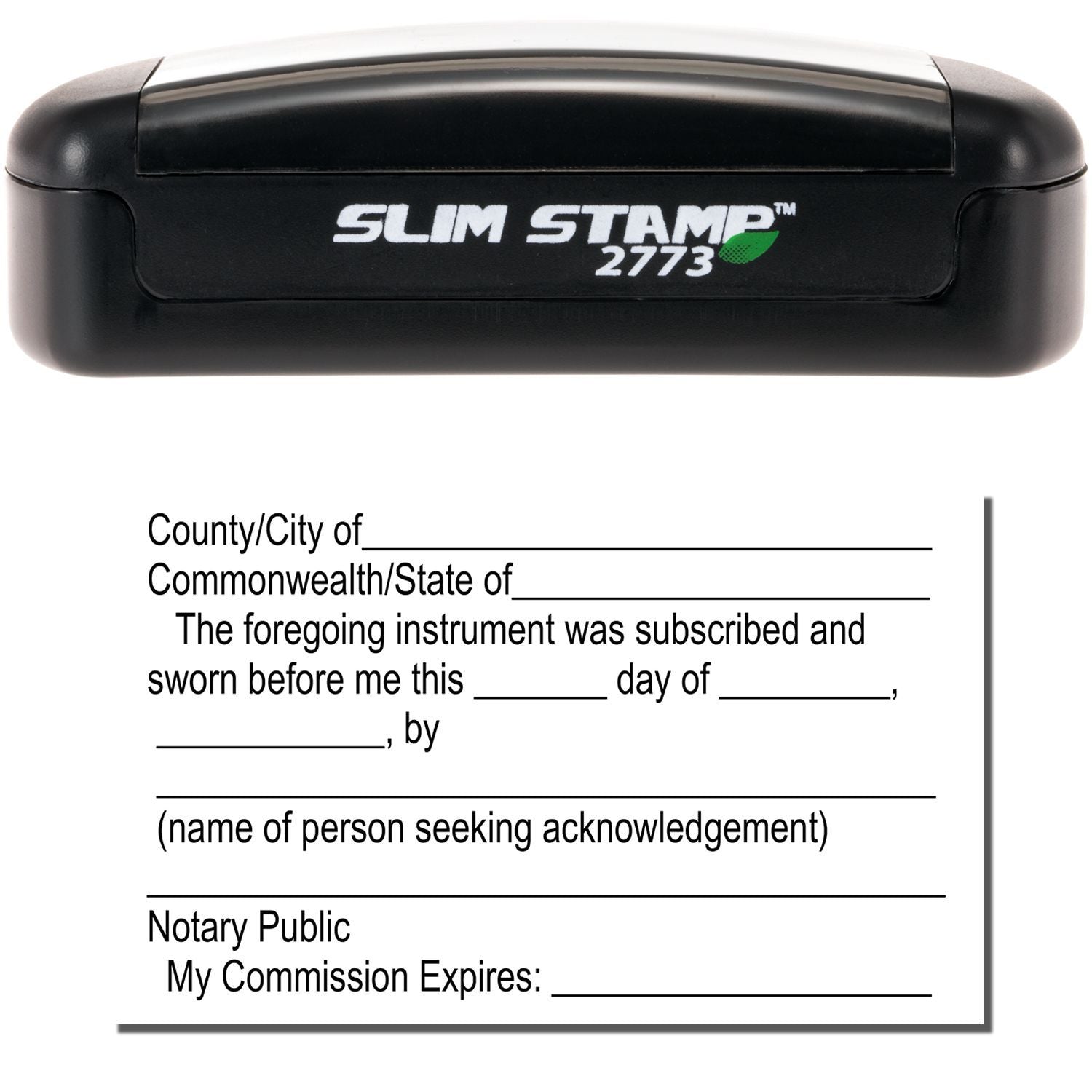
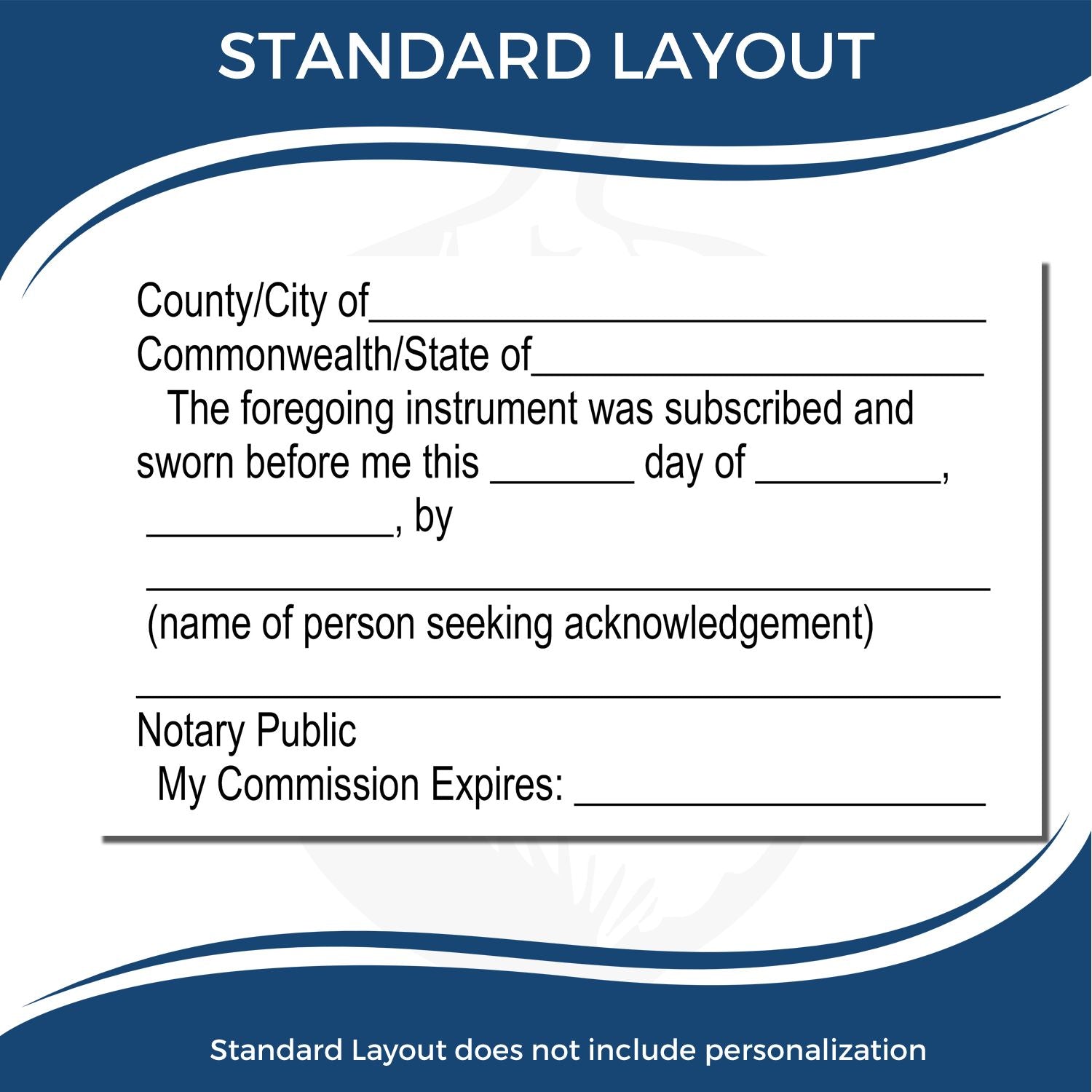
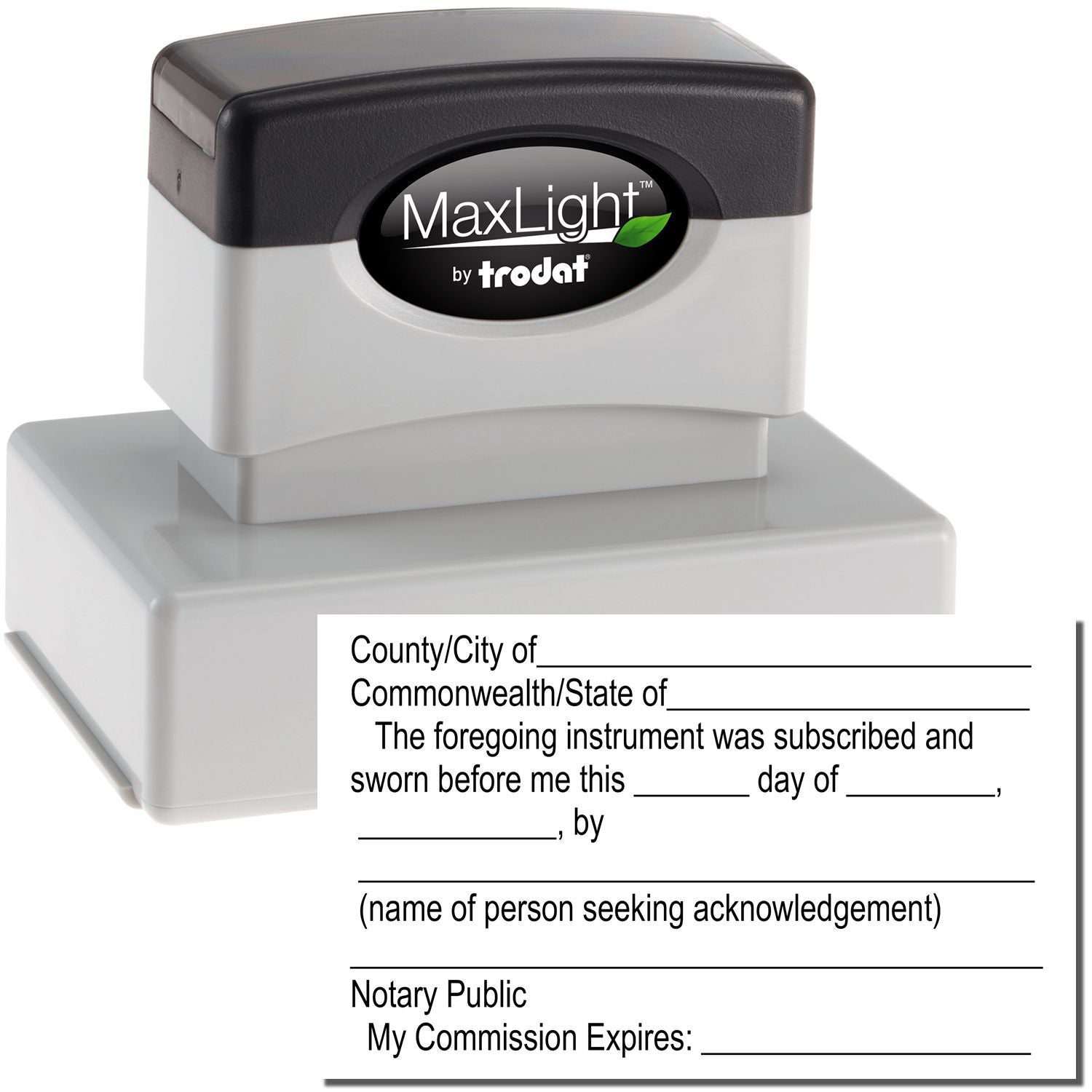
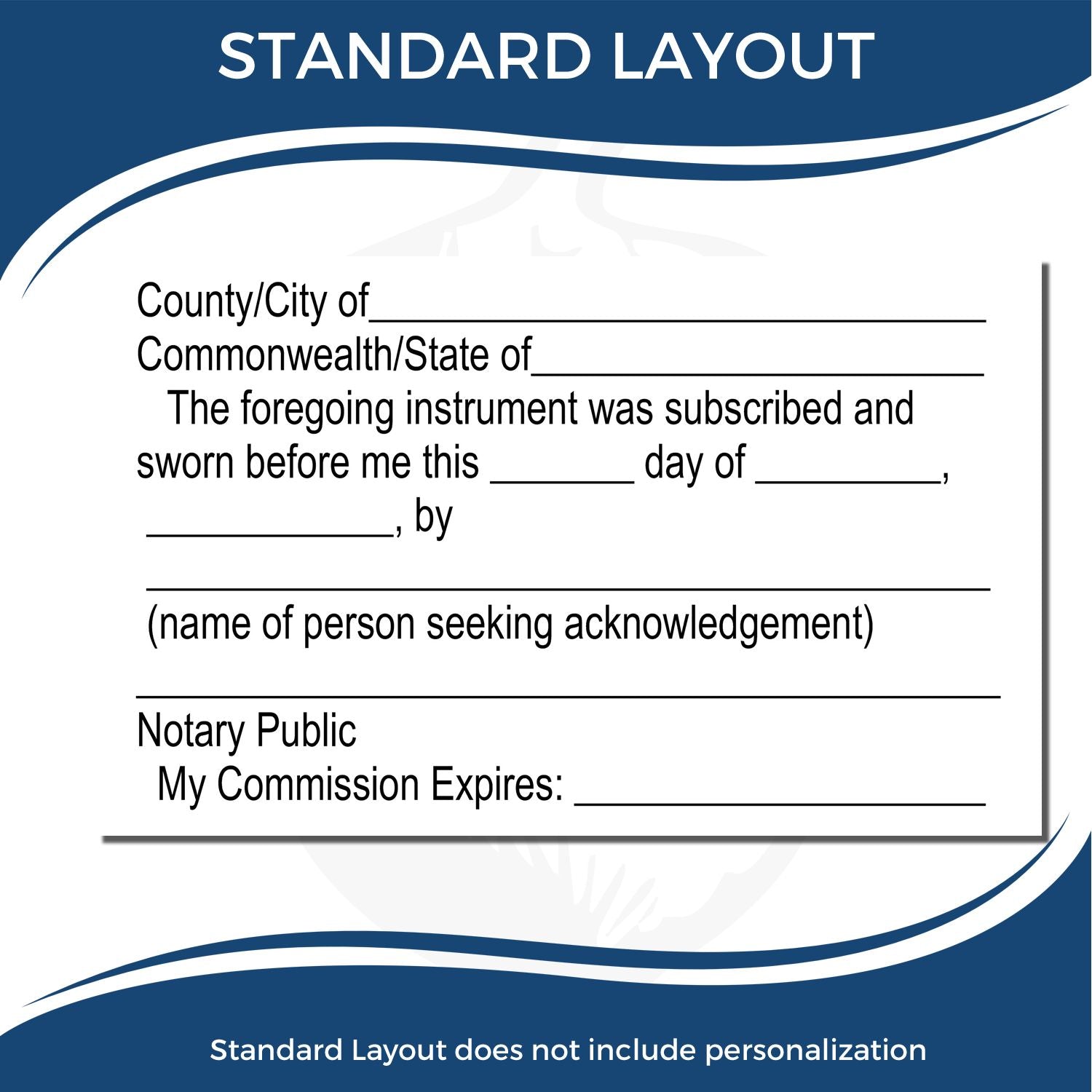
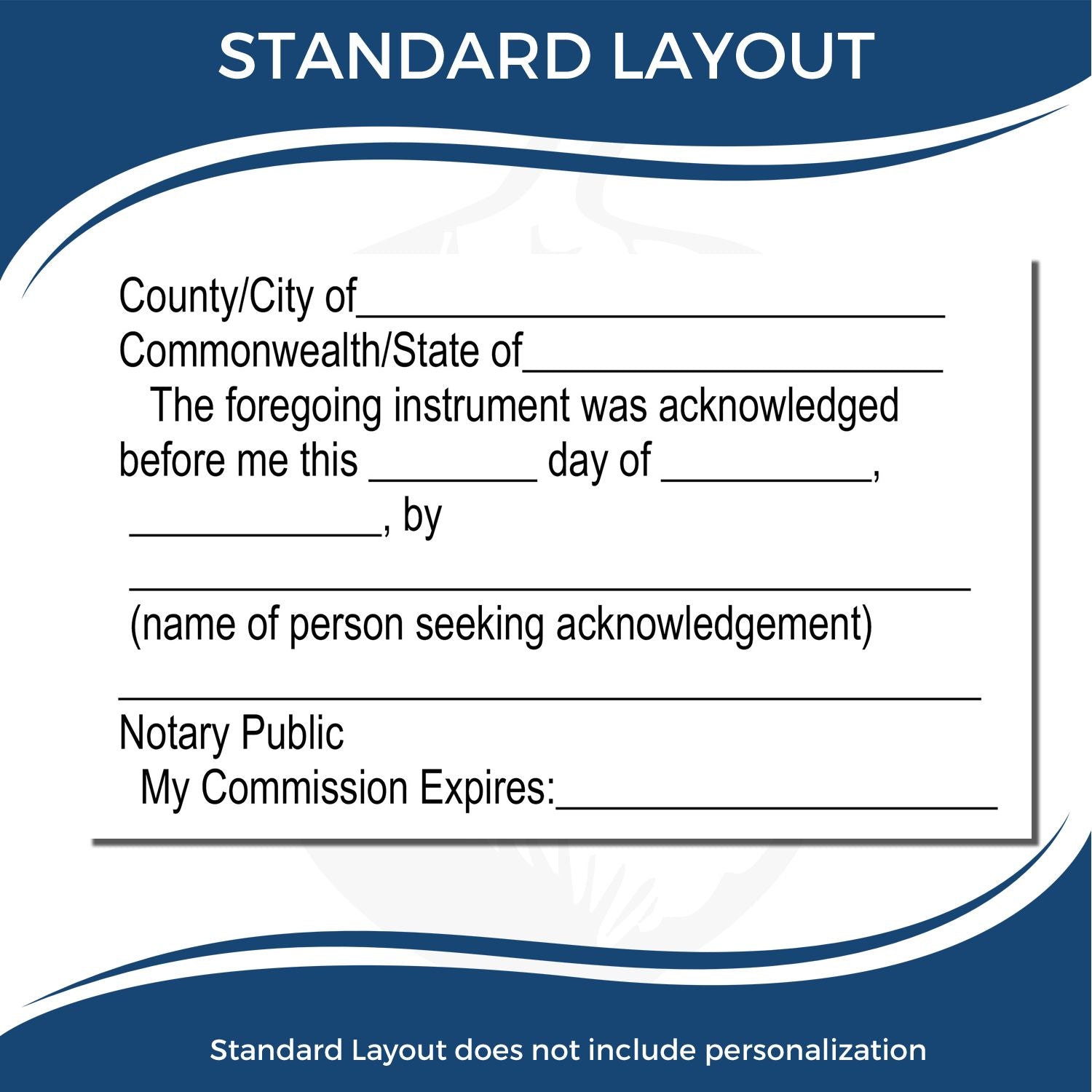
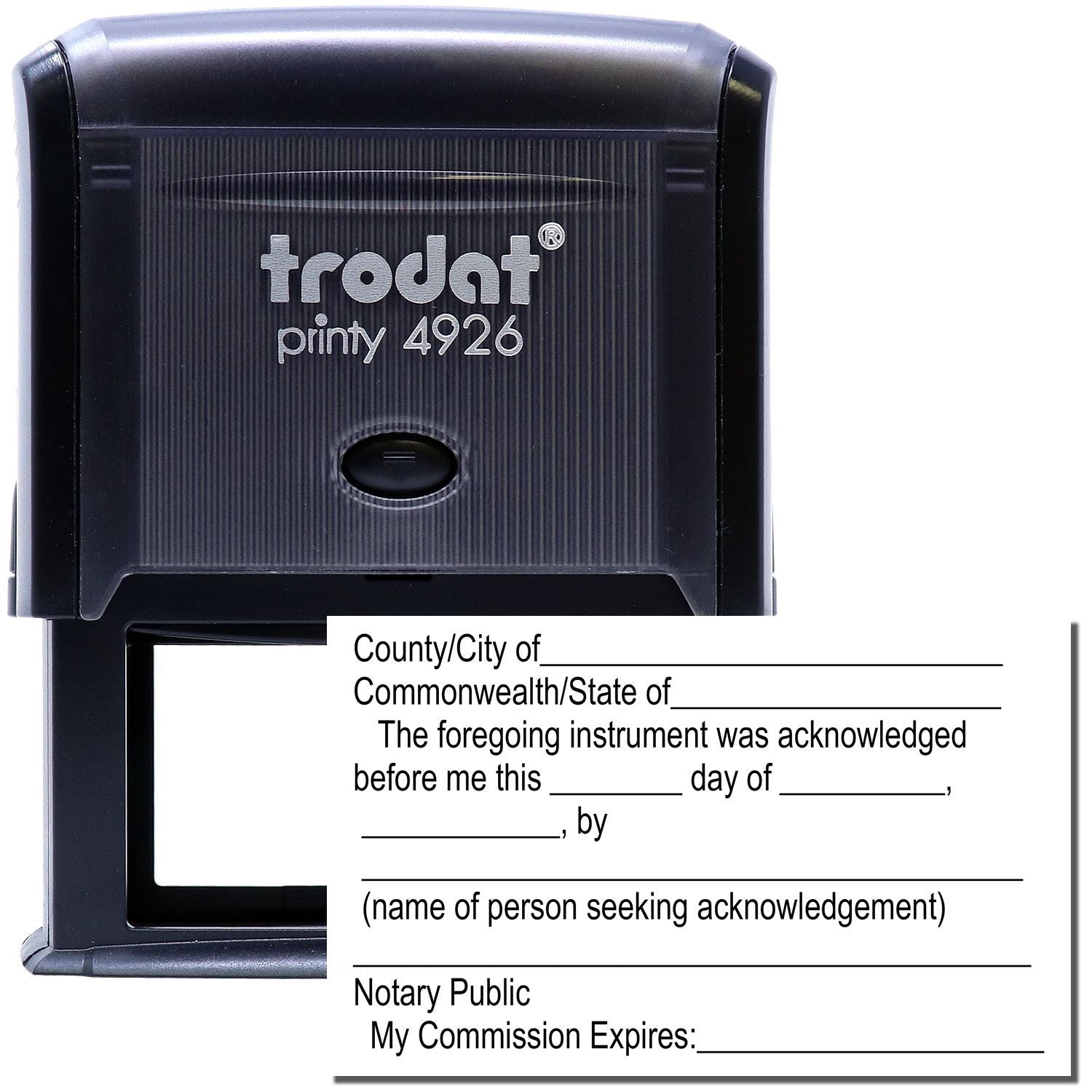
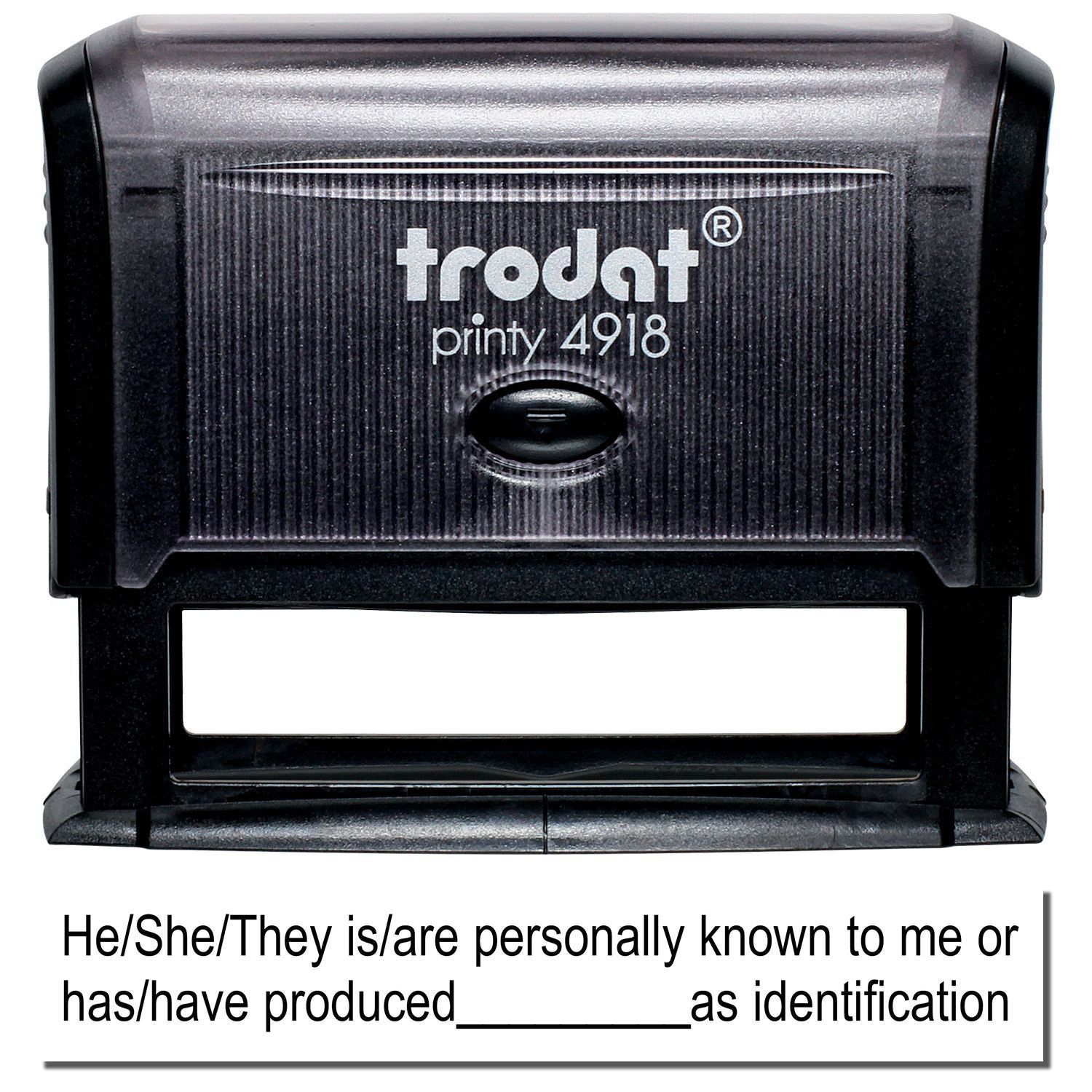
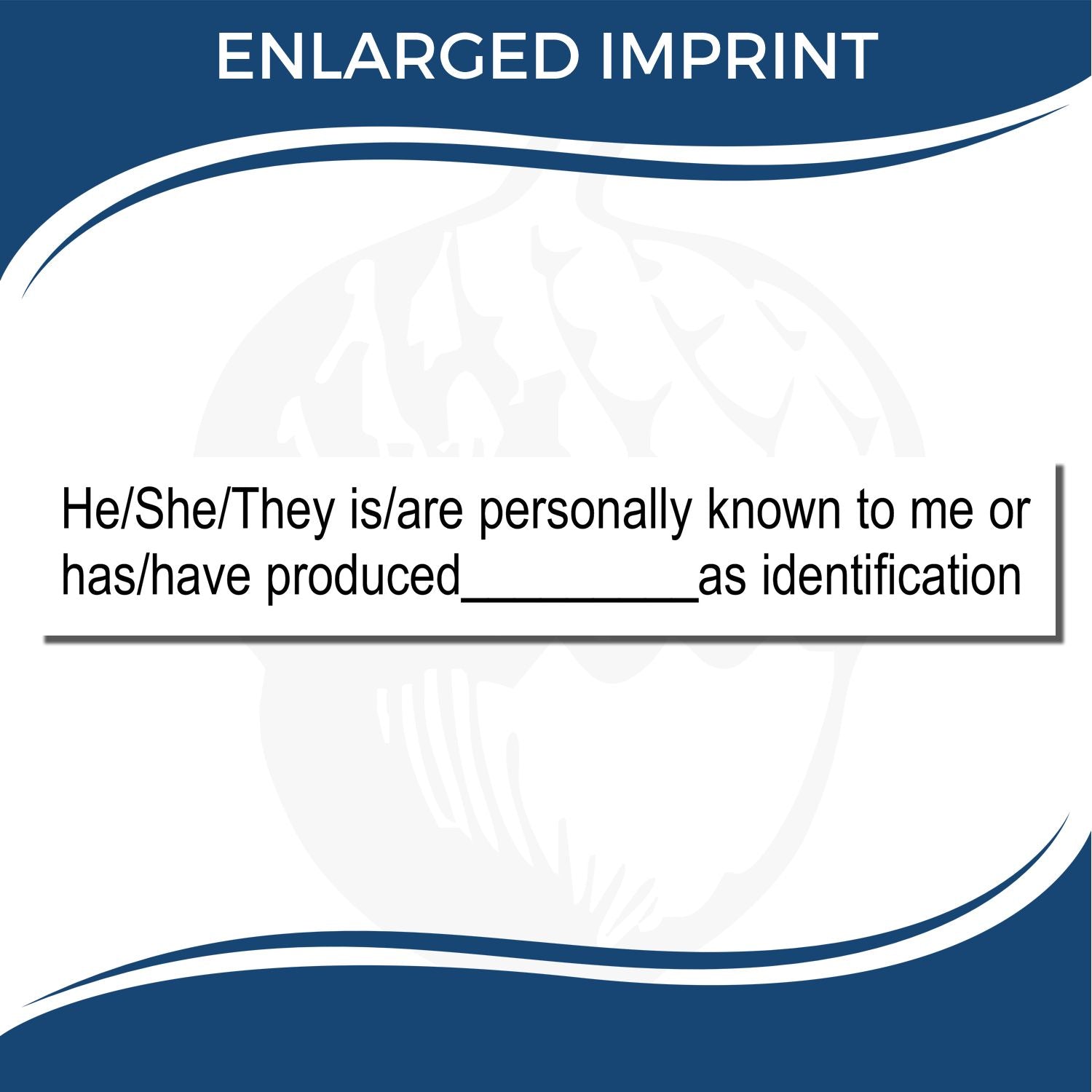
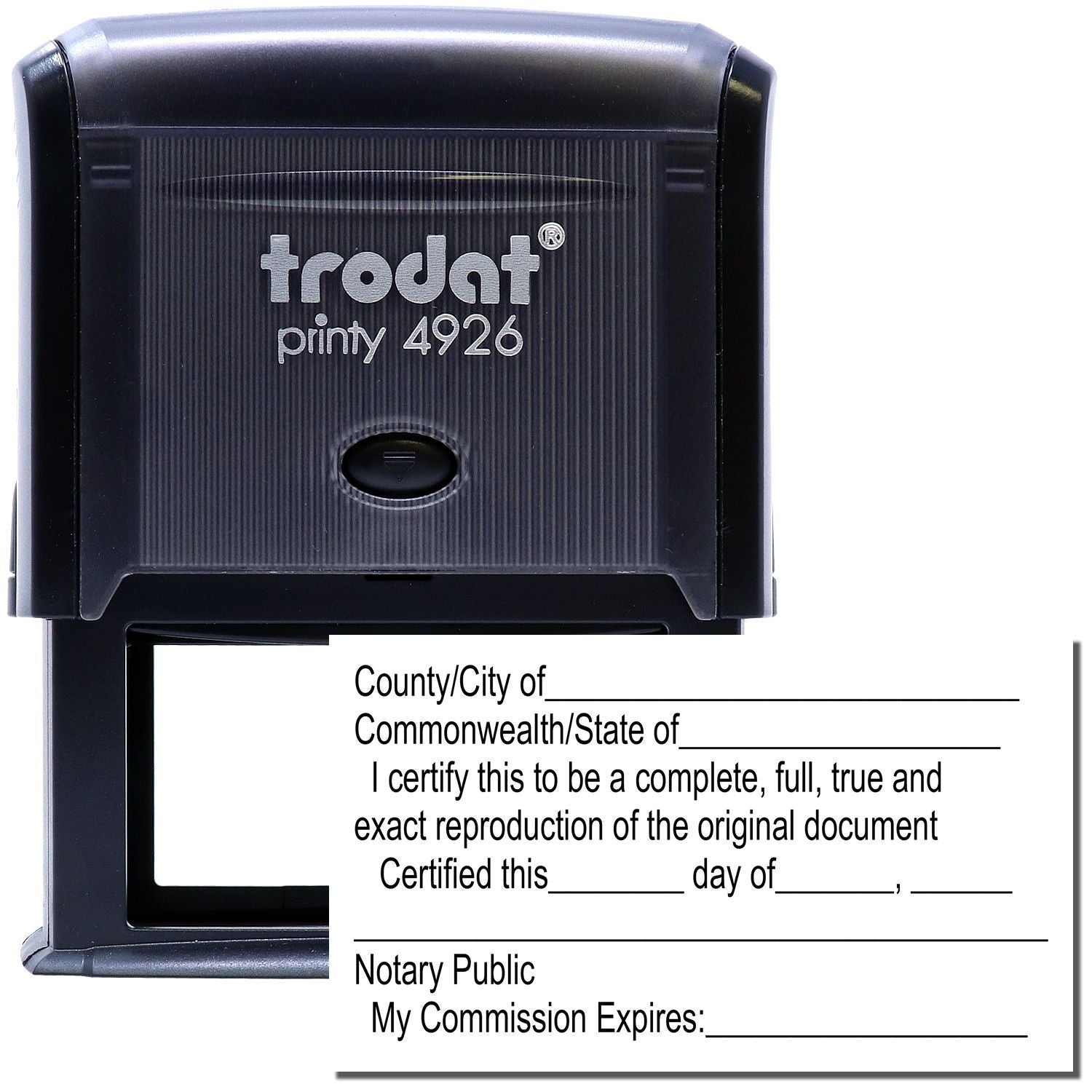
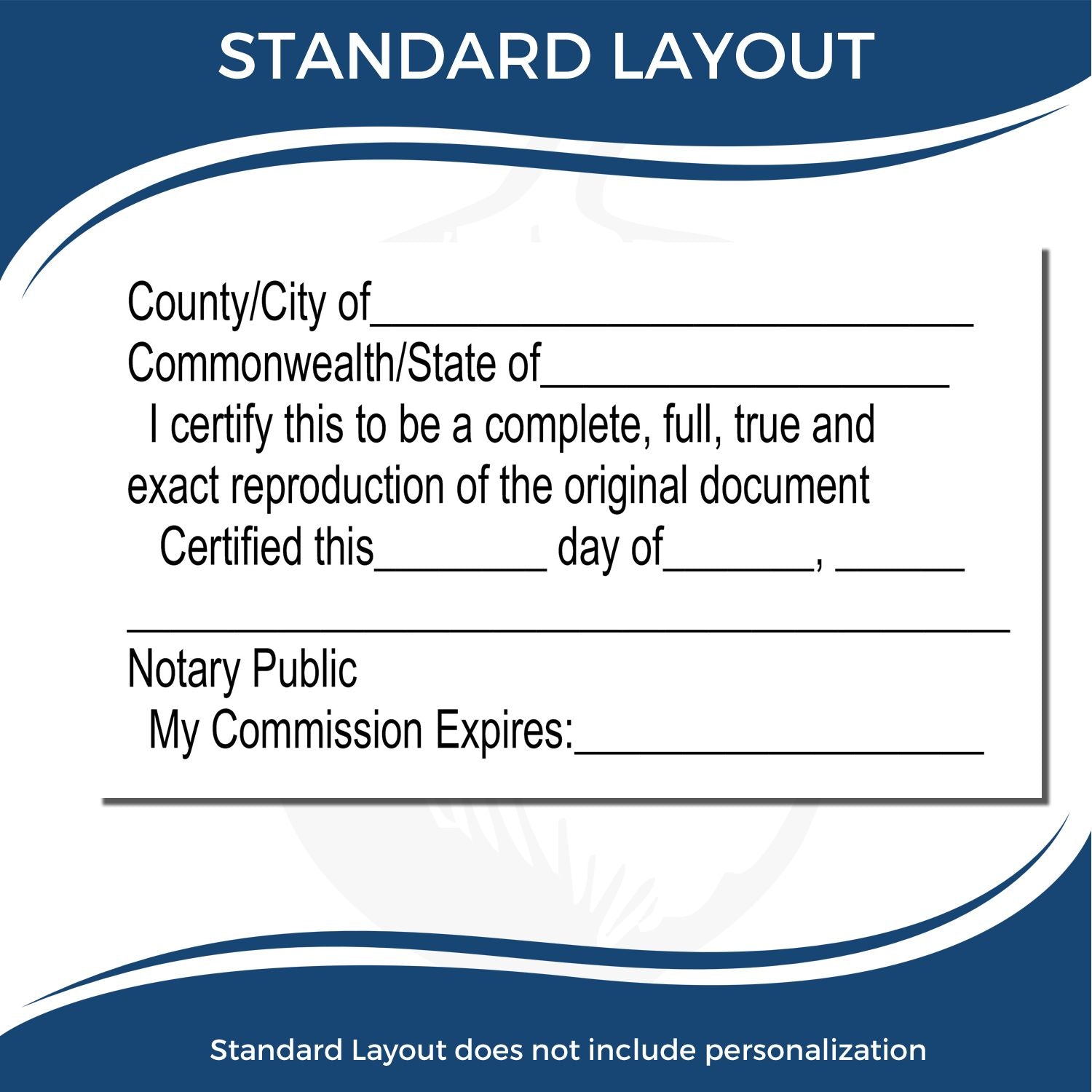
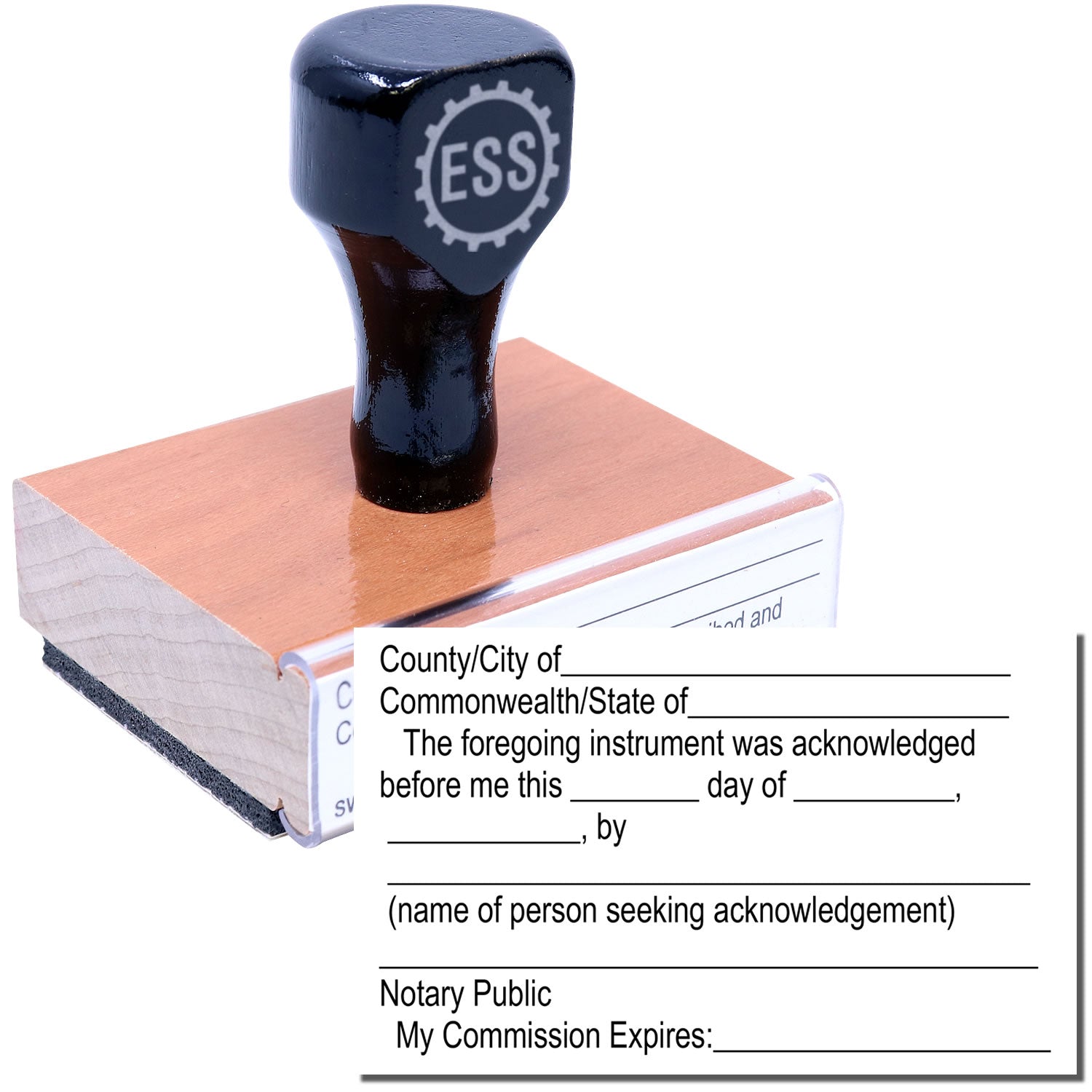
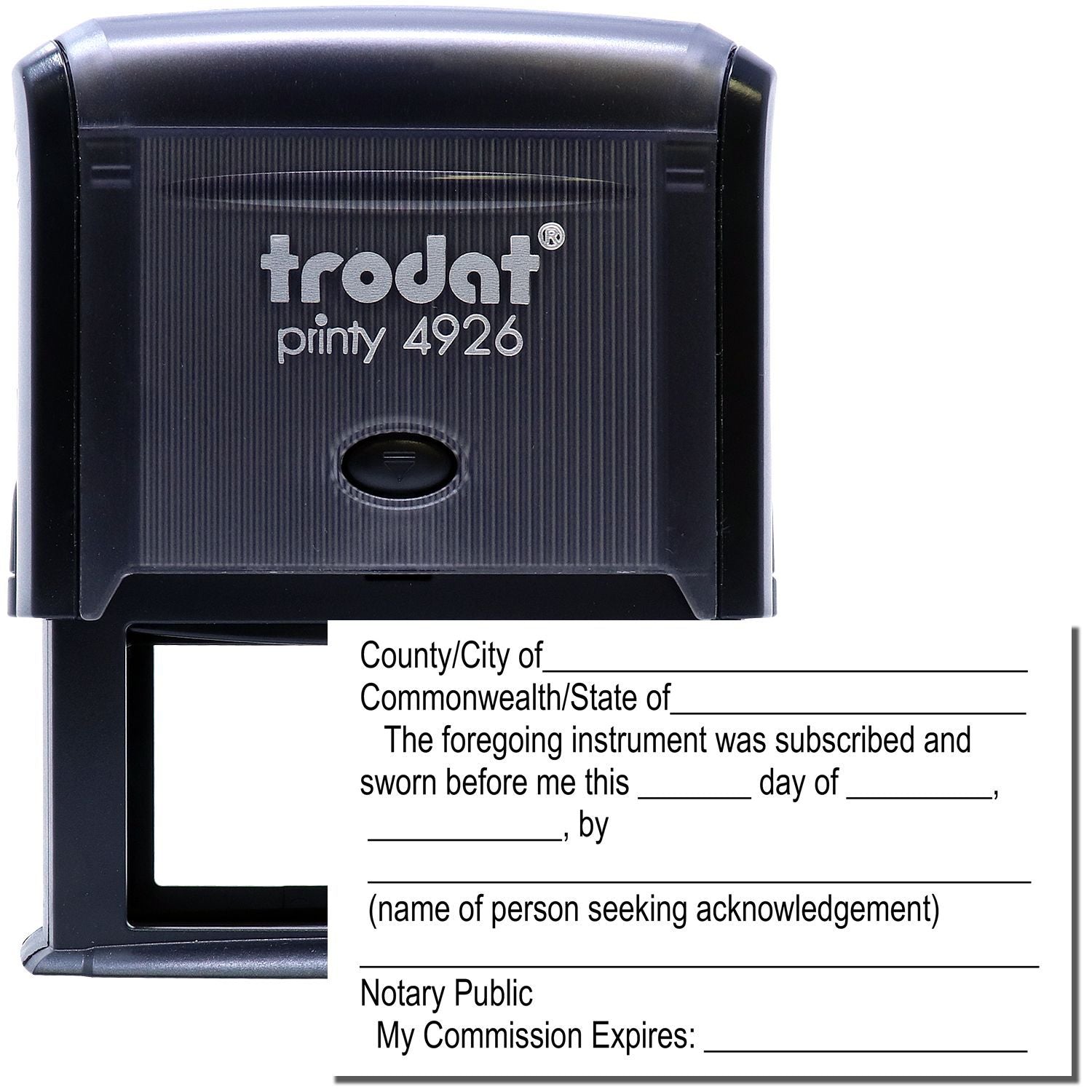
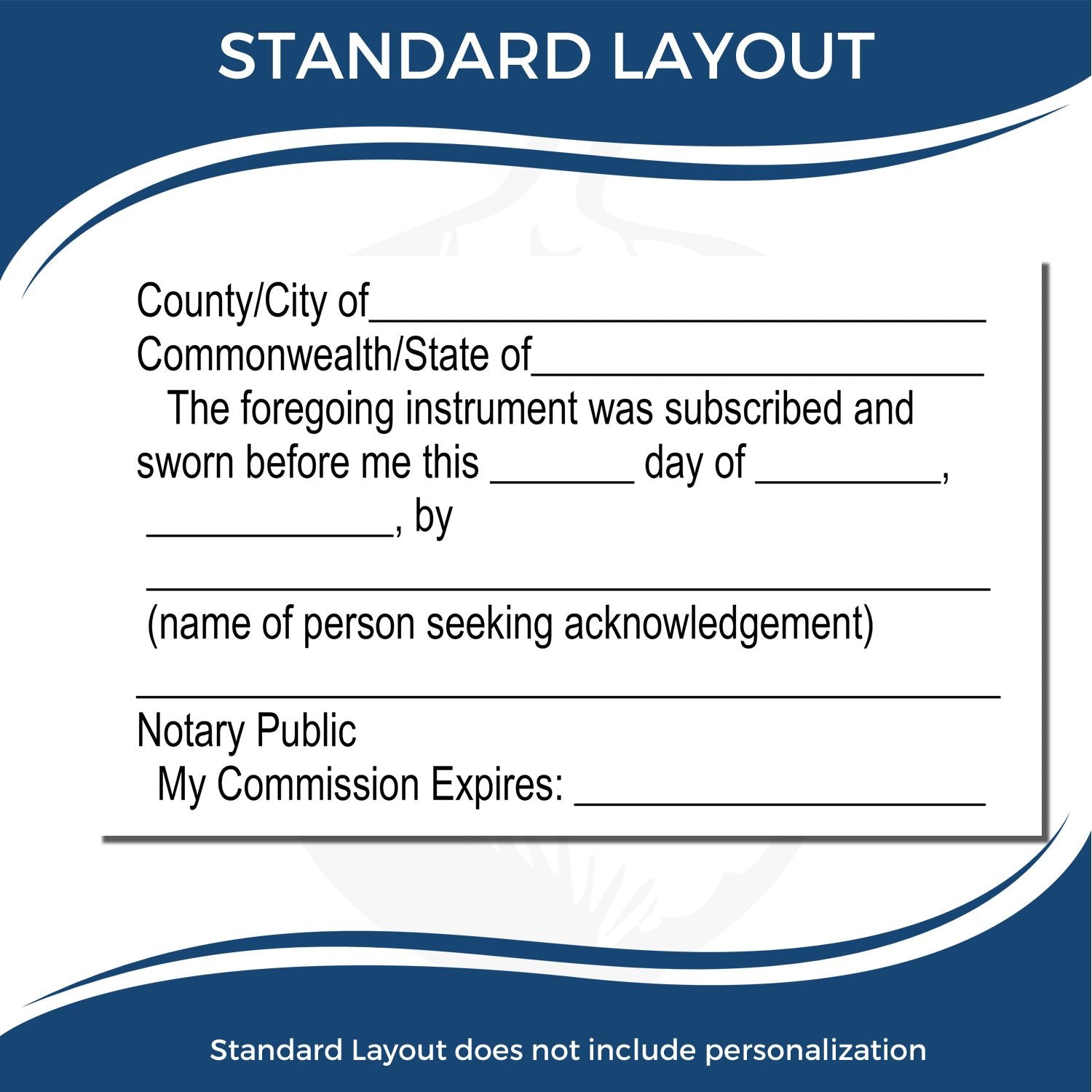
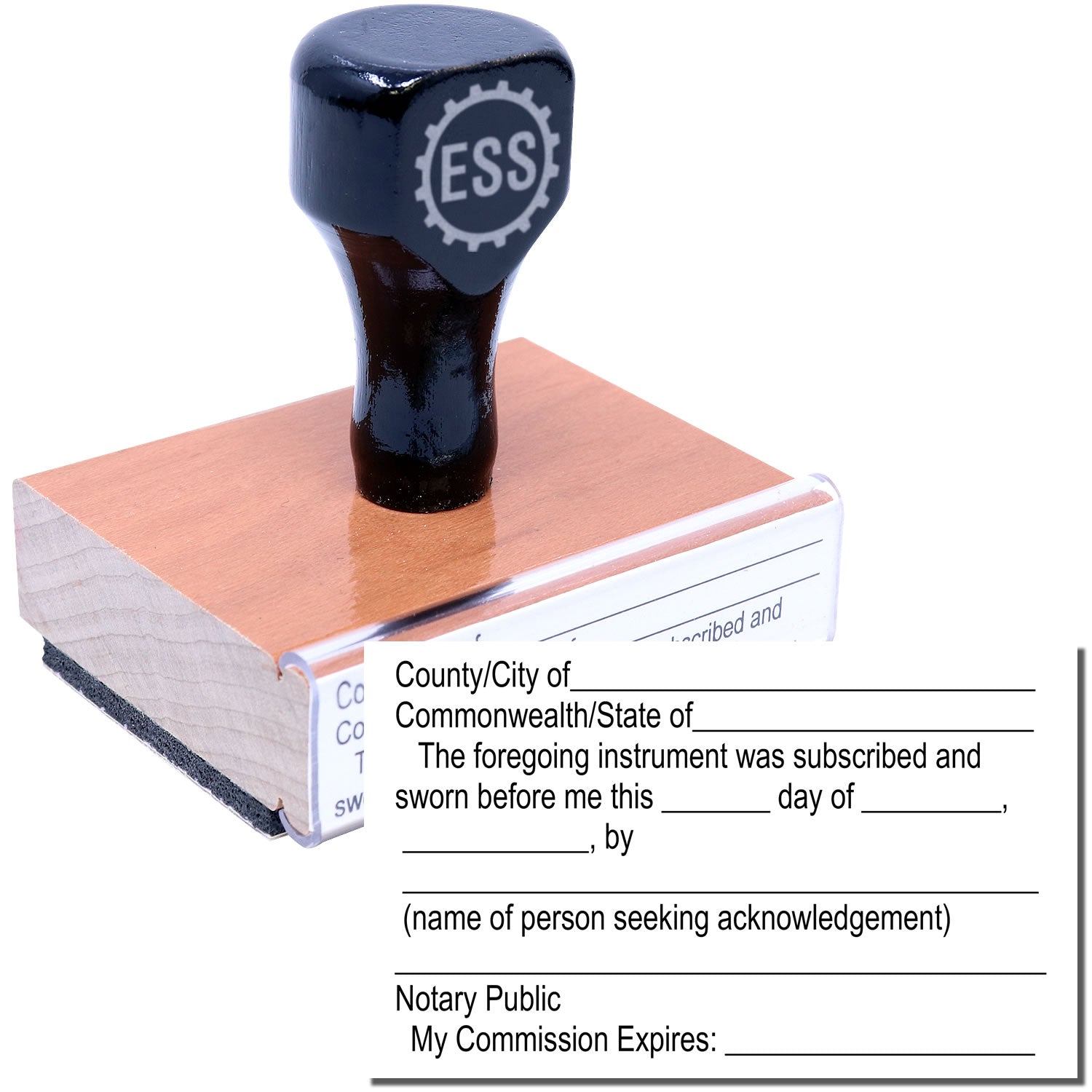
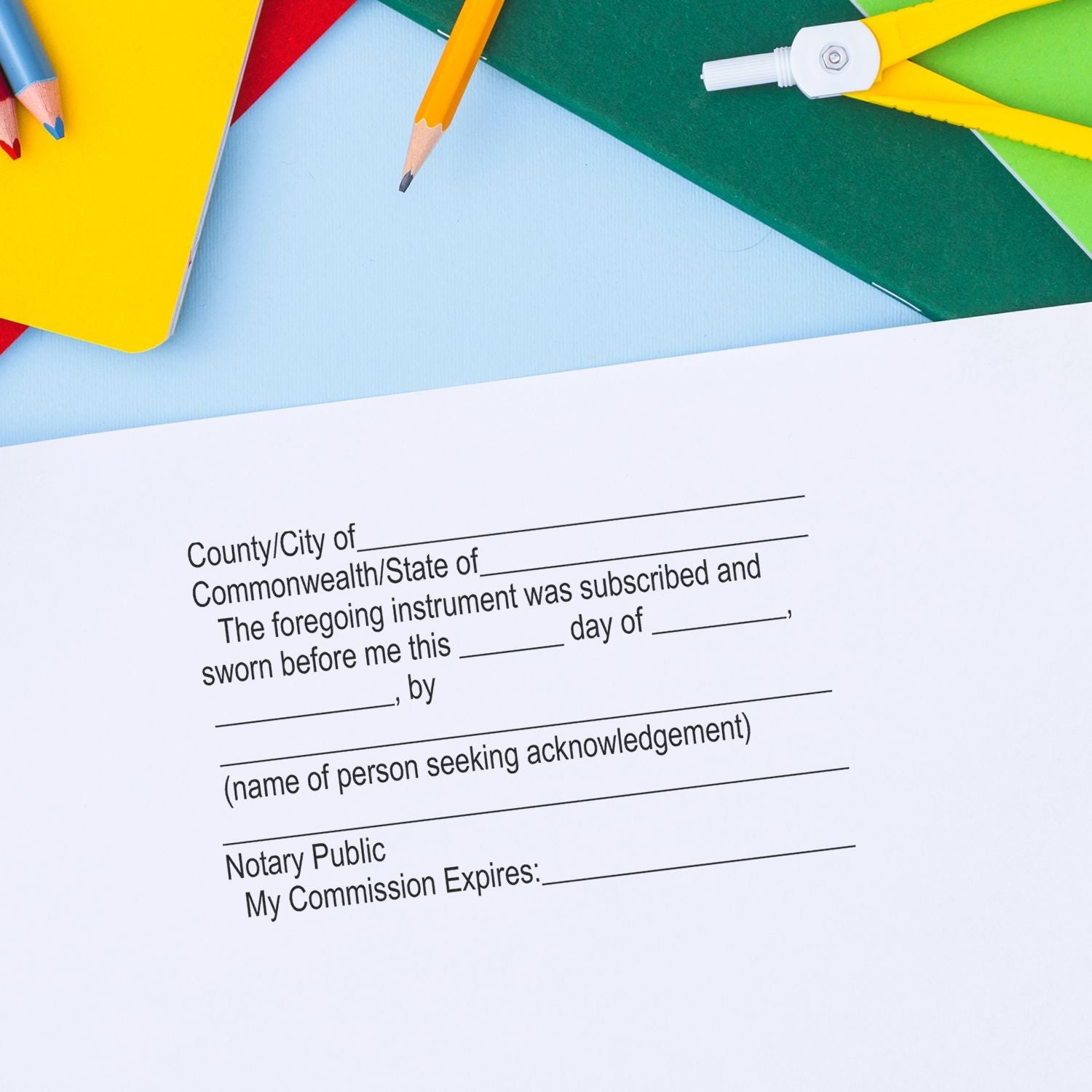
| Jurat stamp | A stamp printing jurat certificate wording for the notary to complete. | Acknowledgment and jurat stamps |
| Corporate seal | An embosser, pre-inked stamp or image file; optional under every statute ESS read. | Company seal rules |
| Electronic seal | An image file of the seal face; it does not sign the file. | Electronic seals and wet stamps |
| Firm seal | A seal with a firm's name and certificate number, required in three states. | Firm seal and COA rules |
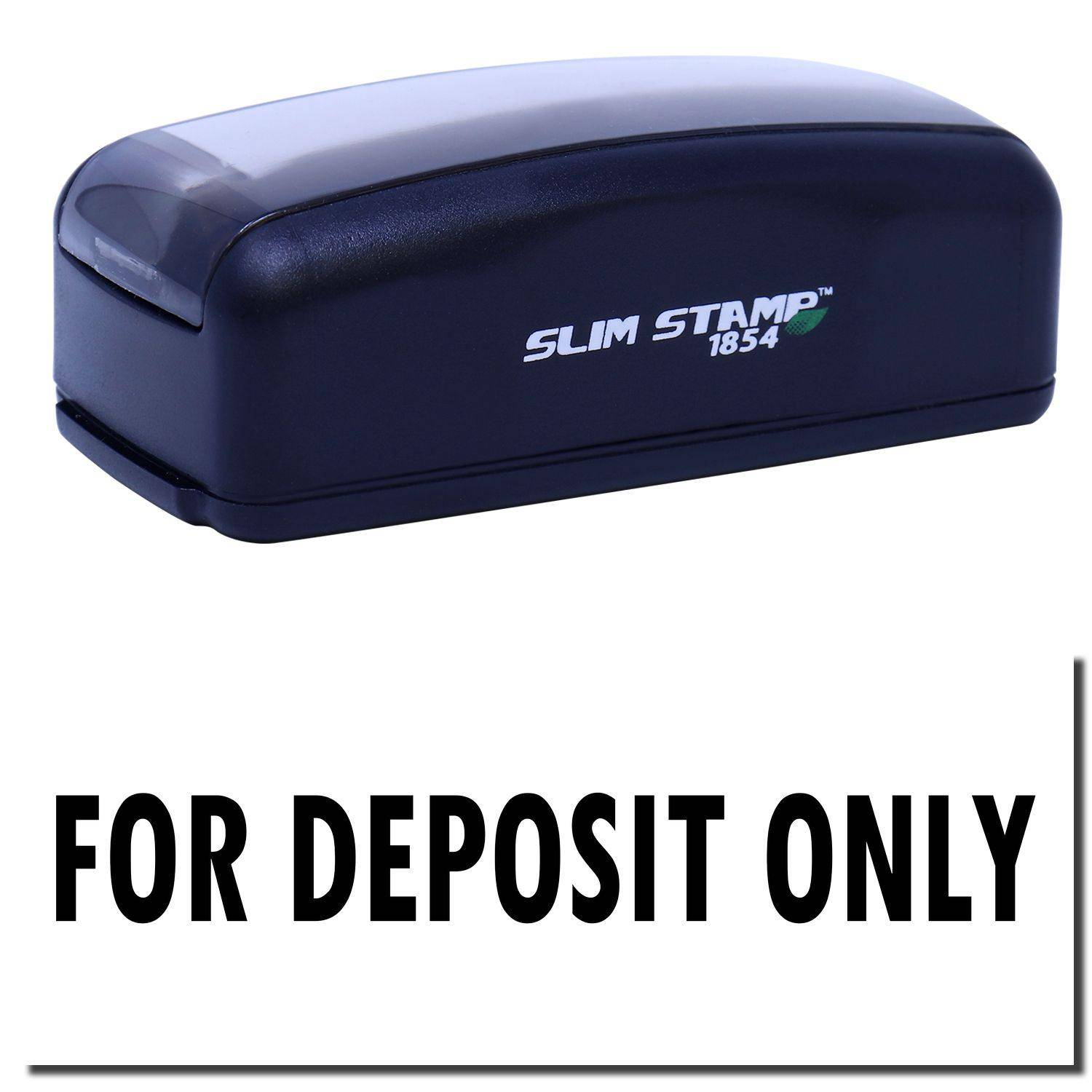
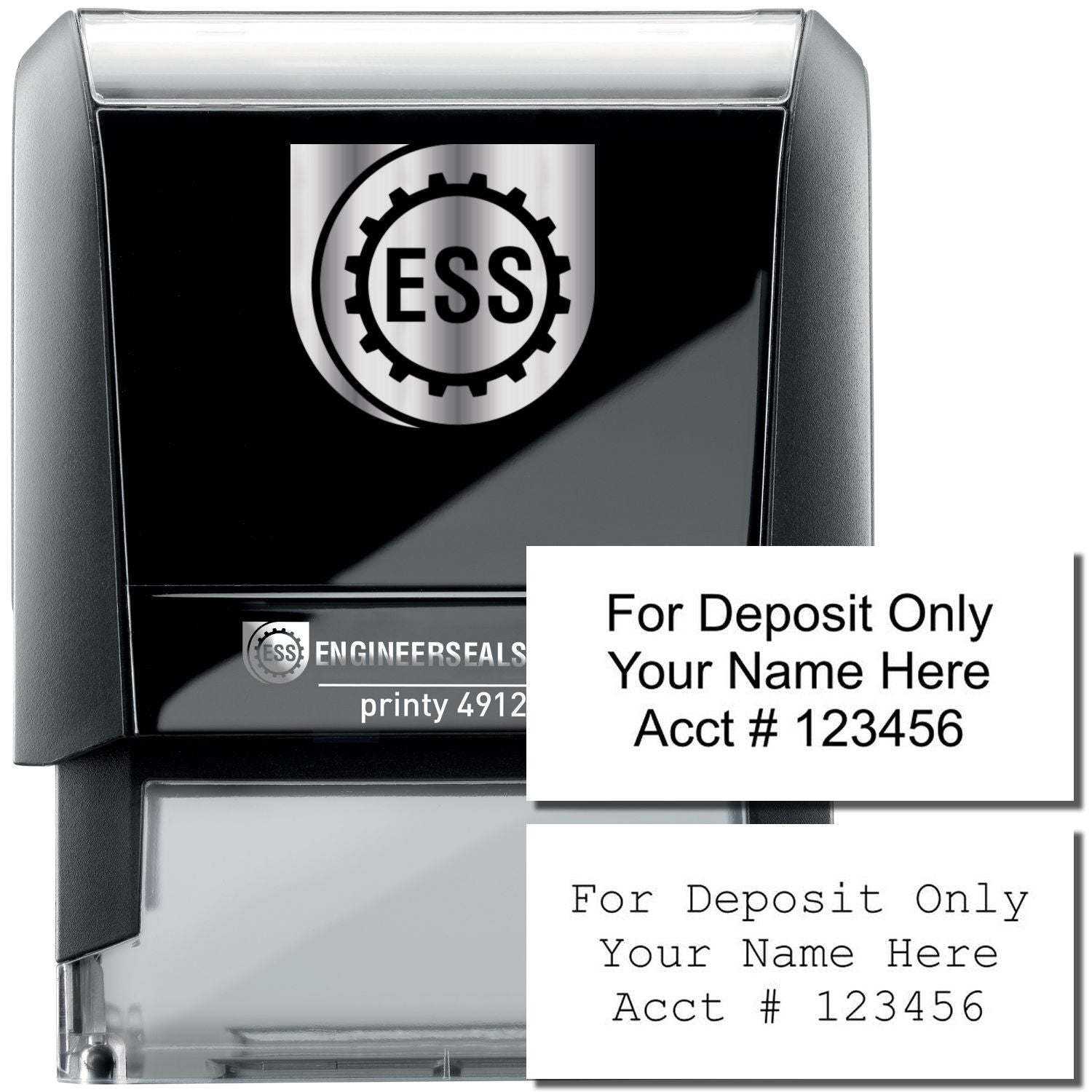
| For Deposit Only stamp | A stamp printing a restrictive check endorsement. | For Deposit Only endorsement rules |
| Issued for construction stamp | A status stamp; the professional seal does the certifying. | Construction and review stamps |
| Inspection stamp | A stamp tying an accept or reject mark to one inspector. | Inspection stamp control |
What professional seals do licensing boards regulate?
State boards regulate seals for engineers, architects, landscape architects, land surveyors and geologists, and 17 jurisdictions add interior designers. Each board sets its own face, size and device rules, so an order starts from the state and profession.
Professional seal
A professional seal is the mark a licensee applies, together with a signature and date, to certify a document. A review or status stamp never stands in for it.
PE stamp (professional engineer seal)
A PE stamp is the seal a licensed professional engineer applies to engineering documents. The engineer's name appears on it in 52 of 54 jurisdictions and the license number in 48; see PE stamp requirements by state.
Architect seal
An architect seal identifies the licensed architect responsible for construction documents and technical submissions. Forty-five of 54 jurisdictions print a license, registration or certificate number on it, and Louisiana adds a pelican; see architect seal rules by state.
Landscape architect seal
A landscape architect seal is the mark a licensed landscape architect applies to covered documents. Twenty-six of 54 jurisdictions set a diameter, and Nebraska does not license the profession; see landscape architect seal requirements.
Land surveyor seal
A land surveyor seal marks plats, maps, surveys and reports as a licensed surveyor's work. In South Dakota the register of deeds will not record a survey that is unsealed, unsigned or undated; see land surveyor seal rules.
Geologist seal
A geologist seal is the mark of a licensed or certified geologist. Twenty-five jurisdictions require one, four make it optional, North Carolina's Board issues its own and 21 have none; see geologist seal rules by jurisdiction.
Interior designer seal
An interior designer seal is the stamp a registered, licensed or certified interior designer applies in the 17 jurisdictions that require one. Georgia uses a square, Nevada a triangle and Florida a hexagon; see interior designer seal requirements.
Legend
A legend is the fixed wording on a seal that names the credential and often the jurisdiction, such as Registered Architect. Some rules fix it exactly: Florida landscape architect seals must show STATE OF FLORIDA and LANDSCAPE ARCHITECT.
Board-issued seal
A board-issued seal is one the licensing body supplies itself, so no stamp maker's version meets the rule. Nebraska land surveyors, North Carolina geologists and Nevada landscape architects get theirs from the board.
How is a professional seal signed, checked and tied to a firm?
A seal certifies only alongside the signature, date and supervision its rule requires, and some states add a firm credential on top. These terms cover signing, copy tests, firm seals and the certificate numbers boards want shown.
Signature across the seal
Signing across the seal means writing the signature over the impression instead of beside it. Kansas, Oregon, Utah and Wyoming engineers sign across it, while Indiana, Massachusetts and Virginia keep the signature next to the seal.
Certification block
A certification block is a signed statement that carries the certification with or without a seal. Minnesota makes the seal optional for engineers, architects, surveyors, geologists and others but requires a block with the prescribed certification sentence, signature, name, date and license number.
Copy test
A copy test requires a seal impression to stay legible when the document is copied. Illinois says an engineer's embosser used alone fails it, and nine notary jurisdictions, Florida and Texas among them, set one.
Firm seal
A firm seal shows a company's name and certificate number and goes beside the licensee's seal, never in place of it. Only Arkansas, North Carolina and South Carolina require one for design firms; see firm seal rules by state.
Certificate of authorization (COA)
A certificate of authorization is a credential granted to a company, not a person, that lets it offer licensed design services through a licensee in responsible charge. ESS found one for engineering firms in 36 of 54 jurisdictions.
COA stamp
A COA stamp is a small custom stamp printing a firm's name and certificate number on paper sets. Seven jurisdictions, Texas among them, want that number on engineering documents, kept outside the individual seal.

What do notary seal and commission terms mean?
Notaries are commissioned, not licensed, and most notary terms trace back to that commission: its number, its expiration date and the certificate each act uses. The seal rules themselves still differ widely from state to state.
Notary commission
A notary commission is the state appointment authorizing a person to perform notarial acts for a set term. Terms run from two years in Vermont to ten in Arkansas and South Carolina, and four years is the most common.
Notary seal
A notary seal is the official mark a notary places on a notarial certificate. In 43 of 54 jurisdictions it shows the notary's name, Notary Public and the state or territory, and seven make it optional; see notary seal requirements by state.
Notary stamp
A notary stamp is the version of the notary seal that prints in ink. Eighteen jurisdictions set dimensions, most often a 1 by 2.5 inch rectangle, and a Pennsylvania seal has to be a rubber stamp.
Notary embosser
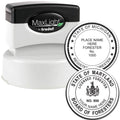
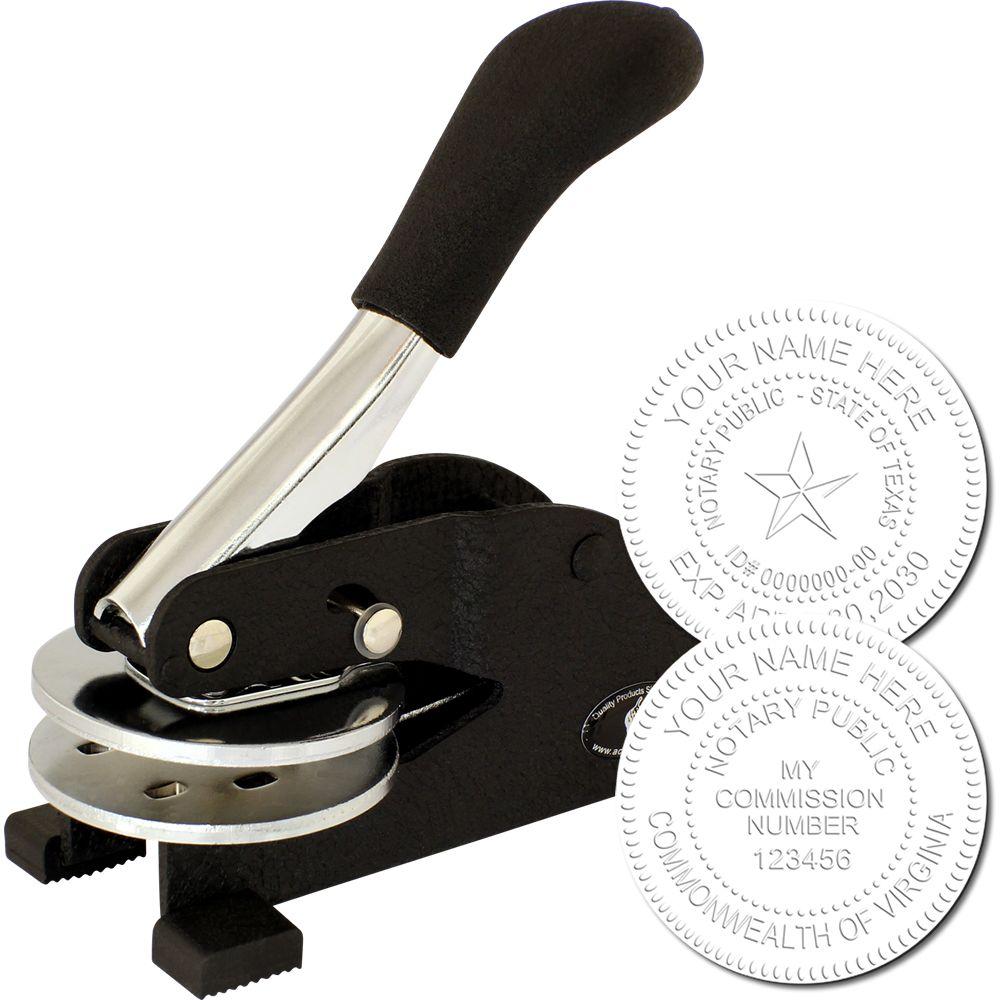
A notary embosser presses the notary seal into the page as a raised impression, with no ink. Sixteen jurisdictions accept it in place of the inked stamp, and Guam and the U.S. Virgin Islands require both devices.
Commission expiration date
The commission expiration date is the last day the commission, and any stamp made for it, may be used. It is a required part of the stamp in 31 of 54 jurisdictions; see how long a notary stamp is good for.
Commission number
A commission number, or notary identification number, is the number the commissioning office assigns a notary. Twenty-three jurisdictions print it on the seal, among them Florida, Illinois and Texas.
Notarial certificate
A notarial certificate is the completed wording, signed and sealed by the notary, that states which notarial act took place. Its form depends on the document and the jurisdiction, and Maryland lets the expiration date appear there instead of on the stamp.
Acknowledgment
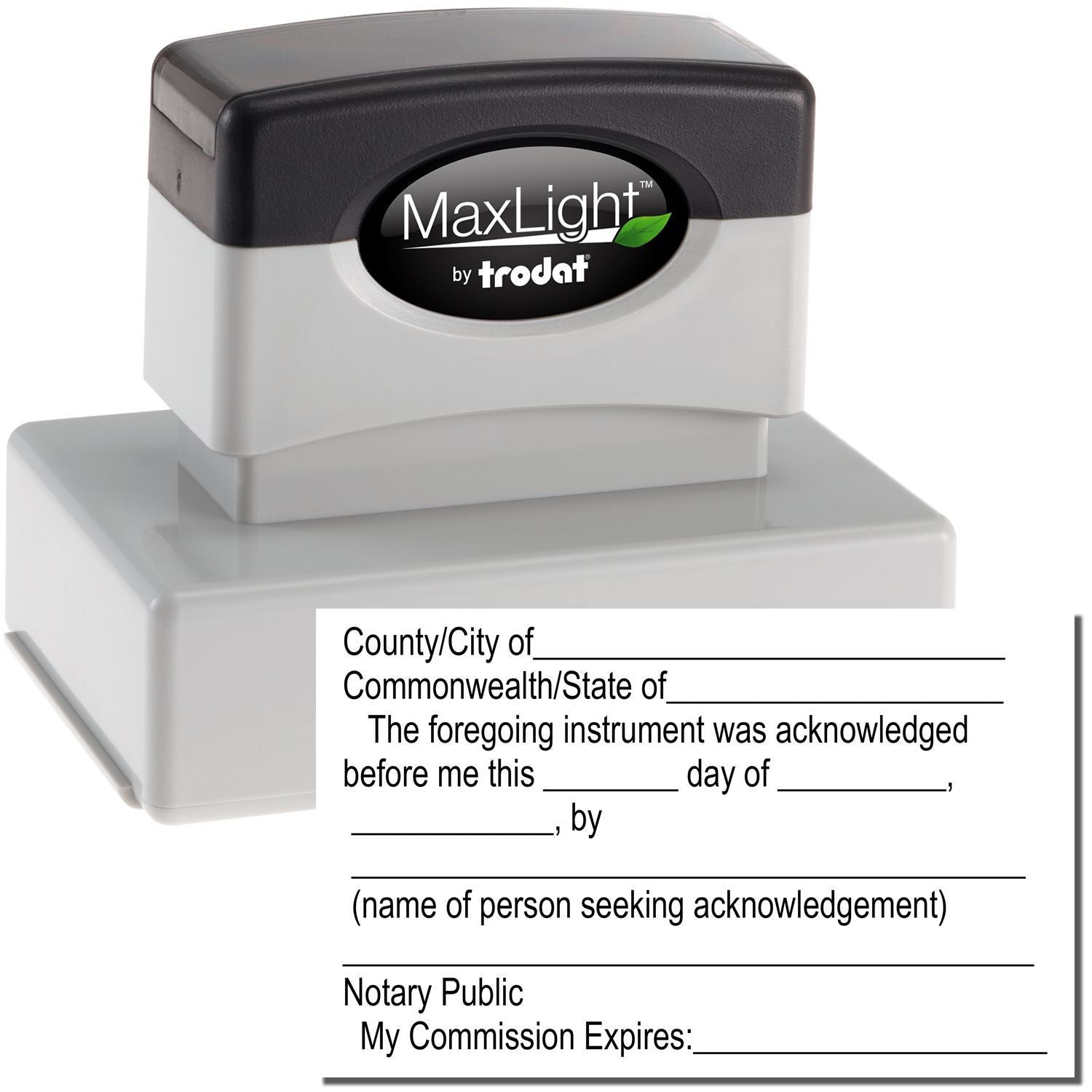
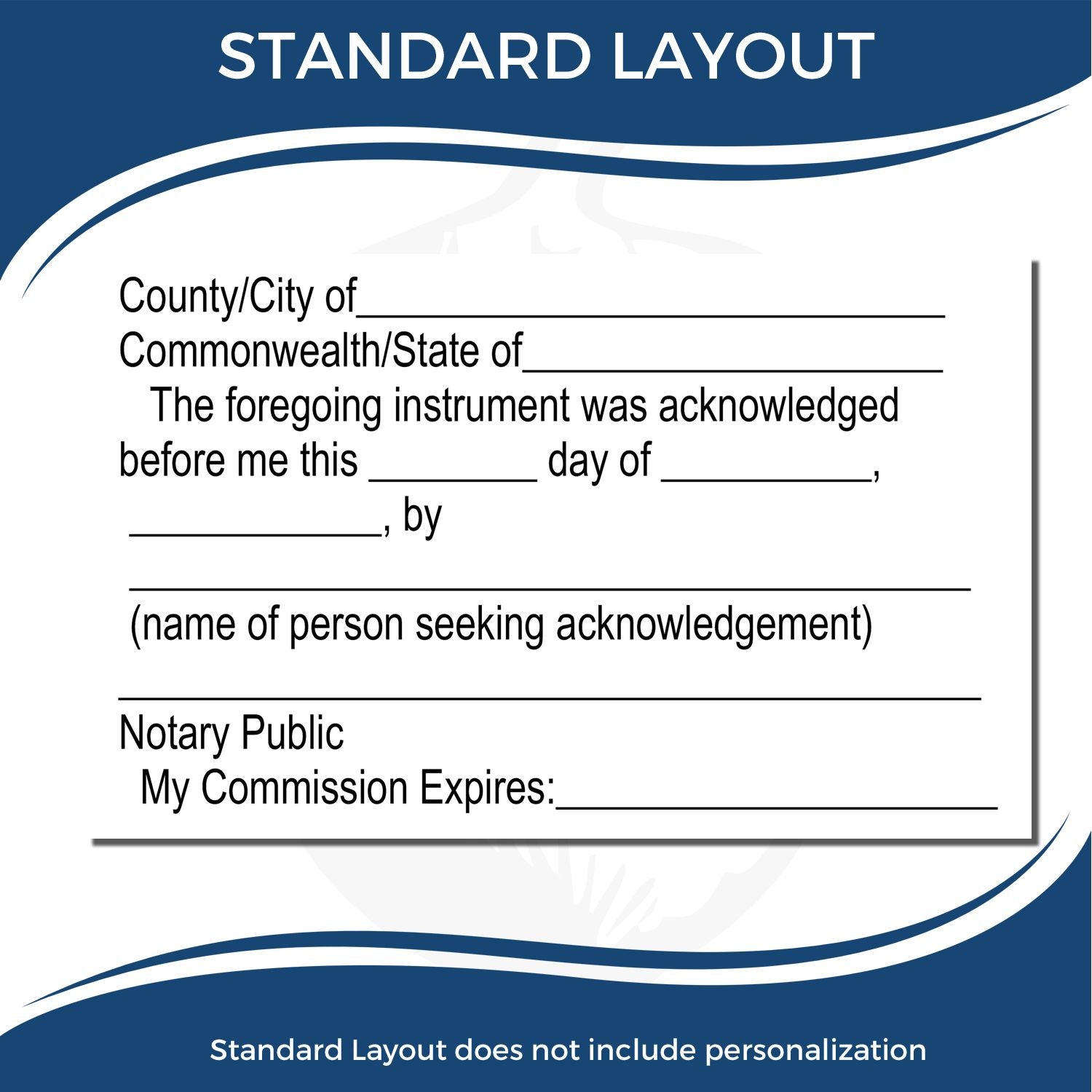
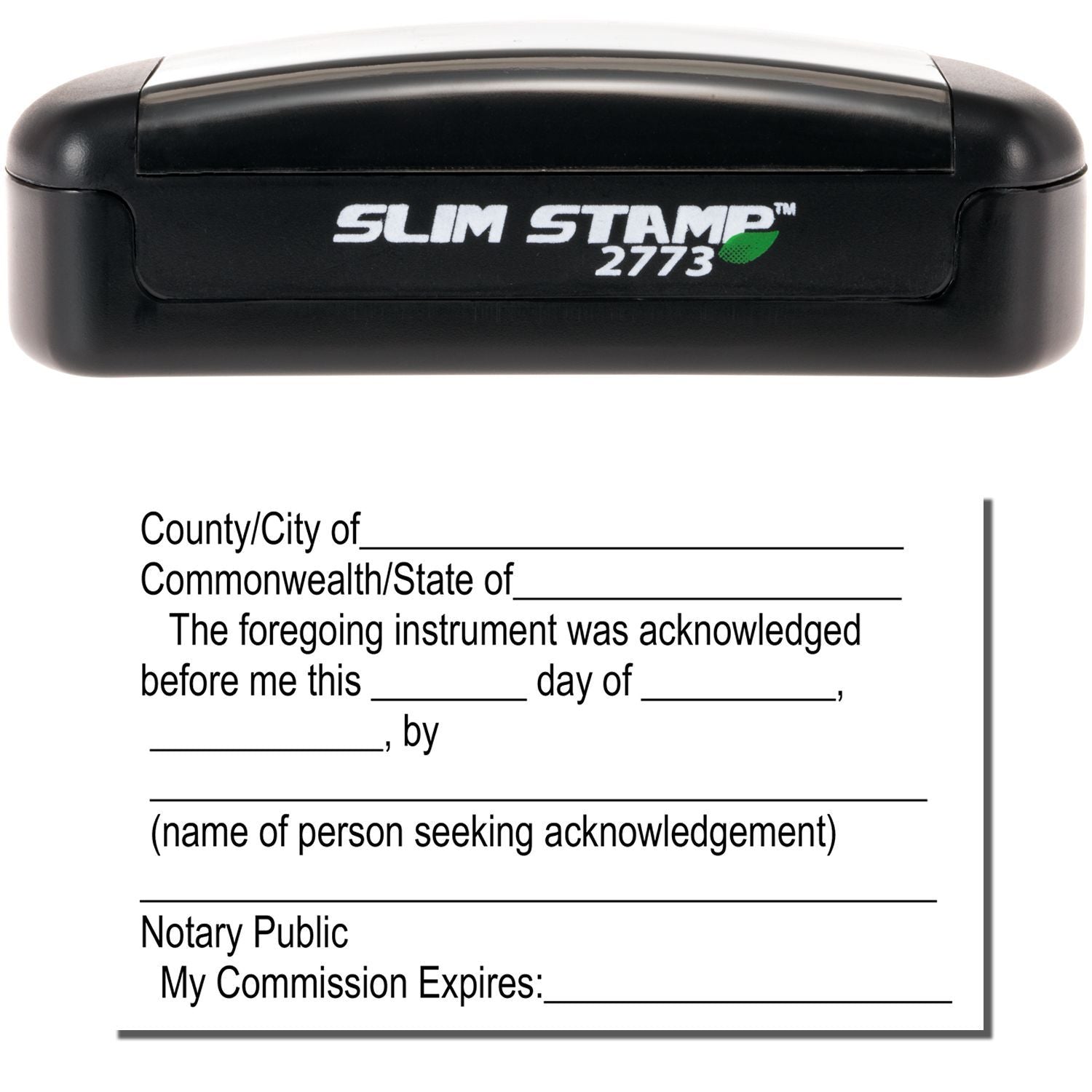
An acknowledgment is a notarial act in which the signer appears before the notary and declares they signed willingly. The notary vouches for the signing, not the contents; see acknowledgment and jurat stamps compared.
Jurat
A jurat is a notarial act in which the signer, in the notary's presence, swears or affirms that a document's contents are true. Affidavits commonly call for one.
Jurat stamp
A jurat stamp prints jurat certificate wording with blanks the notary completes, such as the date and place of the oath or affirmation. The notary signs below it and applies the seal.
Notary journal
A notary journal is the notary's record book of notarial acts. Arizona's 10 day and Colorado's 30 day deadlines for reporting a lost stamp also apply to a lost journal.
Serrated or milled border
A serrated or milled border is a notched edge around a seal impression. California, Hawaii, Idaho, Illinois, Minnesota and Texas require one on notary seals.
What is a corporate seal, and how does it differ from a company stamp?
A corporate seal is an optional device that marks a company's identity on documents. No corporation statute ESS read requires one, though lenders and title companies may ask, and a company stamp is a separate inked office tool.
Corporate seal
A corporate seal is a device that presses or prints a round mark identifying a company, also called a company seal or, in UK law, a common seal. Delaware and the Model Business Corporation Act treat it as a power, not a duty; see company seal rules for corporations, LLCs and nonprofits.
LLC seal
An LLC seal is a company seal whose center reads Limited Liability instead of Corporate. No LLC statute ESS read requires one; Delaware and New York leave the seal out of their LLC powers.
Nonprofit seal
A nonprofit seal is a corporate seal made for a nonprofit, reading Non-Profit Org. in the center on ESS faces. A Florida nonprofit's seal must include corporation not for profit or nonprofit corporation.
Company stamp
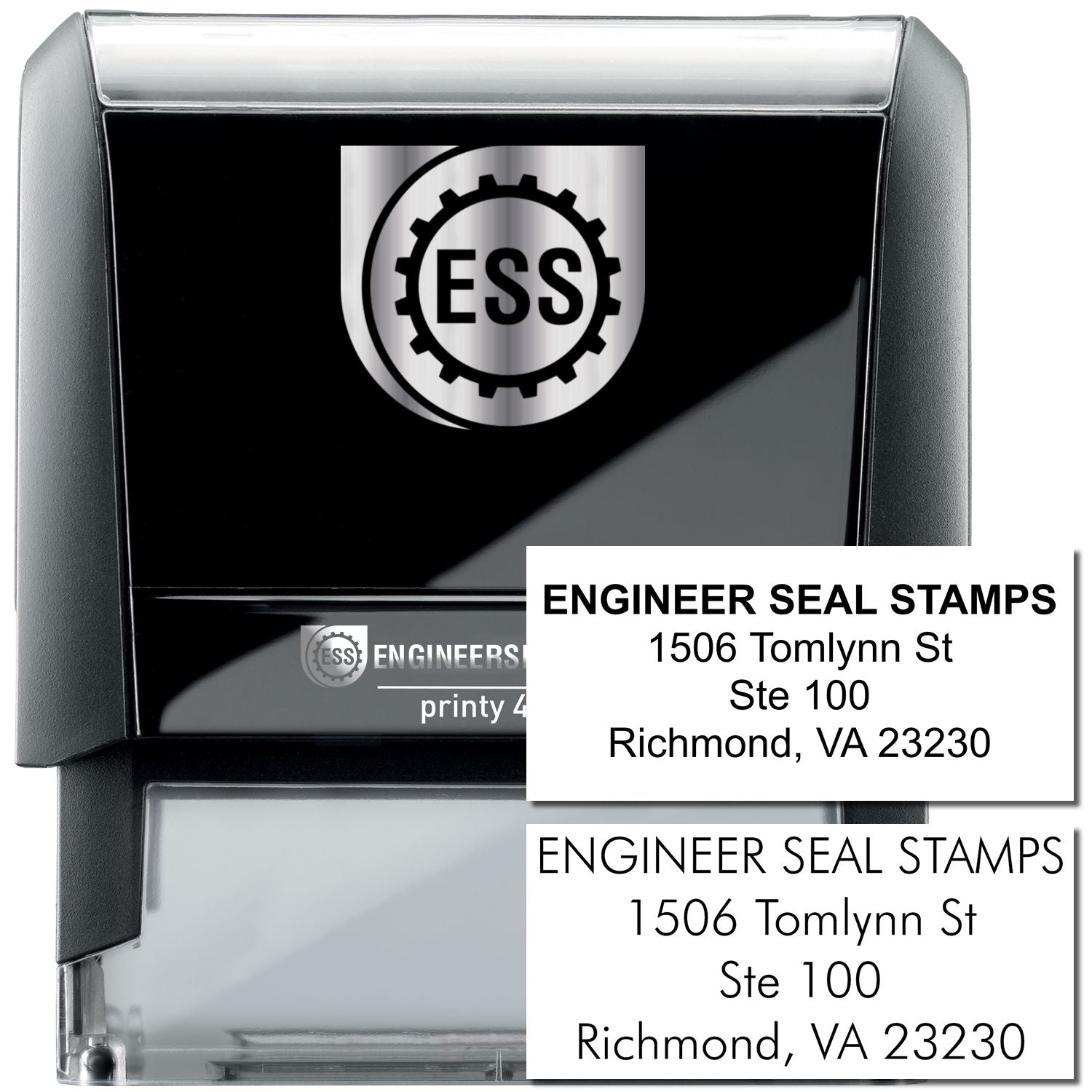
A company stamp is an inked office stamp that prints a business's name and details, such as its address; it is not a corporate seal. ESS makes a 4 line self-inking address stamp and a 3 line version.
How does an electronic seal differ from a wet stamp?
A wet stamp is ink on paper. An electronic seal is a picture of the seal placed on a file, and a digital signature is the cryptographic step that proves who signed and flags later edits.
Wet stamp
A wet stamp is a physical seal stamp's ink impression on a paper sheet. Electronic sealing replaces it only where the profession's rule permits; see electronic seals, digital signatures and wet stamps.
Wet signature
A wet signature is one handwritten in ink on the sealed document. Florida and Tennessee engineers must sign in wet ink, while Oklahoma does not insist on a wet original.
Electronic seal (eSeal)
An electronic seal is an image file of the seal face placed on a drawing or report, and 39 of 54 jurisdictions let engineers seal this way. The ESS eSeal is an image only and neither signs nor encrypts the file.
Digital signature
A digital signature is the output of a cryptographic operation that, in NIST's FIPS 186-5 definition, shows where data came from, that it is intact and that the signer cannot later deny it. It relies on a digital ID: a private key paired with an X.509 certificate.
Functional signature test
A functional signature test judges an electronic signature by what it does, not by product. Alaska's asks that the signature belong to the registrant alone, be verifiable, stay in the registrant's exclusive control and break if the document is edited.
What parts and specifications make up a stamp?
Every stamp has a die that carries the design and a mount that holds it, while order options set the impression area and lettering. These terms explain the sizes and specifications listed on ESS product pages.
Die
The die is the engraved face that carries the design and meets the paper. ESS product copy describes its dies as laser cut, with the red rubber laser engraved.
Mount
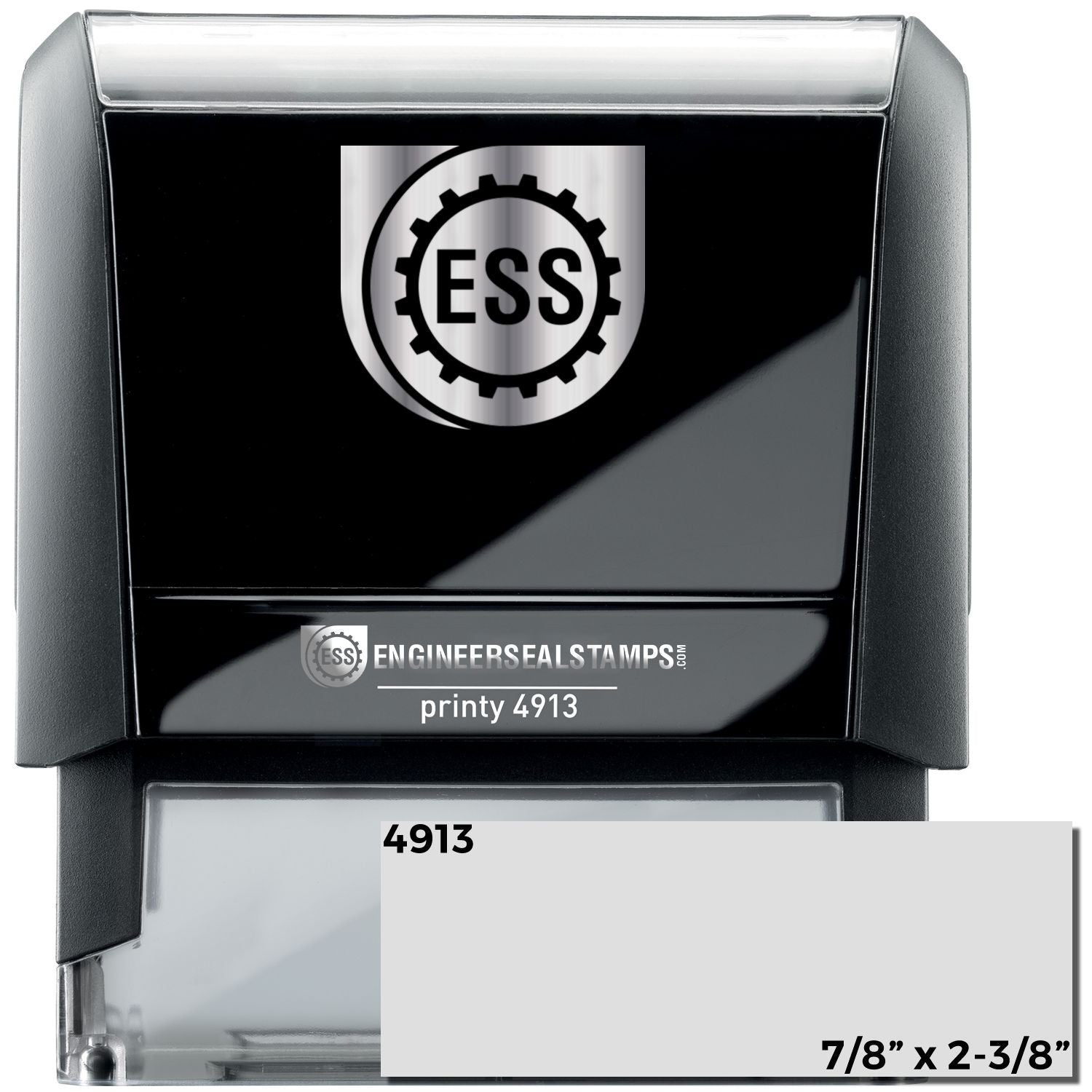
The mount is the body holding the die, and it determines how the stamp takes ink. ESS compares wood handle, plastic self-inker, Slim, PSI, MaxLight and Trodat Professional mounts by ink type, maximum size and heavy duty use.
Impression area
The impression area is the largest area a stamp can print, and it is the size an ESS product title gives. It reaches 8 by 10 inches on wood handle stamps.
Point size
Point size sets the letter height on a text stamp. On ESS's chart, 12 point prints characters about 1/8 inch tall and is labeled most common, and self-inking and pre-inked custom stamps take 8 to 72 point.
Vector artwork
Vector artwork is the file type ESS ranks best for logo stamps: AI, EPS, CDR and PDF. High resolution PNG, JPG or TIF at 300 dpi or more comes next.
Which stamp and seal devices are there?
Stamps print in ink from a self-inking, pre-inked or wood handle mount, while embossers press a raised seal with no ink. Several boards and notary laws test whether the mark survives copying.
Self-inking stamp
A self-inking stamp keeps an ink pad inside its body, and the die flips onto the pad between impressions. It uses water-based ink and suits repetitive stamping.
Pre-inked stamp
A pre-inked stamp holds oil-based ink in the die itself and needs no pad. ESS's chart rates PSI and MaxLight impressions excellent and notes the ink needs to rejuvenate after several impressions.
Wood handle stamp
A wood handle stamp is a traditional rubber stamp on a wooden mount that needs a separate ink pad. It takes any ink color, including special inks for glossy paper or cloth, and suits heavy duty use.
Embosser
An embosser is a device that presses a seal design into paper as a raised impression, using no ink. Among engineering rules, 26 jurisdictions list a pressed seal, and most boards accept more than one device.
Raised seal
A raised seal is the relief impression an embosser leaves, also called an embossed seal. Delaware land surveyors seal with one by default, and ESS desk corporate seals leave one 1-5/8 inches across.
Blind emboss
A blind emboss is an embossed seal with no ink, so it does not reproduce on a photocopy. Texas and Tennessee allow notaries to emboss, yet an uninked impression by itself fails both states' copy tests.
Crimp
Crimp is a board rule term for a pressed seal, listed with embossers and impression seals. Oregon's architect rule names crimp, rubber and digital stamps.
Long reach embosser
A long reach embosser seals farther in from the edge of a sheet than a desk model. On ESS models the reach is 2-1/2 inches for long reach and 4-1/2 inches for extended long reach.
Pocket seal
A pocket seal is a smaller seal size some rules accept alongside the standard one. Pennsylvania engineers and surveyors may use a 1-1/2 inch pocket seal instead of 1-3/4 inches.



What do check endorsement and bank stamp terms mean?
A bank stamp prints a check endorsement, such as For Deposit Only with the business name. The form of the endorsement decides what can happen to the check next.
For Deposit Only stamp
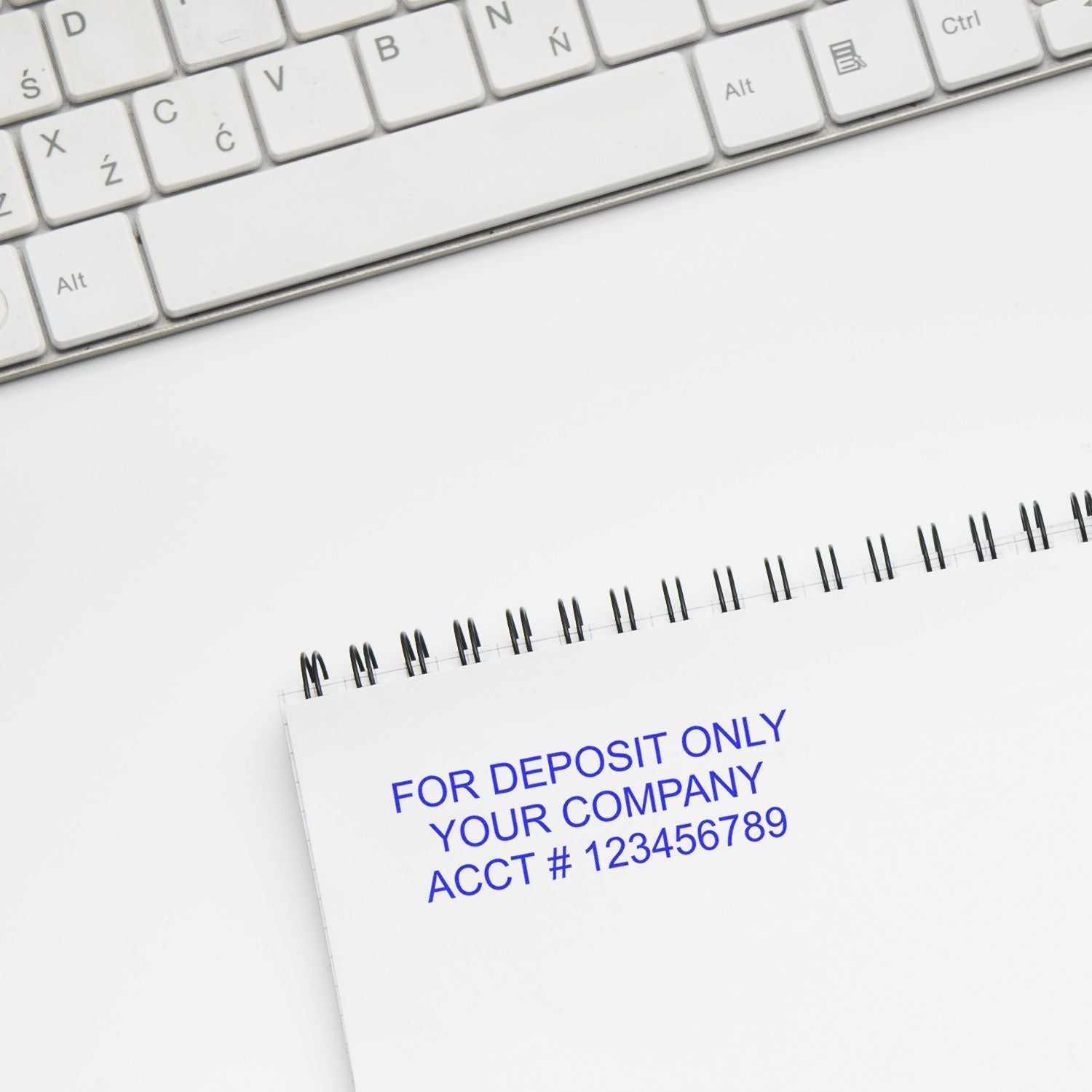
A For Deposit Only stamp prints a restrictive endorsement that sends a check into the endorser's account. Under UCC § 3-206(c), a depositary bank or non-bank buyer is liable for conversion if the funds are not paid to the endorser or applied as endorsed; see For Deposit Only rules.
Endorsement
An endorsement is a signature on a check, alone or with other words, under UCC § 3-204(a). Statutes spell it indorsement, and a stock stamp printing only the restrictive words still needs a signature or business name.
Restrictive endorsement
A restrictive endorsement limits what can be done with a check, with wording such as for deposit only, for collection or pay any bank. Pay any bank keeps holder rights with banks alone until the check goes back to its depositor or a bank endorses it over to a non-bank (UCC § 4-201(b)).
Blank endorsement
A blank endorsement is a bare signature or company name with no other words, making the check payable to bearer. Whoever holds it can negotiate it by handing it over (UCC § 3-205(b)).
Endorsement area
The endorsement area is the box at the top of the back of a check reserved for the payee, which Wells Fargo describes as typically a 1.5 inch box. Staying inside it keeps the bank's own indorsement legible.
Bank stamp
A bank stamp is a check endorsement stamp printing the restrictive words, the business name as it appears on the pay-to line and, if wanted, a bank line. ESS makes a 3 line self-inking check endorsement stamp and a 4 line version.
What do construction document status stamps mean?
Status stamps such as issued for construction or as built record where a sheet stands, while the seal, signature and date carry the certification. Several boards let a preliminary set go out unsealed only under a specific warning.
Issued for construction stamp
An issued for construction stamp marks a sheet as part of the set released for building. It is a project convention, and the final set still carries the licensee's seal, signature and date; see construction and review stamps.
Preliminary stamp
A preliminary or not for construction stamp warns that a sheet is not final. NCEES Model Rules § 240.20 A lets such sheets go unsealed when marked in large bold letters, while Texas wants the release purpose, engineer, license number and date (22 TAC § 137.33(e)).
As built stamp
An as built stamp flags a marked-up print recording what was actually built. Texas engineers need not seal record drawings, while Washington counts as-built documents as final documents that carry the seal.
Submittal review stamp
A submittal review stamp, or shop drawing stamp, records a reviewer's decision on a submittal using actions the contract names, such as MnDOT's No exceptions taken. ESS makes it as a custom self-inking stamp built from your review block.
Received stamp
A received stamp prints the date a document or submittal arrived, keeping the review trail readable. Like void, revised and approved stamps, it has no legal meaning of its own under the rules ESS read.
What do law office stamp legends mean?
Law office stamps label exhibits, redactions, privilege claims and designations, but the rule or court order behind each label does the legal work. A stamp never creates privilege or hides text by itself.
Exhibit stamp
An exhibit stamp marks a document for identification as a numbered exhibit. Federal Rule of Civil Procedure 30(f)(2)(A) leaves the method open for deposition exhibits, while trial courts set their own labels; see law office stamp rules.
Redacted stamp
A redacted stamp labels the spot where information was deliberately removed; it does not hide what lies underneath. Take the text out first, since ink and tape can leave it readable.
Privileged stamp
A privileged stamp labels a document as protected, but courts judge privilege by what the document is, not its marking. Kobluk v. University of Minnesota (Minn. 1998) held that such a label does not by itself create the privilege.
Confidential stamp
A confidential stamp applies a designation that a protective order creates to each page holding protected material. It does not seal anything in the court file.
Legal mail marking
Legal mail marking is the Bureau of Prisons special mail wording on an attorney's letter to a federal inmate. The envelope must identify the sender as an attorney and carry Special Mail with Open only in the presence of the inmate (28 CFR 540.18).
What are inspection stamps and stamp control?
An inspection stamp ties an accept, reject or hold decision to the one authorized person who made it, so FAA guidance and AS9100D treat the stamp itself as something to issue, log and control.
Inspection stamp
An inspection stamp records on a tag, traveler or record that an item passed, failed or is on hold, and which authorized inspector decided; see inspection and QC stamp control.
Inspector ID stamp
An inspector ID stamp carries a number or mark unique to one inspector. FAA AC 21-43A limits inspection marking devices to authorized persons, and AS9100D keeps each holder's stamp distinct from everyone else's.
QA and QC stamps
QA and QC stamps both record a pass. ASQ describes quality assurance as building confidence that requirements will be met and quality control as the part that meets them.
Stamp control
Stamp control is the written system for issuing, logging, securing and recovering inspection stamps. FAA AC 20-154A asks for a system governing issuance and use, and a departing holder's stamp is destroyed or its dated history kept.
Reject and hold stamps
Reject and hold stamps mark nonconforming or questionable items, and the mark only starts the process. Under 14 CFR 21.137(h), such items are identified, documented, evaluated, segregated and dispositioned, and scrapped articles are made unusable.


Frequently asked questions
Is a stamp the same thing as a seal?
For professional seals, usually yes: architect rules use both words for one mark, and Florida looks at the impression rather than the device that made it. Some rules still name the device, such as Pennsylvania's rubber stamp rule for notaries and Arizona's ink seal for engineers.
Can one professional seal cover several states?
No. The legend names one jurisdiction, the number comes from that board, and sizes clash: an Oregon land surveyor seal must be at least 2 inches, while Vermont's should not exceed 1.5 inches. Plan on one seal per state.
Can I keep my notary stamp after renewing my commission?
Only if nothing on it changes. A stamp showing the old expiration date or a number tied to the old commission has to be replaced, and Massachusetts requires a new seal at every renewal. Undated seals in Hawaii, Ohio and South Dakota can carry over.
Does a corporate seal make a contract valid?
Not by itself. Ohio says a missing seal does not affect an instrument's validity, while New York treats the corporate seal as prima facie evidence that the corporation authorized the instrument.
Can a rubber stamp replace a handwritten signature?
On checks, UCC § 3-401(b) lets a signature be made by a device or machine. Professional seal rules are stricter: California never accepts a stamped engineer signature, West Virginia bars facsimile signatures, and Tennessee landscape architects may not use rubber signature stamps.
Do I need both a physical seal and an electronic seal?
If you issue paper sets and PDFs, yes: paper takes a physical stamp or embosser, and files take a seal image plus any signature your rule requires. The ESS engineer eSeal is free with a physical stamp or seal purchase.
If the term you came for is a notary seal, stamp or embosser, have your commission certificate in hand and shop our notary stamps, entering your name, commission number and expiration date exactly as issued.